A Taste of Excellence: Michelin-Starred Restaurants in Croatia
Date
Reading time
13 min


Michelin star restaurants are shrines of Croatian gastronomic tradition, interpreting local ingredients in innovative ways and where taste is the star
When Michelin announced Croatia's first Michelin-starred restaurant in early 2017, the recognition felt like a turning point for the country's culinary scene. Monte in Rovinj opened the door, and less than a decade later Croatia has developed a far broader and more confident fine-dining landscape.
The MICHELIN Guide Croatia 2026 features 14 Michelin-starred restaurants: 13 restaurants with one star and Agli Amici Rovinj with two. The latest edition also brought a new name to the list, Harry's Piccolo Poreč, confirming Istria's increasingly prominent position on Croatia's gastronomic map.
Croatia's Michelin-starred restaurants today stretch from Istria and Kvarner to Zagreb, Pag, Split and the southern Adriatic. What connects them is not a single interpretation of Croatian cuisine, but a growing confidence in local produce, seasonality and the ability to translate regional identity into contemporary fine dining.
Monte, Rovinj
Croatia's Michelin story began with Monte. When the restaurant received the country's first Michelin star in 2017, it marked not only a milestone for owners Tijtske and Danijel Đekić, but also the beginning of a new chapter for Croatian gastronomy.
Set in Rovinj's old town, just below the Church of St. Euphemia, Monte has long built its identity around Istrian produce, ingredients from small local farmers and fishermen, and an approach that allows the character of the region to lead the menu. Its cuisine is creative and technically ambitious without losing sight of its origins.
Back in 1985, Danijel dropped his civil engineering major and started waiting tables – in Monte. Several years later, he advanced into the kitchen, met Tijtske and moved with her to Utrecht, in her native Netherlands. In Utrecht, they opened a restaurant, but soon closed it and in 2001 returned to Rovinj to take over Monte.
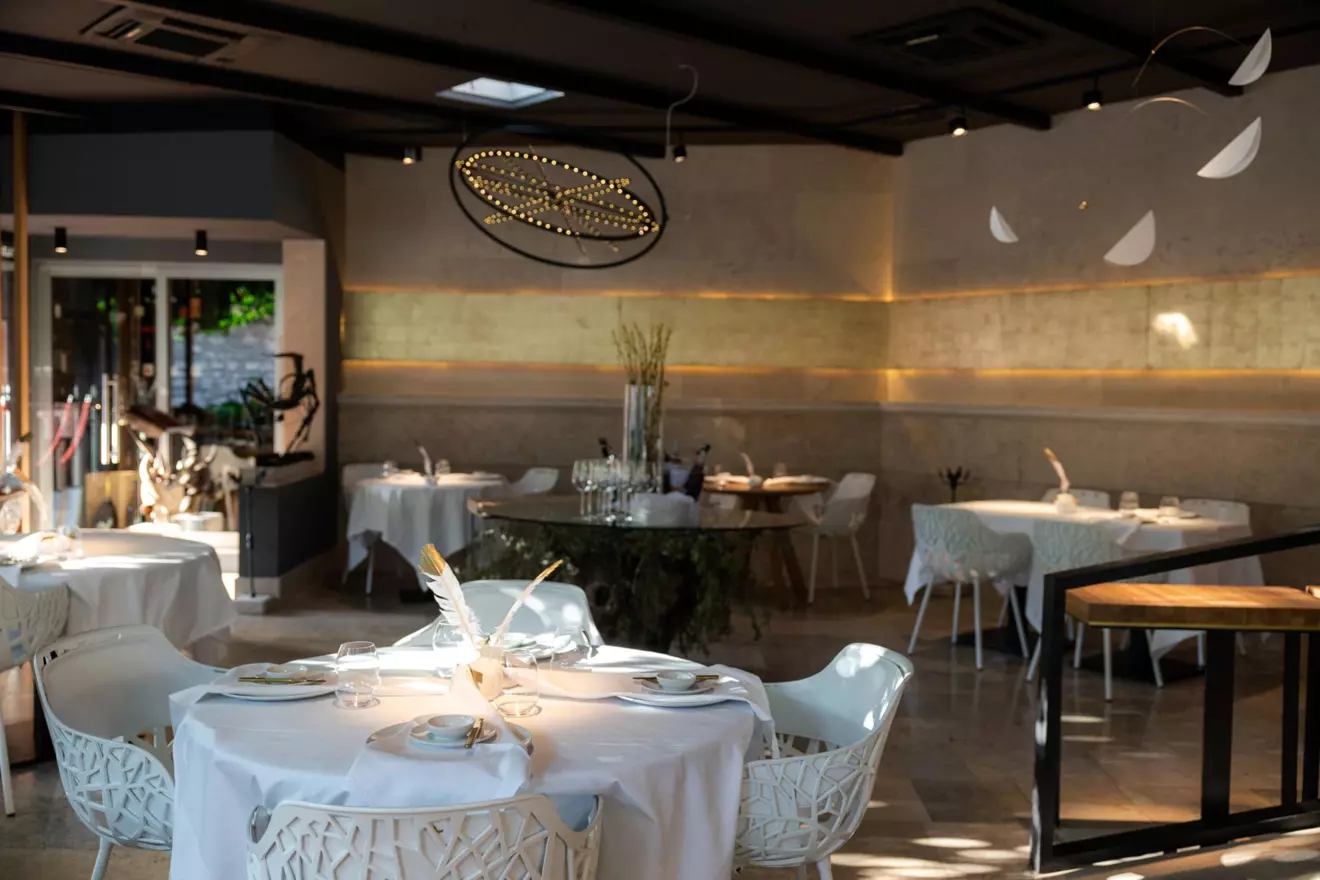
Every winter, Monte close their doors, only to reopen them around Easter, with an intricate menu that delights all those in search of new culinary adventures. Seasonal produce lovingly grown by local farmers or caught by local fishermen always serves as inspiration for the menu, whose only imperative is to make those ingredients shine.
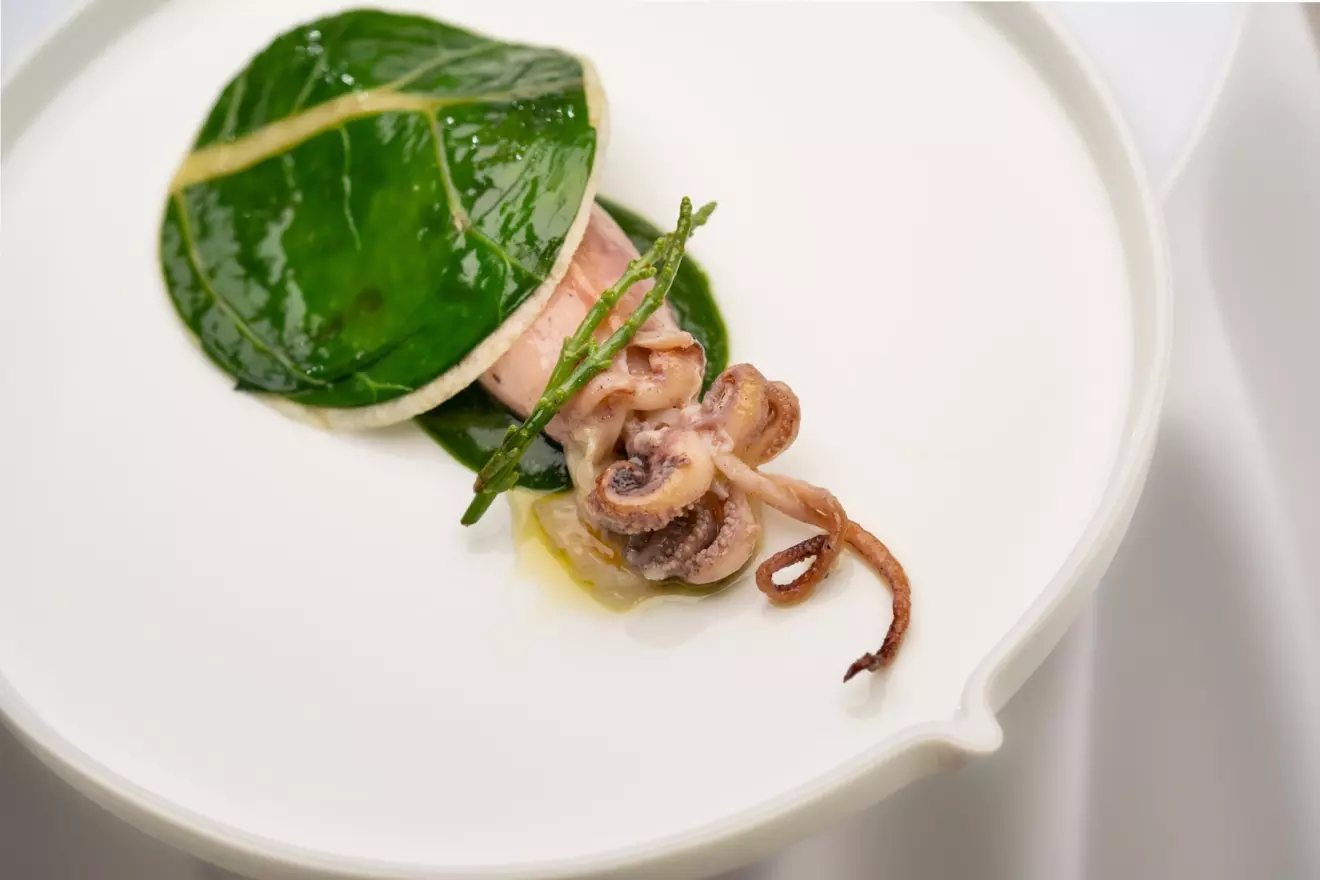
Almost a decade after winning that historic first star, Monte remains part of Croatia's Michelin elite. The 2026 edition also brought additional recognition to the restaurant when Tjitske Đekić-Brusse received the MICHELIN Service Award, with inspectors highlighting the precision and coordination behind Monte's hospitality.
360, Dubrovnik
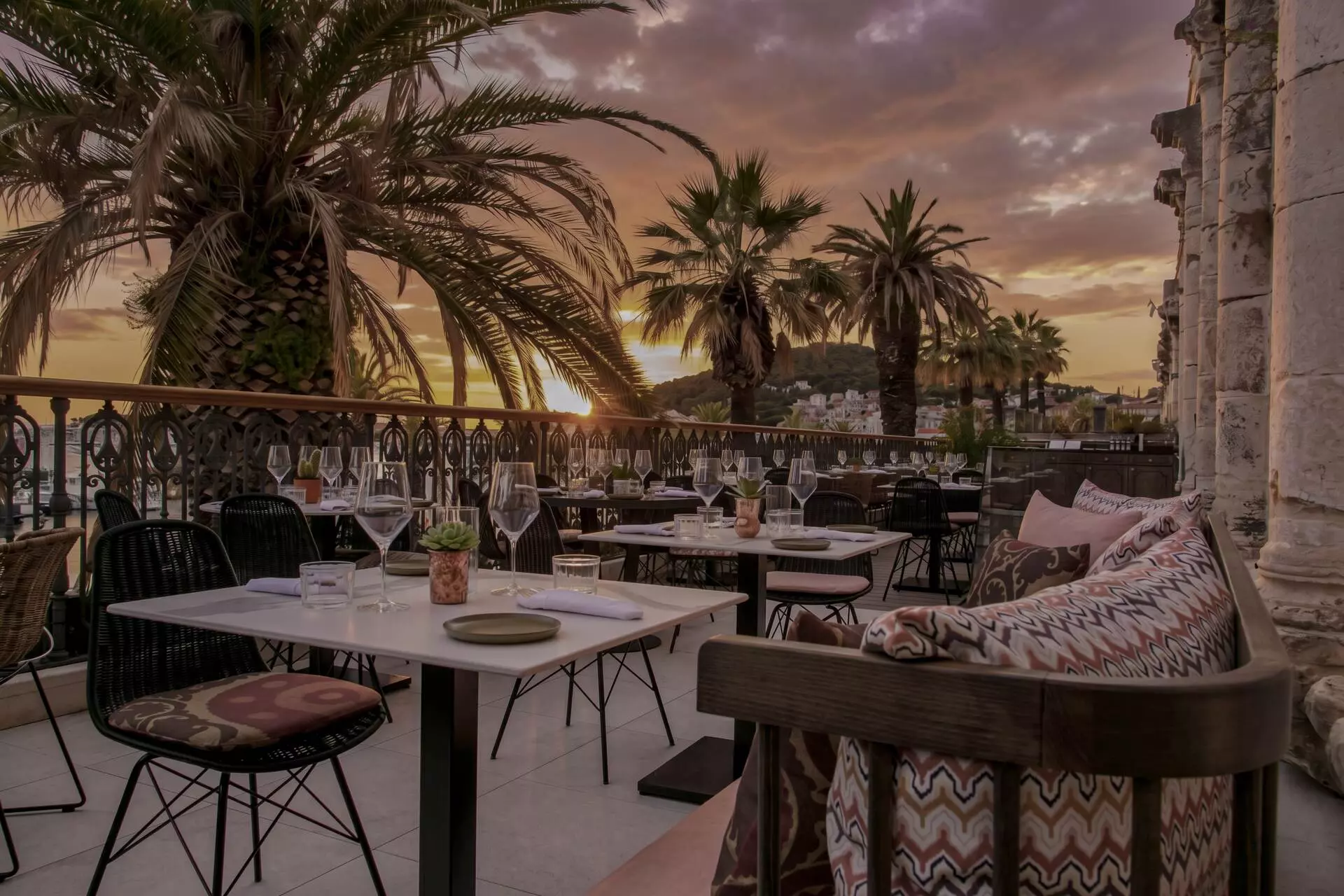
Few Michelin-starred restaurants in Croatia have a setting quite like Restaurant 360. Located within Dubrovnik's historic walls and overlooking the old port, the restaurant combines one of the Adriatic's most spectacular locations with the modern cuisine of chef Marijo Curić.
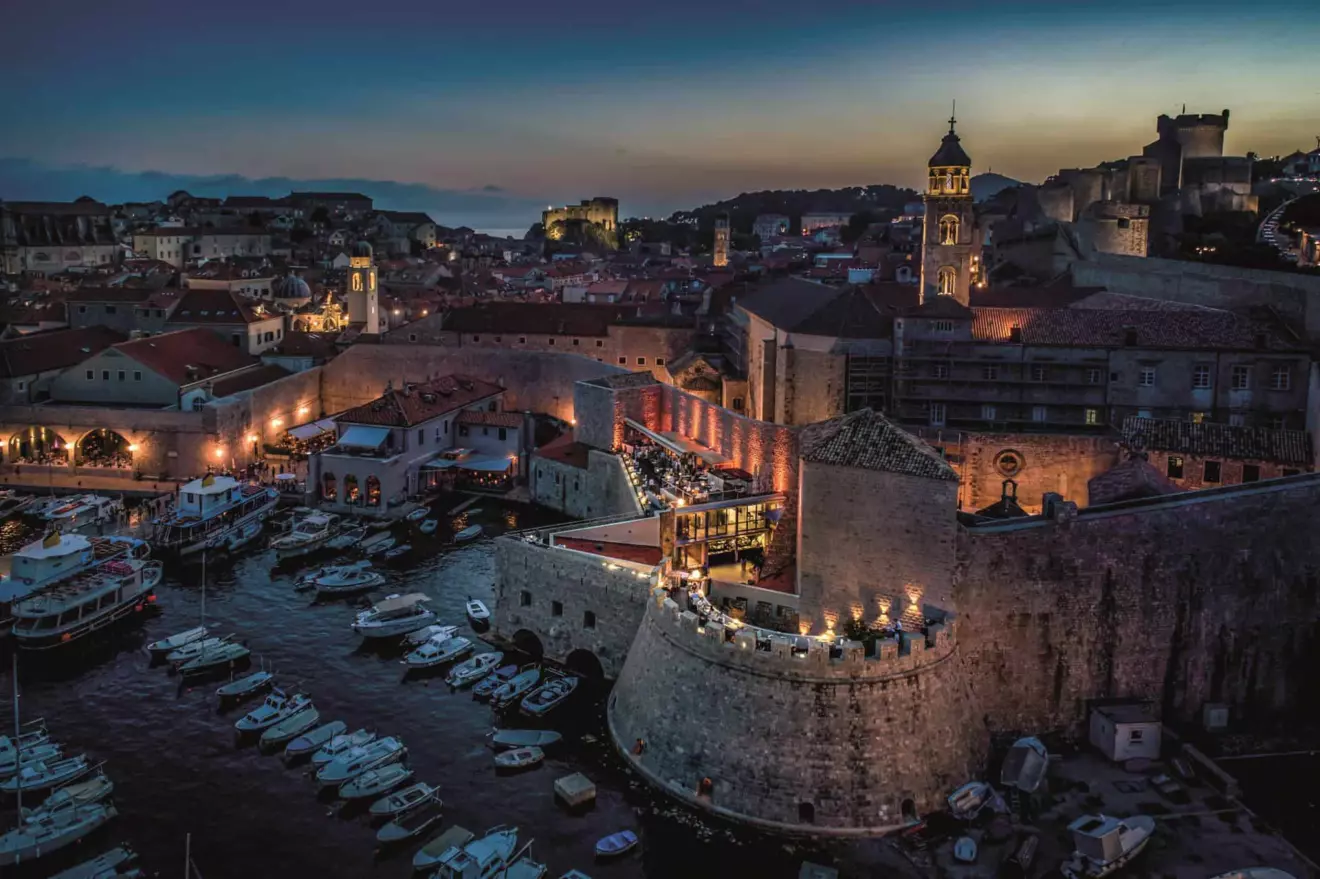
Curić has built his culinary style around Mediterranean flavours interpreted through contemporary French and international techniques. The result is refined rather than theatrical, with ingredients and the precision of preparation taking precedence.
The restaurant's identity extends well beyond the kitchen. Its carefully curated wine programme has long placed particular emphasis on Croatian and regional producers alongside leading international labels, making wine an integral part of the experience rather than simply an accompaniment to dinner.
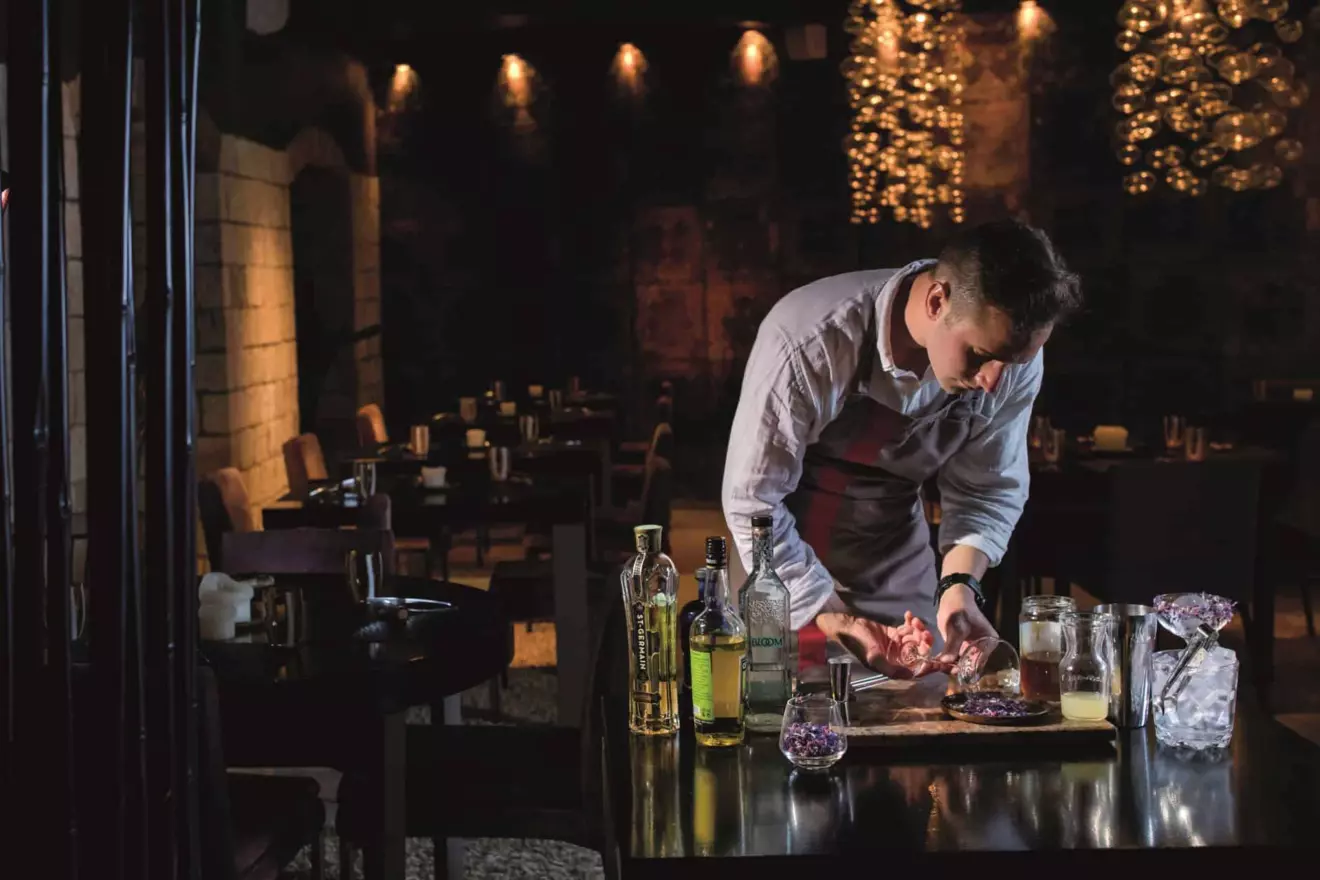
In restaurant 360 you can enjoy craft cocktails signed by bar master Ivan Dejanović
Many of them come from international producers, but 360 mostly focuses on Croatian and regional wines, with their use of Coravin wine preservation system allowing them to maintain freshness of every bottle for a long time, and to offer a 70-bottle strong per glass wine menu. 360 has more than 50 kitchen crew whose daily choreography is as precise as ballet and who buckle under no amount of pressure, continuing to charm their knowledgeable guests with high expectations night after night.
Restaurant 360 retains one Michelin star in the 2026 selection.
Pelegrini, Šibenik
Pelegrini occupies one of those rare addresses where architecture, history and gastronomy seem inseparable. Set in the centuries-old Pelegrini-Tambača palace opposite Šibenik's Cathedral of St. James, the restaurant has become one of the defining names of modern Croatian fine dining.
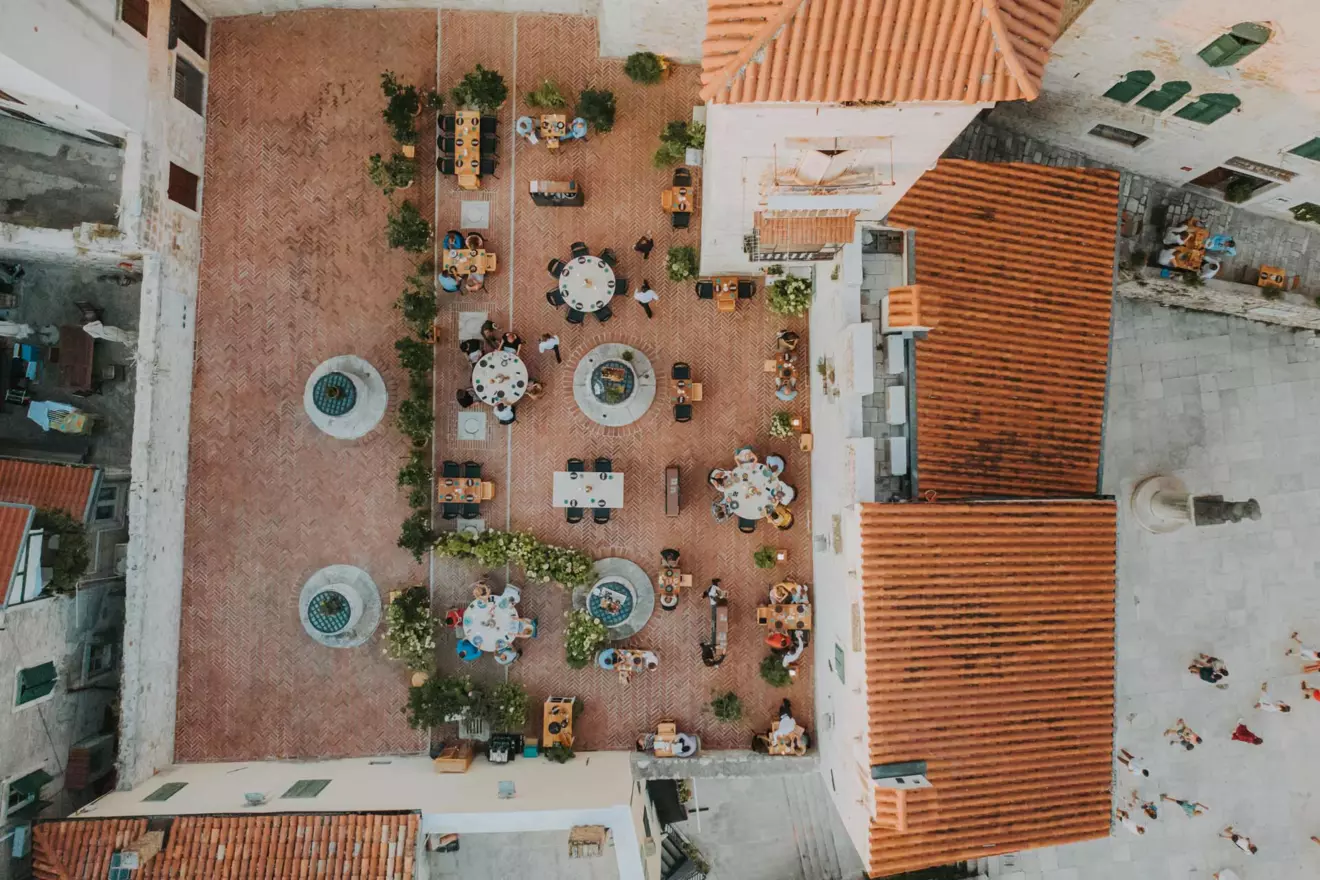
This fine dining restaurant has been around for decades, and always at the top, with their traditional menu based on local produce – according to them, good enough to be the star of many an international eatery, and definitely the star of this local scene.
If you still haven’t had the chance to find out for yourself why Pelegrini was crowned top restaurant in Croatia four times, call for reservations and hit the road toward Šibenik, or sail all the way to the promenade. The tasting menu and the wine menu reveal central Dalmations flavors and aromas in imaginative creations, but if you lack the courage for it, there’s still 13 creative dishes on the menu, all the way from entrees to deserts.
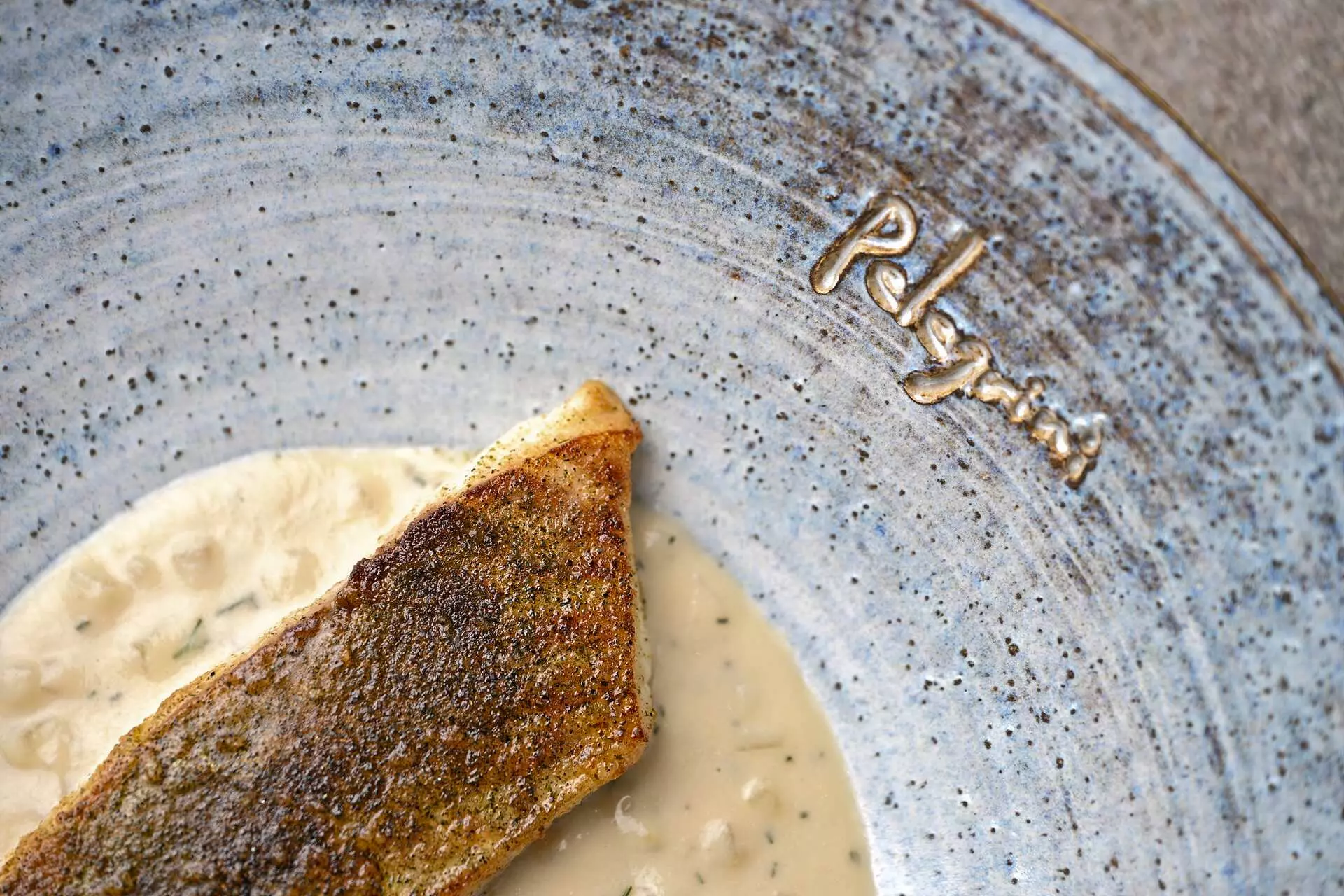
Chef Rudolf Štefan and his team have built their culinary philosophy around interpreting Croatian and particularly Dalmatian flavours through contemporary technique. Local ingredients are not treated simply as symbols of tradition, but as a starting point for a modern gastronomic language.
Pelegrini retains its Michelin star in 2026, while the latest Guide also singled out another important part of the restaurant's identity. Sommelier Branimir Vukšić received the 2026 MICHELIN Sommelier Award for a wine programme focused predominantly on Croatian wines and particularly the wine regions of Dalmatia.
Pelegrini-Tamabača palace provides all the atmosphere you need, but you can always lift it just a bit more with one of the many wines available, produced by locally famous wineries Bibich and Grabovac. Just like everything else in Pelegrini, wines are selected with care and love.
LD Restaurant Korčula
Previously often referred to as Lešić Dimitri in connection with the hotel in which it is located, the Michelin-starred restaurant is today officially listed as LD Restaurant.
Set within the historic centre of Korčula, the restaurant turns its immediate surroundings into part of the dining experience. Chef Marko Gajski's cuisine draws on both Croatian and international influences, with Korčula's olive oils, wines and Adriatic ingredients providing a strong sense of place.
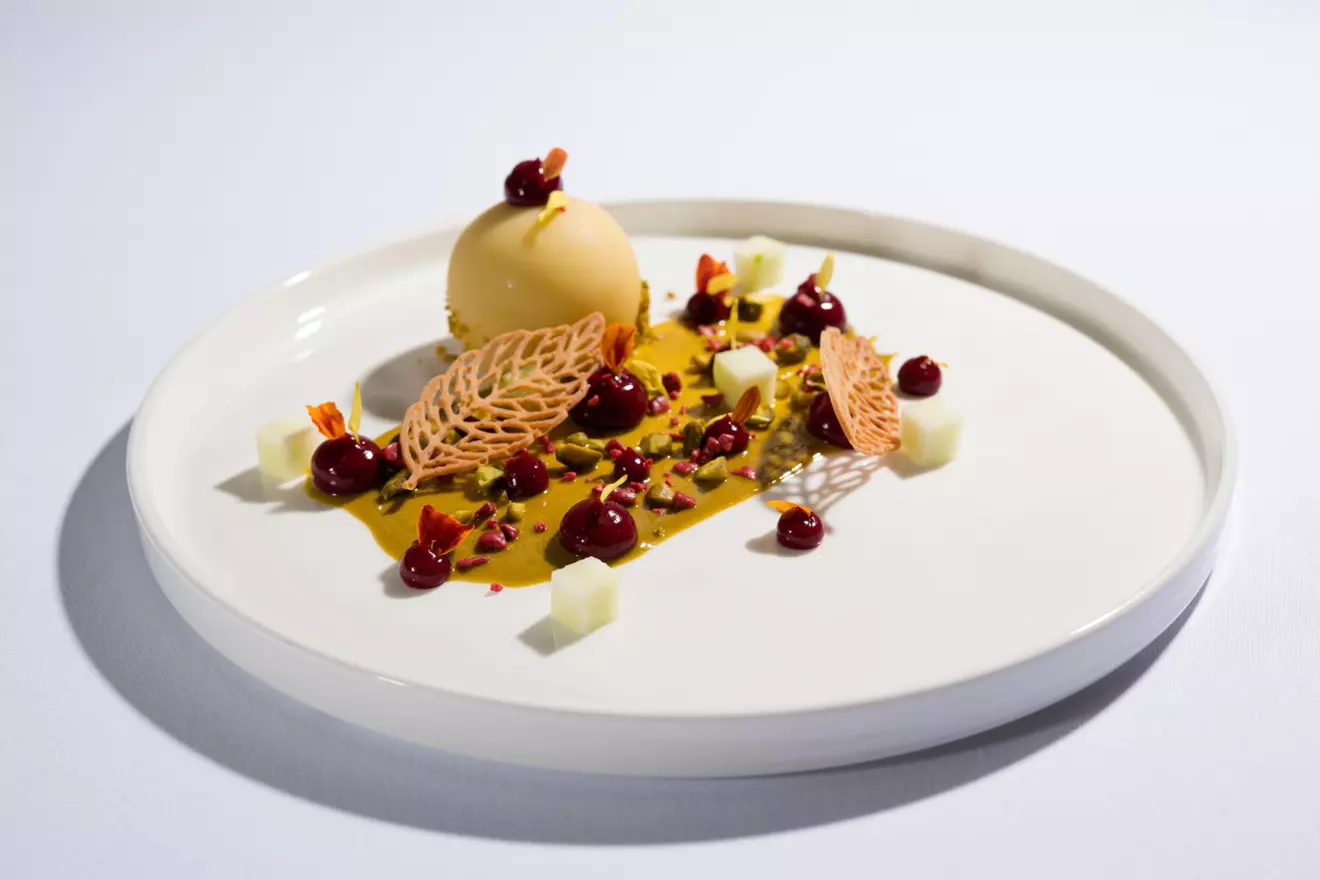
Dining on the terrace beside Korčula's medieval walls, only steps from the sea, makes LD one of the Michelin addresses in Croatia where destination and gastronomy are particularly closely connected.
LD Restaurant retains one Michelin star in the 2026 Guide and continues to be classified by Michelin for its modern cuisine.
Boškinac, Pag
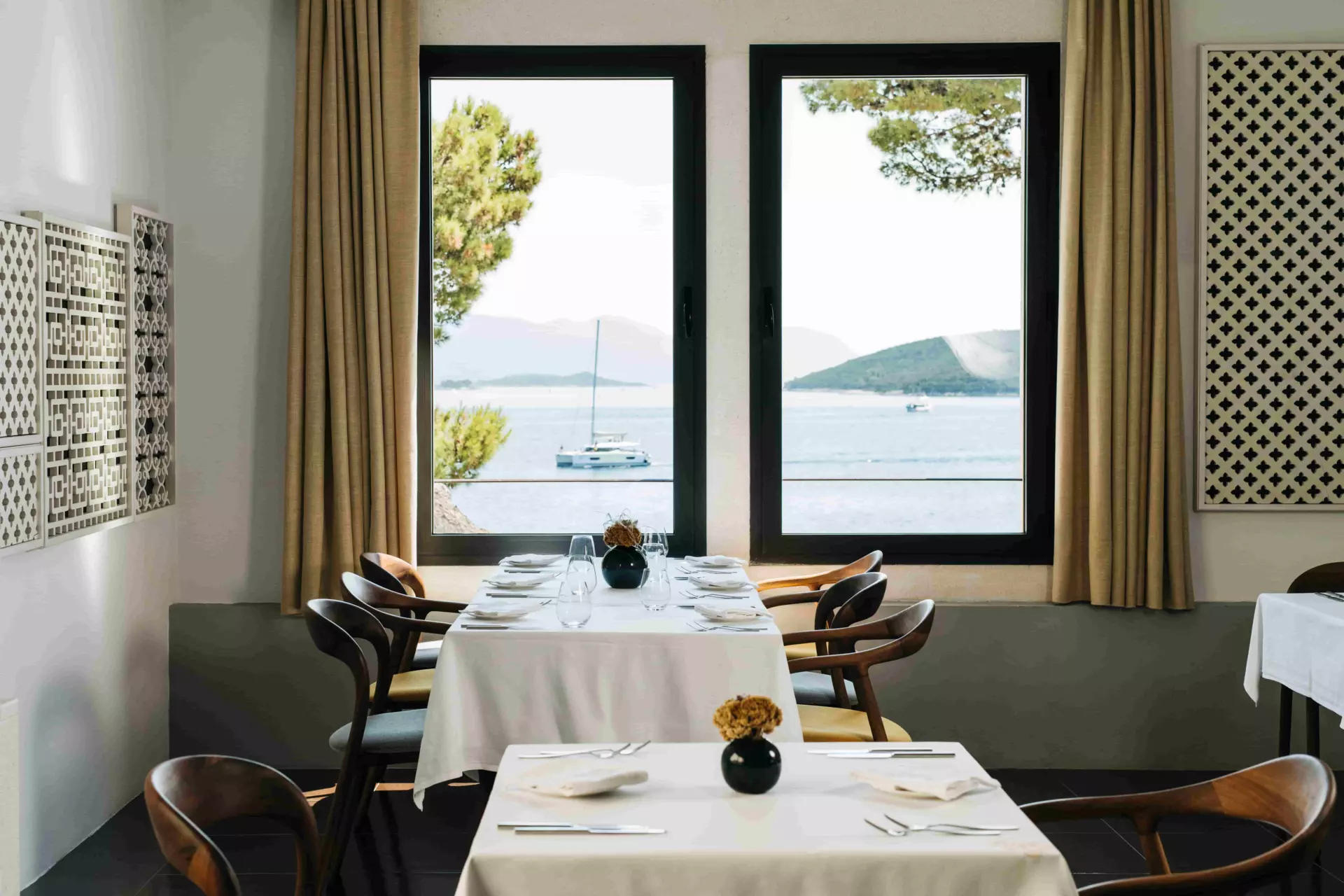
The haute gastronomy story that is Boškinac began in 2003, when Boris Šuljić ambitiously hired chef Stéphan Macchi and his sous-chef Dino Galvagno – and grabbed every foodie’s attention. In 2016, another chef – young Matija Bregeš – ushered in the new era. This young chef has interned in highly renowned European restaurants with three Michelin stars, such as the Basque restaurant Azurmendi, the Dutch restaurant De Librije, and the famous Geranium, a restaurant in Copenhagen ranked 1st in the World's 50 Best list of the best restaurants in the world.
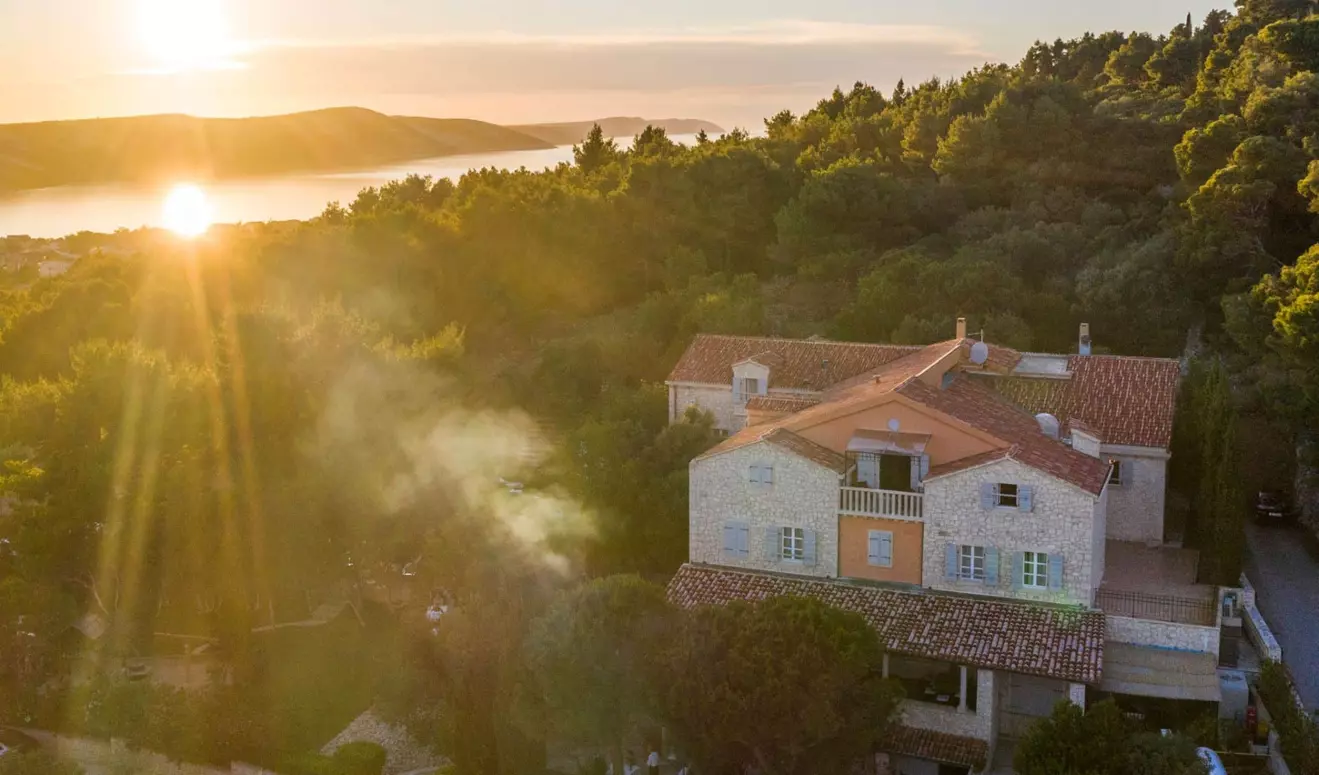
A new concept and a different approach made him think and prepare a serious menu with his team, which was finally crowned with one Michelin star in 2020. Boškinac identifies high and creative island fine dining cuisine. The island of Pag may look barren, but hides under that unassuming mask a myriad of delicious and unique ingredients. From the celebrated island lamb, to cheese and dairy, to olive oil, fish and shrimp, to the almost endless green bouquet of vegetables, fruit and herbs, there are many stars on the menu of Boškinac.
Pag may initially appear austere, but Boškinac has spent years demonstrating just how much gastronomic richness can be found in the island's seemingly sparse landscape.
The restaurant, hotel and winery near Novalja form a single story shaped by the island. Pag lamb, cheese, olive oil, herbs, vegetables, fish and seafood provide the foundation for a creative cuisine that looks to the landscape rather than away from it.
Wine is equally important to the Boškinac identity. The family's winery has played an important role in preserving and promoting the indigenous gegić grape variety, making a meal here as much an introduction to Pag's wine culture as to its contemporary cuisine.
Michelin continues to recognise Boškinac with one star in its 2026 Guide, describing its cuisine as creative and seasonal.
Agli Amici, Rovinj
In Rovinj, Michelin enjoyed and highlighted the creative menu of Agli Amici, by chef Emanuele Scarello. The restaurant is cradled in the very heart of the city marina and enjoys unparalleled views of Rovinj old town and the island of St. Catherine. Agli Amici, beloved for their unique and unforgettable culinary creations, came to life as the second restaurant owned by the Scarello family who also own a two-star restaurant in Udine.
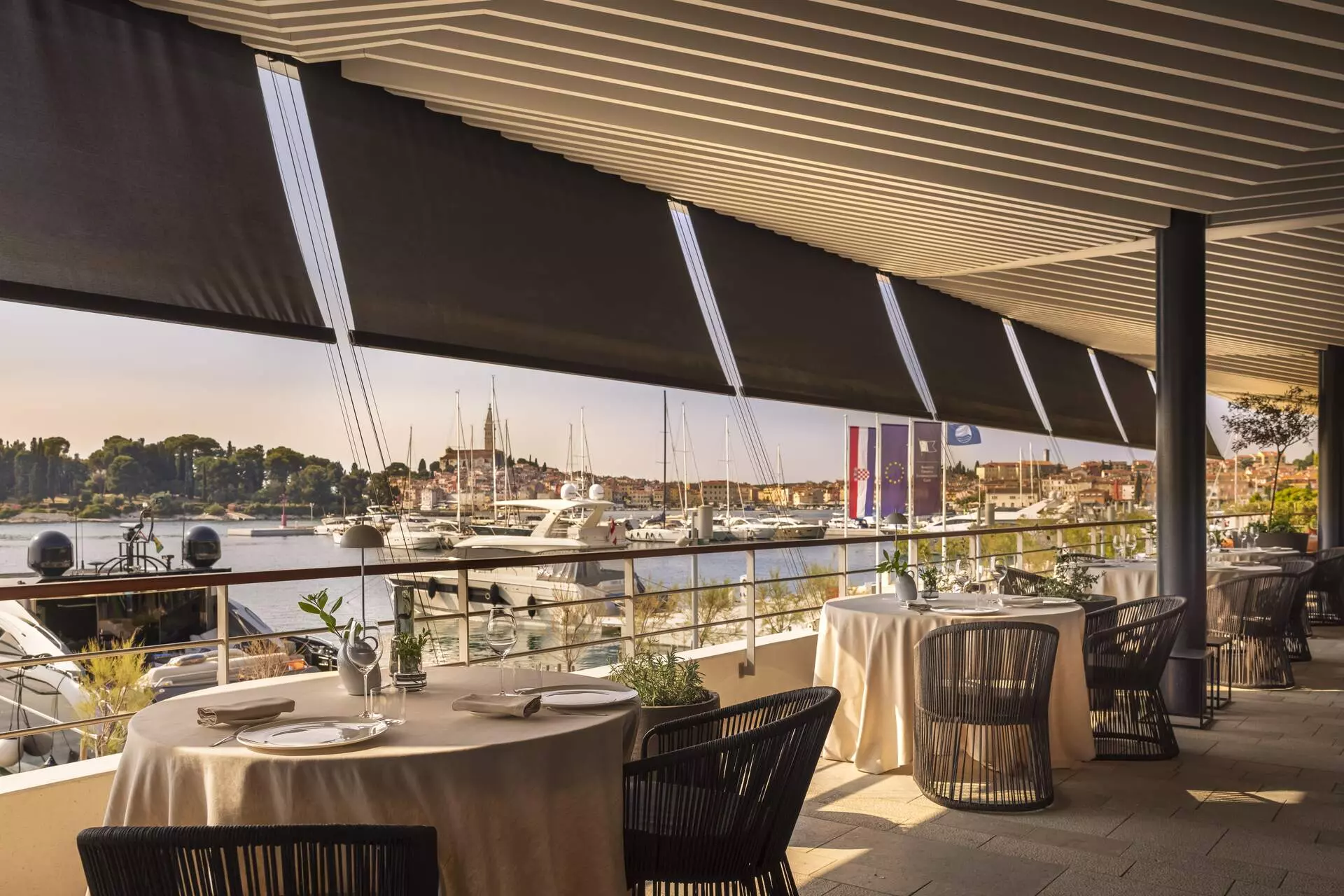
Nestled between the Grand Park Hotel Rovinj and the marina, Agli Amici has a large terrace with sweeping views of the sea and delights the palate with a skilled mix of the cuisines of Istria and Venezia-Giulia.
The cuisine connects the culinary cultures of Istria and neighbouring Italy, with a strong focus on regional and seasonal ingredients. Rather than simply importing an Italian fine-dining concept to Croatia, Agli Amici Rovinj uses its location as part of its creative vocabulary.
The 2026 Michelin Guide confirmed the restaurant's two stars for the third consecutive year.
Alfred Keller, Mali Lošinj
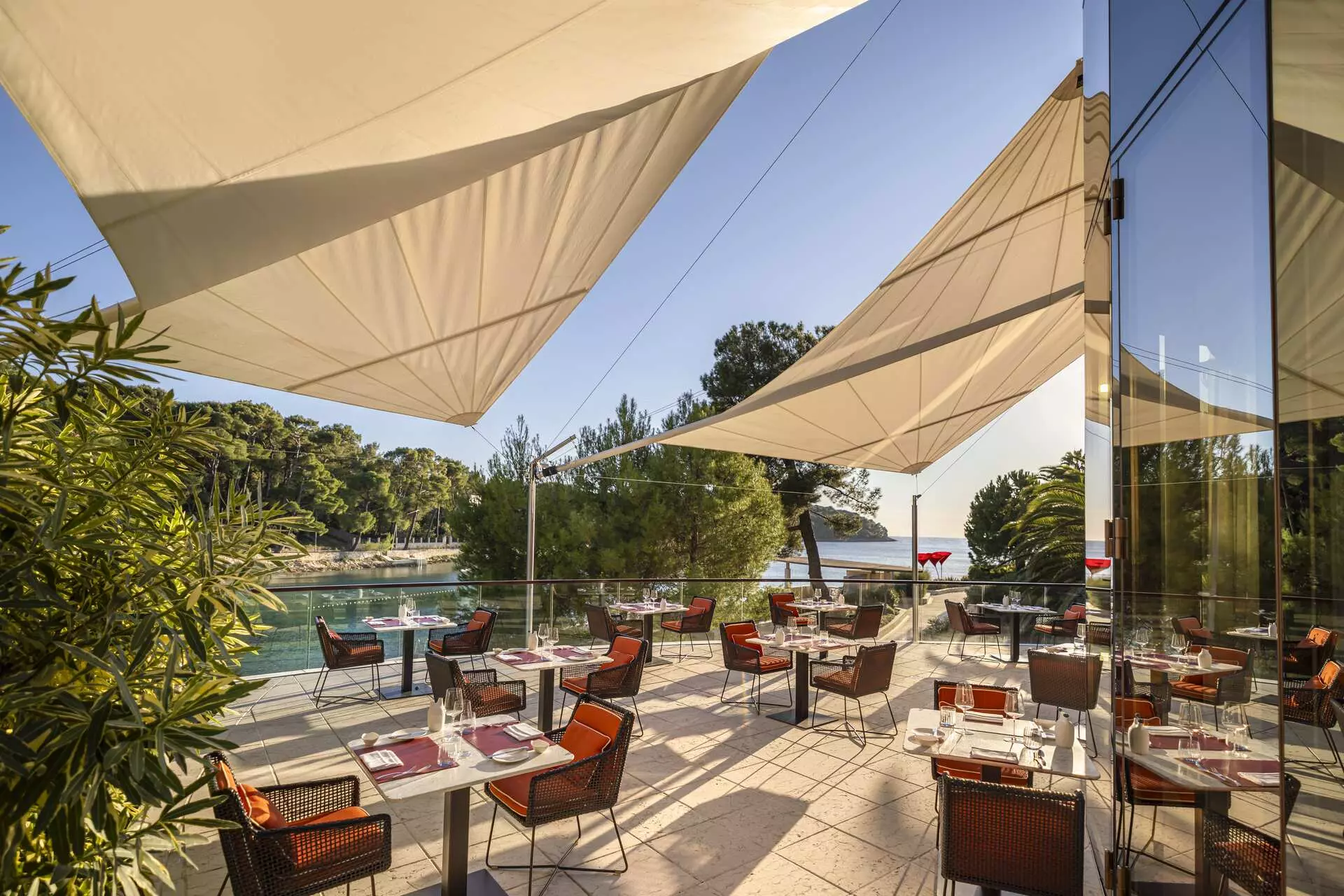
Set inside Boutique Hotel Alhambra on the shores of Čikat Bay, Alfred Keller combines one of Lošinj's most elegant historic settings with contemporary fine dining.
The restaurant takes its name from the Austrian architect behind the early-20th-century villa in which it is located. The setting remains an important part of the experience, particularly the terrace overlooking the bay, but the kitchen has entered a new chapter in 2026.
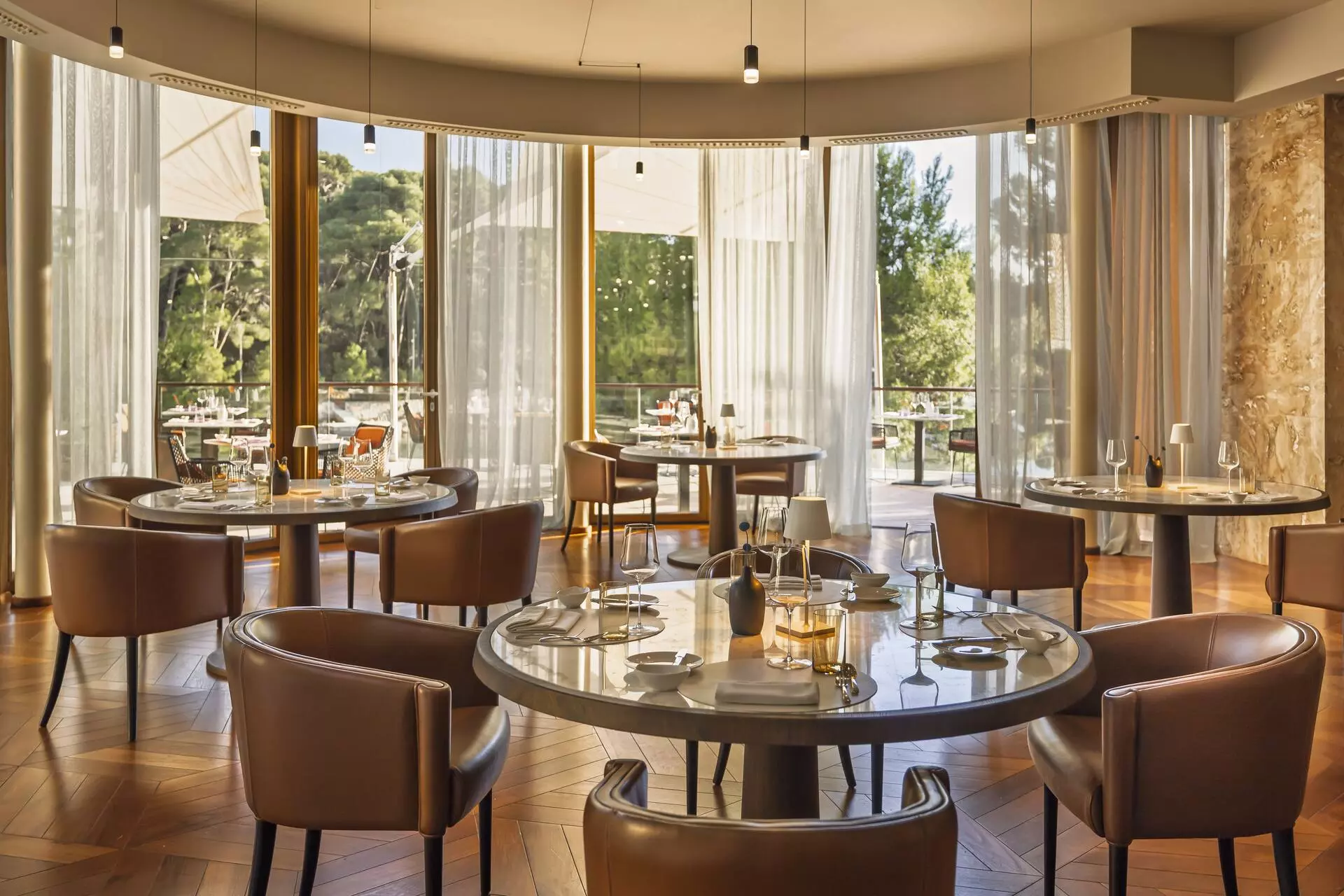
Chef Daniel Skokić now leads Alfred Keller, bringing an innovative approach to Mediterranean cuisine centred on quality ingredients, technique and combinations that reflect the character of the island and the Adriatic.
Alfred Keller retains its Michelin star in the 2026 Guide.
Star chef Michael Gollenz, who also hails from Austria, is the driving force behind the rave review-deserving menu that leaped to impressive 16.5 Gault Millau points after earning a Michelin Star last year.
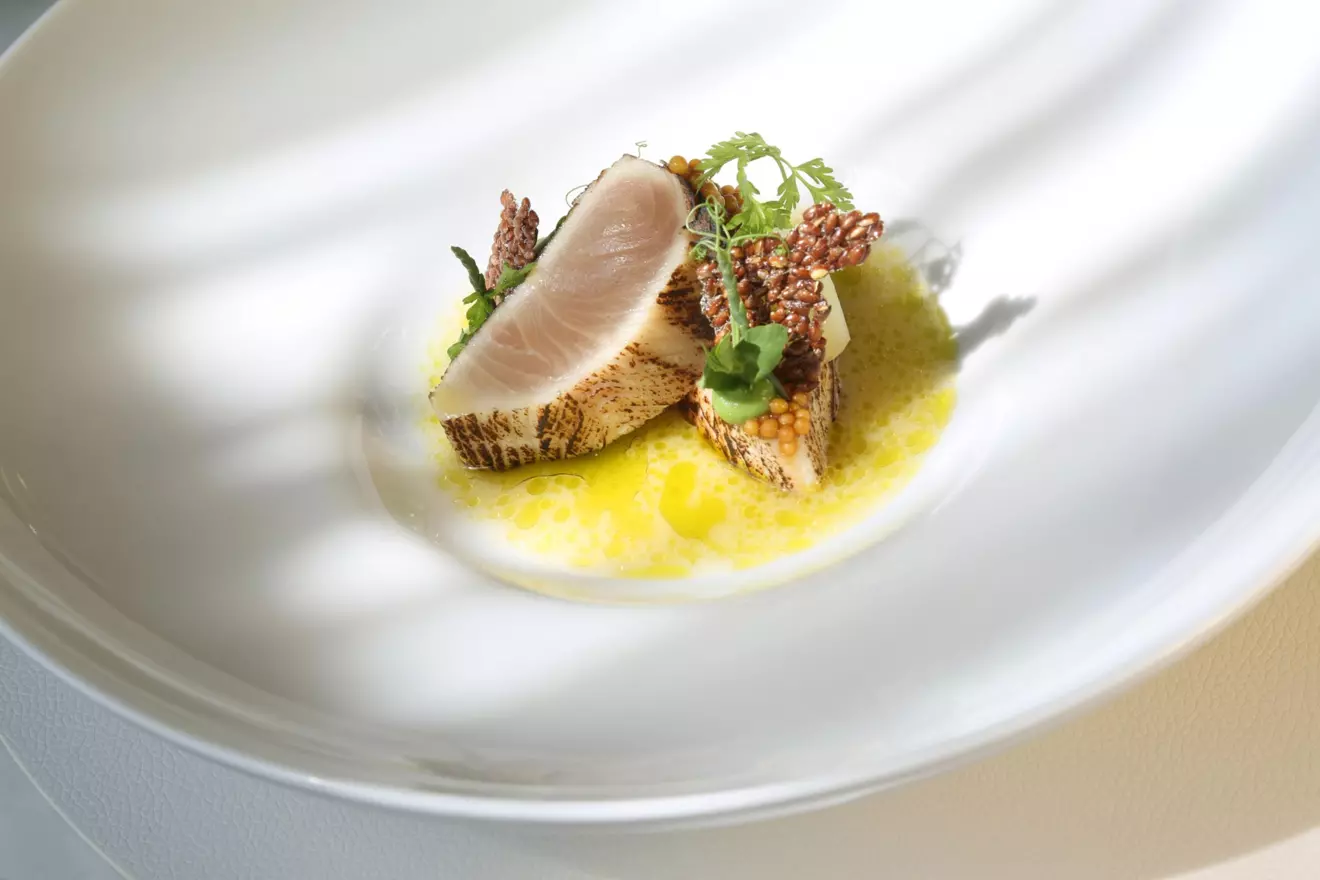
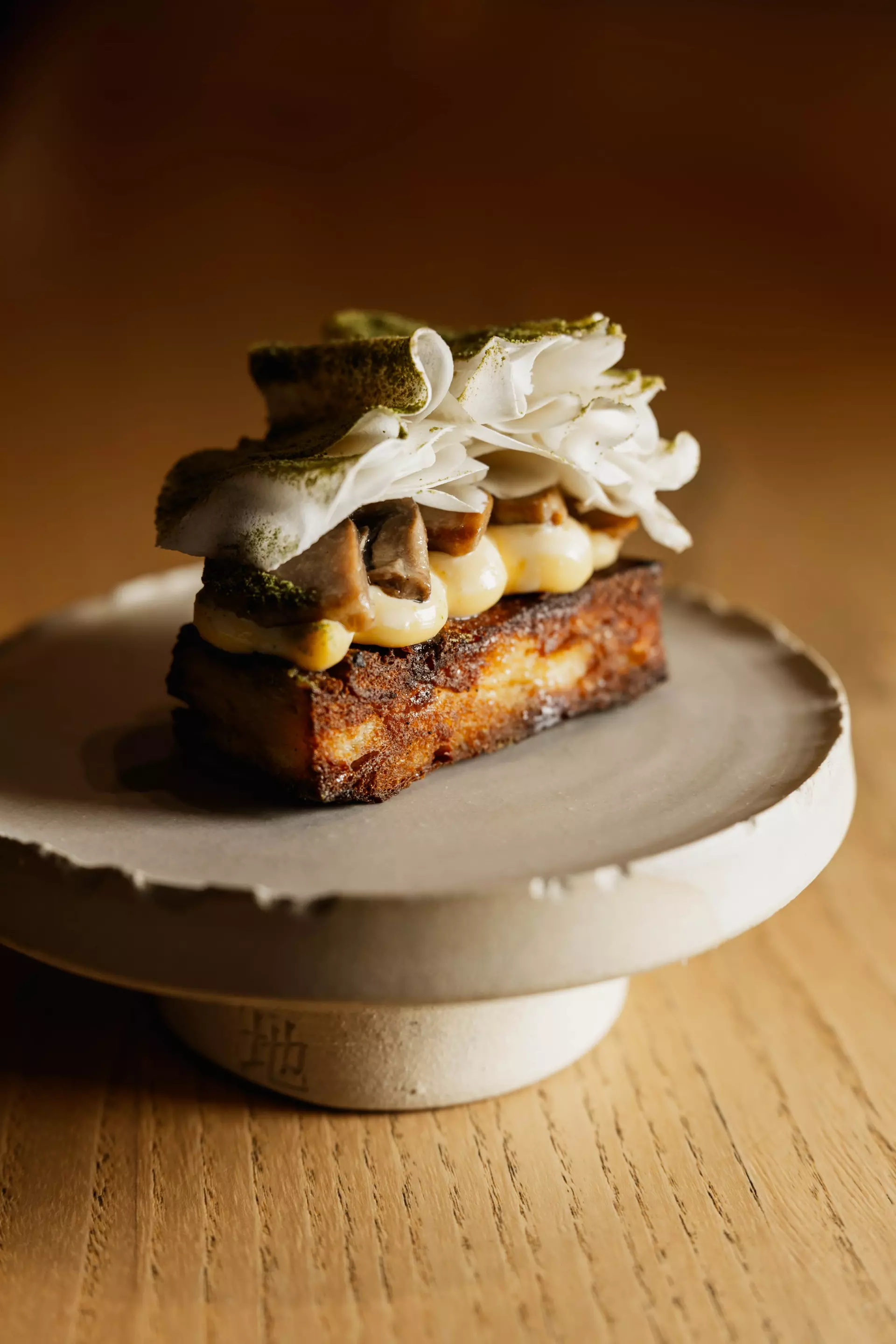
Drawing inspirations from the fertile island soil and the abundance of the sea, chef Michael takes diners on a captivating gastronomic journey through remarkable dishes created from finest local produce, paying respect to tradition without compromising innovation. Nominated for the Best Fine Dining restaurant in Europe, Alfred Keller this season wows with an expanded daily menu featuring sensational surprises, like the delightful oyster French toast.
Cap Aureo, Rovinj
Rovinj's remarkable gastronomic concentration grew even stronger when Cap Aureo received its first Michelin star in 2025. Located on the fifth floor of the Grand Park Hotel Rovinj, it shares an address with two-star Agli Amici but approaches Istria from a very different perspective.
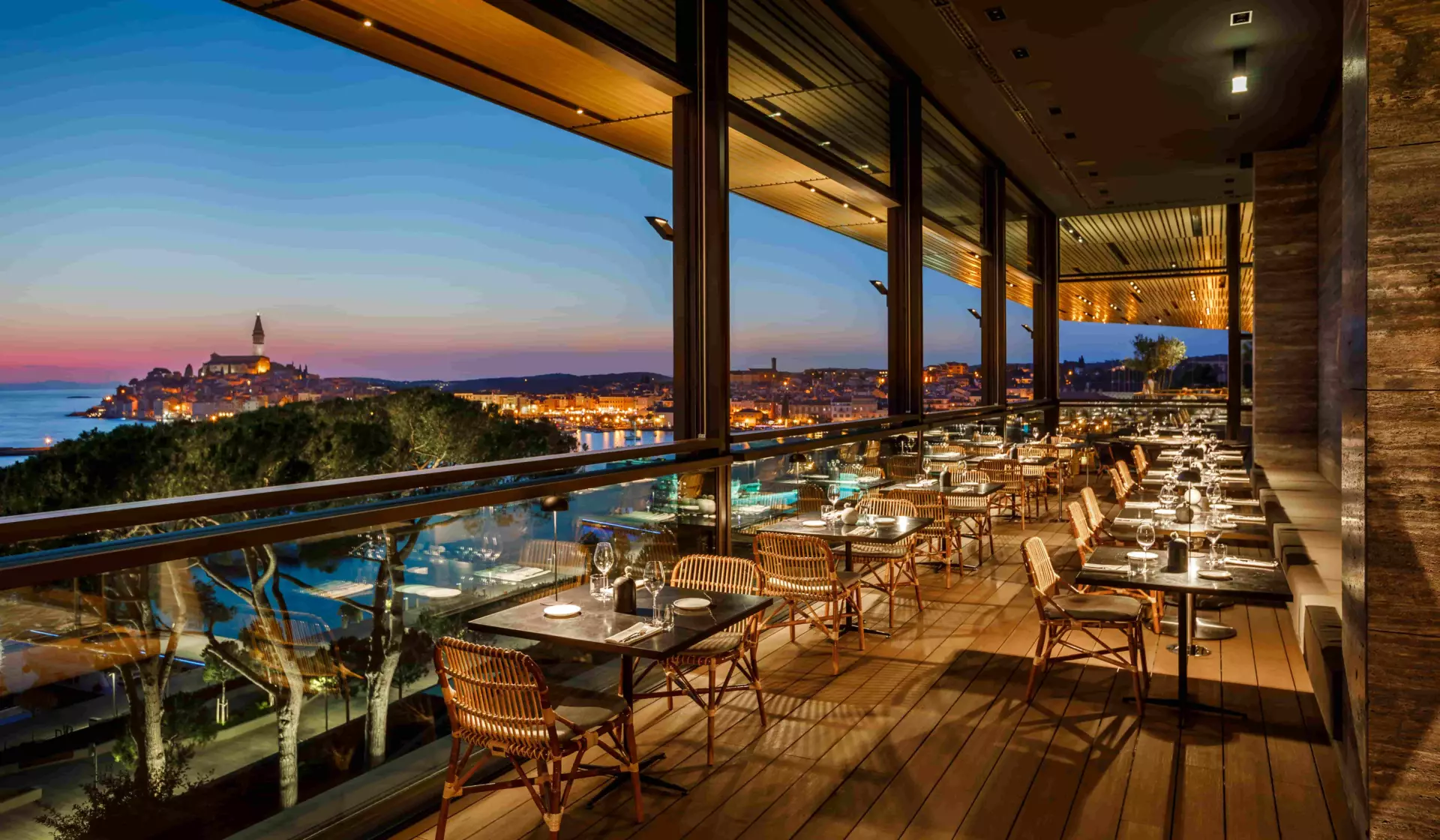
Chef Jeffrey Vella has shaped Cap Aureo around seasonality, locality and an unusually strong appreciation of vegetables. Much of the produce comes from within approximately 50 kilometres of the restaurant, while the menus change in response to the seasons, microclimate and availability of ingredients.
The glass-walled restaurant and terrace offer sweeping views across the marina towards Rovinj's old town, but the landscape is present on the plate as much as it is outside the window. Mediterranean and Istrian flavours, vegetables, seafood and carefully selected local ingredients form a cuisine that is distinctly tied to the region.
Cap Aureo retains its Michelin star in the 2026 selection.
Harry's Piccolo Poreč, Poreč
The newest addition to Croatia's Michelin-starred restaurants is Harry's Piccolo Poreč, awarded its first star in the 2026 Guide during its first year in the selection. It is also the restaurant that brings Poreč onto Croatia's Michelin-starred map.
Located within the new Pical Resort, the restaurant draws inspiration from the renowned Harry's Piccolo in Trieste while creating an identity rooted in its Istrian location. The kitchen in Poreč is led by local chef Goran Hrastovčak.
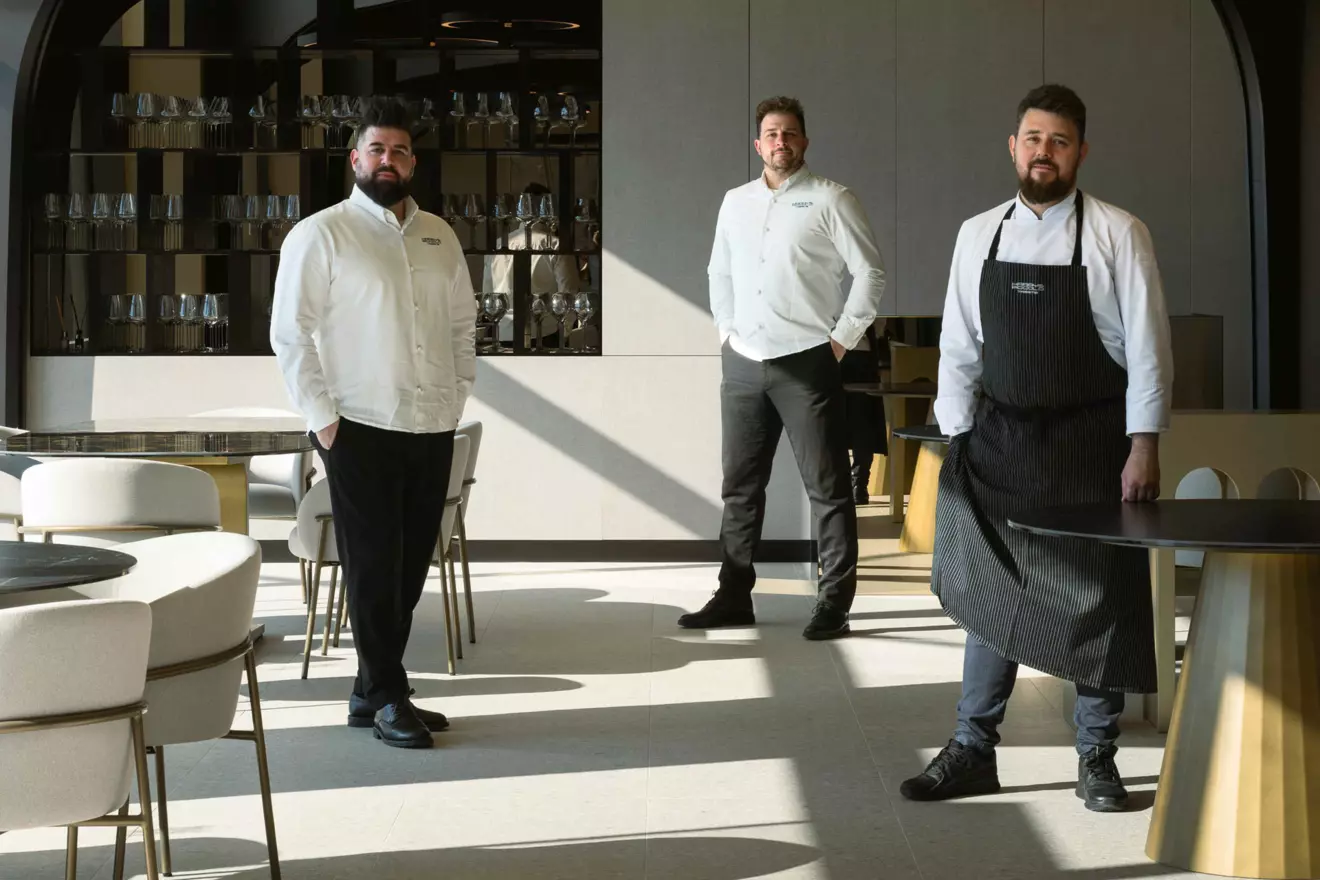
Michelin describes the gastronomic concept as a meeting point between sea and land, Italy and Istria, tradition and contemporary sensibility. The offer includes two tasting menus alongside an à la carte selection, allowing the kitchen to explore the cultural and culinary connections that have long shaped this part of the northern Adriatic.
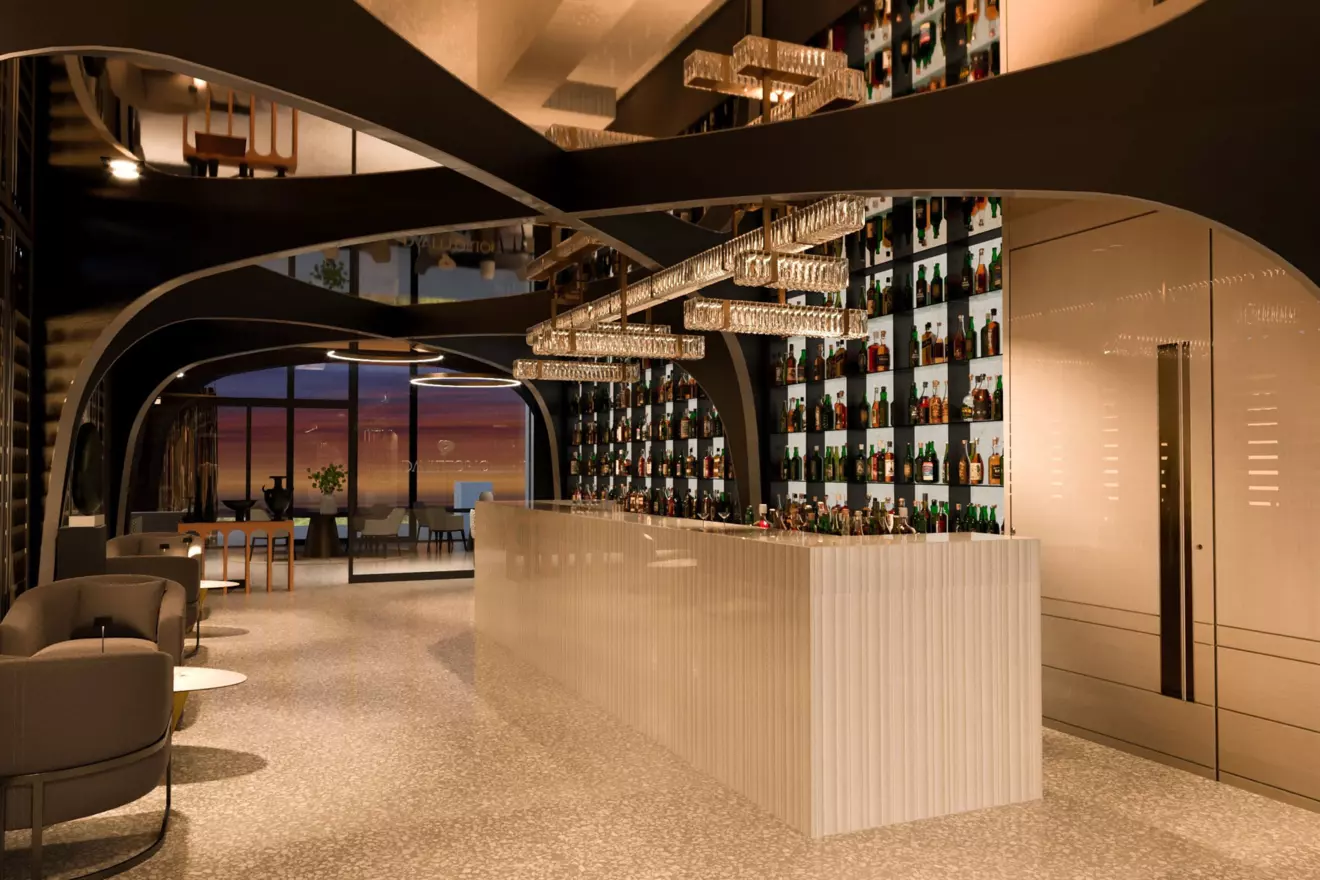
Its arrival strengthens Istria's position as the country's most concentrated Michelin-starred region and adds another significant fine-dining address to Poreč's rapidly evolving gastronomic scene.
Nebo, Rijeka
Perched atop the fifth – and highest – floor of the glass castle that is Hilton Hotel Rijeka, Nebo (sky) wows with breathtaking views of the sea. One of the most interesting restaurants in Croatia, Nebo shined under the creative guidance of chef Deni Srdoč, who believes gastronomy is a globally understood art form, and finds inspiration in daily routine as well as distant travels, combining local and international ingredients. The kitchen is now led by chef Gabriela Filca, who became Chef de Cuisine at Nebo at just 23. Her cooking offers a contemporary interpretation of Croatian culinary heritage, combining local identity with modern technique and influences that extend beyond the Adriatic.
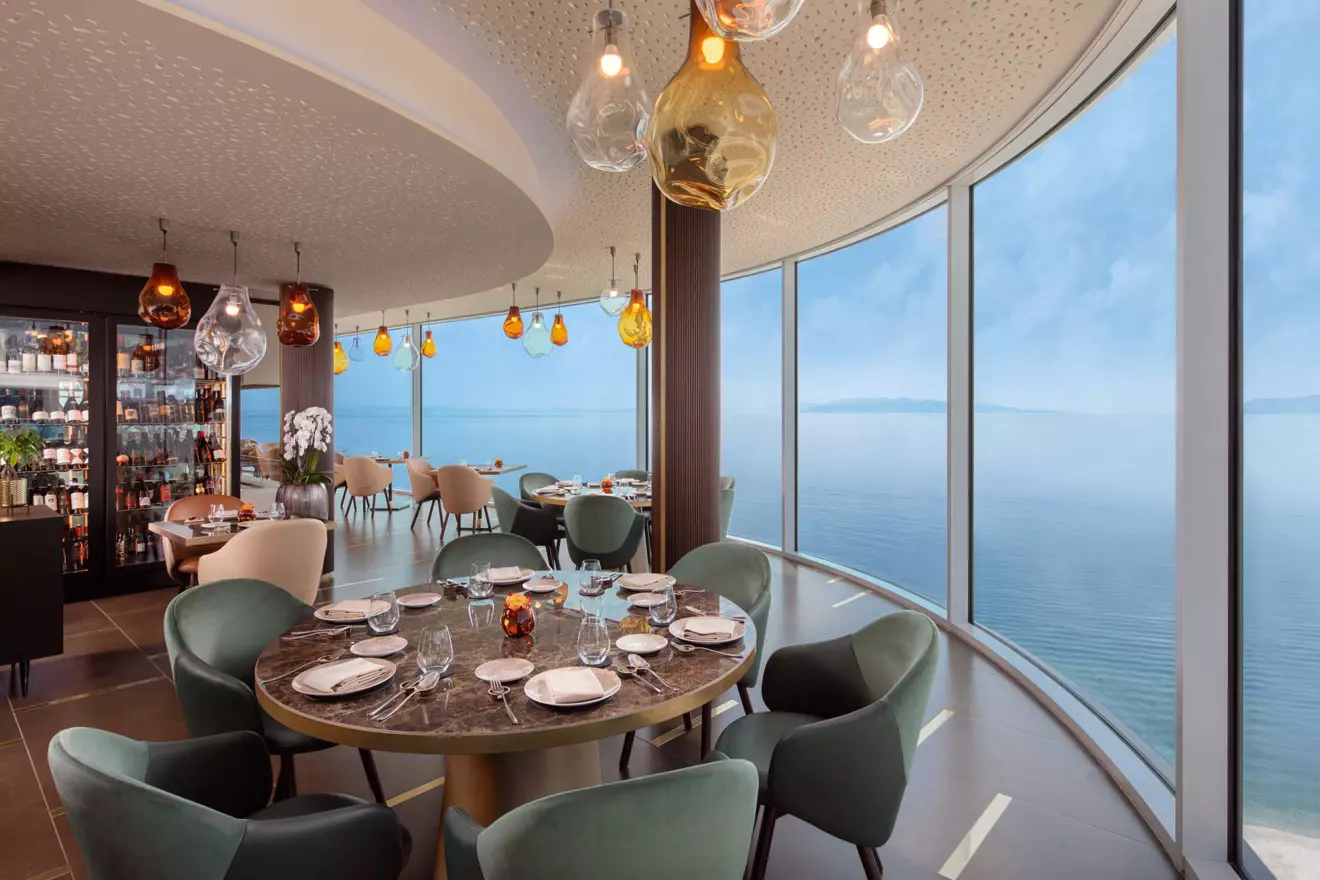
Filca's rapid rise has become part of the restaurant's new chapter. In 2025 she received the MICHELIN Young Chef Award, further establishing her as one of the most interesting young names in Croatian gastronomy.
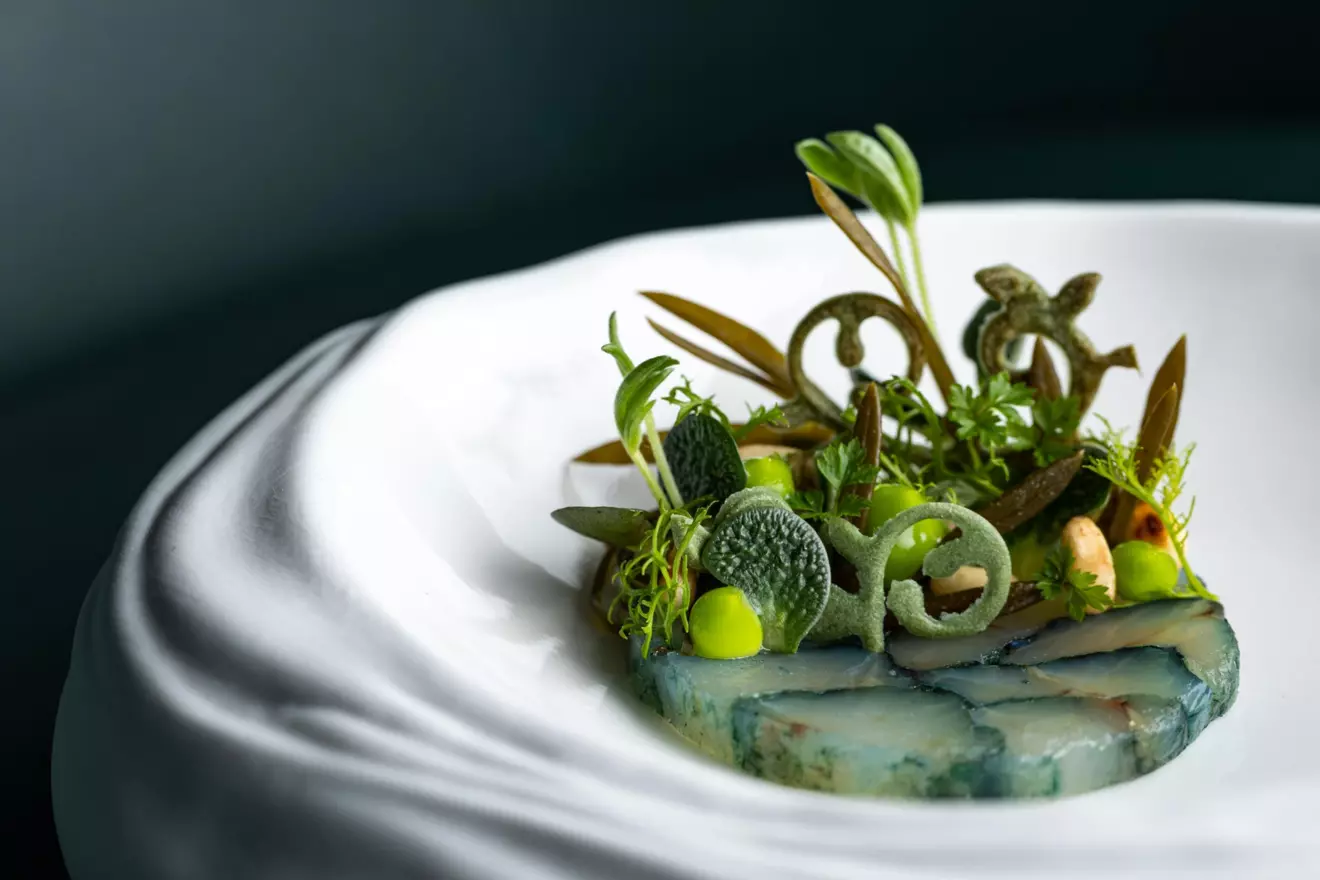
Nebo retains its Michelin star in 2026, pairing its contemporary cuisine with panoramic views of the Kvarner coast. The restaurant has changed significantly since its early Michelin years, but its ambition to reinterpret Croatia through a modern fine-dining vocabulary remains at the centre of the concept.
Noel, Zagreb
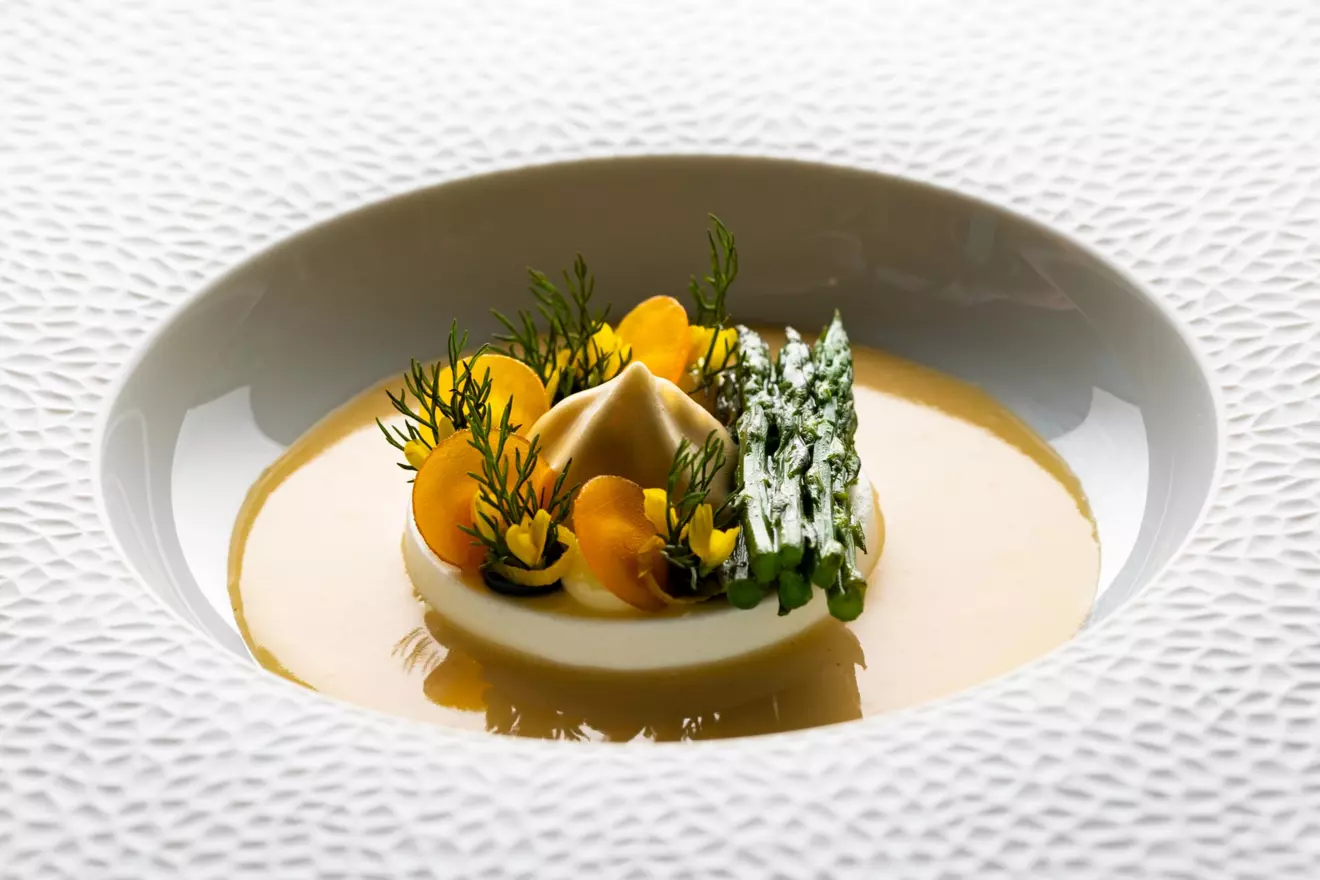
Noel was the first Zagreb restaurant to earn a Michelin star and remains one of the capital's essential fine-dining addresses.
Since opening in 2016, the restaurant has evolved through several distinct culinary periods. One of the most significant recent changes came towards the end of 2025, when Bruno Vokal returned to lead the kitchen, beginning a new chapter in a restaurant with which he had already been closely associated.
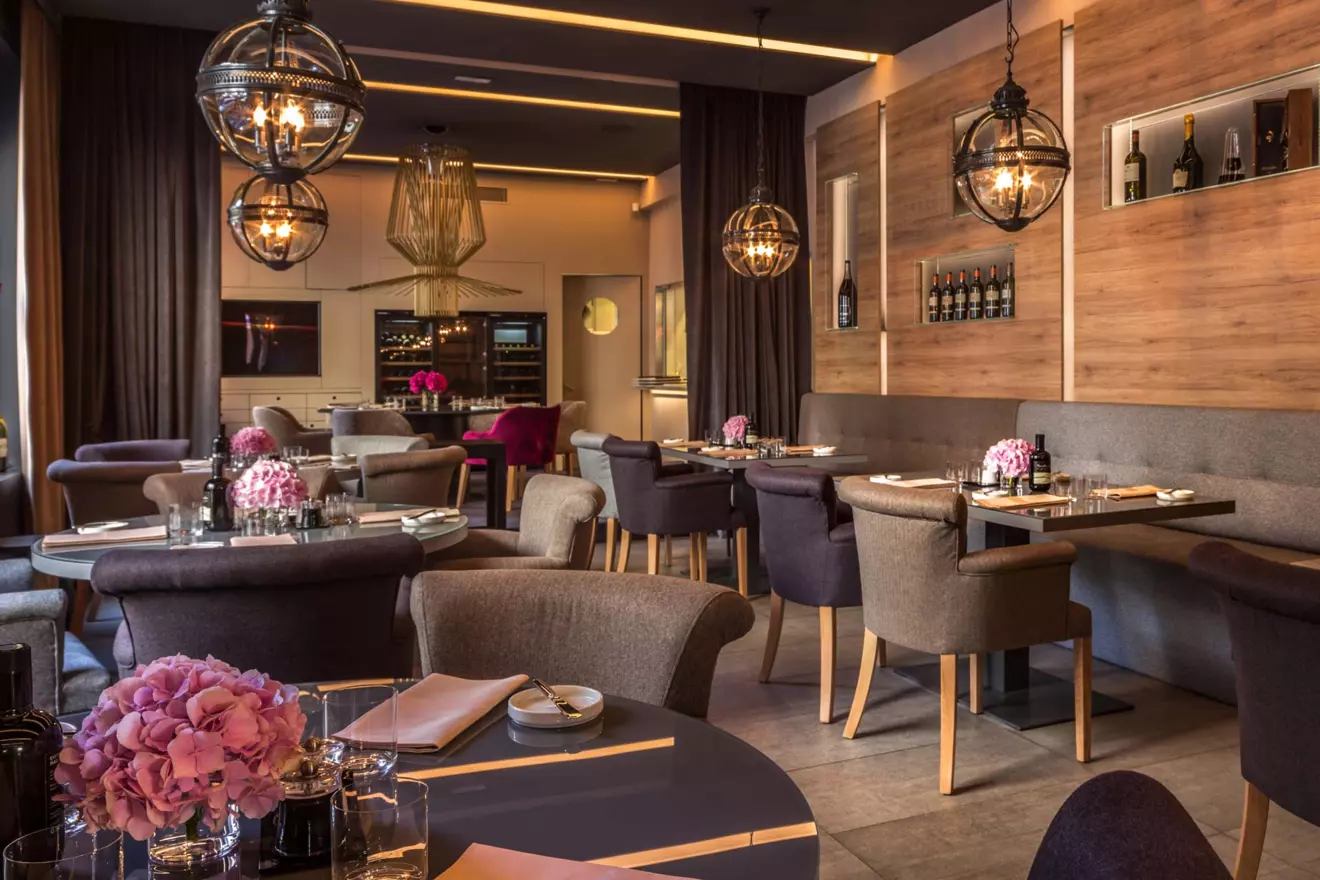
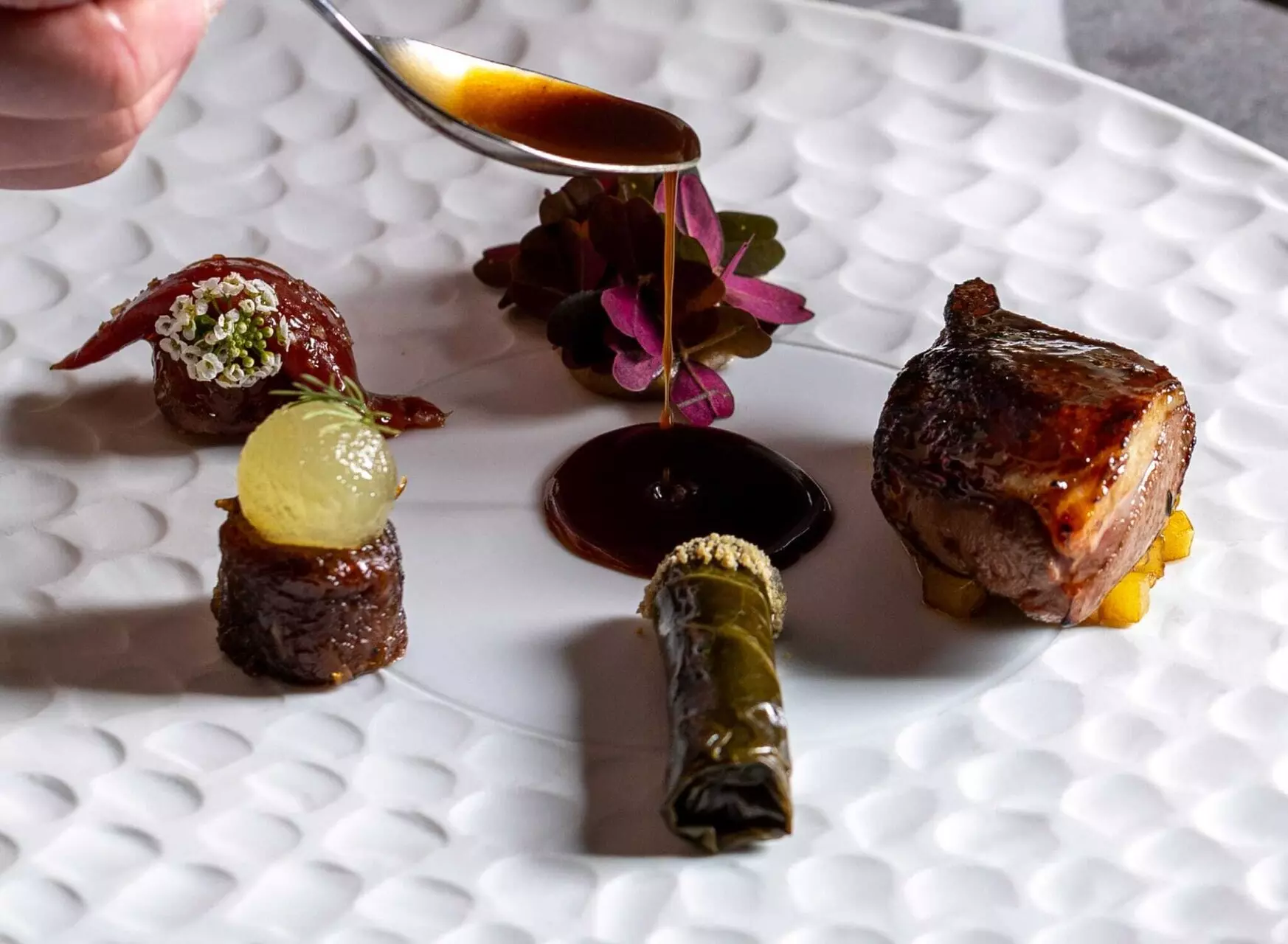
Noel's cuisine remains contemporary and creative, moving between meat, freshwater and Adriatic seafood while occasionally looking towards Croatian classics for inspiration. The restaurant's broader identity also continues through its wine and cocktail programmes, which have always played an important role in the overall experience.
The atmosphere in Noel rivals that of restaurants in any capital of the world, with impeccable service, a euphoria-inducing wine menu and dedication to detail. Young bartender Karlo Ferenčak puts his extreme talent to good use, creating a cocktail menu that reveals his passion for spices and tea, and matches the restaurant menu perfectly.
The restaurant retains one Michelin star in the 2026 Guide.
Dubravkin Put, Zagreb
Surrounded by the greenery of Tuškanac, only a short distance from Zagreb's historic centre, Dubravkin Put offers one of the capital's most distinctive fine-dining settings.
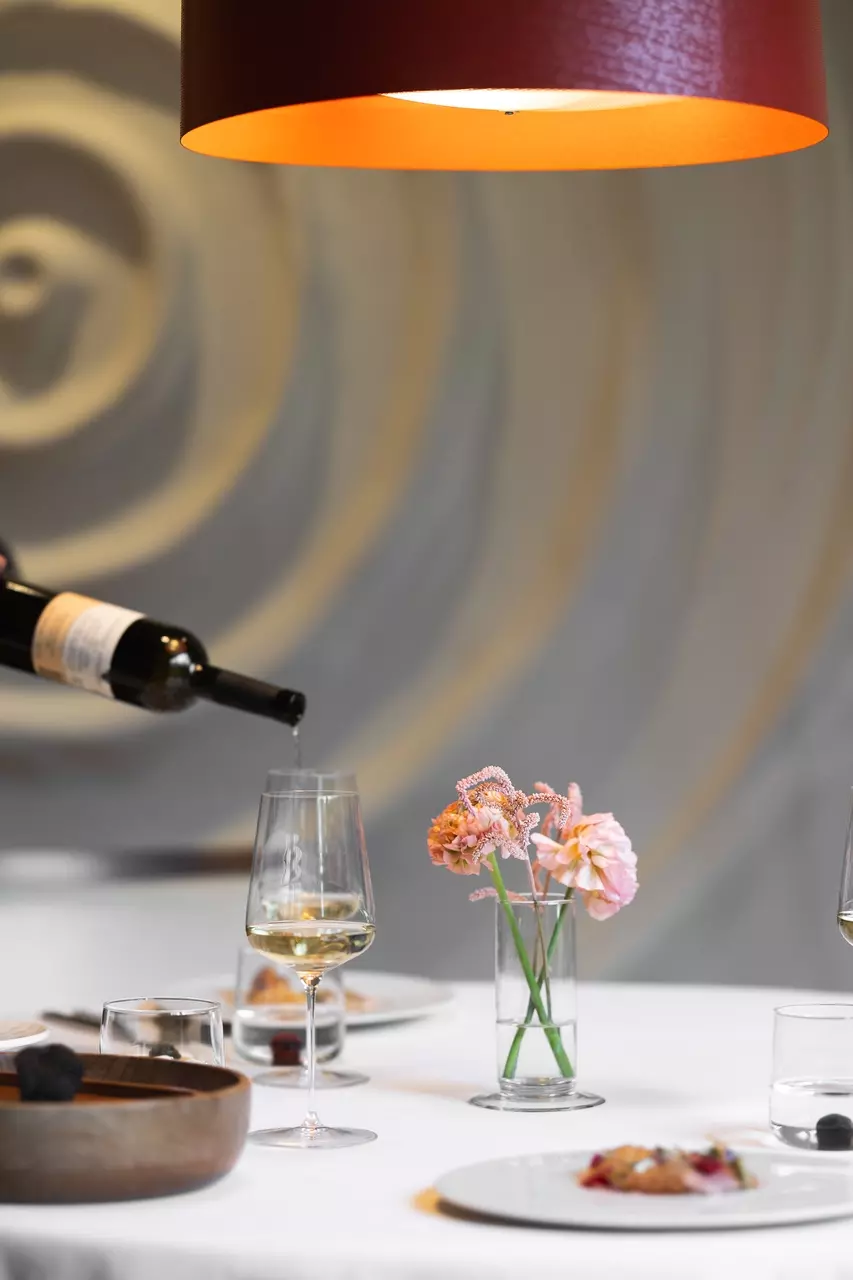
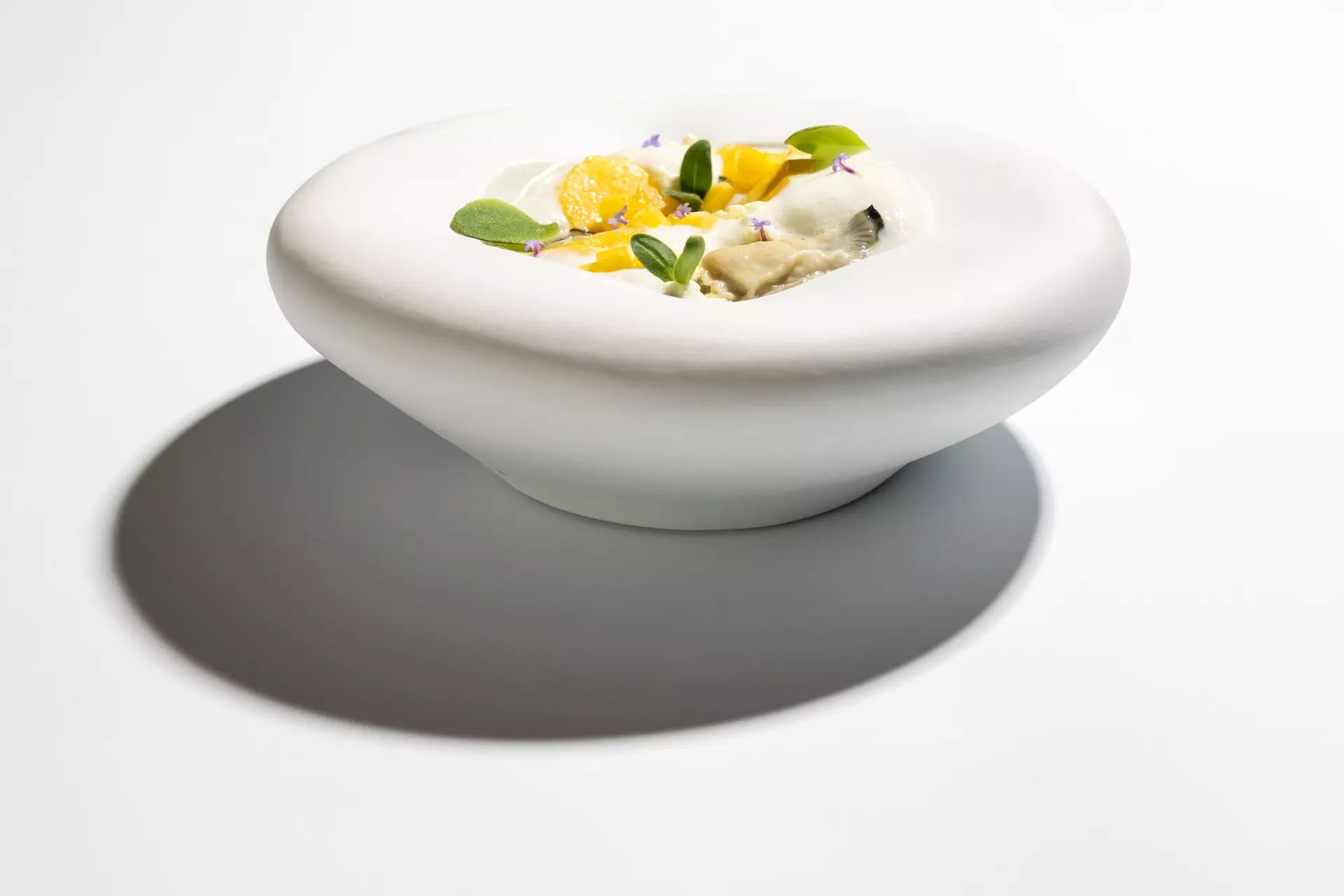
Under chef Tibor Valinčić, the restaurant has developed a refined Mediterranean cuisine with a particularly strong focus on fish and seafood. Seasonality and precise technique shape dishes that feel contemporary without becoming disconnected from their ingredients.
The restaurant's terrace, surrounded by forest, creates an unusual sense of distance from the city despite its central location. Wine is another major part of the experience, with Michelin noting a cellar of more than 500 labels.
Dubravkin Put received its first Michelin star in the 2024 selection and retains it in the Michelin Guide Croatia 2026.
Korak, Plešivica
Among Croatia's Michelin-starred restaurants, Korak perhaps demonstrates most clearly how fine dining can emerge directly from the landscape surrounding it.
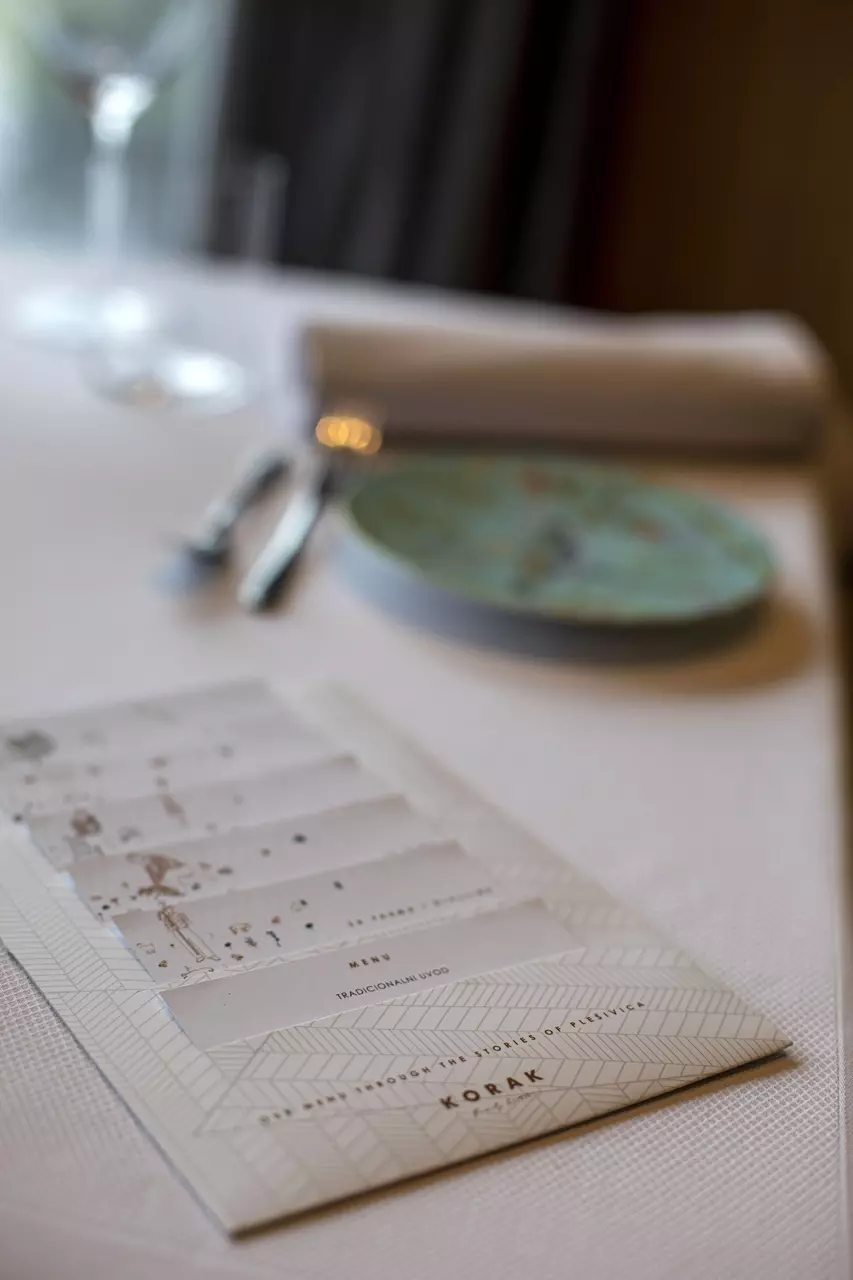
Located on the Korak family's wine estate in Plešivica, the restaurant is led by chef Bernard Korak. His cuisine follows the seasons closely and relies on ingredients from the family's own estate as well as carefully selected small producers.
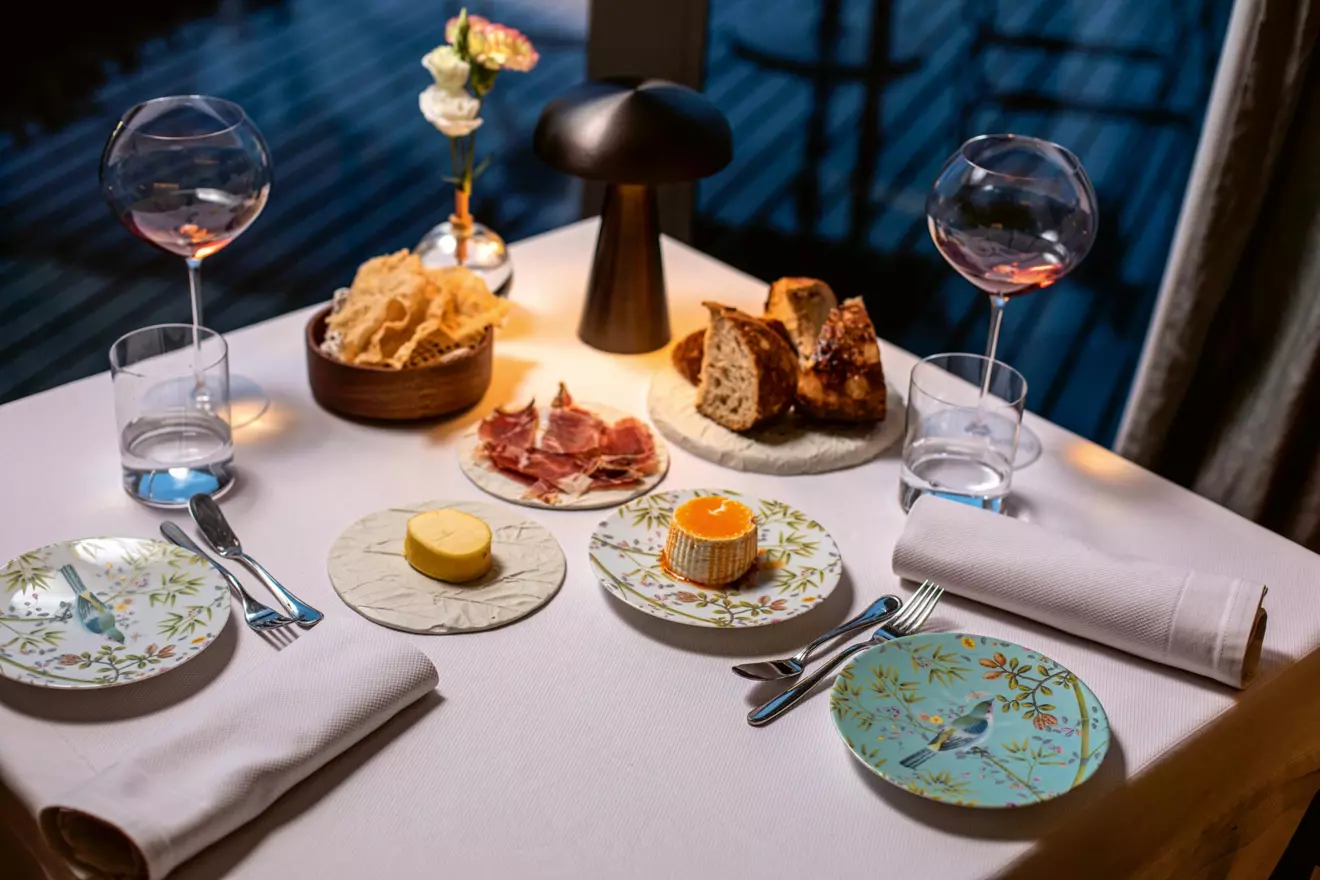
Cheeses, butter, trout, vegetables, herbs and other ingredients from the surrounding region become part of tasting menus that are intended to express Plešivica rather than merely use it as a picturesque background. The restaurant's wines complete that connection between kitchen, vineyard and destination.
Krug, Split
When Krug received a Michelin star in 2025, Split finally gained its first starred restaurant.
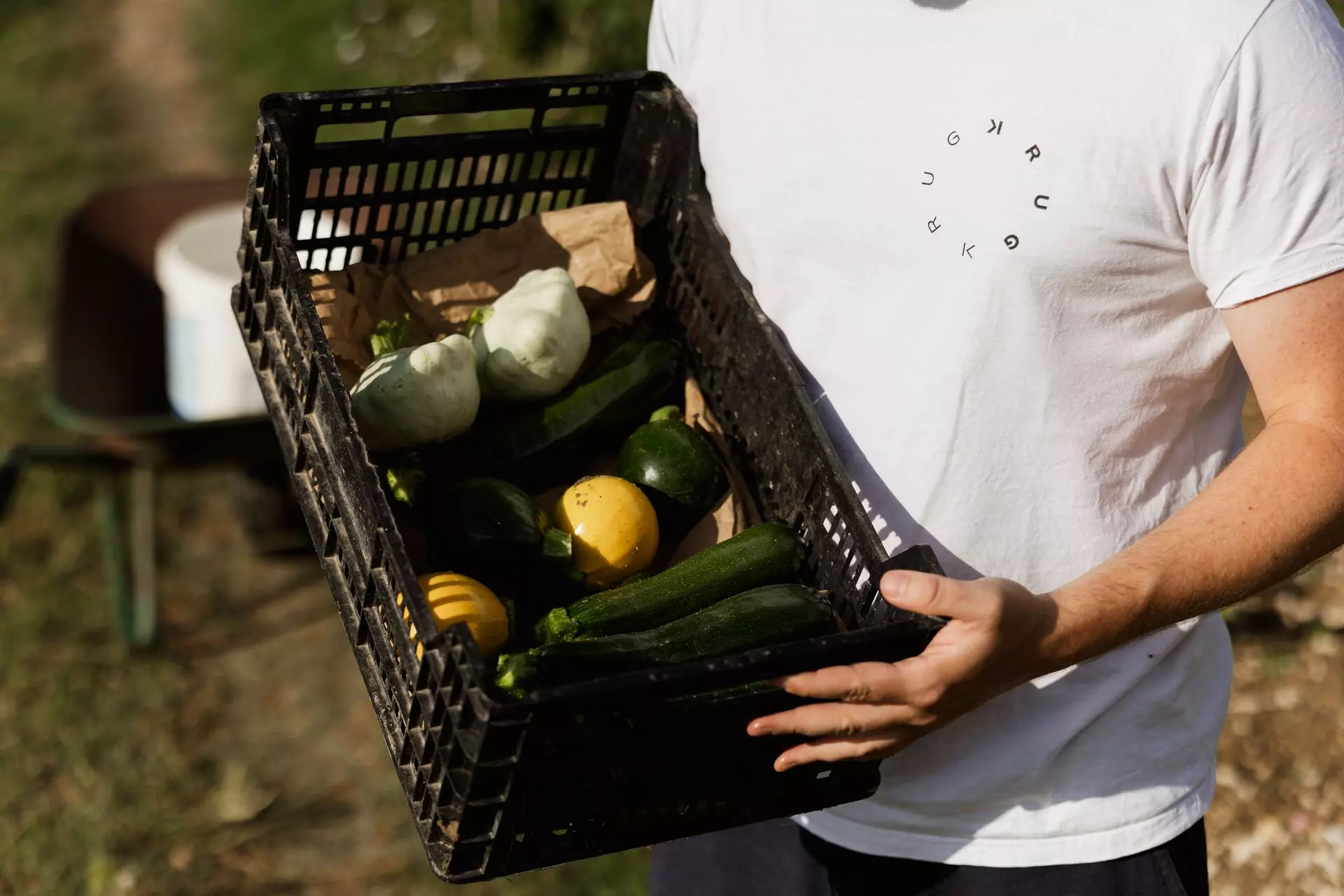
Krug deliberately breaks with the classic formal dining-room model. The restaurant is intimate, built around an open kitchen and a counter with just a small number of seats, bringing guests unusually close to the preparation and serving of every course.
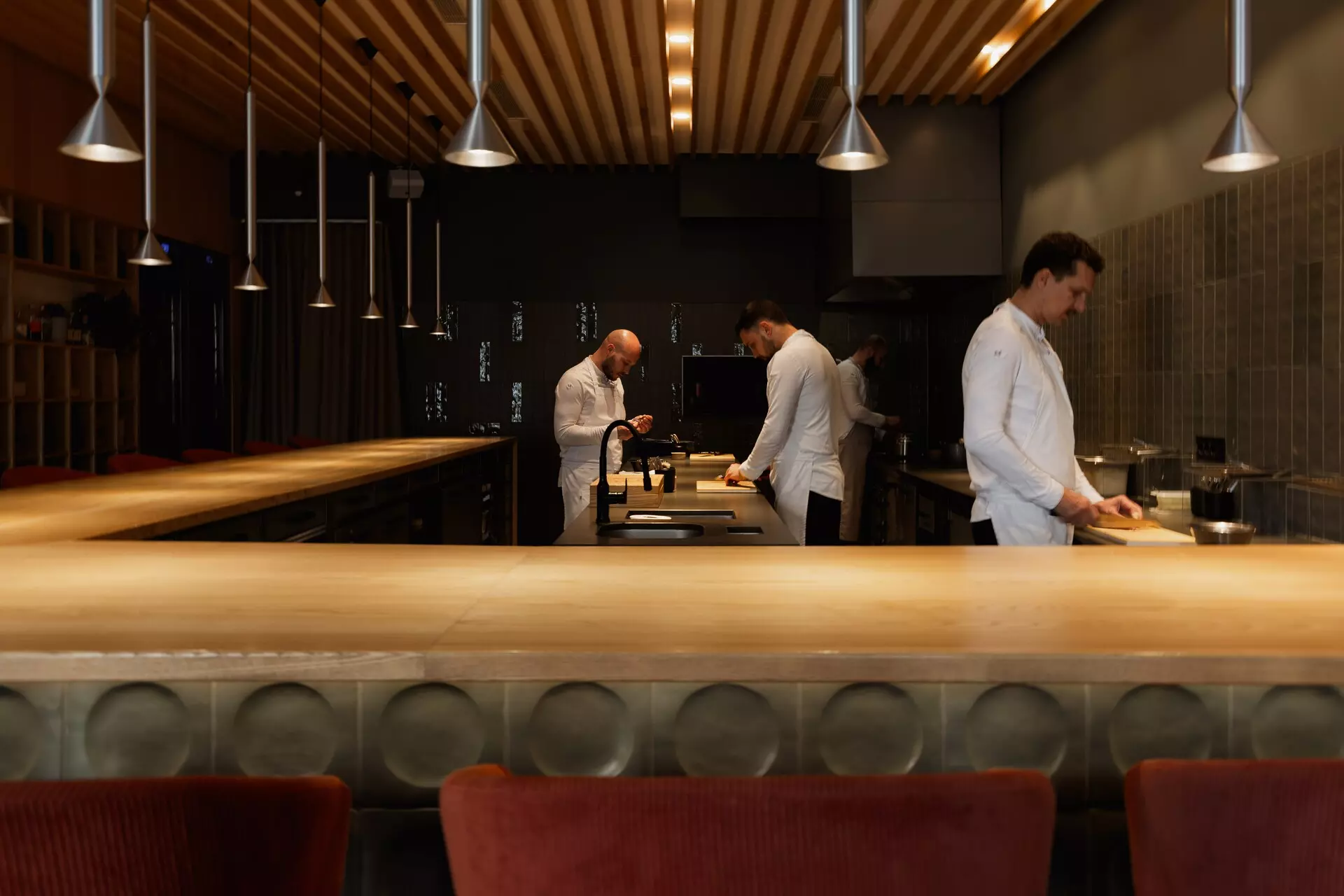
The cuisine is rooted in Dalmatia, but interpreted through contemporary techniques and a strong emphasis on ingredients. Local farmers, fishermen and producers are central to the concept, while much of what appears on the plate, from bread and butter to fermented and preserved ingredients, is prepared in-house.
Rather than creating distance between kitchen and dining room, Krug removes it. The interaction between chefs and guests is part of the experience, making the restaurant one of the most intimate expressions of modern Croatian fine dining.
Croatia's Michelin scene in 2026
What began with a single star in Rovinj in 2017 has developed into a much broader gastronomic map. The 2026 Michelin Guide confirms 13 Croatian restaurants with one Michelin star and one restaurant, Agli Amici Rovinj, with two stars. Harry's Piccolo Poreč is the latest restaurant to join that group.
More importantly, there is no longer one dominant model for Michelin-level cooking in Croatia. Some restaurants look directly towards the Adriatic, others towards vineyards, forests and island landscapes. Some reinterpret tradition, while others work with an international culinary vocabulary.
Together, they increasingly tell the story of Croatian gastronomy not as a cuisine trying to catch up with Europe's established fine-dining destinations, but as one confident enough to define its own identity.
Photos Dean Dubokovič, Dea Botica, Domagoj Miletić, Agli Amici, Alfred Keller, Boškinac, Pelegrini, Nebo, Monte, Noel, 360, Korak / Berislava Picek – Cropix, Pellegrini