Luxury Catamaran Charter in Croatia
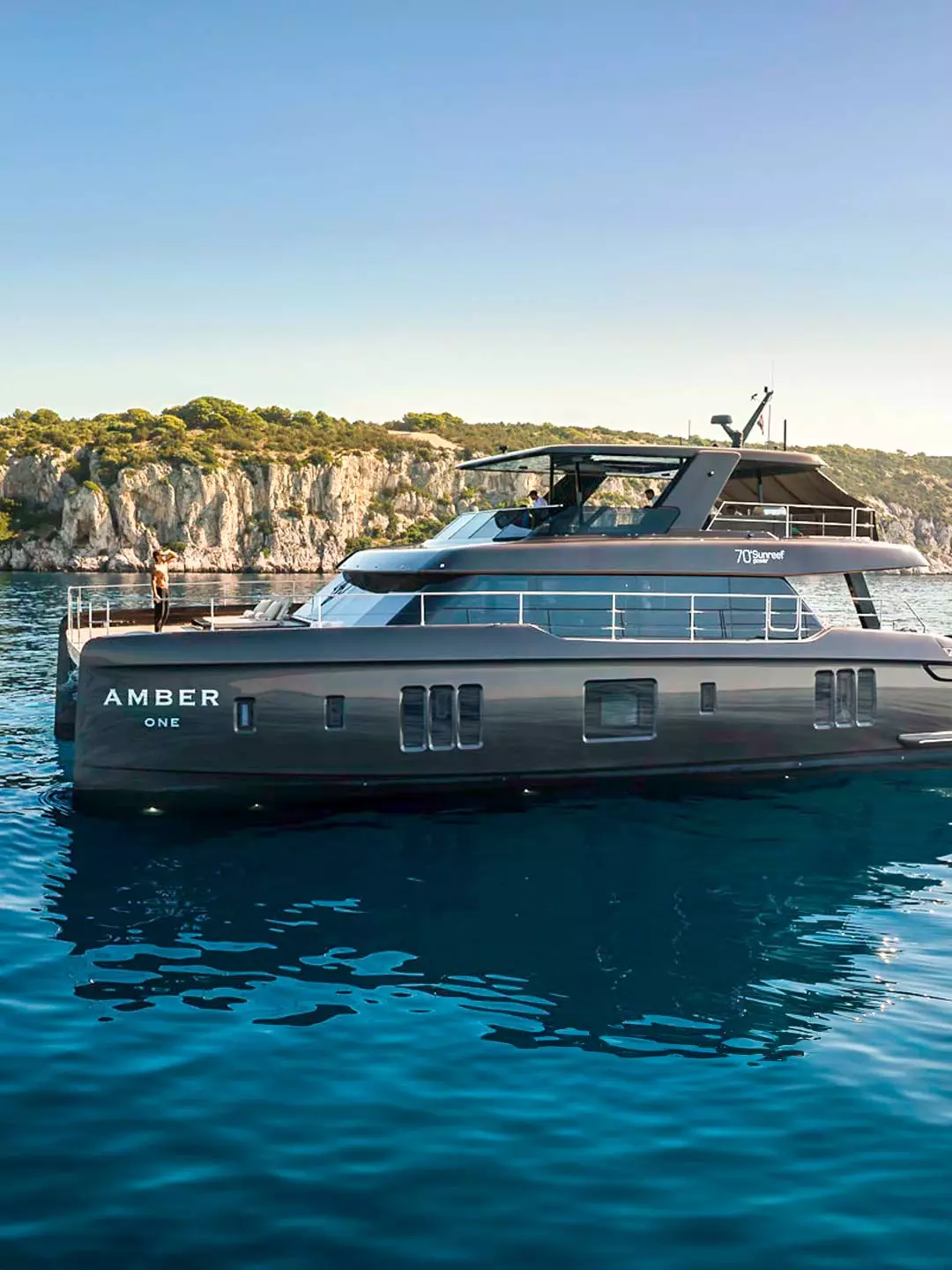
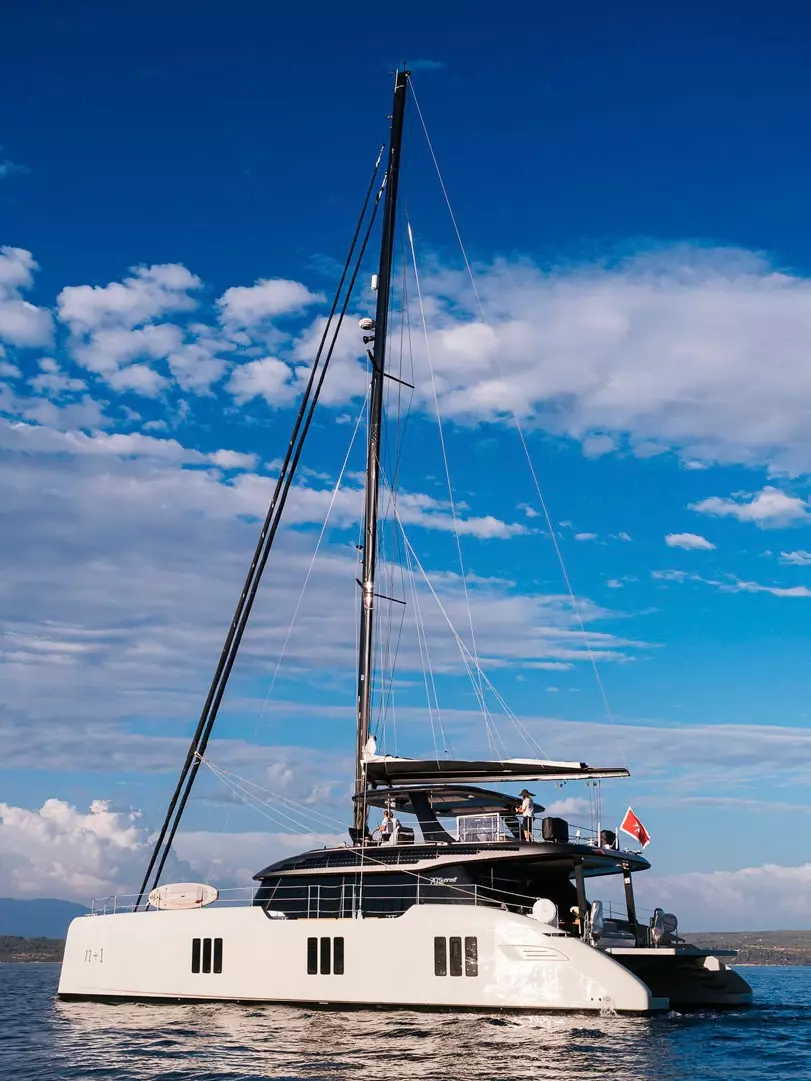
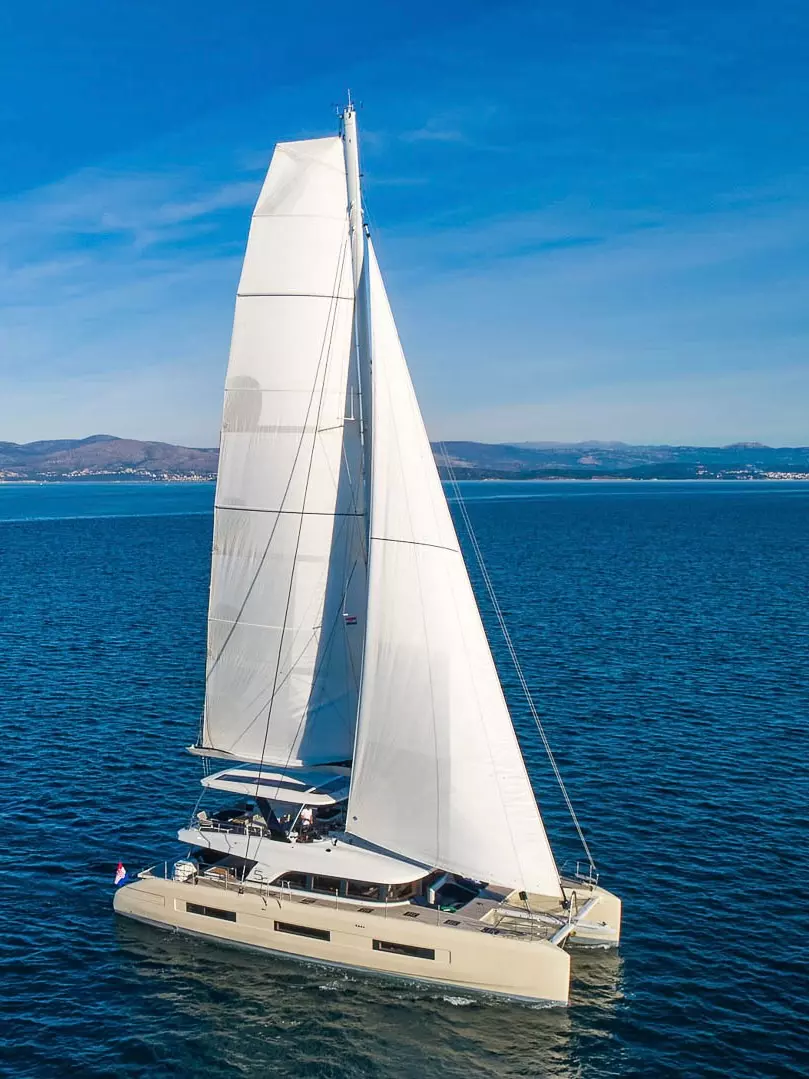
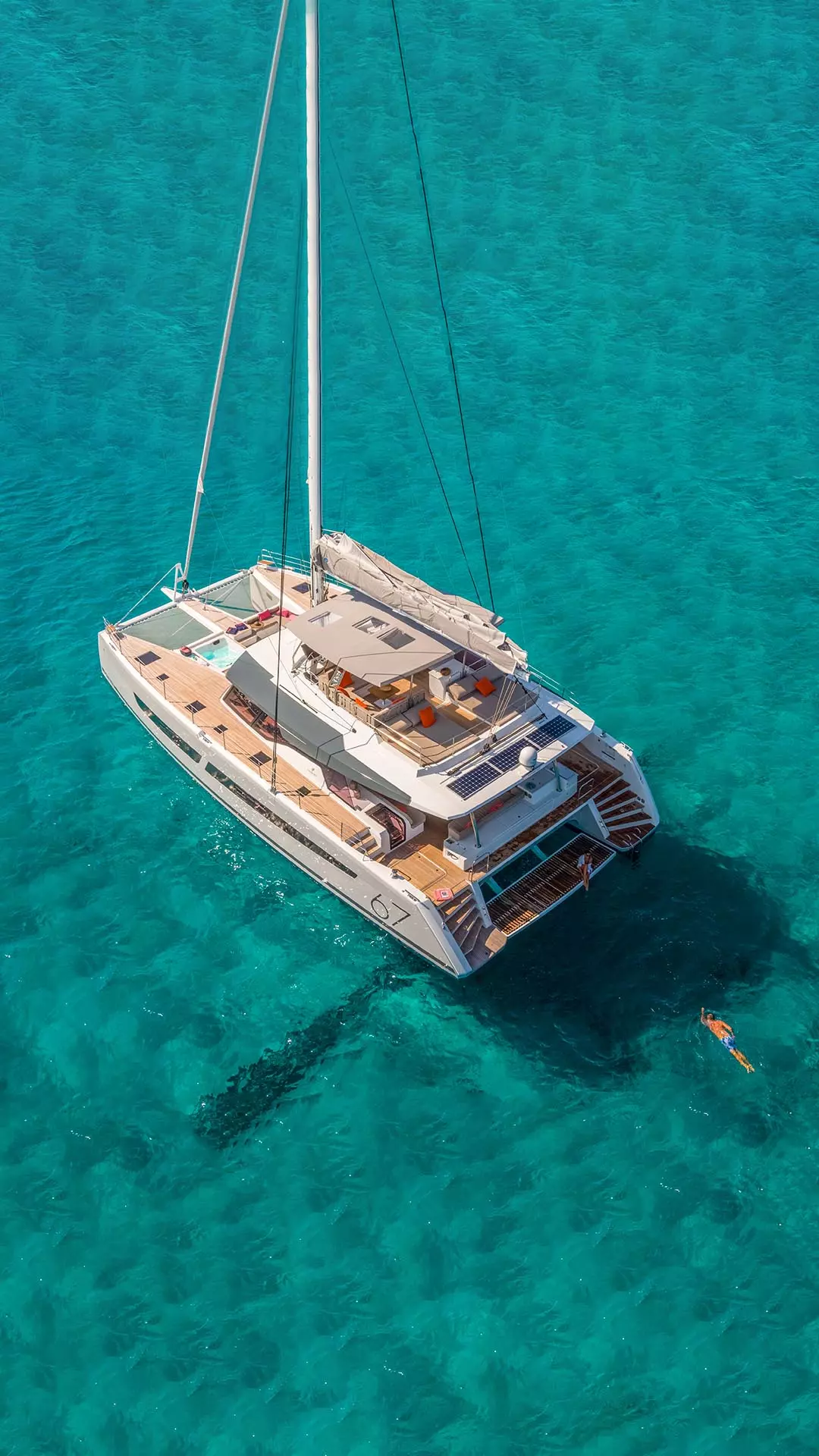
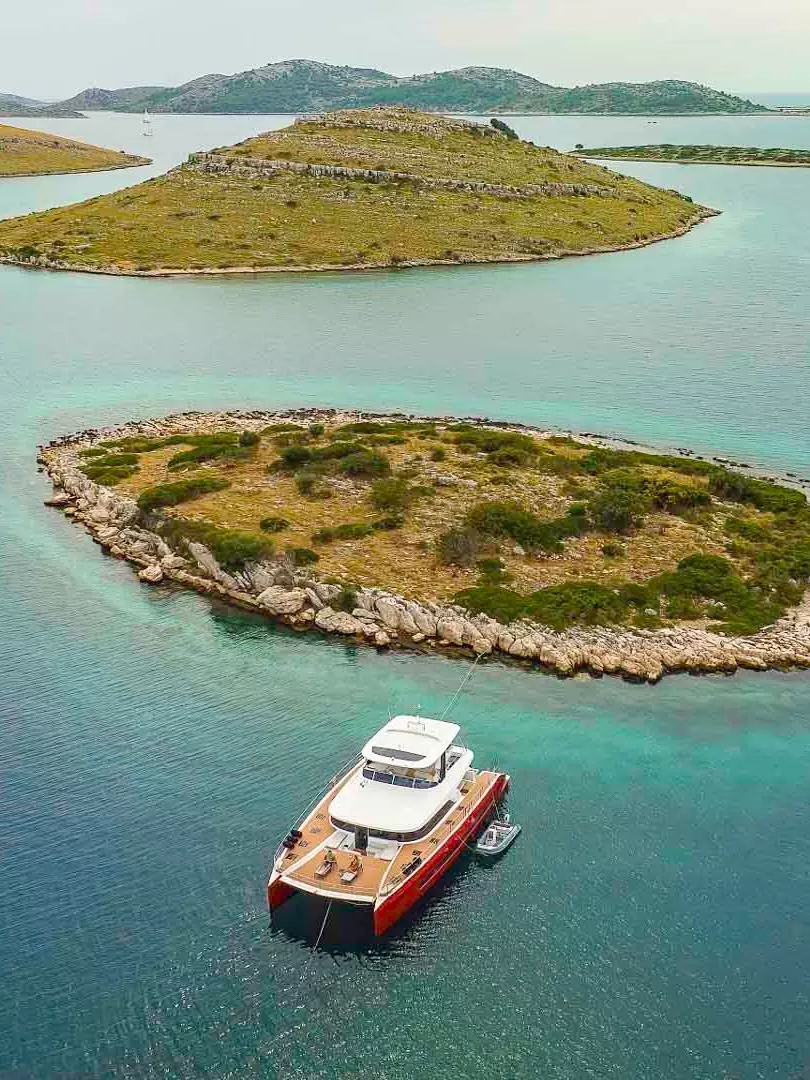
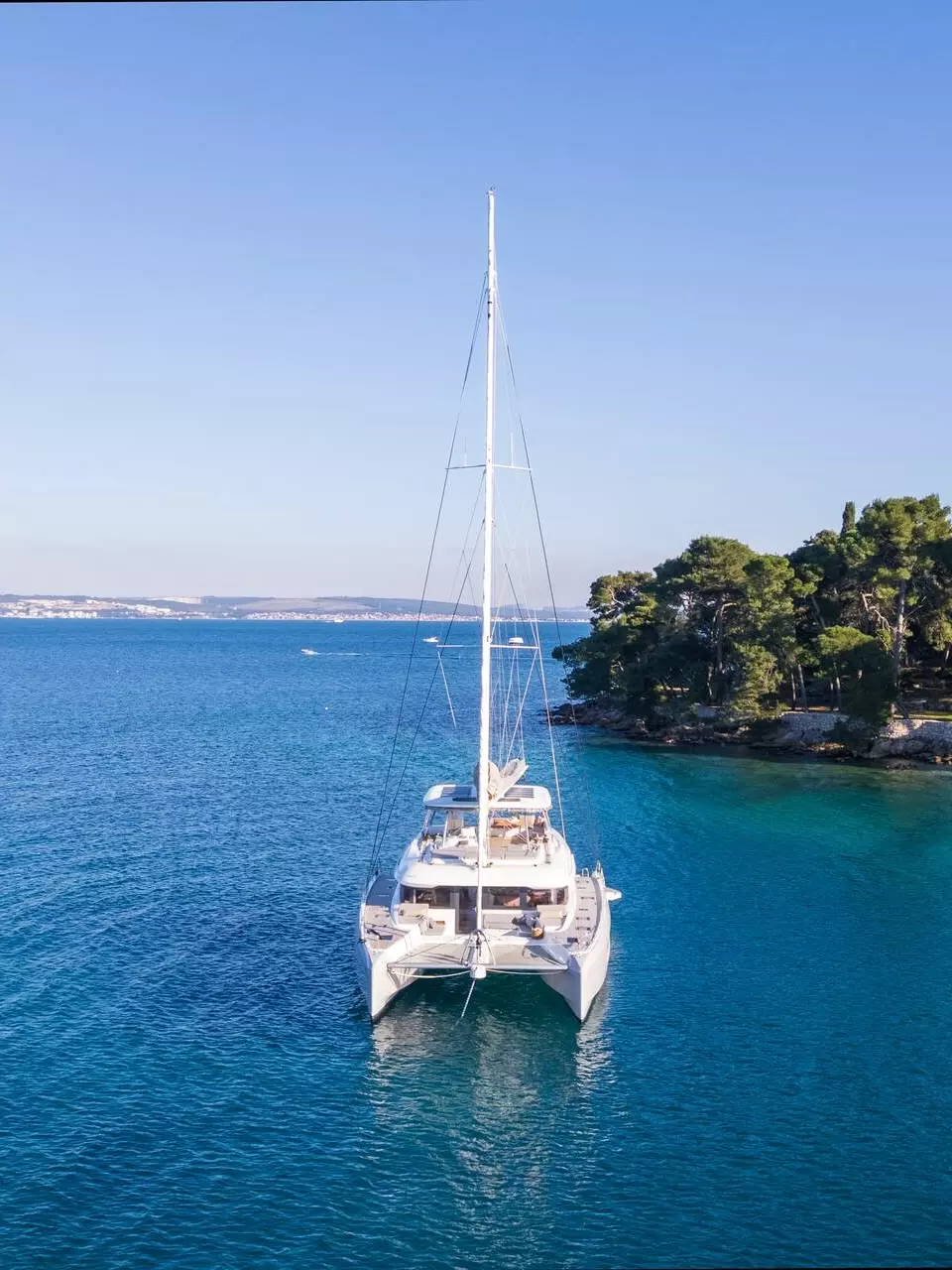
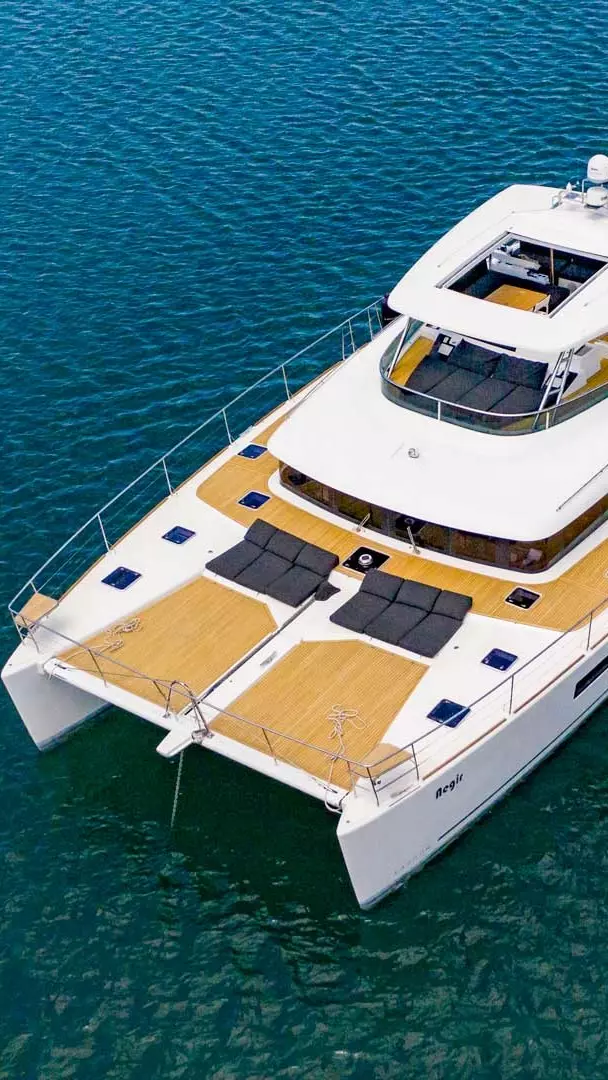
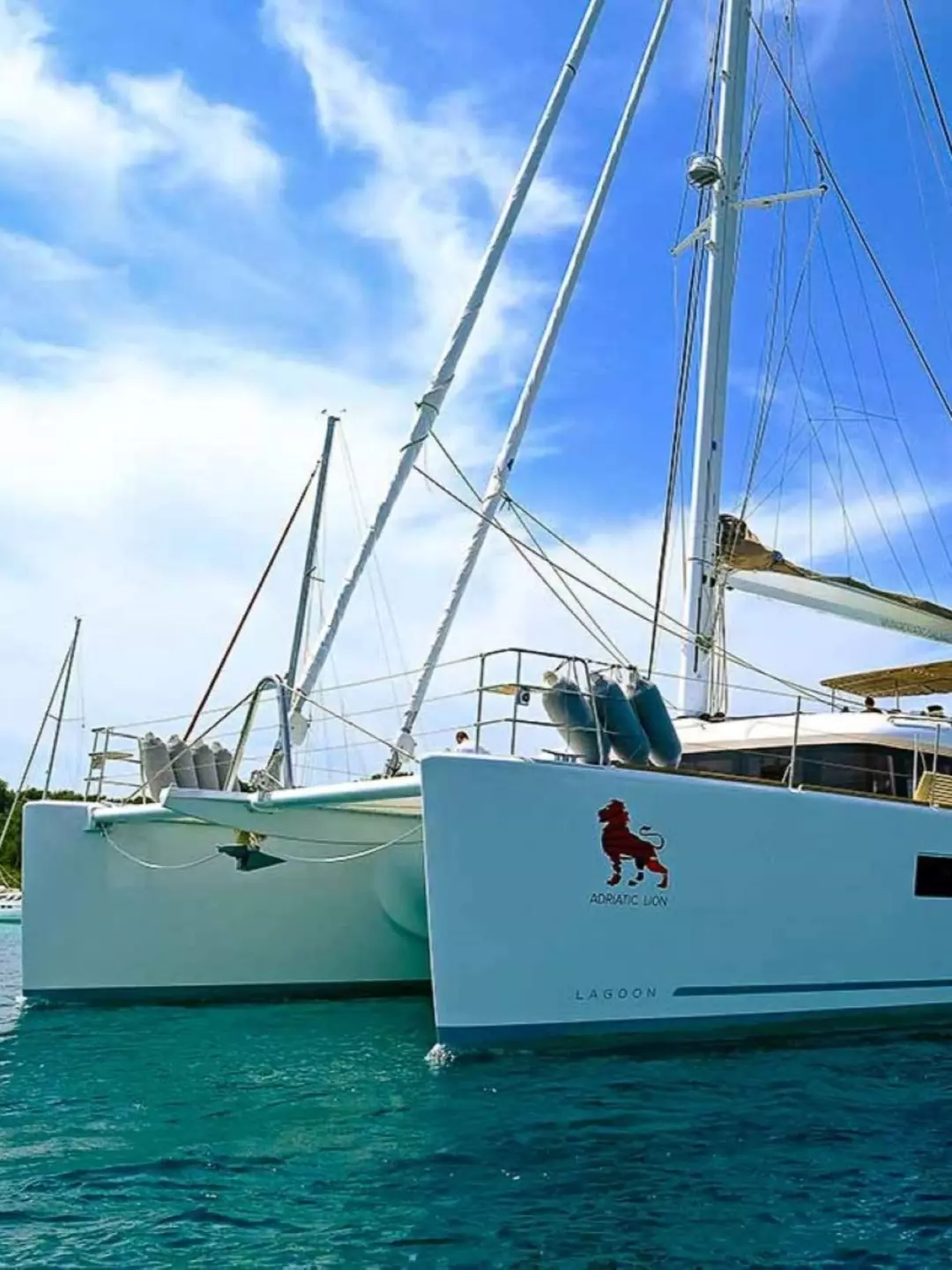
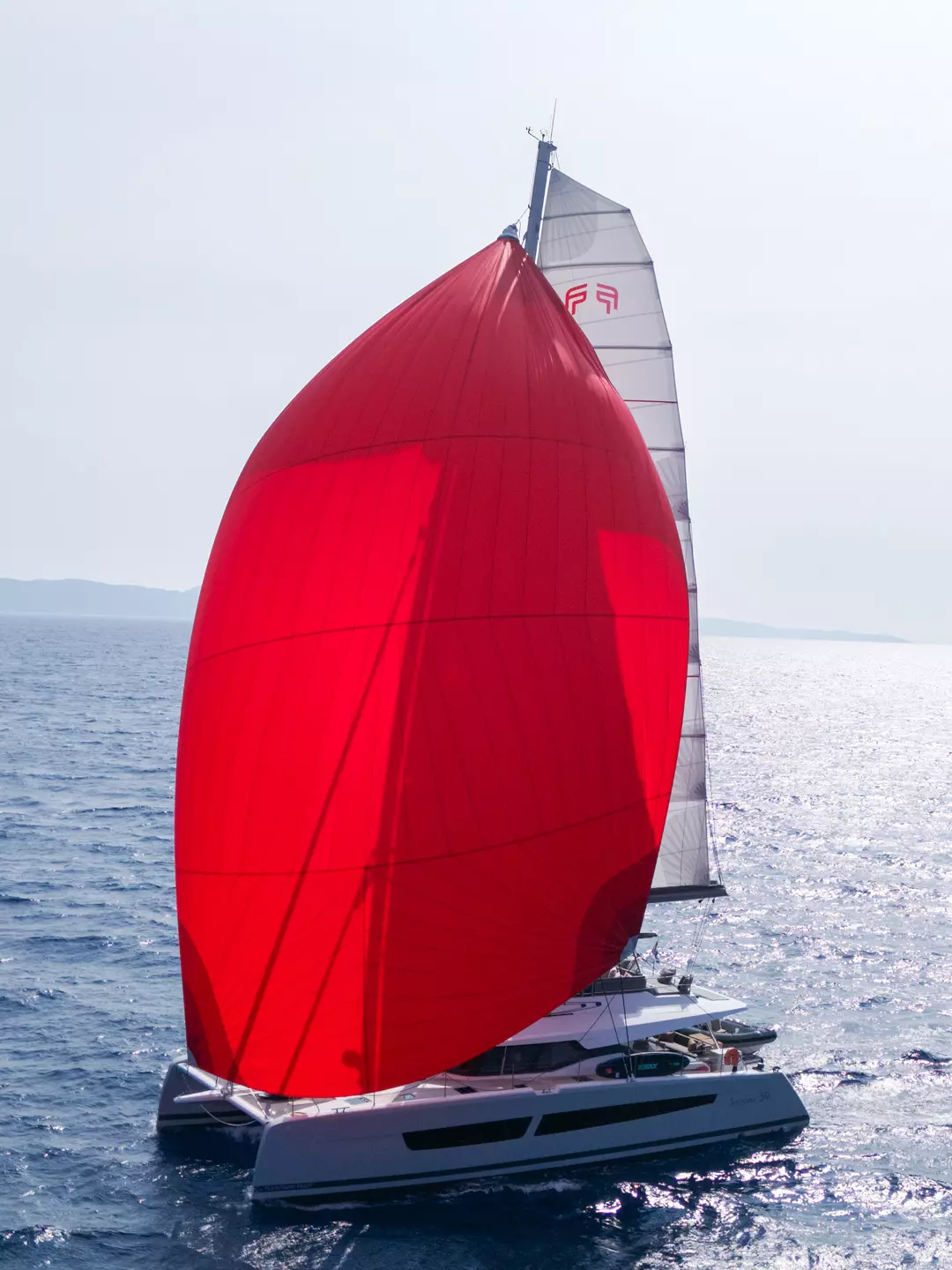
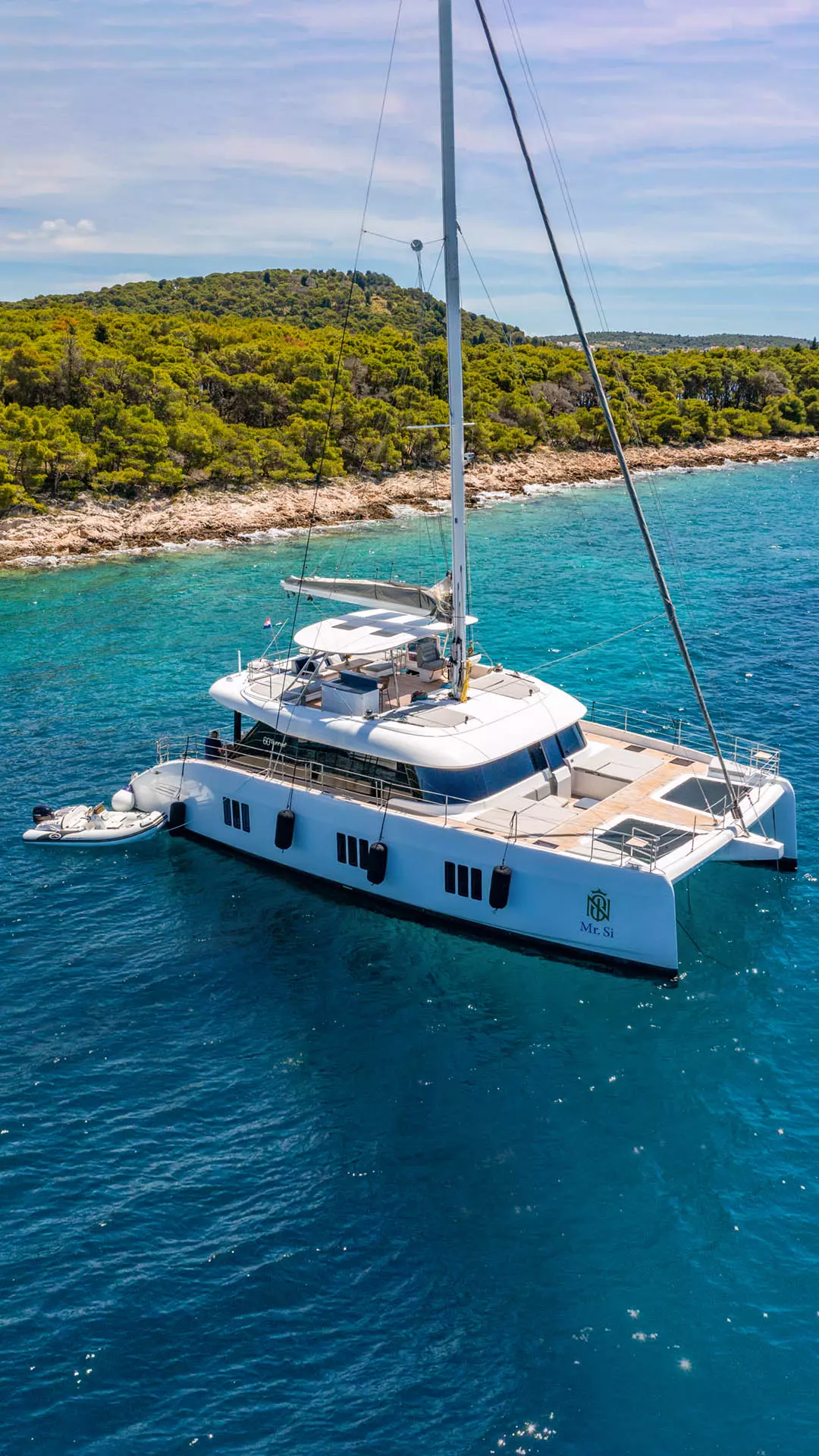
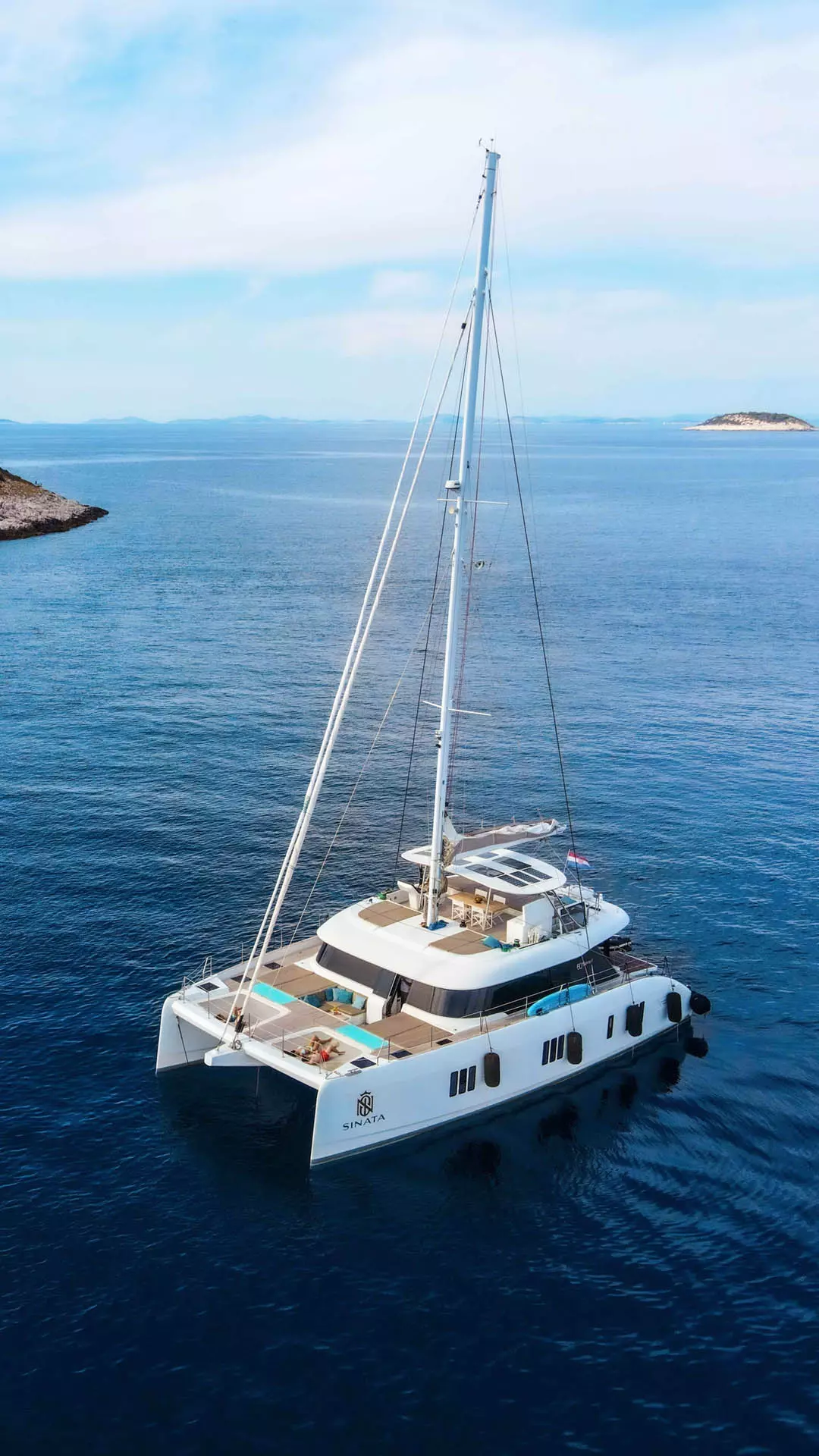
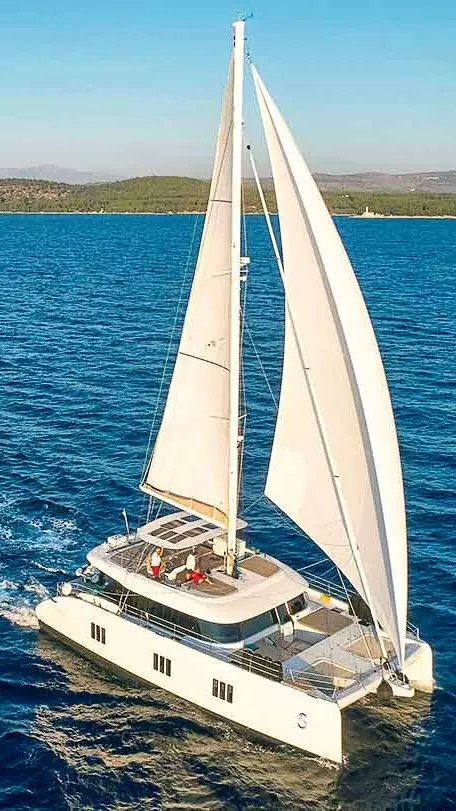
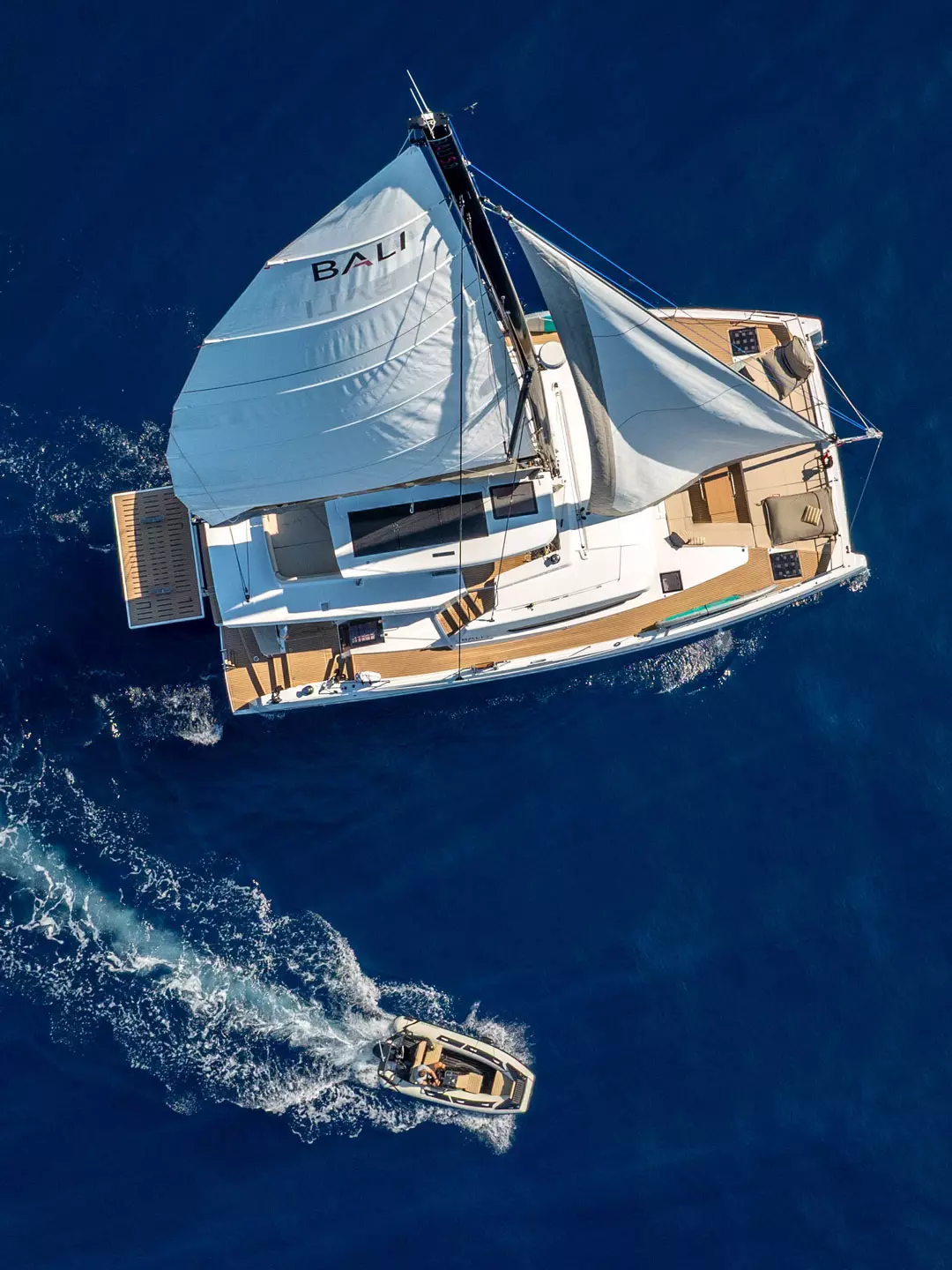
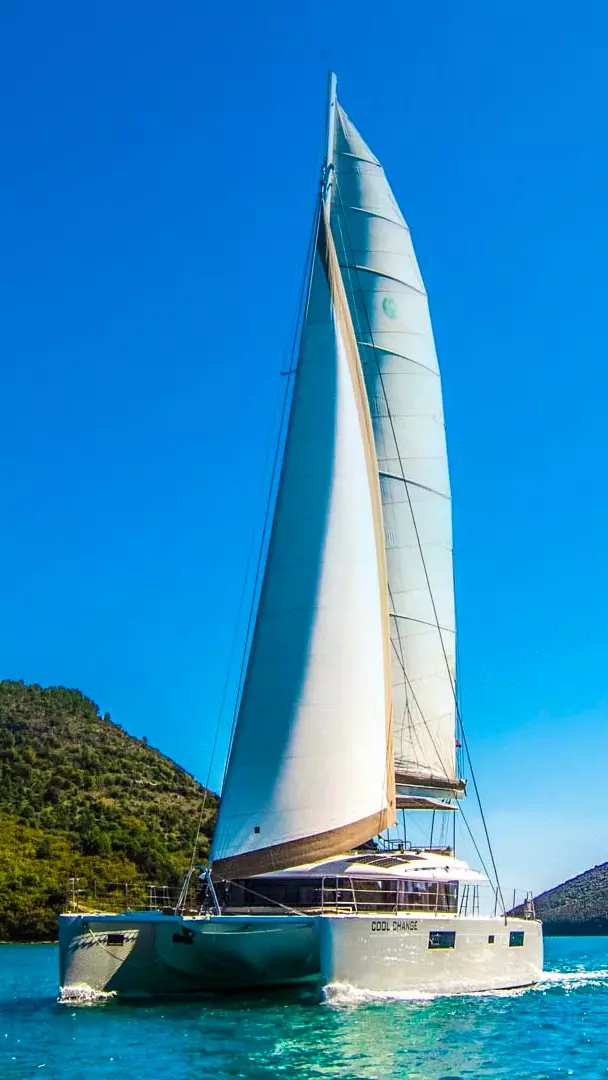
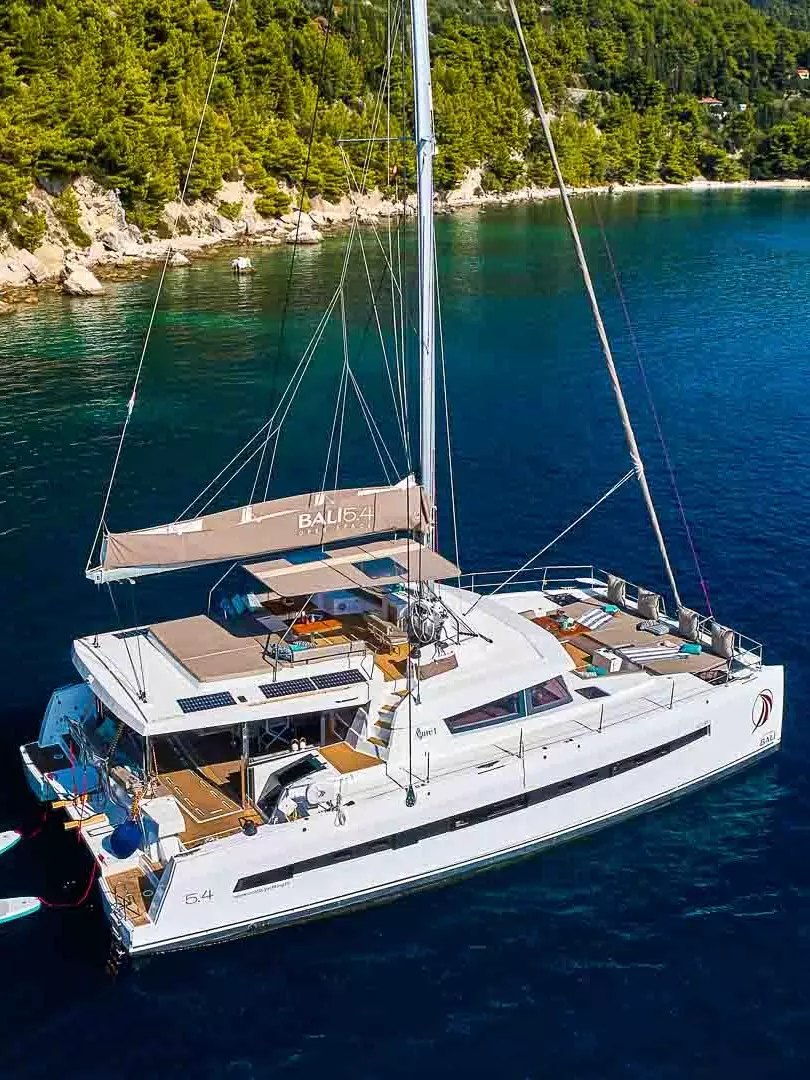
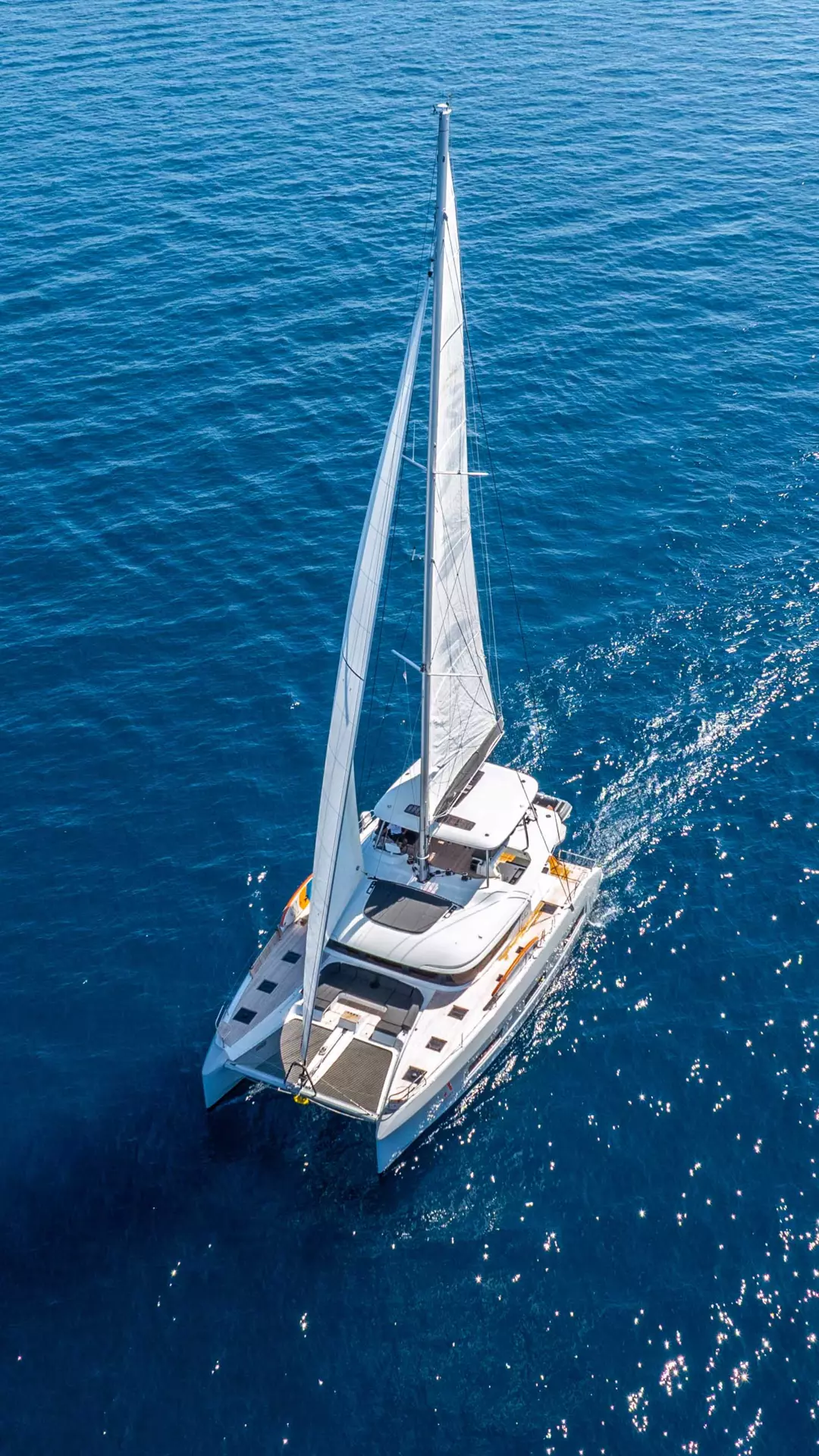
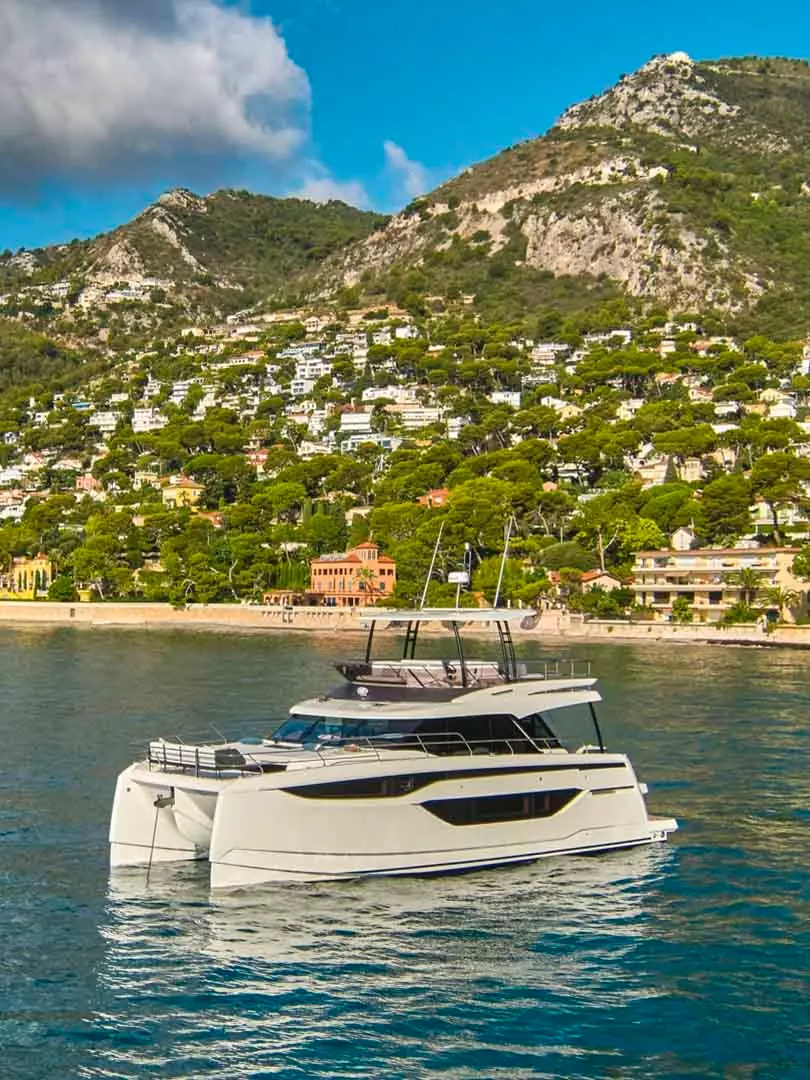
Luxury catamaran charter in Croatia has evolved beyond simple island exploration, becoming a considered choice for those who value space, balance, and comfort at sea. In a country shaped by more than 1,200 islands, the experience is defined as much by where you anchor as by how you live on board. Sheltered bays open onto uninterrupted horizons of sapphire water, while one of Europe’s most preserved coastlines reveals a rare continuity between historic stone towns and contemporary maritime design.
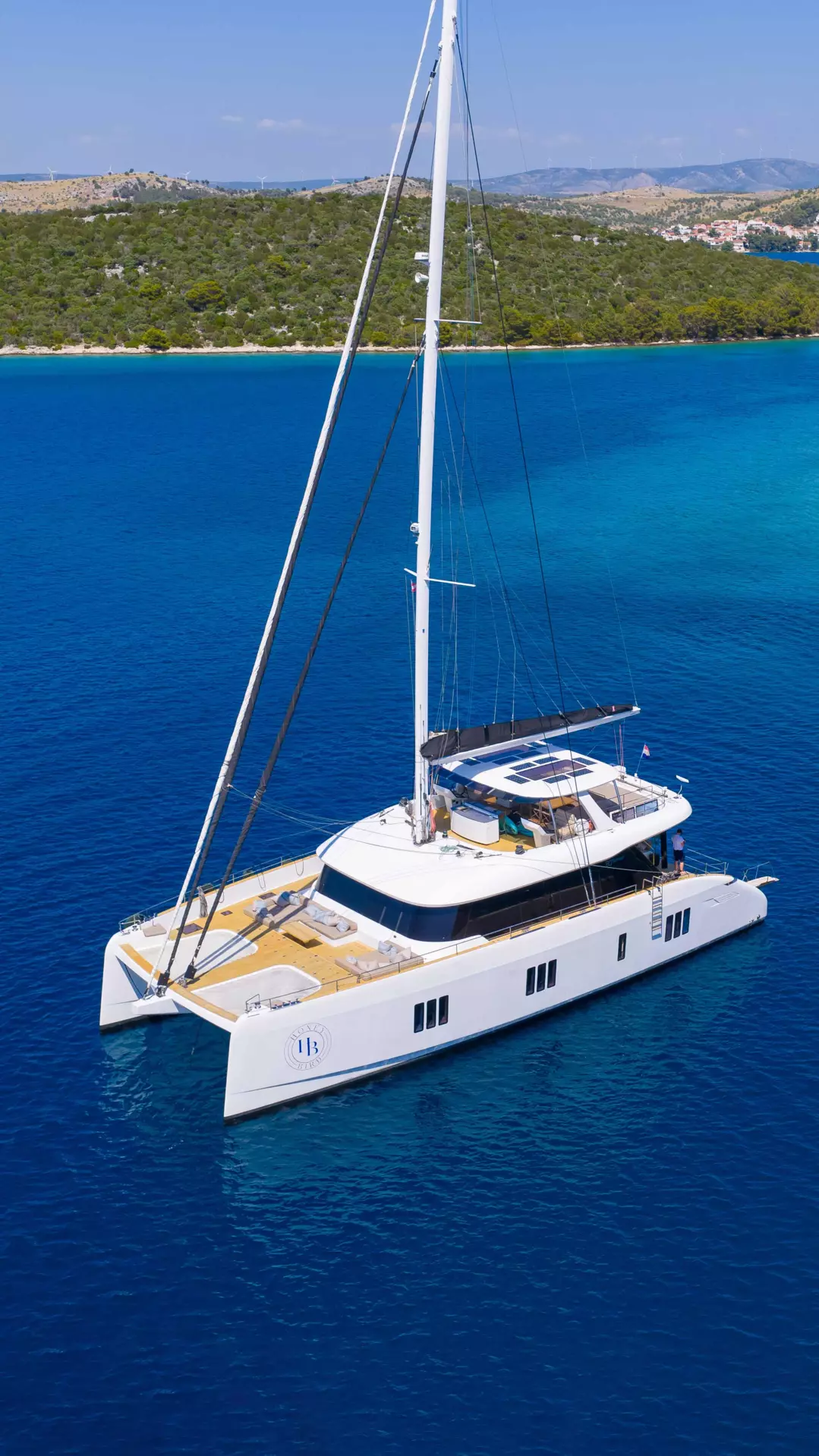
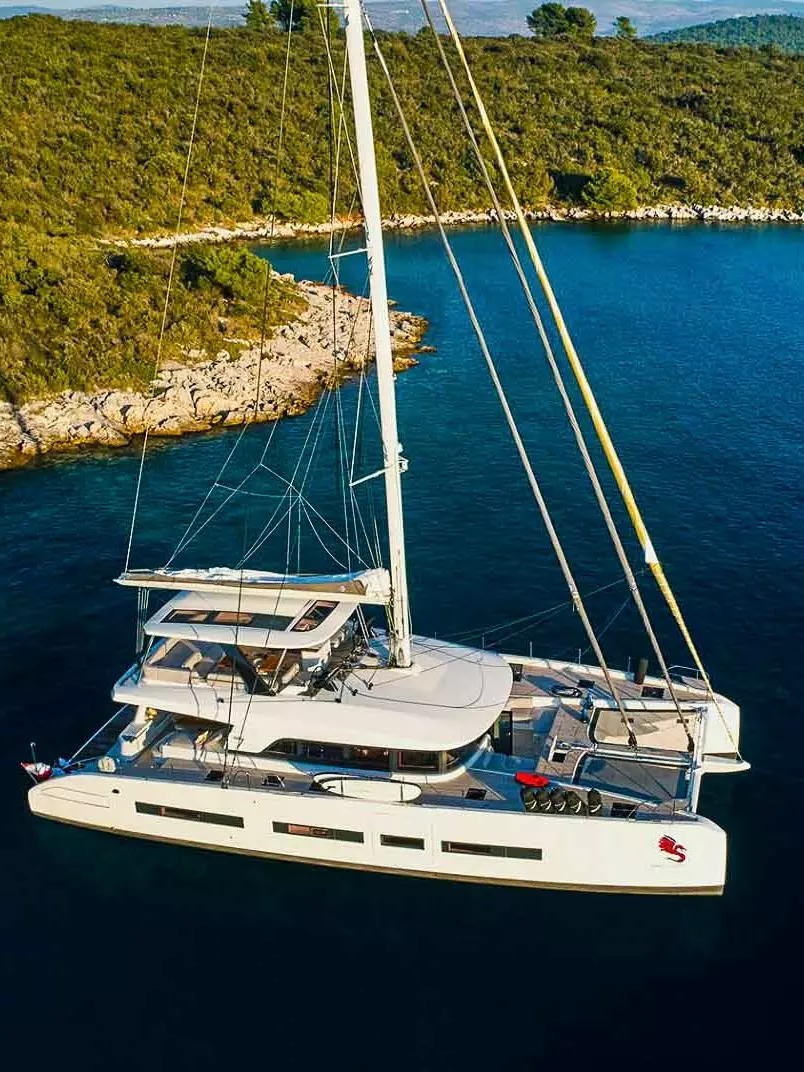
Defined by their generous beam and carefully planned dimensions, modern luxury catamarans offer a level of onboard volume unmatched by monohull yachts of comparable length. Their wide stance allows for expansive living areas, fluid movement between interior and exterior spaces, and notable stability both underway and at anchor. The flybridge, often extending across the full width of the vessel, serves as an elevated outdoor deck for dining, relaxation, and navigation, offering panoramic views across the Adriatic archipelago. These proportions create an experience closer to that of a private seaside residence than a conventional yacht.
Within a region shaped by sheltered limestone coves, quiet anchorages, and centuries-old ports, the catamaran becomes a mobile viewpoint that adapts to the pace of life on board. There is no longer a need to choose between closeness to the sea and the comfort of a refined interior. Life unfolds across multiple decks, from shaded lounges to open flybridges, with easy access to shallow bays and less frequented moorings. In Croatia’s distinctive balance of natural beauty and cultural depth, the luxury catamaran represents not merely a vessel, but a deliberate and spacious way of experiencing the Adriatic.
The luxury of space: Volume that redefines onboard living
Stepping onto a luxury catamaran is an exercise in architectural liberation. Where traditional yachting often feels like a series of clever compromises, with narrow hallways and compact cabins, the catamaran offers the generous proportions and open flow of a contemporary penthouse. An 80 foot catamaran provides the interior volume and deck space of a much larger 115 foot monohull, shifting the narrative from life on a boat to life in a floating villa. By doubling the width of a traditional yacht, you gain over 300 square meters of living area, delivering the palatial feel of a superyacht within a more versatile and intimate frame.
This abundance of space is not merely about square footage; it is about the quality of life on board. The catamaran’s geometry allows for a horizontal lifestyle where the primary living areas are on a single level. This eliminates the constant climbing of steep stairs and creates a sense of continuity that makes the vessel feel more like a home than a machine.
Cockpit designed for social living
The cockpit of a luxury catamaran is designed to maximize social interaction without ever feeling crowded. Even with a full guest list of twelve people, the expansive layout allows for multiple groups to congregate simultaneously. While some guests may be enjoying a formal alfresco dinner at the main table, others can be lounging on the aft daybeds, all within the same cohesive area. This level of openness is a hallmark of twin hull design, providing a platform where guests can move freely without disturbing one another.
The benefits of catamaran design
Compared with single hulled yachts of similar length, the catamaran’s wider platform offers:
• Generous alfresco dining: Tables that can comfortably accommodate large groups for long Mediterranean lunches.
• Open air transition: The wide side gangways allow for safe and effortless movement between the aft cockpit and the forward lounge.
• Integrated wet bars: Most luxury models feature outdoor galleys and bars, ensuring that refreshments are always within reach while enjoying the sun.
• An integrated aft platform designed to transform into a private swimming area.
The saloon open to the horizon
The saloon benefits from the same twin-hull architecture, serving as the glass heart of the yacht. In a traditional monohull, the saloon is often sunken and enclosed, but on a catamaran, panoramic windows extend across the full width of the vessel. These floor-to-ceiling glass surfaces create uninterrupted sightlines, filling the interior with natural light while visually linking the saloon with both the surrounding seascape and the forward outdoor living areas. Paired with a saloon door that opens directly onto the forward cockpit, the interior maintains a clear visual and spatial link with the bow lounge.
The additional width allows for open-plan layouts that preserve a constant connection with the horizon, whether you are preparing a cocktail in the galley, relaxing on the sofa, or seated at the navigation station. With this visual continuity toward the bow and its lounge space, the saloon feels less like an interior room and more like a central pavilion between sea and sky. This transparency dissolves the boundary between refined interior comfort and the Adriatic landscape, making the sea a constant, calming presence throughout the living space.
Flybridge experience
On larger models, the flybridge adds an entirely new dimension to the onboard experience. This is no longer just a place for the captain to steer, it has become a sophisticated private terrace. From this elevated vantage point, guests enjoy unobstructed 360 degree views of the Croatian coast. It is common to find full sunbathing areas, a second dining table, blending absolute privacy with the best views on the vessel. It is the ideal space for morning yoga as the sun rises over the islands or for quiet reflection away from the main social hub.
Foredeck lounge with panoramic views
At the other end of the vessel, the foredeck features the iconic trampoline suspended between the hulls. This area has evolved into a luxurious lounge in its own right, often featuring sunken seating areas, solid teak decking, and, on some models, a built-in jacuzzi. It remains the most sought-after spot while the yacht is underway, offering a place to feel the sea breeze and watch the water rush beneath you, all while enjoying the catamaran’s inherent stability.
Water toys and private beach club
The experience is further defined by the equipment available on board. These vessels come equipped with an extensive selection of water toys that most yachts this size cannot accommodate. These include Seabobs, Fliteboards, stand-up paddleboards, inflatable kayaks, jet-skis, and water slides. The catamaran’s wide aft and hydraulic swim platforms serve as a private beach club, making it effortless to transition from the luxury of the deck to the clarity of the Adriatic.
Twin-hull advantage
Every feature of a catamaran leverages its width and twin hull layout to create more freedom and flexibility at sea. The result is a living experience that feels expansive, serene, and exceptionally attuned to the beauty of the archipelago, ensuring that your time on board is defined by choice rather than by the constraints of space.
In a shared environment, true luxury is the ability to find a moment of solitude. By placing sleeping quarters in opposite wings, the layout creates an inherent acoustic buffer, ensuring a level of privacy that is ideal for multi-generational families or groups of couples.
This architectural separation ensures that even in standard configurations, each guest suite remains a secluded sanctuary, tucked away from the vessel’s social hubs. Each suite is complete with its own en suite bathroom and independent climate control, allowing for total autonomy.
For the ultimate retreat, the 'owner’s version' dedicates one entire hull to a single master suite. This is a private apartment on the water, featuring a king-sized berth, a walk-in wardrobe, and an expansive bathroom. Many of these versions also incorporate a private study for uninterrupted work and a direct, discreet exit to the aft deck or beach club. This allows the owner to step from their bed directly to the water’s edge for a morning swim without ever having to walk through the main salon.
Configuration and interior
The interior is organized to protect your personal space through a thoughtful distribution of cabins:
• Standard configurations offer 4 to 5 private suites located in entirely different hulls.
• Each suite is equipped with a private en suite bathroom for absolute comfort.
In the Croatian luxury market, these premier catamarans are exclusively offered as crewed charters, ensuring a seamless and pampered journey. This professional service may include a dedicated private chef on board, who curates bespoke gastronomic experiences using the finest local Adriatic ingredients. Professional crew members are typically accommodated in separate quarters, often located in the bow or a dedicated service area, to ensure uninterrupted guest privacy.
This architectural separation makes the catamaran format uniquely suited for specific types of travelers:
• Families with different generations or teenagers who need their own independent space to retreat to.
• Friends and corporate groups who require a high degree of personal space and individual amenities.
Rise of luxury power catamarans
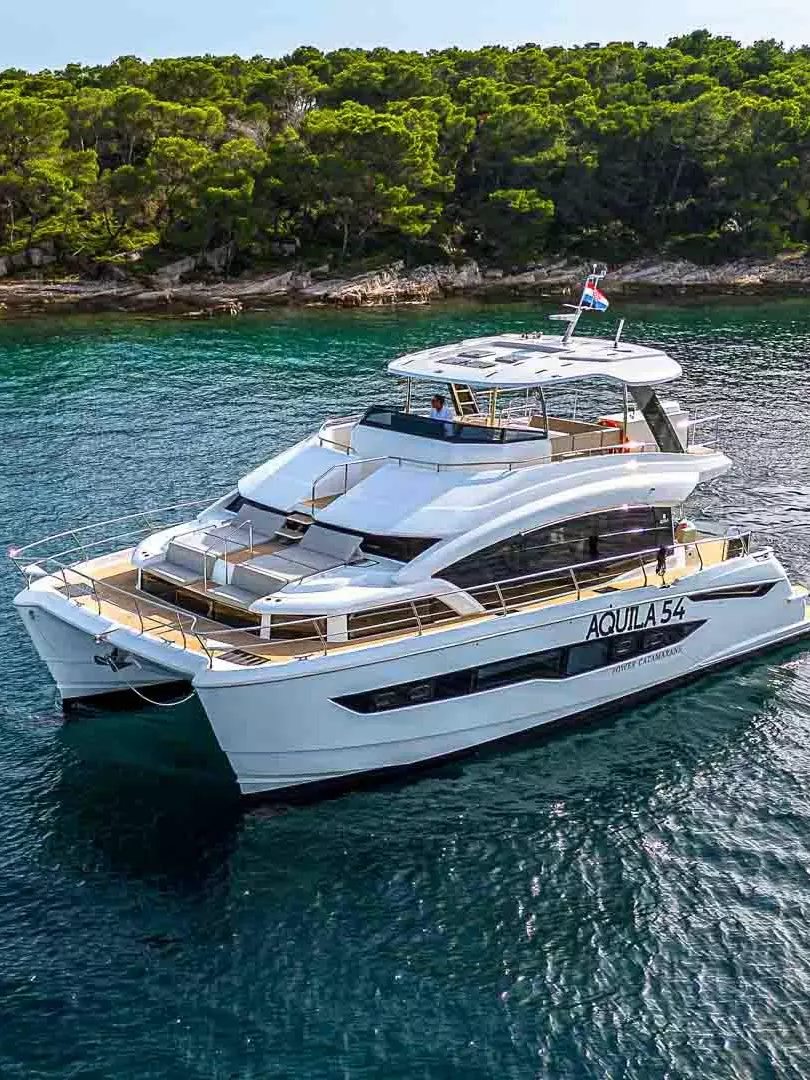
For those who prioritize swift transitions between Croatia’s historic ports without sacrificing the stability of a multihull, the rise of the luxury power catamaran has been transformative. These vessels eliminate the mast and sails in favor of potent, efficient engines and even more expansive living quarters. Without the structural requirements of a sailing rig, power catamarans often feature master cabins with forward-facing views and sprawling flybridges that extend the full width of the beam. They represent a fusion of motor yacht speed and catamaran volume, offering an uncompromising platform for guests who wish to cover more of the Dalmatian coast while enjoying the pinnacle of onboard refinement.
Stability: The art of serene navigation
In the higher tiers of yachting, the greatest luxury is often found in the total absence of motion. While traditional sailing is defined by the constant struggle with gravity, a modern luxury catamaran rests on the water with a composed, stationary presence. This stability is the result of a wide, twin hull geometry that creates a fundamentally different relationship with the Adriatic, replacing the constant motion of traditional hulls with a steady, commanding presence on the water.
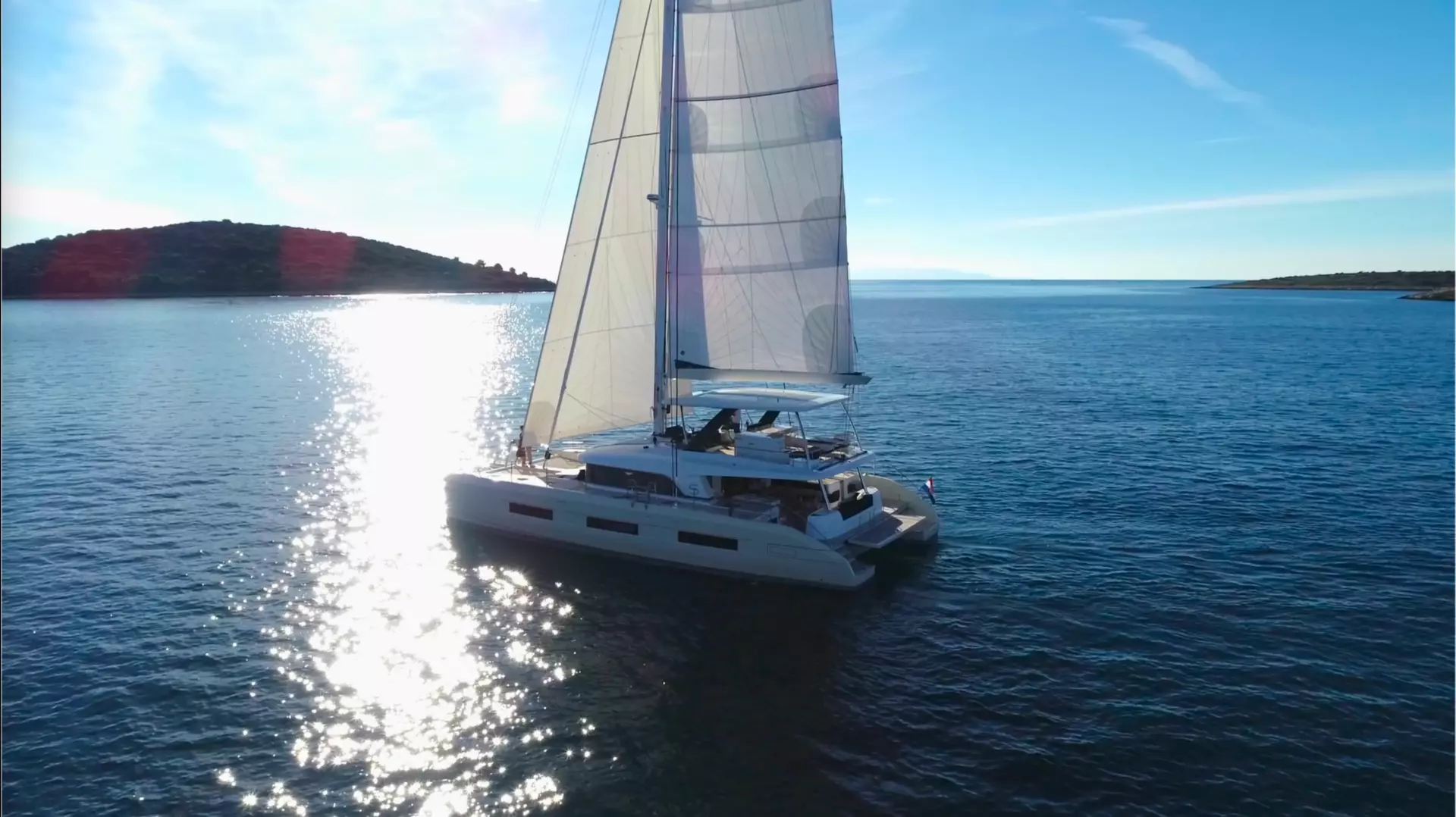
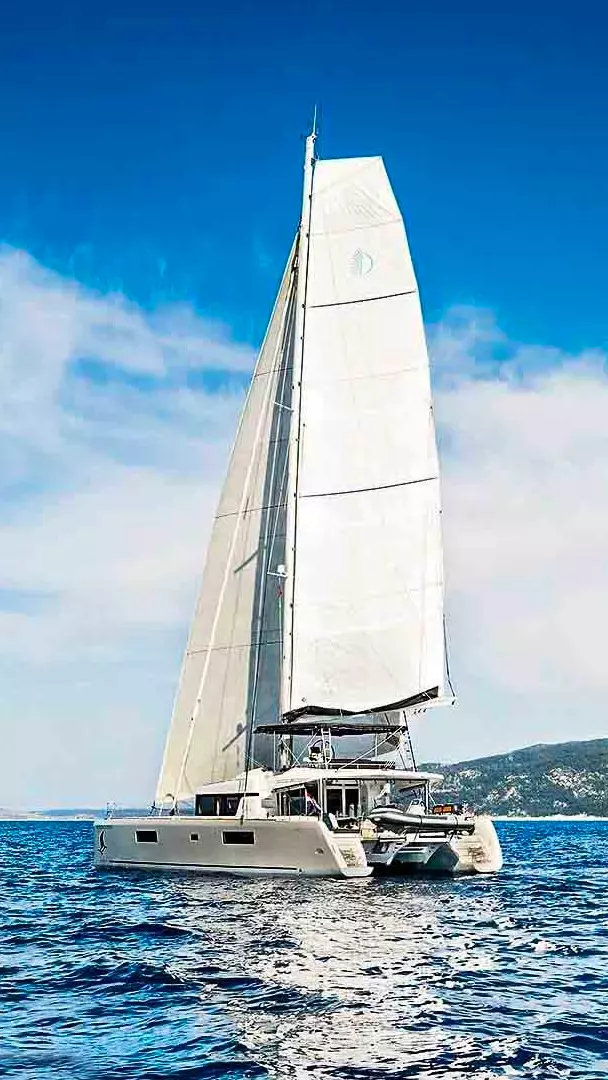
The most immediate shift for anyone used to traditional sailing is the lack of heeling. A catamaran stays almost perfectly upright even under full sail. While a monohull might tilt twenty degrees, making every movement a challenge, a catamaran remains a steady platform. This difference extends well beyond technical sailing performance, it fundamentally reshapes daily life on board and explains why catamarans are increasingly chosen for comfort-focused cruising.
The reason guests feel so at ease on a catamaran is found in its width. With a beam measuring between eight and ten meters, the platform has a natural equilibrium that fundamentally reduces lateral motion. While traditional monohull yachts offer a classic, deep engagement with the sea’s movement, the catamaran’s wide stance provides a different kind of equilibrium by dispersing energy across two hulls. This design creates a more static environment, minimizing oscillation even in unsettled conditions and allowing movement on board to remain intuitive and steady.
Shallow draft: The luxury of seclusion
The true essence of a Croatian charter lies in the ability to discover what others cannot. While the Adriatic is world-renowned, its most intimate treasures are often hidden in shallow inlets and limestone bays where deep-drafted vessels are prohibited by geography. Here, the catamaran’s technical specifications translate directly into a more exclusive experience.
Accessing the Adriatic’s secluded corners
The difference in depth requirements is the key to unlocking the most pristine corners of the coast:
• A luxury catamaran typically requires only 1.2 to 1.5 meters of depth.
• A motor yacht usually needs 1.5 to 2.0 meters.
• A traditional monohull sailboat requires between 2.0 and 2.5 meters.
• A superyacht often necessitates 2.5 to 4.0 meters for safe passage.
In a region as complex as the Dalmatian archipelago, this depth advantage represents a fundamental shift in navigational freedom. A lower draft allows a vessel to glide into turquoise shallows and sandy bottomed bays that remain strictly off limits to the majority of the conventional fleet. This effectively expands the horizon, granting guests the privilege of waking up in the kind of absolute solitude that is increasingly rare in the Mediterranean.
It means anchoring just meters from a private beach in the Pakleni Islands, or finding a silent corner of a national park where the only sound is the cicadas in the pines. It eliminates the need for long tender rides and allows the yacht to become an extension of the shore itself. By navigating where others cannot, the catamaran offers a level of intimacy with the Croatian landscape that is simply unattainable by traditional means.
Leading catamaran charter brands in Croatia
Choosing a brand is about choosing a philosophy of travel. In the Croatian charter market, several prestigious names have defined the standards of luxury, each offering a distinct interpretation of the multihull lifestyle.
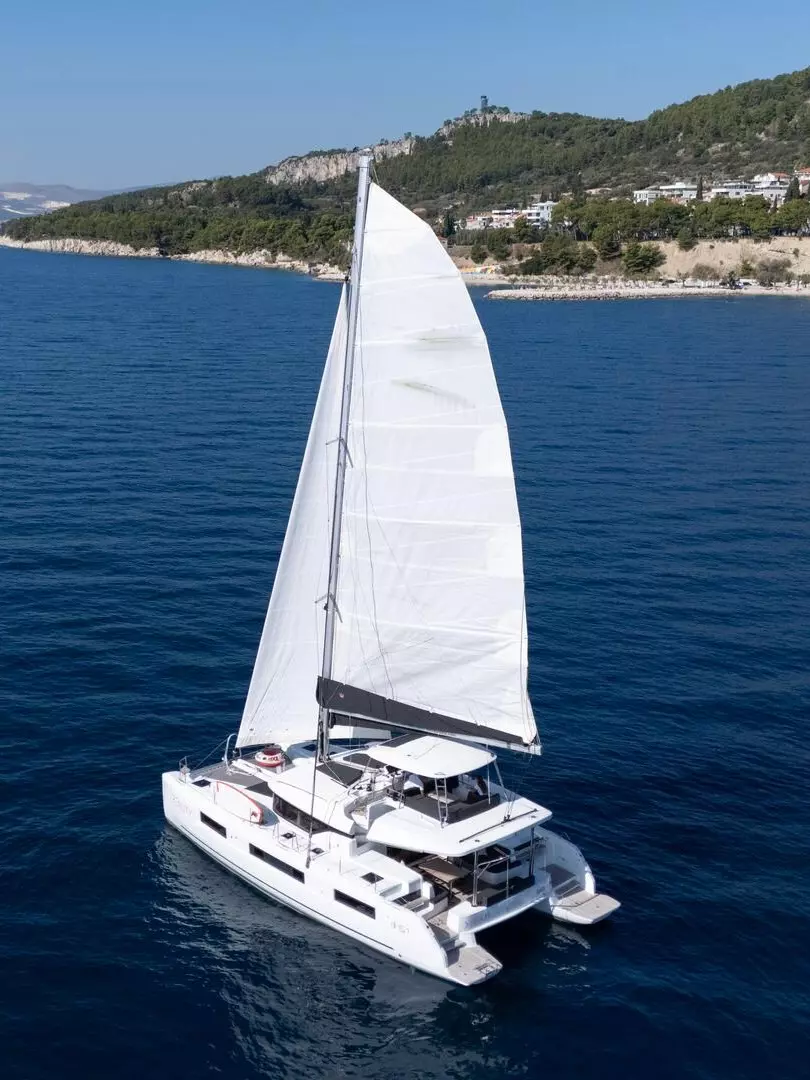
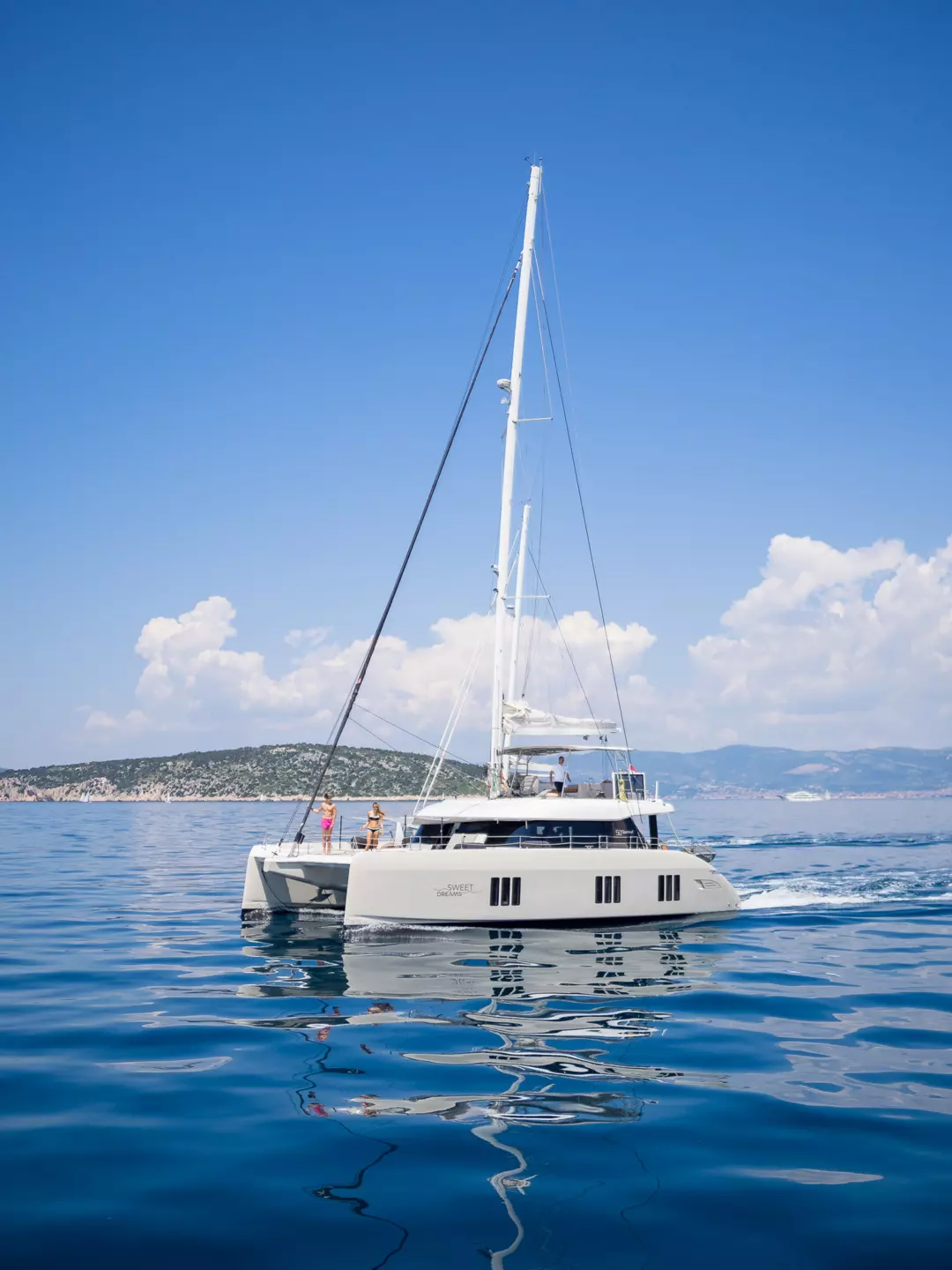
At the apex of the luxury segment stands Sunreef Yachts. Often described as the superyacht of catamarans, Sunreef focuses on bespoke craftsmanship and vast living areas that rival five star land-based estates. Following closely in prestige is Lagoon, the most iconic name in the catamaran world. Celebrated for its expansive vertical windows and voluminous hulls, Lagoon remains the global benchmark for space and residential comfort.
For those who seek a blend of performance and aesthetic grace, Fountaine Pajot offers sophisticated French naval architecture with luminous interiors. Meanwhile, Bali Catamarans has revolutionized the use of space with its unique open space concept, where the entire aft bulkhead can disappear to merge the interior and exterior into one immense living platform.
The evolution of the market has also seen brands like Prestige and Aquila lead the power catamaran segment, offering vessels that provide the stability of a multihull with the sleek lines of a high-end motor cruiser. These power catamarans ensure that the journey across the Adriatic is as swift as it is serene.