Explore Lastovo by Yacht: Island Among Stars
Date
Reading time
15 min

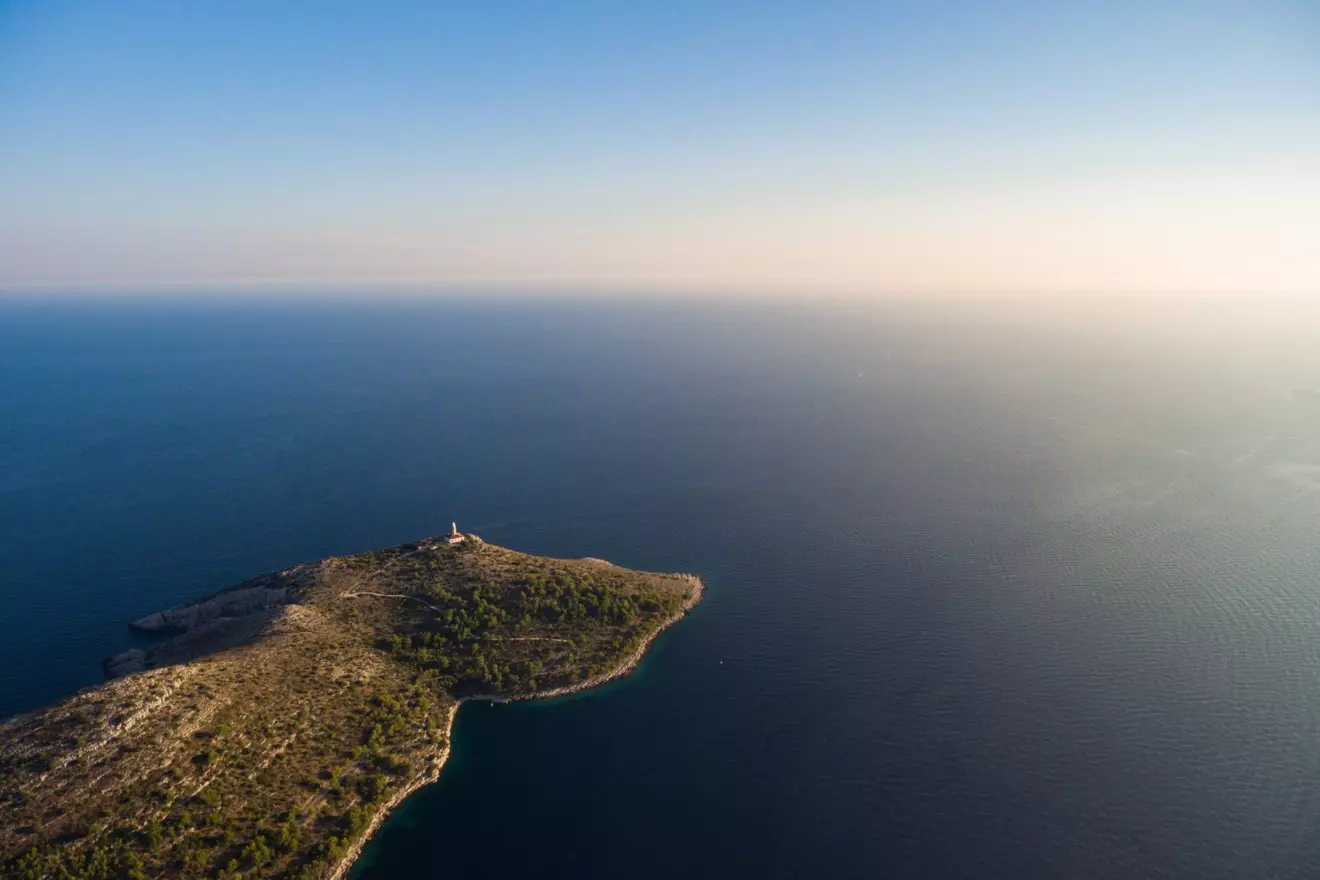
There are islands that are popular, and there are islands that are special. Lastovo belongs to the latter. The most remote inhabited Croatian island lies far enough from the usual charter routes to have been spared the crowds, yet close enough for a capable crew to reach
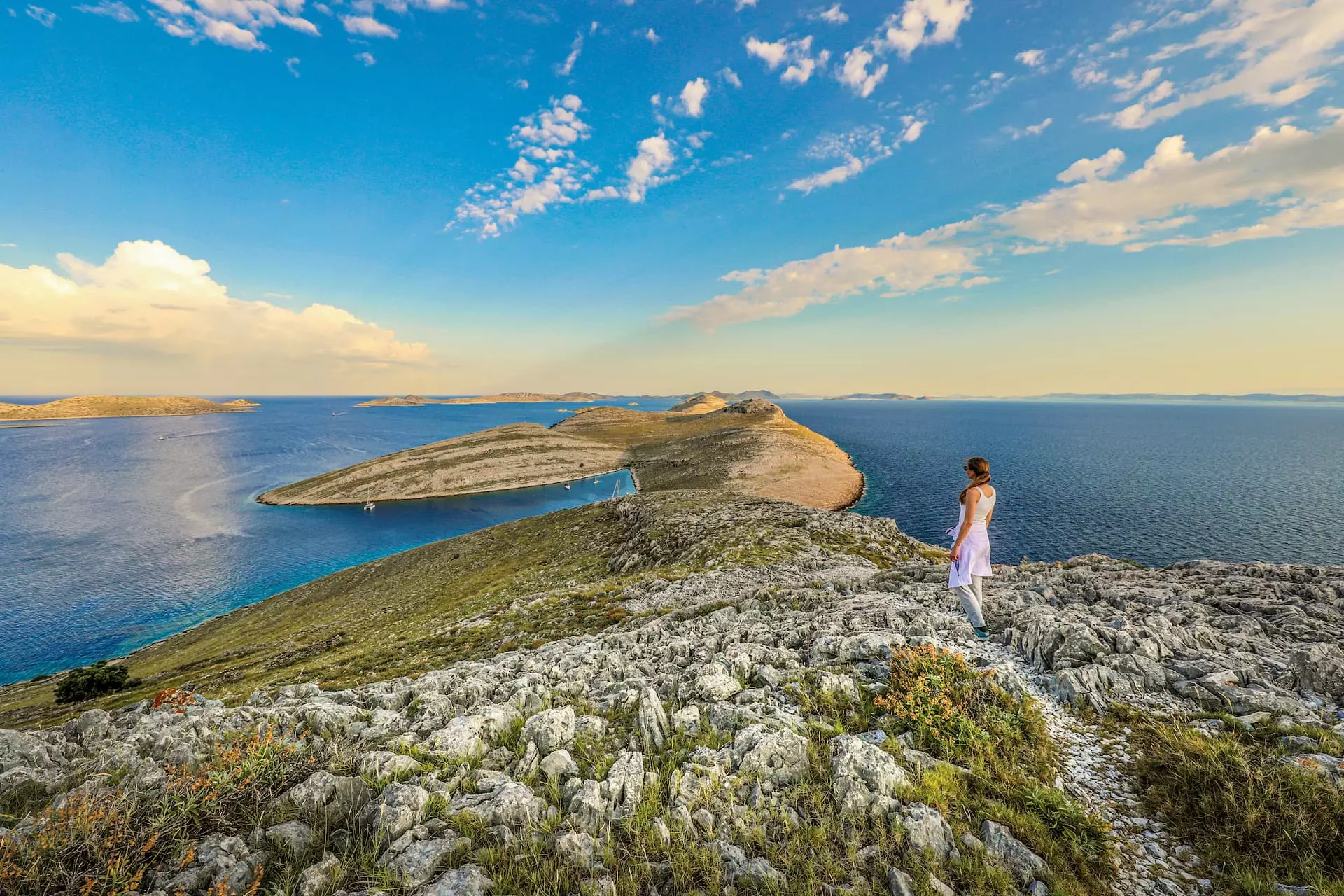
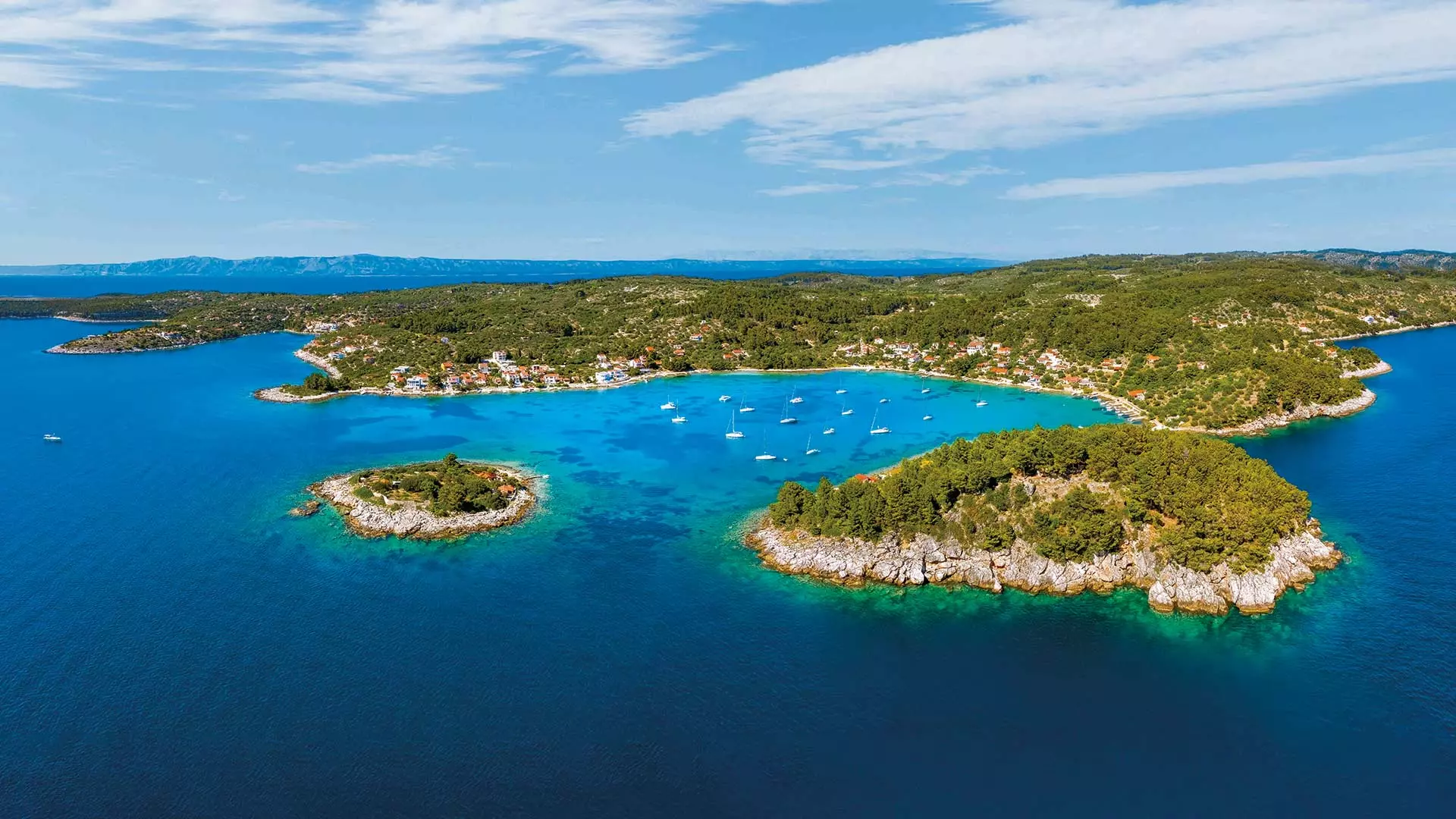
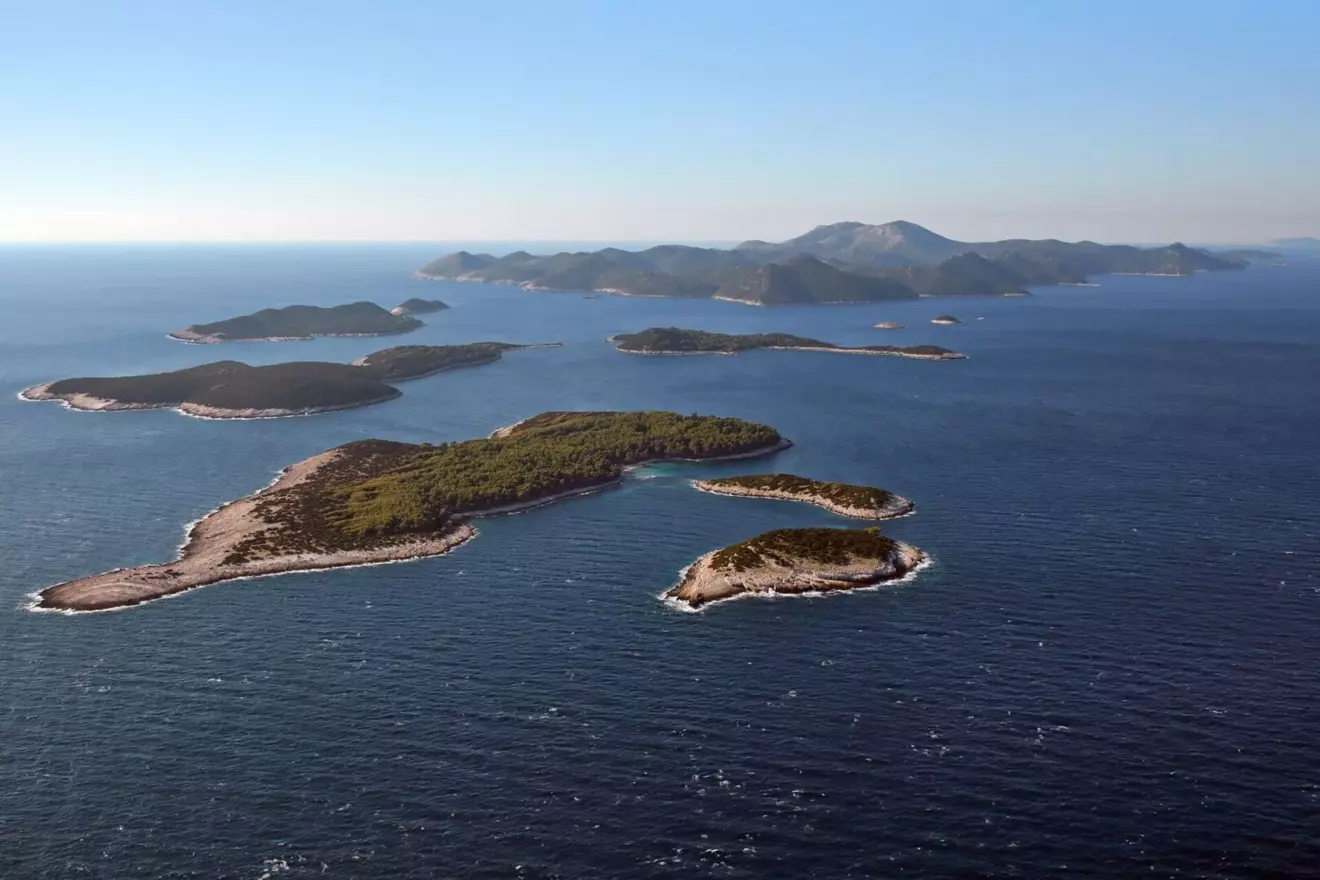
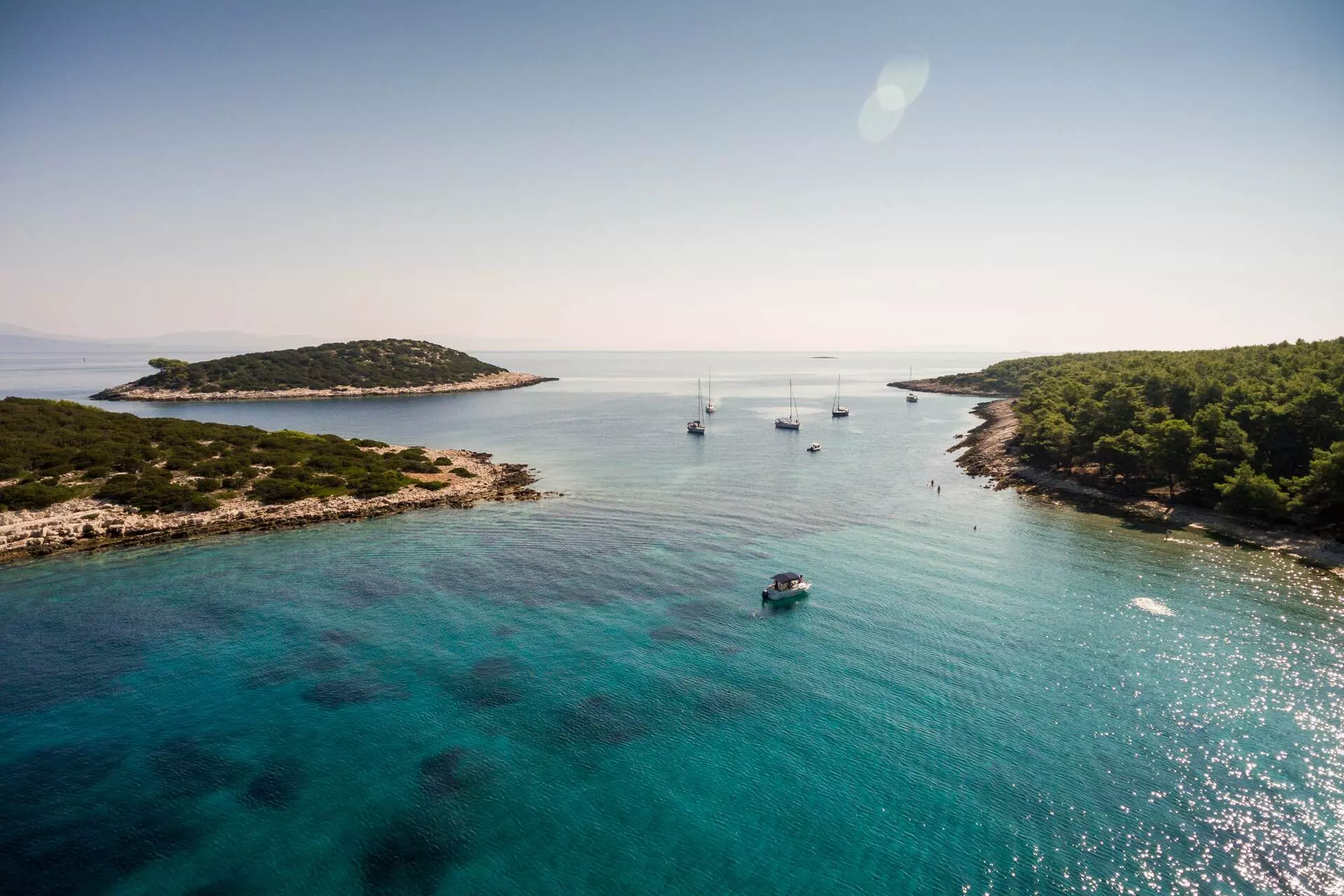
Together with another 45 islands, islets and reefs, it forms the Lastovo Archipelago Nature Park, an archipelago set out in the open sea, drifting carelessly across the southern Adriatic like a small continent of its own.
This guide covers everything you need to know: four main anchorages and a dozen secondary ones, konobas serving local fish and lobster, a year-round cultural programme, the practical logistics of provisioning and cruising, and a five-century-old carnival tradition that has received UNESCO recognition. If you are planning a cruise to Lastovo, start here.
Why Lastovo is Unlike any Other Island
Every island in the Adriatic offers something: some offer history, others gastronomy, others beaches. Lastovo offers all of that, but with one crucial difference: it offers it in an almost untouched form. The open sea around this island seems to carefully preserve its meditative energy. Even at the height of the season, Lastovo’s anchorages are never heavily crowded. When the forecast announces the arrival of a cyclone and the rest of the Adriatic clears out, only a lucky few who remain get to enjoy the beauty of Lastovo’s shores.
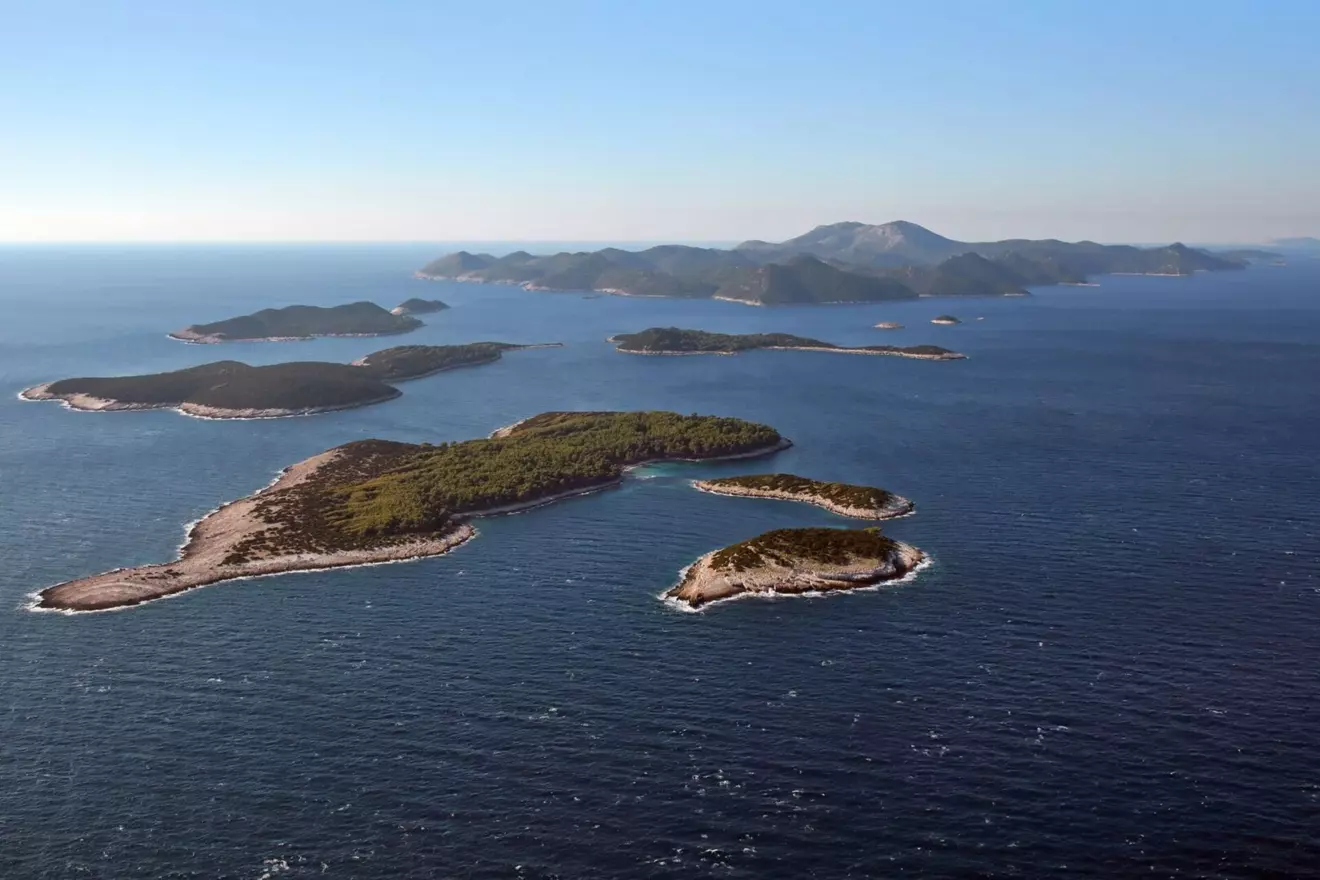
Lastovo is a solitary offshore galley whose isolation is both a blessing and a curse. A blessing for those seeking authenticity, silence and a sky full of stars. A curse for those used to having everything delivered straight to the boat. This archipelago set out in the open sea is almost a small continent of its own, drifting carelessly across the southern Adriatic, and that image is not merely poetic, it is also a practical truth every sailor must bear in mind before setting off.
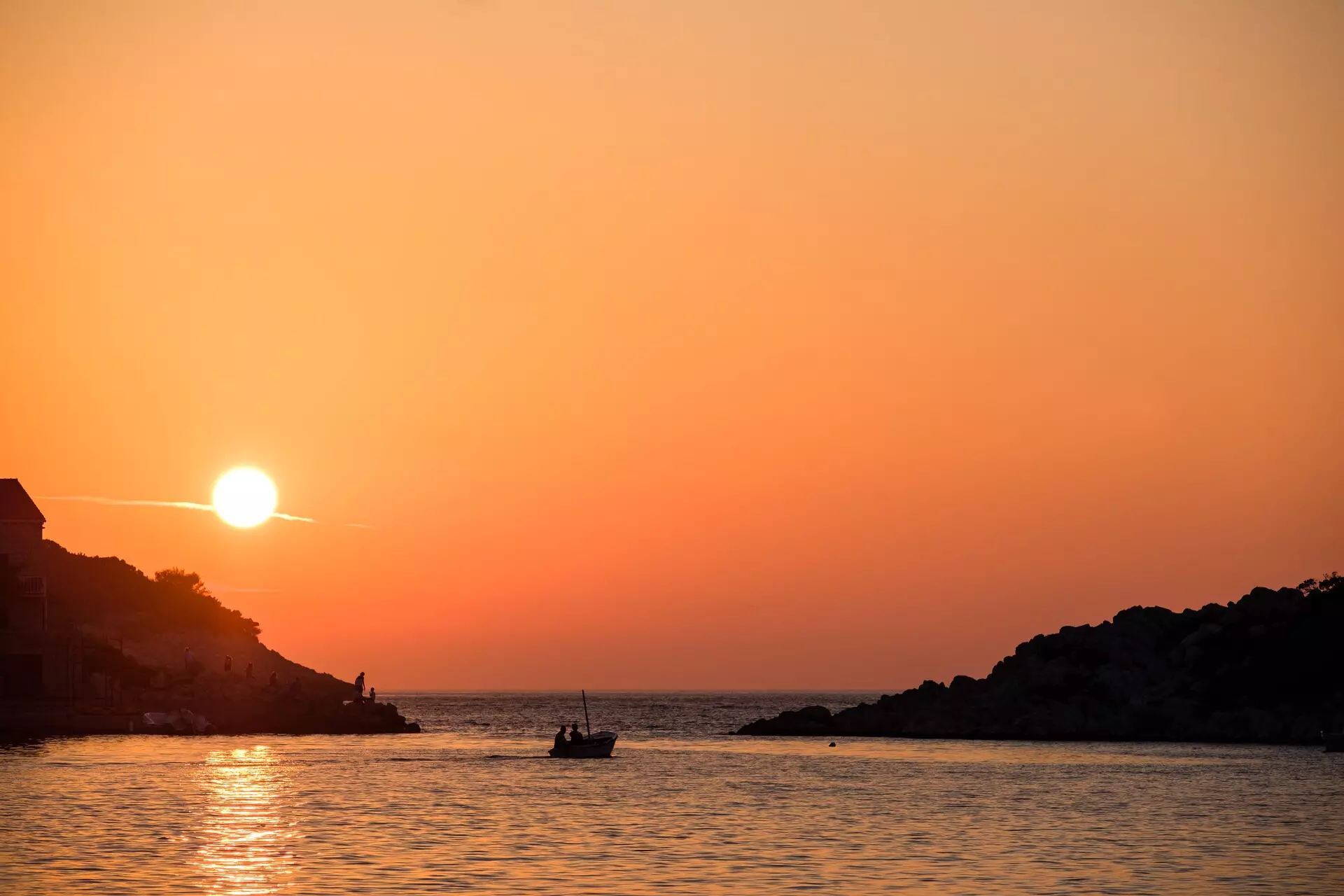
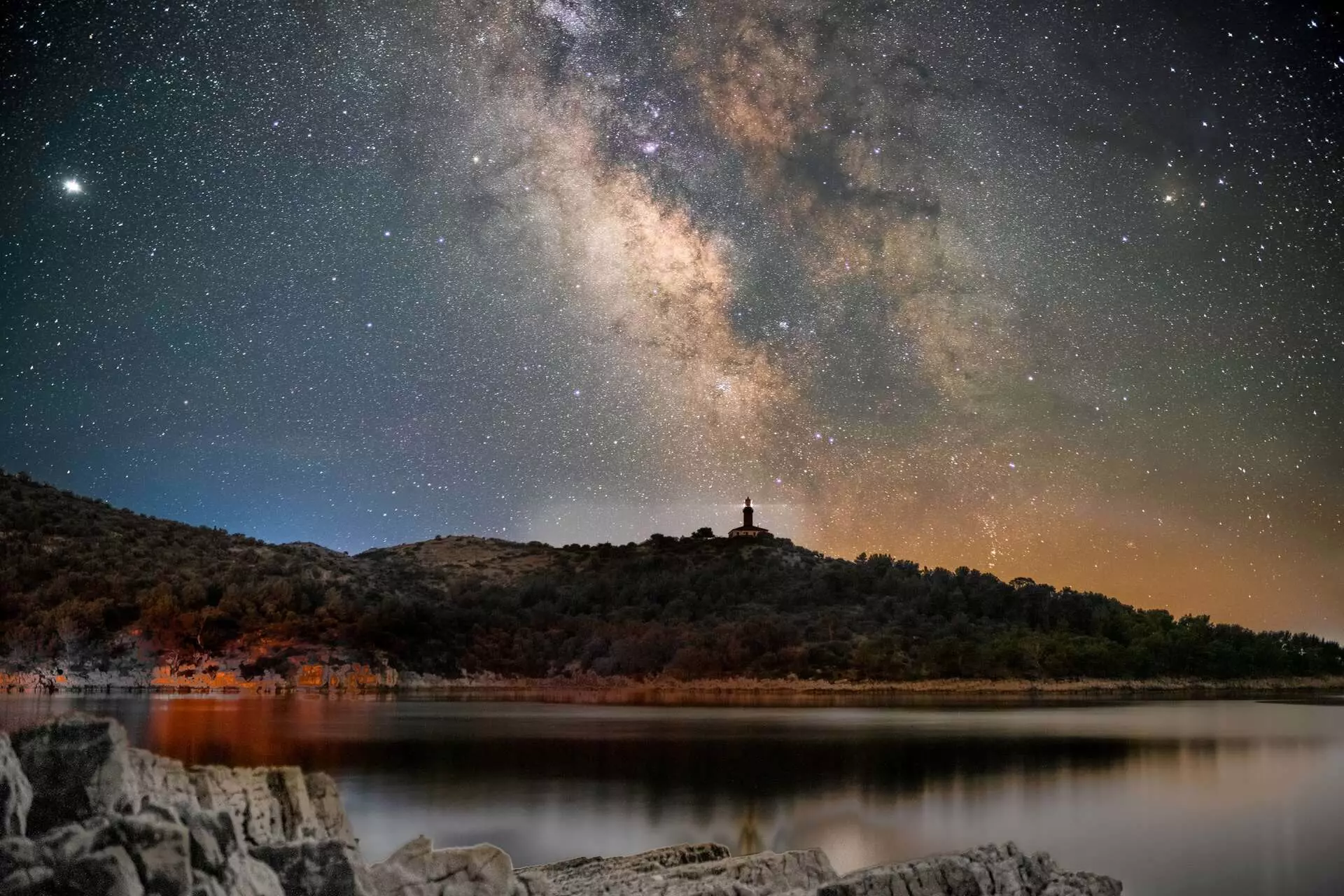
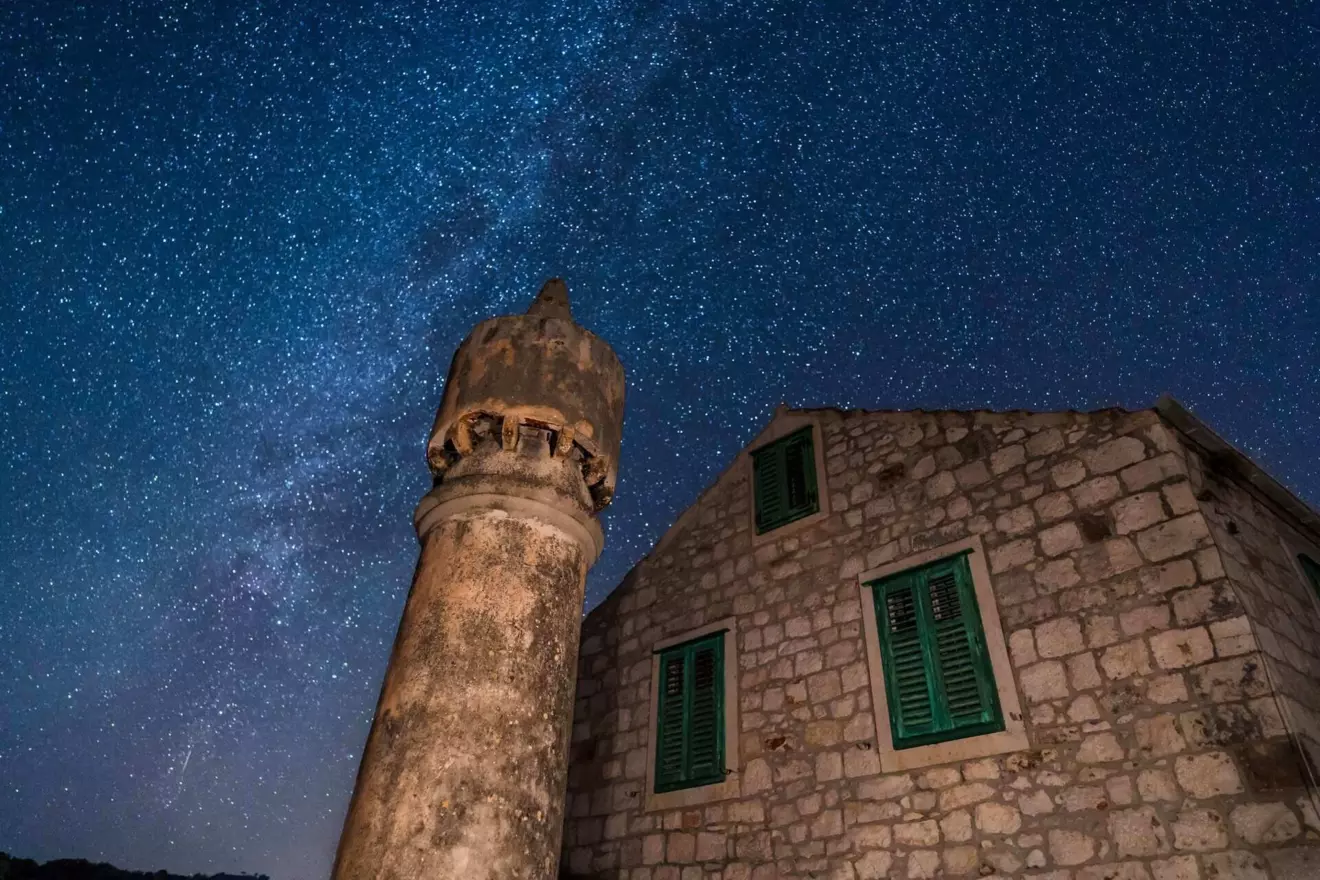
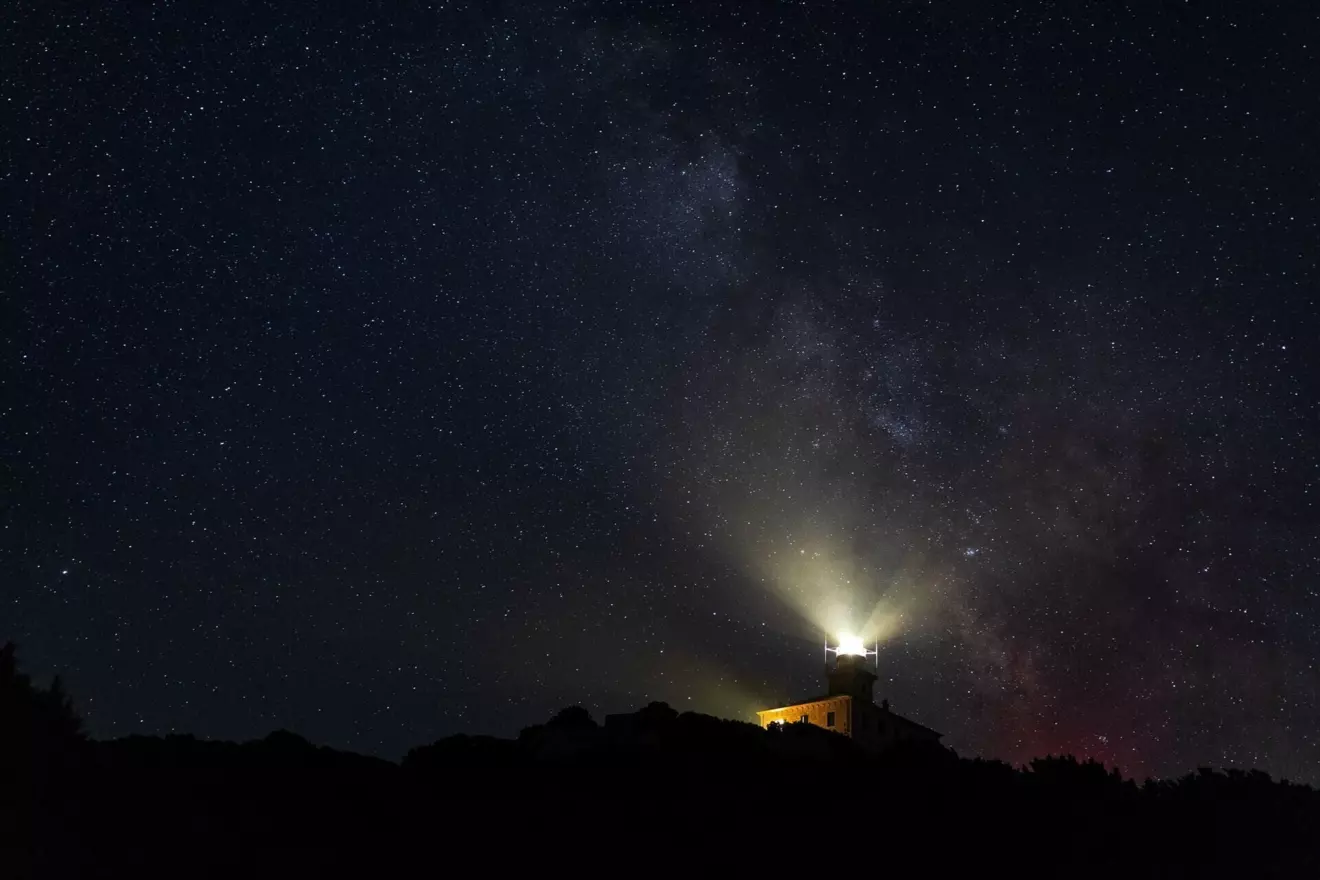
It is precisely because of this isolation that Lastovo is one of Europe’s oases of minimal light pollution. On an island with a small population and without the light pollution found in densely visited tourist centres, a summer night on deck takes on an entirely different dimension. The guided tours under the starry sky organised by the Nature Park several times a week are not a tourist gimmick; they are an experience that simply cannot be replicated in most Adriatic destinations.
The archipelago was declared a Nature Park in 2006. You will find the reasons for that title scattered throughout this guide, but many you will have to discover for yourself, because no text can replace a week of cruising through Lastovo’s waters.
Practical Logistics: Provisioning, Fuel and Port
Before moving on to anchorages and konobas, it is worth clarifying the logistics, because Lastovo is not an island where you improvise.
Sailors can stock up on provisions only in the shops in Lastovo or Ubli. In the mornings, stalls with fresh fruit and vegetables are also available in Lastovo itself and in Pasadur, and for fresh produce this is by far the best option. Anyone who has sailed the Mediterranean islands knows that nothing from a shelf can replace local vegetables from a morning market.
Some basic nautical equipment can be found at Vanja shop in Lastovo. This is not a marina in the northern European sense, so do not expect everything you might need, but for small essentials and bits of equipment it is sufficient. The only petrol station is in Ubli. That means fuel planning is not optional but essential: Ubli is either your first or your last stop, depending on your direction of travel.
Besides shops and hospitality venues, Ubli is also home to the ferry terminal and the Harbour Master’s Office. Plan ahead, because Lastovo demands organised cruising.
Pasadur: The Gateway to the Archipelago
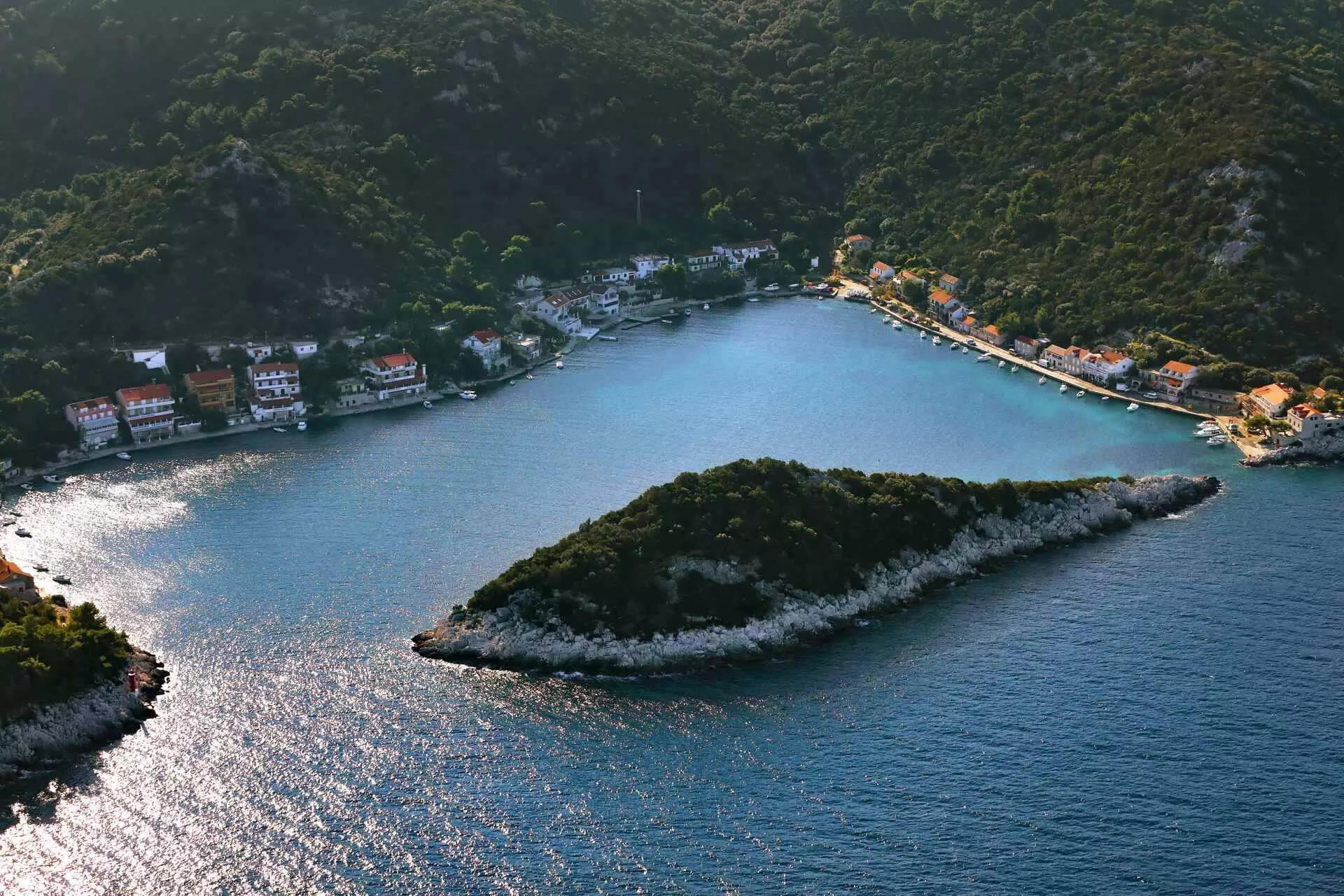
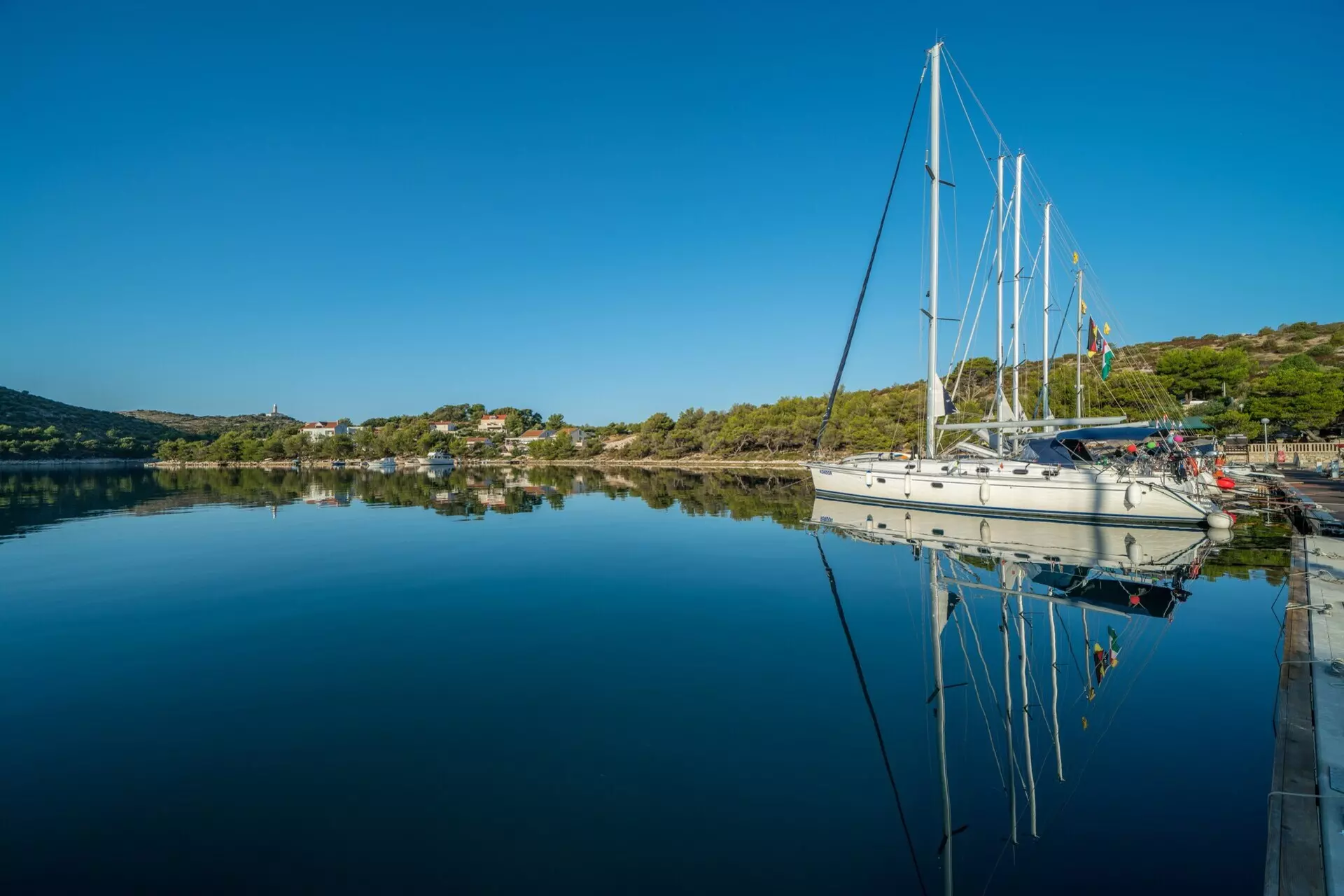
For many crews, Pasadur and Ubli are the first point of contact with Lastovo. On the waterfront in front of Hotel Solitudo in Pasadur, sailors have access to around thirty berths with electricity and water, while the toilet facilities are available in the hotel. Anchoring is also possible in front of the hotel.
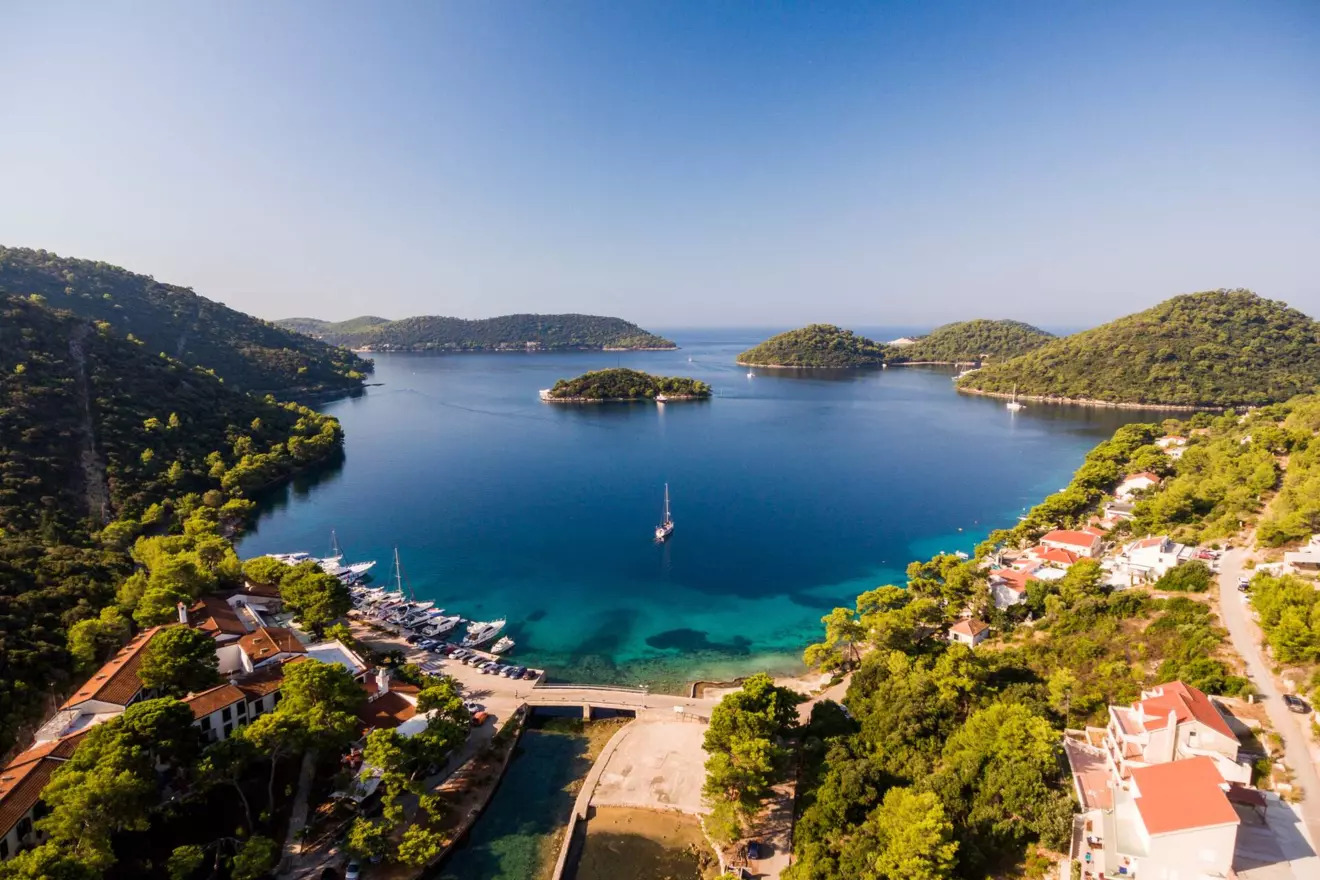
A special experience is taking the dinghy under the small bridge that connects Lastovo with the smaller island of Prežba. You can also swim there on a small pebble beach with natural shade, one of those minor details that stay in the memory for a long time.
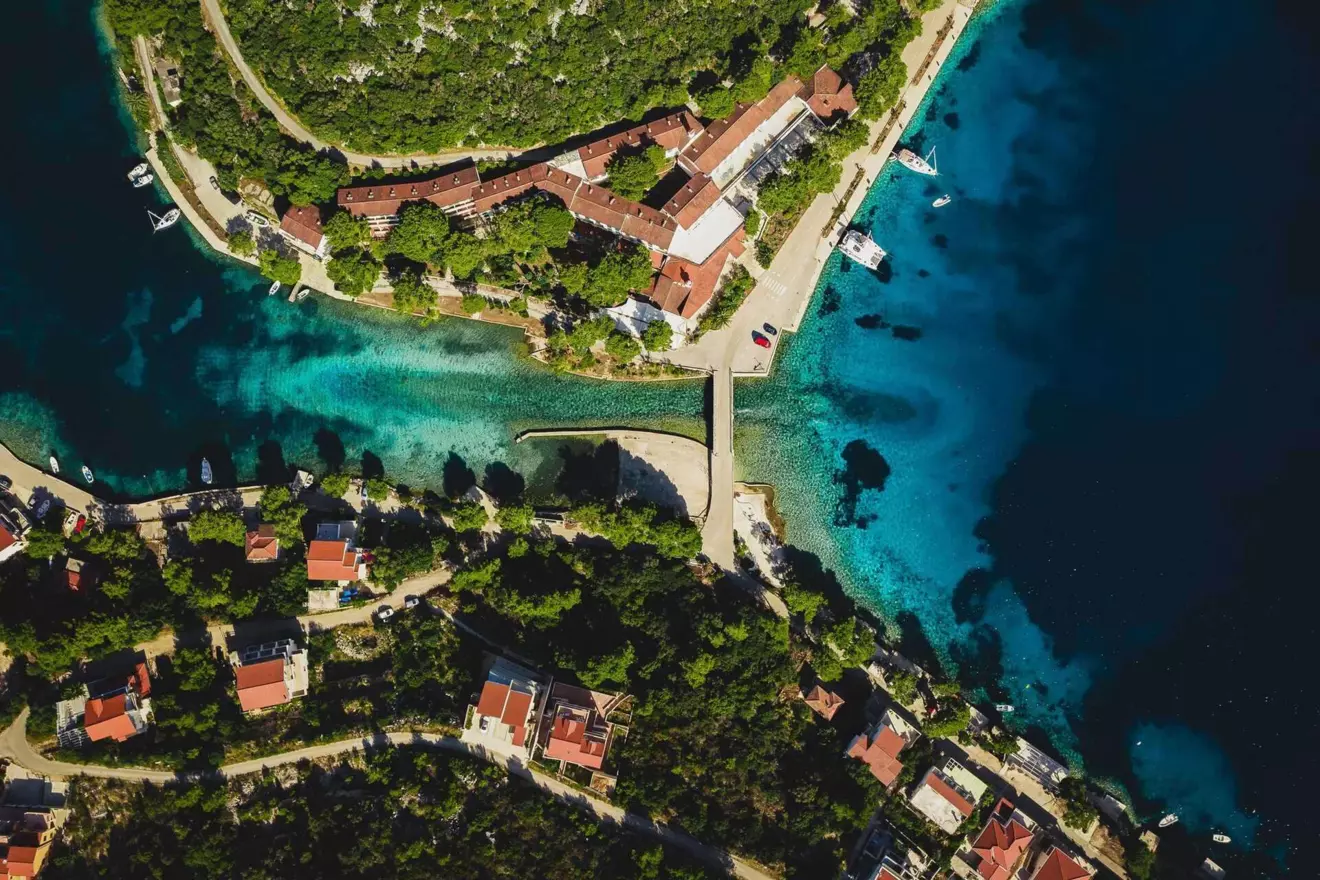
It should, however, be noted that the south-westerly wind is strongly felt in front of the hotel. In that case, the boat should be kept at a fair distance from the waterfront. A good alternative is the buoys around the islet of Makarac or the coves of Jurjeva Luka and Kremena half a mile away, both once naval ports of the Yugoslav People’s Army, which in itself says a great deal about the quality of shelter they provide.
Jurjeva Luka and Kremena: Former Naval Harbours
The coves of Jurjeva Luka and Kremena are excellently protected from all winds, which is no surprise, as both were once harbours of the Yugoslav People’s Army. Here, the military logic of choosing a harbour and the nautical logic of choosing an anchorage were one and the same.
In Jurjeva Luka, anchoring is possible at depths of 5 to 10 metres, though care is needed because there is a lot of old iron on the seabed. There are also three small piers occasionally used by fishing boats. It is not an anchorage for those seeking comfort, but for those seeking protection and peace, it is hard to beat.
In Velji Lago, by far the finest experience is to anchor in the western part, in Kremena Cove, and tie stern lines to the northern shore where, with the occasional spring line, you can be relatively sheltered even from the bora. In front of the former military tunnel, two smaller sailing yachts can moor side by side. Torpedo boats and submarines once berthed here, and if structures like that tempt you to explore, get into the dinghy and take a closer look at the tunnel.
Four Anchorages That Define Lastovo
Lastovo has four nautical havens evenly distributed along the island’s shores. Each has a different character, different shelter from the winds and a different offering ashore. Together they form the cruising framework of the archipelago. Entry tickets are charged to sailors for access to the park, and you should also know that the Lastovo Archipelago is under the vigilant supervision of the park’s rangers in dinghies. Their regular patrols cover the island and the surrounding islets; they charge for and inspect entry tickets, give visitors guidelines on behaviour within the Nature Park, inform them about locations and sightseeing opportunities, monitor nature conservation, and carry out fishing inspections.
Skrivena Luka: The Most Photogenic Bay in the South
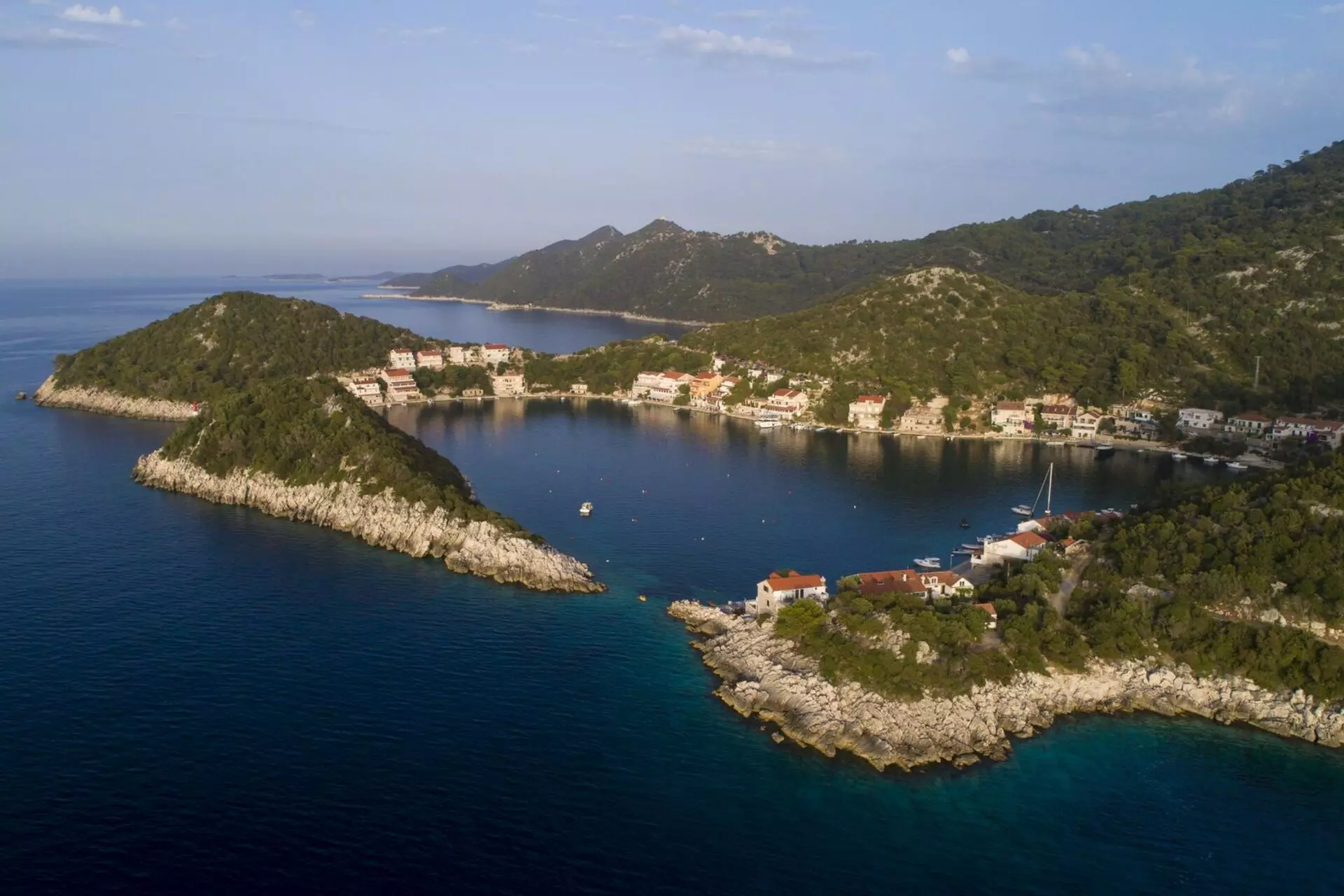
Skrivena Luka lies on the south-eastern side of the island. It is very well protected from the winds, although the south-westerly is strongly felt there, a detail that must not be overlooked when planning. It is also hidden from the view of the open sea, which gives its name a literal meaning.
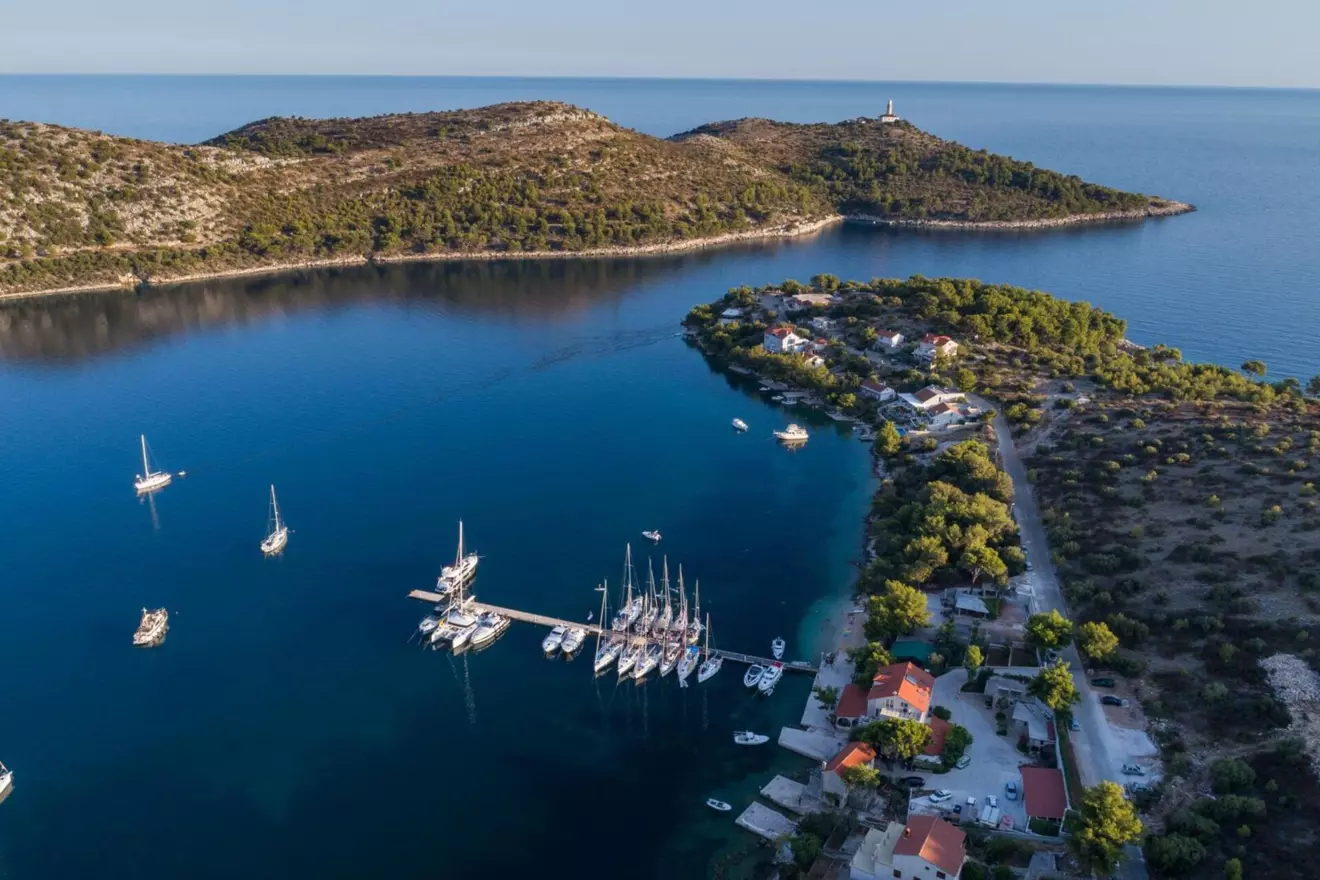
Throughout the bay there are 30 buoys, and it is also possible to moor in the western part at the pontoon of Porto Rosso Nautical Centre, which accepts boats up to 60 metres in length. Konoba Porto Rosso is known for its excellent starters and, according to regular guests, the best white shrimp risotto on the island. The pebble beach is suitable for children, and the cocktail bar is ideal for relaxing after anchoring. Skrivena Luka is also home to Konoba Nautika, equally highly rated for its locally caught and home-grown produce.
Zaklopatica: A Fishing Harbour and Konoba Destination in the North
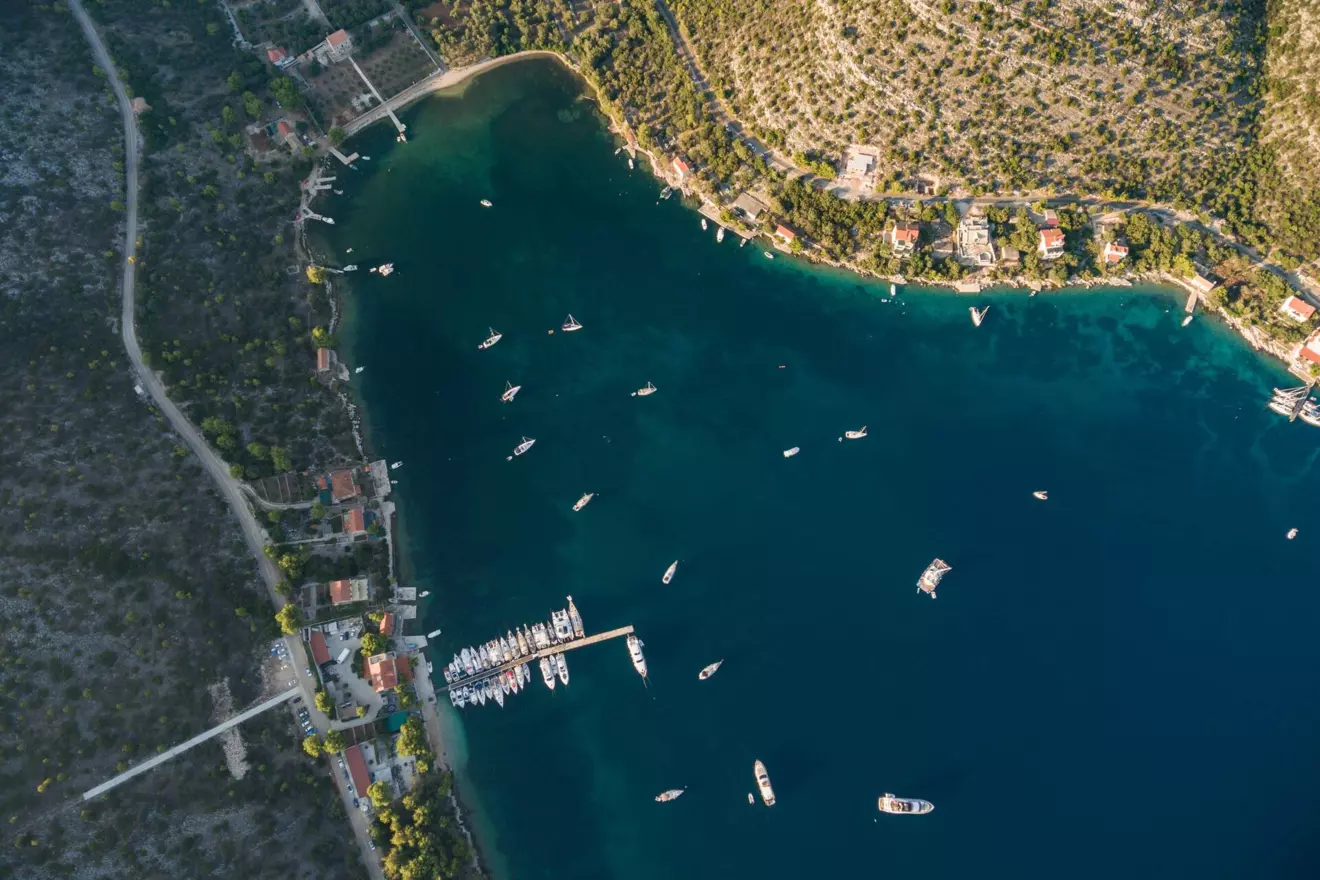
Zaklopatica is one of the most beautiful natural bays on the island and at the same time the island’s fishing harbour. It takes its name from the islet that closes off the bay. There are 15 buoys laid in the bay, and mooring along the waterfront is also possible, except in strong bora conditions, when Zaklopatica is not the ideal choice.
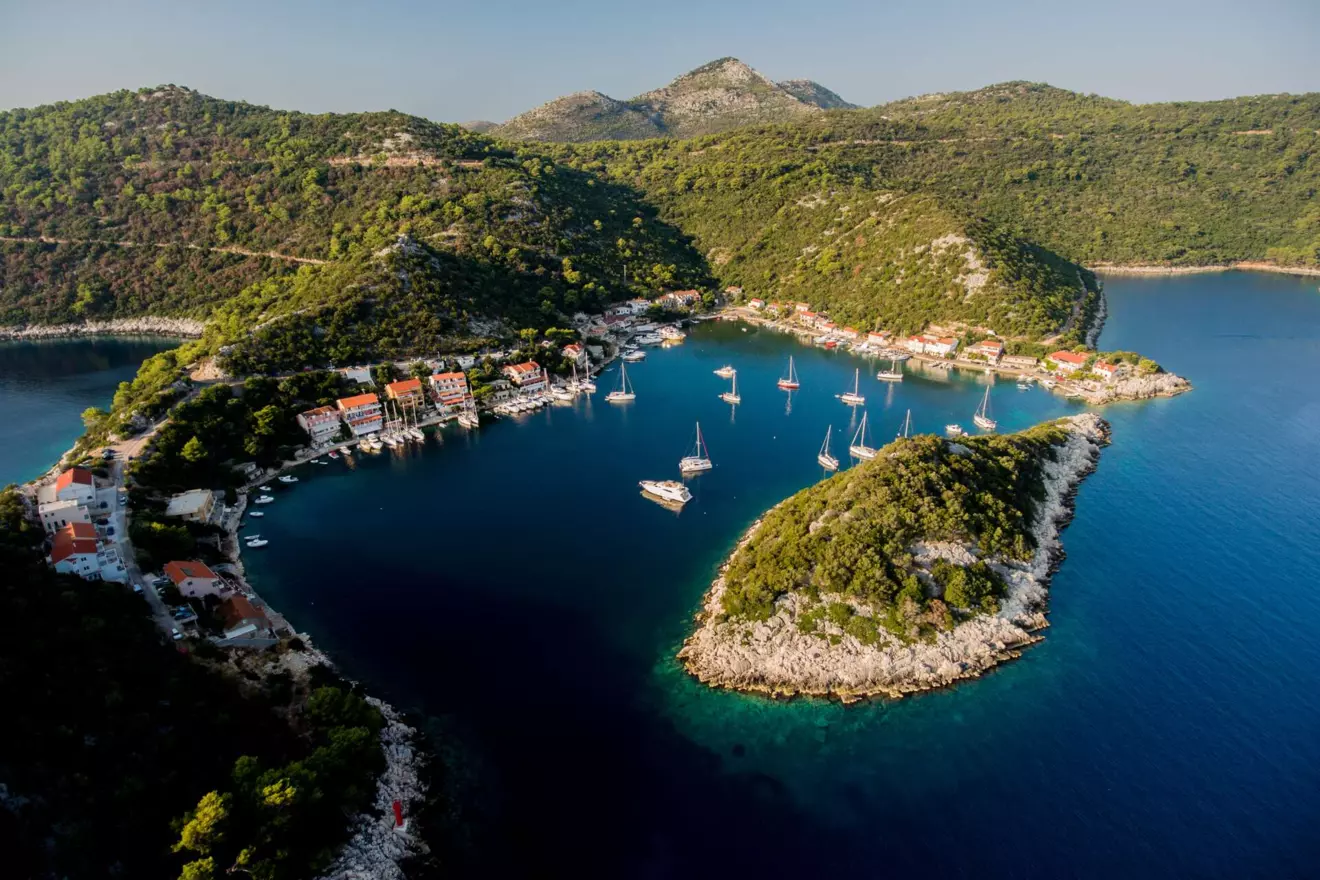
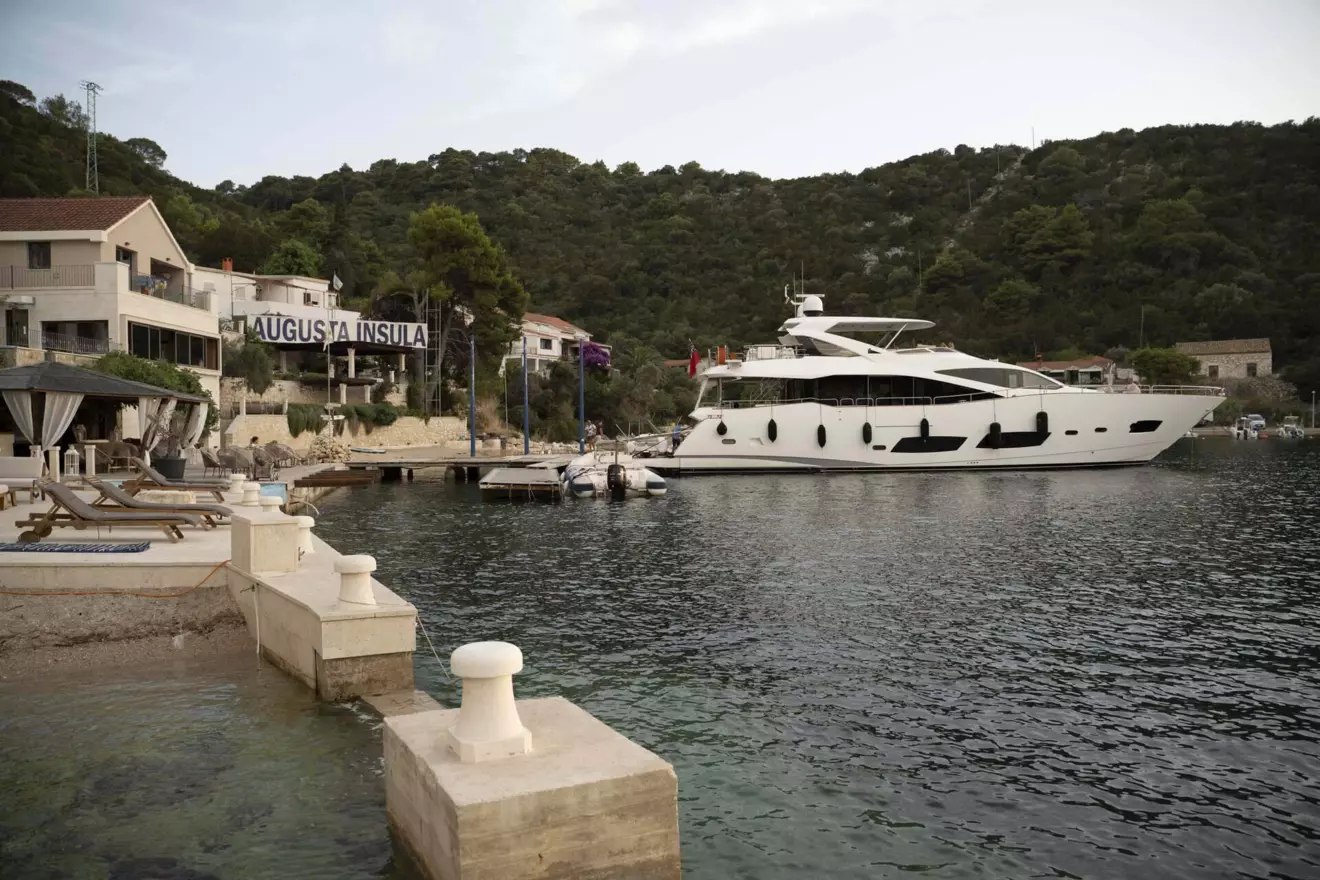
Today, this bay is especially popular because of its konobas: Augusta Insula, Santor, Triton and Aragosta, four taverns highly rated for locally caught and home-grown fish, lobster and vegetables. From Zaklopatica, a two-kilometre road leads to the village of Lastovo, as does the interpretive Artina walking trail, for those who want to explore the island’s inland areas as well as its waters.
Saplun Cove: A Sandy Anchorage in the East
Saplun Cove is one of the most beautiful corners of the Lastovo archipelago. There are 12 buoys laid here. The guardians of this unspoilt beauty are the surrounding reefs and shallows, the deep blue open sea that surrounds it on most sides, and the winds that can blow exceptionally strongly throughout Lastovo’s waters.
This secluded lagoon is safest approached from the east. Do not attempt to pass between Saplun and Arženjak Mali, it is too shallow. That turquoise passage, however, is by far the most attractive spot for snorkelling and the increasingly popular Sea Bob, while anchoring is possible on both sides. The cove takes its name from its most distinctive feature: the finest white sandy seabed in the entire archipelago. Swim over to it, that is exactly how Saplun got its name.
Mrčara Island: A Robinson Crusoe Corner of the Western Archipelago
Mrčara is a small, uninhabited island west of Lastovo. A good anchorage lies on the eastern side of Mrčara, with the possibility of mooring alongside a pier about fifty metres long. While this secluded lagoon is bounded on the eastern side by the shores of Mrčara, on the other side it is enclosed by the islets of Mali and Veliki Rutvenjak.
It is also pleasant to anchor beside those islets, except in stormy southerly weather, when it is better to choose the opposite cove of Sito. Sito Cove lies on the Prežba peninsula and is also home to a military tunnel, another trace of the former military presence in these waters.
Be sure to take a walk on Mrčara and climb to its 123-metre summit. From there, the view of the open sea and surrounding islets is spectacular. On the way, you will probably come across goats and rabbits. At dusk, you can visit the Robinson-style restaurant right by the pier. It serves home-raised kid and lamb, while the special recommendation is fish roasted whole on the spit, a speciality rarely found elsewhere along the Adriatic.
The Lastovnjaci and More Remote Islets
The Lastovnjaci are lovely for anchoring between the islands of Stomorina and Češvinica, as well as in the picturesque cove that adorns the southern shores of the latter island. Those in the know and the locals also visit the northern coast of the neighbouring island of Kručica, one of those anchorages not found in any guidebook, but passed on by recommendation from crew to crew.
The Vrhovnjaci are better suited to lovers of wilderness and those seeking total isolation while cruising. This group of islets and reefs in the middle of the sea, particularly Srednji and Gornji Vlašnik, is suitable for short anchoring only in calm weather. These are not anchorages for the inexperienced or the unprepared: out here, the open sea is no metaphor.
Struga Lighthouse: Perhaps the Most Beautiful on the Adriatic
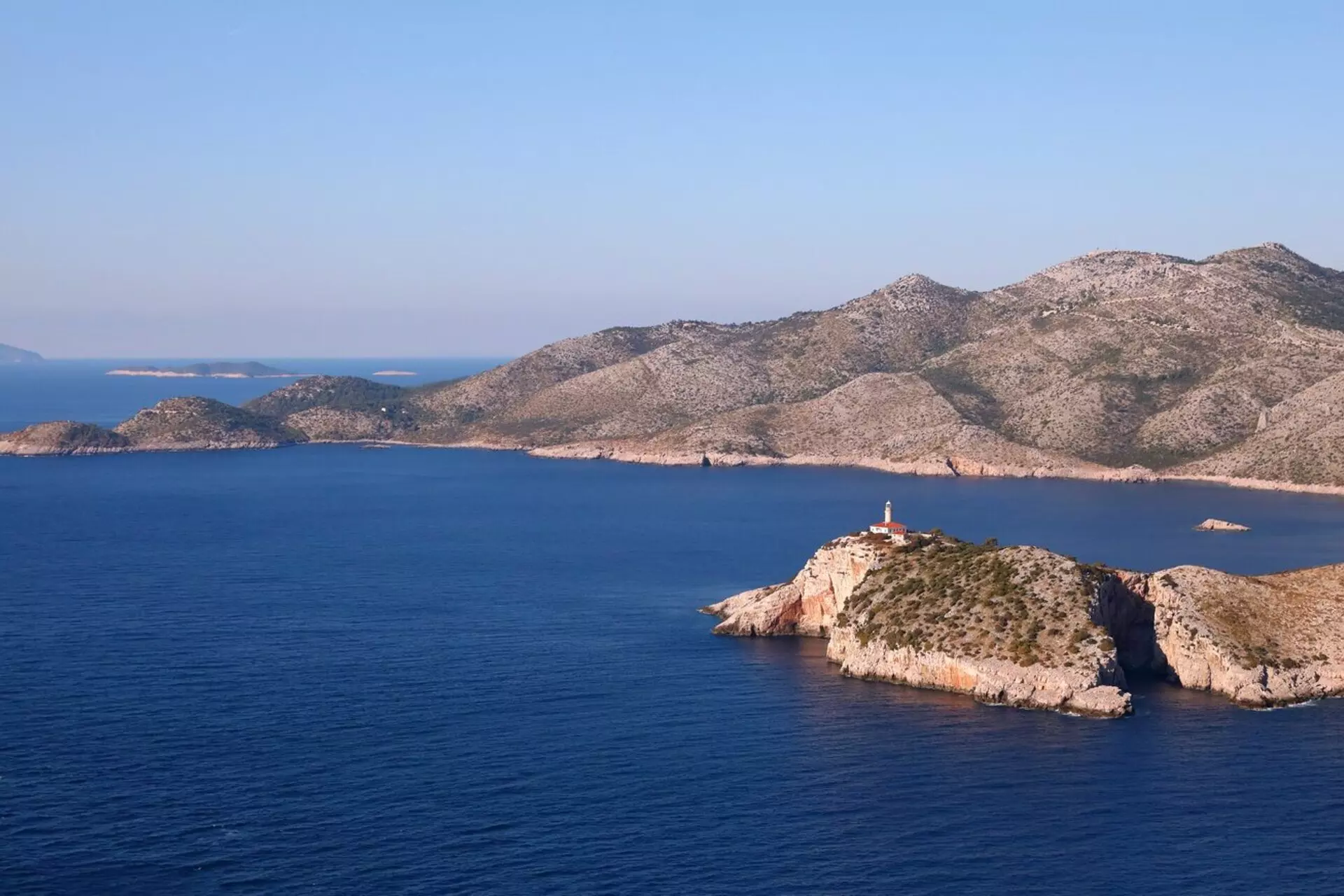
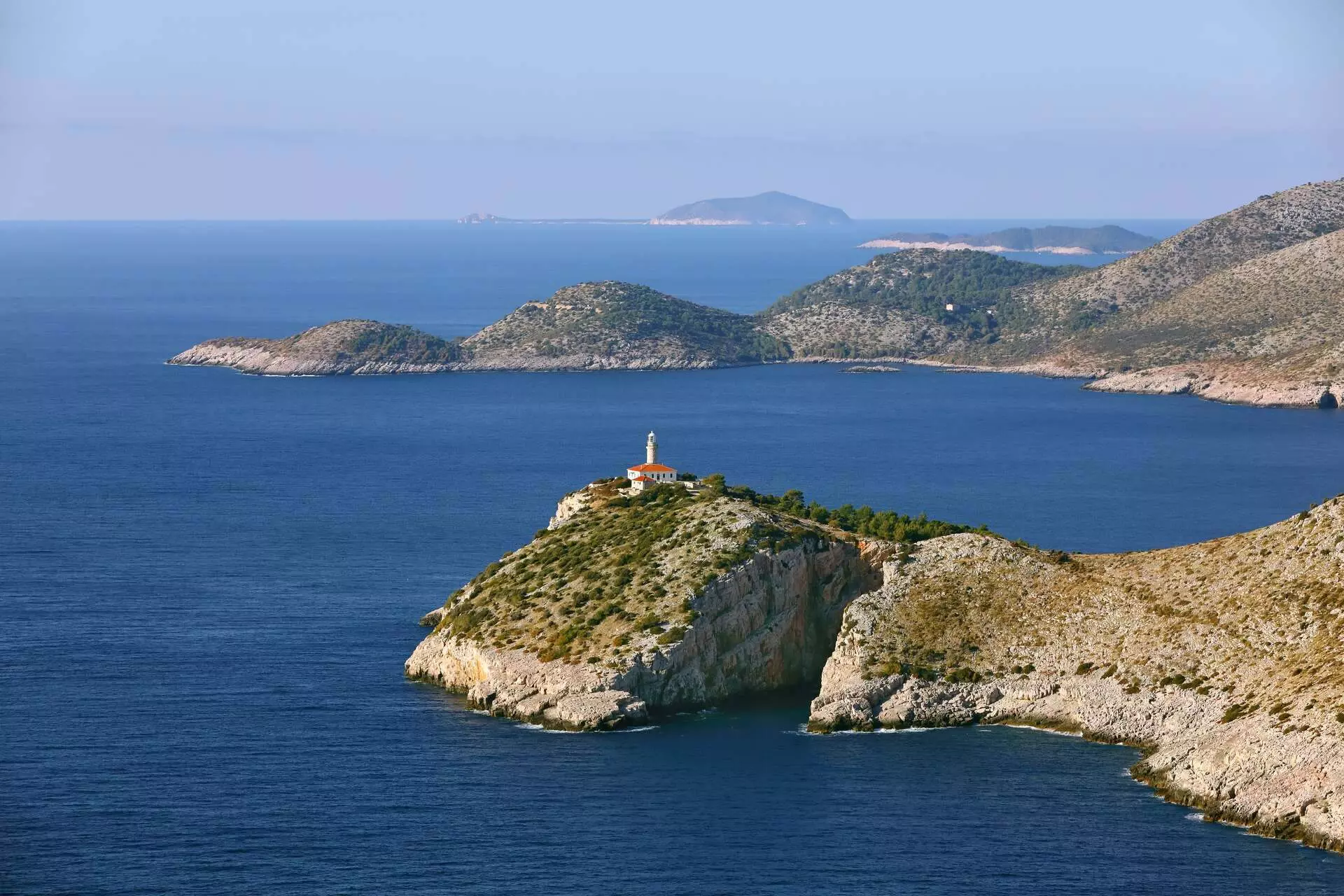
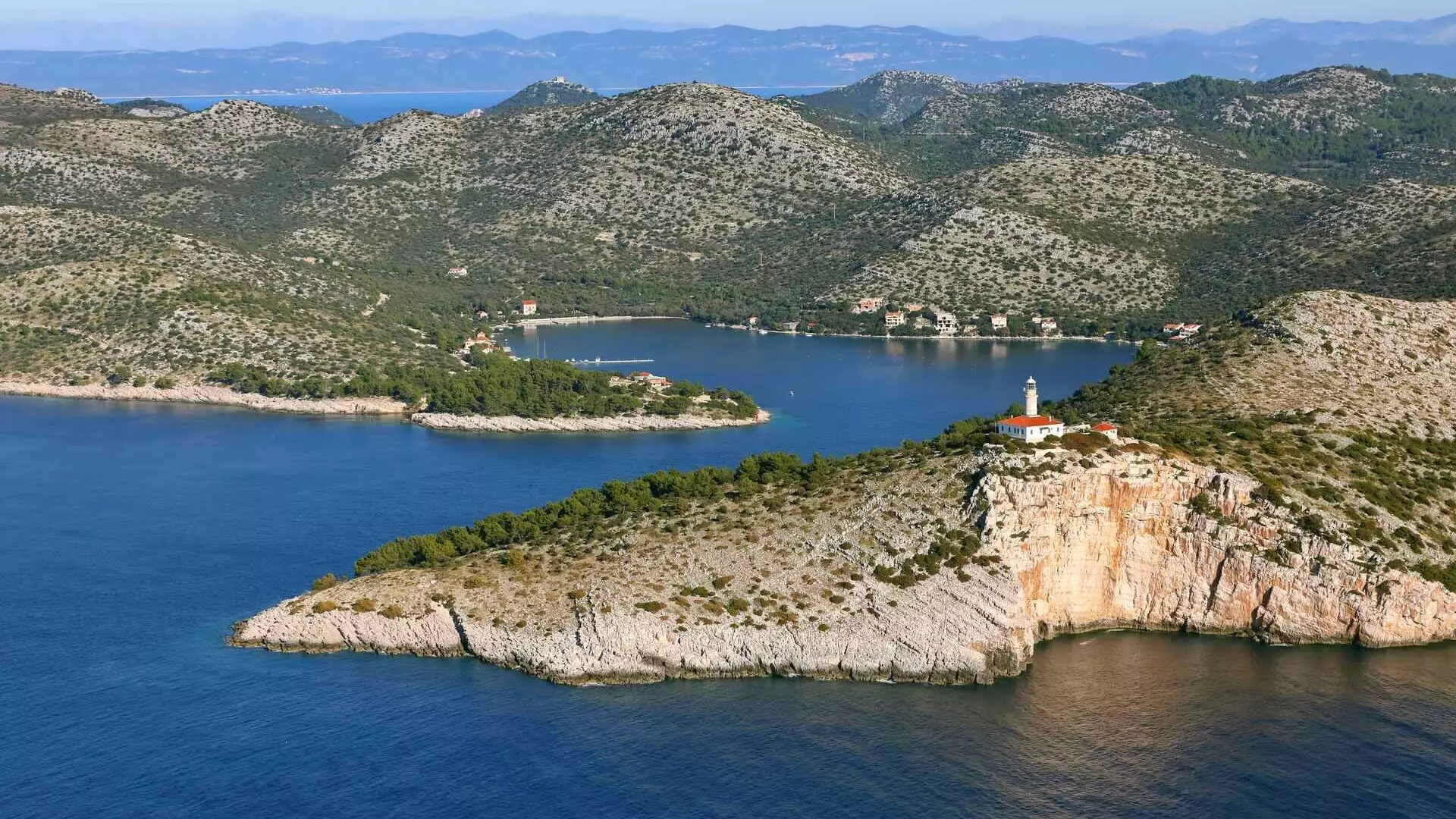
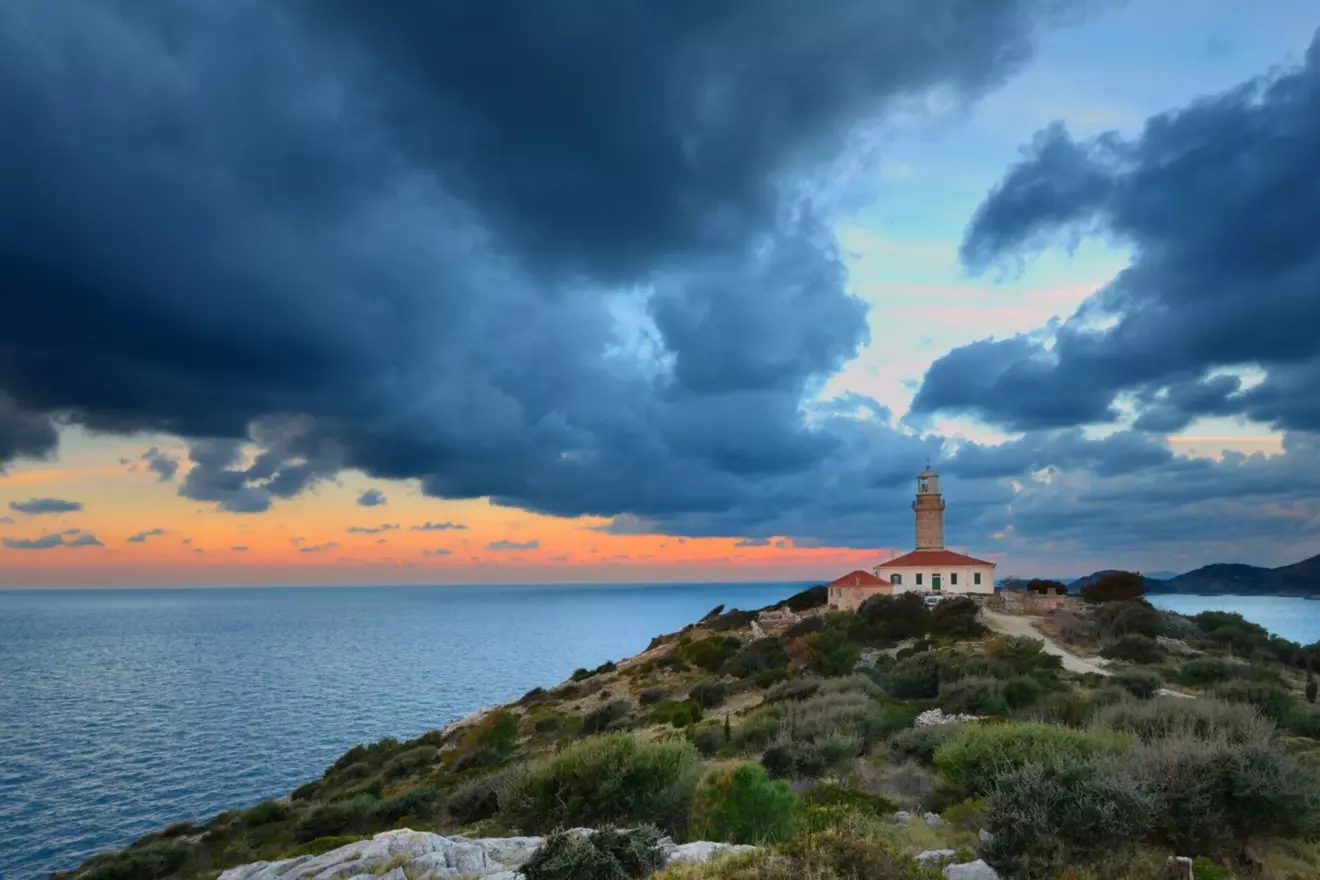
Do not miss the chance to walk to Struga Lighthouse. If you are lucky and the lighthouse keepers open the doors of what may well be the most beautiful lighthouse in the entire Adriatic, the view will quite certainly leave you breathless. Legend has it that Bill Gates, during a visit to Lastovo, enjoyed a specially prepared dinner right here. It is hard to say whether the legend is true, but it is easy to understand why someone would choose exactly this place.
Lastovo village: An Amphitheatre Hidden from the Sea
The island’s main settlement is situated on a hill, a detail that at first glance may seem illogical, but makes perfect sense as soon as you learn something about Lastovo’s history. The island was exposed to pirate attacks and invading armies, so its inhabitants retreated as far as possible from the sea and from the gaze of the open waters. The trail ‘From the Present into the Past’, which links Lastovo with the fields and olive groves below it, allows that logic to be understood by walking through it, not merely by reading about it.
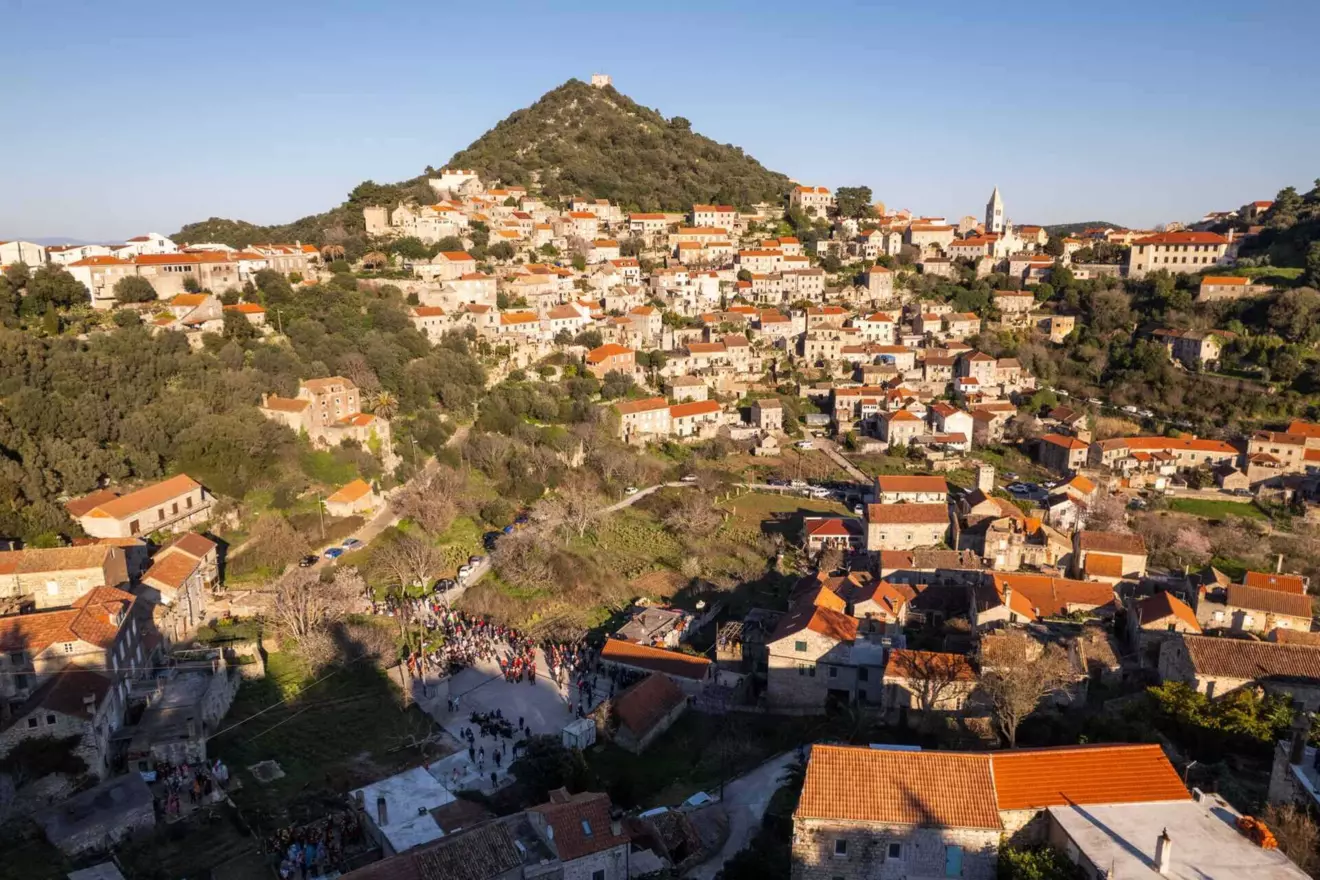
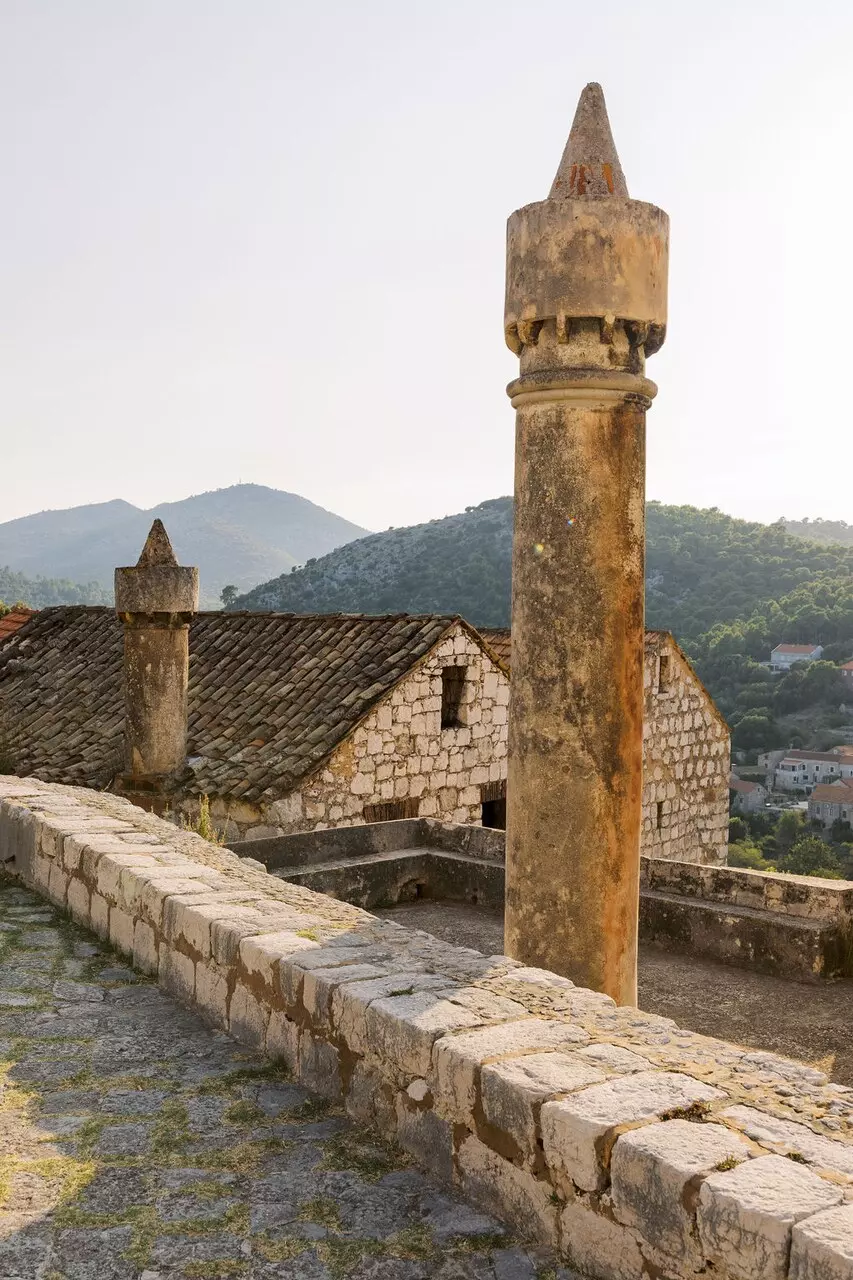
Lastovo is an exceptionally picturesque medieval amphitheatrical settlement rising on the hillside above a field, hidden from the view of the sea. It is distinguished by its unique chimneys, ‘fumari’, whose design and size, alongside their practical function of drawing off smoke, historically also represented a status symbol. However hard you try, you will not find two identical fumari in the whole settlement. That diversity is no accident: it is a reflection of pride and rivalry expressed in stone.
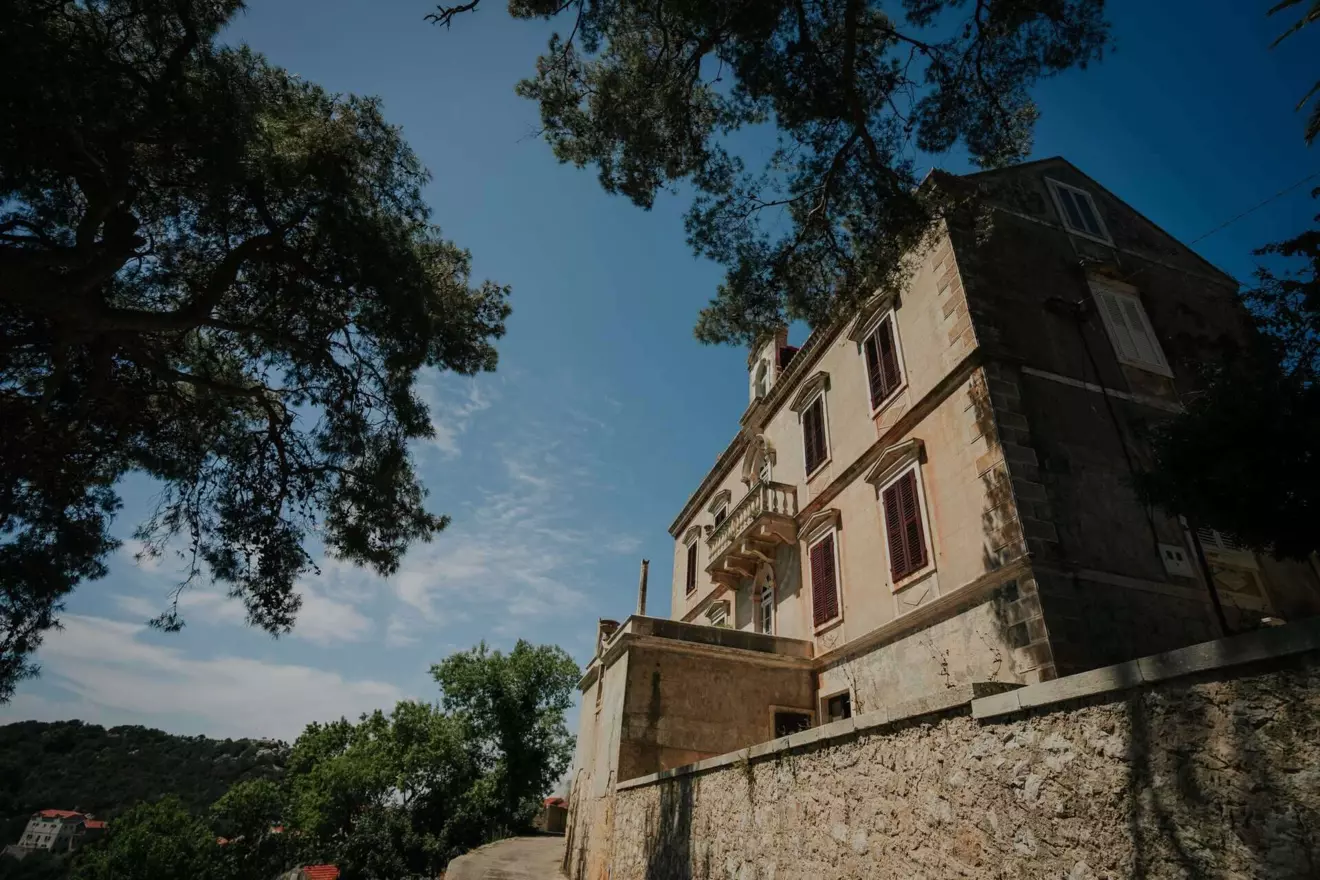
Among the many small churches scattered throughout the settlement, a particularly interesting architectural monument is the former Rector’s Palace. On its site stands the neo-Renaissance Garbini-Fantela house, also known as the Palac, preserved with its complete 19th-century inventory. You can visit it by arrangement with the Tourist Board, and it is well worth doing, because few Adriatic island interiors offer such an insight into the life of the island elite of past centuries.
Only Lastovo is criss-crossed by some two hundred kilometres of mostly gentle walking trails. With an easy walk, you can explore the terrestrial flora and fauna, and that is the Lastovo you cannot see from the anchorage.
The Lastovo Carnival: Five Centuries of Tradition and UNESCO Recognition
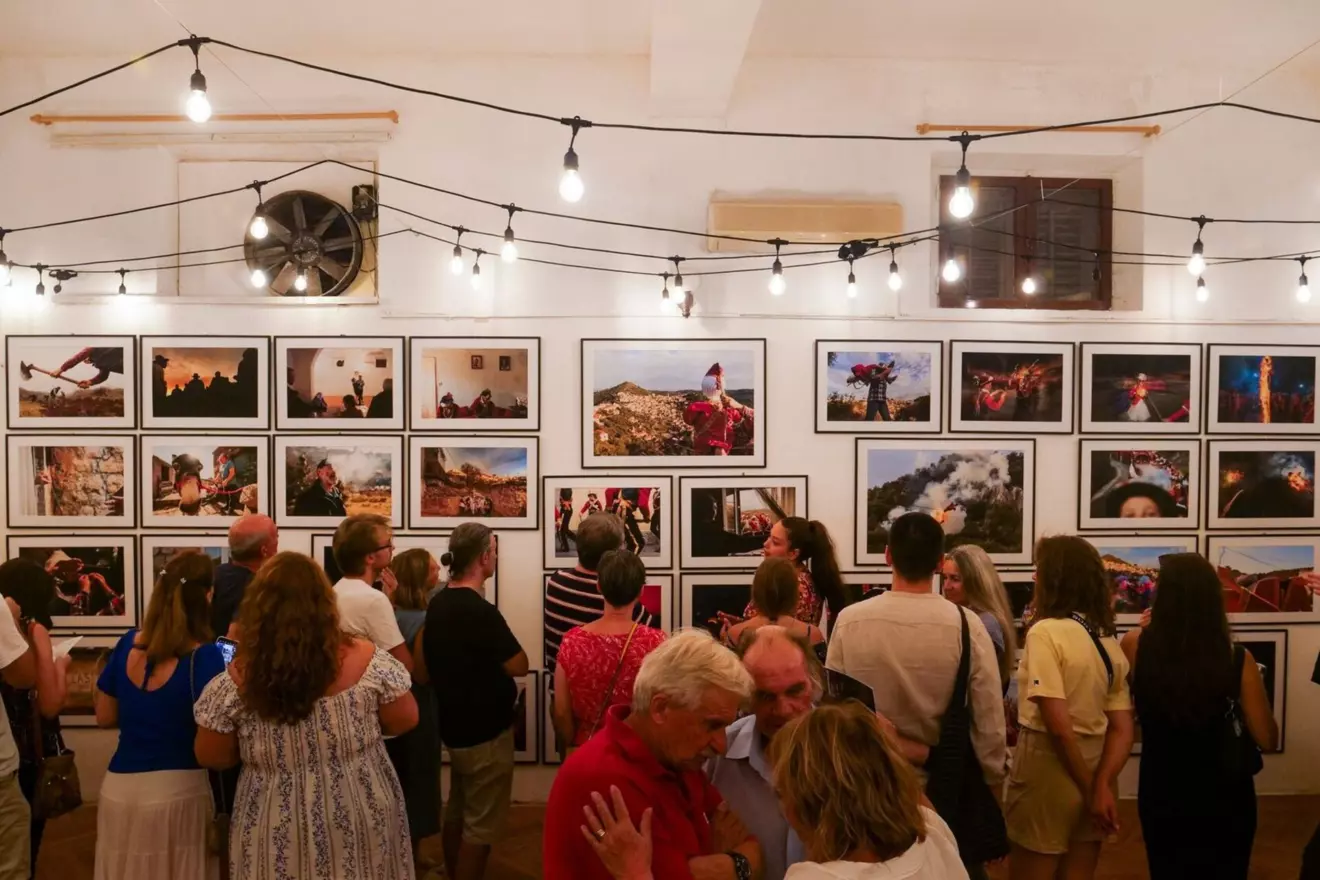
By far the best-known event on the island is the Lastovo Carnival. Since 2025, this traditional carnival celebration has stood on UNESCO’s Register of Good Safeguarding Practices for Intangible Cultural Heritage, after more than five centuries of continuous observance.
The Carnival is a complex custom lasting several weeks, running from 17 January until Ash Wednesday. During that time, dances are held in the Dance Hall, and each week plays its role in the unfolding of the ceremony.
On Shrove Monday, roughly masked groups go from house to house singing and making merry. In each home they are given eggs, which will be used on Ash Wednesday to prepare a communal meal, a detail that symbolically unites the entire community in a single dish.
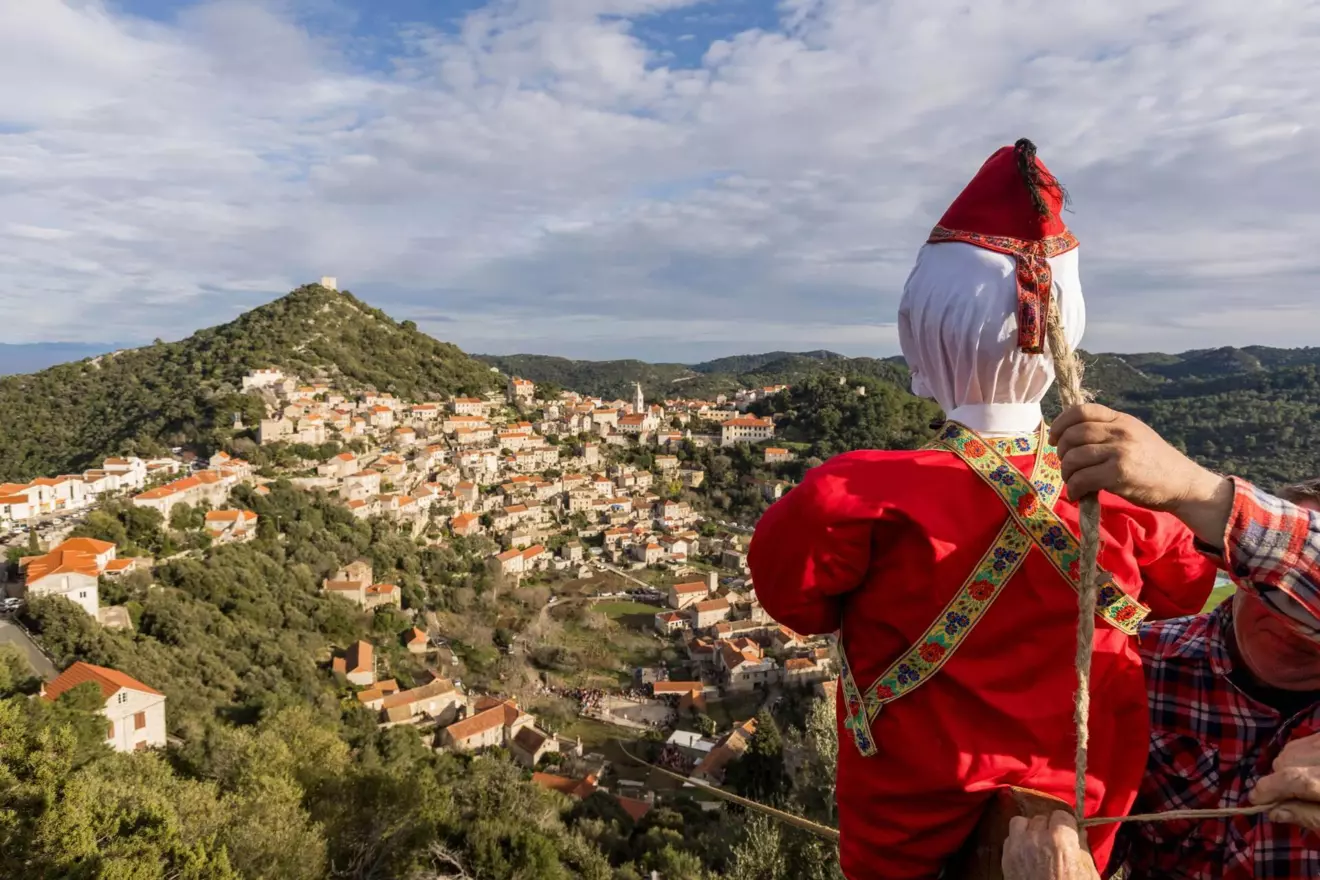
On Shrove Tuesday, the pokladari, the ‘Lastovo army’, gather and, in picturesque uniforms, set off through the village accompanied by the lijerica. At a distance behind them, because they may not meet until the final dance, follow the beautifully disguised girls, the ‘beautiful masks’, accompanied by the ‘generals’. This deliberate separation of the two processions, resolved only in the finale, is one of the dramatic tensions that gives the Carnival its theatrical character.
A straw effigy represents the messenger of the Catalan pirates and bears the name Poklad. It is taken to the island’s headman, who gives permission for the ceremony to begin, and then to the priest, who gives his blessing. Riding a donkey, the effigy comes with the pokladari to the lower part of the village at Gornja Luka, and is then carried to Pokladar’s Grža, from where it is lowered three times down a three-hundred-metre rope with the firing of explosives. The pokladari greet it with shouts and song, dance, and after the ‘culjanje’ they again go from house to house accompanied by the lijerica and the cries of ‘Uvo, uvo!’
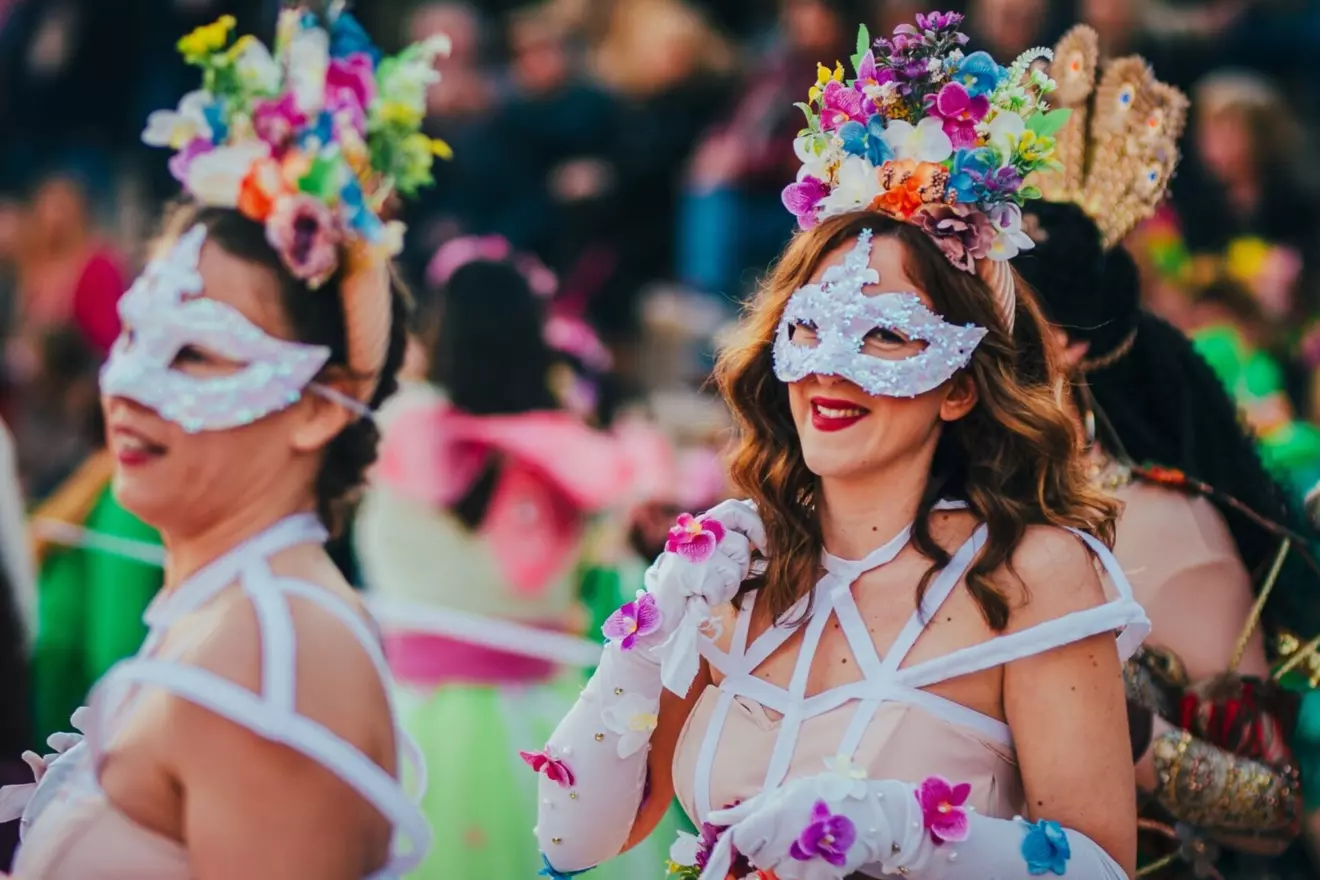
The pokladari and the Beautiful Masks ultimately dance the Poklad Dance together on Dolac, and finally the Poklad effigy is burned to the sound of church bells and fireworks. This is followed by changing clothes, and then celebration and dancing in the Dance Hall until the early hours of the morning. And then the fasting begins. The contrast is no accident: it is the very essence of Poklad.
In summer, KUD Lastovo stages a Friday performance at the Palac where, together with the screening of a short film, they introduce this custom to summer visitors, a good opportunity for those visiting Lastovo outside the carnival season.
Cultural Summer
From June to September, cultural events are held intensively in Lastovo under the shared title Cultural Summer. Alongside the Tourist Board, they are organised by numerous associations that keep the cultural programme alive all year round, which means that Lastovo is not a seasonal island that shuts down in October.
The music programme is organised by the Tourist Board and the association LA.UVO, which is also planning a concert for the first day of summer, while klapa groups will already be singing in June, certainly a wonderful way to welcome the new nautical season.
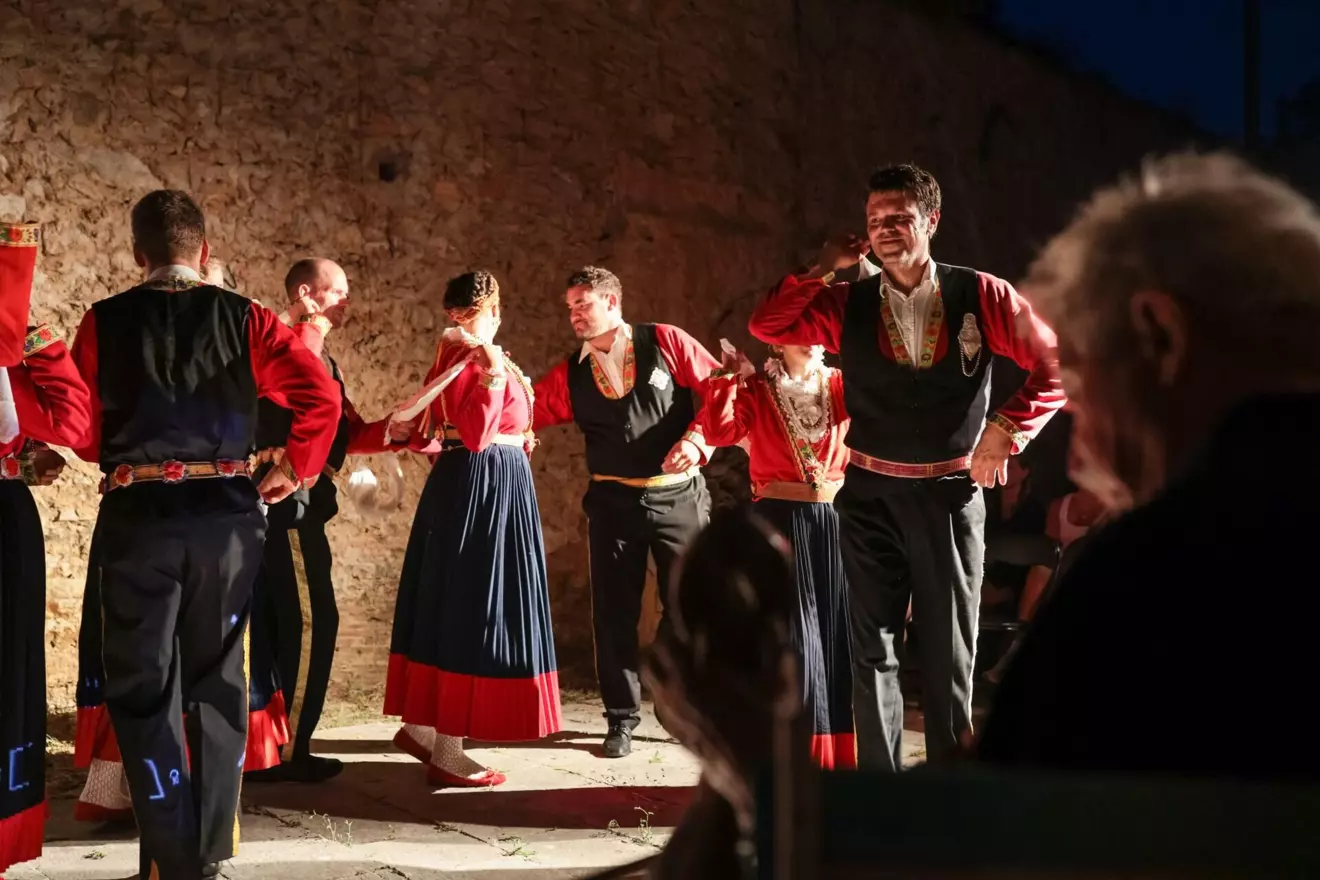
Alongside the traditional Fishermen’s Festival on 1 August, the Lastovo Archipelago Nature Park also organises the Blacksmiths’ Cup, a sports and entertainment event featuring traditional games and music. Guided tours under Lastovo’s starry sky are also organised several times a week, because the night sky there deserves as much attention as the sea by day.
In July, Lastovo Trail is held for the tenth time, a mountain trail race along the island’s paths that every year attracts lovers of trail running and nature. Lastovo is also a training base for the Croatian free-diving national team, and the island also hosts an international breath-hold diving competition, including a number of world record holders.
The Heart of Cultural Life
If you stay in the settlement itself, visit the Lastovo Community Centre, led by the Dobre Dobričević Association. The association organises activities for various age groups throughout the year, and during the summer period you can take part in workshops, educational programmes and lectures, both for children and for adults. Film screenings take place in cooperation with Kino Mediteran, three times a week in summer in the school courtyard under the open sky, which is reason enough in itself for an evening ashore. There are also concerts and performances. The programme of activities can be found at dobredobricevic.hr.
Where to Eat on Lastovo
Lastovo is not an island where people eat whatever happens to be available. Here, food is eaten deliberately: local fish, lobster, home-grown vegetables and wine from Lastovo’s vineyards.
Zaklopatica is the number one konoba destination: Augusta Insula, Santor, Triton and Aragosta offer locally caught and home-grown ingredients with outstanding reviews from guests who return regularly. Equally highly rated are Konoba Pece in Ubli, Bačvara in Lastovo, Lučica in Lučica, and Porto Rosso and Nautika in Skrivena Luka. Alongside fish and lobster, the plate will also feature home-grown vegetables, accompanied by rukatac, grk or plavac from Lastovo’s vineyards.
A special place is held by OPG Podanje, located in the Prgovo field, an exceptionally popular destination known for dishes prepared under the peka. This is the kind of place you should make the effort to reach, order your meal, and then enjoy the aromas while you wait.
Home-made bread and cakes, alongside a standard fast-food offer, can be found at Kužina in Lastovo. On the islet of Mrčara, a Robinson-style restaurant by the pier serves home-raised kid and lamb, while whole spit-roasted fish is especially recommended.
Reason Enough to Stay One More Night
Lastovo is one of Europe’s oases of minimal light pollution. On a sparsely populated island, far from urban light sources, the night sky takes on a dimension that is almost impossible to experience in more densely visited tourist centres. The millions of stars visible from here are not hyperbole; they are simply what you see when light pollution does not exist.
The Lastovo Archipelago Nature Park organises guided tours under the starry sky several times a week. For crews used to sleeping on deck under the open sky, Lastovo is the perfect justification for that habit finally to pay off to the fullest extent.
Lastovo is not an island to be ‘done’ in a weekend. The more you explore it, along some two hundred kilometres of walking trails, through four anchorages of completely different character, through its konobas, the scenery from Zaklopatica to Mrčara, the night tours beneath the starry sky, and the cultural programme that runs from January to December, the more it reveals. Once you get to know Lastovo, you will also discover hundreds of reasons why you must return.
Text Yachts Croatia
Photos Mario Jelavić, Boris Kačan, Ante Gugić/Javna ustanova 'Park prirode Lastovsko otočje', Turistička zajednica Lastovo
Video Yachts Croatia