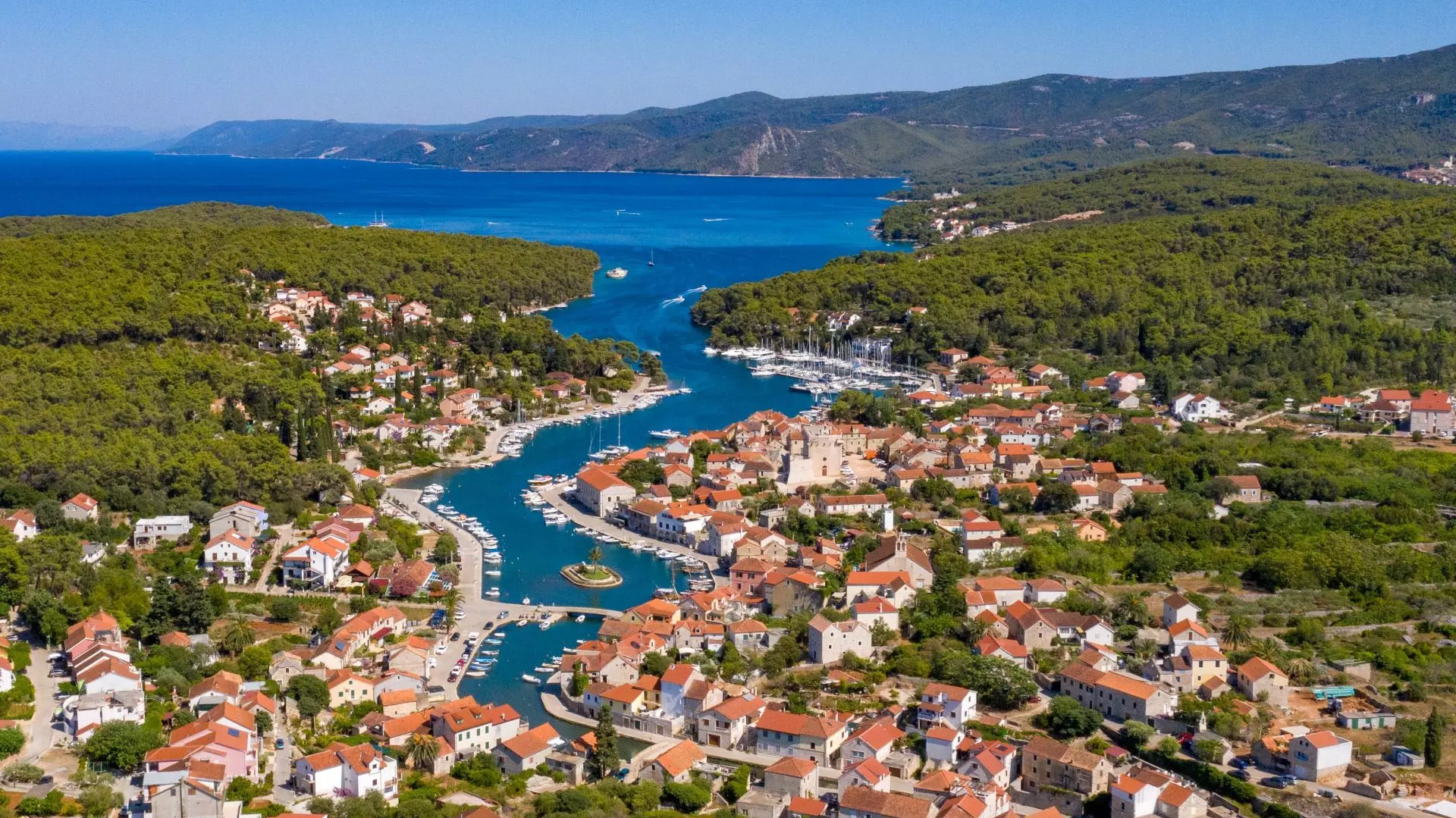
Visit Vrboska, Picturesque Little Venice on Hvar Island
Date
Reading time
7 min

Carved into the northern shore of the island like a Scandinavian fjord, the long channel leads to Vrboska, a town that greets visitors with humble beauty. The best way to experience it is slowly, taking the time to uncover a deep history shaped by its long standing maritime traditions
Nowhere else is the unpretentious charm of the Mediterranean captured quite as finely as in Vrboska. This tiny settlement is the smallest town on the Island of Hvar, yet its cultural and visual richness makes it a true island gem.
Where is Vrboska?
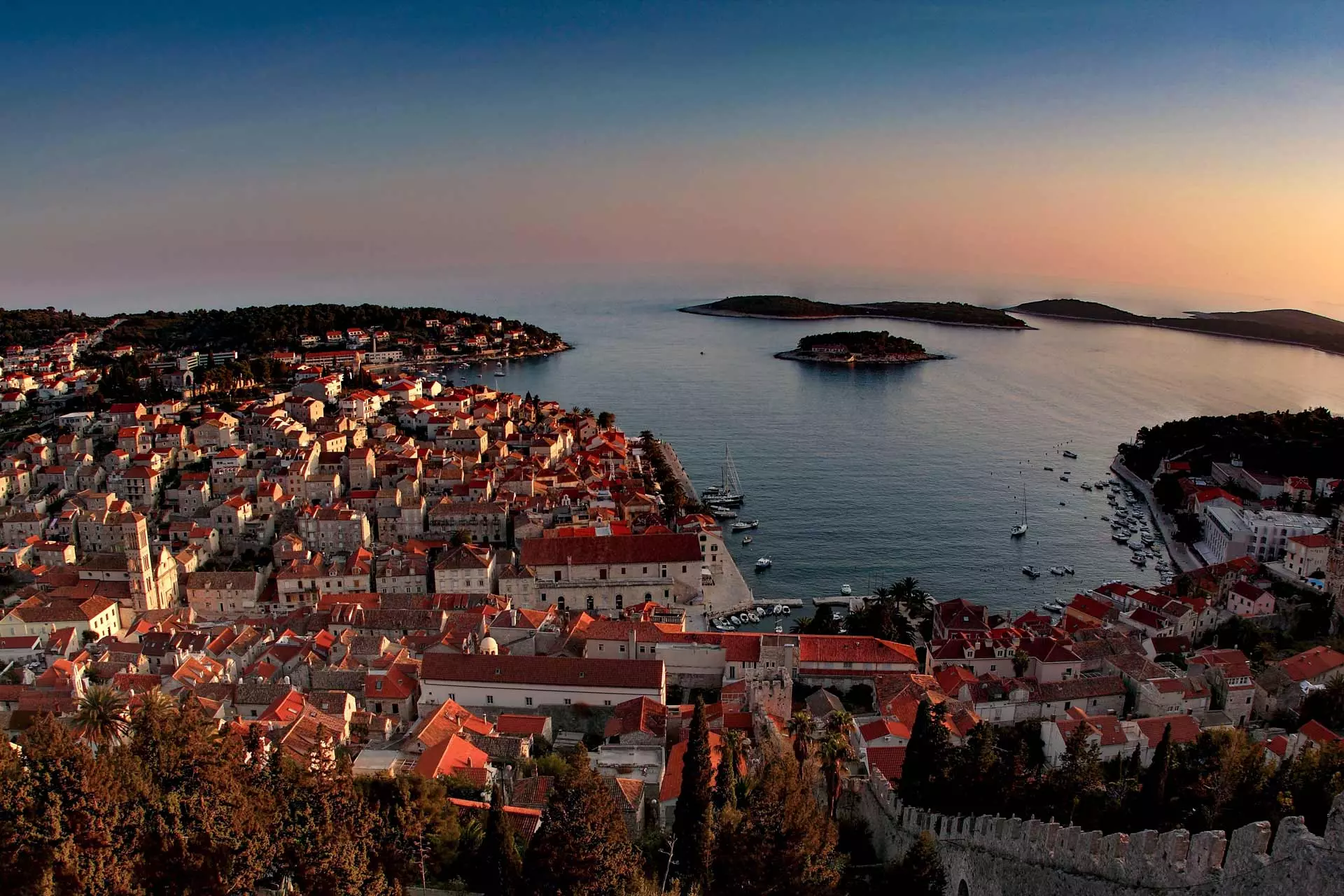
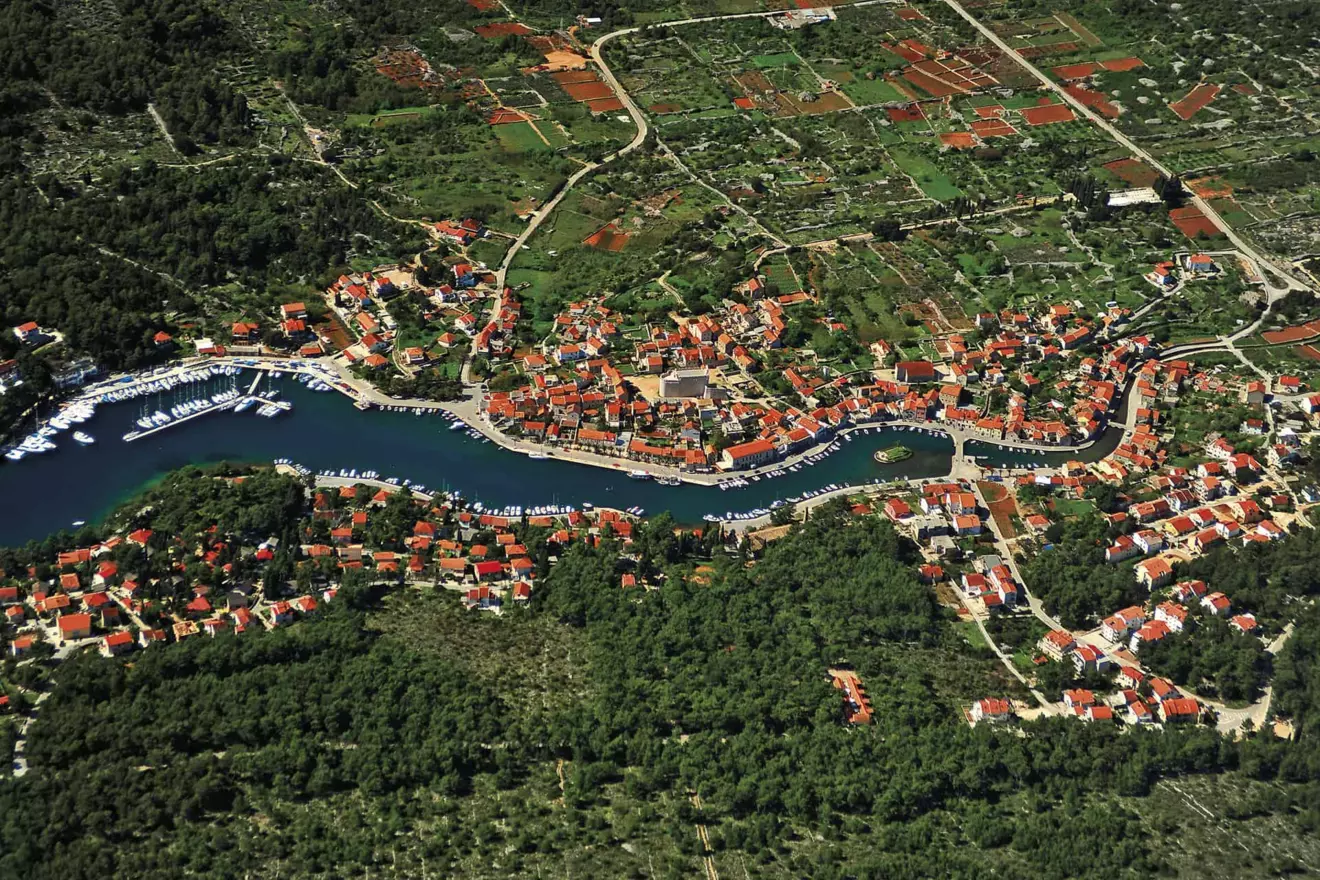
Vrboska (43°10.8’N, 16°40.9’E) is the smallest island town on Hvar, situated deep in the cove at the end of a narrow, winding fiord. The appeal that this old fishing village possess, beautiful nature and numerous sights just around any corner are worth the visit.
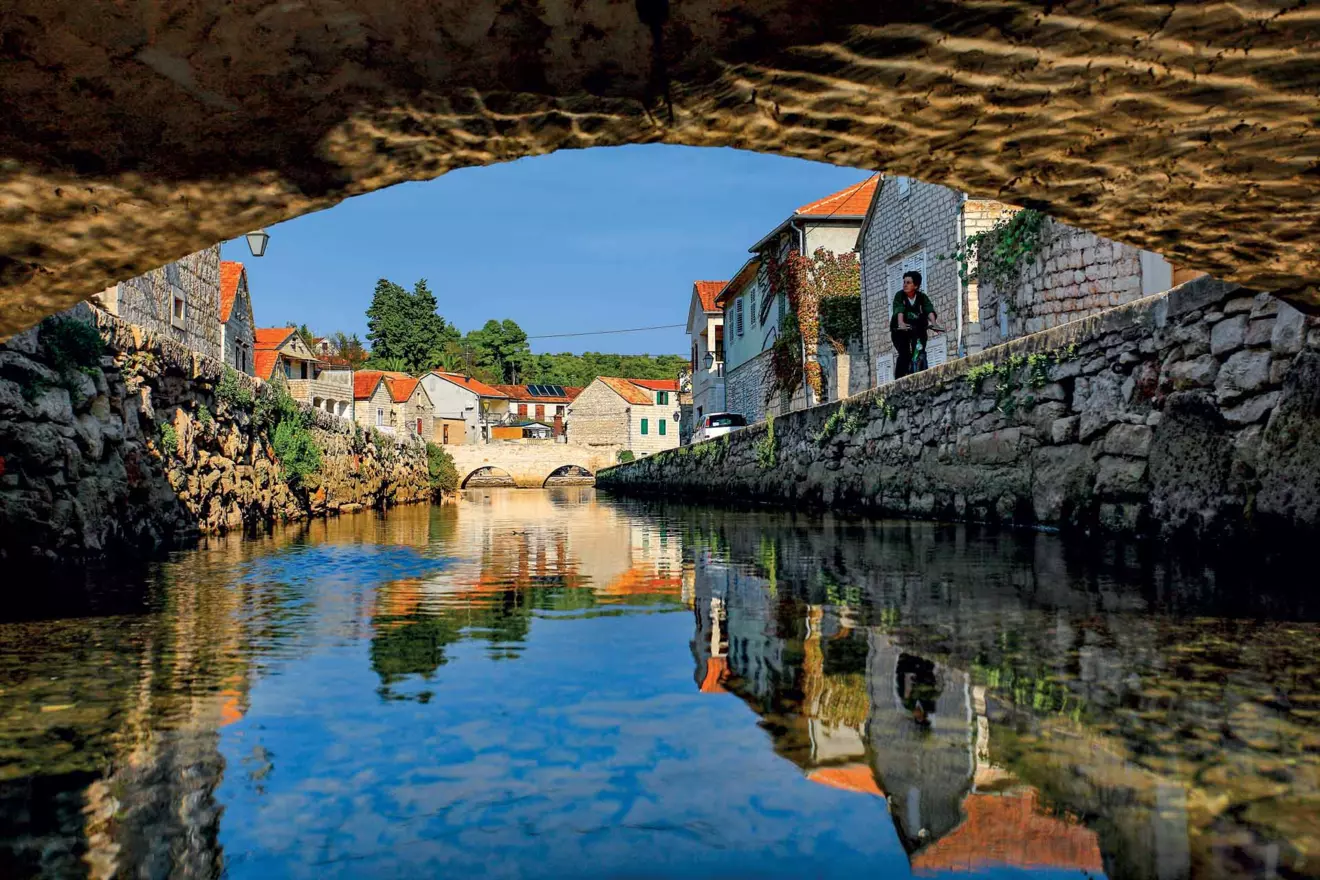
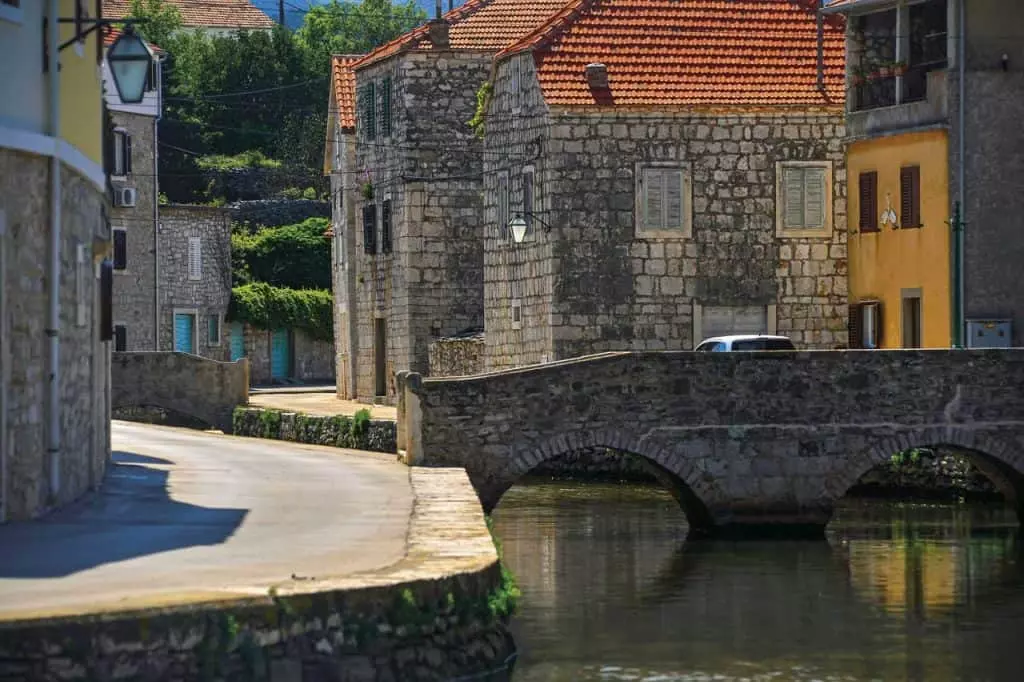
Vrboska is the smallest and the most sheltered town on the island Hvar. Because of the picturesque bridges, it is also called Little Venice
Owing to its unique islet in the middle of the cove, which is protected as a natural rarity, and the numerous small bridges that stretch across the channel, it is sometimes referred to as the 'Little Venice'. Vrbovska is well protected from all winds except from the strong SE and E winds which may whip up large waves and cause tidal waves, in which case it is much safer to depart from the port and moor the boat in the neighbouring Jelsa.
ACI marina Vrboska
Sailors can moor their boats in the well-equipped ACI marina Vrbovska which is located at the very entrance, by the southern coast, or, they can sail another cable length and try to find a mooring at the town waterfront. Although Vrbovska is a quiet place, at the waterfront you will become a part of a somewhat larger crowd, and bear in mind that neither the toilets nor showers are included in the concessionaire’s offer.
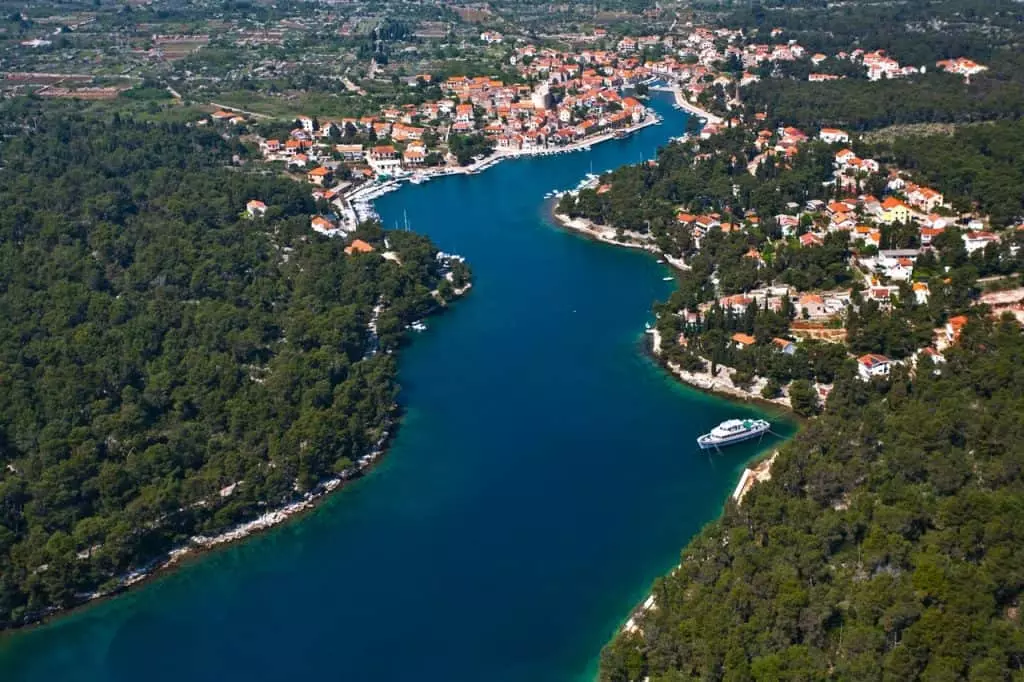
ACI marina Vrboska is situated on the south side of Vrboska bay. The Marina is open throughout the year with 85 berths and 25 dry berths
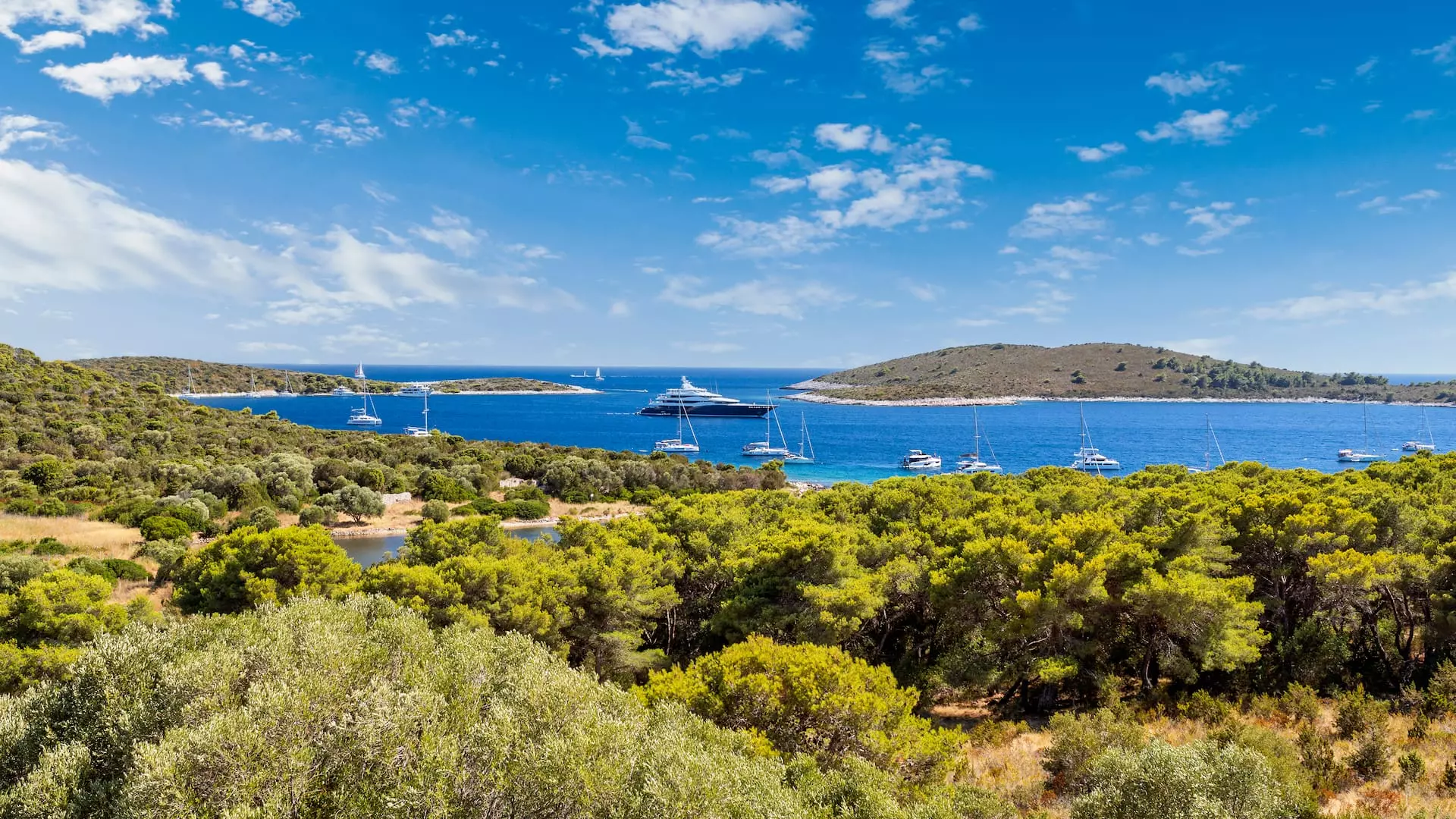
During bura, you may anchor in the leeward of Zečevo islet or at the very way out from Vrbovska, where, right before Glavice cape, Soline cove is situated in which, keep in mind, the sandy seabed does not hold well. An equally picturesque anchorage awaits on the southern side of the nearby islet of Zečevo. However, a word of caution for those seeking seclusion: this is a popular naturist spot, so it may not be the ideal choice for everyone. Both anchorages offer excellent shelter from the bura wind, and with favourable depths ranging between six and seven metres, they are practically an invitation to drop anchor and spend the night under the stars.
Thing to do in Vrboska
Should you wish to experience the authentic charm of a traditional Dalmatian town, a visit to Vrboska is a must. Take a stroll to the end of the narrow channel, which is crisscrossed by quaint stone bridges, and you will quickly understand why Vrboska is affectionately known as the "Little Venice" of the Adriatic.

Fisherman's museumIn any case, both of the previously mentioned anchorages will provide a good shelter during bura, and favourable depths of 6-7 meters will seem as though they are luring you to spend the night anchored. If you wish to experience the appeal of a typical Dalmatian small town, make sure to take a stroll down to the end of the channel which is spanned by small bridges, and find out why Vrbovska is called the 'Little Venice'.
You can moor directly along the local waterfront, where the town landmarks provide a charming backdrop of preserved stone architecture for a quiet evening in the cockpit.
High above Vrboska, on a southern hillside overlooking the entire bay, stands a unique architectural masterpiece. The Church of Saint Mary of Mercy, constructed in the second half of the 15th century, originated as a Gothic single nave church with a rectangular apse. Originally a small fishing village for the neighboring settlement of Vrbanj, Vrboska frequently faced pirate incursions during the Middle Ages.
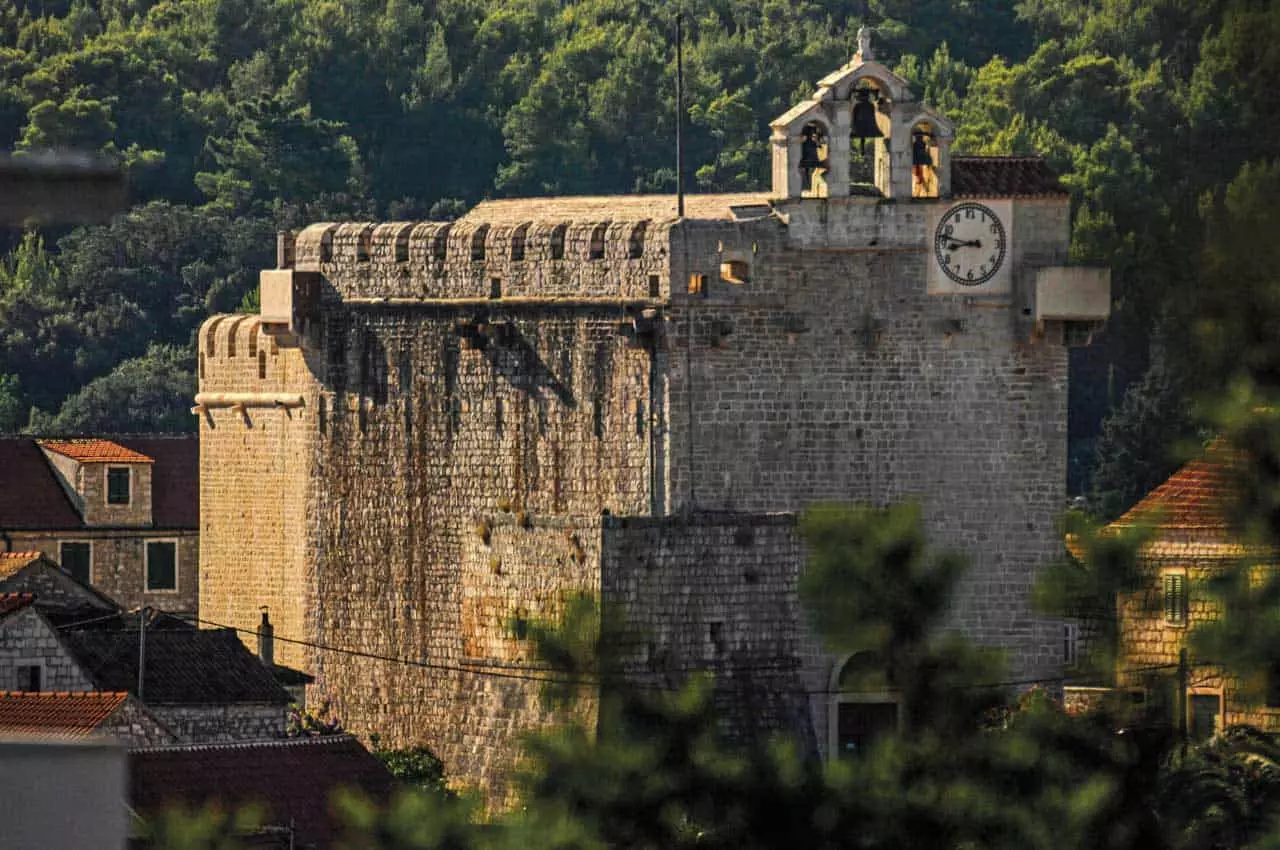
Following one particularly devastating Turkish raid, the church was expanded and fortified. Historical records confirm that the structure served as a refuge for the entire local population and a strategic base for defense. This impressive church fortress has remained remarkably unchanged over the centuries, preserved as one of the finest examples of its kind in Dalmatia and recognized among the most beautiful structures of its period in Europe.
Just west of the fortress church lies the Parish Church of Saint Lawrence, which dates back to the 15th century and was later renovated in the Baroque style during the 17th century. The interior houses some of the most precious art treasures in all of Dalmatia. The church features five altars, with the main altar adorned by illustrations centering on Saint Lawrence and the Mother of God, while the side panels depict Saint John the Baptist and Saint Nicholas.
The remaining artwork illustrates scenes of Saint Lawrence leading the poor before Emperor Valerian and the martyrdom of the saint. The side altars and walls are graced with masterpieces by renowned artists including Jacopo de Ponte Bassano, Giuseppe Alabardi, Antonio Scuria, Celestin Medović, Marko Rašica, and others.
Fishing museum of Vrboska
A visit to Vrboska would be incomplete without exploring its Fishing Museum, which houses one of the most remarkable collections of maritime artifacts on the entire Adriatic coast. The museum serves as a poignant reminder of the region’s deep connection to the sea, preserving the heritage that has defined life in this area for generations.
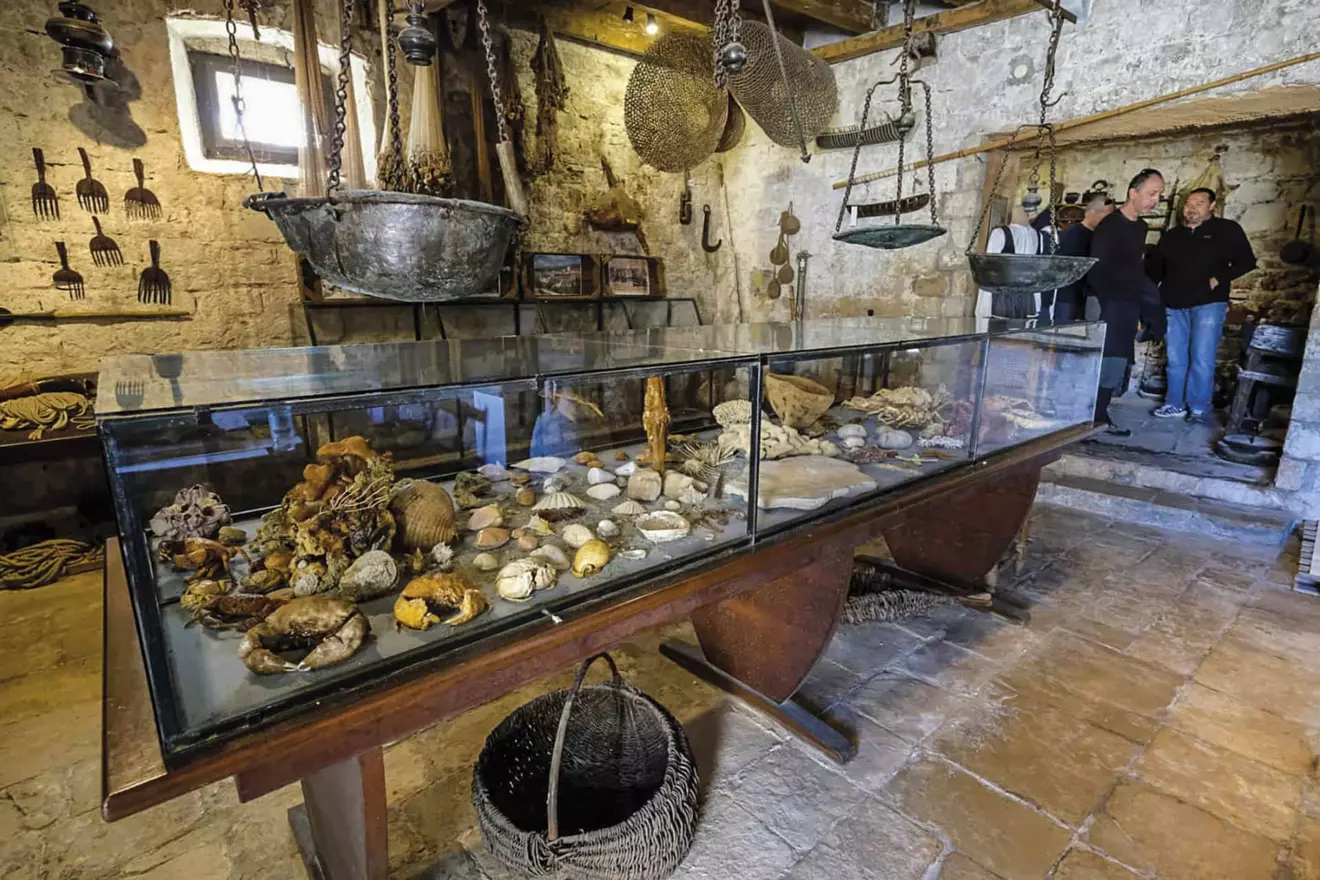
The museum is curated by Mario Franičević, a passionate advocate for maritime history and a leading figure in the local movement to restore traditional wooden vessels. As a driving force behind the Lantina association, Franičević has been instrumental in the rapid revitalization of a fleet of traditional boats featuring Latin sails. Today, this impressive collection stands as one of the largest of its kind on the Adriatic, serving as a living testament to the craftsmanship and seafaring spirit of the past.
Restaurants in Vrboska
As you stroll along the waterfront, you will encounter legendary signs posted outside private homes offering local wine, rakija, honey, and prošek. Do not pass them by. Instead, immerse yourself in the scents and tastes of traditional products and the warm hospitality of the local residents.
One of the most charming and authentic corners of the town is Pinjata. This traditional Hvar konoba preserves an original look and features a selection of local grape varieties like Bogdanuša, Parč, and Plavac. These are paired perfectly with traditional čok and cold appetizers that are just diverse enough to tease your palate for both white and red wines.
If you wish to finish your meal with a touch of sweetness, a glass of local prošek is the perfect choice. For those seeking a warm follow up to a cold starter, the restaurant Škojić remains a local legend known for serving the finest pizza in Vrboska.
When visiting other local eateries, do not expect a high luxury experience. What you can count on, however, is sincere and warm service, accompanied by ingredients largely sourced from the fields scattered around Vrboska. Much like a true seashell, Vrboska hides its pearl at the end of the bay in a neighborhood called Podva, which is the very reason why the town is often affectionately called the Little Venice of the Adriatic.
If you find yourself in this part of town on a magical evening, you might be reminded of the romance of Venice. In our humble opinion, it feels far more pleasant here, largely due to the absence of thousands of tourists buzzing about. Lose yourself a little further along the narrow stone streets.
Life here, much like the architecture, is free of kitsch and remains gently tucked away in its own hermetic peace. It is a warm and human kind of solitude that offers you the chance to truly meet and grow fond of the place and its people just as they are. It is the kind of experience that will surely have you planning your return next year.
Photos Mario Jelavić