Hvar Town: A Nautical Icon of the Adriatic
Date
Reading time
6 min

From Renaissance palaces and a historic harbour to yachts anchored in front of the Pakleni Islands, Hvar remains one of the Mediterranean’s most desirable destinations
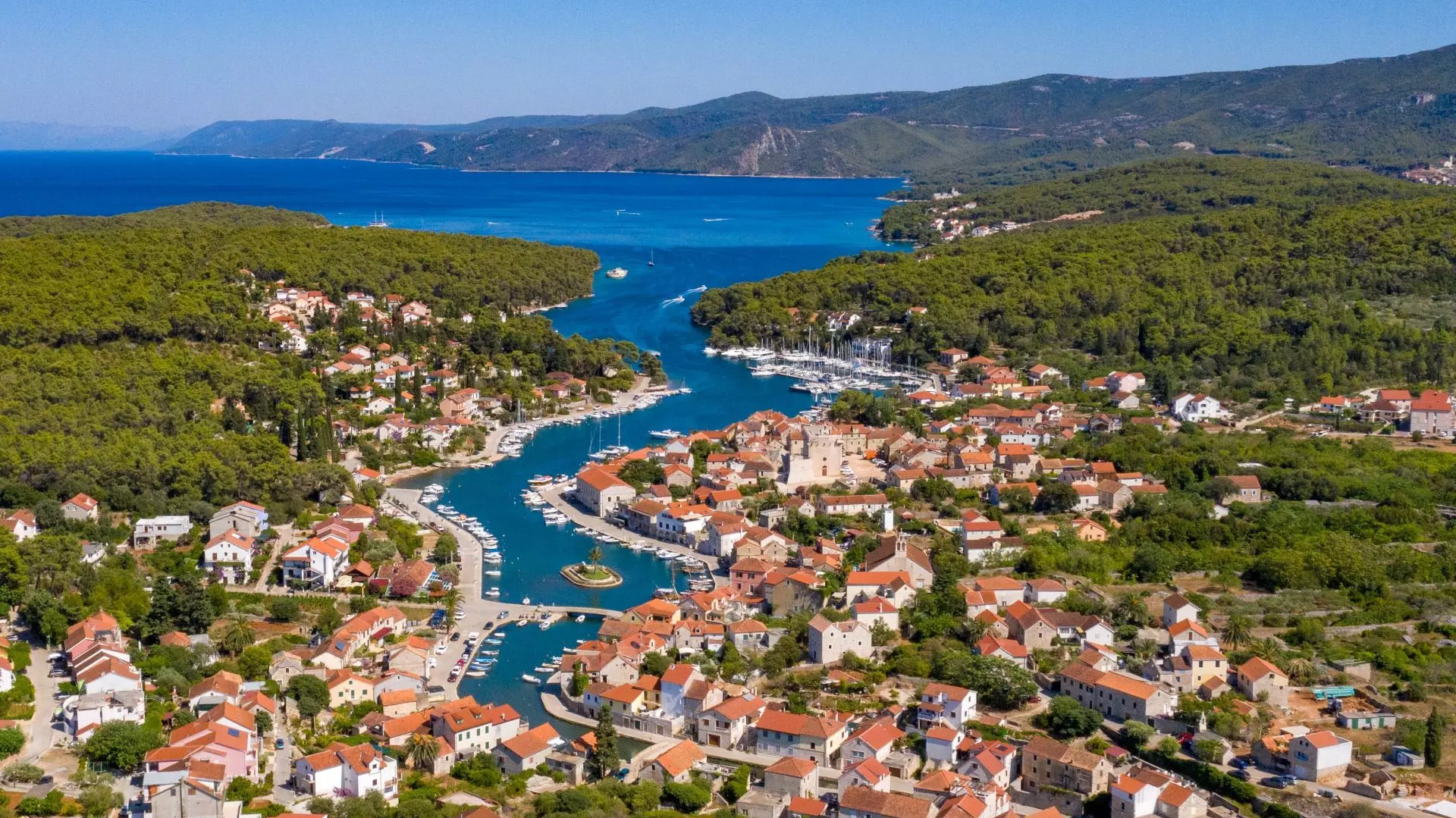
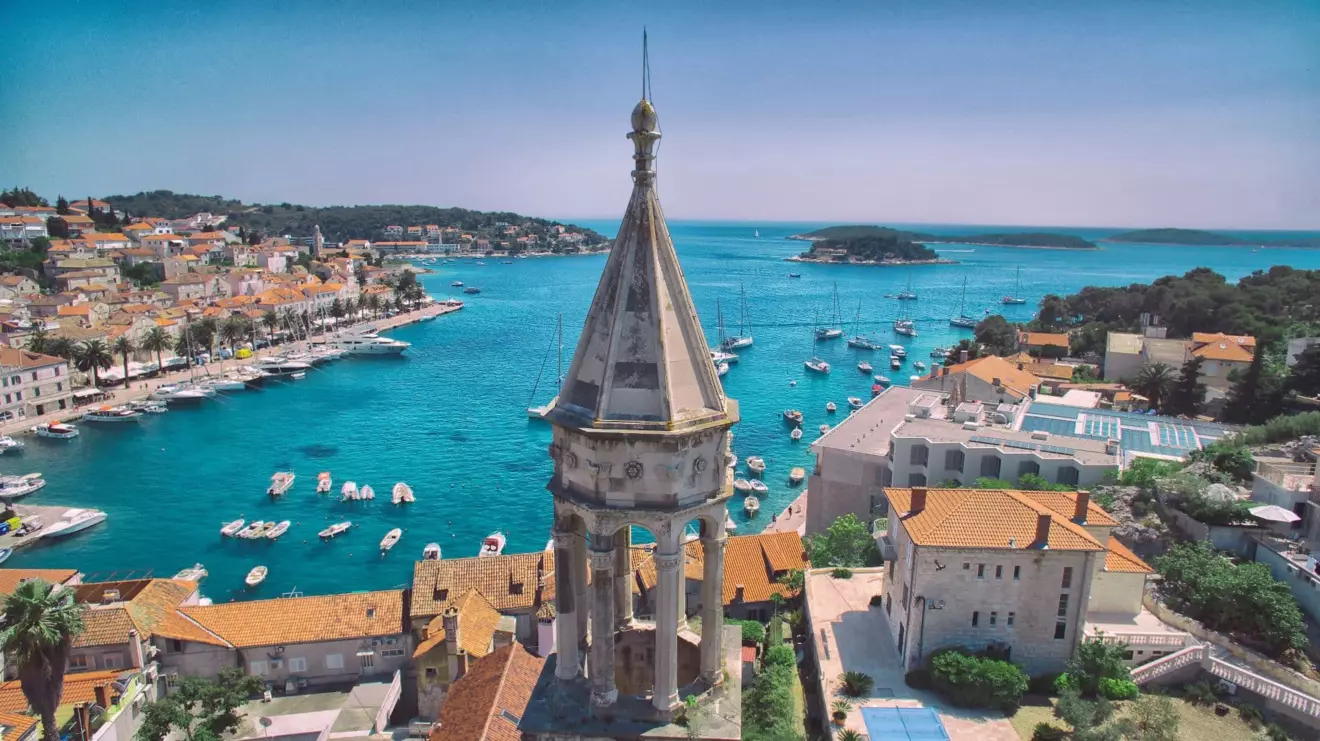
Hvar Town is one of the Mediterranean’s most iconic destinations, a place where centuries of history, Renaissance architecture, luxury yachting and authentic island life come together on one of the most beautiful locations on the Croatian coast. Located on the southern side of Hvar Island, this historic town has been attracting travellers for more than 150 years thanks to its unique climate, rich cultural heritage and proximity to the Pakleni Islands.
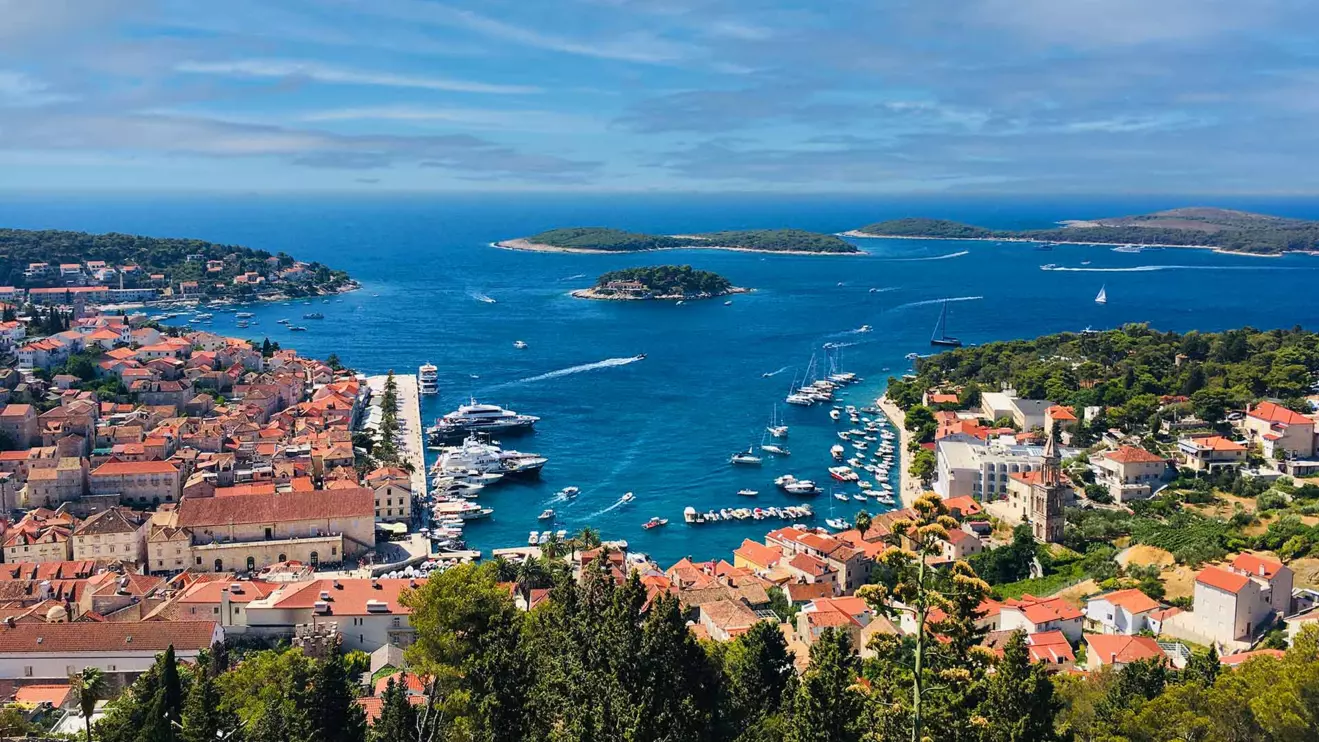
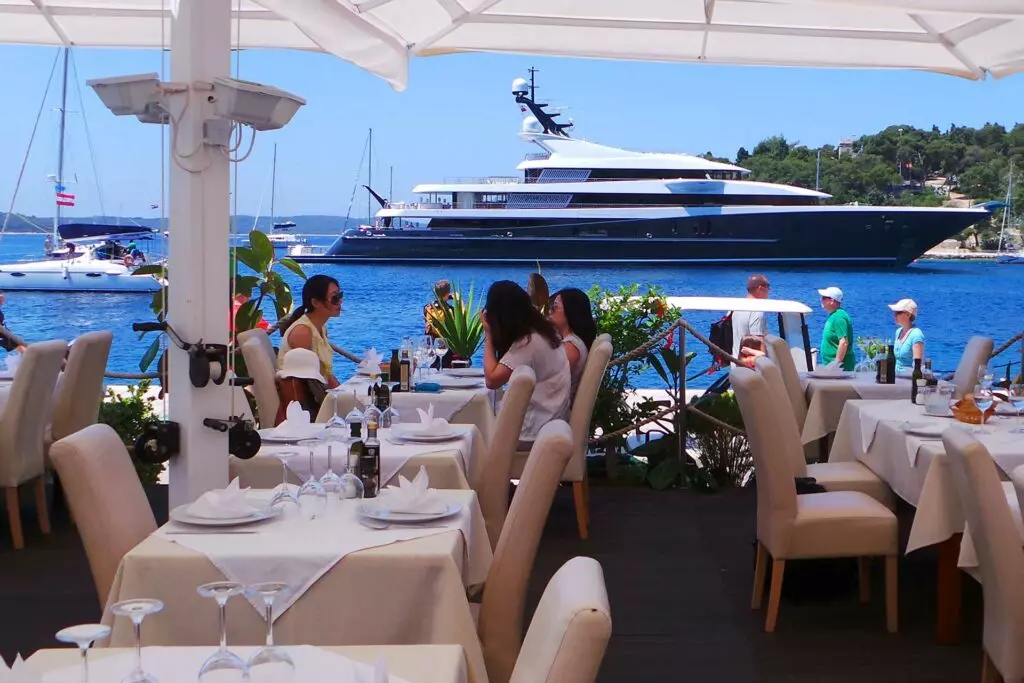
During the summer months, Hvar’s waterfront becomes a stage for superyachts, restaurants welcome guests from around the world, and the stone-paved streets of the old town remain vibrant late into the night. Yet the true character of Hvar is often revealed outside the peak season, in spring, early autumn or winter, when the town returns to its natural rhythm and shows why generations of travellers have been drawn here in search of tranquillity, favourable climate and authentic Mediterranean atmosphere.
Hvar: An exclusive mediterranean destination
Many forget that Hvar made its debut on the international tourism scene more than 150 years ago as a health resort for the wealthy and travellers of the era. Its appeal was not based only on the benefits of the Mediterranean climate, but also on the unique combination of its southern exposure, natural landscapes and the extraordinary setting of Hvar’s ancient harbour, which has served for centuries as a safe haven for those travelling the seas.
The town’s naturally protected harbour determined its development long before modern tourism emerged. Located on an important maritime route connecting the eastern and western Adriatic, Hvar was for centuries a significant trading and maritime centre.
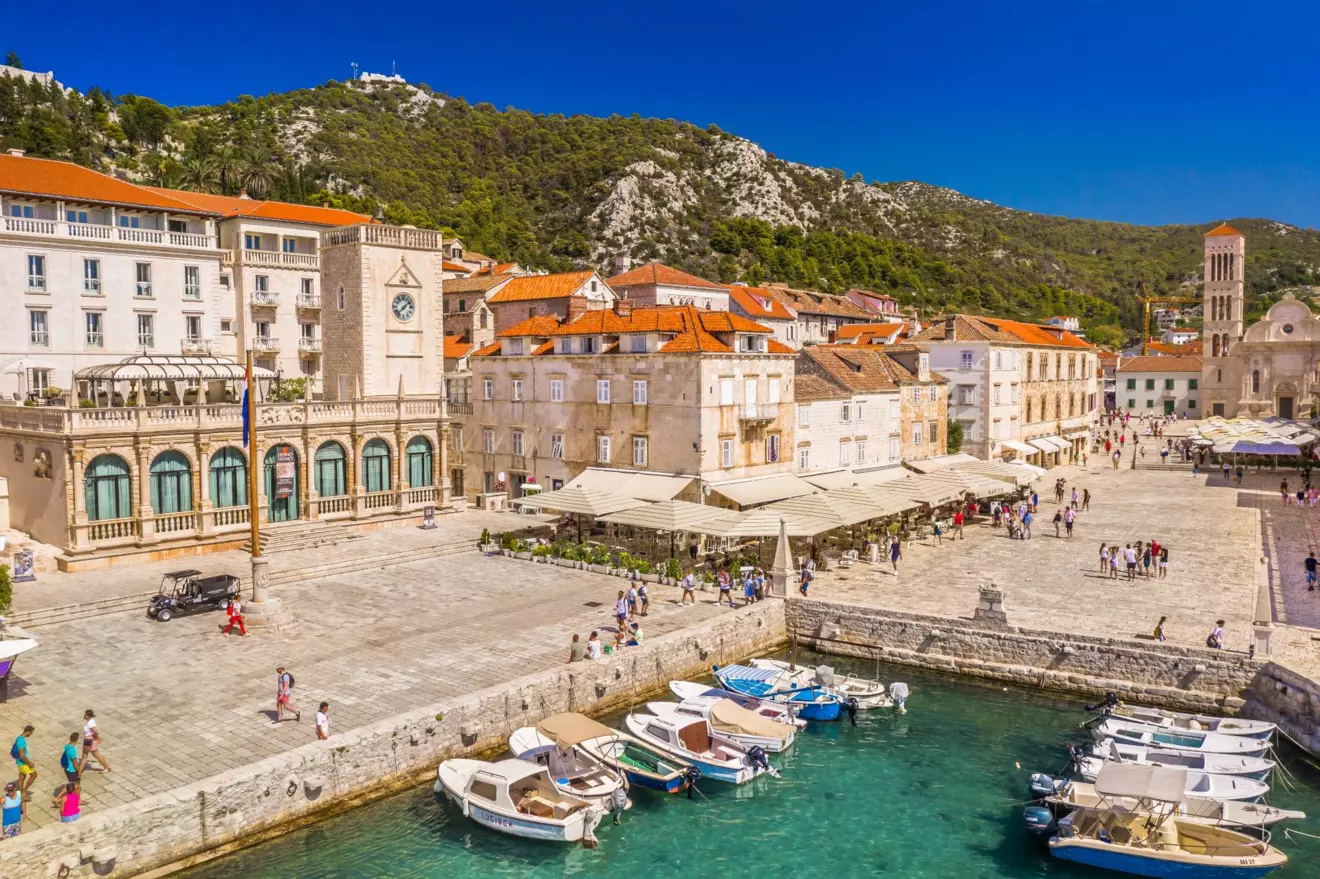
The Venetian Republic left a lasting mark on the town’s architecture and urban character. Many of the palaces, fortifications, the Arsenal and historic buildings that define Hvar’s remarkably preserved old town date back to this period.
The heart of the town is Pjaca, Hvar’s main square and the largest town square in Dalmatia. Surrounded by the Cathedral of St. Stephen, stone palaces and historic buildings, it has for centuries been a meeting place for locals, sailors and travellers, and remains the true centre of Hvar life.
The beginnings of organised tourism
Organised tourism in Hvar began on May 15, 1868, with the establishment of the Hygienic Society, considered the first tourism organisation in Croatia and one of the earliest of its kind in Europe.
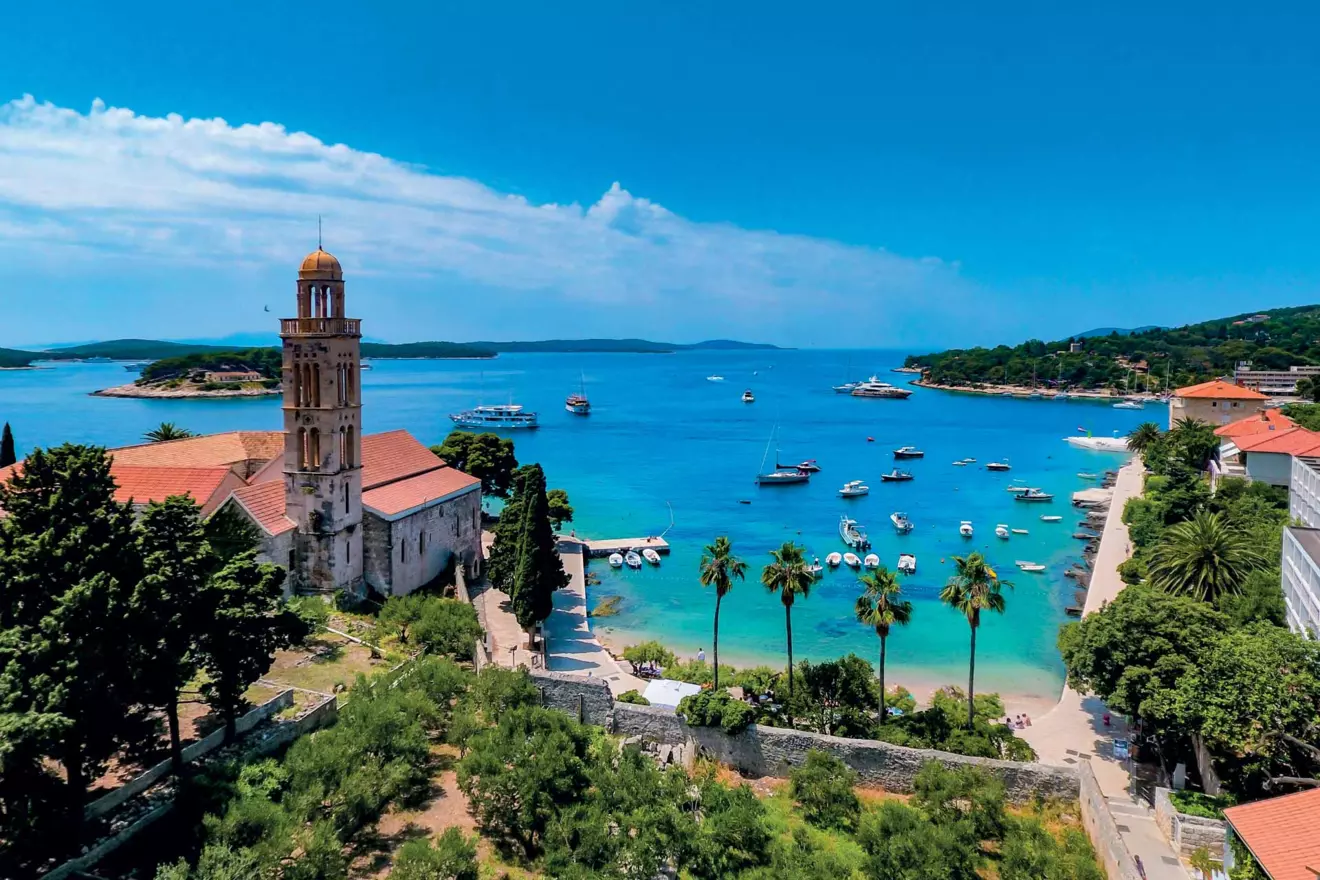
Led by Bishop Juraj Duboković, local citizens recognised the value of the island’s climate, clean air and mild winters. At a time when health tourism was still developing, Hvar was already attracting visitors from across the Austro-Hungarian Empire who came in search of favourable climatic conditions and a restorative natural environment.
Today, the concept of luxury has evolved significantly. Rather than simply seeking glamour and famous destinations, modern luxury means discovering the right place at the right moment, surrounding oneself with authentic experiences and finding peaceful retreats, whether by the sea or on land, where the true spirit of a destination can be experienced.
Hvar Town highlights
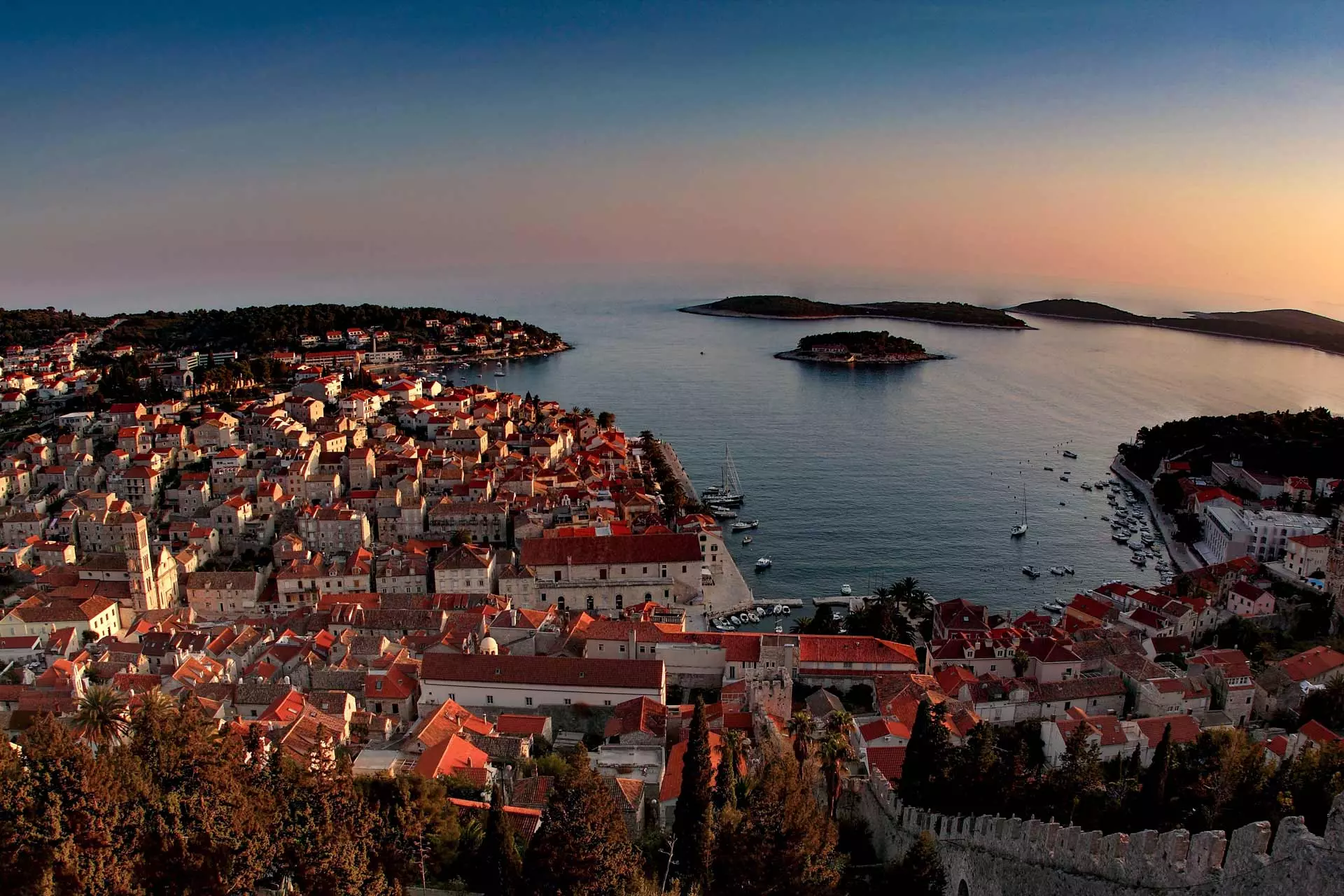
Among Hvar’s most recognisable landmarks, Fortica Fortress holds a special place. Rising above the historic town centre, it protected the harbour for centuries and today offers one of the most impressive views of Hvar, the Pakleni Islands and the surrounding archipelago.
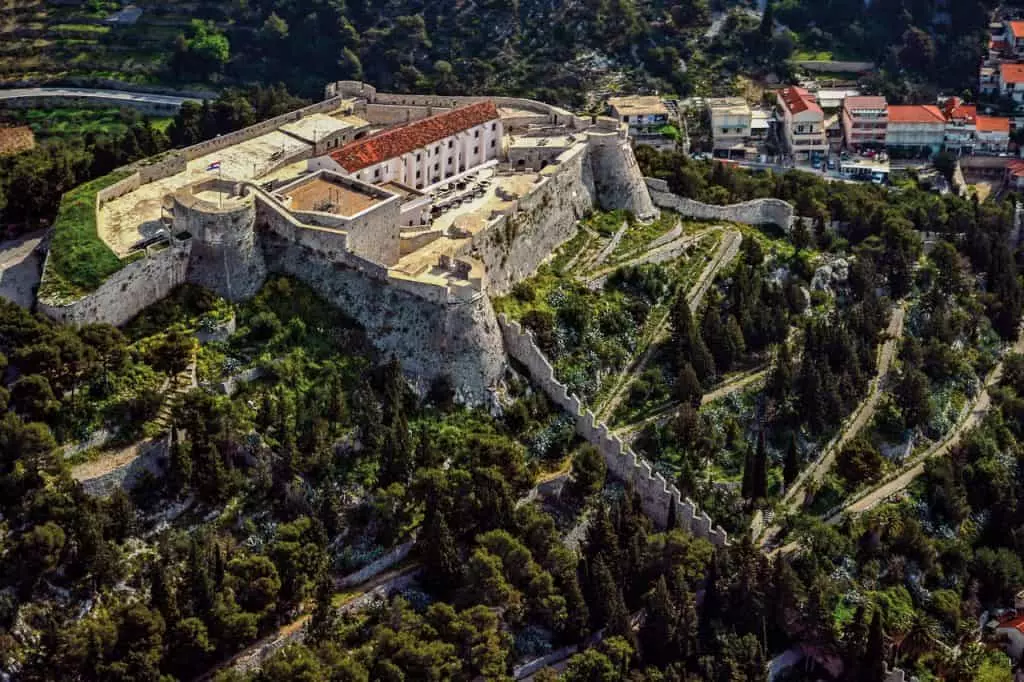
The entire island of Hvar can be seen as an open-air museum, while Hvar Town itself preserves remarkable collections and cultural treasures, including the Franciscan Monastery’s art collection, the Benedictine Monastery collection with its famous agave lace created by the nuns, and the Bishop’s Museum located within the cathedral.
One of the most important cultural institutions is the Hvar Heritage Museum, housed in the Renaissance summer residence of poet Hanibal Lucić. The museum also includes the historic Hvar Theatre, a monument of exceptional cultural significance. Built in 1612, it is one of the oldest public theatres in Europe and among the first where people from all social classes could attend performances.
A visit to galleries such as Hvaroom, located directly on Pjaca, or Šoša Gallery reveals another side of the town’s creative identity. Outside the summer crowds, visitors can discover the works created by local artists during the winter months and find unique pieces before they become part of private collections.
Pakleni Islands: Hvar’s natural paradise
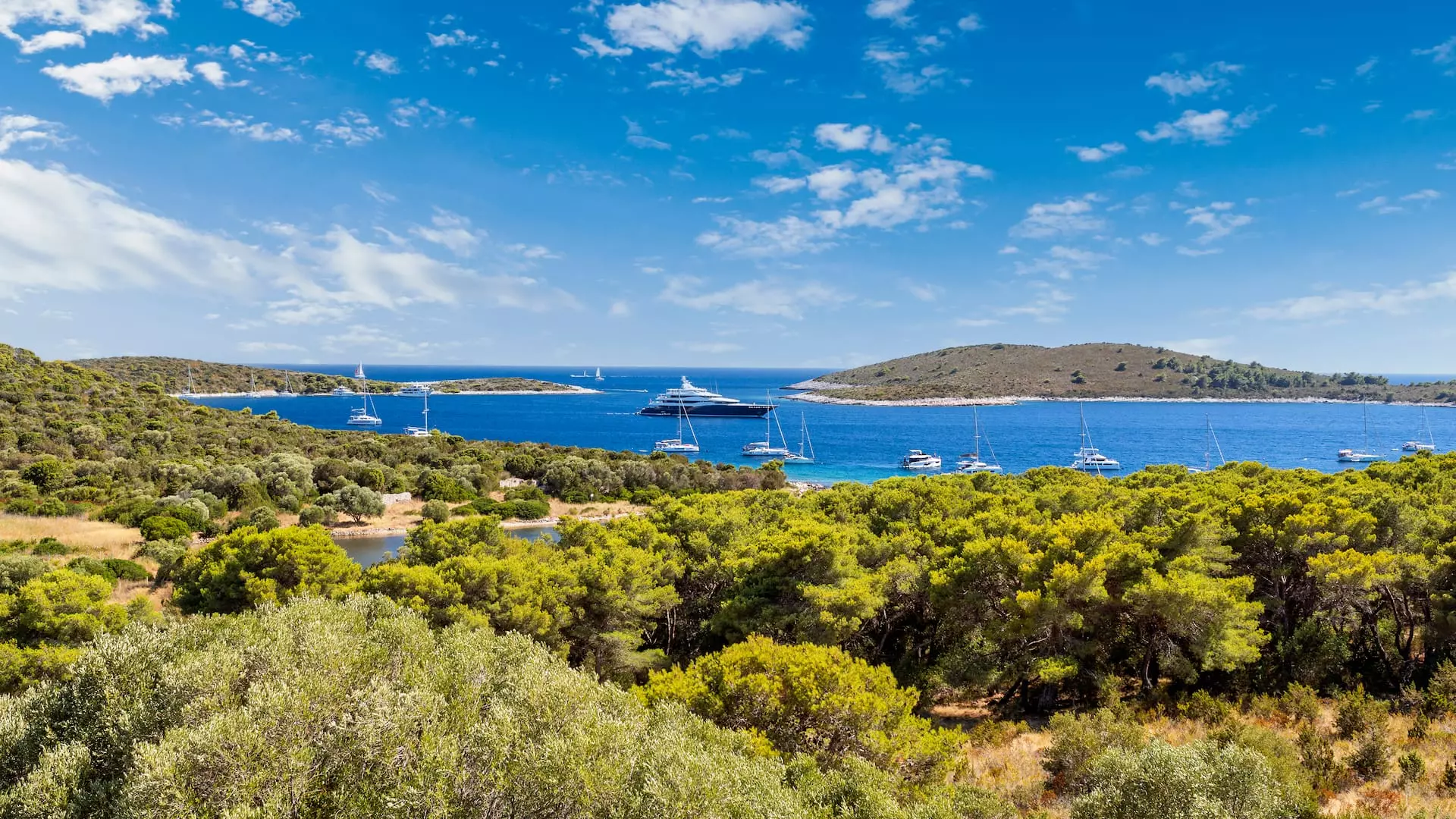
No description of Hvar Town is complete without mentioning the Pakleni Islands. Located directly in front of the town harbour, this archipelago is one of the main reasons why Hvar has become an essential destination for sailors and yacht owners from around the world.
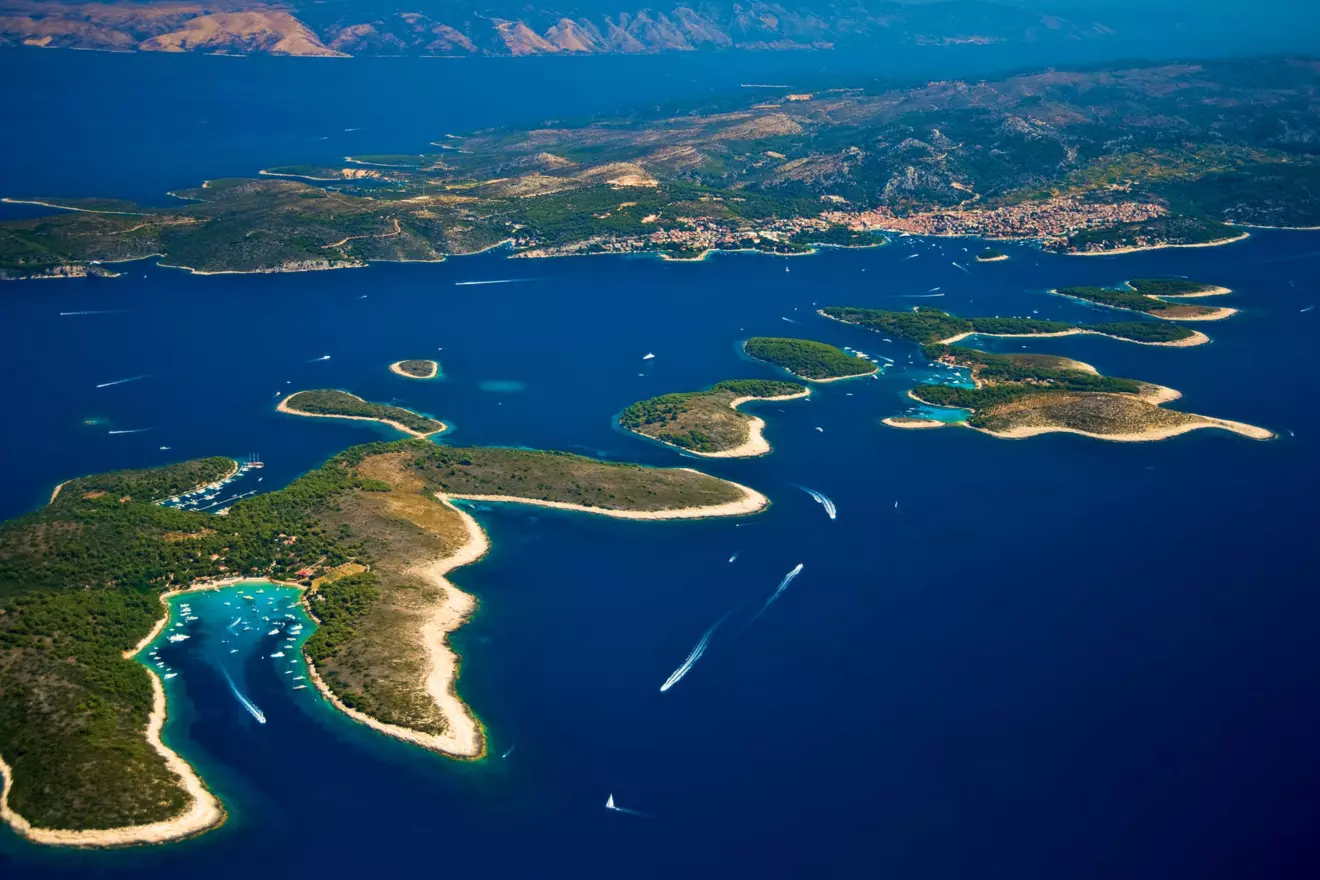
Hidden bays, pine forests and crystal-clear waters make the Pakleni Islands ideal for swimming, anchoring, day trips or enjoying lunch at restaurants located by the sea. For yacht owners and guests exploring the Adriatic, their proximity offers a rare combination of privacy, natural beauty and easy access to the historic centre of Hvar.
Hvar gastronomy
Hvar’s gastronomy is rooted in the flavours of the island: Adriatic fish, olive oil, Mediterranean herbs and wines produced from indigenous varieties such as Plavac Mali and Bogdanuša. This connection between the sea, stone and centuries-old traditions gives Hvar cuisine its distinctive identity.
A special place in Hvar’s contemporary wine story belongs to Tonči Marijan, whose wines have attracted international attention in recent years. His Vron Bod 2012 earned the first ever Decanter Gold medal for a Plavac Mali wine in 2019, while his Plavac Plaža 2021 received the prestigious Best in Show award in 2026, placing it among the 50 highest-rated wines in the world.
Today, Hvar’s culinary scene successfully combines tradition with a modern approach. Alongside restaurants offering contemporary interpretations of island cuisine, the narrow stone streets still hide traditional taverns preserving the simplicity and authenticity of Dalmatian flavours.
Hvar beyond the high season
Although Hvar Town is most often associated with summer, many consider it at its most beautiful in spring and early autumn. During these months, the island reveals its quieter side, historic streets return to a more local rhythm, and the coastline becomes ideal for exploring without the summer crowds.
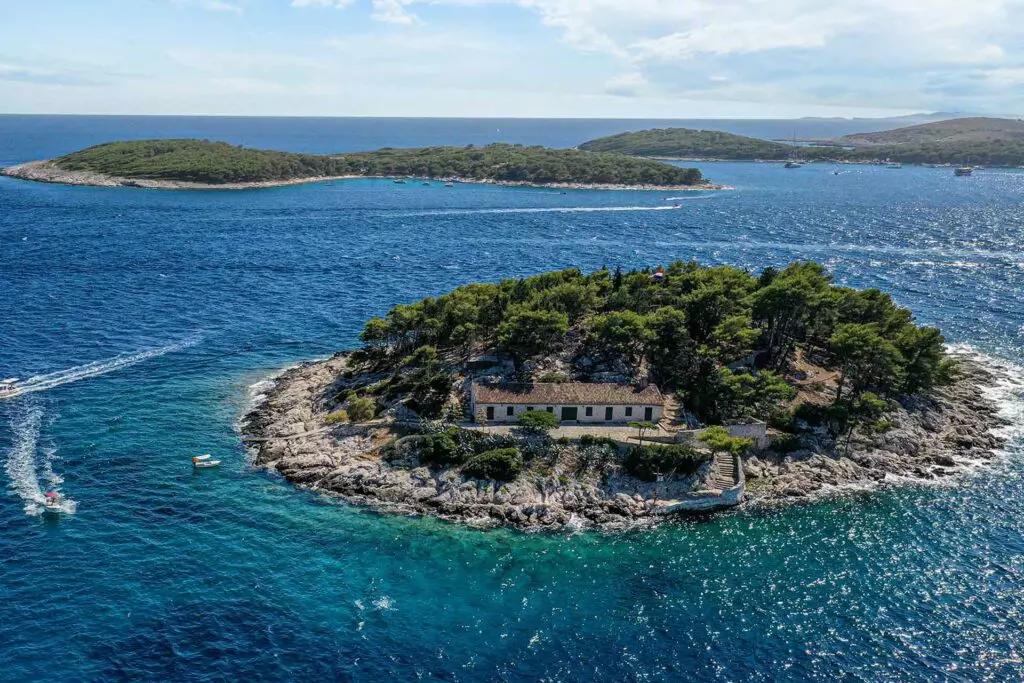
This period is especially attractive for yachting lovers. Chartering a yacht in the shoulder season allows visitors to experience Hvar from a different perspective, with easier access to hidden coves, quieter anchorages and more time to discover island destinations such as Stari Grad, Jelsa and Vrboska.
Arriving by sea
For sailors and yacht owners, Hvar Town is one of the essential stops along the eastern Adriatic coast. The town harbour and ACI Marina Palmižana provide an excellent base for exploring the Pakleni Islands, the southern coast of Hvar and nearby islands including Vis, Korčula, Brač and Šolta.
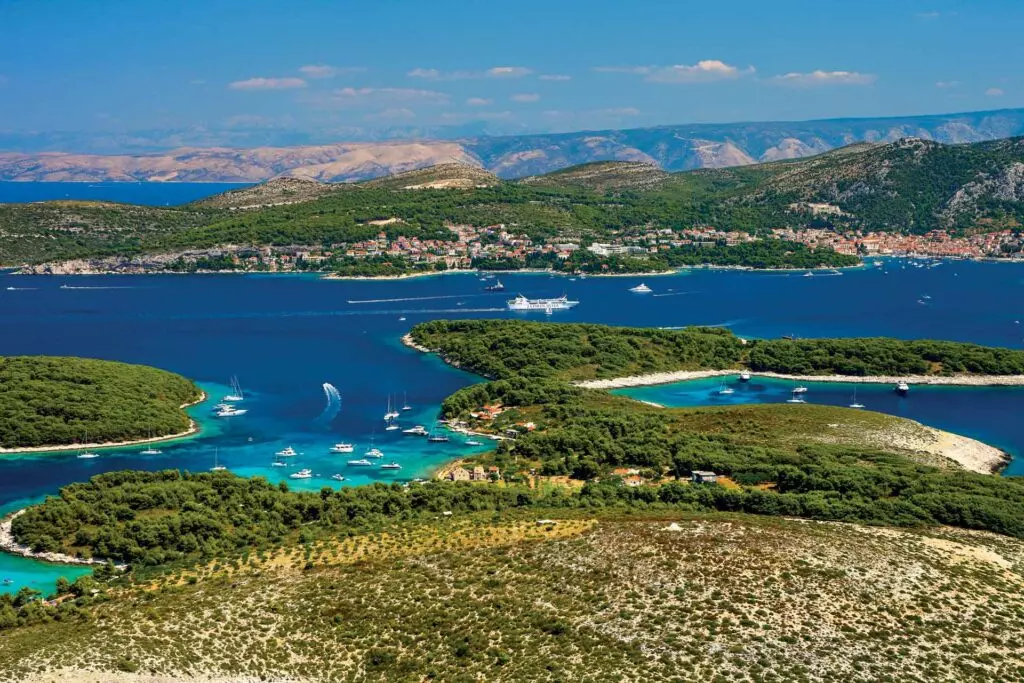
Hvar’s appeal lies far beyond its summer popularity. It is found in the layers created over centuries: maritime heritage, Renaissance architecture, culinary traditions and the natural beauty of the island itself.
Few places in the Mediterranean offer the rare possibility of reaching a historic town centre filled with restaurants, galleries and vibrant evening atmosphere within minutes from a peaceful bay.
Photos Ivo Pervan, TZ Hvar, Geio Tischler & Bells Mayer/Unsplash & Damil Kalogjera