Silba Island: Croatia's Car-Free Gem
Date
Reading time
8 min

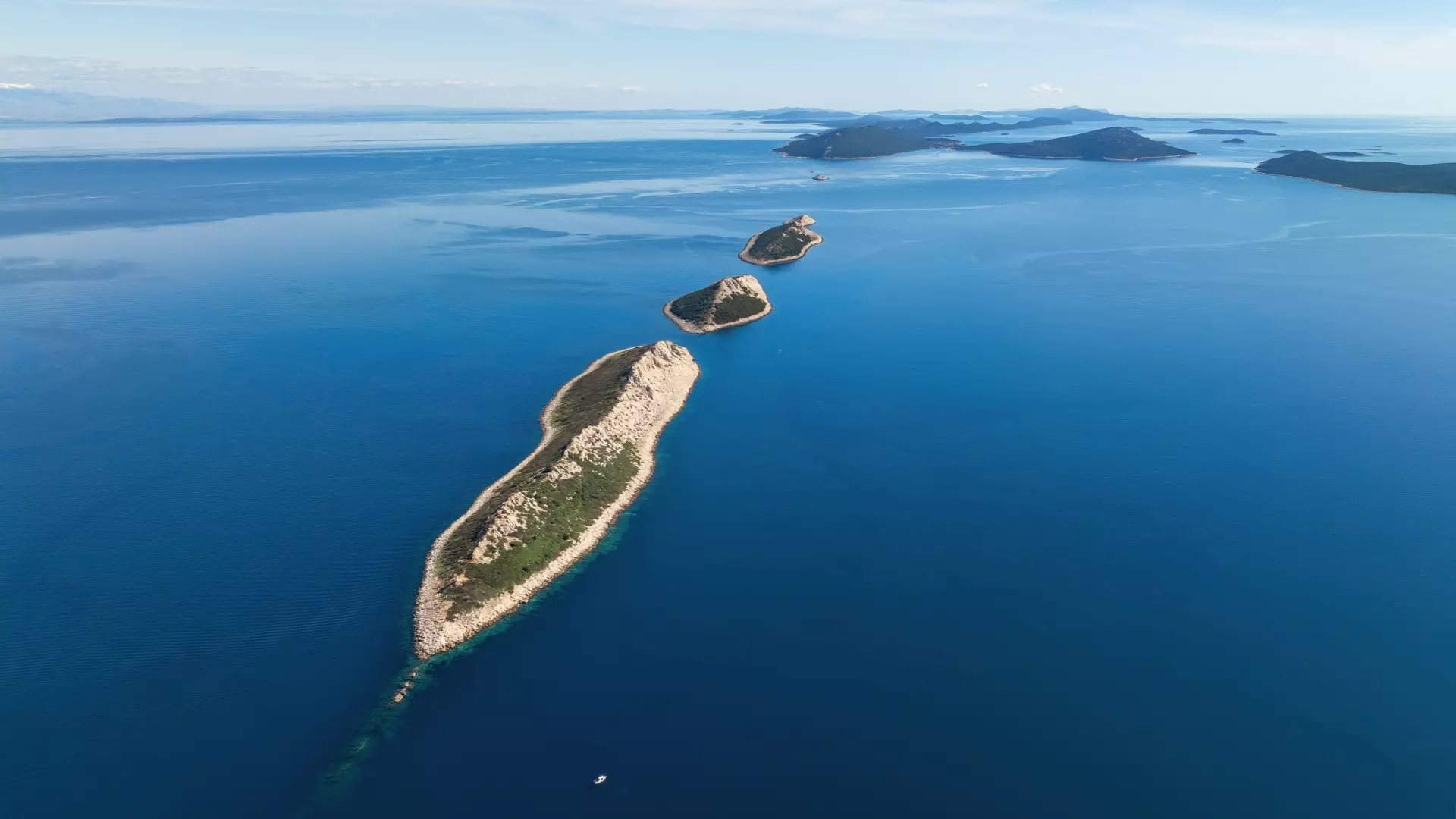
Nestled between the islands of Olib and Premuda in the northern Dalmatian archipelago, Silba is one of the Adriatic's most distinctive and quietly captivating destinations
Despite covering only 15 square kilometers, Silba punches well above its weight when it comes to natural beauty, cultural depth, and maritime heritage. Sandy and pebble beaches, sheltered coves, dense holm oak forests, and a charming absence of automobiles combine to create an atmosphere that feels genuinely removed from the pace of modern life, yet surprisingly rich in character and history.
Silba introduction: A rare Adriatic treasure
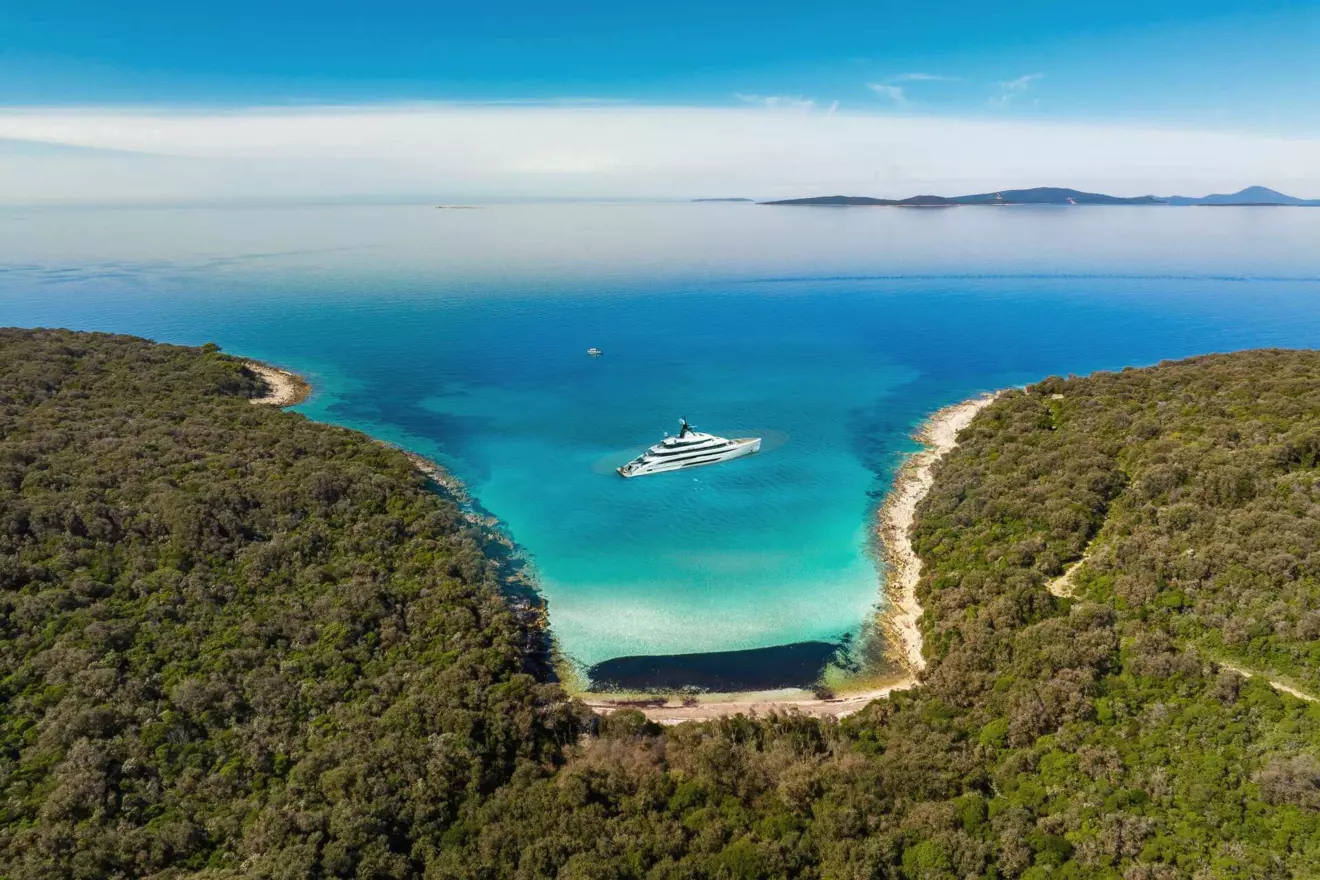
Charter luxury yachts grace Silba's azure waters, drawn by its scenic anchorages and unhurried way of life. But it is not only sailors who fall under the island's spell. Artists, hikers, nature enthusiasts, and anyone craving an authentic Adriatic experience have long considered Silba something of a well-kept secret. Once you arrive, it is easy to understand why so few visitors leave without planning their return.
The landscape and natural setting
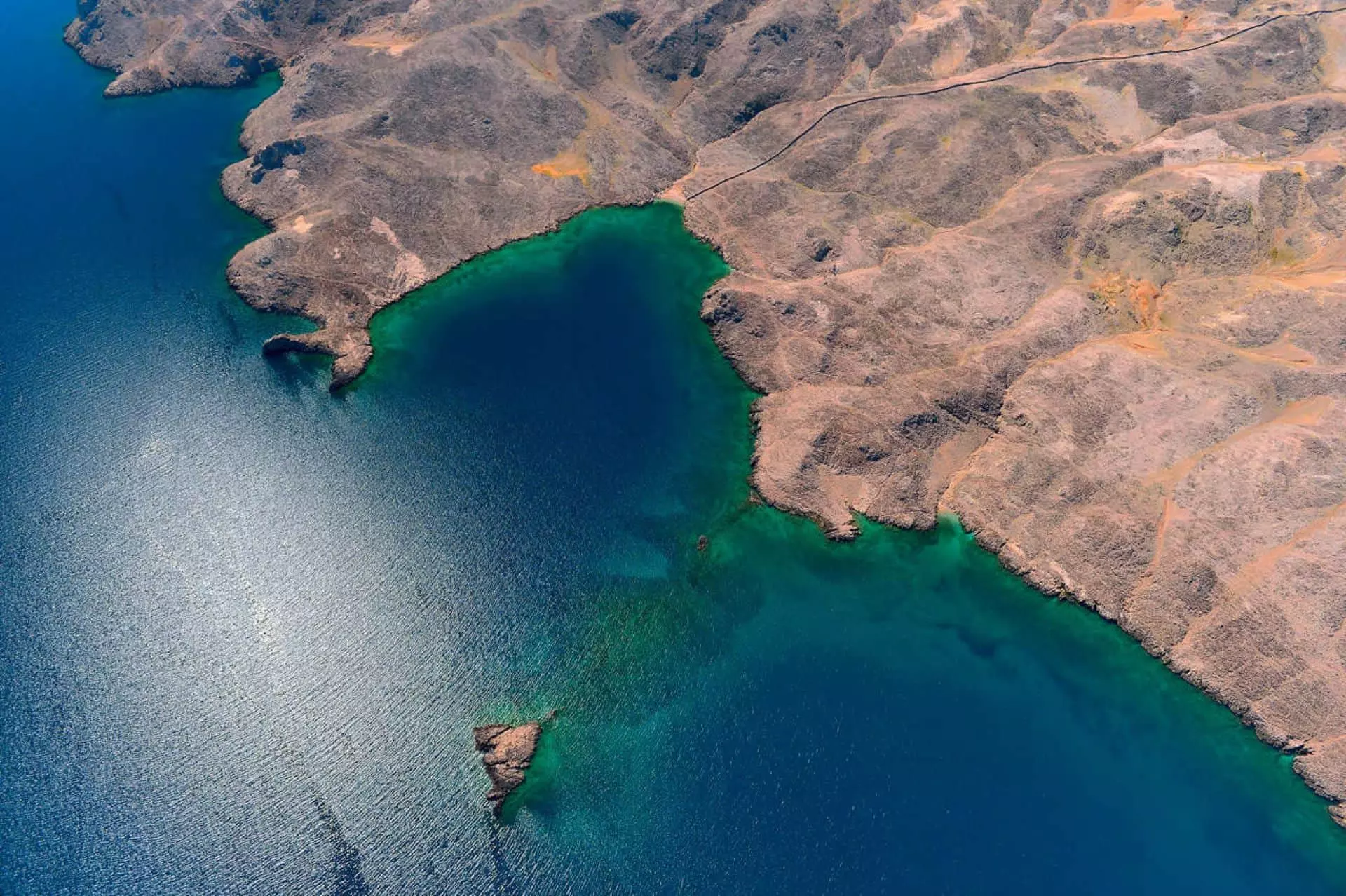
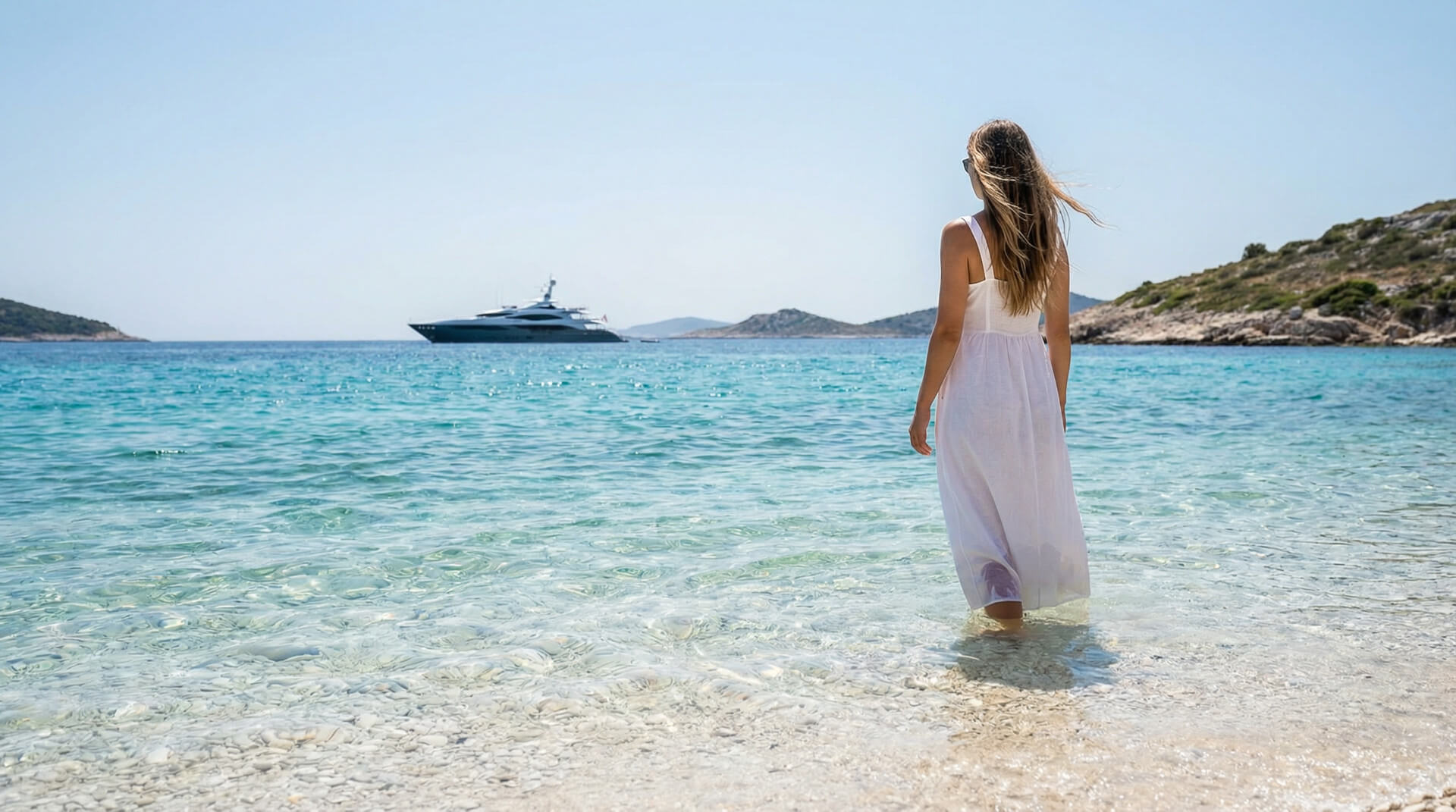
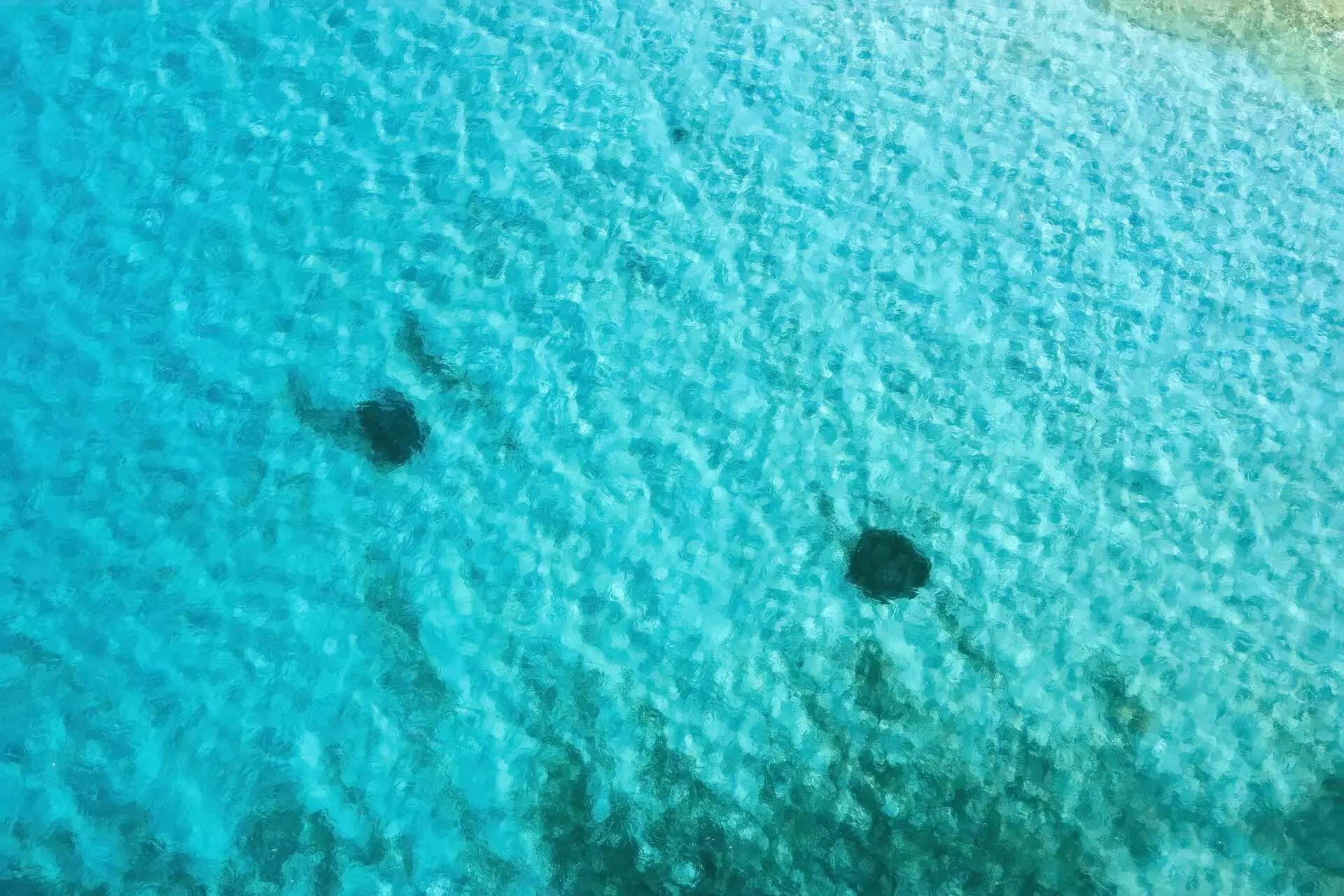
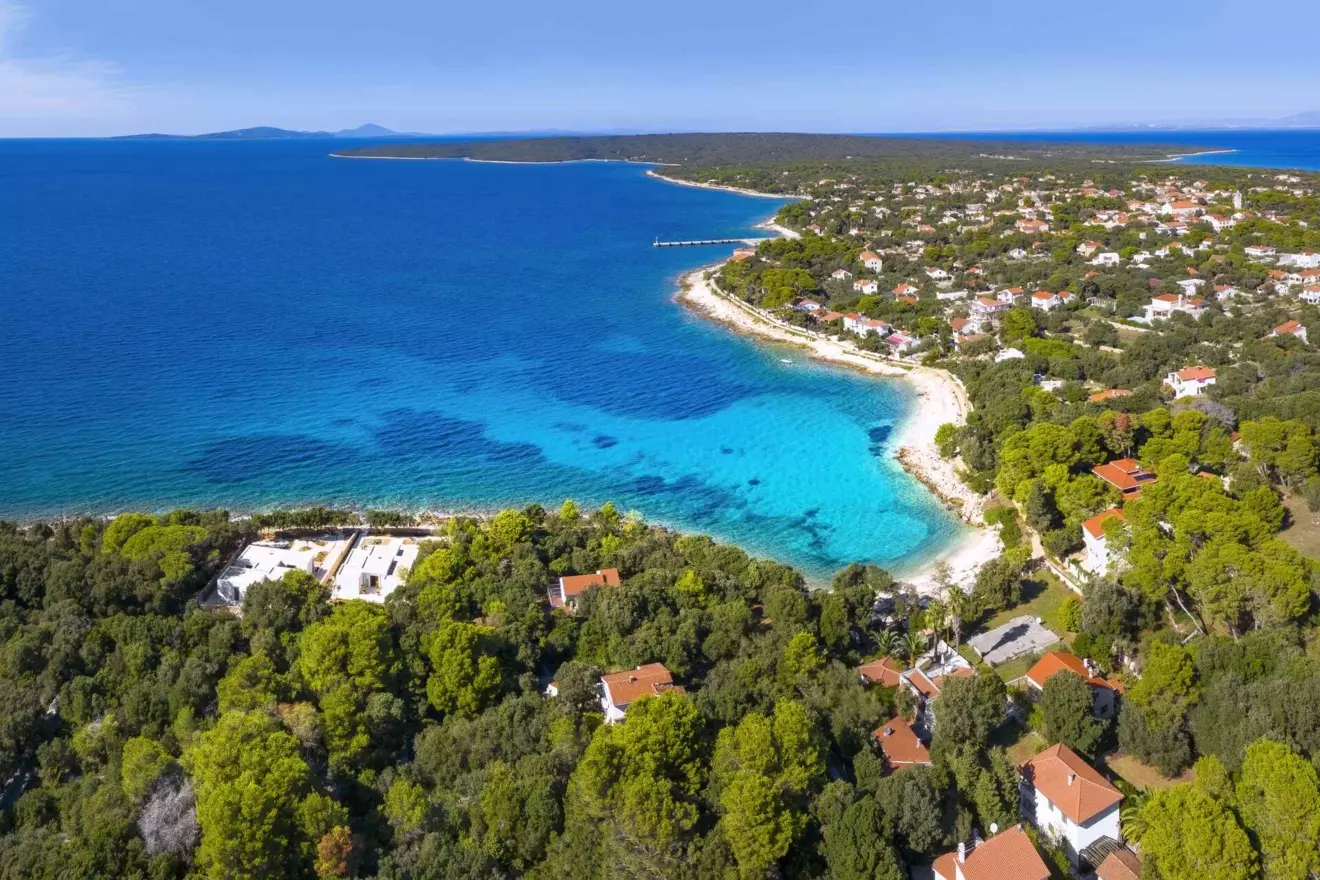
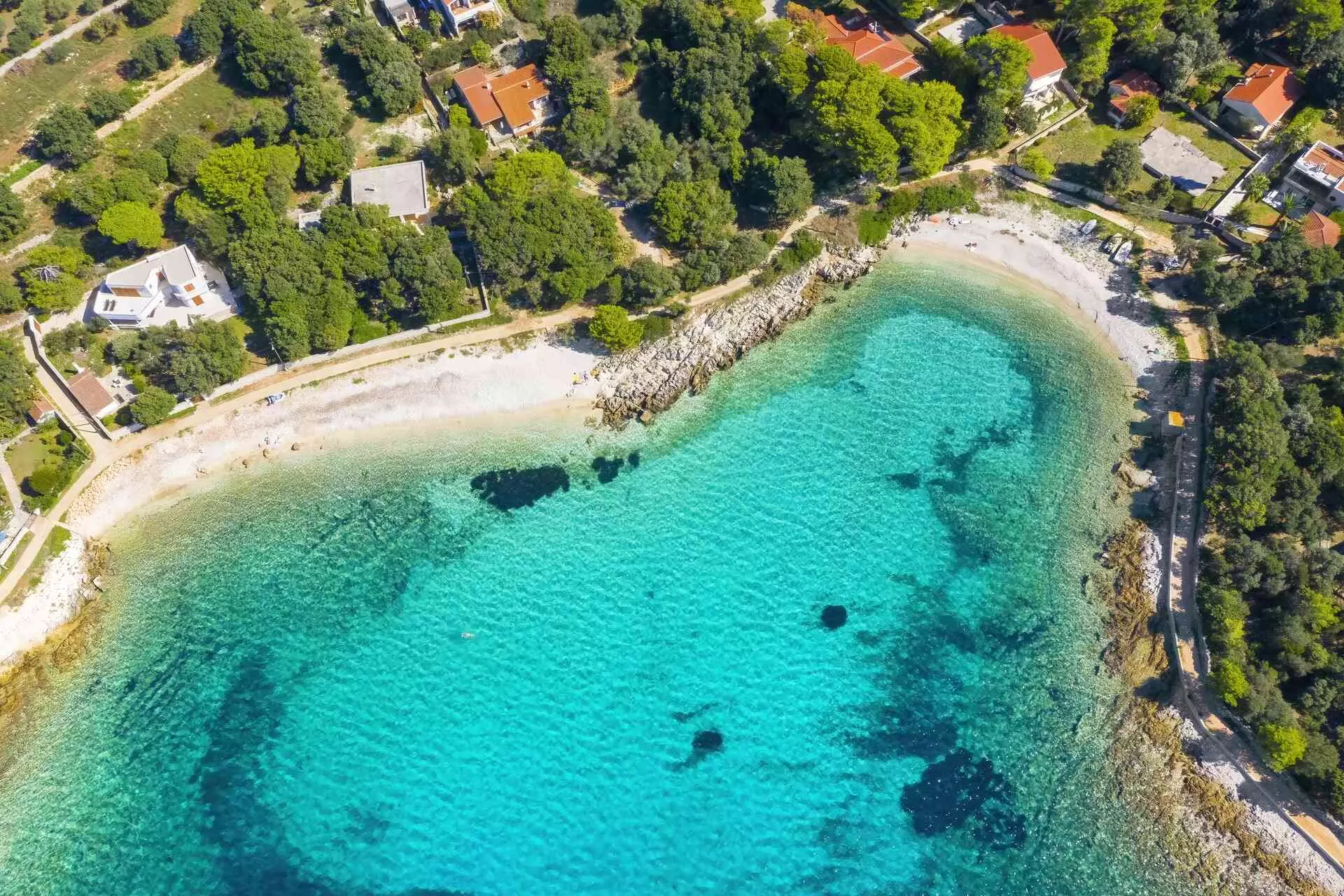
For such a compact island, Silba offers a remarkable variety of natural scenery. Its coastline is generously dotted with sandy and pebble beaches as well as secluded coves, making it an ideal destination for swimmers, sunbathers, and anyone who simply wants to find a quiet stretch of shore and stay there for the afternoon. The beaches are among the finest in the Zadar archipelago and remain relatively uncrowded compared to more commercialized Croatian destinations.
Beyond the shoreline, the island's untouched northern and southern interiors are blanketed with holm oak woodland. These areas provide ideal terrain for walkers and hiking enthusiasts who want to explore beyond the waterfront. Trails wind through the shade of the trees and lead toward hidden corners of the island that reward the curious traveler. The island's highest point, Varh, rises to 83 meters above sea level and can be reached via a road from the quiet bay of Papranica, located roughly a mile north of the main town.
The Toreta tower and the heart of the island
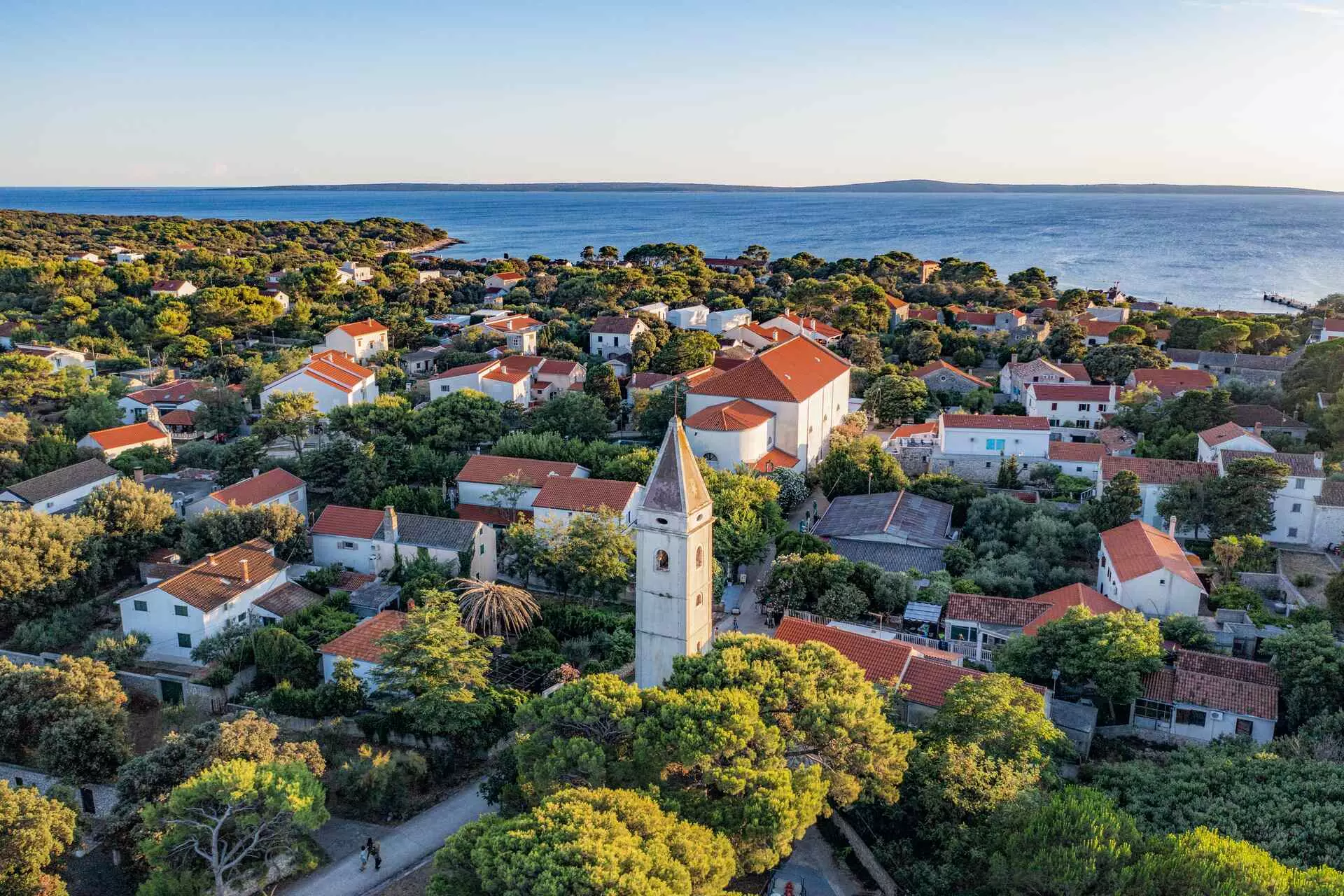
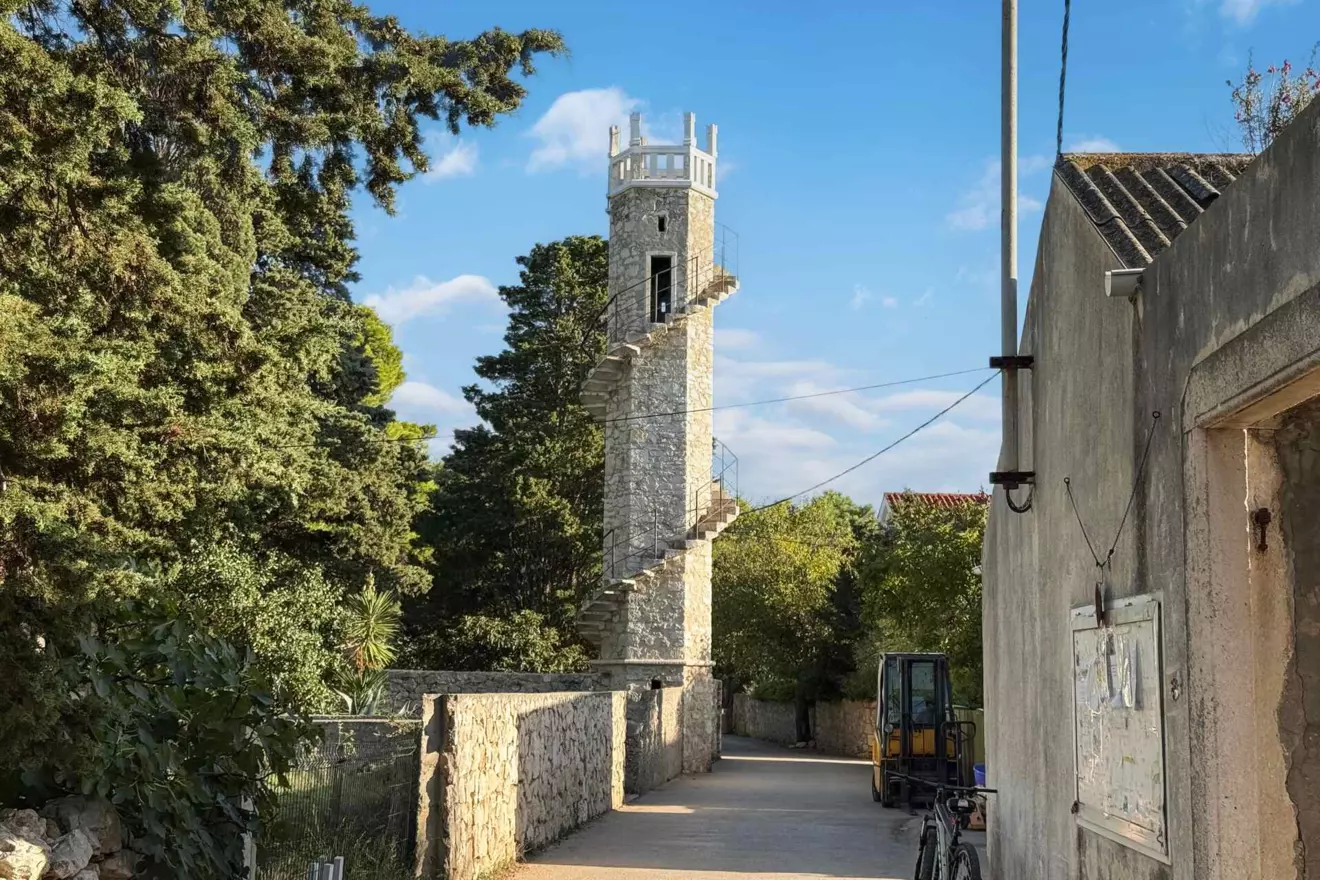
Silba's most iconic landmark is the Toreta Tower, an unusual historical structure that has lent its name to the central part of the settlement. This central area descends toward both the eastern and western coastlines, giving it a natural crossroads quality that has made it the social and geographical heart of the island for centuries. The tower stands as a striking reminder of the island's layered past and remains one of the most photographed sights in the area.
A history shaped by the sea
Silba's history stretches back at least to the 8th century, when it was already part of the territory of Zadar, the major Dalmatian city located around 30 nautical miles to the southeast. Its position in the northern Adriatic made it a natural and strategically significant waypoint for maritime traffic heading toward Zadar, which was at that time one of the most important cities in the Adriatic. Some have called Silba the "gate of Dalmatia" precisely because of this geographical role, a threshold between the open Adriatic and the Dalmatian coast.
This prominence, however, came with risks. The island's location made it a frequent target for pirate raids, and its inhabitants responded by constructing defensive towers and small watchtowers in nearby bays, including those at Papranica and Sv. Ante. Today, only the remains of one such defensive structure survive, but they serve as tangible evidence of a community that had to be resourceful and resilient in the face of maritime threats.
Self-governance and island pride
By the mid-19th century, Silba's fortunes had changed significantly. The island had become closely associated with a seafaring elite since its captains and shipowners were well known and respected throughout the region. In a remarkable act of collective agency, the island's inhabitants purchased the island themselves around this time, becoming the masters of their own land. This sense of ownership and independence has arguably shaped the island's character ever since, fostering a community that takes pride in its heritage and is deeply attached to its way of life.
A car-free island with a unique rhythm
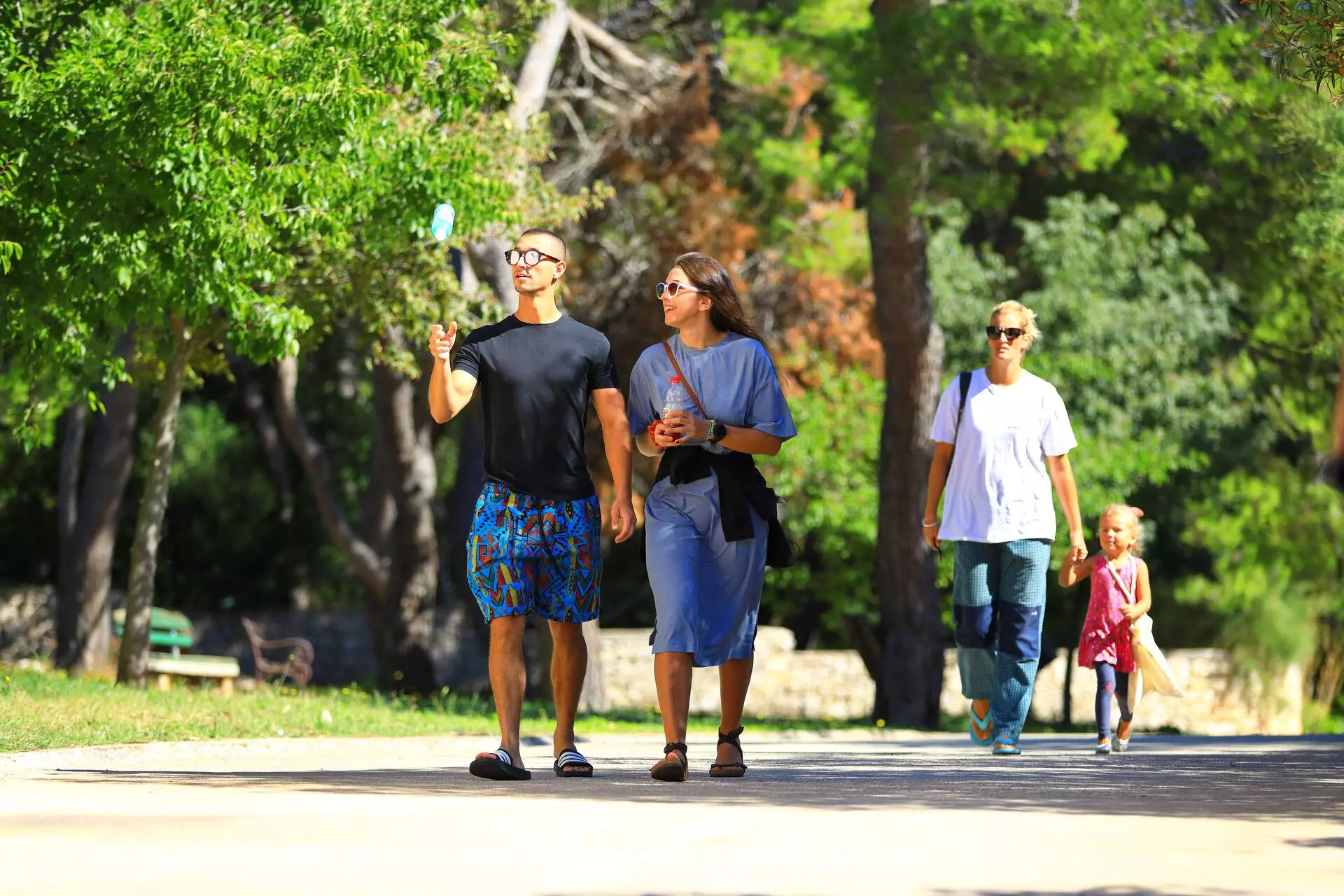
One of the first and most immediately striking things about Silba is the complete absence of cars. There are none on the island, and visitors quickly realize that this single fact transforms the entire atmosphere. Streets are quiet, the air is clean, and the pace of life slows to something more human and unhurried. In their place, tractors serve as the primary means of transportation, a sight that feels both anachronistic and thoroughly charming in the 21st century, and one that has itself become something of a local attraction.
There is also no hotel on Silba, which means the island has been largely spared the kind of large-scale tourist infrastructure that can overwhelm smaller destinations. Accommodation is available in private houses and apartments, reinforcing the sense that Silba remains, at its core, a place where people actually live rather than a resort constructed for visitors.
The bohemian legacy of the 1970s
Silba has long been a magnet for creative souls, and its artistic identity has roots that stretch back to the 1970s. During that decade, the island was discovered by a free-spirited community of artists, often nude, along with notable musicians, who established an informal camp among the pine trees. They were drawn by the island's tranquility, its rarely beautiful beaches, and a sense of freedom that was hard to find elsewhere. This bohemian chapter left a lasting imprint on Silba's identity.
That creative energy never entirely dissipated. The spirit of those early artist communities has survived into the 21st century, evolving into something more organized but no less committed to the island's cultural vitality.
Sea, Silba, environment, art
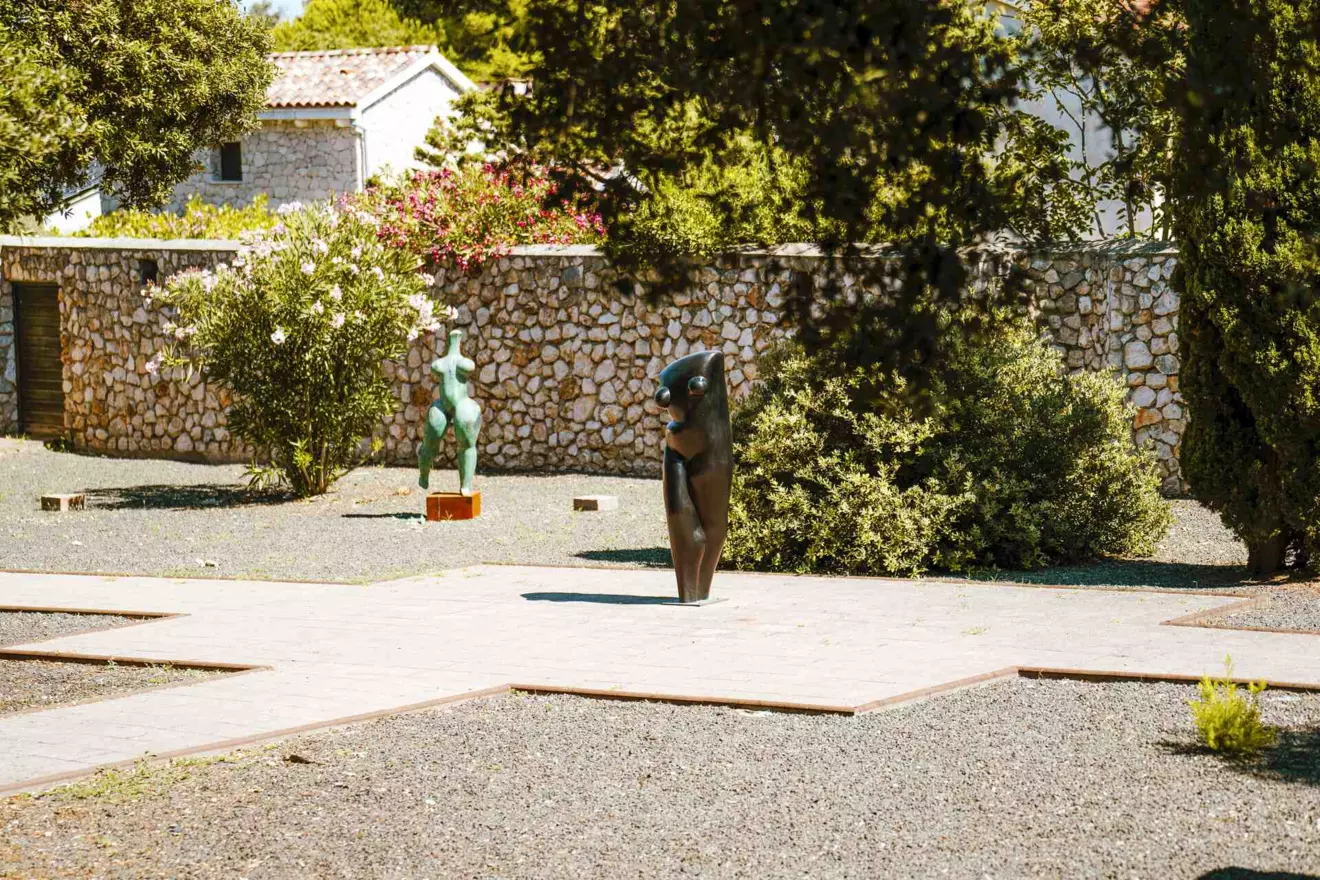
Today, the cultural pulse of the island beats most strongly through a platform called Sea Silba Environment Art, an initiative that is both artistic and activist in nature. Led by artist Natasha Kadin, the platform is dedicated to improving the quality of life on Silba through a range of cultural events such as concerts, exhibitions, performances, and environmental actions that bring energy and meaning to the summer months. Kadin's work represents a conscious effort to ensure that the island's creative legacy is not merely a memory but a living, evolving part of its present-day identity.
Sailing and anchorages
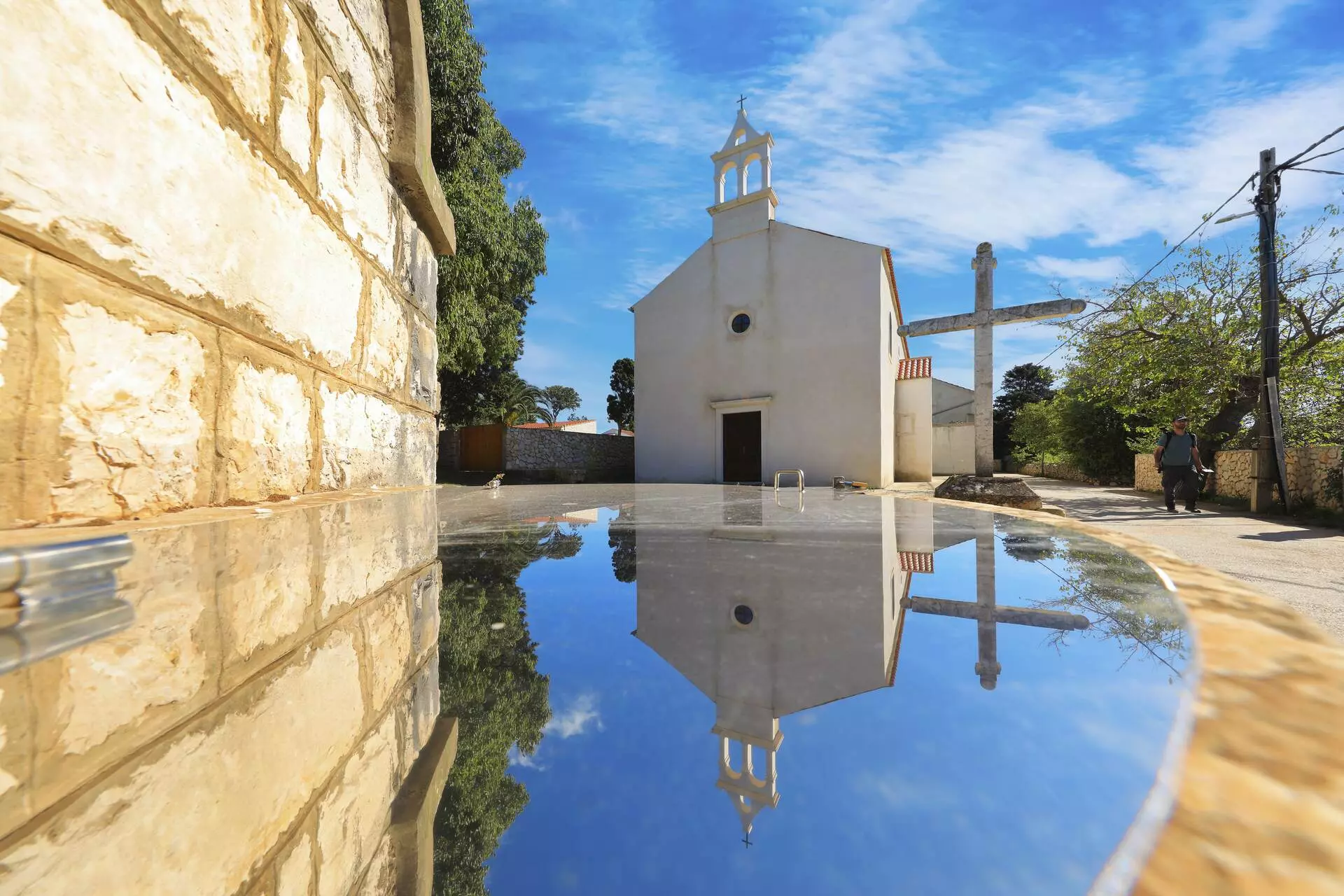
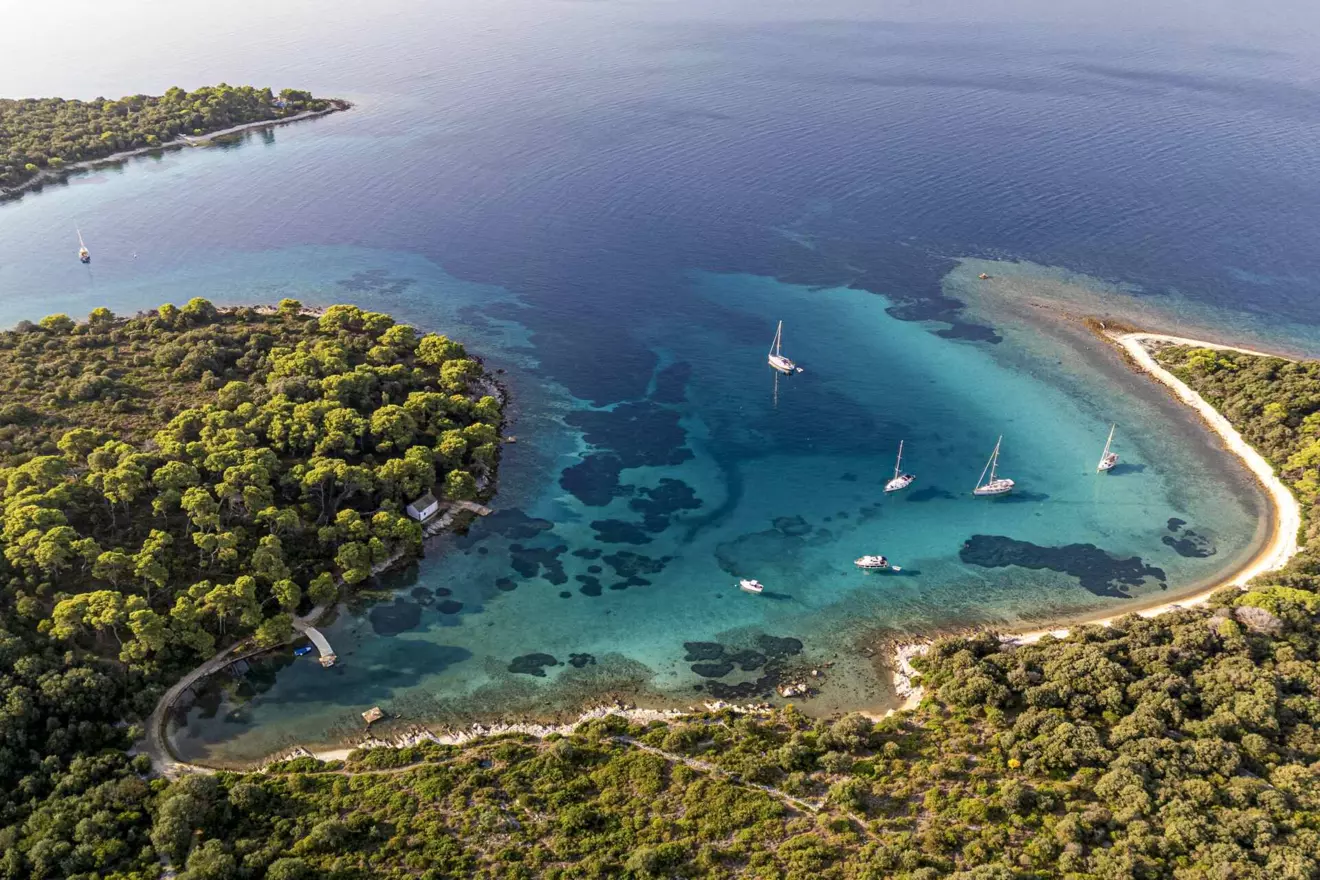
For sailors, Silba offers a range of anchorages and mooring options that cater to different preferences and vessel sizes. One of the most popular is the bay of Sv. Ante, situated in the southwest of the island. This spacious bay offers 20 buoys and is well protected from northerly and northwesterly winds such as tramuntana and mistral. Within the bay, a chapel shares its name with the anchorage, while to the east a lovely sandy beach invites swimmers ashore. During the peak summer season, Sv. Ante can become quite busy given its popularity, so arriving early is advisable.
Further south lies the bay of Južni Porat (South Port), which offers eight buoys and is well sheltered from winds blowing from the north and east, making it a reliable option when conditions are unsettled from those directions.
Navigational advice for visitors of Silba
Those approaching Silba should be mindful of a few navigational considerations. When covering longer distances, it is important to steer clear of the shallow northwestern point of the island and to watch carefully for a reef off the southwestern point. For these reasons, mooring to one of the available buoys is generally preferable to free anchoring. Those who do prefer to anchor should note that depths in certain areas range from five to fifteen meters, and the seabed does not provide particularly reliable holding in some spots.
Papranica and onshore facilities
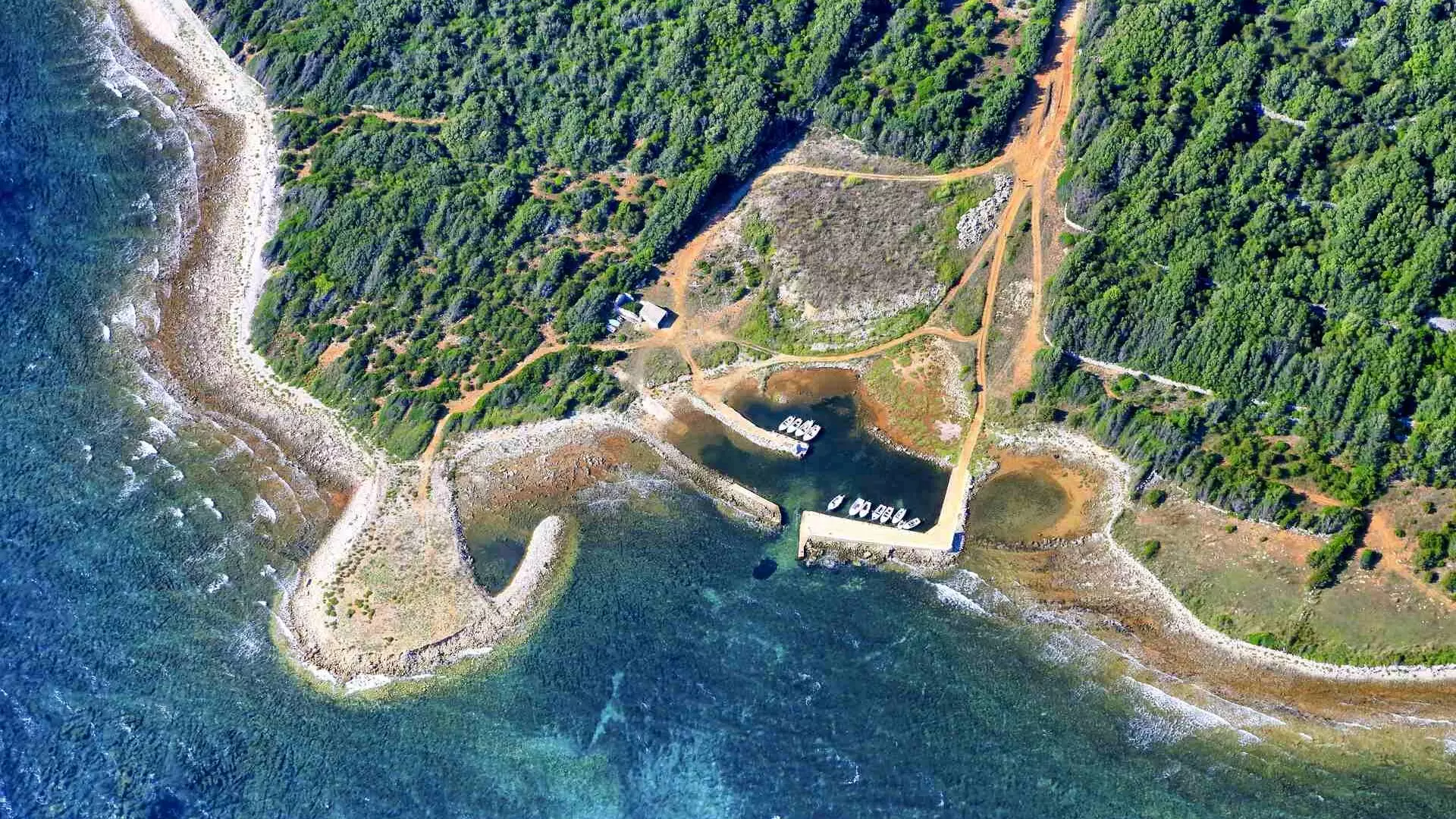
The sheltered bay of Papranica, located about a mile north of the main settlement, offers another anchoring option with ten buoys available. It provides access to a small port on the eastern side of the bay, and the seabed here is sandy. However, this anchorage is not considered safe in southerly winds. From Papranica, a road leads inland and uphill to Varh, the island's highest peak, a worthwhile detour for those who want to take in a panoramic view of the surrounding sea.
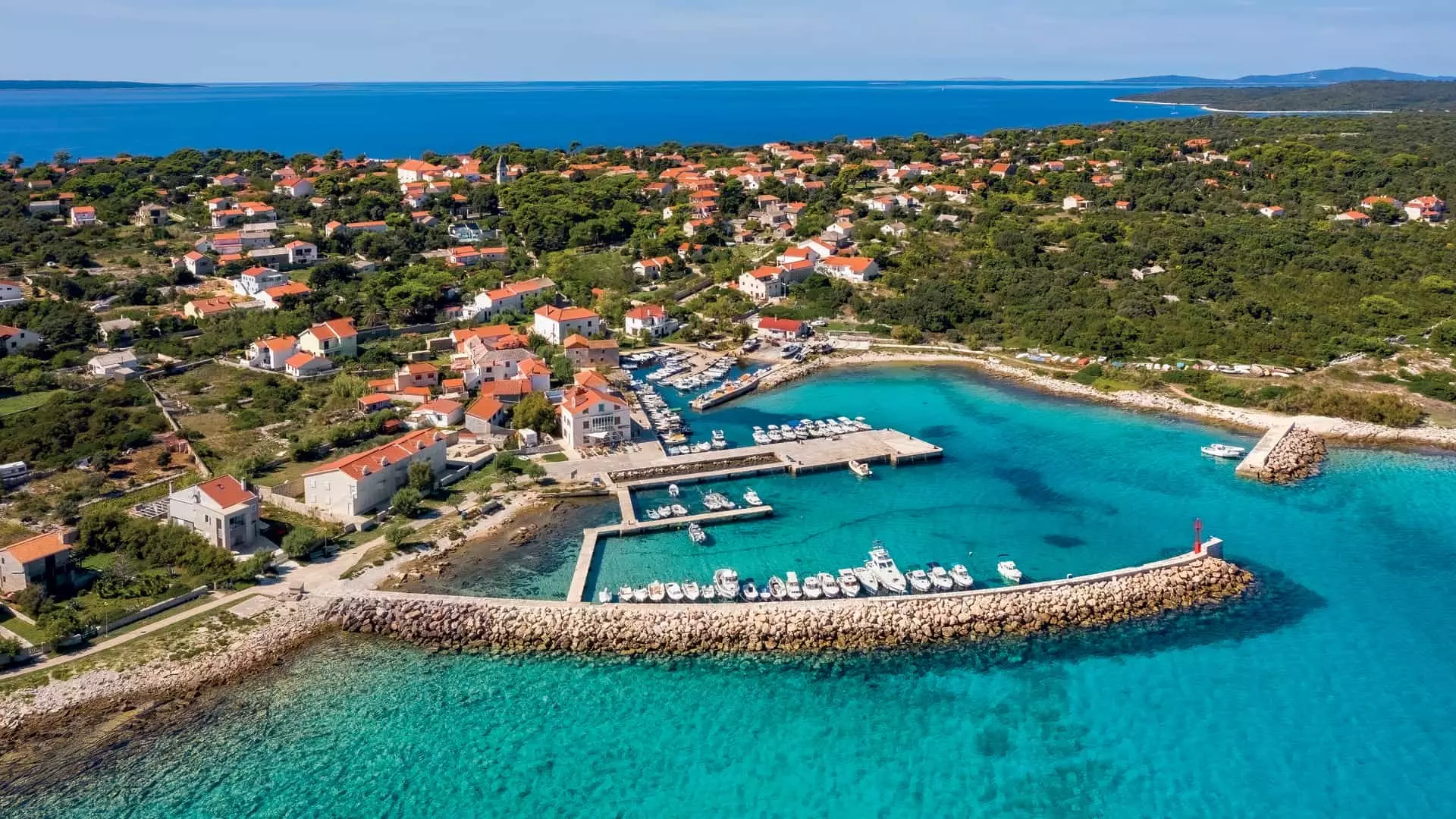
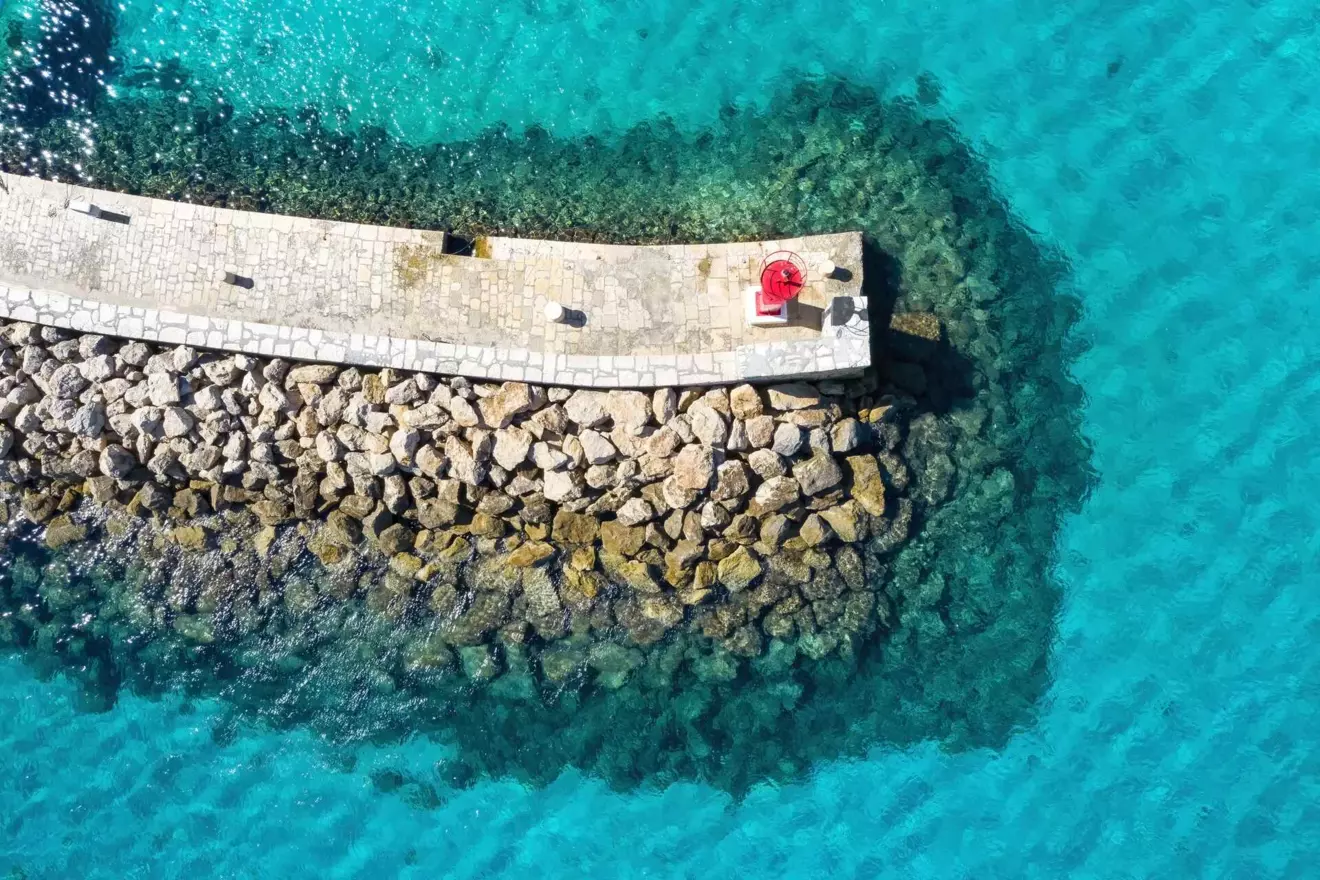
On the waterfront in the main settlement, approximately thirty moorings are equipped with water and electricity connections and fall under the jurisdiction of the County Port Authority. The pier in the main port (Žalić) also serves visiting vessels, and the Harbor Master's Office maintains a presence on the island. Additionally, a small landing stage belonging to the local fishing and boating club ŠRD Galeb is available.
For sailors in need of fuel, the nearest gas stations are located on the island of Lošinj (at Mali Lošinj and Nerezine), as well as in Novalja on the island of Pag and in Zadar on the mainland.
Waterfront restaurants and island cuisine
Silba's dining scene is modest but genuine, rooted firmly in the traditions of Dalmatian island cooking. On the waterfront, the Silba tavern greets visitors with an interior adorned with nautical flags, each one carrying its own maritime story and contributing to the atmosphere of a place where the sea is never far from conversation. Nearby, restaurants offers a similar approach to food, classic island cuisine prepared with straightforward skill and without pretension. Fine dining, as one might find in a city restaurant, would feel out of place on Silba, and neither establishment tries to be something it is not.
Tavern Alavija: The soul of the island
If there is one place that captures the essence of Silba's relaxed, welcoming character, it is the tavern Alavija. Beloved by both locals and returning visitors, Alavija has earned its reputation as the most convivial spot on the island. Whether you find yourself there waiting for a ferry, looking for somewhere to sit before heading to the beach, or simply lured in by the aroma of Dalmatian pašticada or freshly grilled fish, the tavern delivers on every level. Its greatest asset may be its view, an unobstructed panorama of the open sea, perfectly framed for watching the sun descend toward the horizon in the long Adriatic evenings.
Useful information for visitors
For those planning a visit by sea, the anchorages at Papranica, Sv. Ante, and Južni Porat are managed by the same concessionaire: Filip Granić, reachable at +385 91 639 68 56 or via [email protected]. For technical assistance on board, contact ŠRD Galeb / Bogdan Lazarin at +385 98 46 50 79. The Sea Rescue Service operates on 9155, the Zadar Port Authority Silba branch can be reached at +385 (0)23 370 047, and the Silba Outpatient Clinic is available at +385 (0)23 370 135.
An island that stays with you
There is something about Silba that lodges itself in the memory and refuses to leave quietly. Perhaps it is the sandy beaches and crystalline water, perhaps the silence of a place where no engine noise breaks the morning calm, or perhaps the lingering creative energy that has defined the island since artists first camped beneath its pine trees half a century ago. More likely, it is all of these things together — a combination so particular to this small island that it resists easy description. As the writer Herman Melville once reflected, water and meditation belong to eternity. On the beaches of Silba, that sense of timelessness feels entirely within reach.
Photos Boris Kačan, Fabio Šimićev, Matija Lipar/TZ Zadar, Shutterstock, AdobeStock