
Vespa Turns 80: History Behind Italy's Most Iconic Scooter
Date
Reading time
4 min
Video
2
min


Celebrating its 80th anniversary, Vespa remains one of the world's most recognisable scooters, blending Italian design, engineering, and culture since 1946
Eighty years on, it's hard to look at the Vespa as just a scooter. Long ago, it became part of the history of design, culture and everyday life. Born in post-war Italy in 1946, Vespa celebrates its 80th anniversary this year and remains one of the world's most recognisable scooters.

The history of Vespa: How the icon was born
The story begins on 23 April 1946, when Piaggio filed a patent in Florence for a ‘rational motorcycle with a combined frame, mudguards and bonnet covering the entire mechanical section.’ Behind that dry patent language lay a revolution: engineer Corradino D'Ascanio, a man who disliked motorcycles because they dirtied clothes and were difficult to repair, designed a chainless vehicle with a load-bearing monocoque body, interchangeable wheels and a handlebar-mounted gear selector.
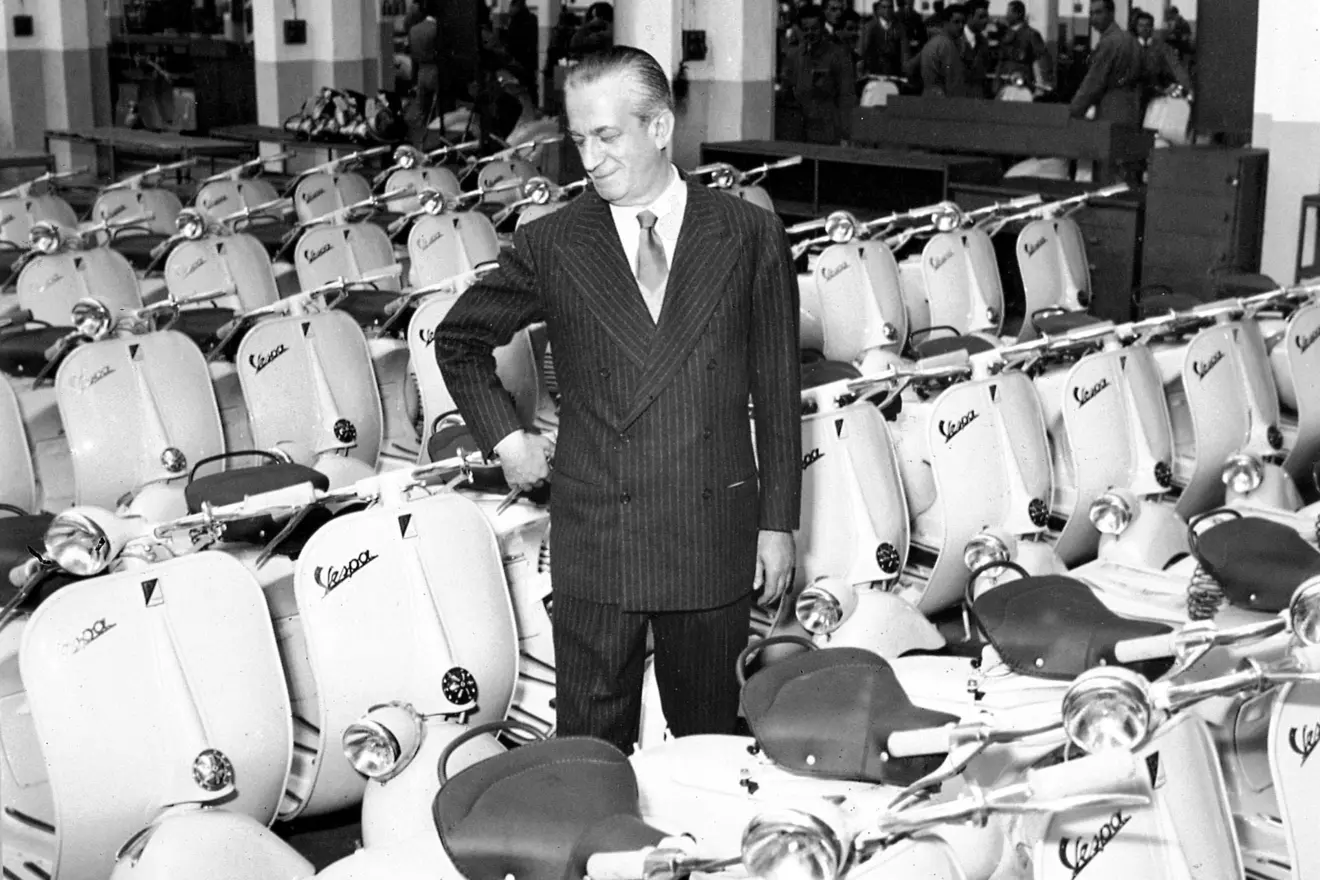
When Enrico Piaggio first laid eyes on the prototype, he remarked that it looked like a wasp vespa in Italian. The name stuck, and so did a design that has remained essentially unchanged in spirit ever since.
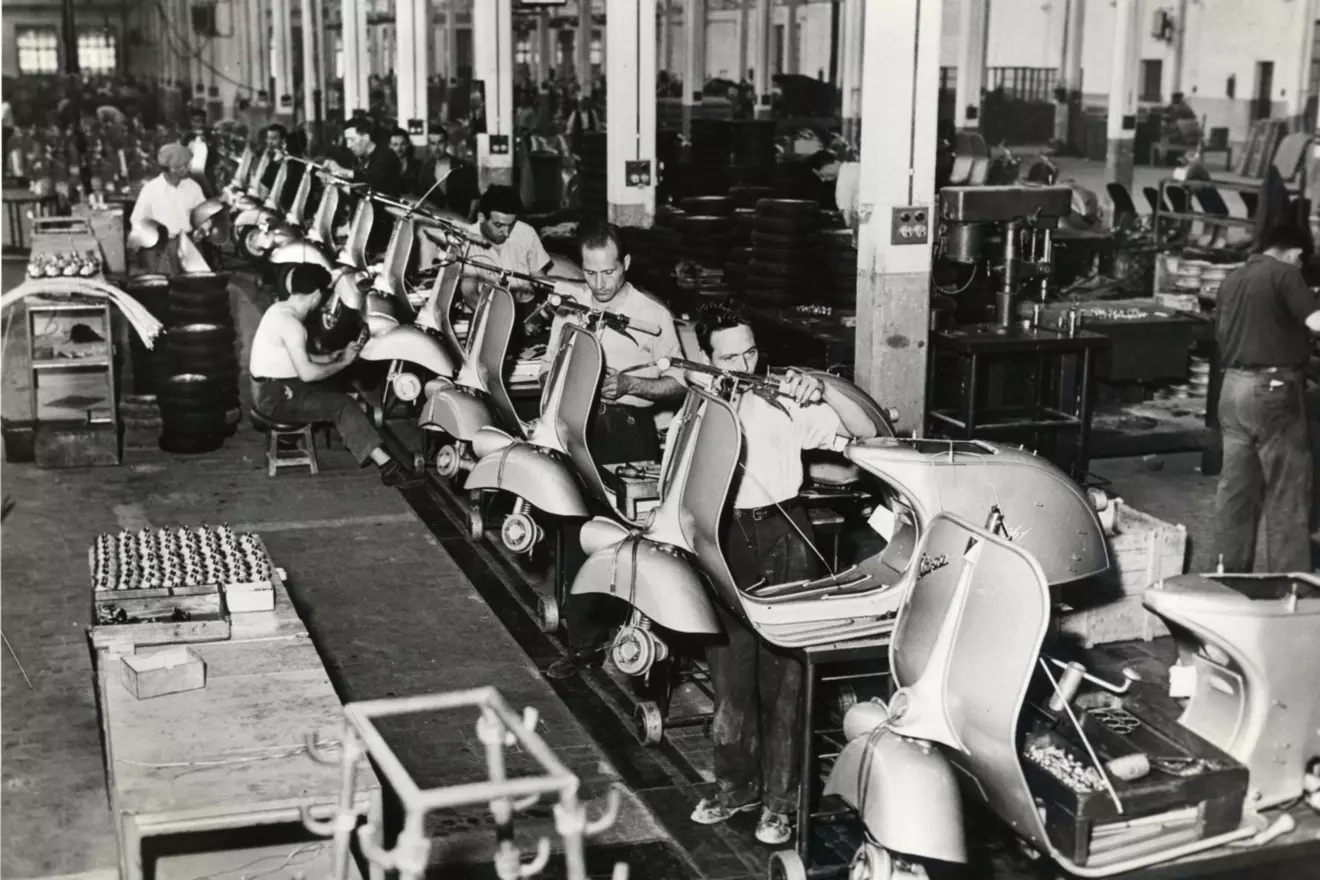
The first production model, the Vespa 98, entered production just as Italy was emerging from the war, hungry for simple and affordable transport. Few could have imagined that this modest scooter would become one of the defining products of Italian industrial design.
Vespa models through the years
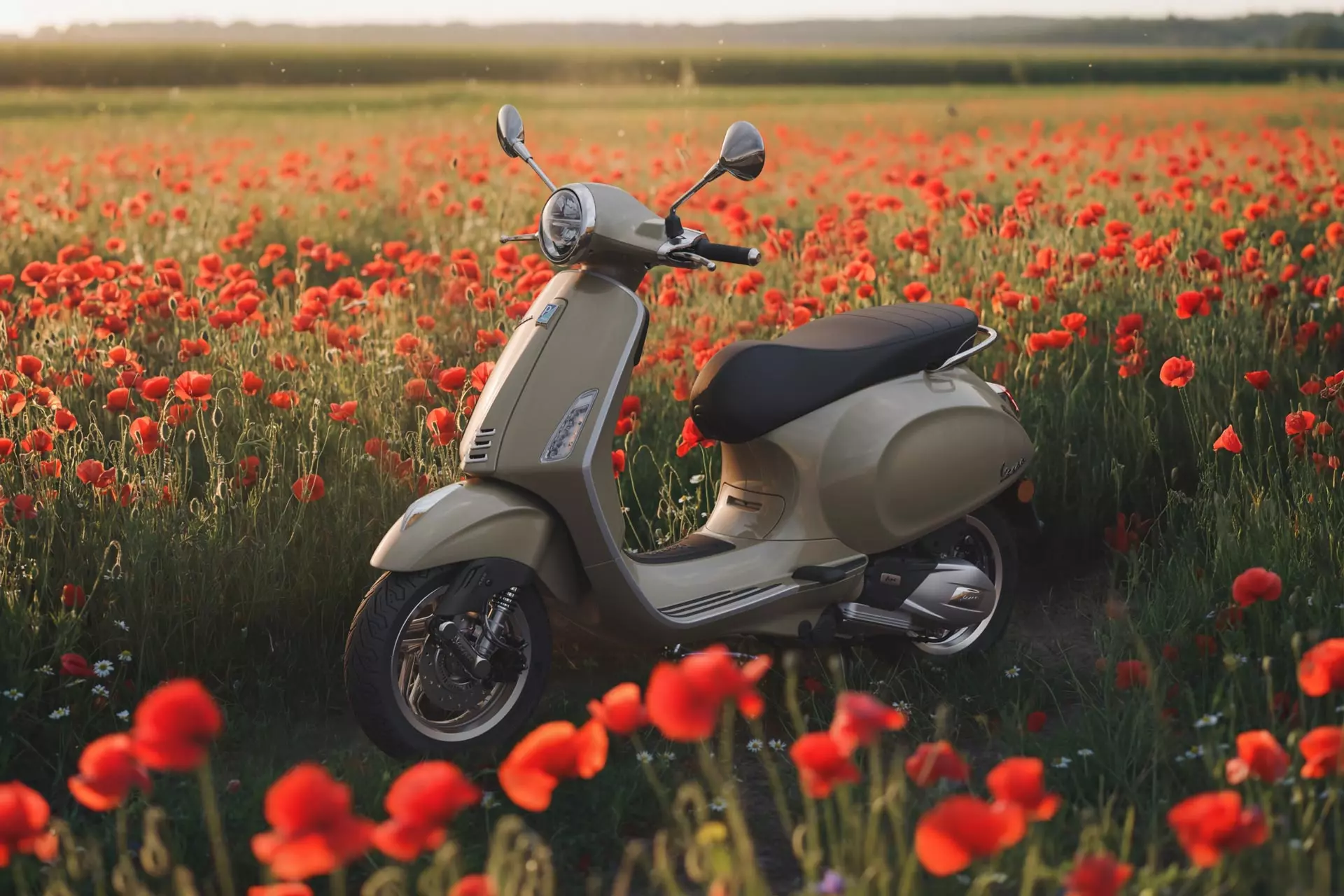
What sets Vespa apart isn't simply its longevity, but its remarkable consistency. Across the decades, it evolved from the rounded faro basso models of the 1950s, through the sporty GS and the legendary PX series of the 1970s, to the boxier PK generation of the 1980s and the automatic ET, LX and GTS models that followed; yet the load-bearing steel body conceived by D'Ascanio in 1946 remains instantly recognisable in every generation.
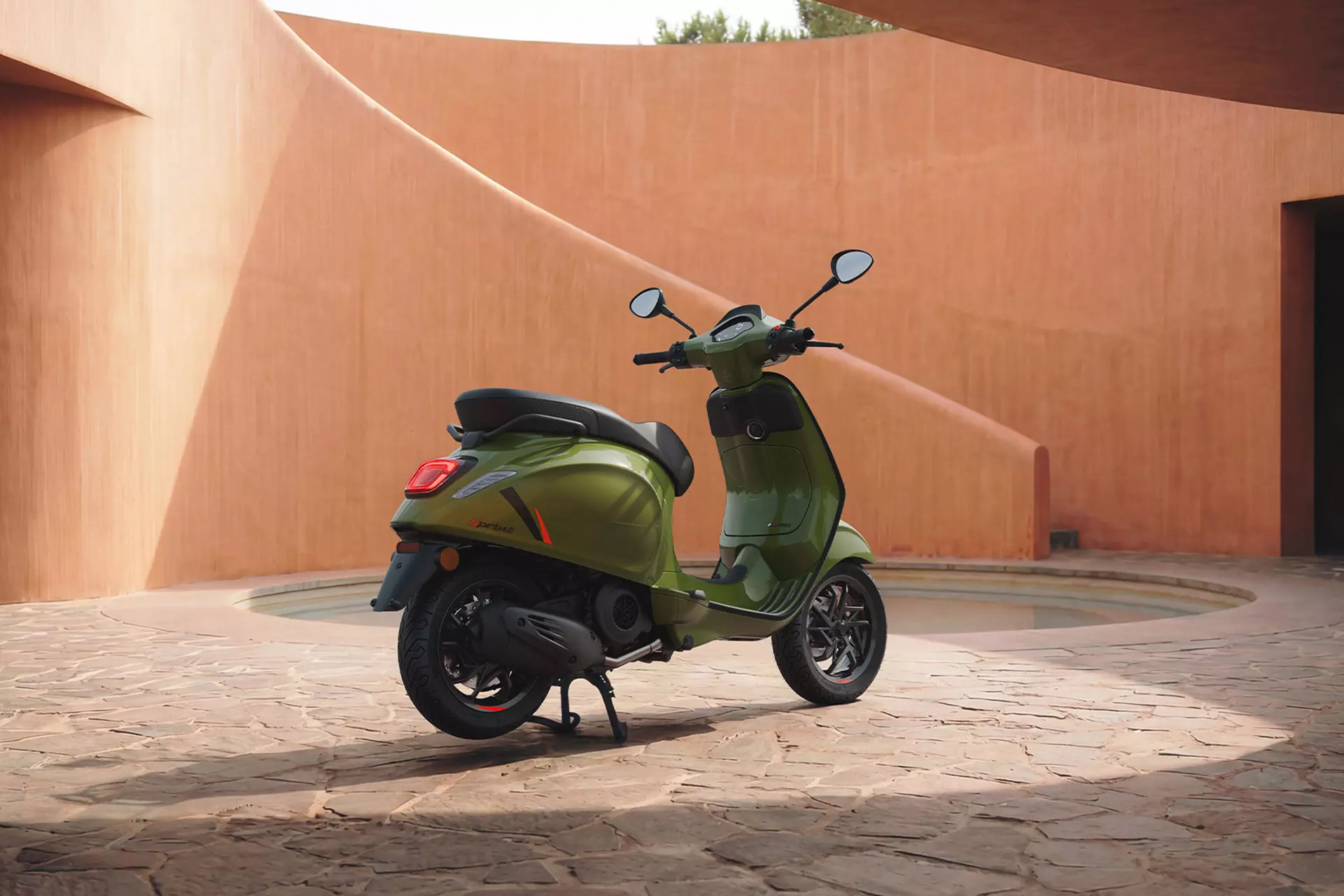
Today, Vespa combines that heritage with modern technology, including LED lighting, connectivity systems, ABS, traction control and even fully electric powertrains for the future of urban mobility. Few products manage to be both a museum exhibit and a contemporary design classic; Vespa is one of them.
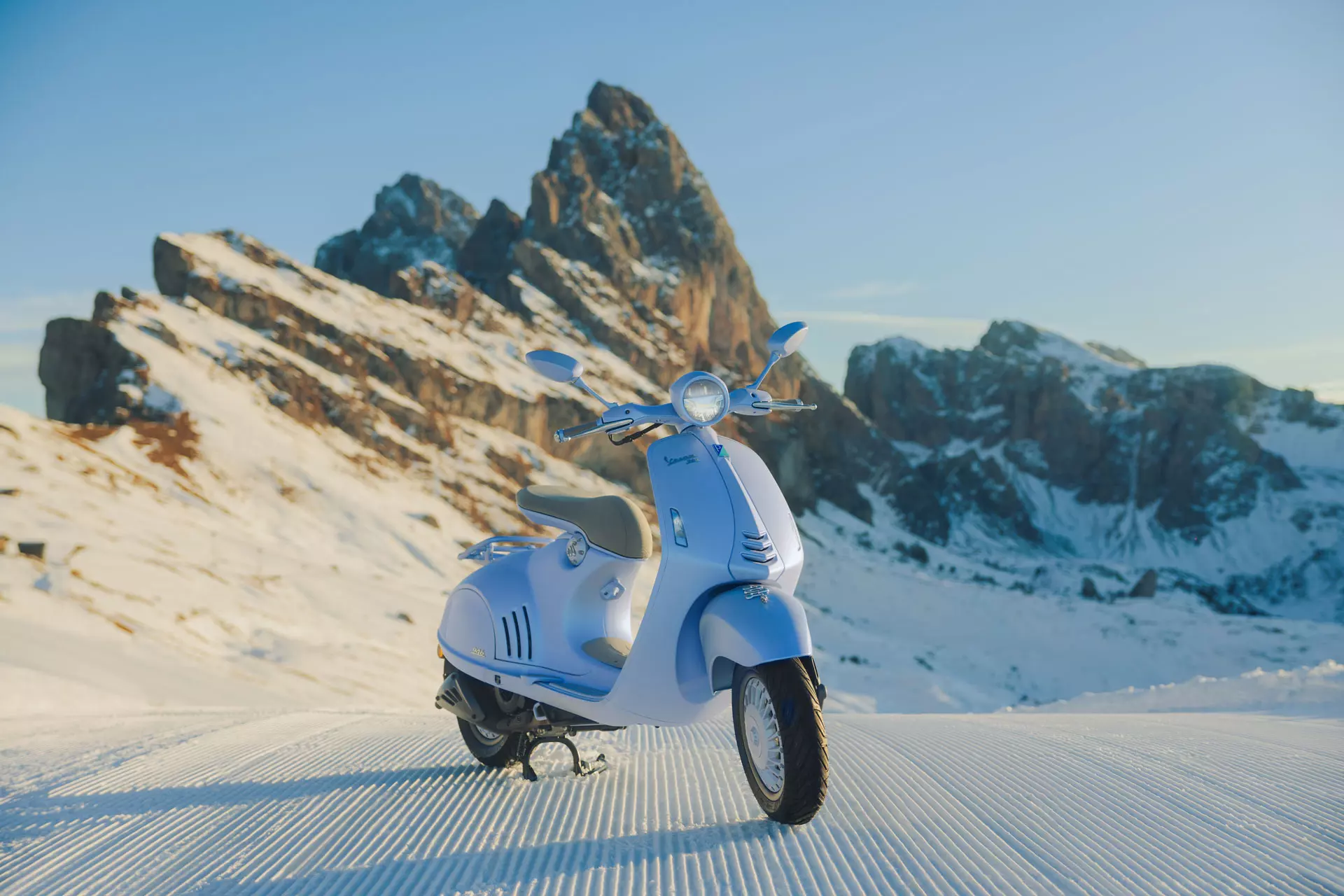
That ability to be both nostalgic and contemporary explains why, in many parts of the world, the name Vespa has become almost synonymous with the word ‘scooter’ itself. Few brands ever achieve that level of cultural recognition.
How Vespa became a cultural icon
Vespa was never simply a means of transport. It became freedom's companion in Roman Holiday, a symbol of Italy's dolce vita, a trusted companion on epic intercontinental journeys, a regular feature on fashion magazine covers and, for generations, a first taste of independence.
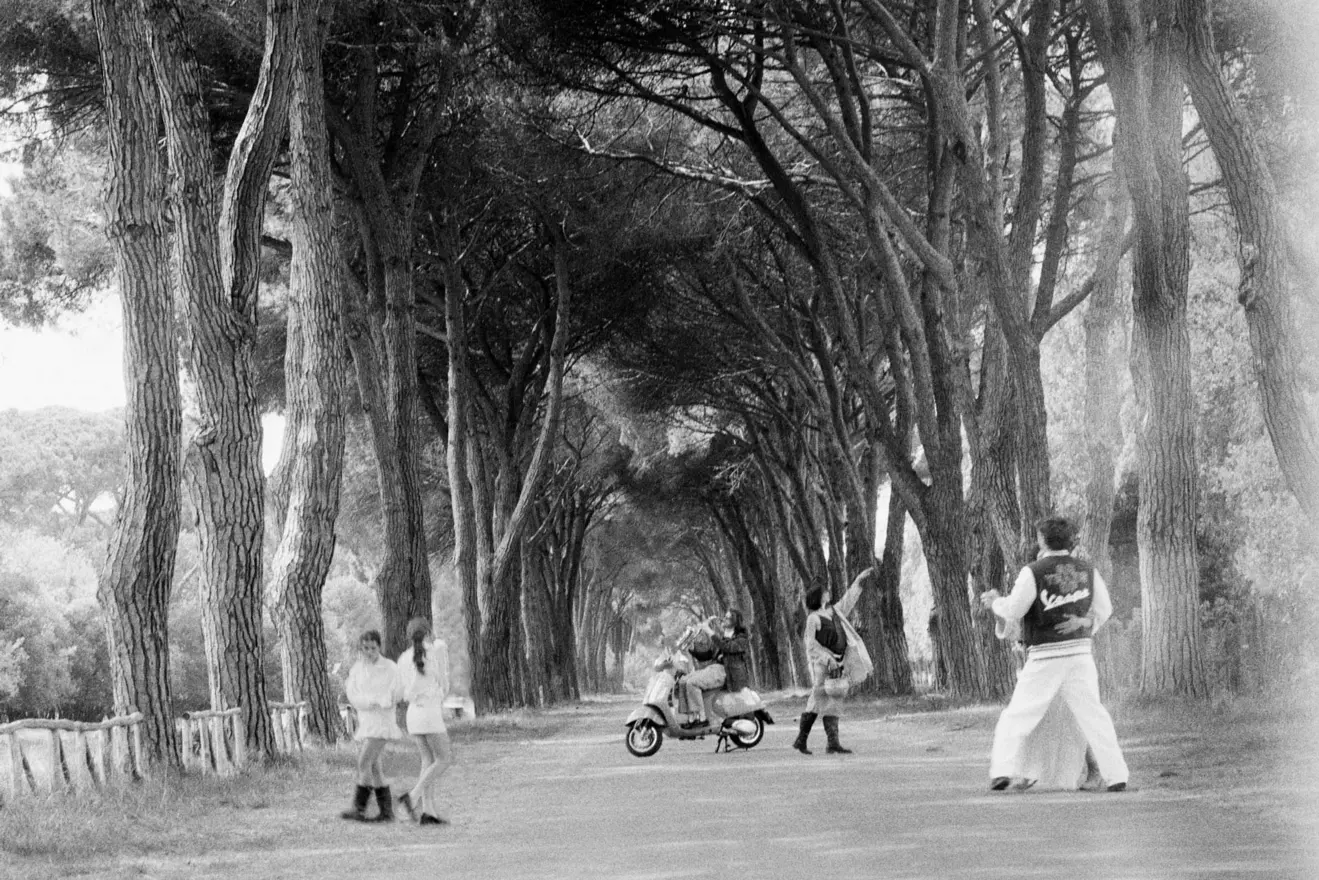
This layered identity was brought into sharp focus this year through 80 Years of an Icon, an exhibition curated by photographer Giacomo Bretzel. Drawing on archival material from Piaggio, Intesa Sanpaolo's Publifoto Archive, the Pirelli Foundation and the Gala-Salvador Dalí Foundation, the exhibition tells the story of Vespa as a reflection of Italian society over eight decades.
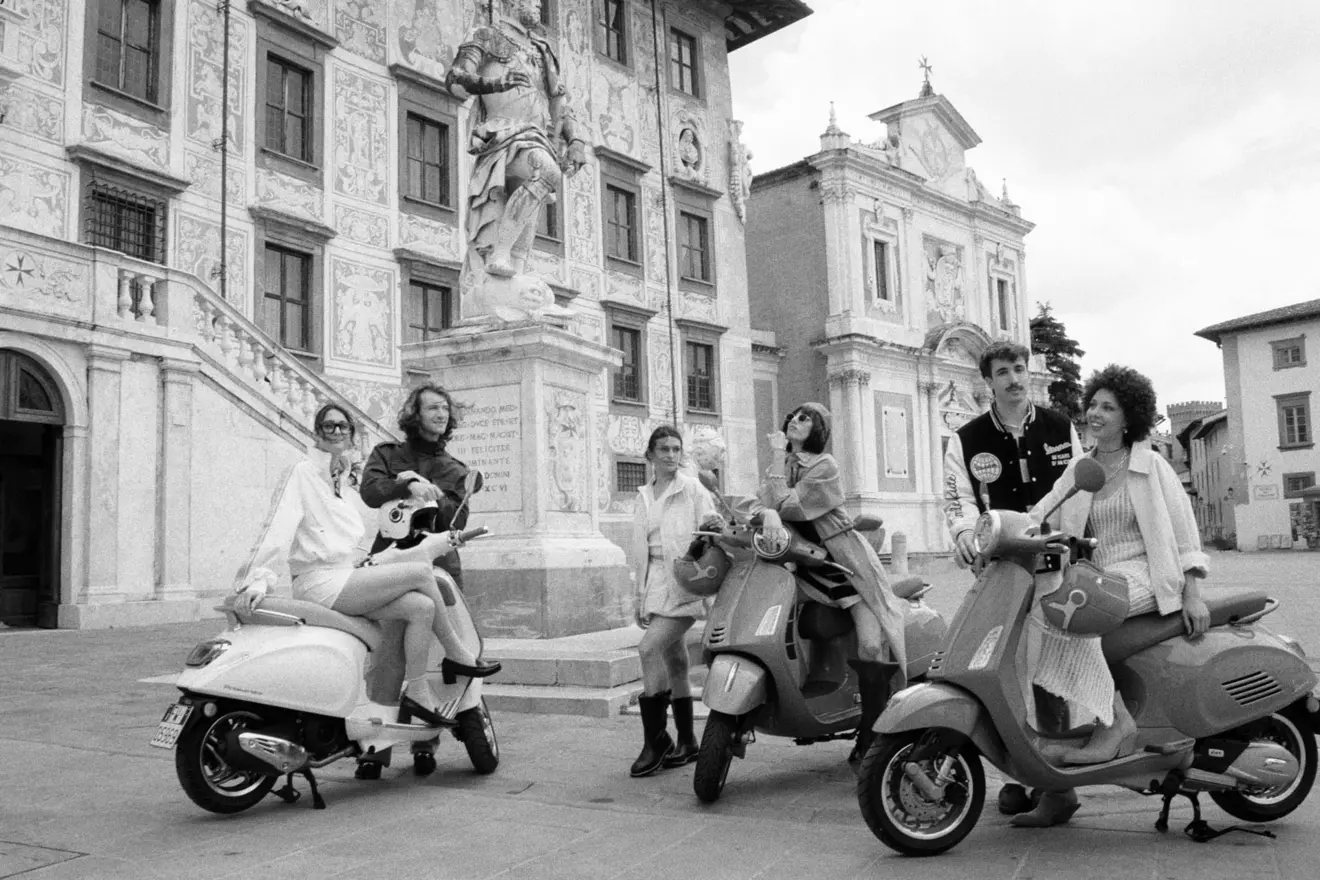
Alongside rare and legendary models from the Piaggio Museum in Pontedera, visitors could also see a Vespa 150 S personally customised and signed by Salvador Dalí, further proof that Vespa has inspired artists as much as engineers and riders.
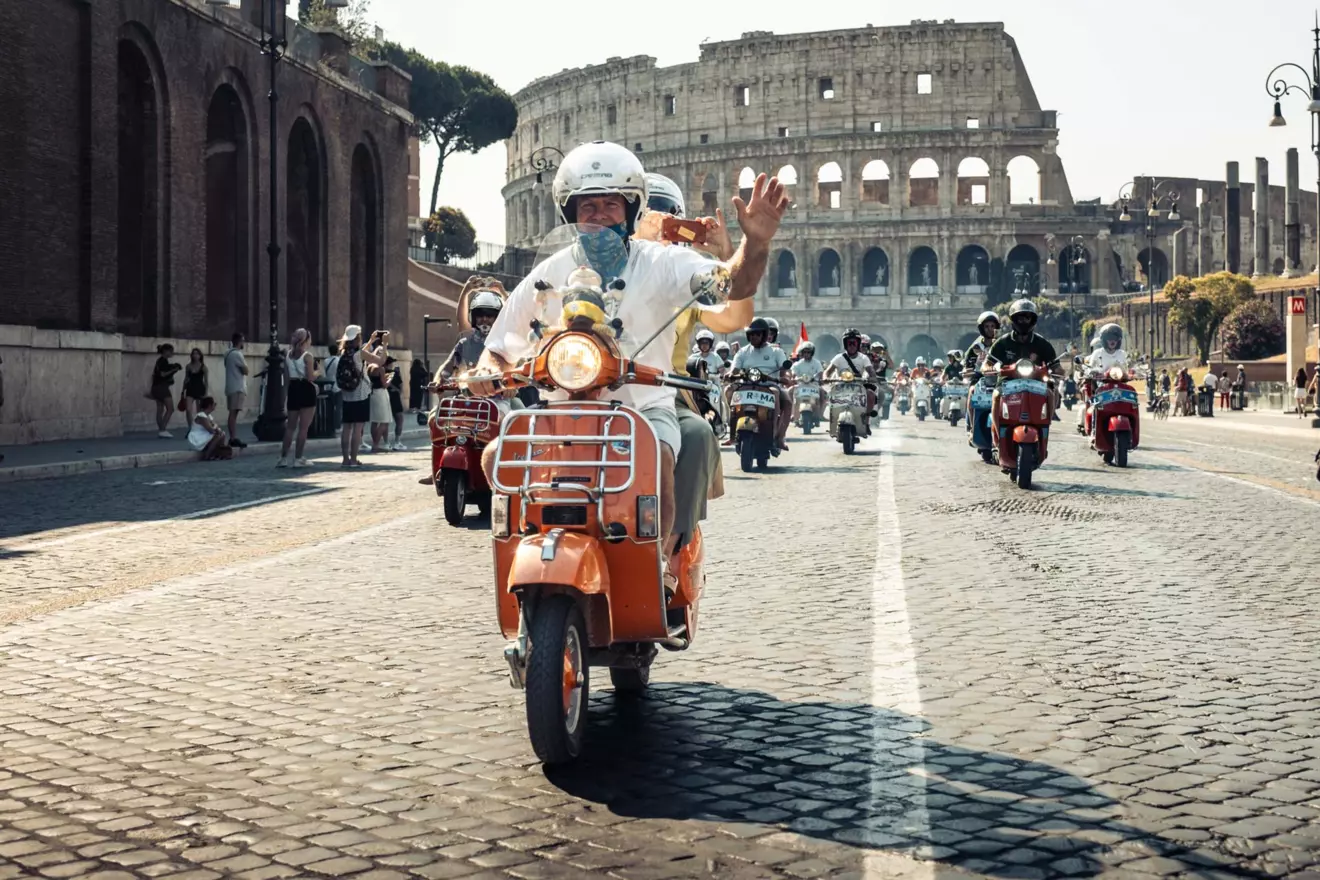
Celebrating Vespa's 80th anniversary in Rome
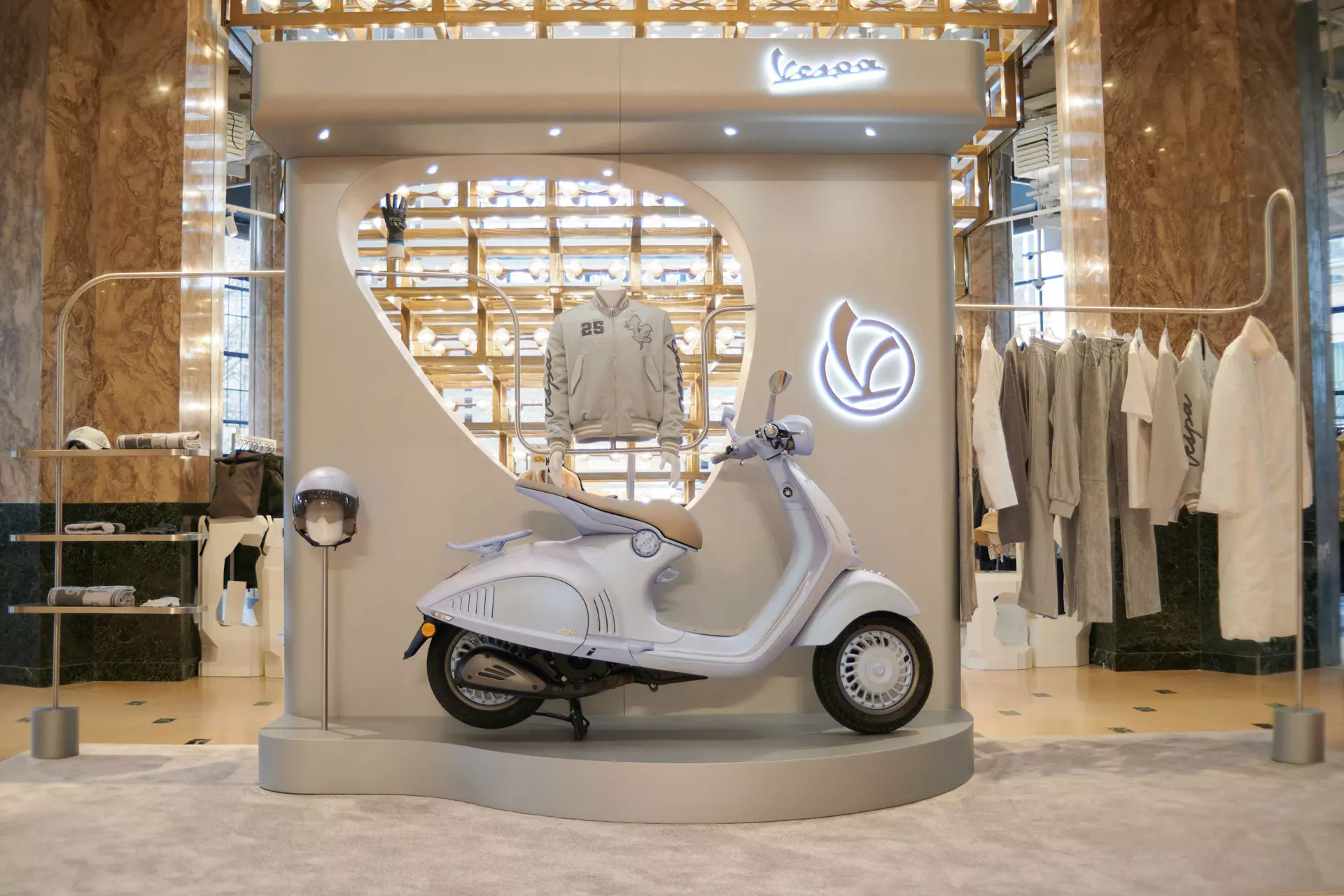
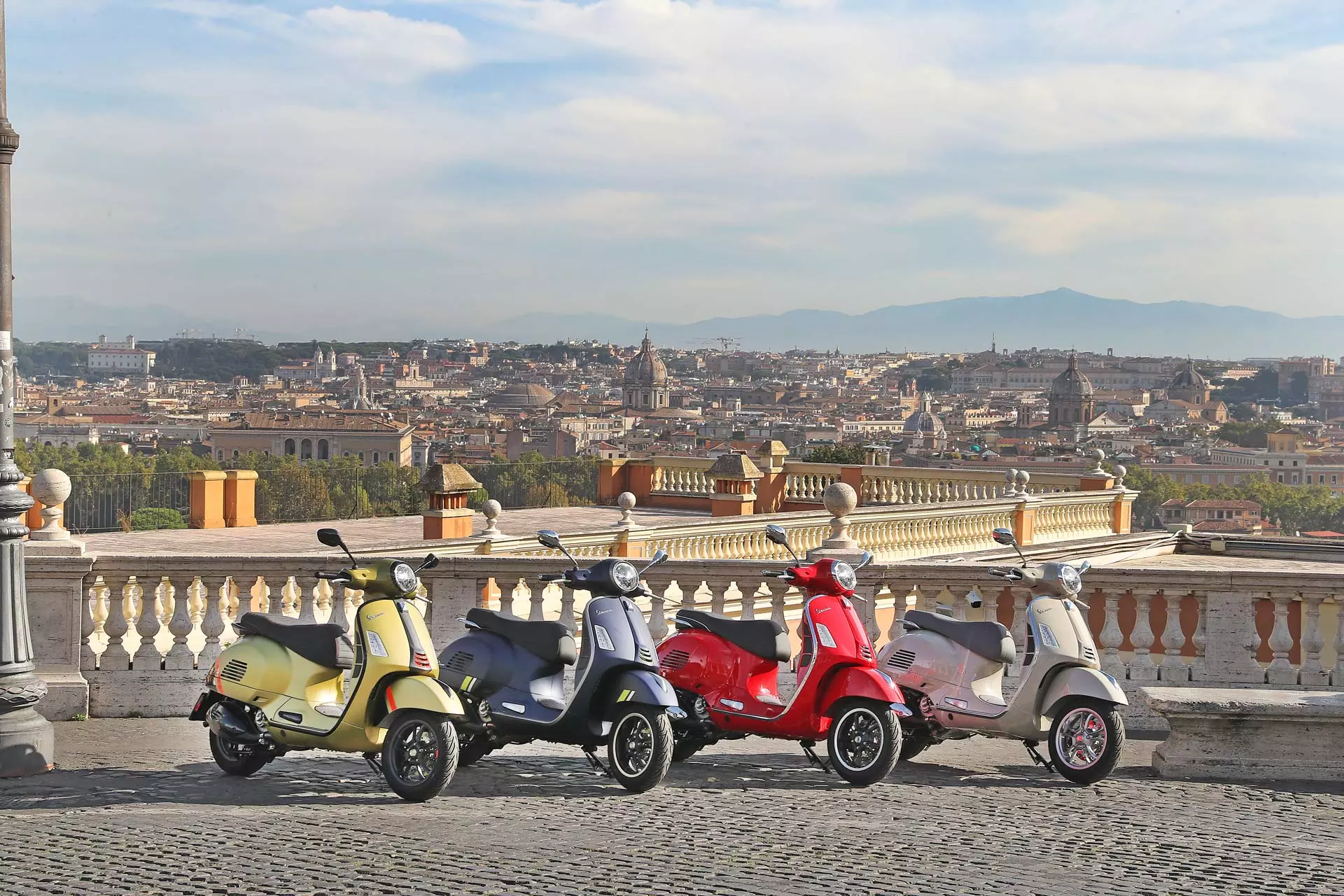
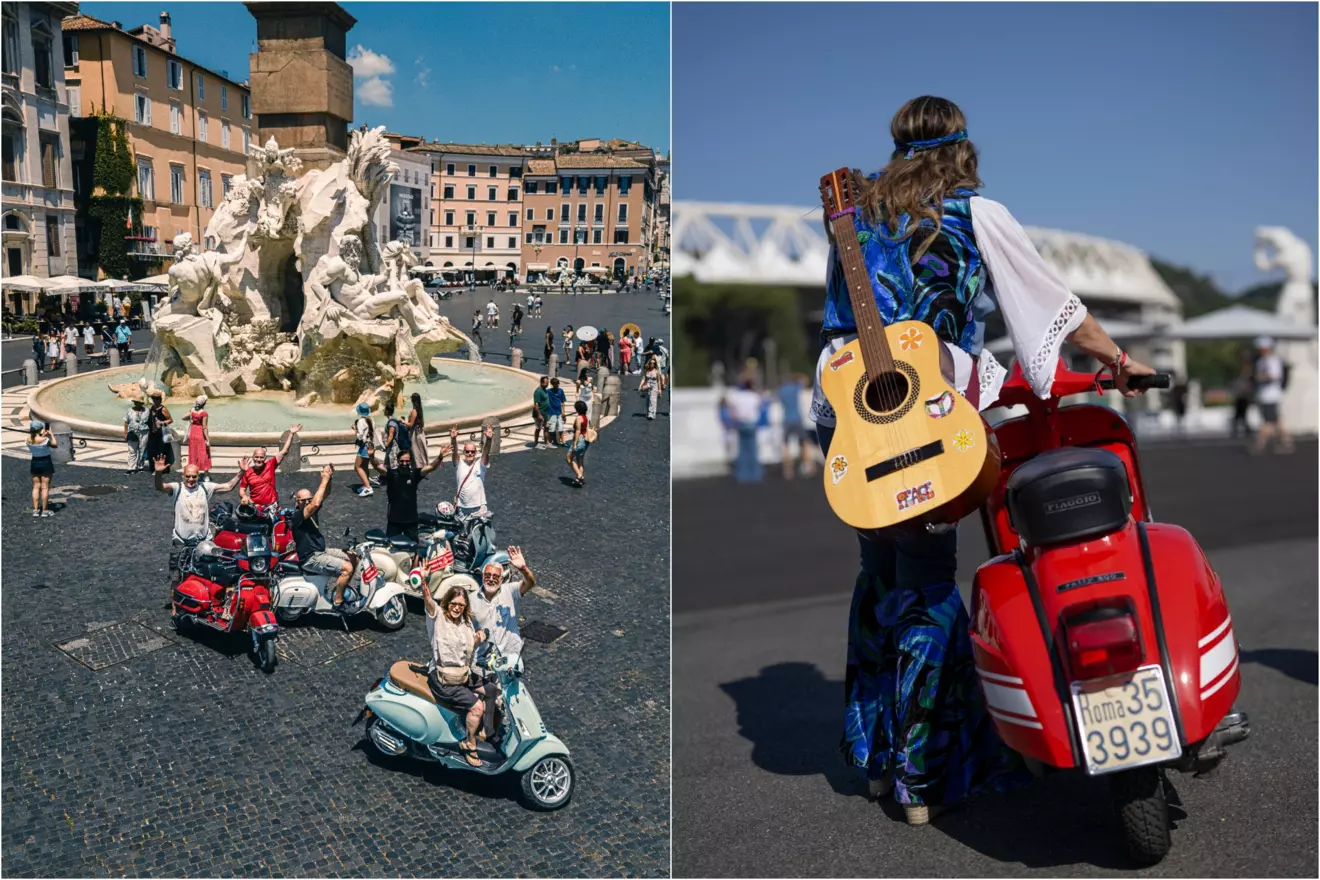
The milestone anniversary was also celebrated in Rome, where the city became the stage for the largest Vespa gathering ever organised. The programme featured a spectacular parade through some of Rome's most iconic landmarks, an exhibition at the Foro Italico, Vespa Club competitions and the traditional Concorso di Eleganza.
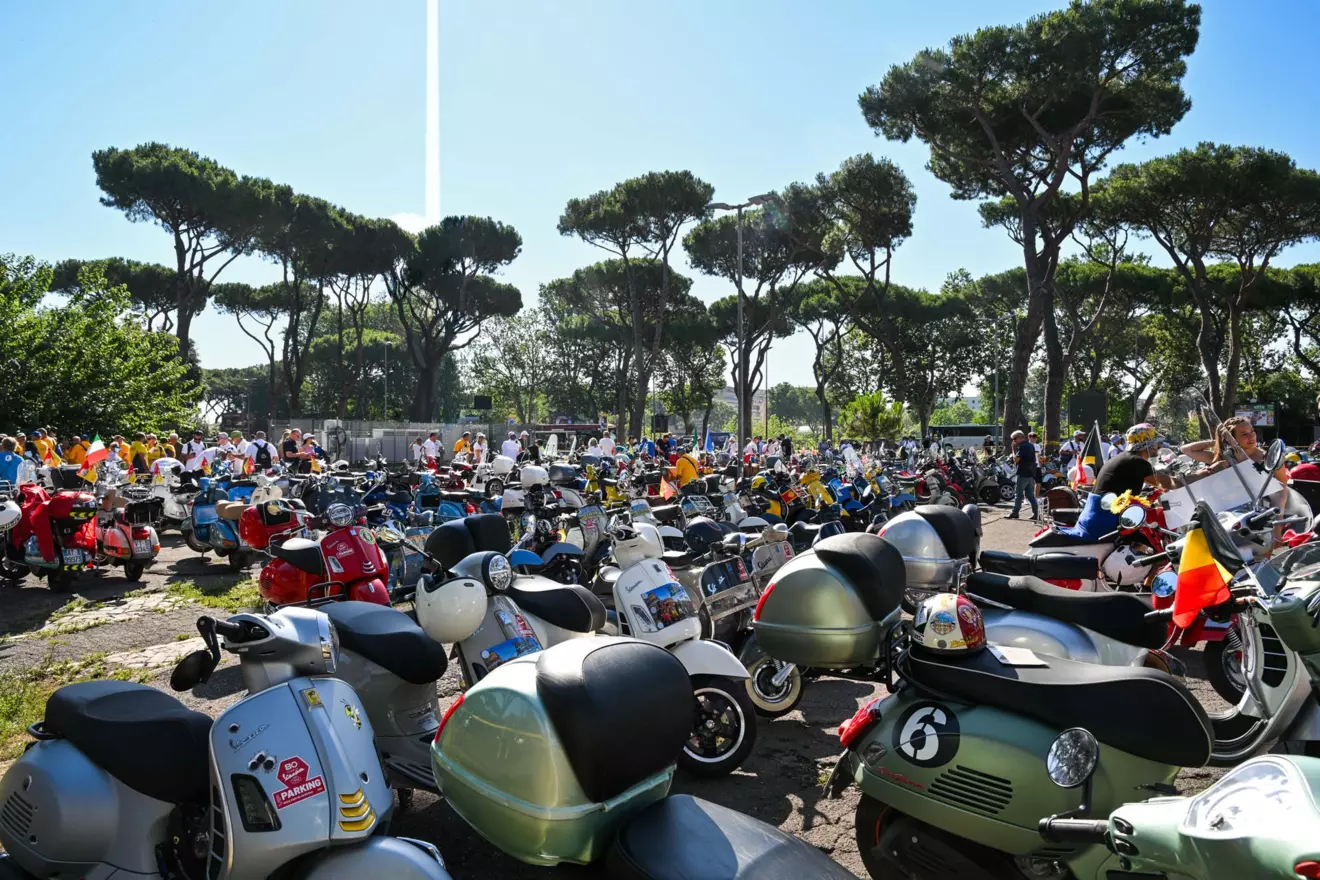
Beyond the scale of the event, however, the message was simple: to bring together people who, despite speaking different languages and living on different continents, share the same passion for one timeless object. Few products inspire such a strong sense of belonging.
Vespa Edizione Ottantesimo: A limited anniversary series
To mark eight decades of history, Piaggio did more than celebrate the past; it created a model worthy of representing it. The Vespa Edizione Ottantesimo is a limited, numbered edition based on the Vespa GTS 310, with just 1,946 units produced as a tribute to the year the first Vespa was born.
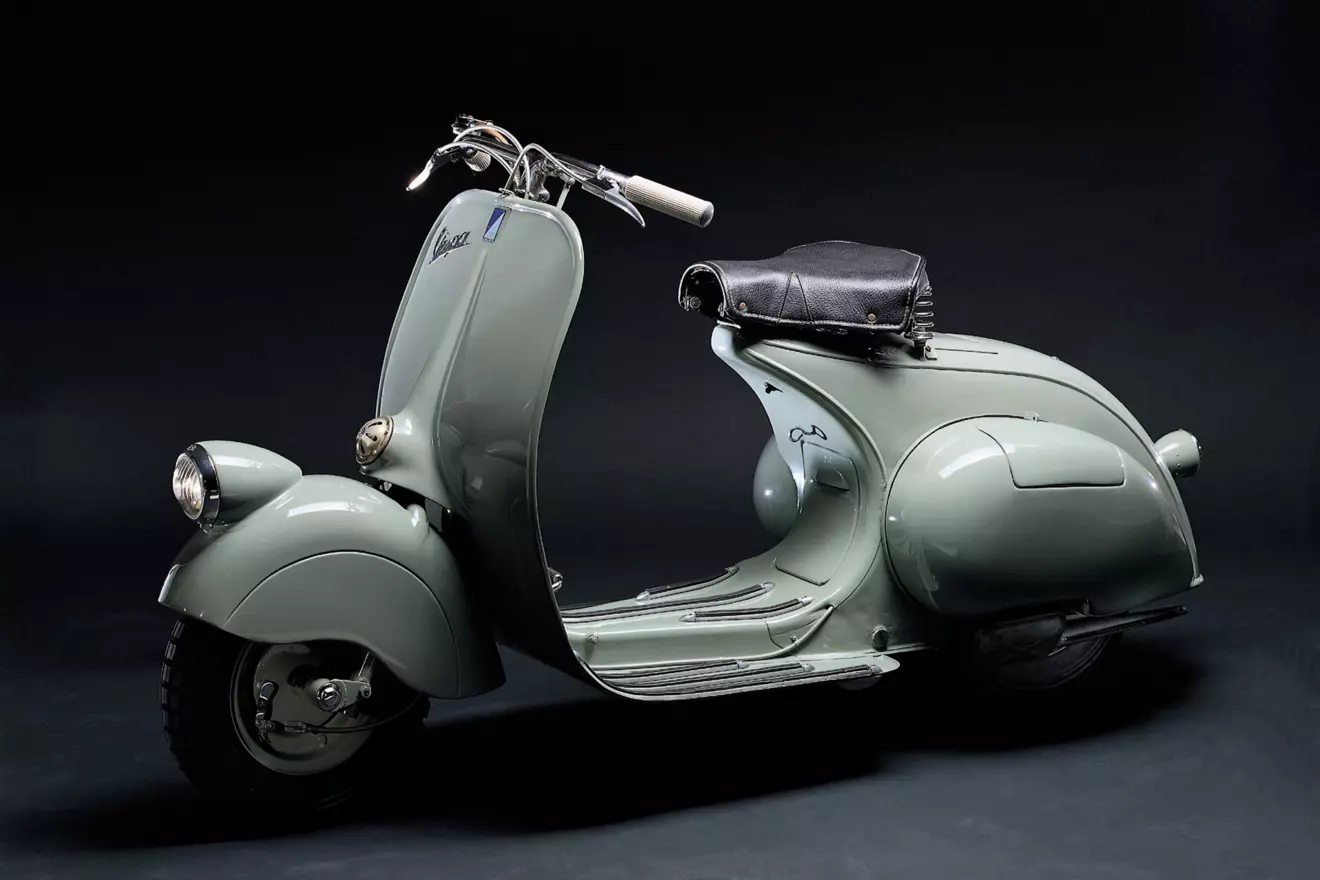
Its finish, inspired by the raw steel of the original bodywork, is complemented by green accents recalling the earliest single-colour Vespas of 1946. The wheel design reinterprets the pressed-steel construction of the original Vespa 98, while the three-dimensional number 80 on the side panels deliberately echoes the shape of a bolt a subtle tribute to the craftsmanship that has defined the brand from the beginning.
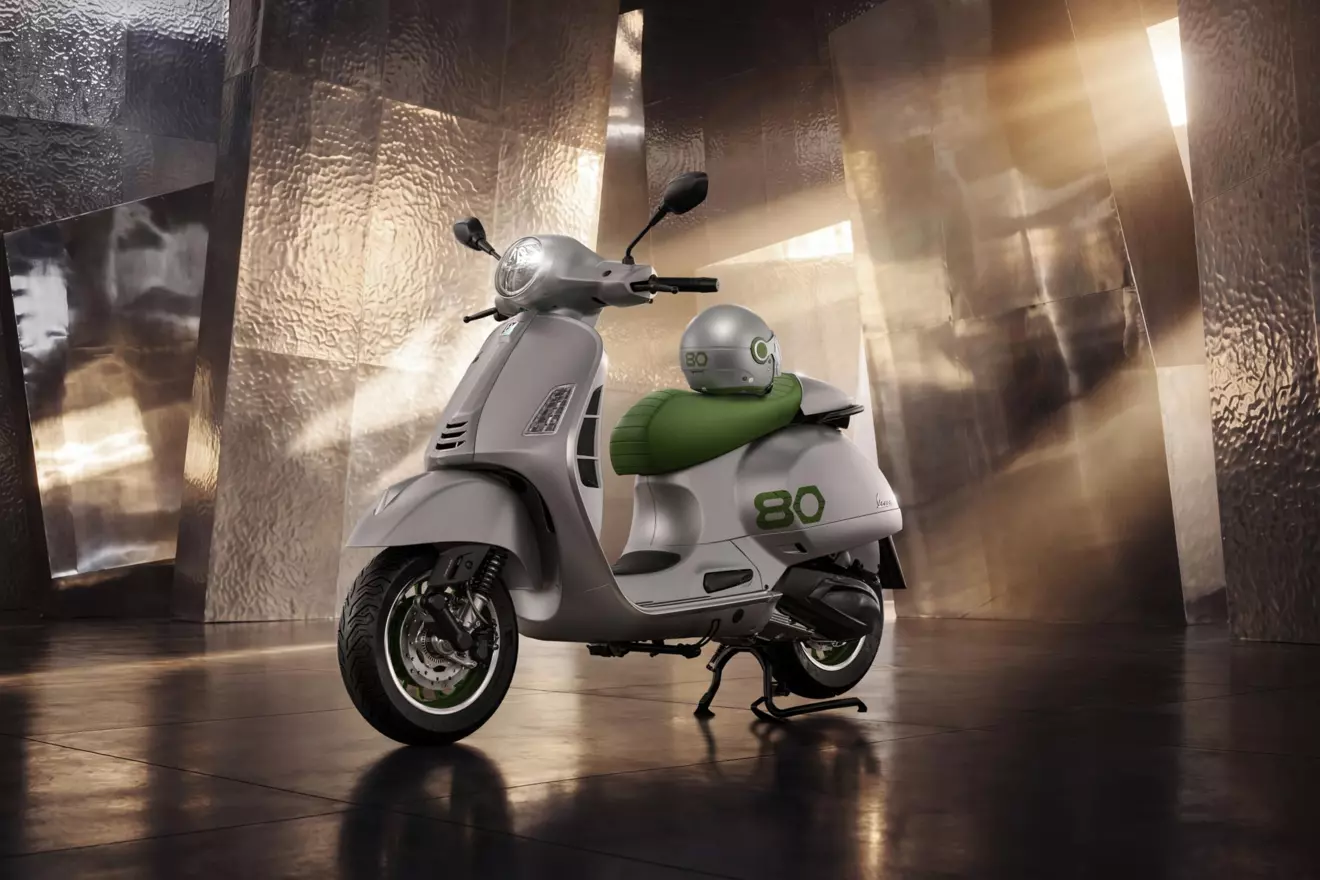
Each scooter carries its own numbered plaque, comes with a specially designed helmet, and includes a luxury Assouline publication tracing Vespa's complete story from the original patent drawings to the present day through rare archival photography.
Why Vespa remains an icon after 80 years
Eighty years later, Vespa still does what it has always done best: transform an everyday ride into something deeply personal.
Whether weaving through the narrow streets of an Italian town or standing proudly in a museum collection, Vespa continues to represent freedom, elegance and intelligent design. Its message has never been louder because it has never needed to be. Sometimes, all it takes is two wheels, one unmistakable silhouette and eighty years of proof that truly great design never goes out of style.
Photos Piaggio Video Vespa