MBF: Where Industries Meet and New Value Is Created
Date
Reading time
9 min


By connecting business, investment, technology, design, and knowledge, the Master Business Forum is building an ecosystem where different industries, perspectives, and decision-makers come together, turning dialogue into new partnerships, ideas, and business opportunities
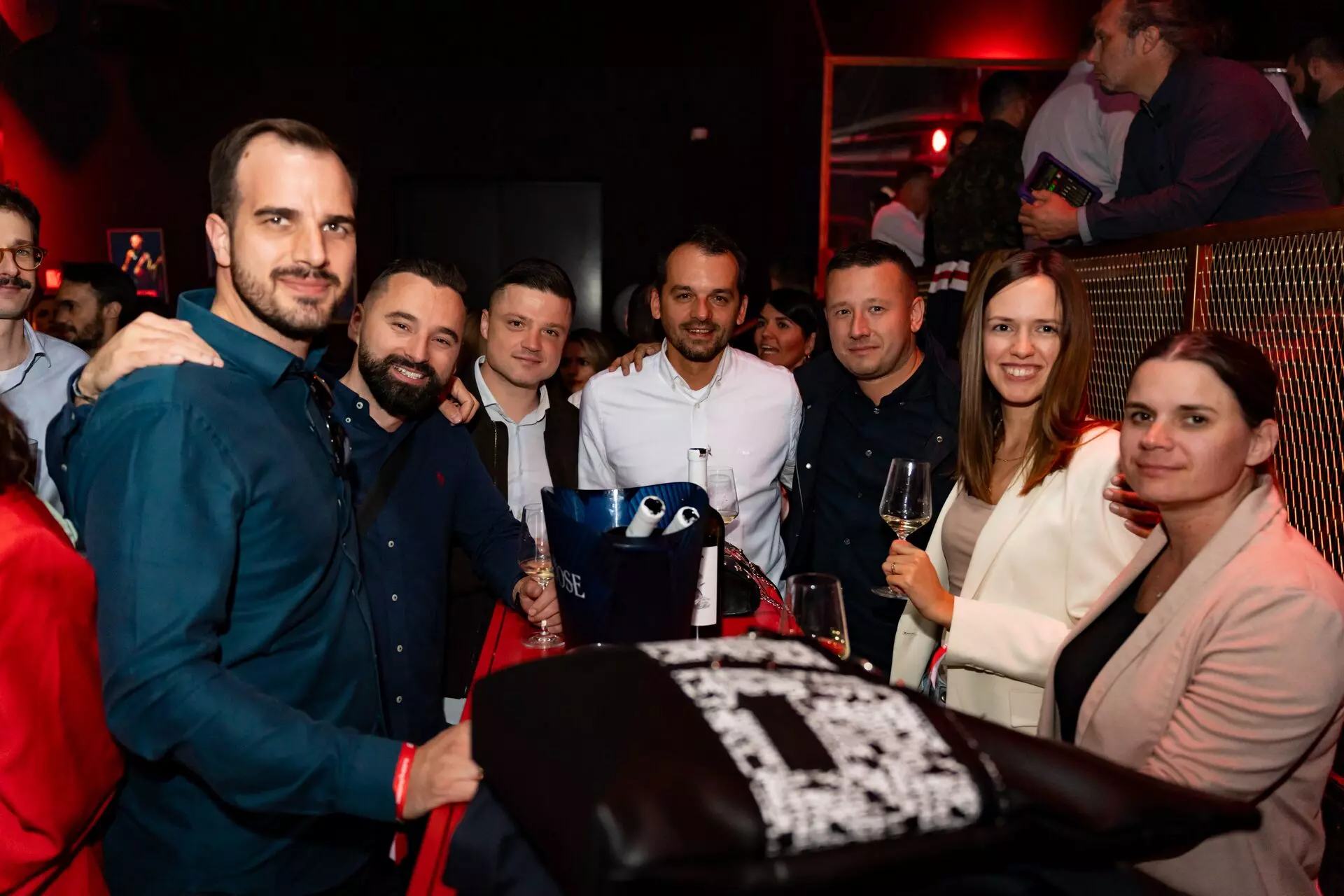
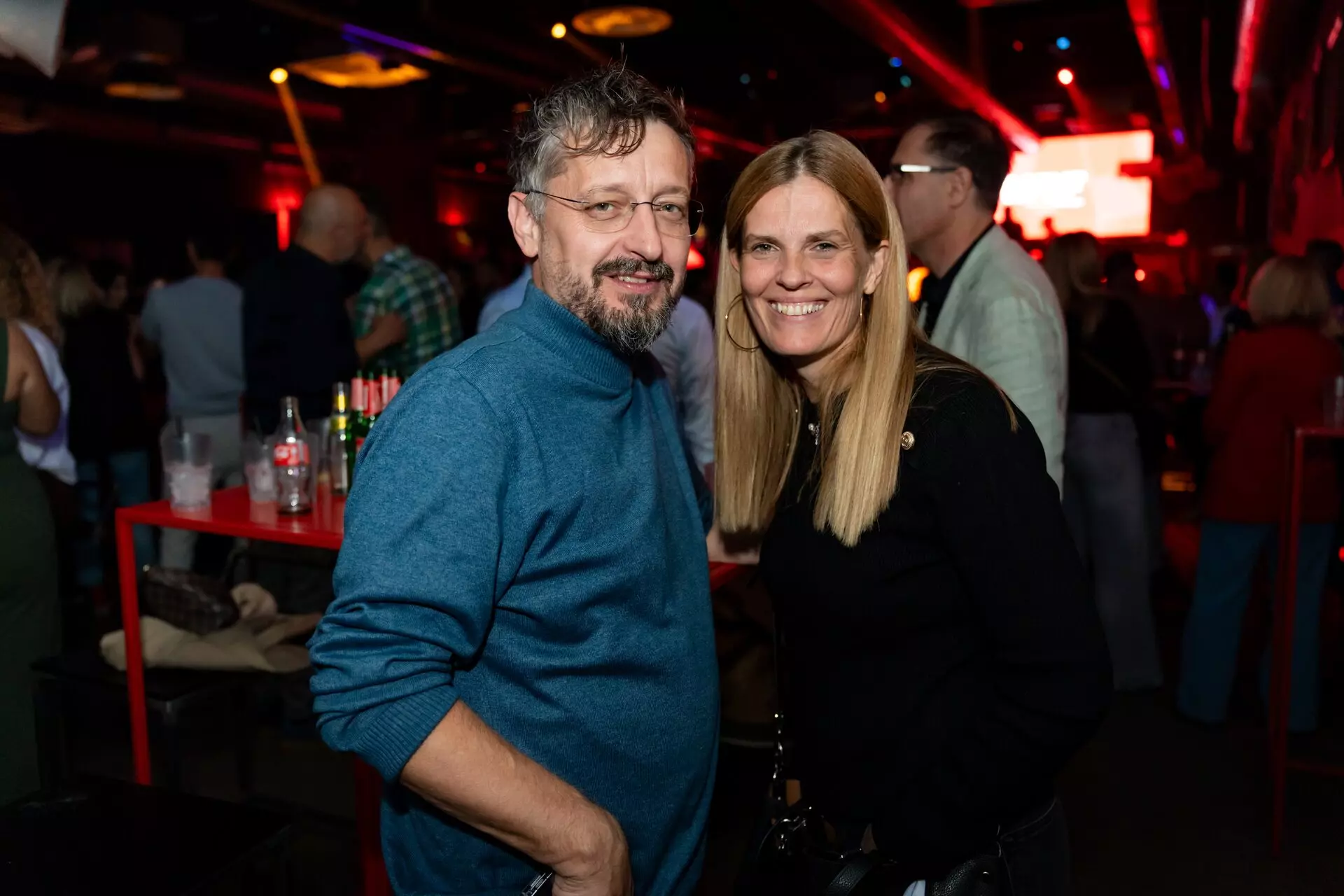
This October, Rovinj will become a meeting point for business leaders, investors and representatives of the public and academic sectors, as the new edition of the Master Business Forum (MBF) takes place from 8 to 11 October. More than a traditional conference, MBF is building a platform that connects different industries, capital, knowledge, and decision-makers to create partnerships, investments, and business opportunities that extend beyond the event itself. At the heart of this vision is Maja Borovina Frankić, founder of the Master Business Forum, who sees the changing role of business events as part of a much broader transformation.

This approach also explains why MBF brings together representatives of industries and sectors that, at first glance, may not seem connected. For Borovina Frankić, connecting the private, public, and academic sectors is becoming increasingly important precisely because innovation rarely happens in isolation.
In the next phase of its development, the ambition is for each new edition of the Forum to take another step forward in quality, international reach, and the creation of tangible business opportunities. The conference programme will focus on topics that will shape the competitiveness of the European economy in the years ahead, while creating space for new partnerships, investments, and growth prospects. The goal is not merely to organize a multi-day event, but to build a year-round business ecosystem that connects people, facilitates collaboration, and drives economic development.
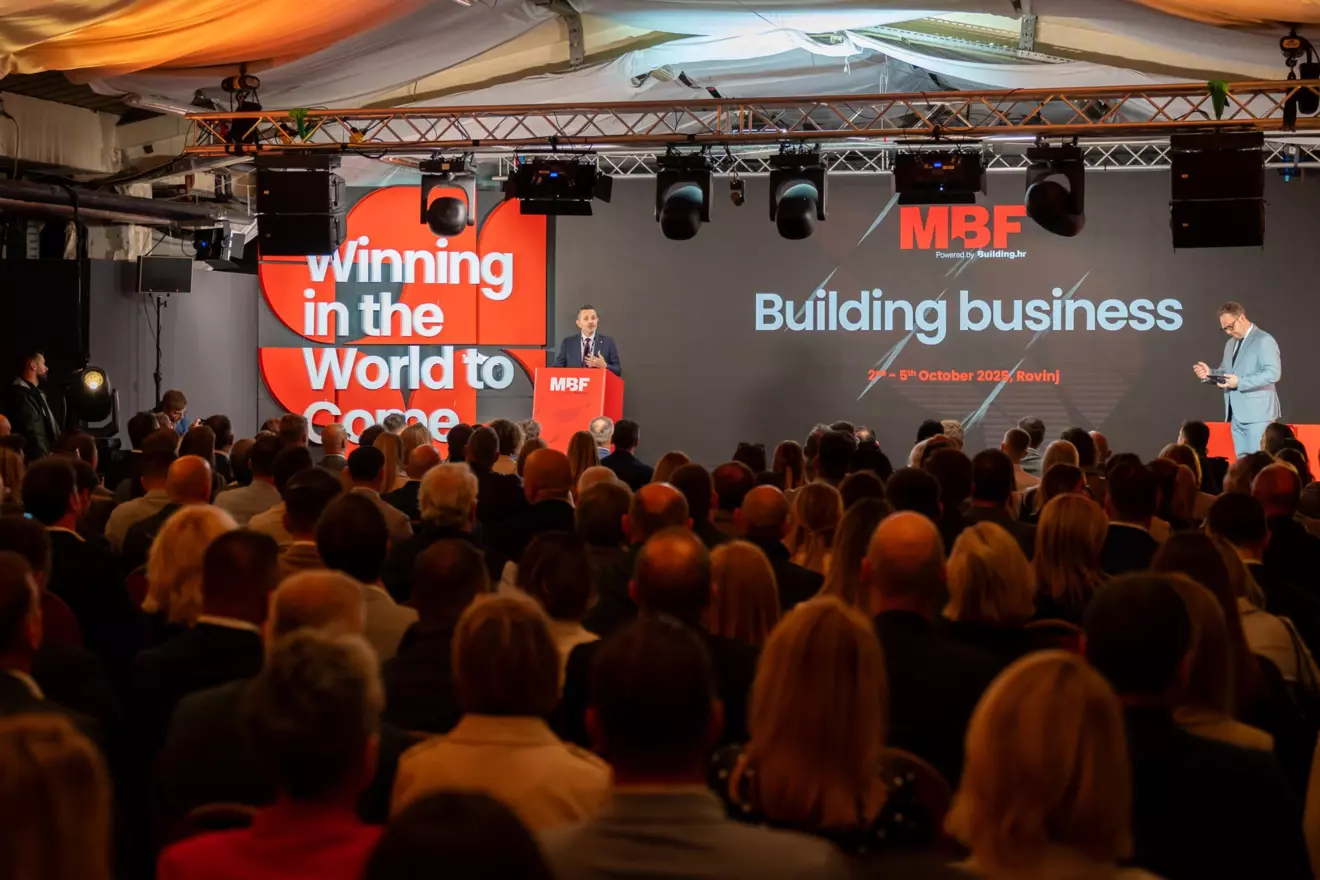
Ambition is also reflected in the people gathered around MBF. Its honorary members and Supervisory Board members bring perspectives from the world of design, investment, industry, architecture, medicine, and the creative sector, demonstrating in practice the interdisciplinary approach on which the Forum is built.
Karim Rashid: Design belongs at the business table
Karim Rashid, an honorary member, is an internationally renowned designer whose work spans product and interior design, furniture, lighting, branding and architecture. With more than 4,000 designs in production and hundreds of international awards, his work has helped shape a contemporary understanding of design that goes beyond aesthetics alone.
MBF connects design with investment, technology and entrepreneurship, raising the question of how important it is today for design to become an integral part of business strategy, rather than merely a final aesthetic element.

‘I have always said for over 40 years that design is not just a creative act; it is a social act, an economic act, and even a political act. Every object, space, service, or digital experience influences the way we live, consume, communicate, and relate to one another. Design is never neutral. For too long, many companies have treated design as the final layer, something applied after the business decisions have already been made. In reality, design should shape the business from the very beginning. The most successful companies understand that design is a strategic tool. It defines the products you create, the experiences you offer, how customers perceive your brand, how efficiently you manufacture, and ultimately how you generate value. Design influences innovation, sustainability, profitability, and even corporate culture. Technology and investment are essential, but without meaningful design, they rarely create emotional value. Technology tells us what is possible. Business determines what is viable. Design determines what is desirable. When these three disciplines work together from the outset, companies create products and services that people genuinely want to use and live with. Design is not decoration; it is a way of thinking. Every business decision has a design consequence, whether it concerns a product, a digital platform, a workspace, a service, or an entire city. Companies that embed design into their strategy are not simply making better-looking products. They are building stronger brands, creating deeper customer loyalty, and preparing themselves for long term innovation. The future belongs to organizations where designers sit at the same table as entrepreneurs, engineers, technologists, and investors from day one, not at the end of the process. That is where real innovation begins. In my career, it rarely happened.’
Daniel Pačić: Croatia on the global investment map
Daniel Pačić, a member of the Supervisory Board, is Managing Director at Ogier Global and an expert on the Middle East market, where he focuses on developing the firm’s presence and services in the United Arab Emirates and the wider GCC region, including corporate governance, risk and compliance, fund administration and private wealth services.

For Croatia and the wider region, the question is whether a platform such as MBF can help position Croatia as a relevant investment destination on the global business map.
‘Absolutely. In today’s global economy, attracting investment is not simply about economic fundamentals. It is about creating platforms that bring together capital, talent, ideas, and decision-makers. MBF plays exactly that role for Croatia and the wider Adriatic region by connecting business leaders, investors, entrepreneurs, policymakers, and academia within a single ecosystem. For Croatia, this visibility is invaluable. The country has much to offer international investors, from its strategic geographic position and highly educated workforce to growing opportunities across a range of sectors. However, these strengths must be actively showcased to the global business community. Events such as MBF help tell that story, demonstrating that Croatia is ambitious, internationally connected, and open for business. The regional dimension is equally important. Investors increasingly look for access to broader ecosystems rather than individual markets. By fostering dialogue and collaboration across the Adriatic region, MBF helps position the region as a connected and increasingly attractive destination for investment and growth. Ultimately, MBF is more than a conference. It is a catalyst for relationships, partnerships, and opportunities, helping to strengthen Croatia’s and the region’s position on the global business and investment map.’
Sergio Galošić: Connecting capital, industry and technology
Sergio Galošić, a member of the Supervisory Board, is Chief Executive Officer of Amelicor Group, a Croatian technology and manufacturing group whose activities span engineering, HVAC technologies, energy and advanced manufacturing.
MBF brings together investors, industry, technology and the public sector in one place. For Galošić, this kind of interdisciplinary connection is particularly important for the development of the Croatian economy.
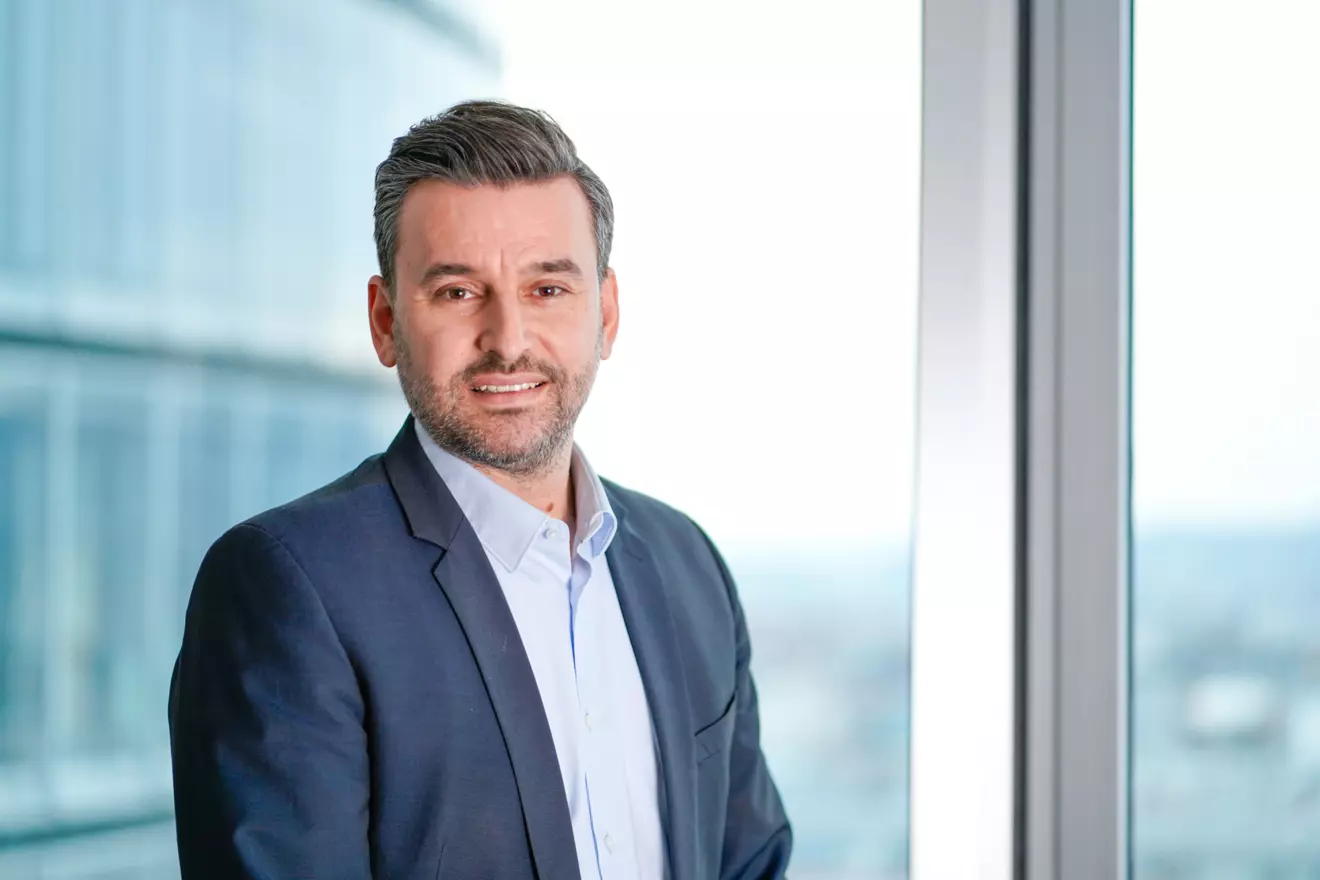
‘I think this is precisely one of the greatest challenges facing the Croatian economy. We often have talented people, good technologies and capital, but they operate too separately from one another. If we want to increase Croatia’s competitiveness, we need to connect industry, science, investors and the public sector more closely around joint development and technology projects. Investors bring capital, industry brings experience and access to the market, technology companies bring innovation, and the state creates a predictable and supportive regulatory framework. Only through this kind of business symbiosis can we create an environment in which ideas can grow into products, products into exports, and exports into long-term economic growth. Croatia does not lack potential today. What we need is more collaboration, more trust and greater shared ambition, and I see MBF as a good platform for achieving this goal.’
Ante Marić: Better dialogue for better projects
Ante Marić, a member of the Supervisory Board, is an architect and Managing Director of Atellior, an international architecture and design studio with offices in Zagreb and London and extensive experience in hospitality projects across Europe.
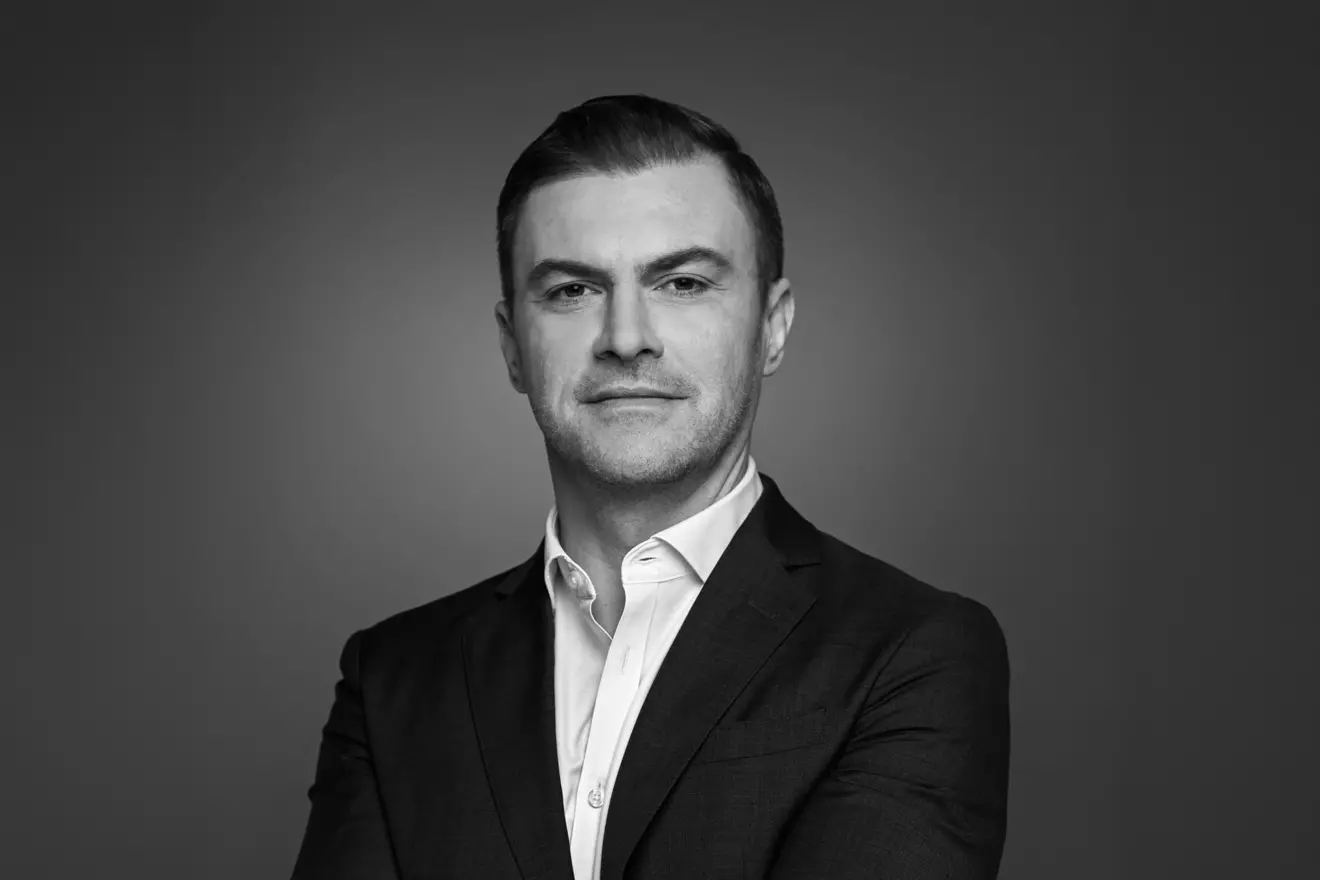
At MBF, decision-makers from different industries meet directly. From the perspective of an architecture studio specialising in the hospitality industry, such dialogue can have a tangible impact on the quality of future projects.
‘From the perspective of Atellior, an architecture studio specialising in the hospitality industry, we consider this kind of dialogue extremely valuable because, in our projects, quality comes not only from a good design solution, but also from understanding investment objectives, hotel operations, guest expectations, technological requirements and the long-term sustainability of the property. MBF enables direct dialogue with decision-makers from different industries, and it is precisely these kinds of exchanges that often bring to light issues that are identified too late in the traditional project process. When we bring the experience of investors, hoteliers, operators, technology partners and designers into the process at an early stage, our projects become more precise, more functional and more relevant in the long term. For us, this kind of dialogue is not just networking, but a concrete tool for improving future projects. It helps us better understand changes in guest behaviour, operational challenges and market priorities, and translate them into architecture that simultaneously creates a high-quality experience, supports the hotel’s business model and retains its value over time.’
Dr. Niko Mihić: Innovation at the intersection of different disciplines
Dr. Niko Mihić, MD, CFPC, an honorary member, is a physician with extensive international experience and an expert in sports medicine. He serves as a medical advisor to Real Madrid football club, and his work connects elite sport, preventive medicine, and international medical research.
MBF brings together leaders from different industries because it is based on the idea that innovation often emerges at their intersection. Based on his experience, international gatherings like this can play an important role in the exchange of knowledge and the development of new ideas.

‘International conferences that bring together leaders from different industries are key drivers of innovation. In sports medicine, where elite athlete care depends on continuous scientific advancement, they are particularly valuable for enabling knowledge exchange between professionals who might not otherwise collaborate. A major benefit of these meetings is the sharing of current research and clinical experience. Elite sport involves physicians, physiotherapists, biomechanists, nutritionists, engineers, and data scientists working together to optimise performance and health. Discussion of emerging evidence and treatment approaches helps refine strategies for injury prevention, rehabilitation, performance enhancement, and return-to-play decisions, accelerating the development of evidence-based practice. Innovation frequently arises at the intersection of disciplines. Developments in wearable technology, artificial intelligence, imaging, and biomechanics have improved monitoring of training load, injury risk detection, and personalised rehabilitation. These advances depend on collaboration between medicine, sport science, engineering, and technology, resulting in safer and more individualised athlete care. These conferences also foster international research collaboration. As elite sport is global and many health challenges are shared, multi-country studies strengthen the evidence base and support the development of more consistent clinical guidelines. However, the value of such meetings depends on effective translation into practice and sustained collaboration beyond the event. This requires rigorous research, critical appraisal of new technologies, and ongoing professional communication. In summary, international conferences are essential to progress in sports medicine. They enhance interdisciplinary collaboration, accelerate the application of research, and improve athlete health, performance, and long-term outcomes through evidence-based practice.’
Carlo Stanga: Understanding cities through different perspectives
Carlo Stanga, an honorary member, is an Italian architect, illustrator, and author who lives and works in Berlin. He contributes to leading magazines and newspapers, as well as working with international clients, particularly in Europe and the United States. Known for his detailed interpretations of cities and architecture, he is the author of illustrated books dedicated to some of the world’s major metropolises, in which the urban landscape becomes a key to understanding space and human identity.

MBF also brings together experts who are shaping the cities of the future, raising the question of how important interdisciplinary dialogue and the international exchange of ideas are in creating better urban planning.
‘I think that interdisciplinary dialogue and international exchange are essential. Cities are living, complex organisms, and no single discipline or culture can fully understand them. Bringing together different perspectives allows us to imagine urban environments that are not only more functional and sustainable, but also more inclusive, inspiring, and profoundly human. With my detailed drawings, I continuously try to deepen the complexity of cities, and I am surprised, every time, by the never ending connections, perspectives, and stories. I think art can give a very interesting and unique contribution to the dialogue with other technical and humanistic disciplines.’
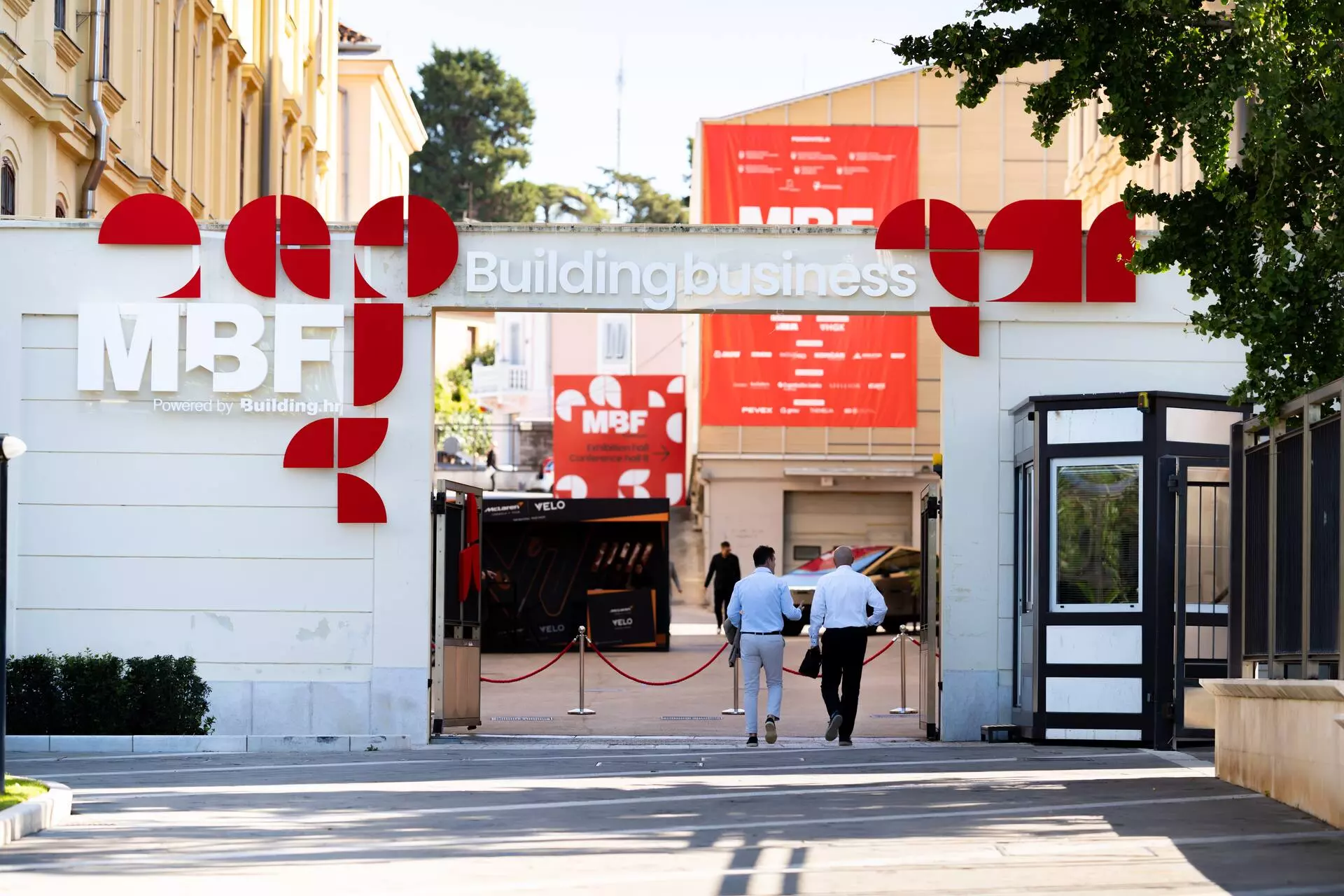
Photos & video MBF