Talk with Björn Frantzén: World’s Only Chef Holding Three Michelin Triple-Stars
Date
Reading time
6 min


From a career-ending injury on the football pitch to the pinnacle of haute cuisine, the Swedish chef masterfully blends Nordic ingredients with a Japanese soul
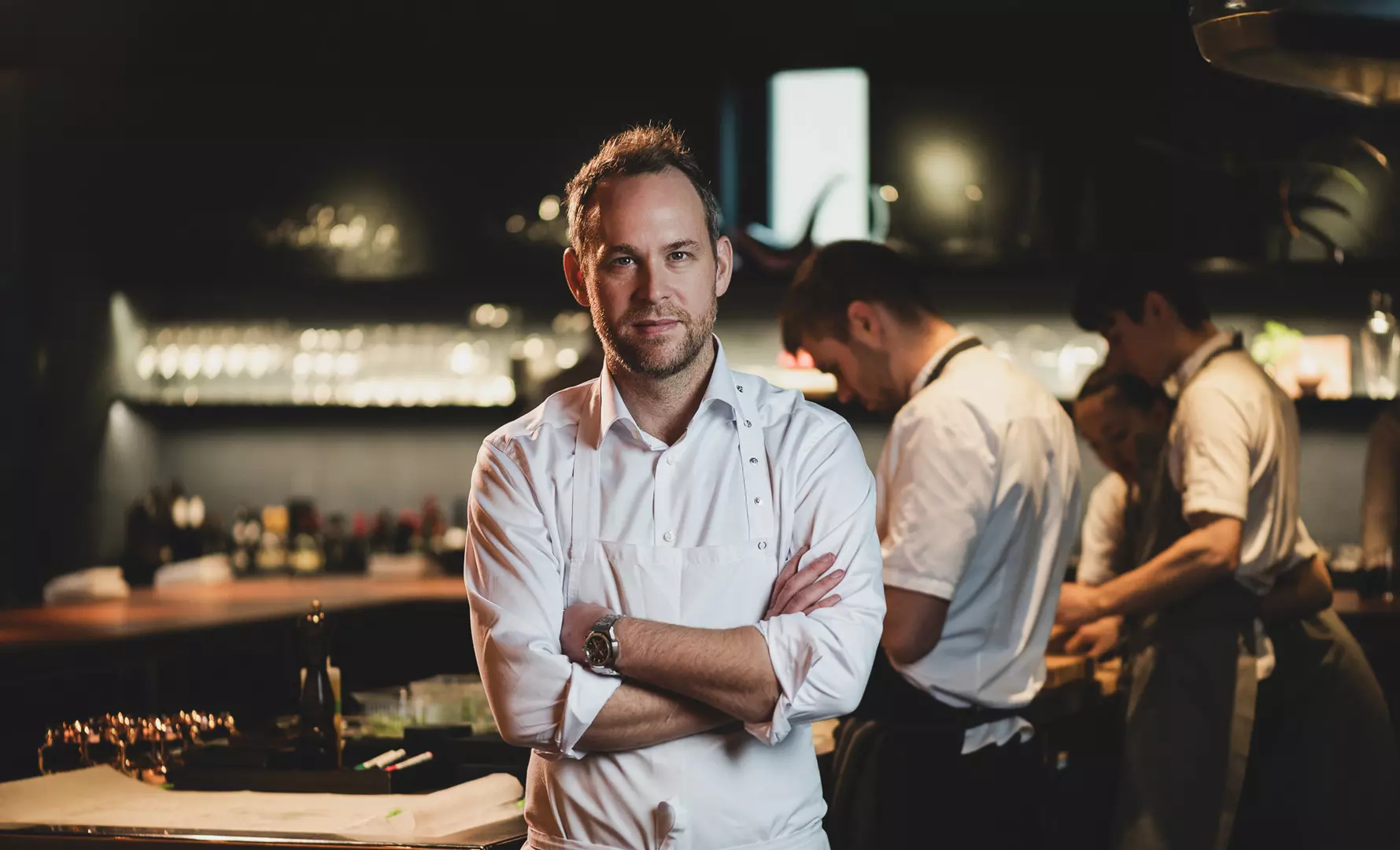
In the world of haute cuisine, few names have left such a mark in so short a time as Björn Frantzén. It began at the age of twelve, with a single steak that showed him food could be an experience, not just a meal.
That moment might have remained a fond memory had a congenital heart condition at nineteen not ended a promising football career at AIK and steered him, unexpectedly, toward the kitchen. He went on to train under some of Europe's most demanding chefs: Alain Passard in Paris, Nico Ladenis and Tom Aikens in London.
In 2008, he opened his first restaurant in Stockholm. Within a year, it earned its first Michelin star. Today, Frantzén is the only chef in the world to hold three separate three-star restaurants: Frantzén in Stockholm, Zén in Singapore, and FZN in Dubai. His cooking is often described as a marriage of Nordic clarity and Japanese subtlety, but behind that recognizable signature lies precise structure, discipline, and a clear conviction about what true hospitality means.
YOU HOLD THREE STARS AT FRANTZÉN, ZÉN, AND FZN. HOW DO THESE THREE RESTAURANTS COLLECTIVELY TELL YOUR STORY, AND WHAT TIES THEM TOGETHER DESPITE BEING IN SUCH DIFFERENT PARTS OF THE WORLD?
For me, it’s not about three different addresses, it’s one philosophy expressed in three different contexts. Frantzén in Stockholm is my foundation. That’s where the idea was born, intimate, personal, uncompromising gastronomy inside what feels like a private home. Zén in Singapore is a reflection of that, but filtered through Asia, sharper in some ways, more intense in rhythm, influenced by incredible regional produce. FZN in Dubai is perhaps the most cosmopolitan expression, a meeting point of cultures in a city that moves fast and thinks big. What ties them together is discipline, detail, and the feeling that you are stepping into our home rather than a staged dining room. And of course, the balance between Nordic clarity and Japanese soul, that thread runs through everything we do.
THE 'FRANTZÉN DNA' IS OFTEN DESCRIBED AS A MARRIAGE BETWEEN NORDIC INGREDIENTS AND JAPANESE SOUL. IN YOUR MIND, WHERE DO THESE TWO CULTURES INTERSECT MOST PERFECTLY?
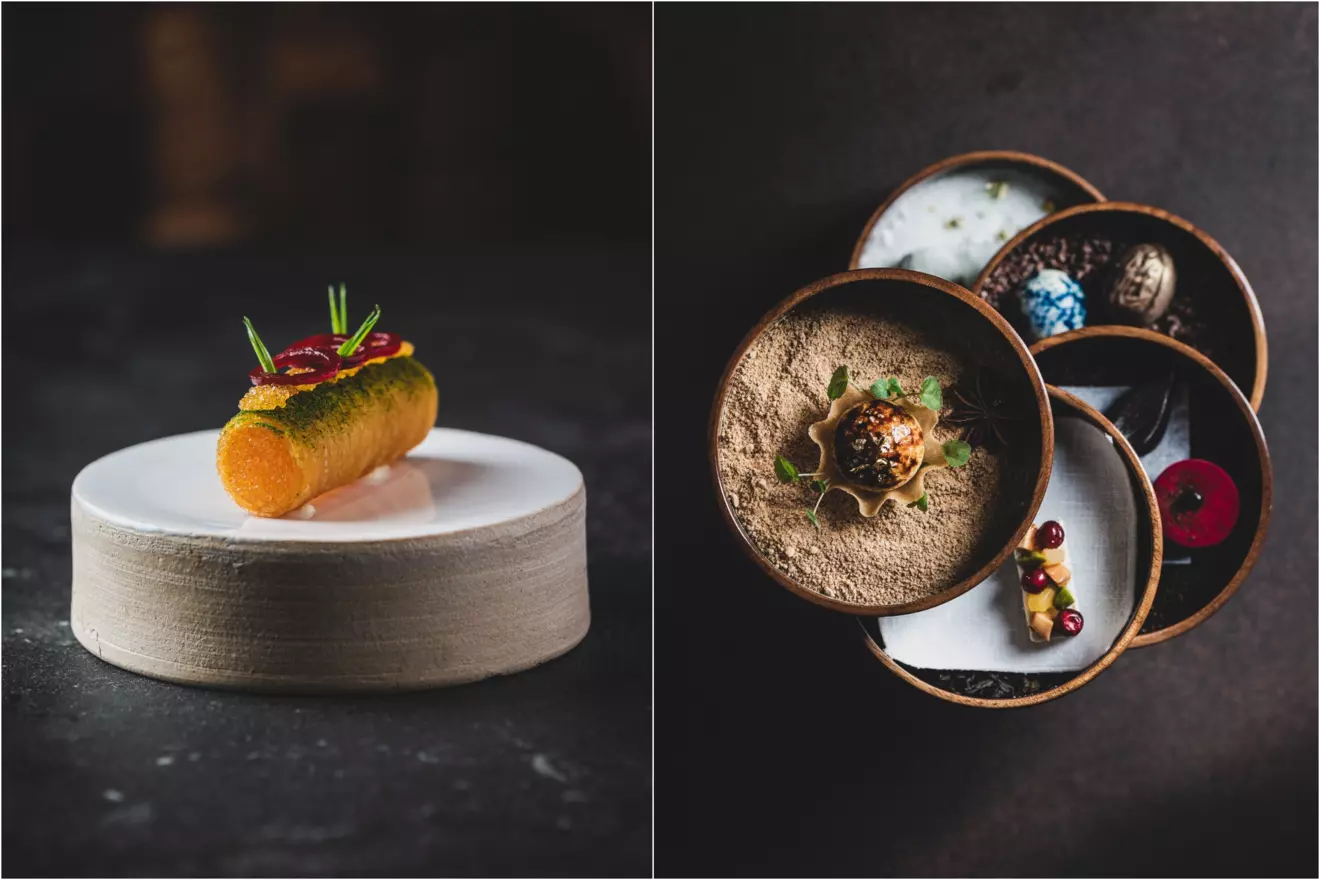
Nordic cuisine and Japanese culture intersect most beautifully in their respect for purity. Both traditions value seasonality, restraint, and allowing the ingredient to speak clearly. There’s a shared understanding that less noise creates more impact. In Japan, you have this almost spiritual respect for produce. In the Nordics, we have a deep relationship with nature and the changing seasons. When those two mindsets meet, the result feels honest and precise, but also emotional.
YOU'VE SAID THAT FINE DINING NEEDS TO SHED ITS FORMAL AND FUSSY IMAGE. WHAT DOES THAT ACTUALLY LOOK LIKE IN YOUR RESTAURANTS?
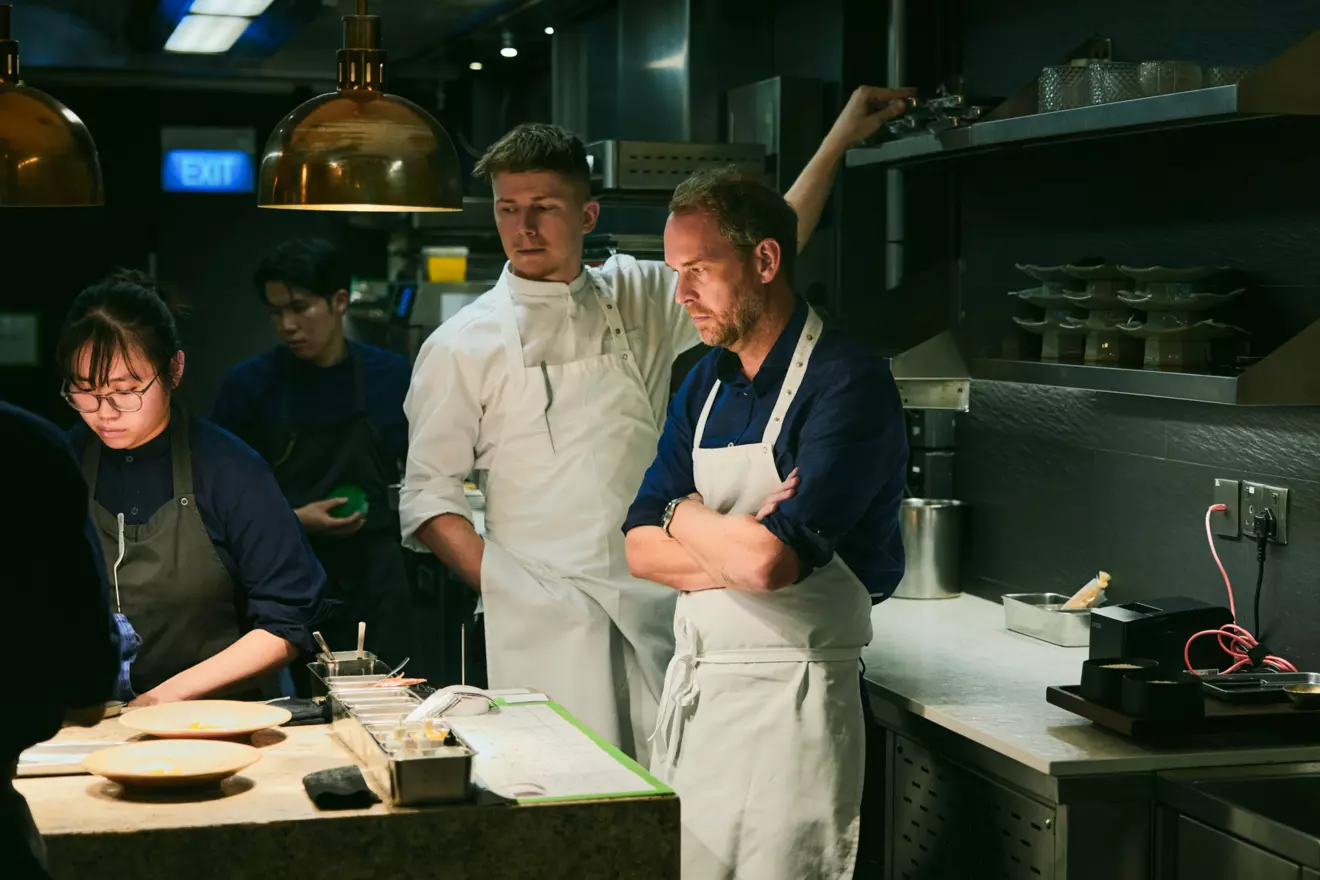
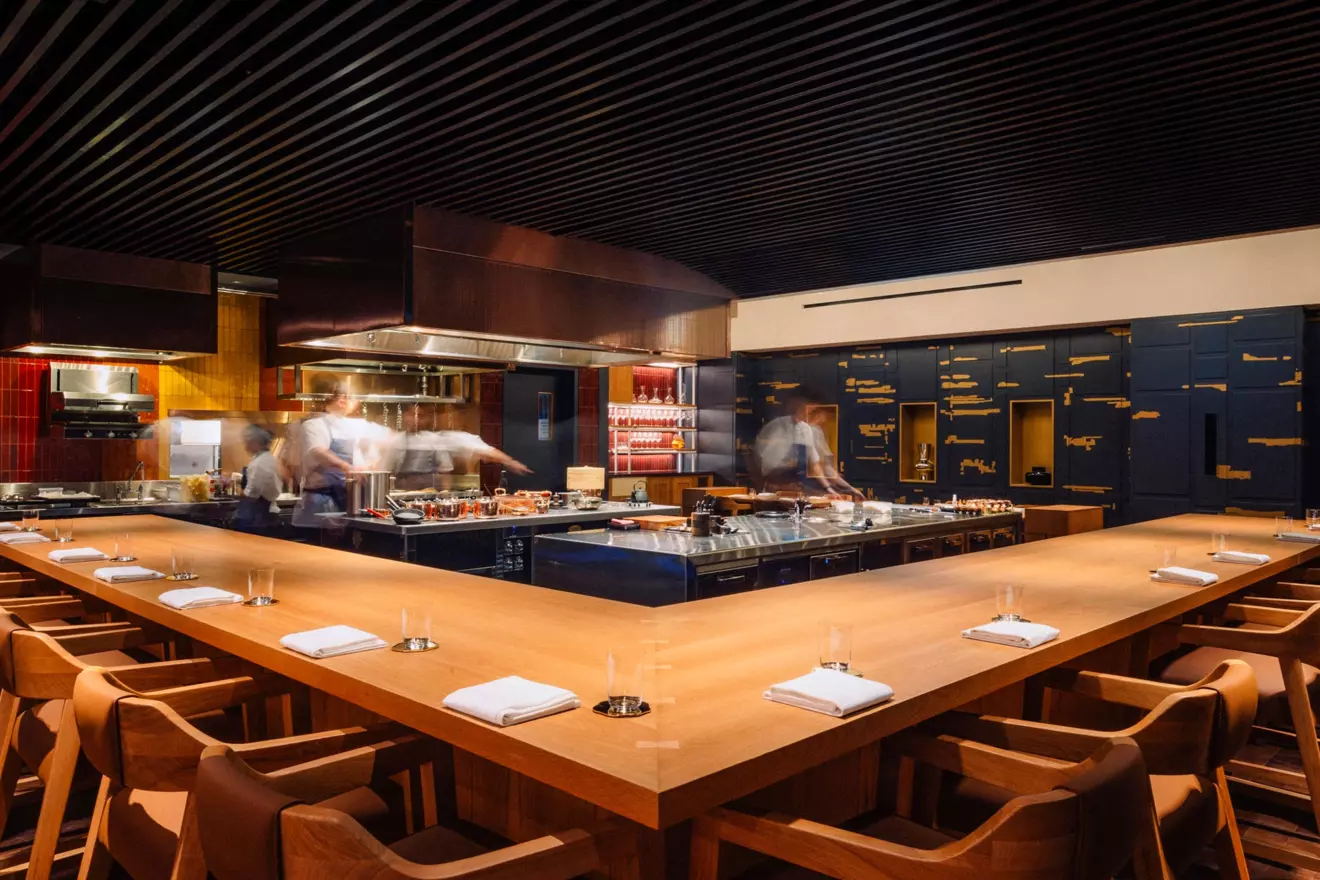
Fine dining doesn’t need to feel stiff to be serious. I’ve always believed that excellence and warmth can coexist. At our restaurants, we’ve removed many of the formal barriers, there’s no traditional front-of-house separation, the kitchen is integrated, and service feels conversational rather than scripted. The experience is choreographed, yes, but it should never feel theatrical. I want guests to feel something real, connection, curiosity, maybe even surprise, not intimidation.
YOUR FLAGSHIP RESTAURANT IN STOCKHOLM IS DESIGNED TO FEEL LIKE A PRIVATE HOME. WHY IS THE 'SPATIAL JOURNEY' JUST AS IMPORTANT AS THE FOOD ON THE PLATE?
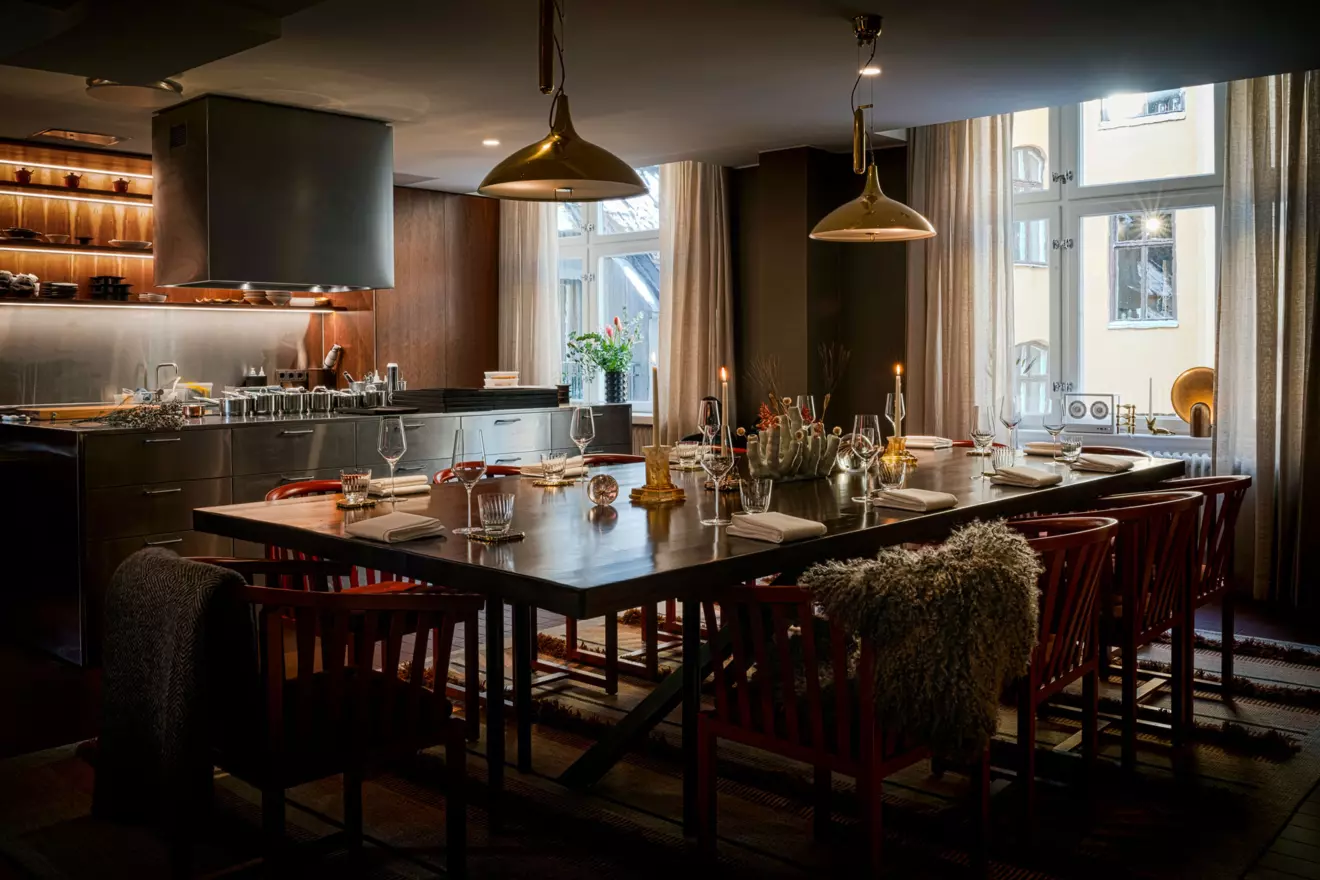
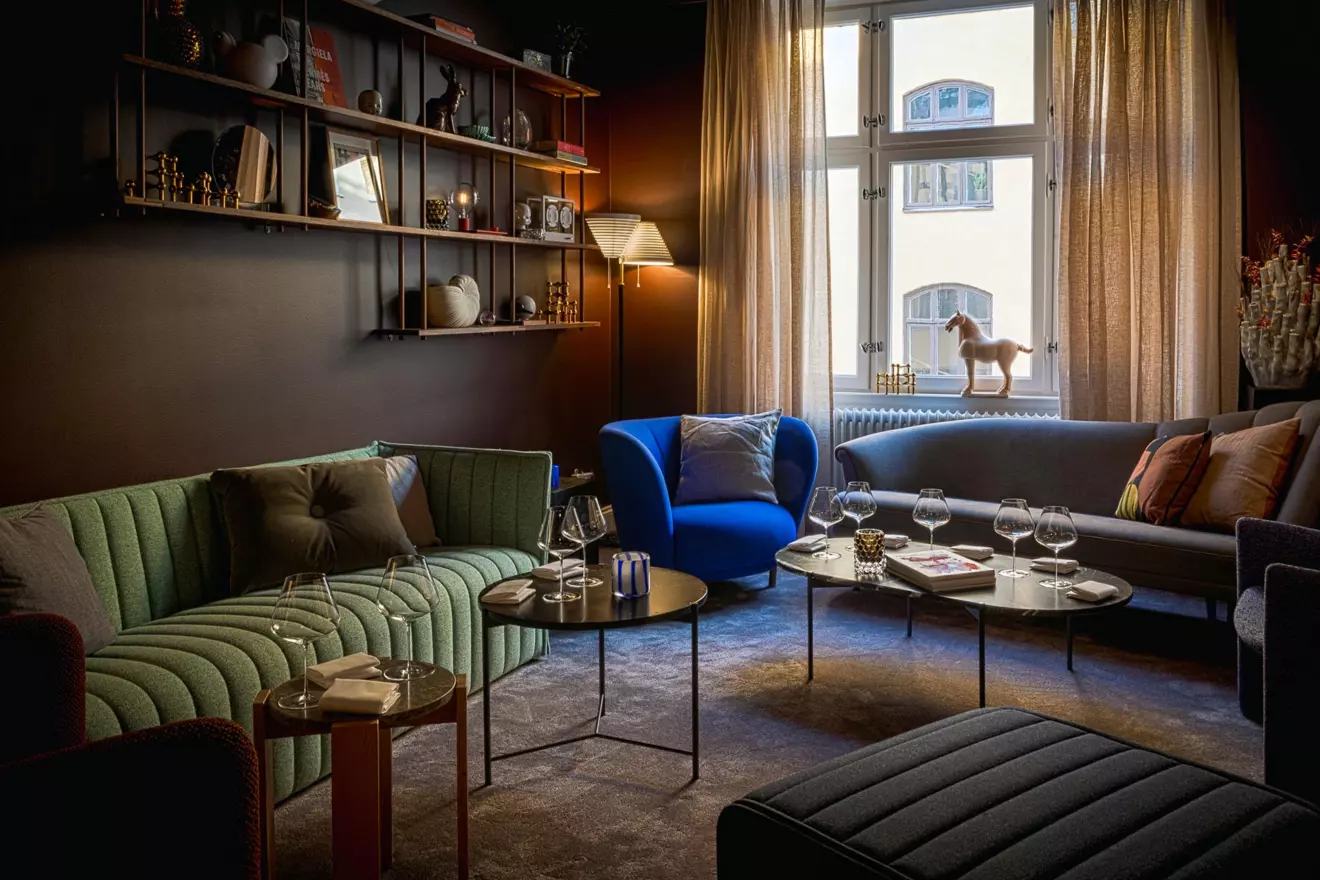
The spatial journey is crucial because memory is built through emotion, and emotion is influenced by environment. When you enter Frantzén in Stockholm, you don’t walk straight into a dining room. You move through spaces, the living room, the kitchen counter, different floors. It creates rhythm and anticipation. Dining at this level is not just about flavor, it’s about immersion. The space prepares you mentally for what’s coming on the plate.
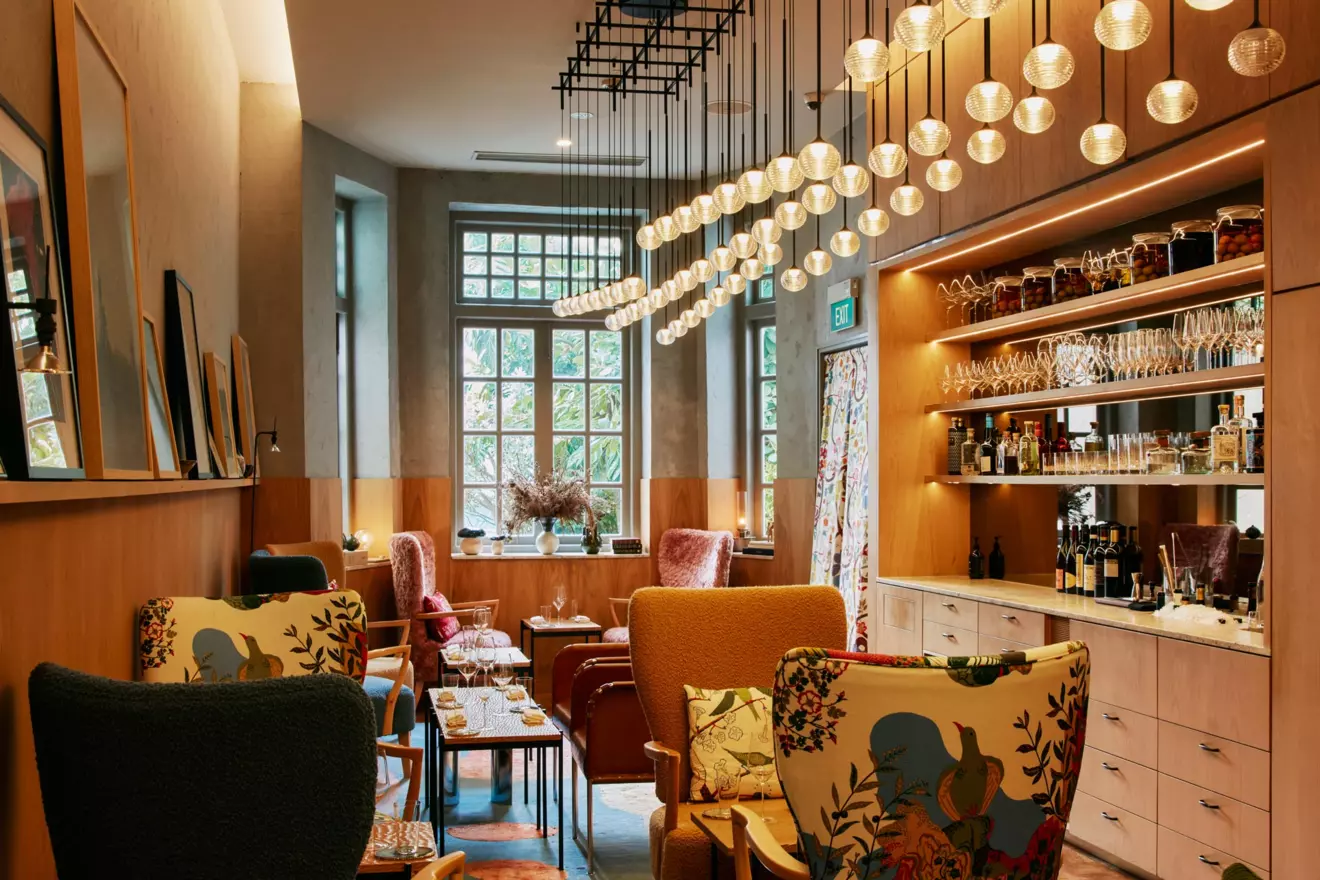
YOUR TRUFFLE 'FRENCH TOAST' IS EXTRAORDINARILY RICH AND INTENSE. WHAT'S THE THINKING BEHIND IT?
The truffle 'French toast' is definitely deliciousness first. I’m not interested in being avant-garde for the sake of it. Technique is a tool, not a goal. If a dish doesn’t make you close your eyes for a second and just enjoy it, then it doesn’t belong on the menu. That dish is indulgent, intense, and very direct. It’s comfort elevated to the highest possible level.
HOW DO YOU SEEK AND CULTIVATE CREATIVE INSPIRATION FOR YOUR DISHES?
Inspiration comes from many places, travel, art, conversations, ingredients themselves. But structure is important. Creativity isn’t chaos, it’s disciplined curiosity. We constantly test, refine, challenge ideas. Sometimes a dish starts with a single product. Sometimes it begins with a memory or a texture. The key is to remain open but demanding, nothing goes on the menu unless it truly earns its place.
YOU WERE ONCE A PROFESSIONAL FOOTBALLER. HOW DID THAT EXPERIENCE INFLUENCE YOUR APPROACH TO LEADING A KITCHEN?
Football taught me about teamwork, hierarchy, and resilience. In a professional team, individual talent means nothing without structure and discipline. The kitchen is similar. You need clear roles, trust, and a shared goal. It also taught me how to handle pressure. In both sport and gastronomy, performance happens in real time, there are no second takes during service.
REGARDING THE 'ZLATAN TYPE' OF CHEF YOU MENTIONED: WHAT IS YOUR OWN MANAGEMENT STYLE IN FOOTBALL TERMS?
In football terms, I’m probably closer to Sir Alex Ferguson. I believe in building long-term culture and loyalty. Pep Guardiola is extremely tactical and detail-oriented, and I admire that, but my strength lies in creating an environment where people grow over time and feel ownership. It’s about standards, yes, but also about building something sustainable and strong.
WHY DO SO MANY OF THE PEOPLE IN YOUR KITCHEN HAVE A SERIOUS ATHLETIC BACKGROUND?
Mindset is critical. Technical skill can be taught, mentality is harder. Many of our team members have athletic backgrounds because they understand discipline, repetition, and sacrifice. They know that excellence requires consistency. A competitive mindset doesn’t mean ego, it means striving to be better every day, for yourself and for the team.
THERE IS A MOVEMENT IN DENMARK TO CLASSIFY HAUTE CUISINE AS ART. AS SOMEONE WHOSE WORK IS OFTEN DESCRIBED IN THOSE TERMS, WHERE DO YOU STAND?
I see myself primarily as a craftsman. There is artistry in what we do, but at the end of the day, we provide a service. The guest eats the work. It disappears. That ephemerality is beautiful, but it also means we must execute perfectly every single day. Art can exist in a museum, our work must perform live, multiple times per service. That responsibility keeps you grounded.
LOOKING AT THE HORIZON, WHAT IS THE NEXT GREAT CHALLENGE YOU ARE SETTING FOR YOURSELF?
The next challenge is always about evolution without losing identity. Maintaining three three-star restaurants simultaneously is already a massive responsibility. But I’m interested in exploring new formats, new contexts, perhaps places where luxury and intimacy can be interpreted differently. The goal isn’t expansion for ego. It’s to continue refining what hospitality can be, pushing standards while staying human.
Photos Frantzén Group