Onboard the GX42: New Approach to Superyacht Design and Efficiency
Date
Reading time
3
min
Video
2
min


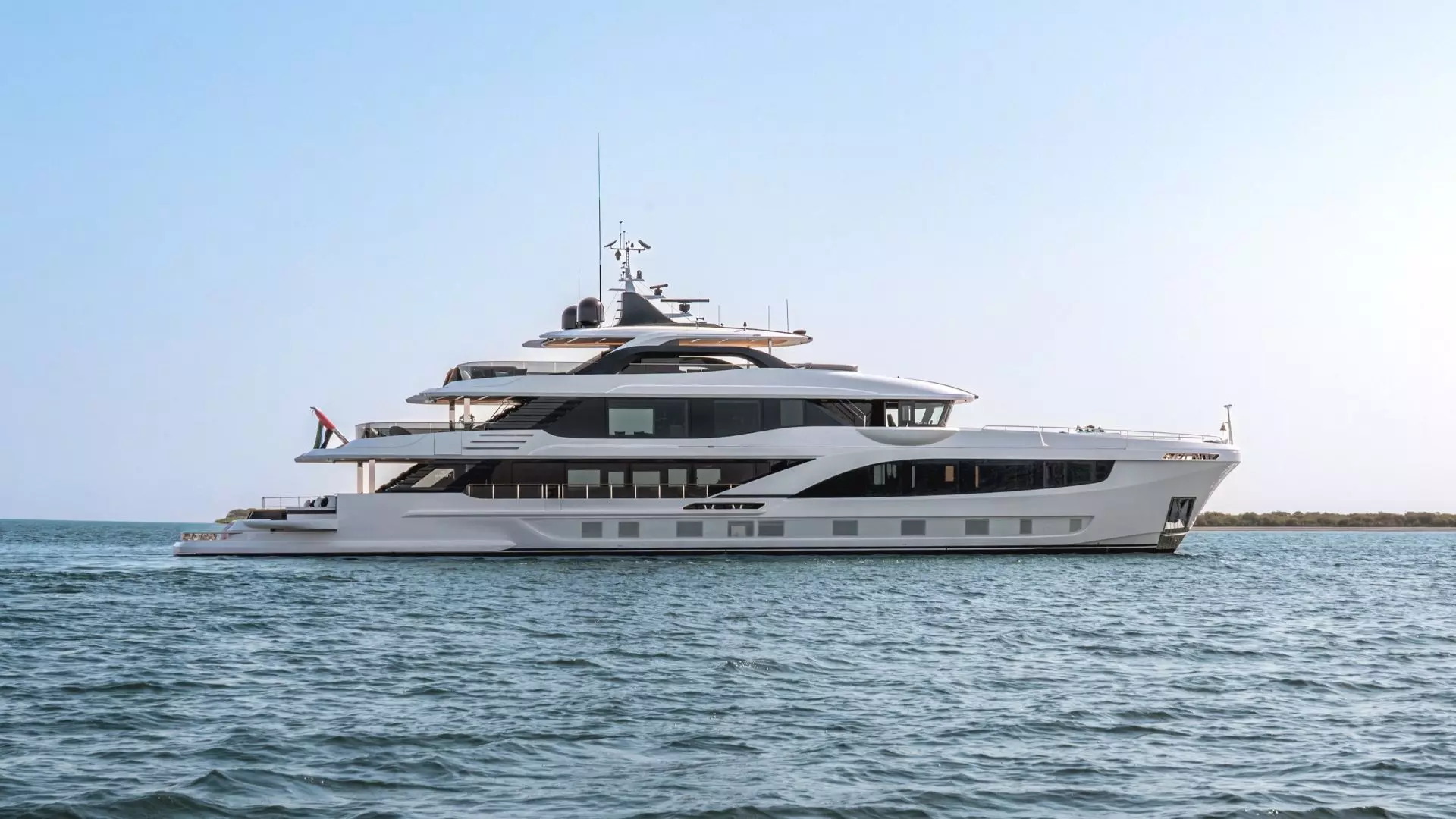
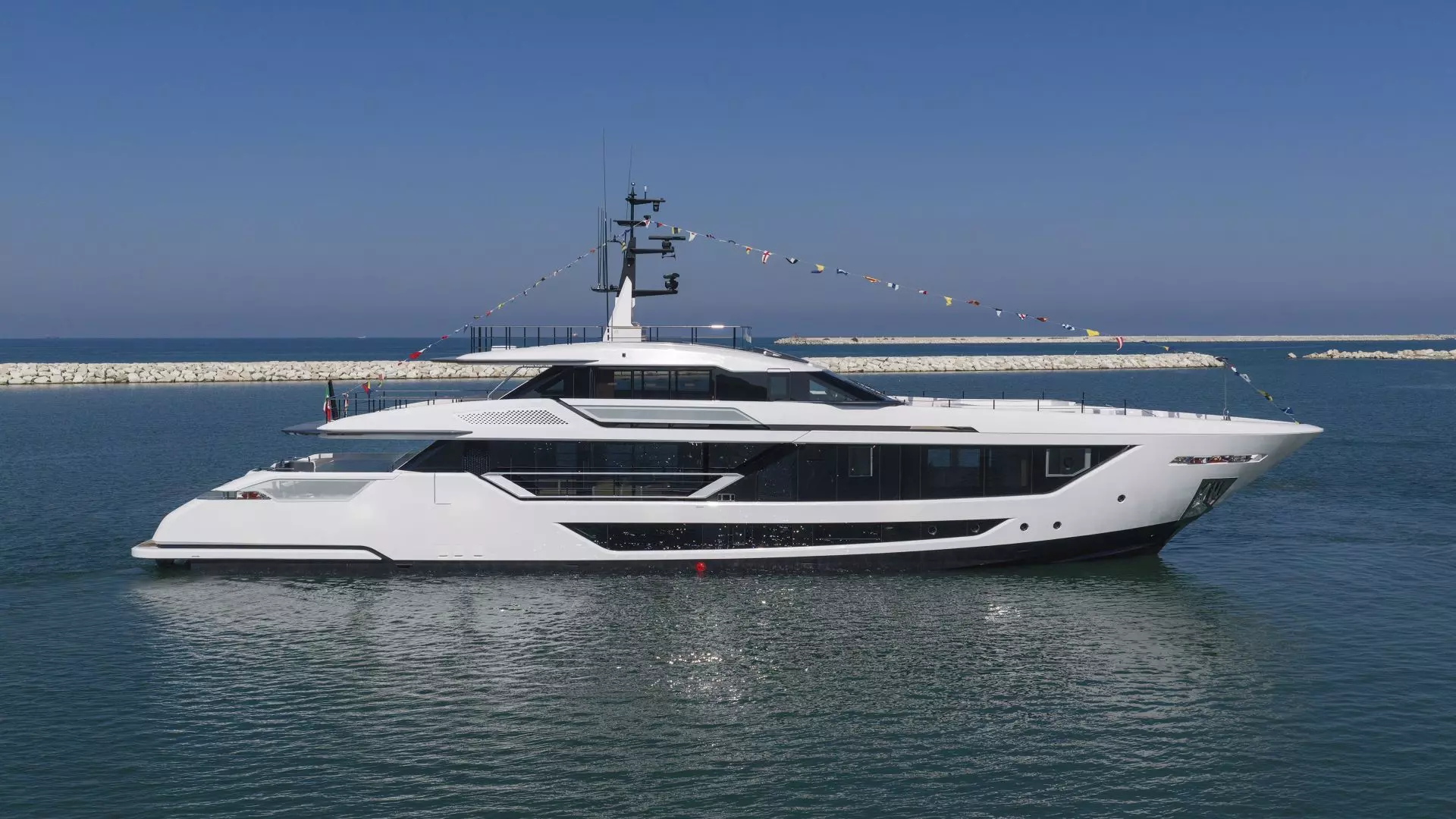
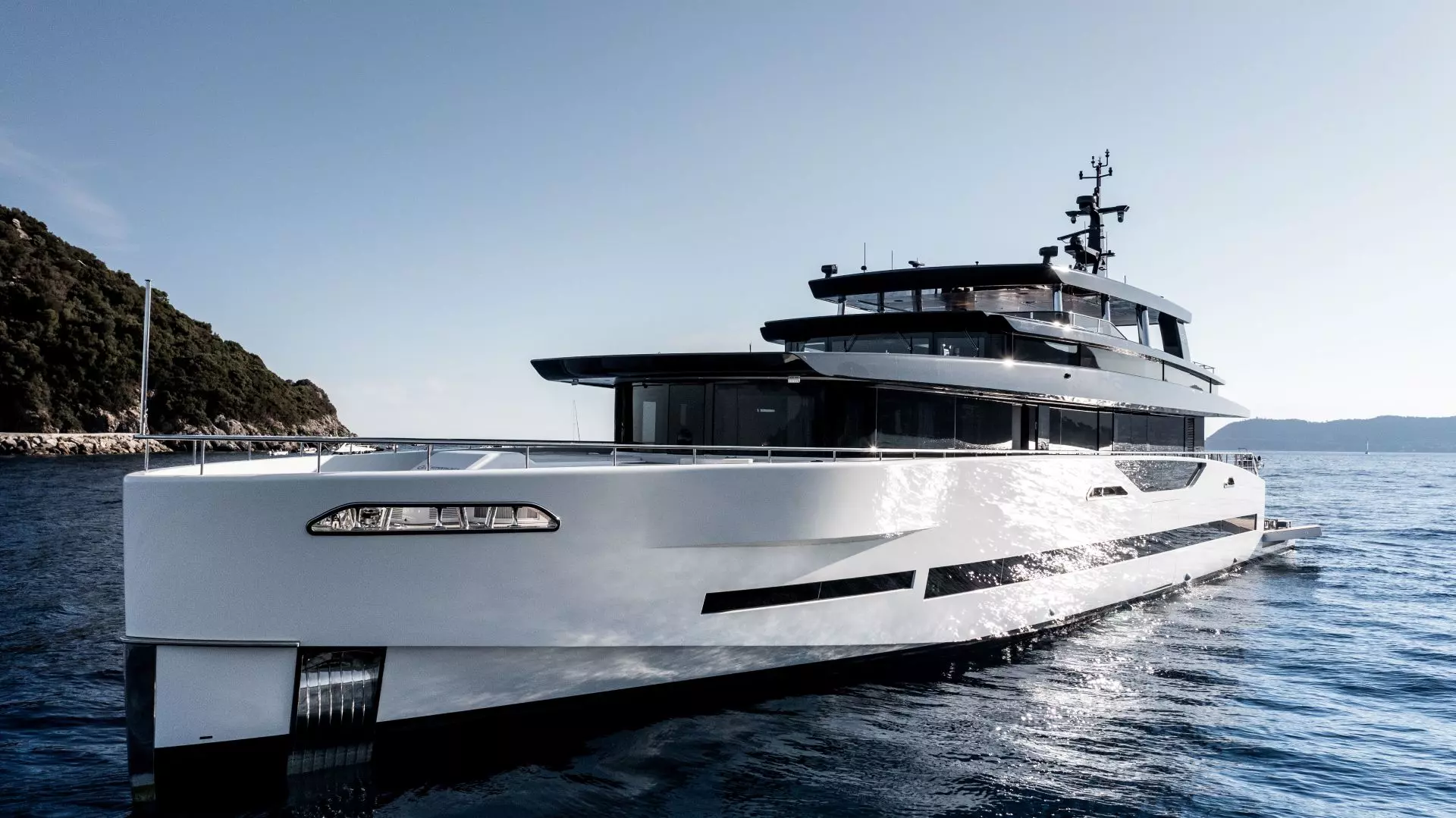
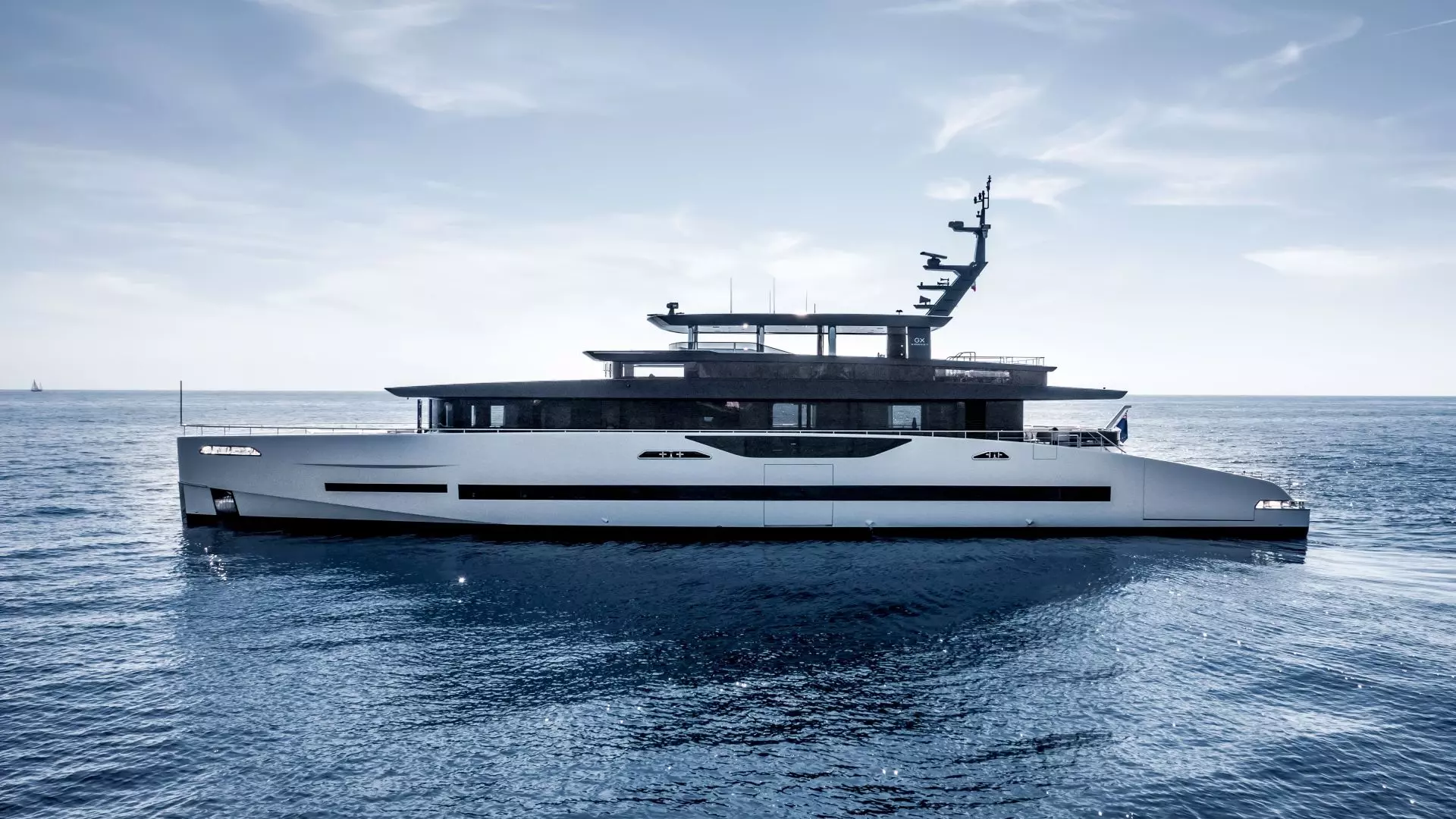
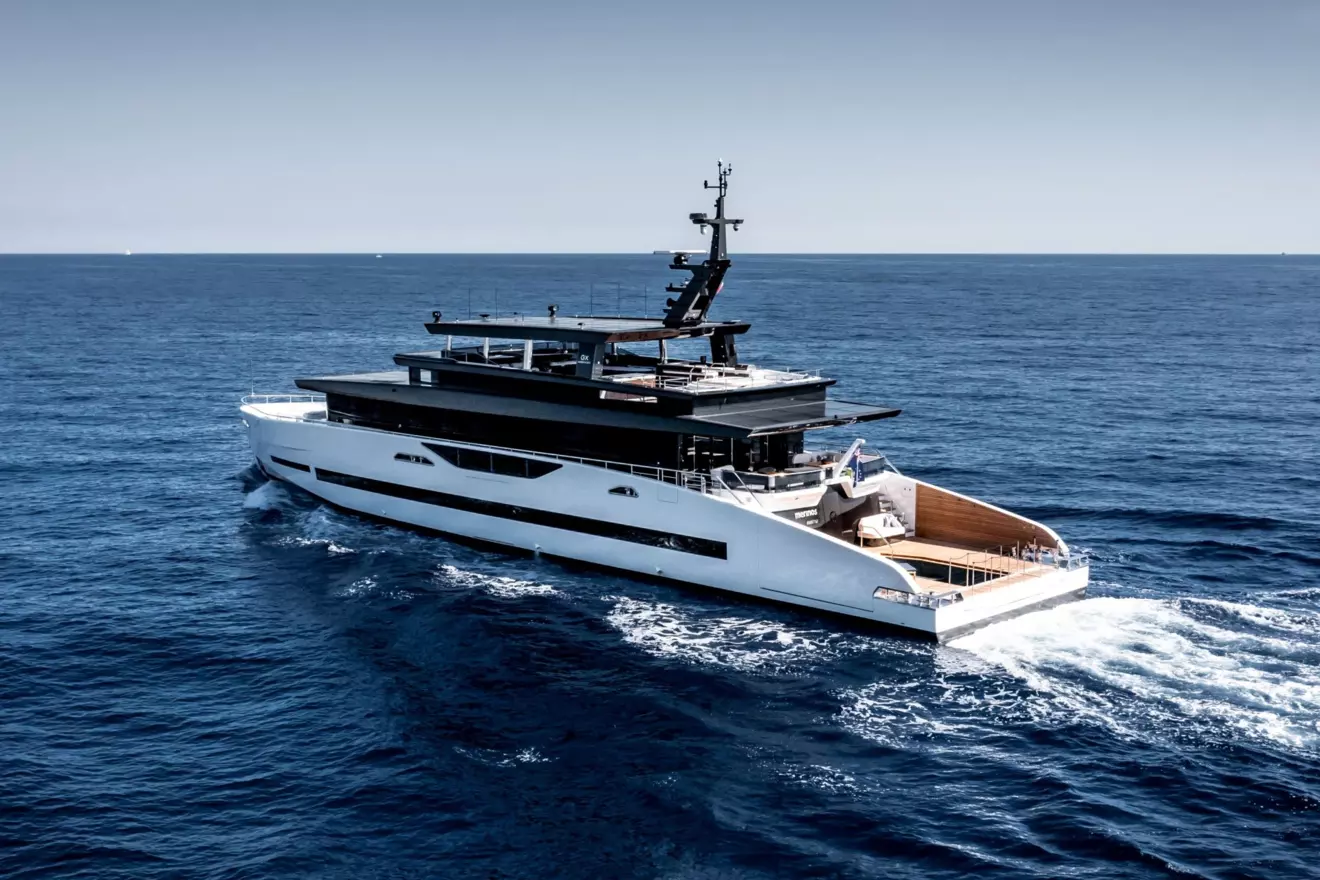
Making its debut at the Monaco Yacht Show 2026, the GX42 is the first yacht in GX Superyachts' new series of 42 metre yachts, designed by Marco Casali, engineered with input from NAMES and built at SES Shipyard.
Layout and interior
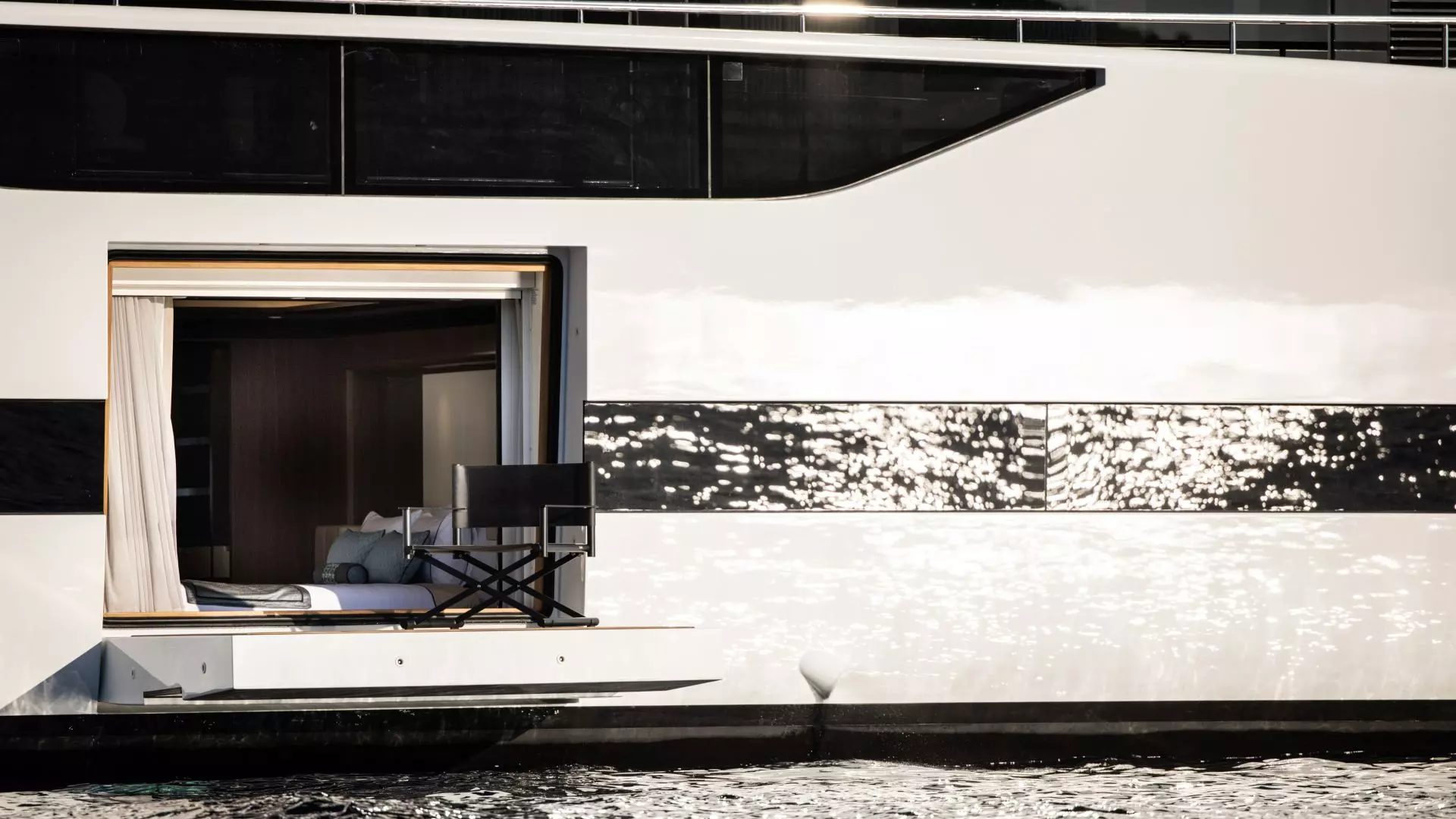
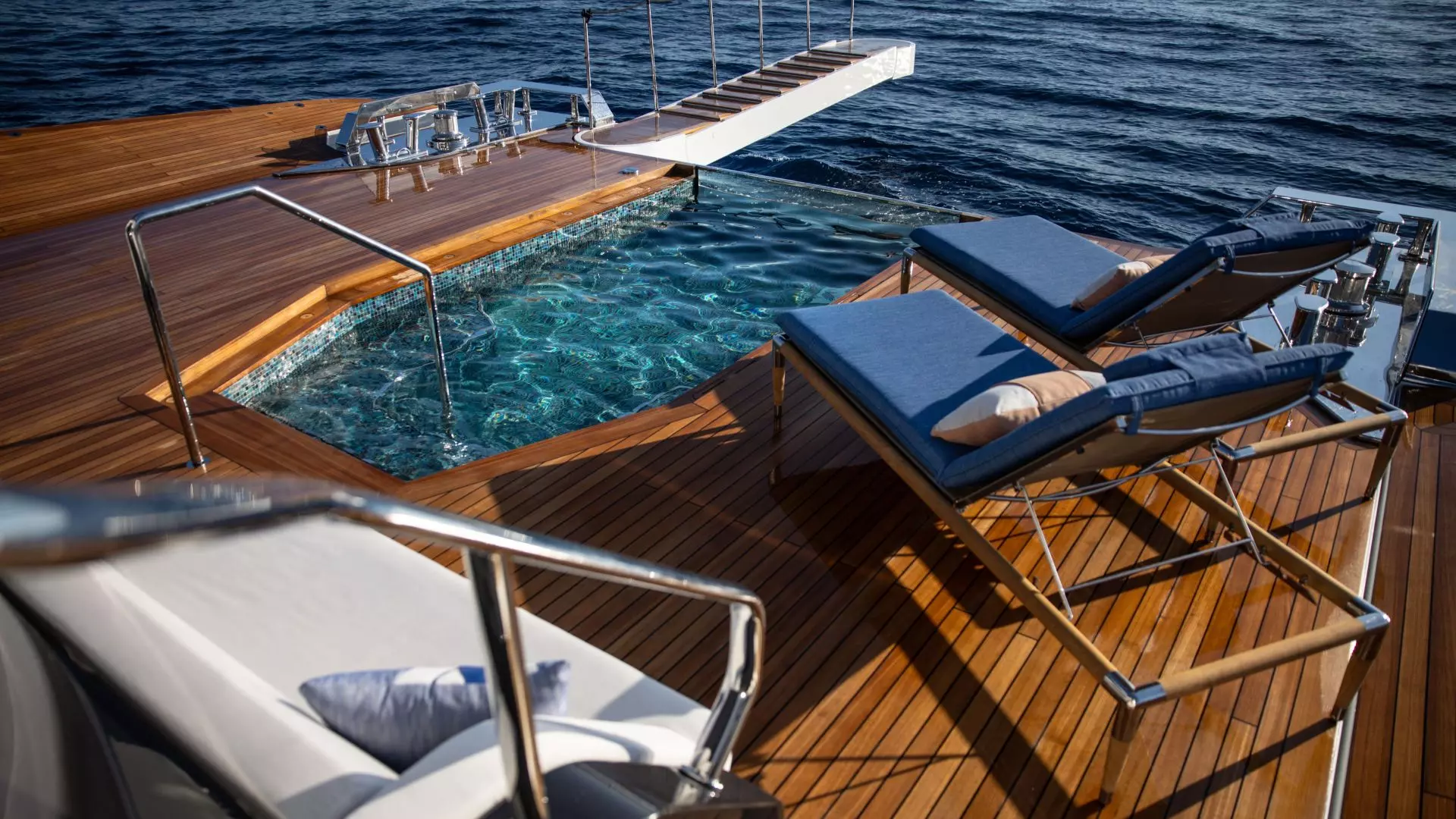
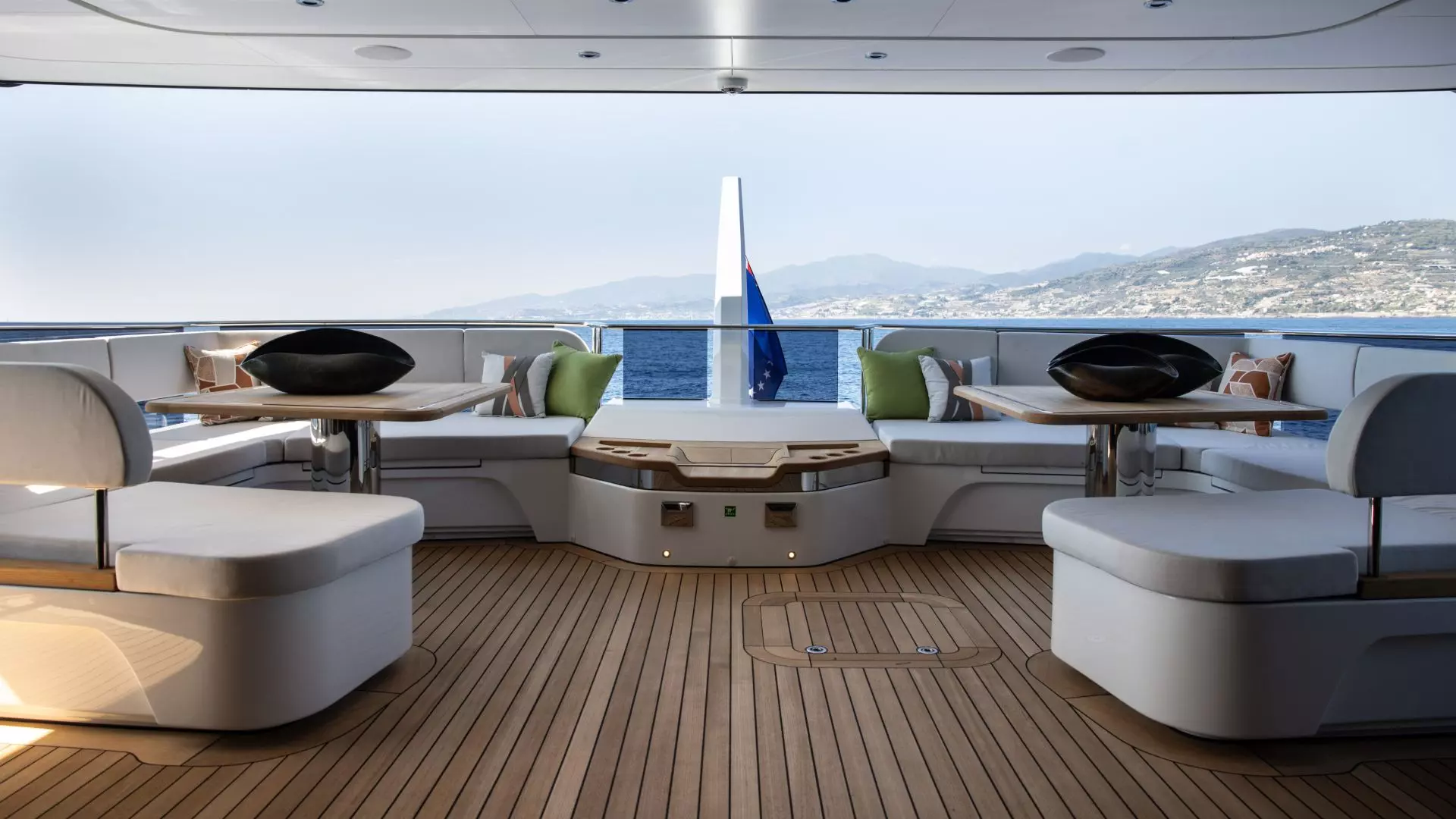
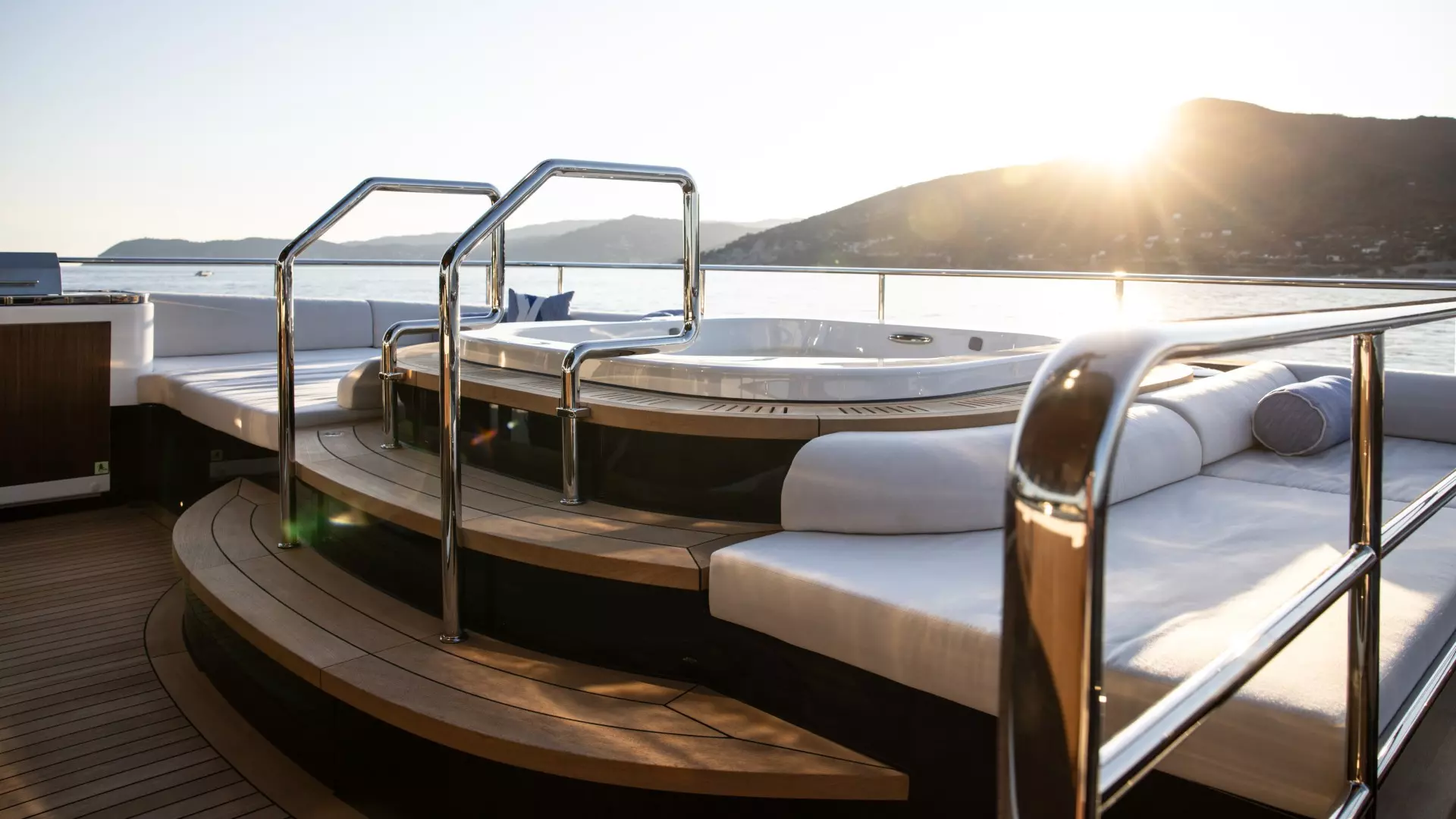
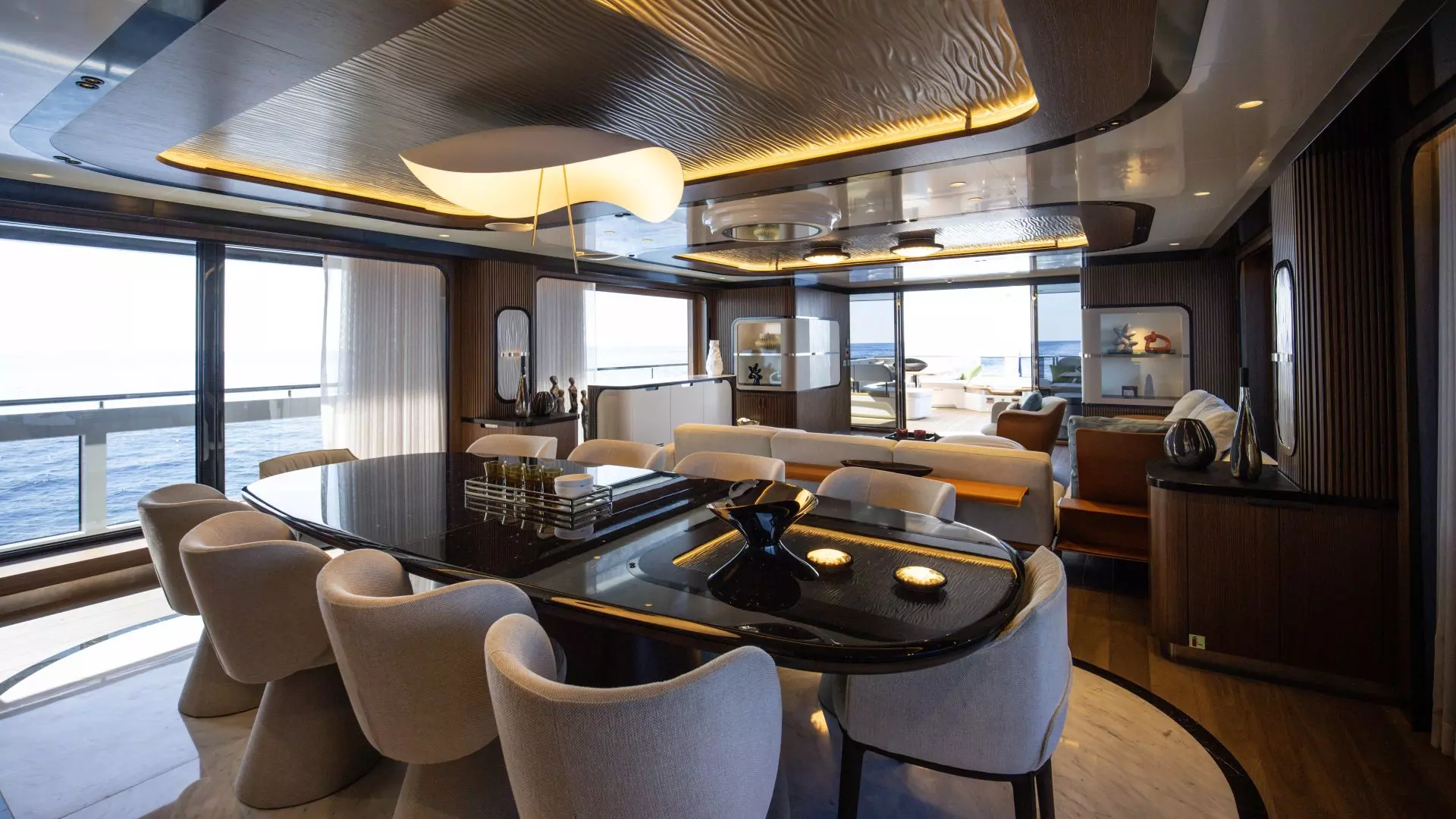
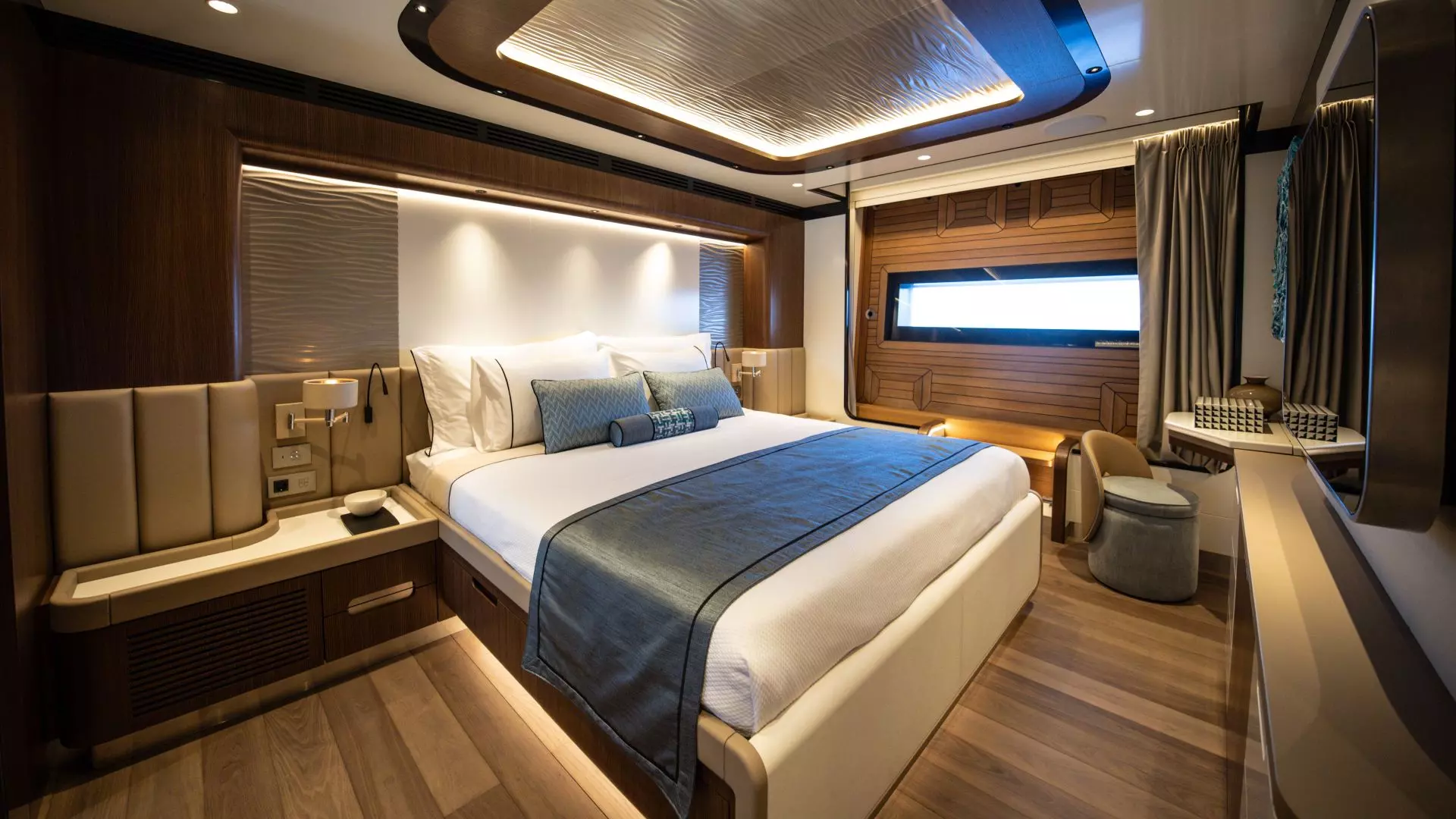
The first GX42 is the Raised Pilot House version, with a curved superstructure and a low upper deck. This frees up space for an owner's suite spanning the full beam on the main deck with a private foredeck terrace, while the lower deck has a VIP suite with a folding balcony and three further guest cabins. The social areas include a dining area for ten, a salon, and an upper deck with lounging areas, sunbeds, a bar and a Jacuzzi.
The result is an interior design not as a statement of excess, but as a calm and highly functional environment for extended periods on board.
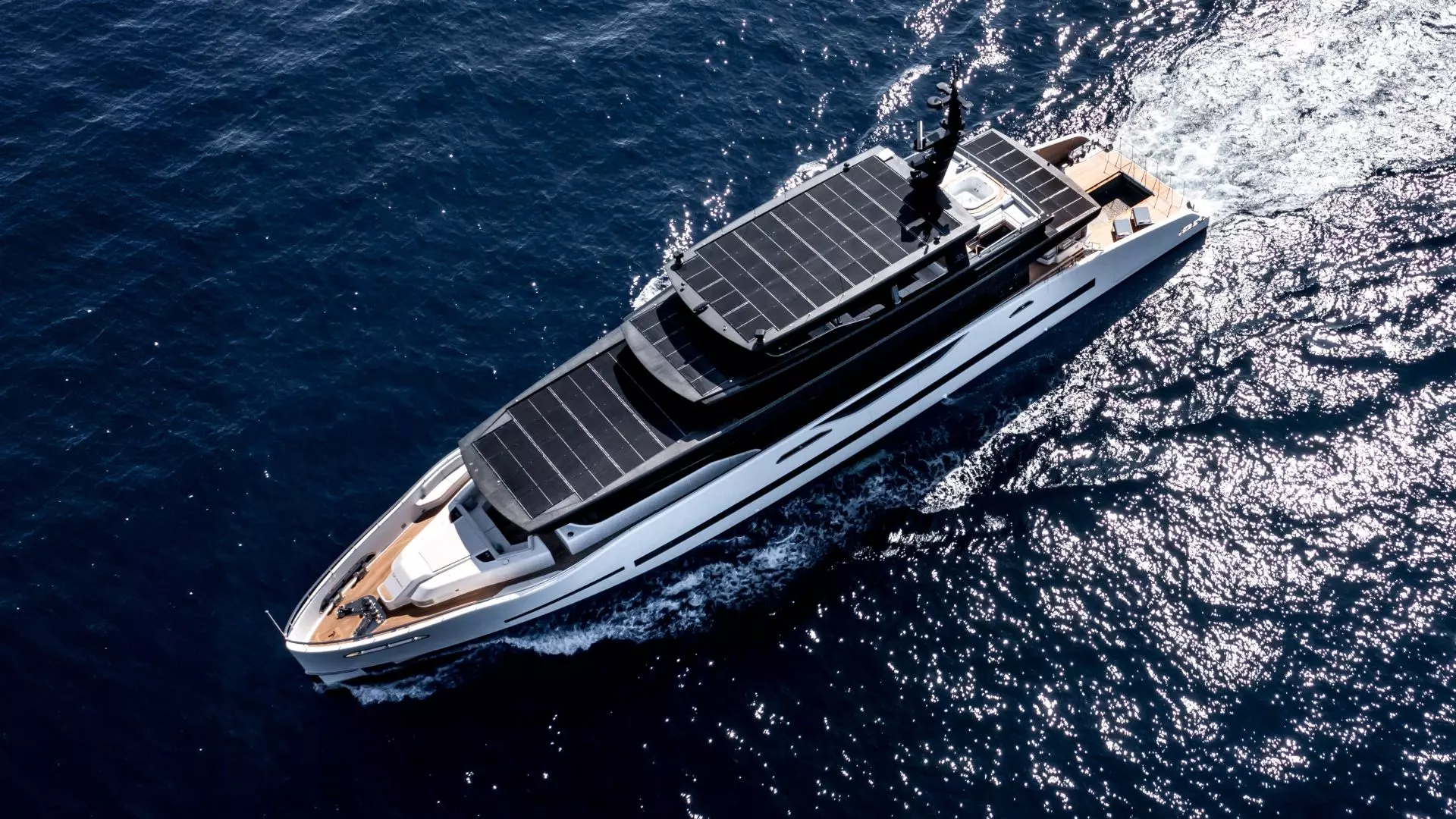
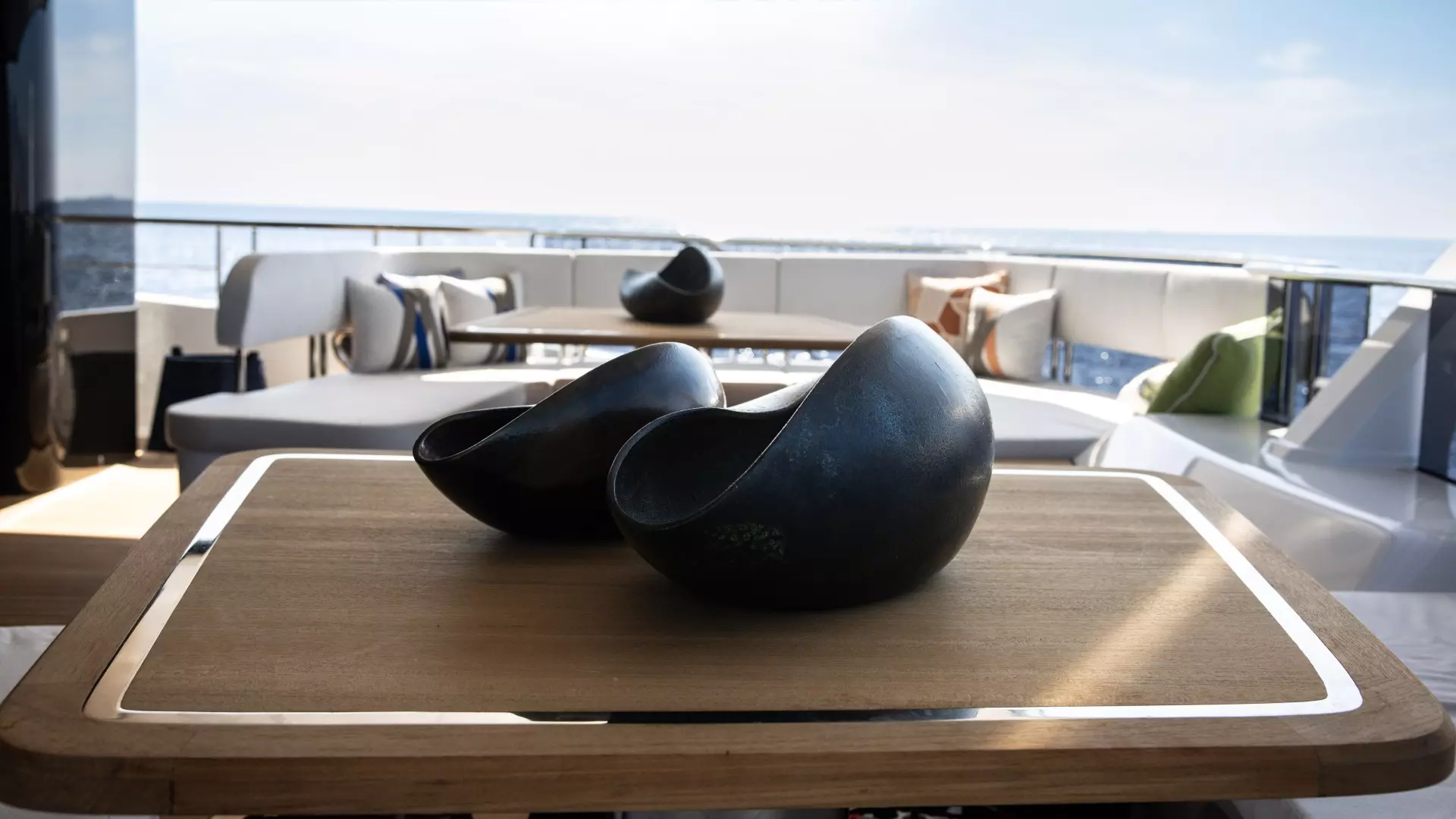
'This is no showboat for flexing the muscles. We worked closely with the owners to realise their priorities for a family-friendly design that favours extended periods on board. By using natural materials like Italian leather, stone and wood, we have created an intensely calming interior, but also one that fits the GX Superyachts principles of Responsible Yachting.,' says Marco Casali, describing a brief centred on family life and long stays on board.
Propulsion
None of her technologies is new in itself. What is unusual is finding diesel engines, electric machines, lithium batteries, solar panels and energy management combined on a yacht of this size and range, treated as one system that picks the most suitable energy source for the conditions.
'Efficiency should be engineered into the yacht from the outset, rather than added afterwards,' says GX Superyachts CEO and founder Vladimir Zinchenko.
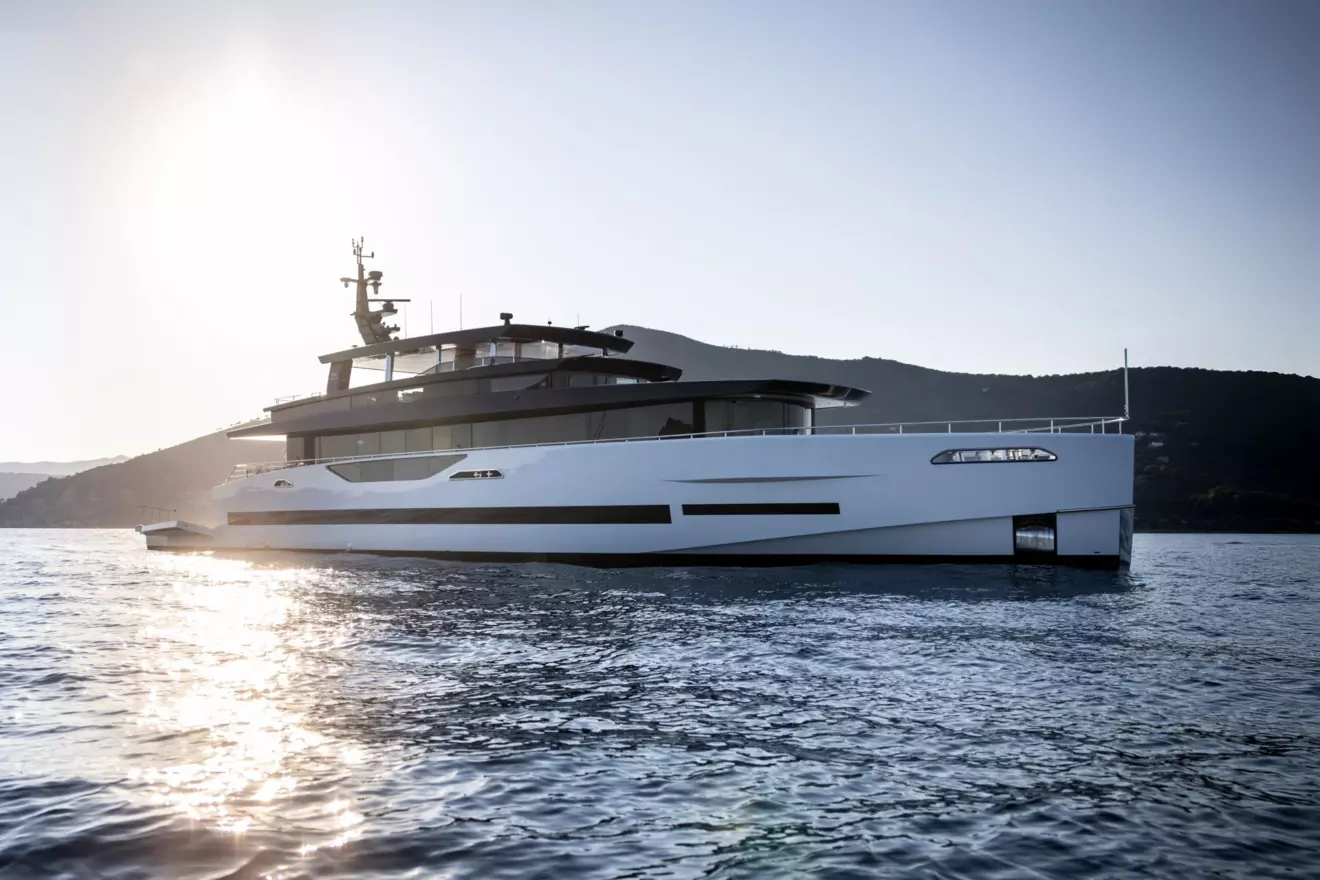
The GX42 is a true parallel hybrid, not a serial one. Her two MAN main engines remain mechanically connected to the propeller shafts, with electric machines integrated into the drivetrain. Mechanical and electric power can be combined or used independently, so diesel propulsion covers sustained cruising and high power demand, while the electric side supports low load operation.
Batteries and solar
The lithium iron phosphate (LFP) battery bank totals around 938 kWh, made up of 24 modules of roughly 39.1 kWh each, and serves both propulsion and hotel loads. At anchor the yacht can run on stored energy instead of a running generator, meaning less noise and vibration, particularly overnight.
GX Superyachts quotes up to 48 hours of zero emission operation at anchor and up to 45 per cent lower onboard electricity consumption. These are stated targets, and results will depend on hotel load, air conditioning demand, ambient conditions, state of charge and solar contribution.
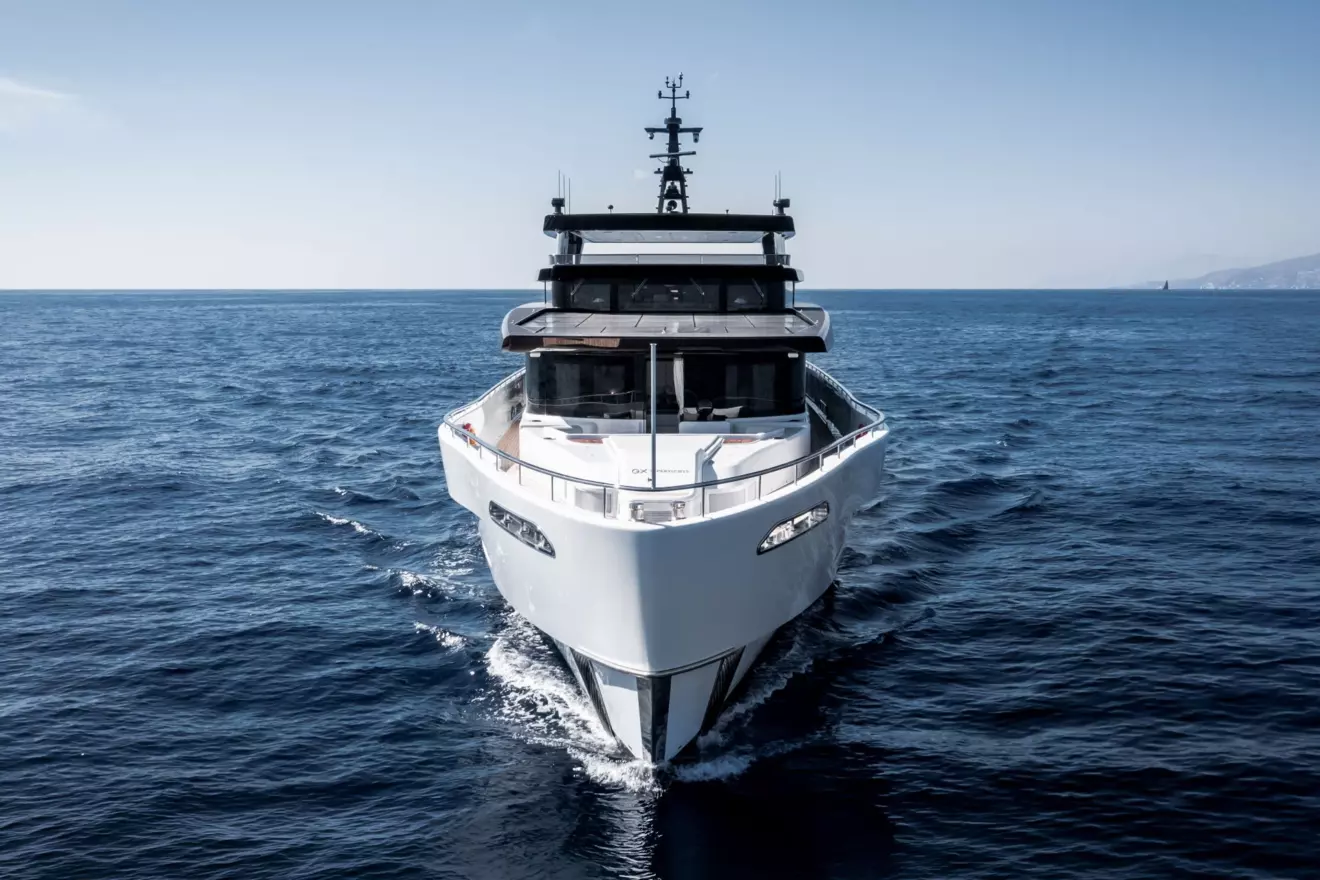
About 27 kWp of photovoltaic panels are built into the upper surfaces, including the opening sundeck wing. Solar cannot cover all hotel power on a yacht this size, but every kilowatt hour from the sun is one the diesels or batteries do not have to supply.
A slender hull gives an economical cruising speed of around 9 knots and a range of more than 5,000 nautical miles, with higher speeds available under conventional propulsion. Lower propulsion demand lets the engines run less often or closer to their efficient load points.
Expanding the GX Superyachts portfolio
Meanwhile, GX Superyachts continues to expand its portfolio, with development progressing on the Voyager 38 and Voyager 45 models, alongside plans for future GX35 and GX50 yachts as the brand builds out its range.
Photos & video Studio Bomba & GX Superyachts