Croatia’s Luxury Cruiser Charter
Date
Reading time
21 min
Luxury cruisers create a category of their own, standing between classic yachts with a maximum capacity of 12 guests and cabin-charter cruisers, they offer a high level of service and accommodation which varies between 10 and 13 cabins and cost a fraction of price compared to chartering superyachts
Croatian Sea has long served as a prestigious stage for many yachtsmen, from the bare-boat charters and luxury catamarans to fully crewed superyachts. Yet a specific category of vessel has recently redefined the parameters of high-end travel in these waters. Luxury cruisers represent a subtle yet easy solution to a dilemma that many yacht guests with travel groups of more than 12 guests face.
The central challenge was finding a way to enjoy a holiday that matches the service and quality of a private yacht while keeping a large party together under one roof. Secondly, and not less important is the significant cost increase, because traditionally, larger groups were forced to split into multiple yachts, doubling the budger and still not being all together.
What Is a Luxury Mini Cruiser? The Croatian Experience
On one end of the spectrum, you had the elite private yachts which are legally and physically limited to twelve guests. On the other end, there were large ships dedicated to cabin charters. In the cabin charter model, individual travellers would book a single cabin (room) and share the public spaces with people they did not know. Luxury cruisers now occupy the precise territory that, until quite recently, did not exist, and it is only possible in Croatian waters.
Before they were recognized as a standalone category, these luxury cruiser yachts were viewed merely as an extension of the cabin charter industry. However, the needs of the modern traveller began to shift. Large families, extended circles of friends, and corporate teams started seeking the space, privacy, and flexibility associated with yachting, but with a non-negotiable requirement: they wanted to remain together as a single unit.
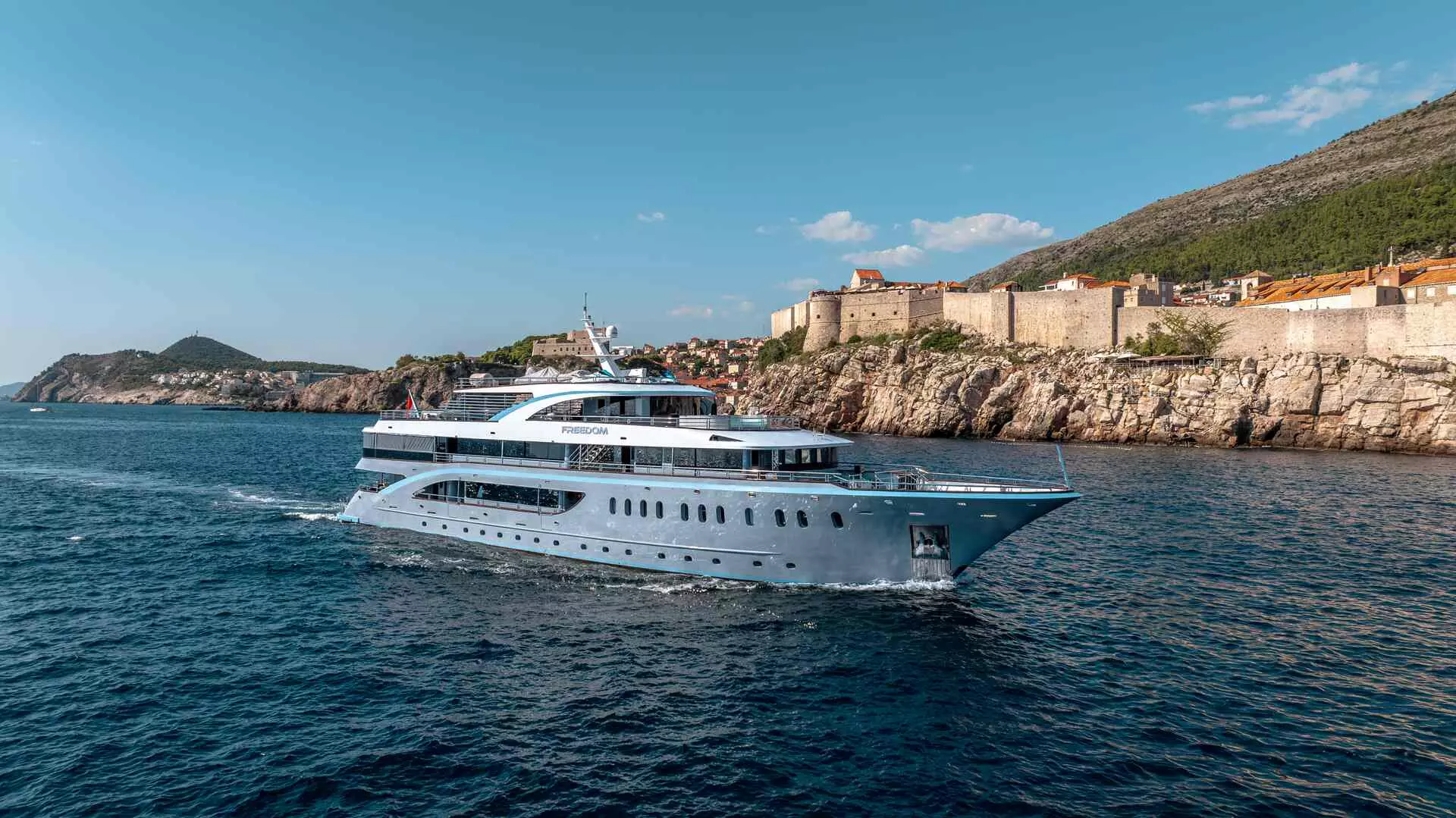
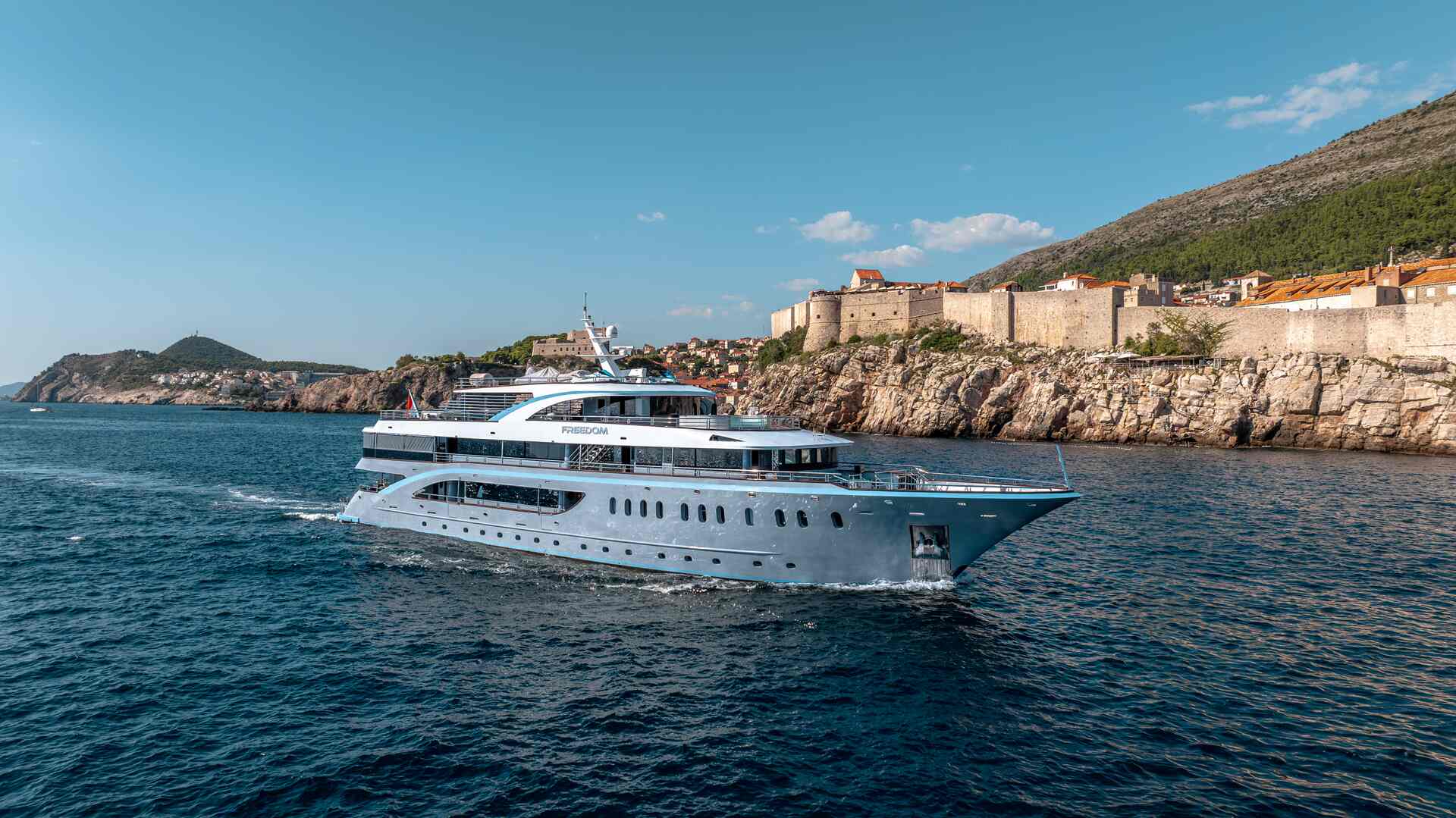
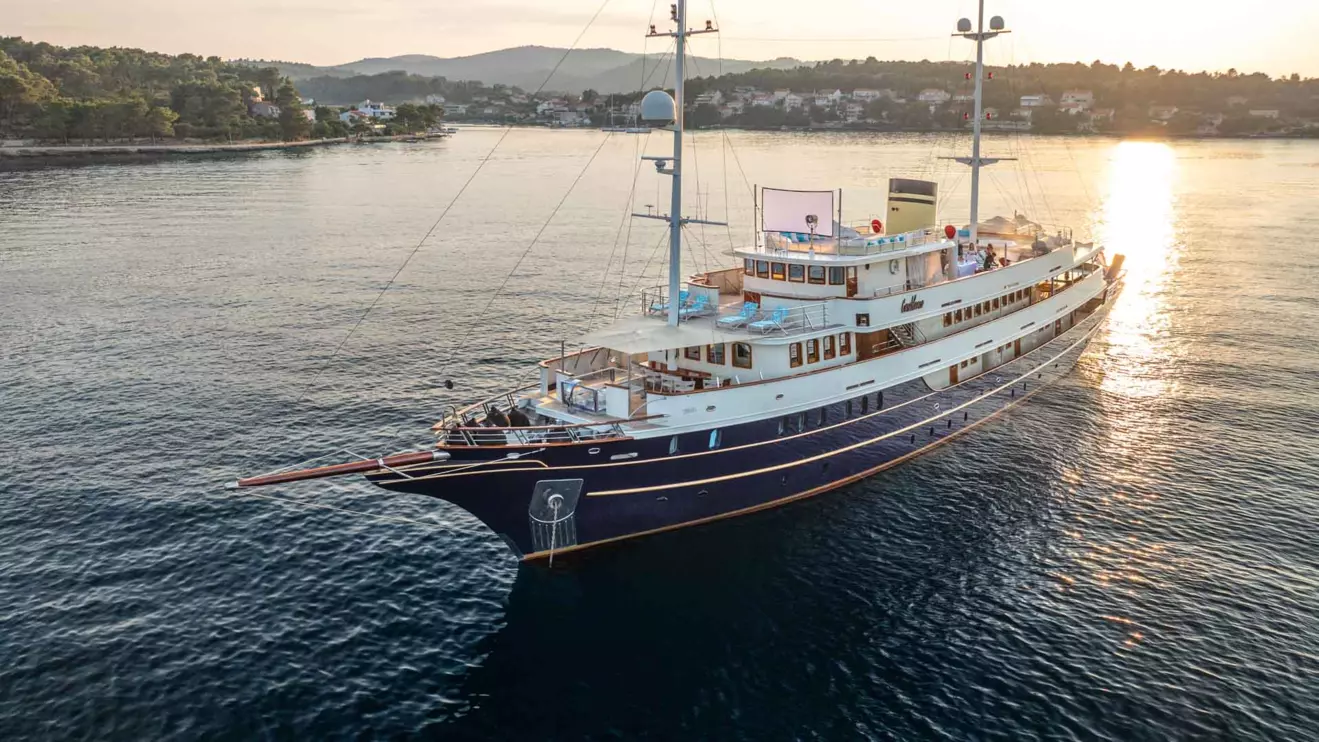
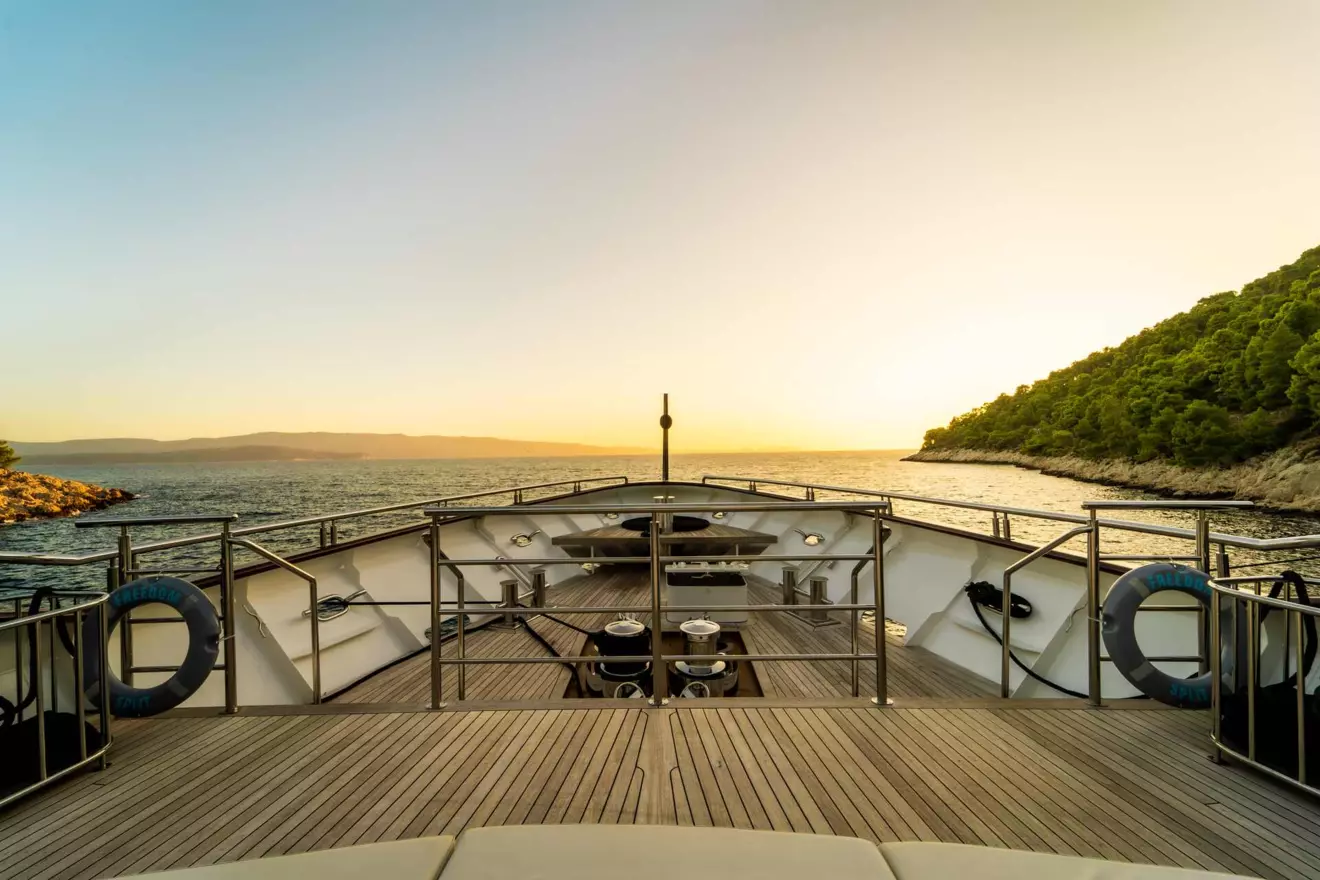
According to Ivan Rakuljić, the owner and the captain of Freedom, this segment of the industry was not the product of a marketing agency or a trend forecast. Instead, it grew organically from observing how people wanted to travel. Freedom is a prime example of a vessel that successfully made the transition from the traditional cabin charter model to a high end private charter style. These ships were known to stay out of definition as a classic yachts, yet they were becoming too sophisticated to stay within the realm of standard mini cruisers. Luxury cruisers sit exactly between these two worlds. They borrow the sturdy and spacious structure from the larger ships while adopting the refined service sensibility of a private yacht. Moulded by local maritime regulations, requirements from the global market, and a very specific profile of guests who demanded more than just a place to sleep at sea, they became a solo category and Croatia became the natural environment where this hybrid vessel found its most successful form.
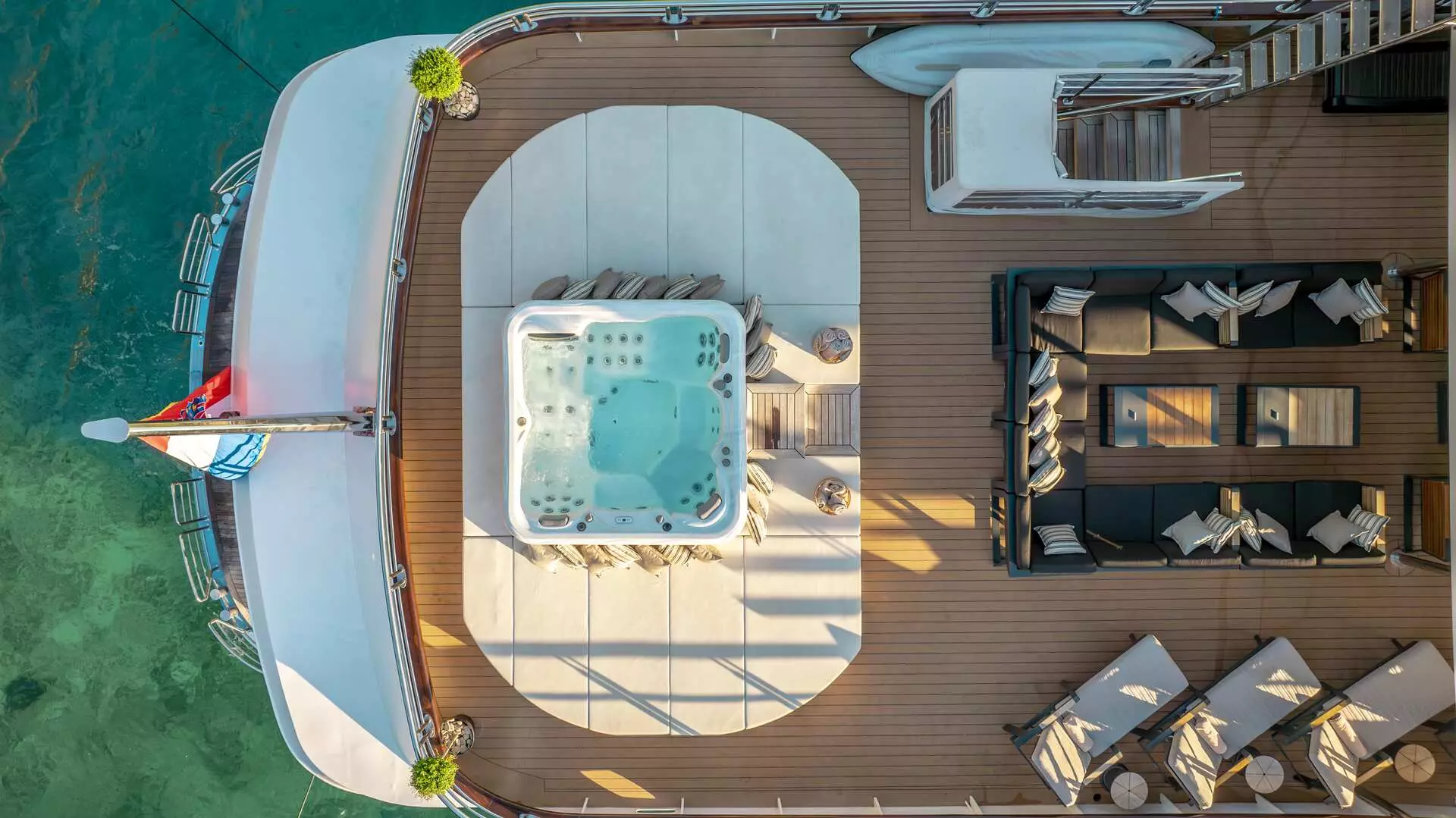
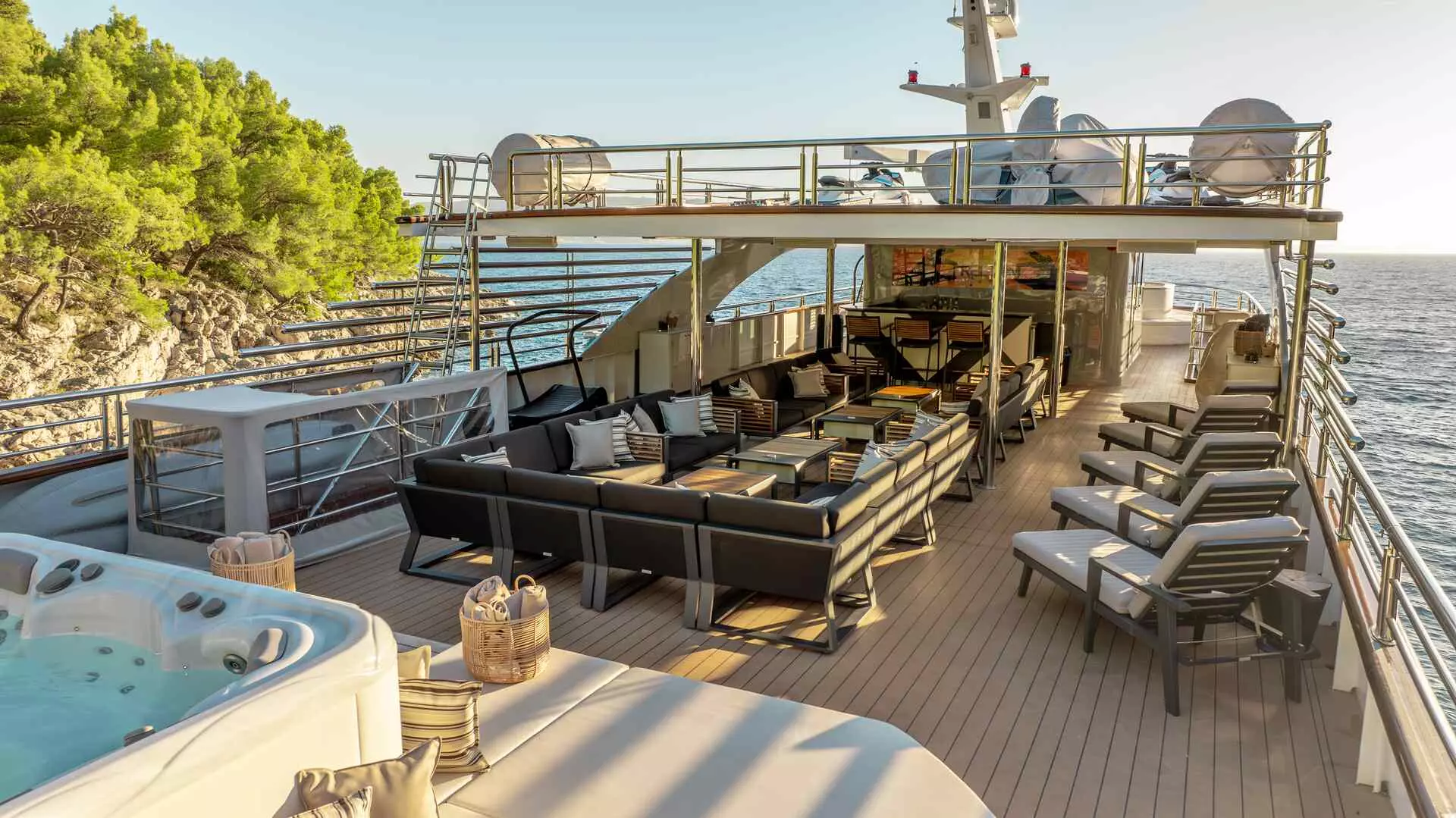
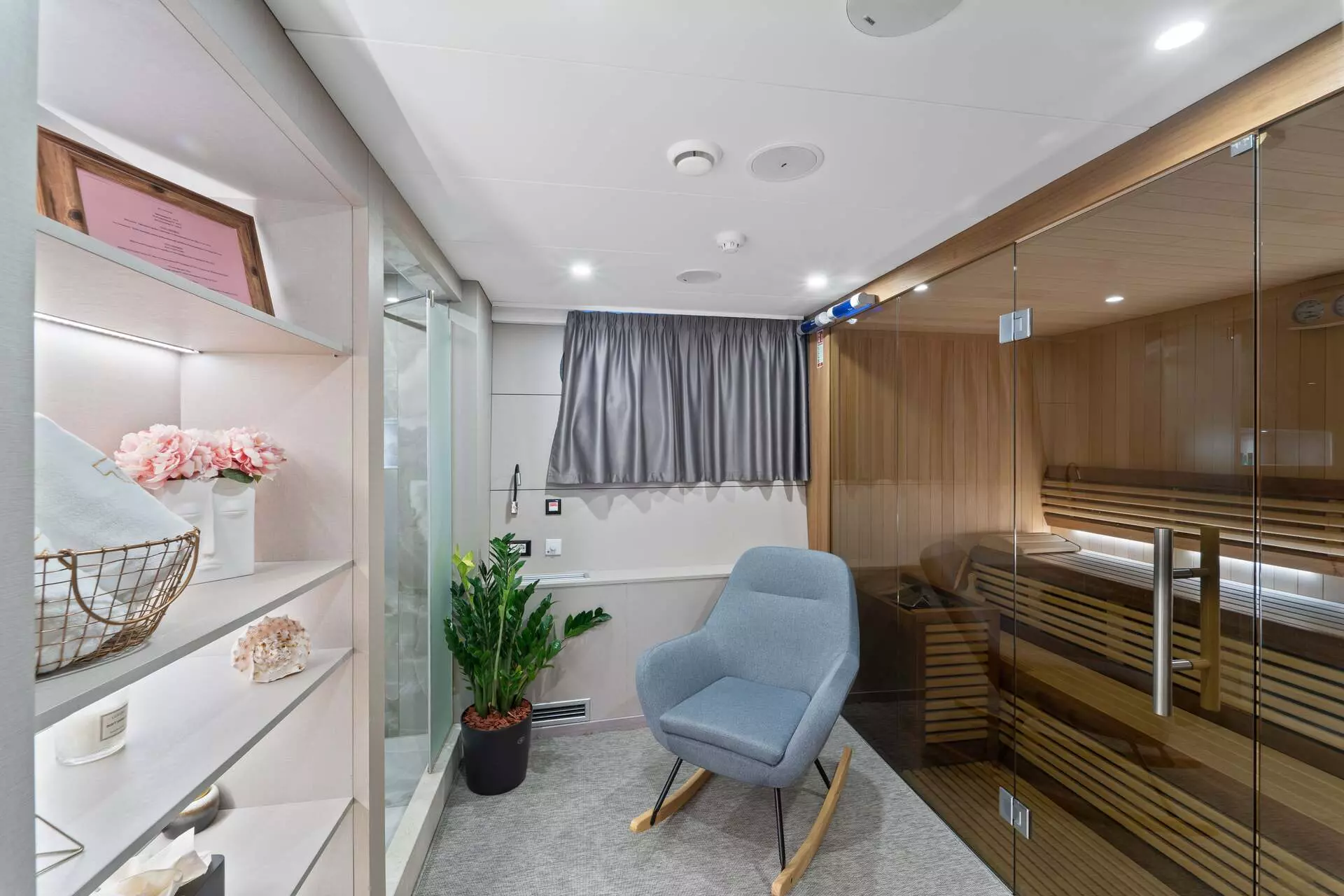
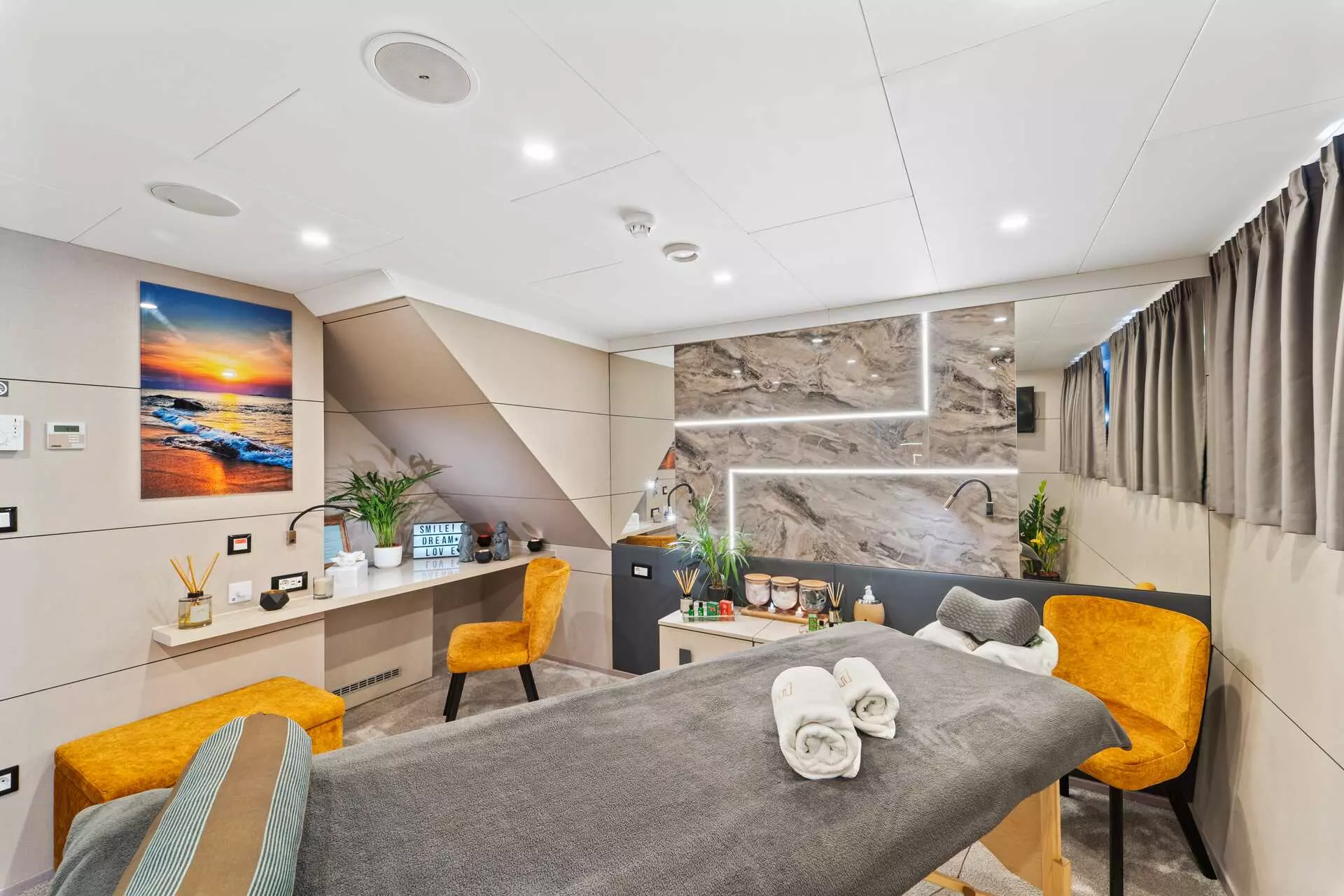
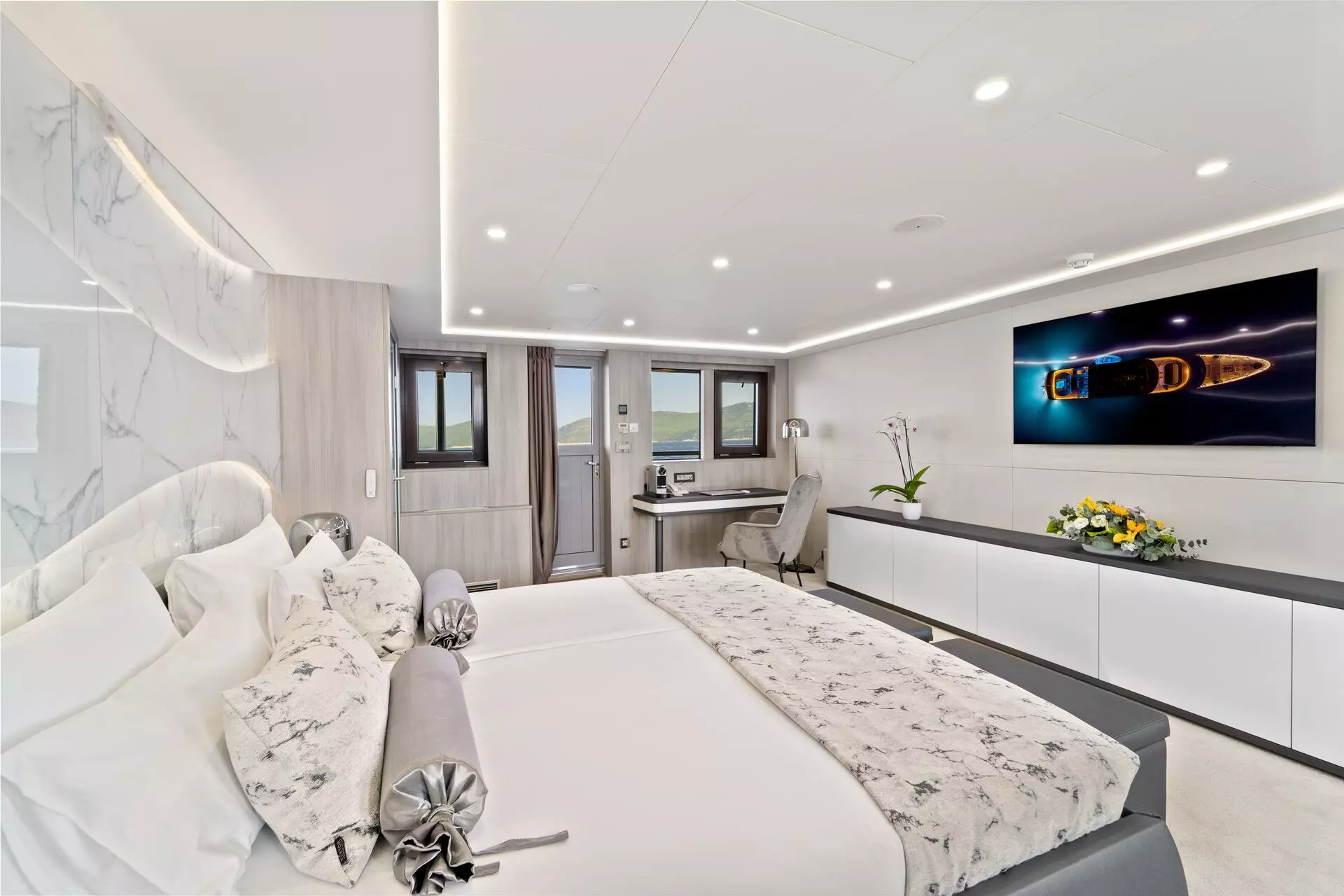
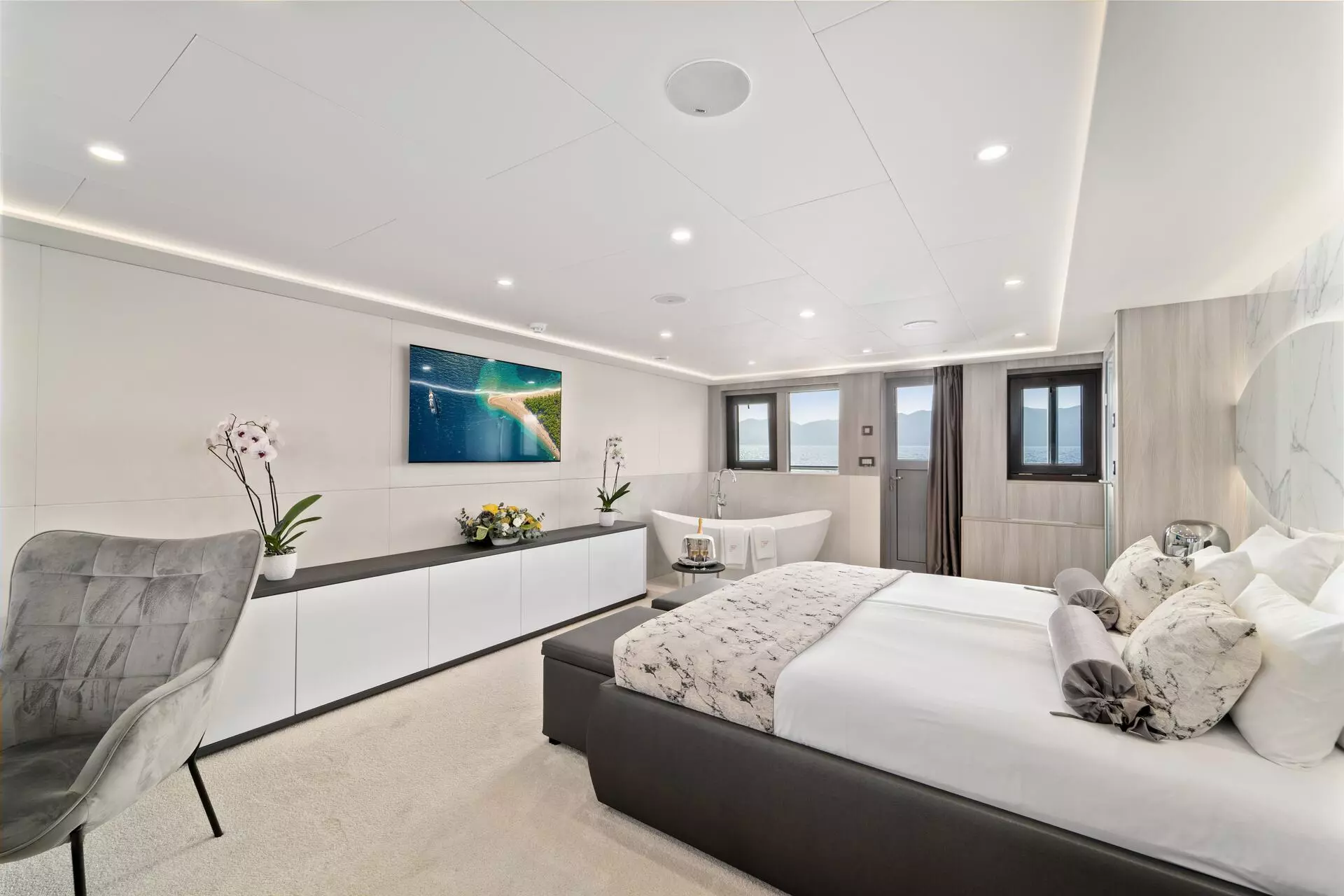
Today, you can find the boats varying in capacity from eight to thirteen cabins which are chartered in a yacht manner to usually one individual, working on APA principles and offering high level of service to the guests, including indoor and outdoor cinemas, massage rooms, gyms, sauna and yoga spaces and many more, all based on the demand of international clientele. All this with a 100% freedom on the routes or charter length.
This entire shift was a direct reaction to the reality of guest expectations. Owners who had spent decades in the cabin charter business, noticed that their clients no longer wanted to be bound by rigid schedules or share their holiday with people they had never met. They wanted a privacy and the high level of service usually found on yachts, but they needed the physical capacity to host their entire group. And a proper price tag for this.
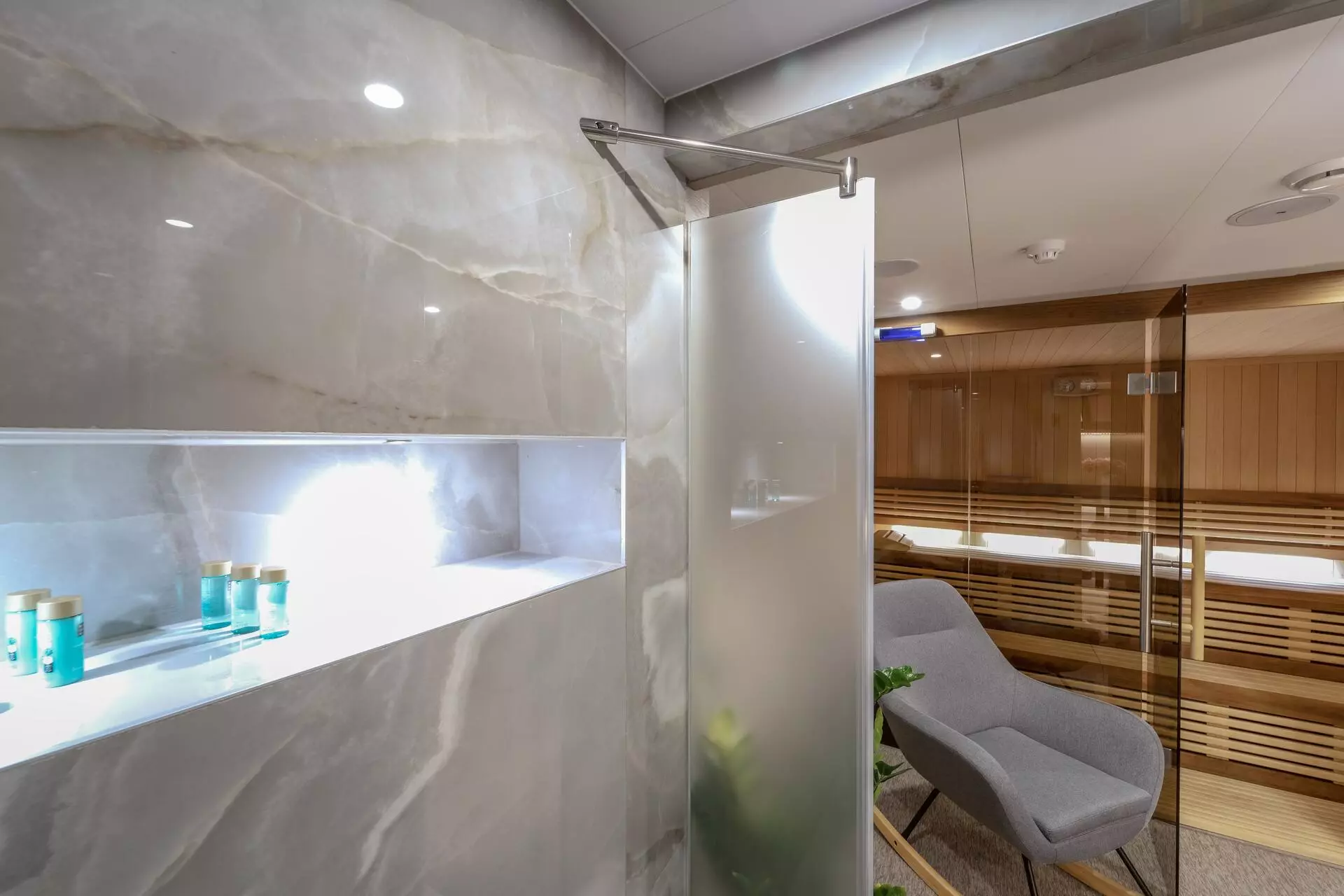
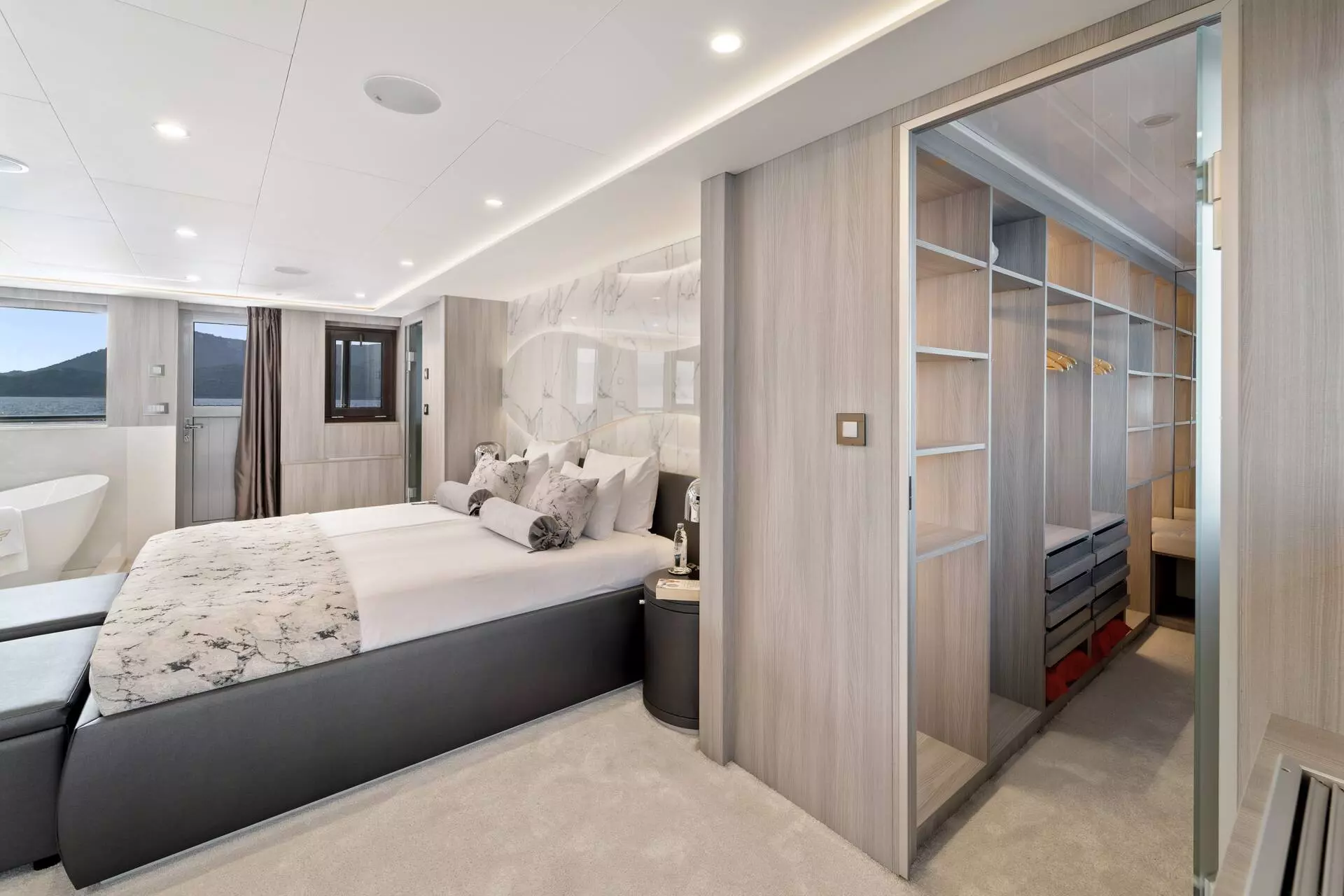
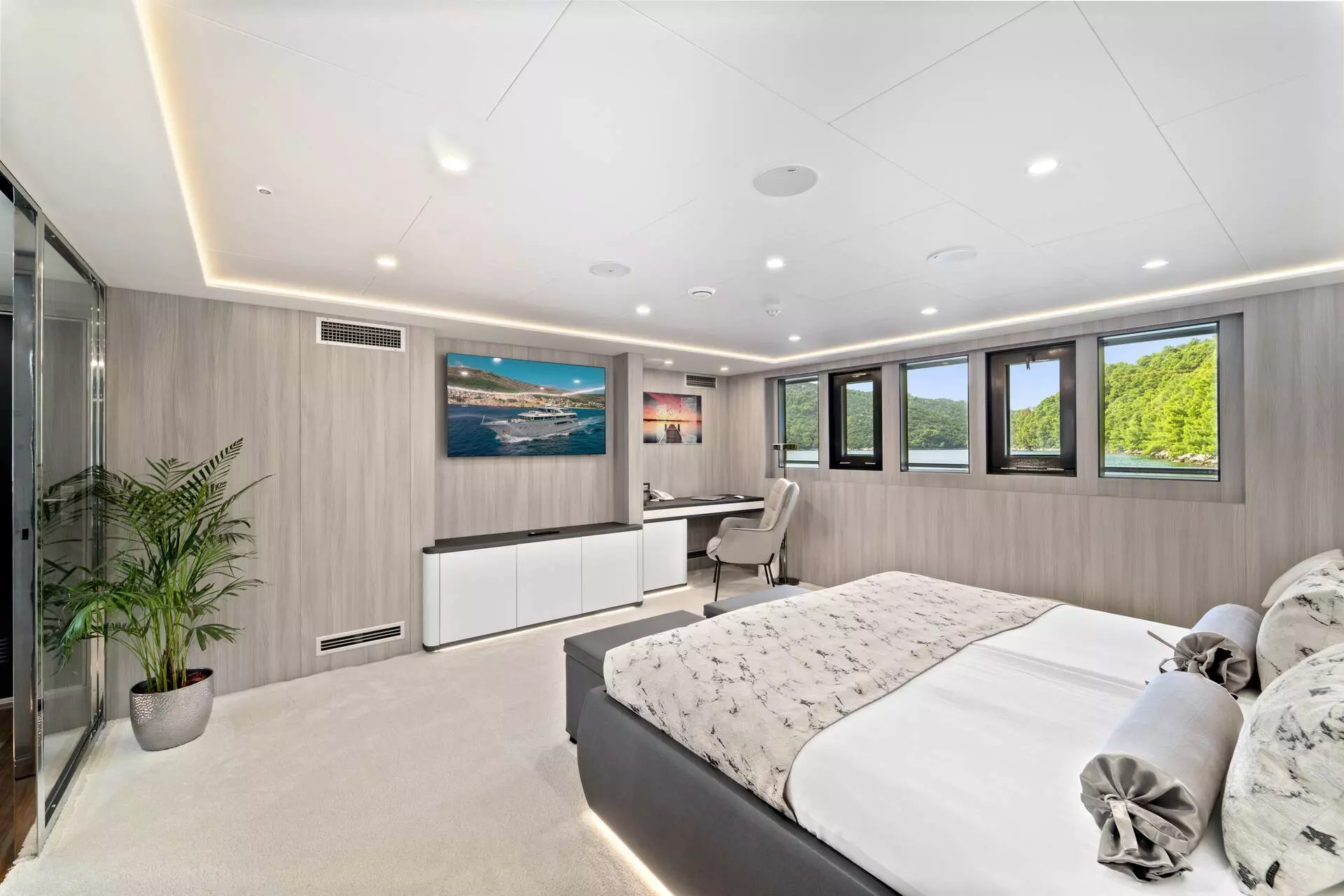
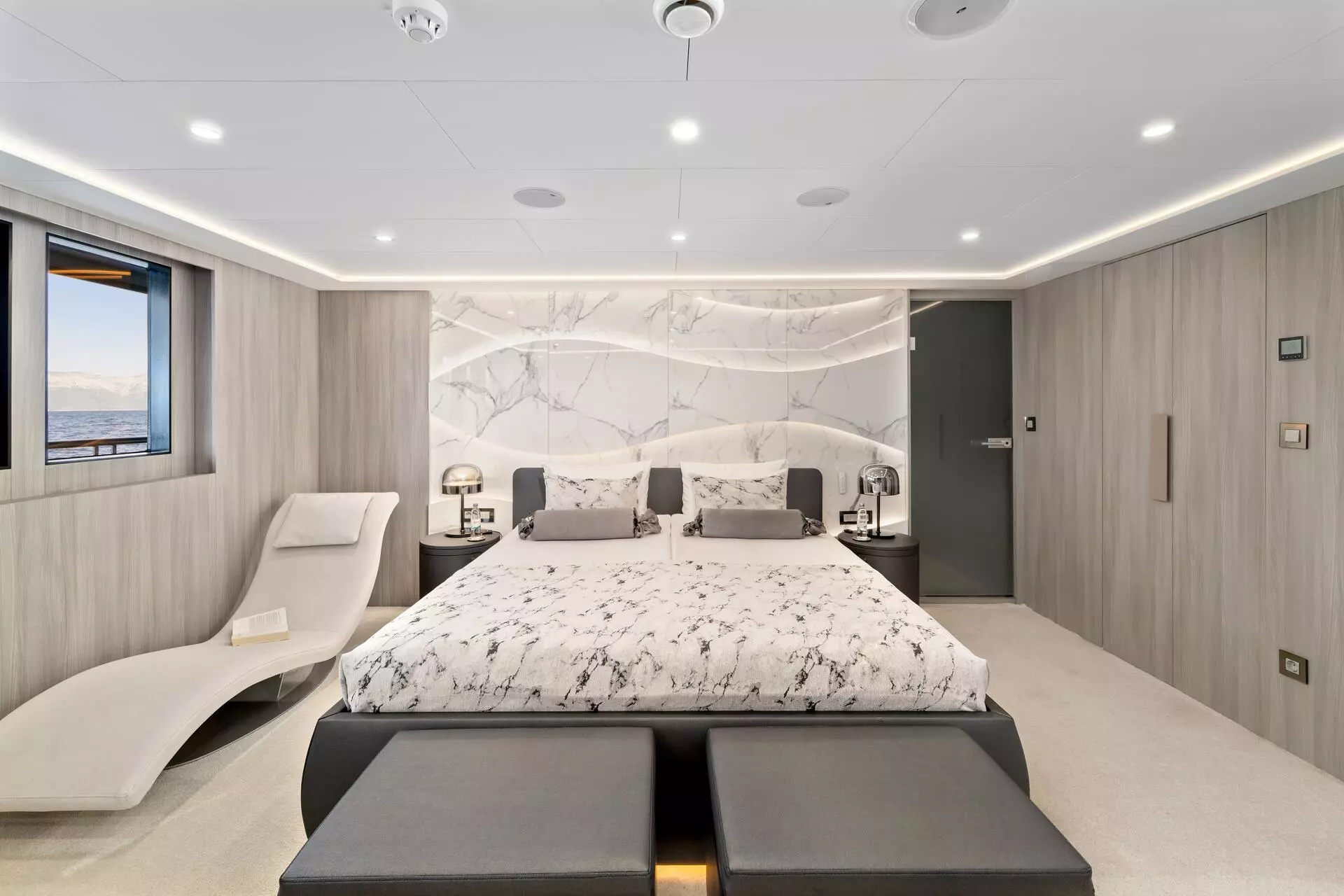
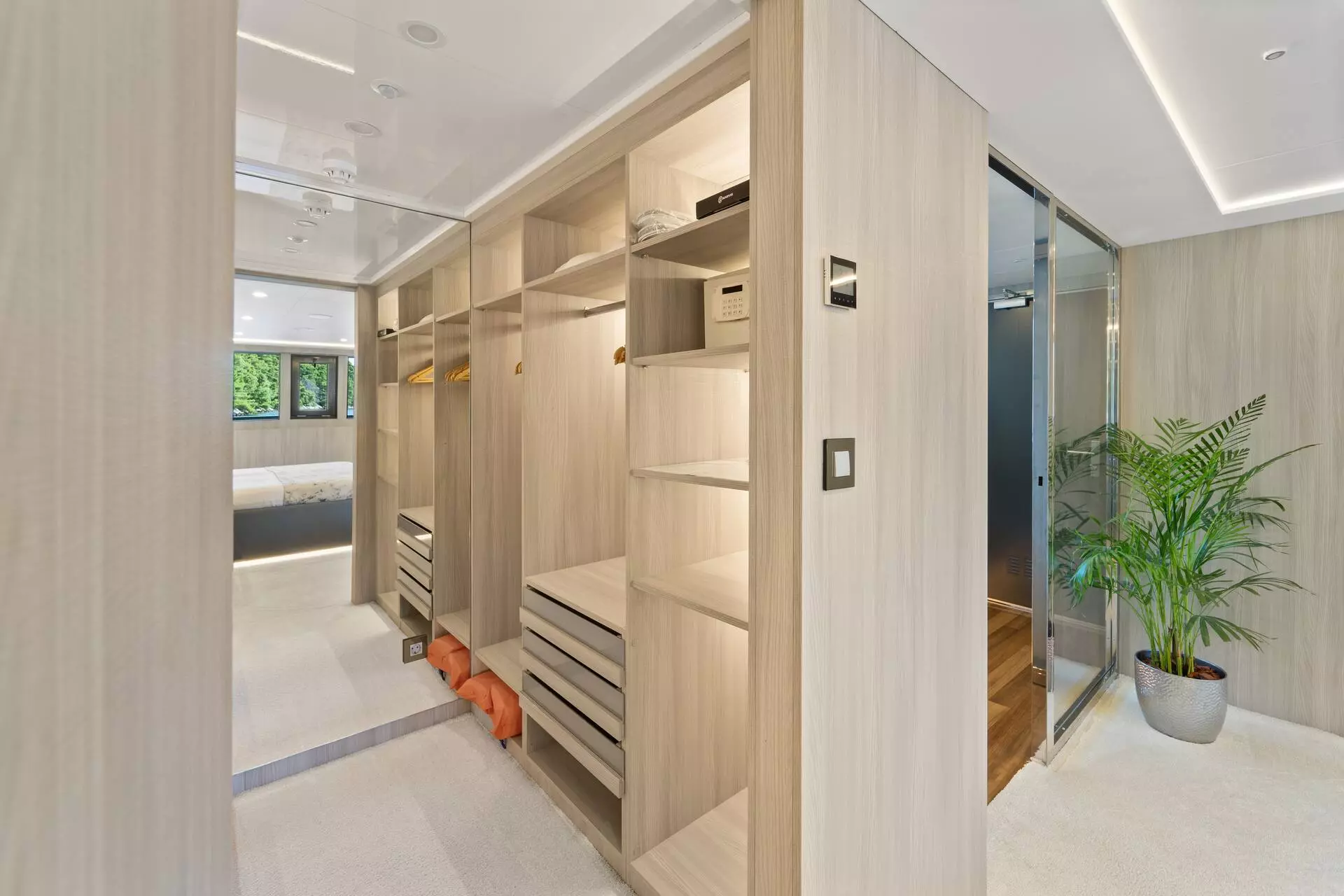
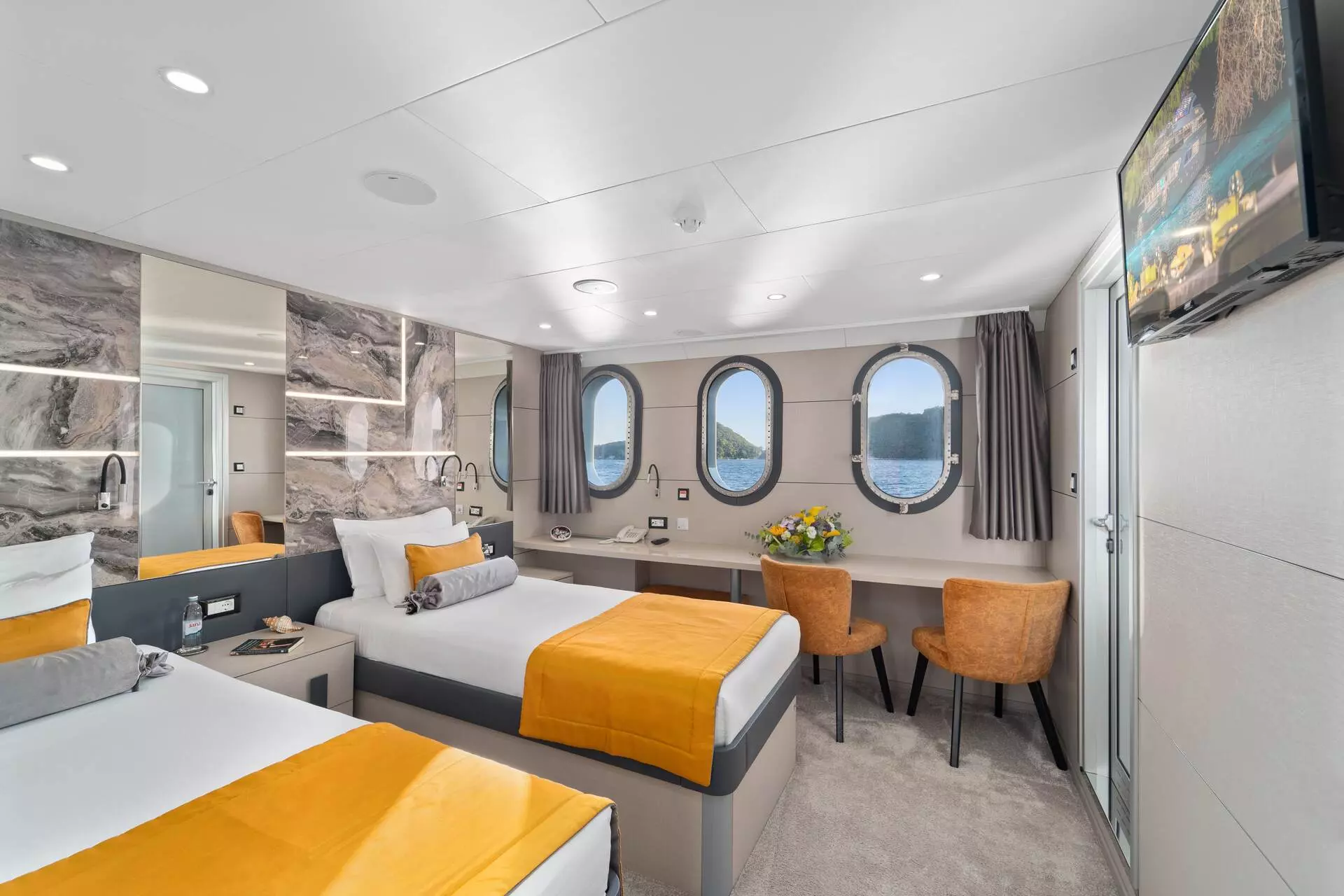
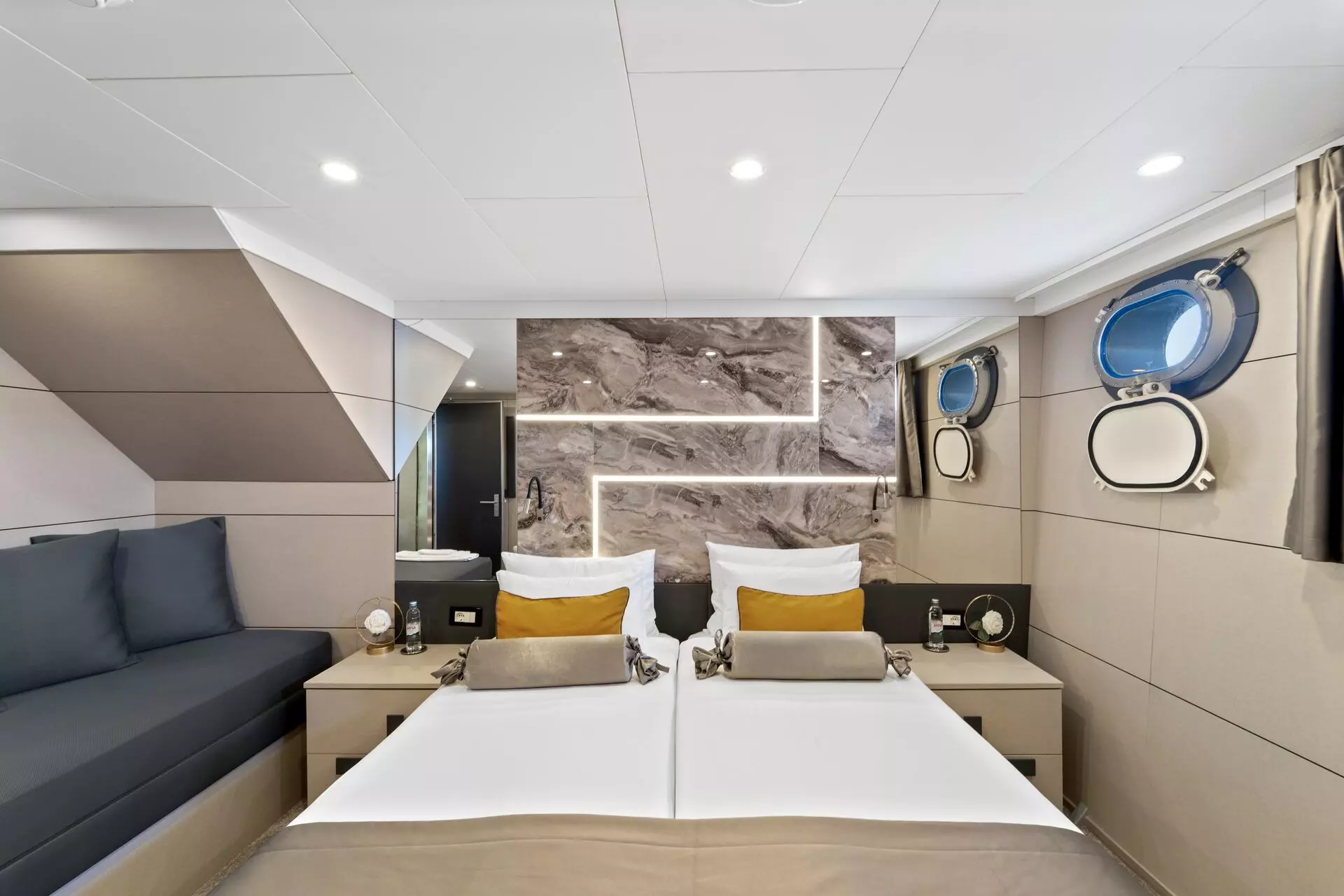
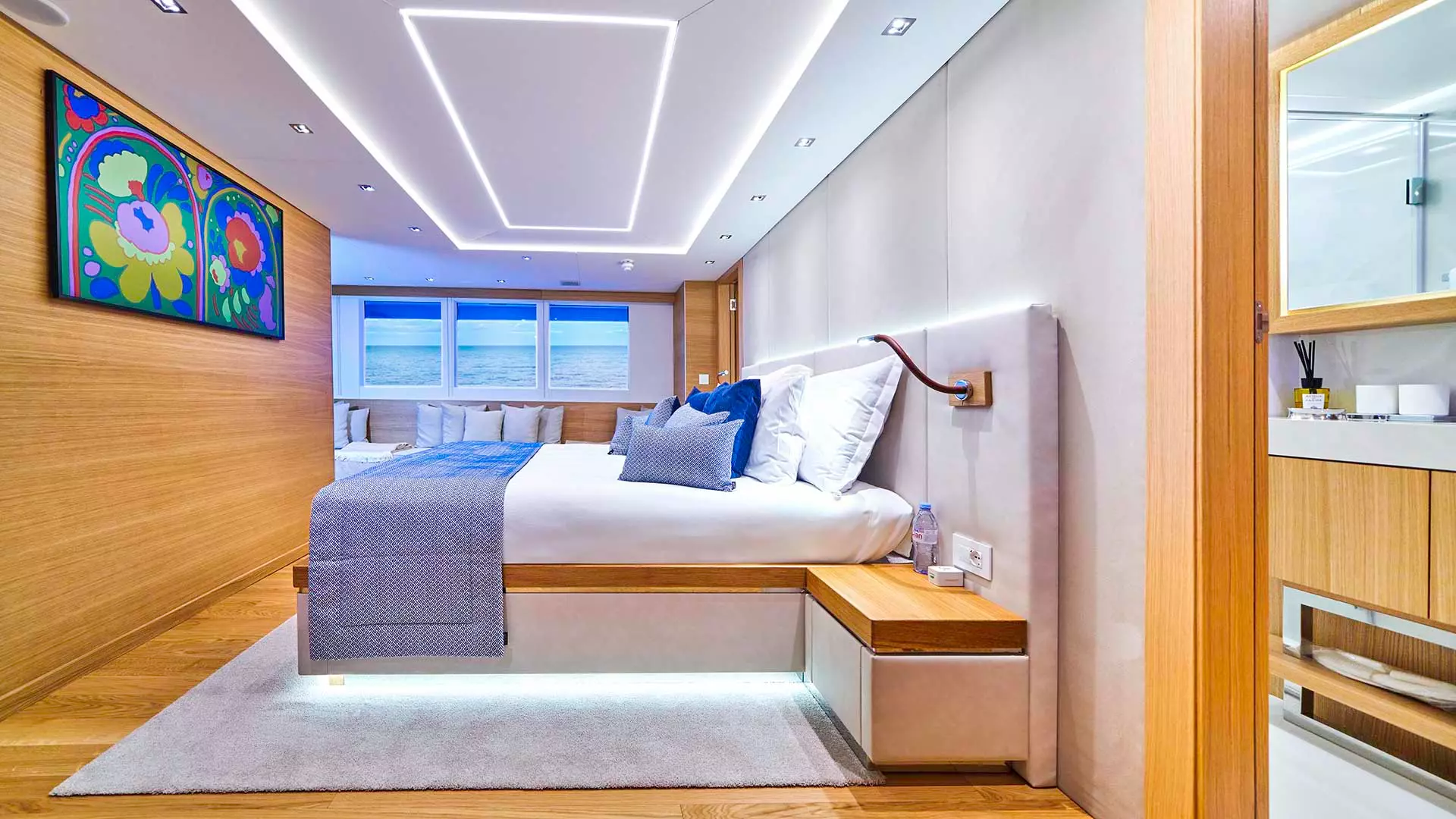
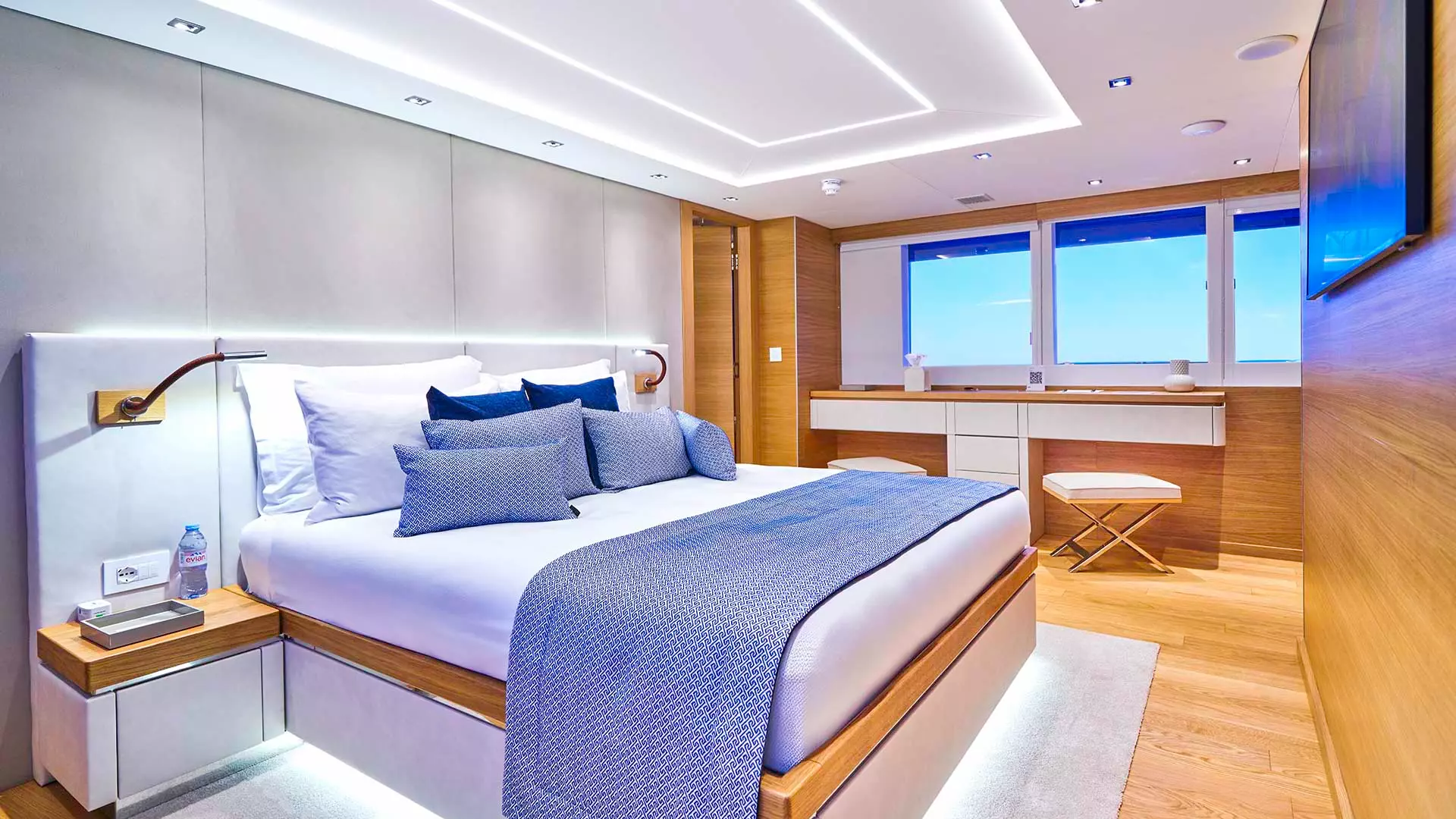
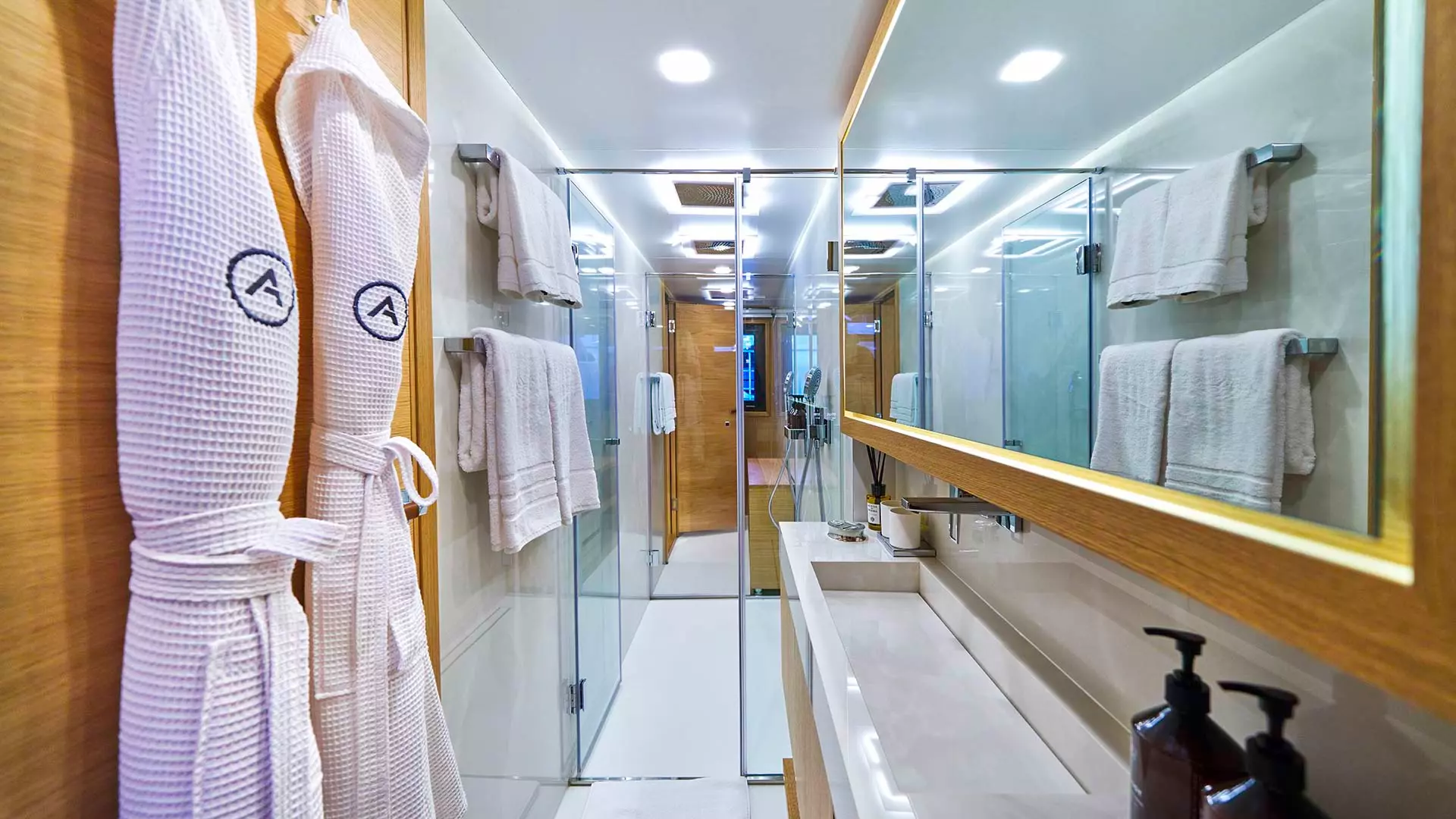
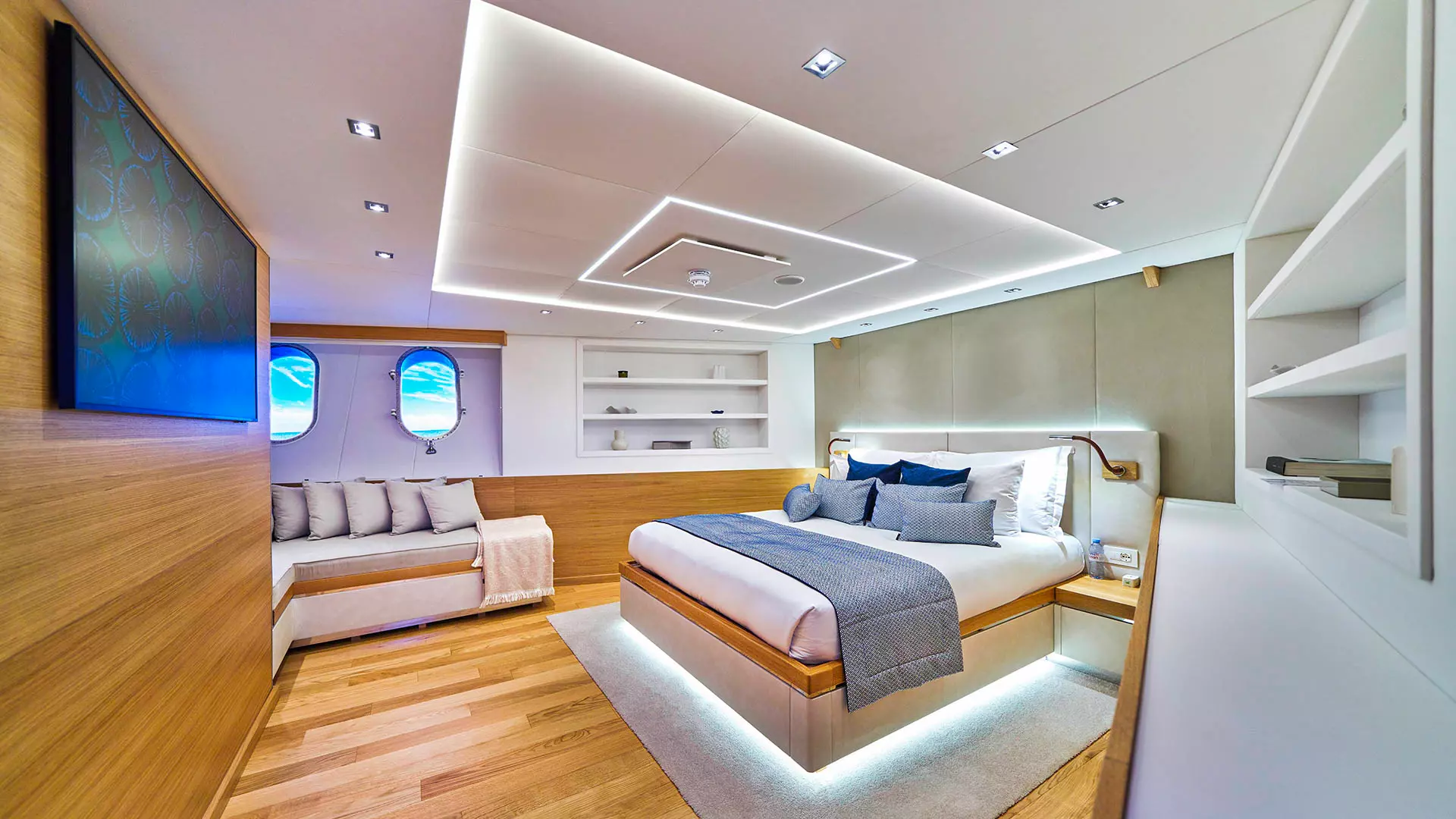
On a vessel like Freedom, this realization led to a complete rethinking of how space is utilized. During the pandemic, says the owner, it became clear that travellers were prioritizing closed groups and avoiding shared public spaces. A ship that once accommodated thirty six guests in eighteen small cabins was entirely rebuilt. The number of cabins was reduced to eleven to make them more generous and comfortable along with upgrading the boat by building a wellness center experience and adding gym and a sauna.
Why Luxury Cruisers Are Perfect for the Croatian Coastline
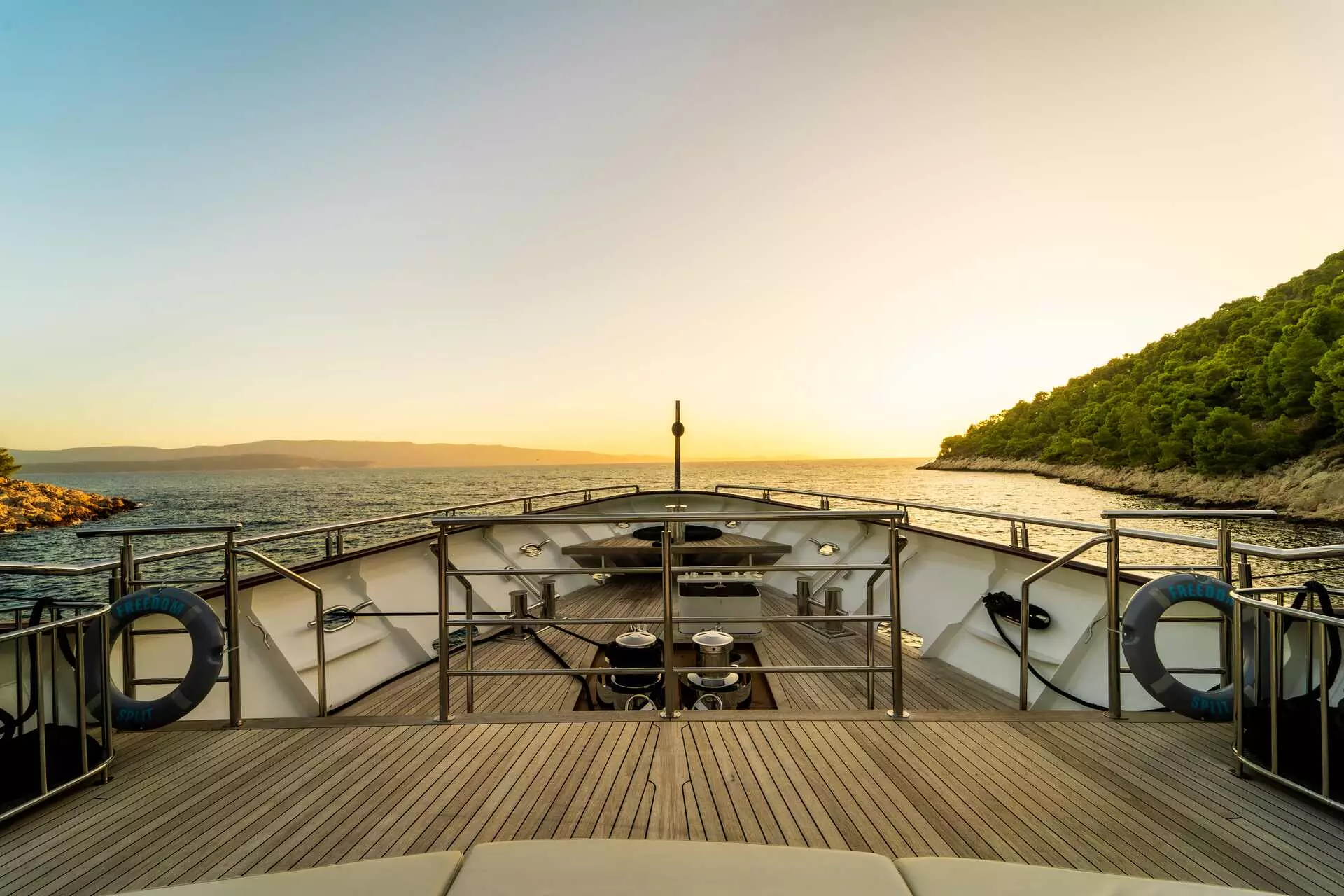
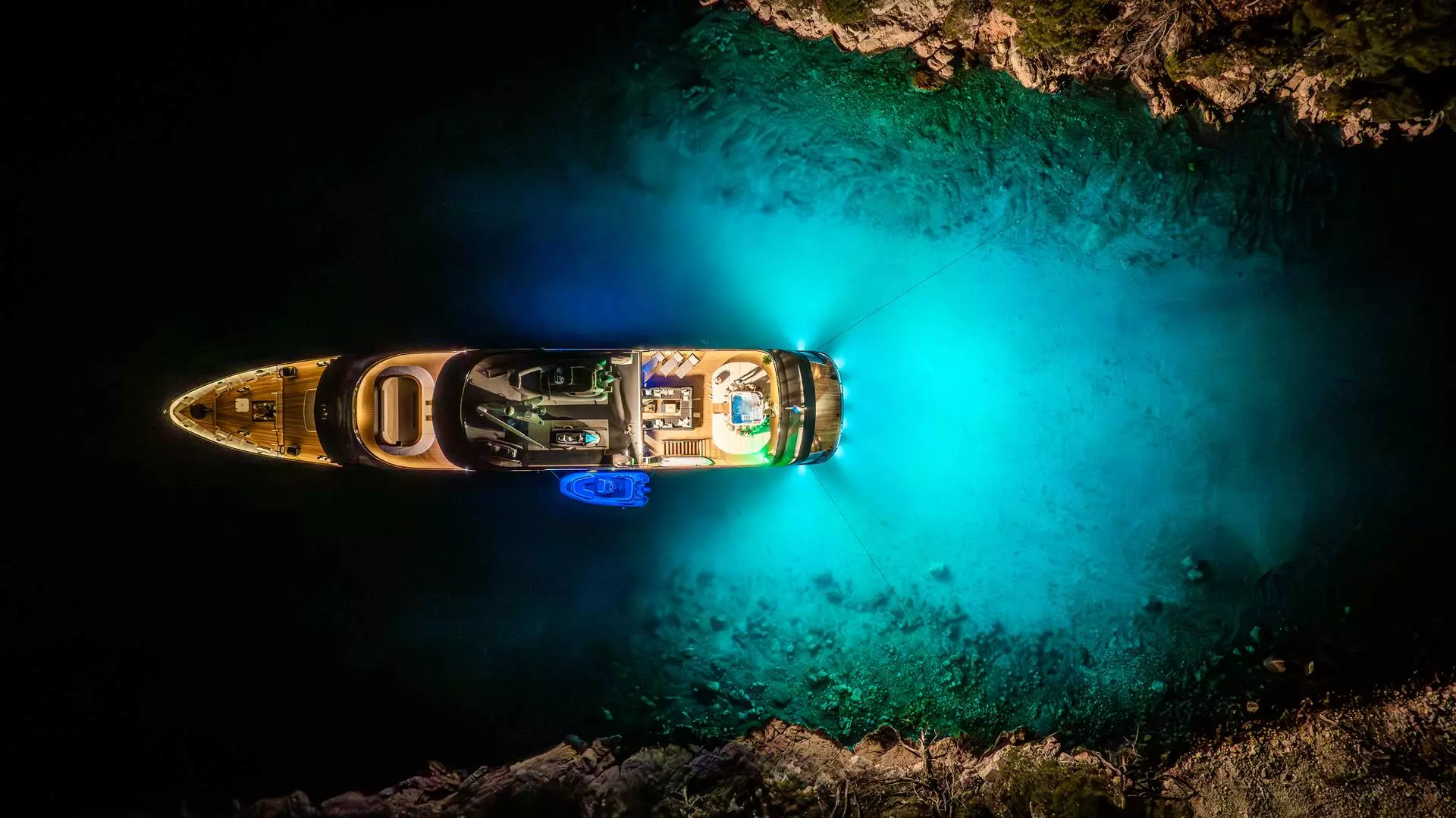
The geography of the Croatian coast, with its endless chain of islands and hidden coves, provides the ideal backdrop for the luxury cruiser model of charter. They can still reach secluded bays, and due to relatively small size they offer rational fuel and mooring cost.
The sense of flexibility you experience on a luxury cruiser is not something that happens by accident. It is the result of careful preparation that begins long before the guests arrive. Through preference lists, phone calls, and detailed information provided by the broker the crew prepares for the charter week in advance. The request originating from the world of yachts are getting normal, like themed evenings and special occasion parties.
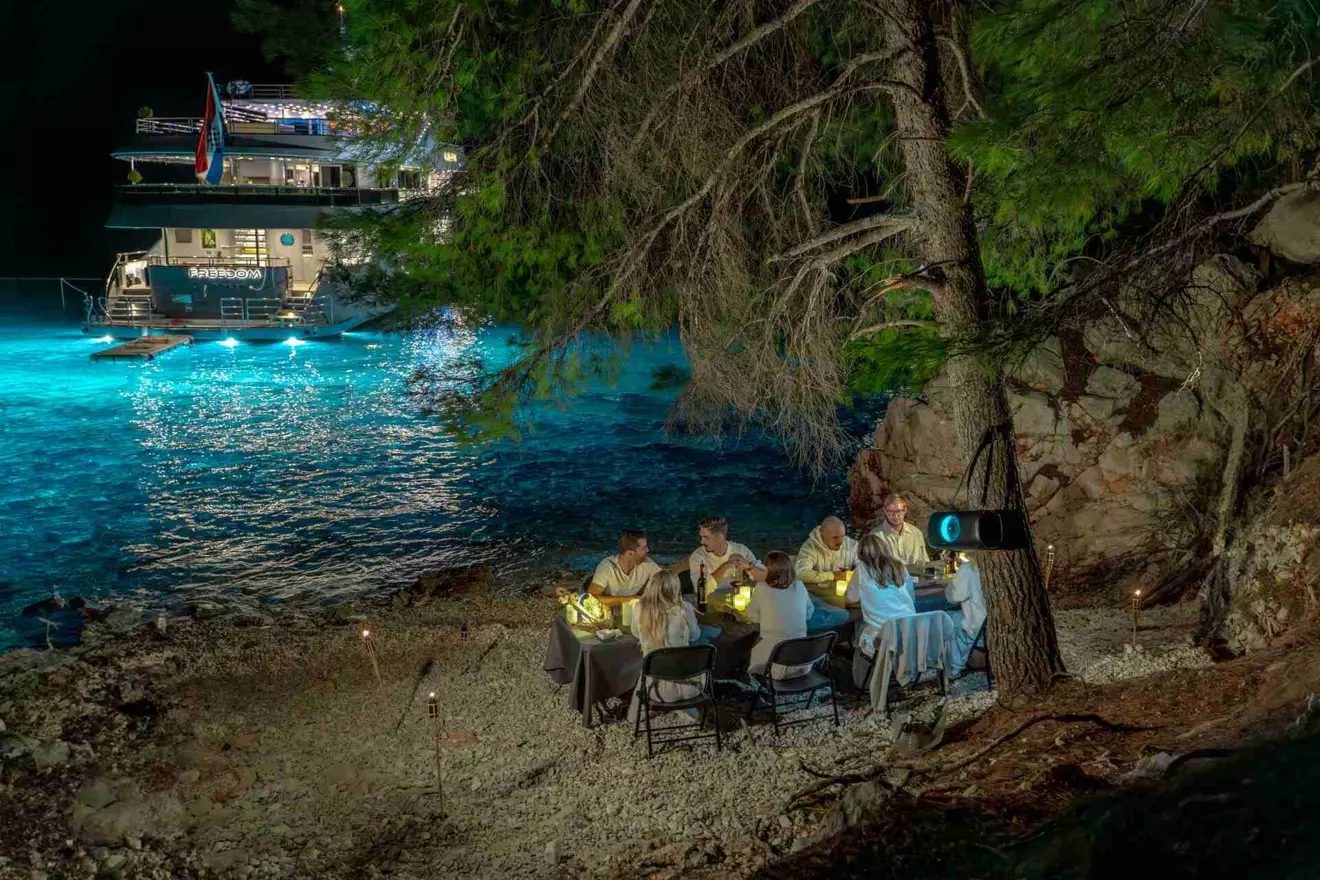
On the other hand, majority of the ships are family owned, very often with a family members running them, giving best possible service to their clients, simply the crew on a luxury cruiser does not wait to be told what to do. They are trained to anticipate needs. For example, if someone always wants a specific type of coffee in the morning, it will appear before they even have to ask. These small details are the things that guests remember, and it is this level of intuitive service that brings these vessels closer to the traditional luxury yacht charter experience, where the guest is always the central figure.
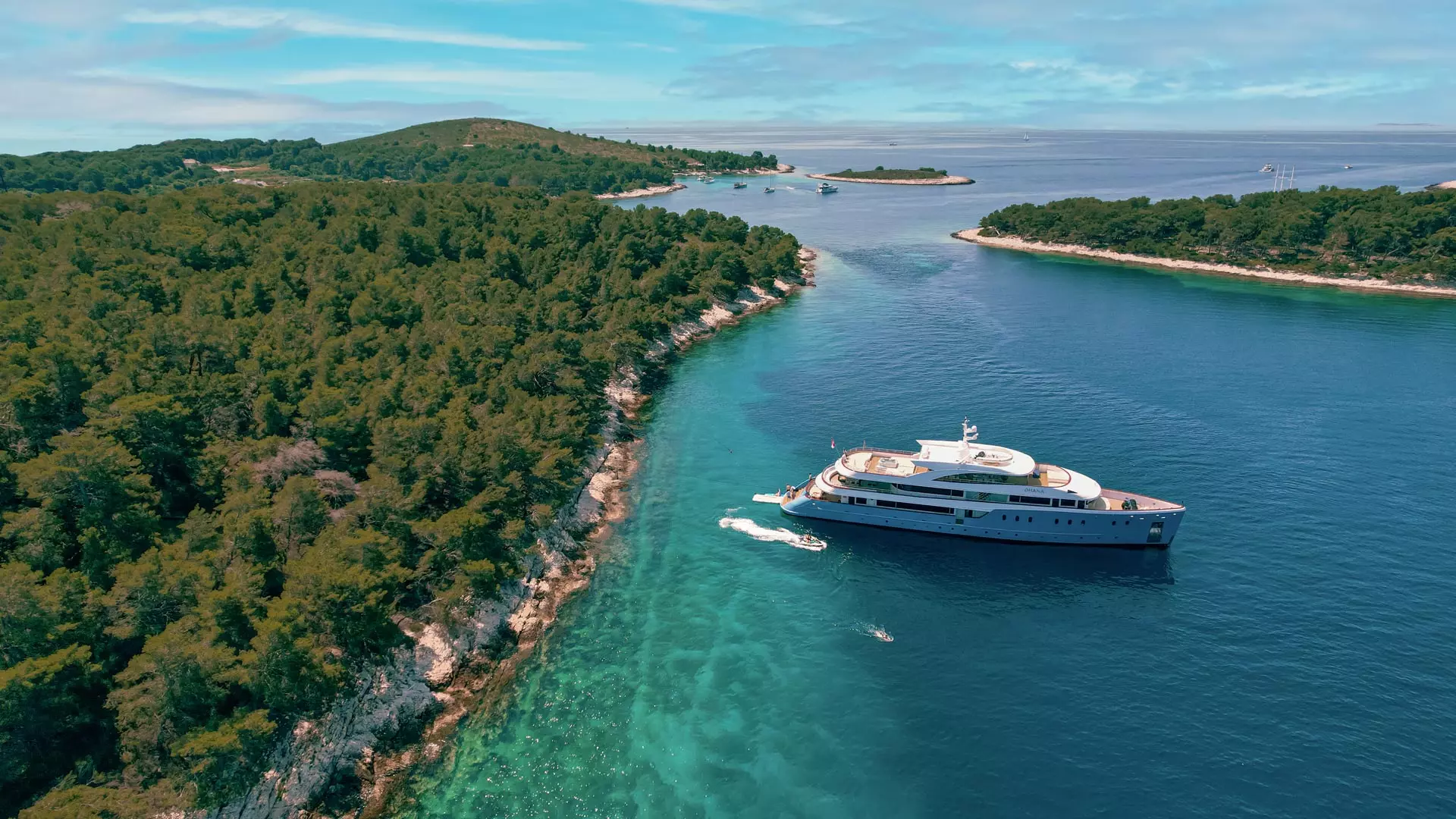
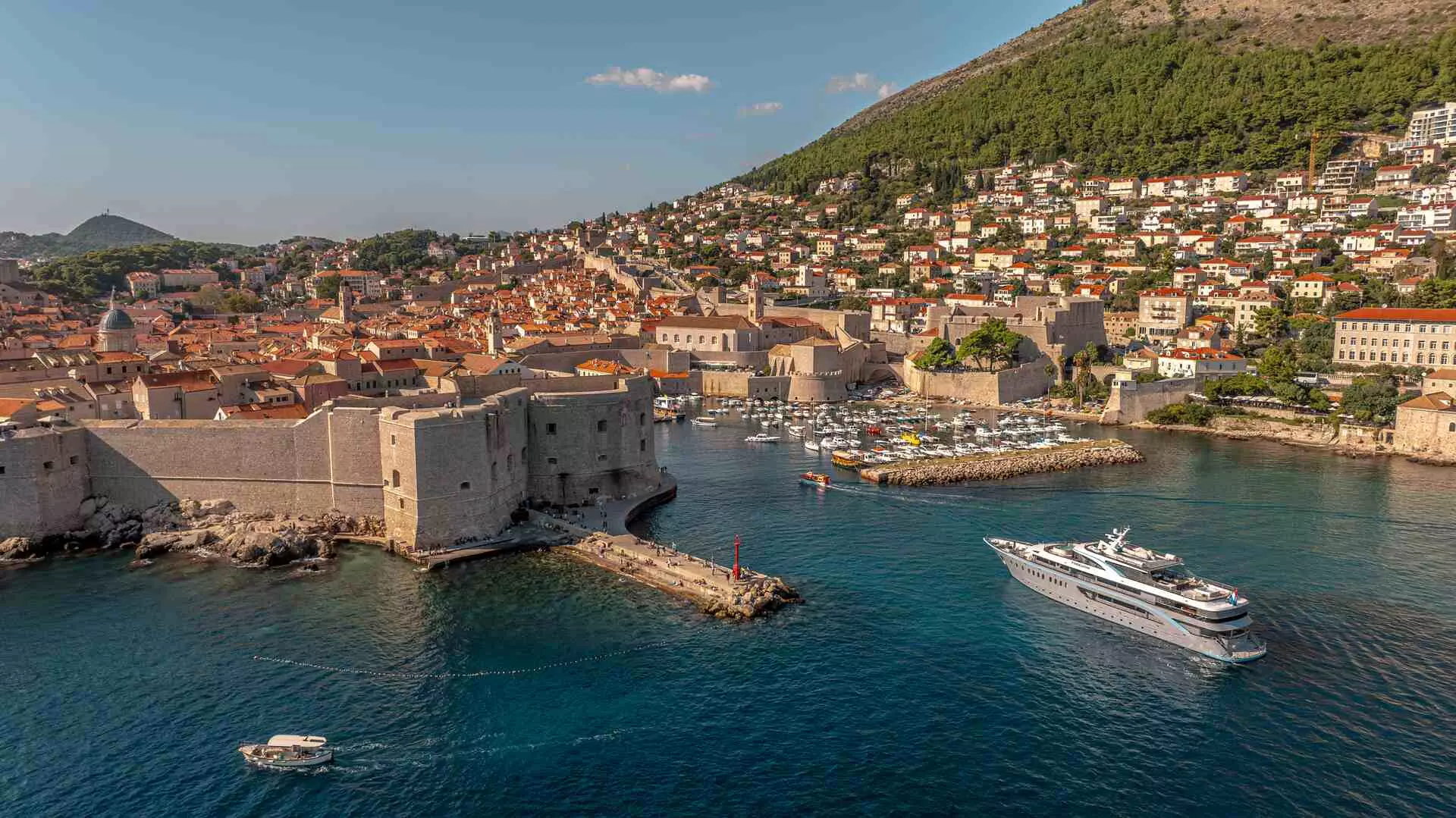
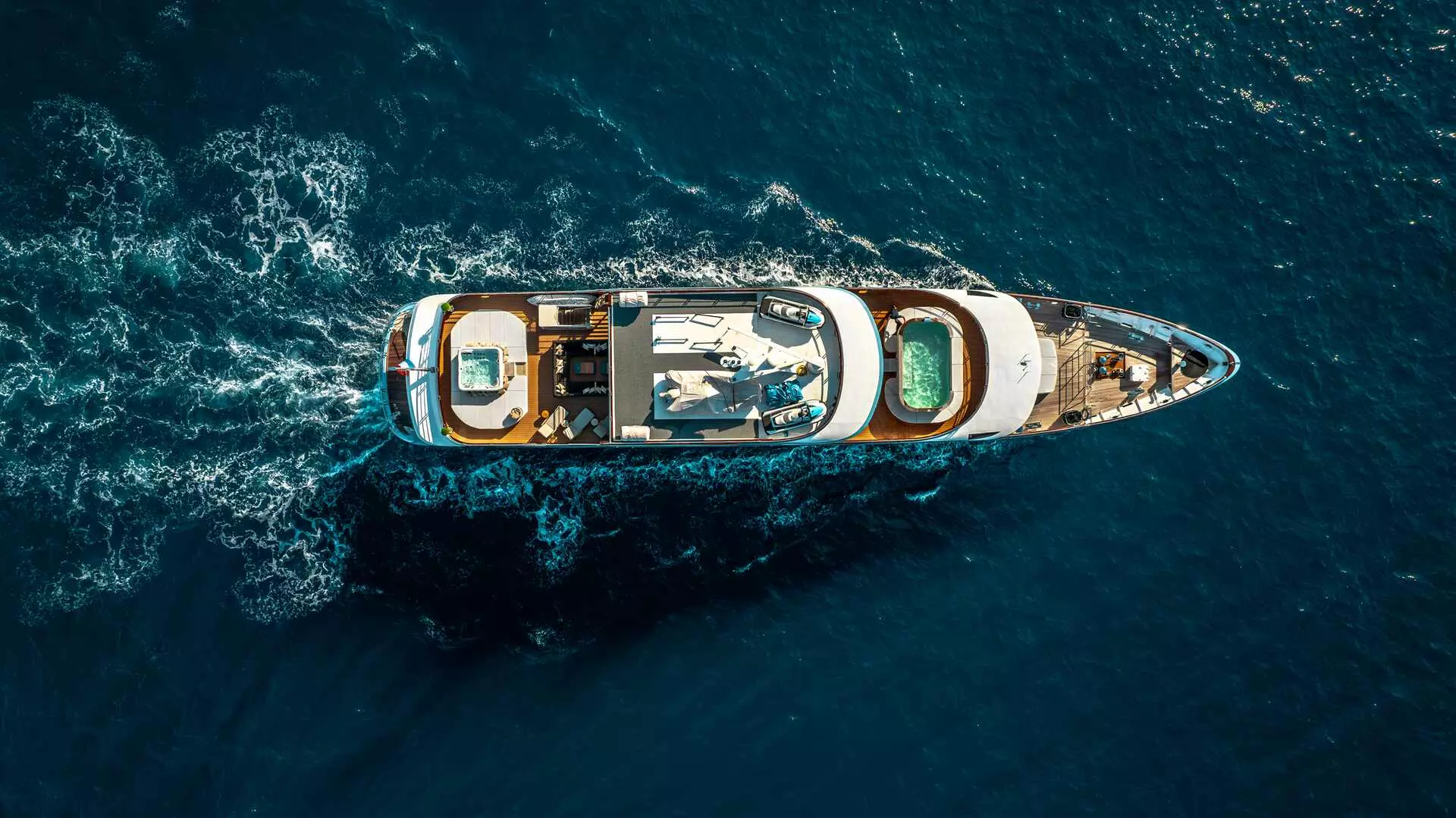
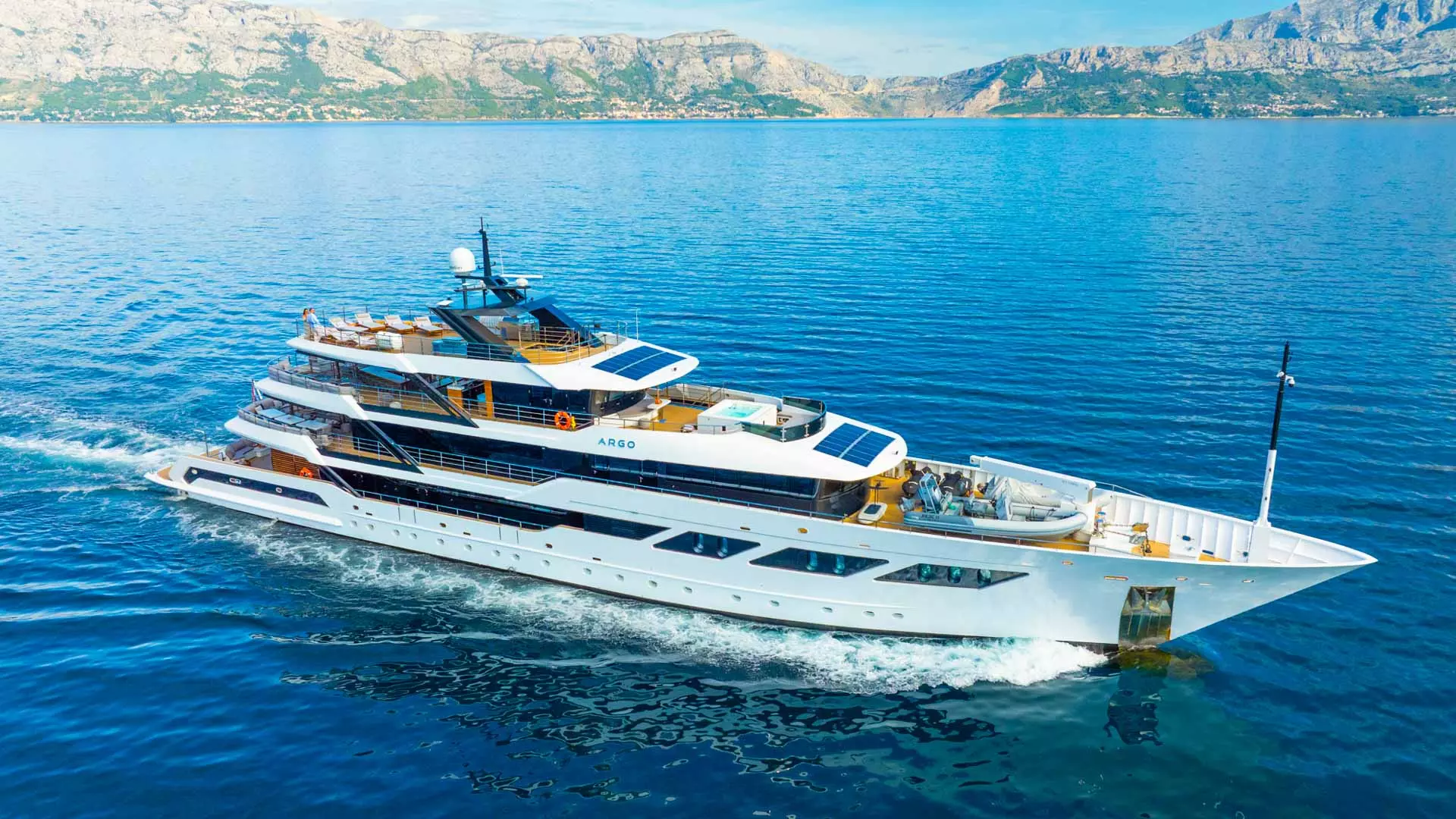
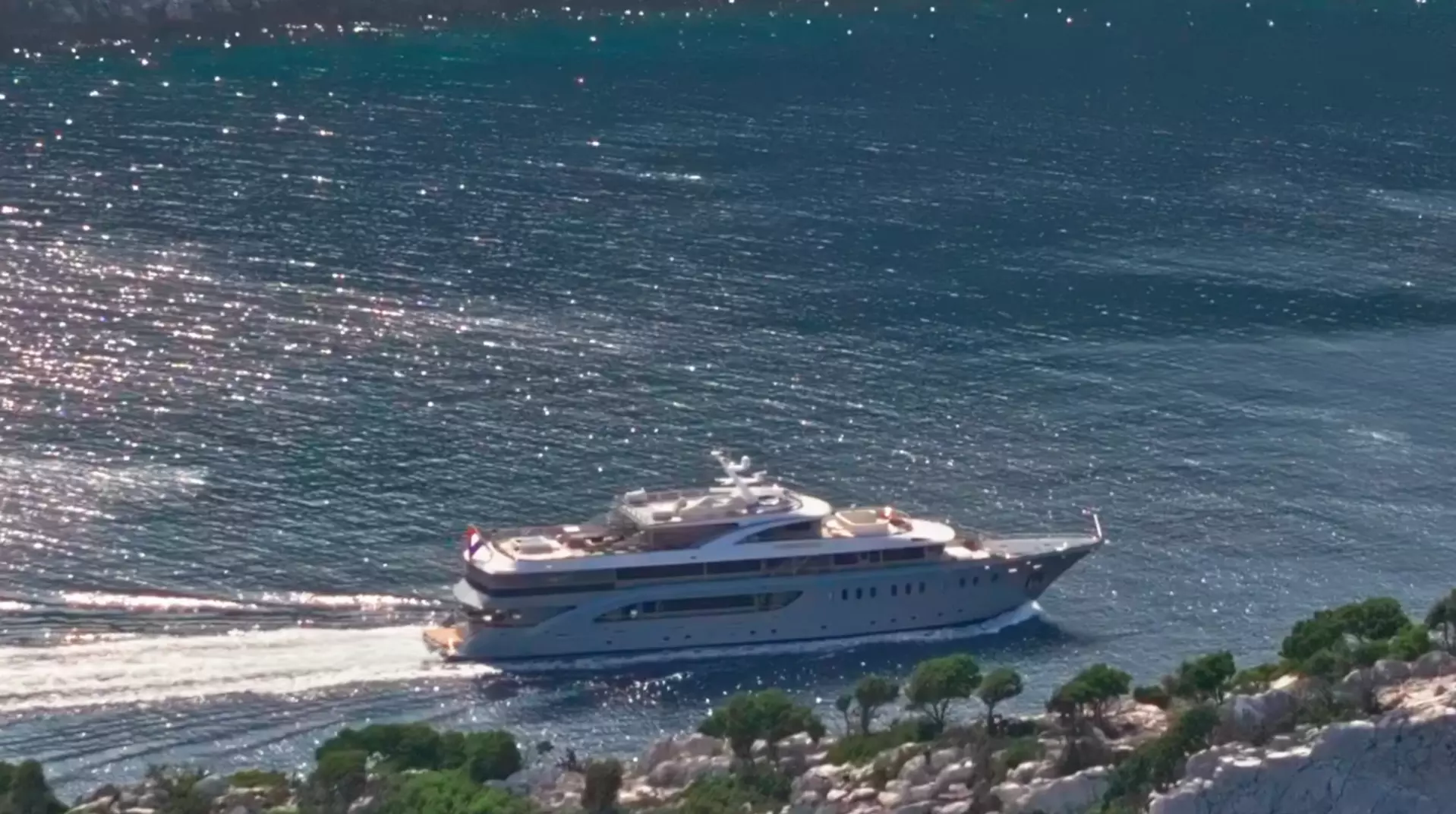
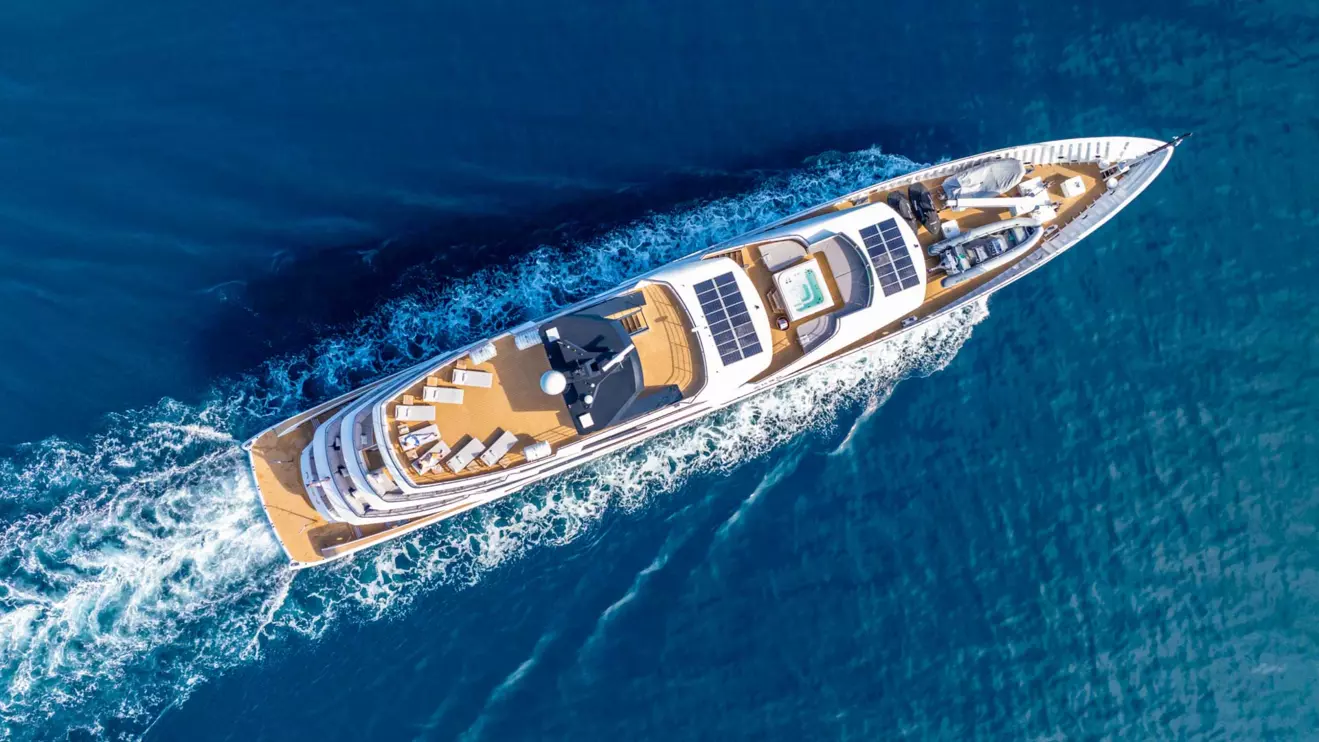
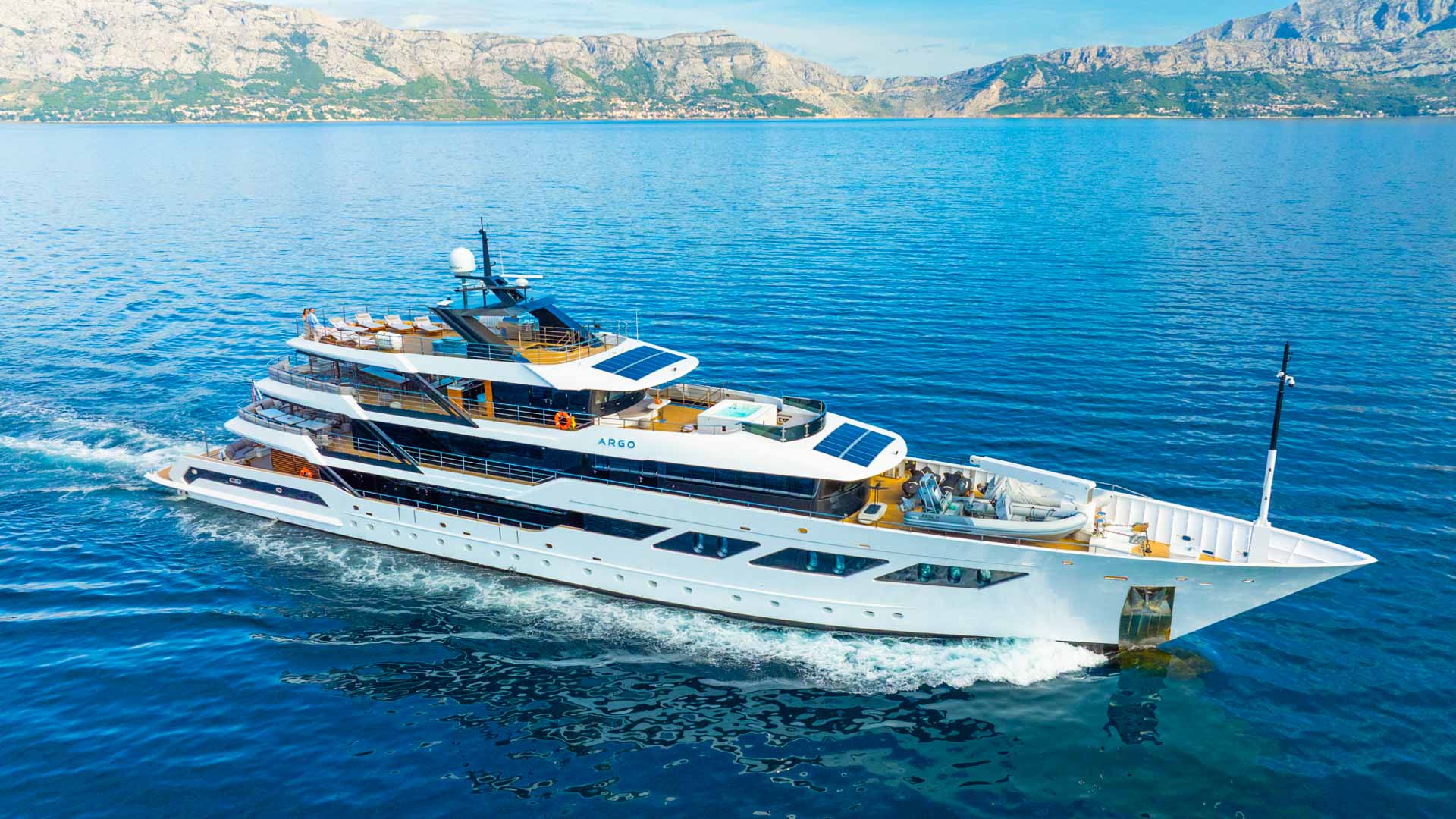
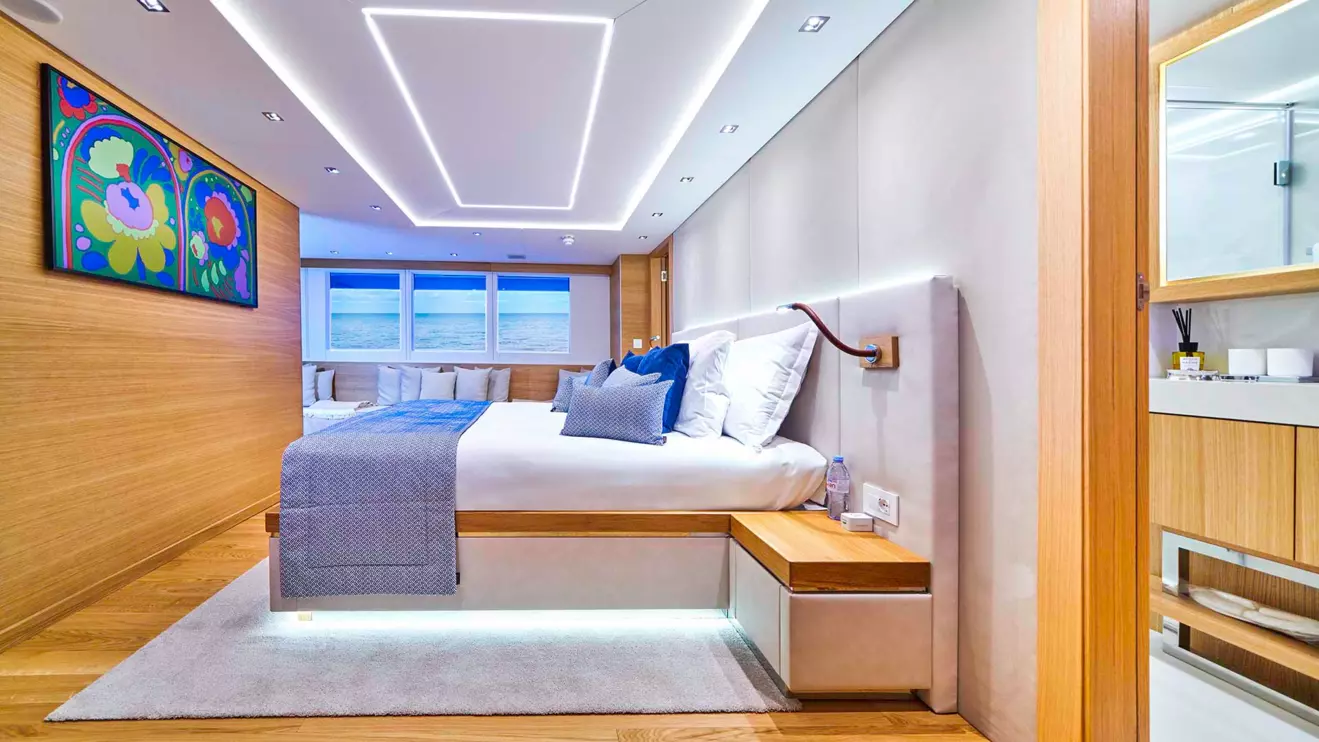
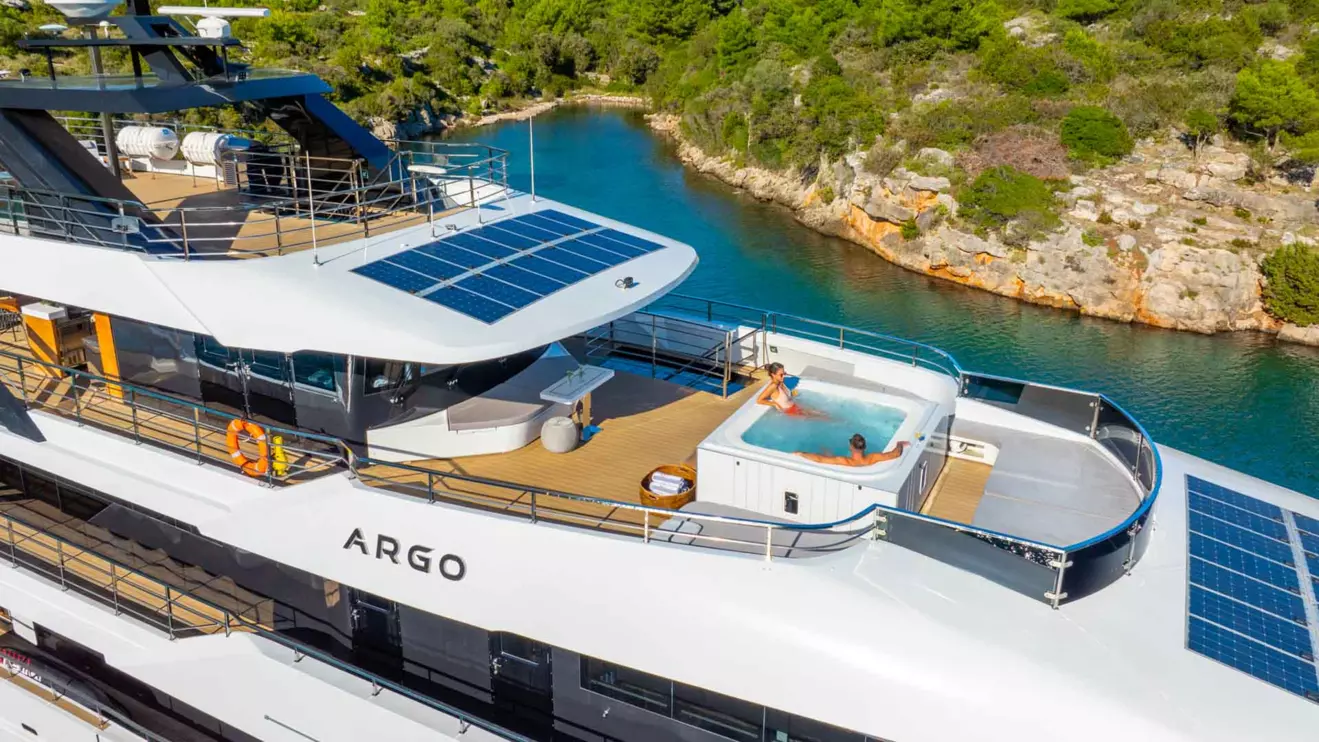
After converting cabin cruisers, the development of vessels built specifically for this purpose from the very first drawing was a natural evolution. On a ship like Argo, which was designed from the beginning as a private charter yacht, the concept is taken even further. From a distance, she looks exactly like a fifty-five-meter superyacht. However, her existence is tied to a very specific regulatory window in Croatia. Argo was a deliberate alternative to the traditional superyacht, specifically designed to keep large groups together. With thirteen ensuite cabins, five decks, and a crew of fifteen, she provides the intimacy of a yacht combined with the scale of a boutique hotel.
Types of Luxury Mini Cruisers Available for Charter in Croatia
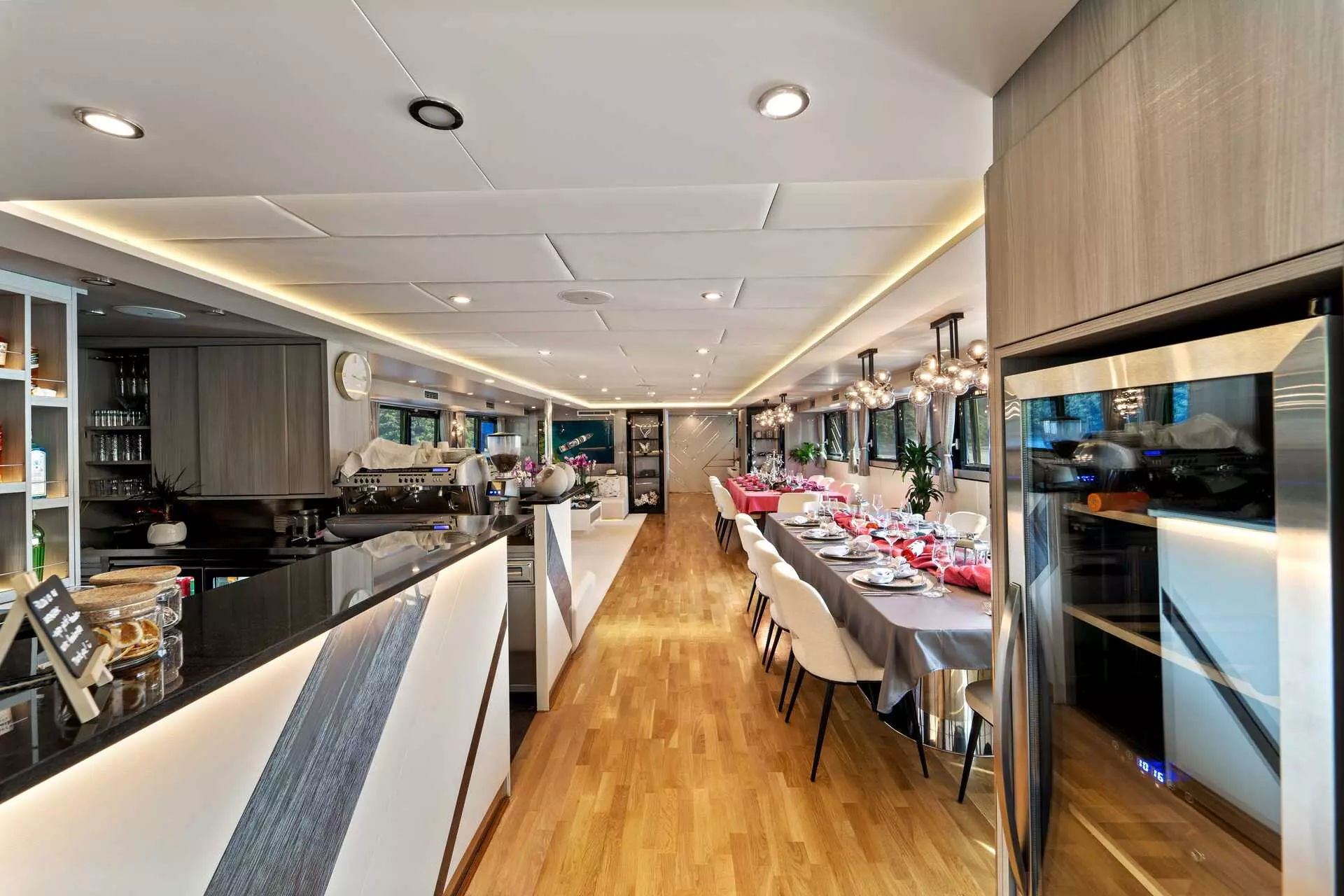
The fleet of luxury mini cruisers in Croatia can be divided into a few distinct categories based on their origin and design. There are the ships that have been refitted, where the focus was on taking a large structure and making it more exclusive. These vessels often offer an incredible amount of deck space because they were originally intended to hold many more people. This extra space is now used for luxury amenities like massage rooms and expansive lounges.
Then there are the purpose built vessels like Argo. These represent the pinnacle of the category because every inch of the ship was designed for the private charter market. Technically, these vessels are classified as passenger ships, which allows them to bypass the twelve guest limit that applies to standard yachts. According to the broker representing Argo, these ships evolved because the most successful owners in the cabin charter market realized that the future was in private groups. Today, because of very strict international SOLAS regulations, ships like this cannot be built in the same way anymore. This makes a vessel like Argo a unique piece of maritime history, being the last of her kind.
These ships provide a capacity that would usually require a group to rent two or three separate yachts. By staying on one vessel, the group saves not only money but also time on the logistics and the cost of having multiple crews and multiple sets of fuel and port fees and arriving in port in different times.
What Makes Croatian Charter Unique
The Croatian charter industry is unique because it is built on a foundation of local craftsmanship and family ownership. These are not mass-produced boats coming out of an known international shipyard. When guests find out that their ship was built entirely in Croatia, they are often surprised. The process of building these ships is a layered one that combines long maritime history with a personal touch.
The steel hulls are typically produced in local shipyards, but once the basic structure is finished, the ships are moved to smaller ports. There, the owners, sub-contractors and the crews themselves take over the finishing work. They work on the interiors, install the systems, and manage every final detail. This means that every ship has a personal story and touch made by the owner. It is not a turnkey luxury product; it is something that has been shaped by the hands of the people who will be running it. Guests often notice this level of personal involvement and find it adds to the authenticity of their experience.
The 12+ Guest Advantage: Croatian Maritime Law
The most significant practical advantage of the Croatian charter market is the way maritime law handles guest capacity. In the global yachting industry, there is a very strict rule that limits charter yachts to twelve passengers. If a family has more members, they are usually forced to book two different boats. Croatia, however, has a long history of passenger shipbuilding, this regulatory environment created a window for the development of luxury cruisers that are registered as passenger vessels but operate as charter yachts. They can still legally carry twenty, thirty or even more guests while providing a completely private and exclusive environment. This is the single biggest reason why Croatia has become the global leader for large group charters. It allows the social group to remain intact, ensuring that every meal and every activity is shared by everyone.
Full-Crew Service Standard
If you chartered any yacht, you know that the most important ingredient for the good charter is a good crew, and luxury cruisers are no exception. Some in this industry say that the vessel accounts for thirty percent of the value, while the crew accounts for seventy percent. At the same time, this is a challenge and an opportunity for Croatian crews. These vessels require a much larger crew than the old cabin charter ships. They also require a higher level of professional training, very much like yachts. The crew members often become a familiar part of the guests lives for the week. This closeness creates an atmosphere where guests feel completely at home. It is common to see children roaming the decks freely and generations of a family mixing in a way that feels natural and relaxed. While the service is professional, the lack of stiff formality may be a deliberate choice made by the Captains to ensure their guests feel comfortable and at home.
Onboard Chef(s) & Dining Experience
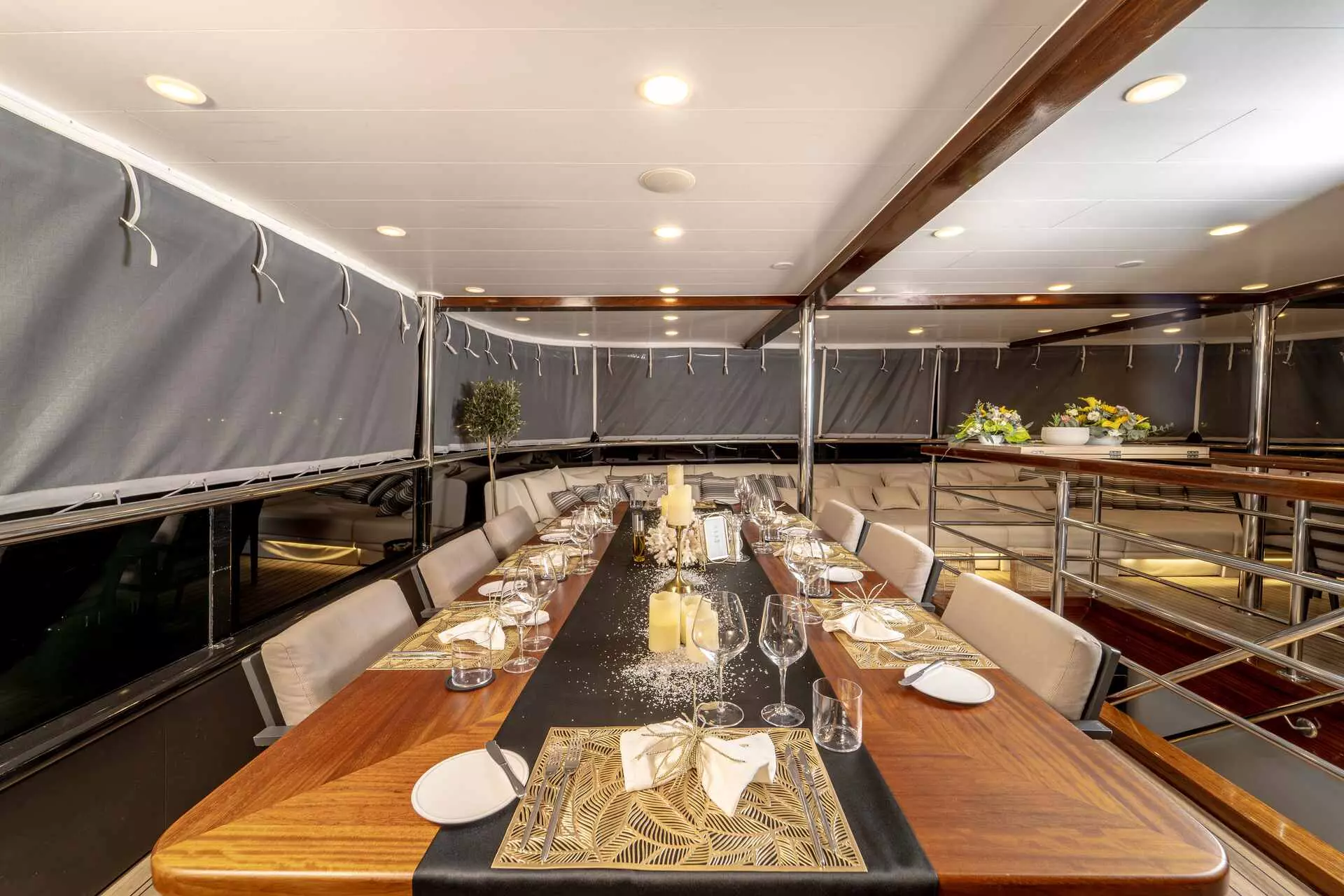
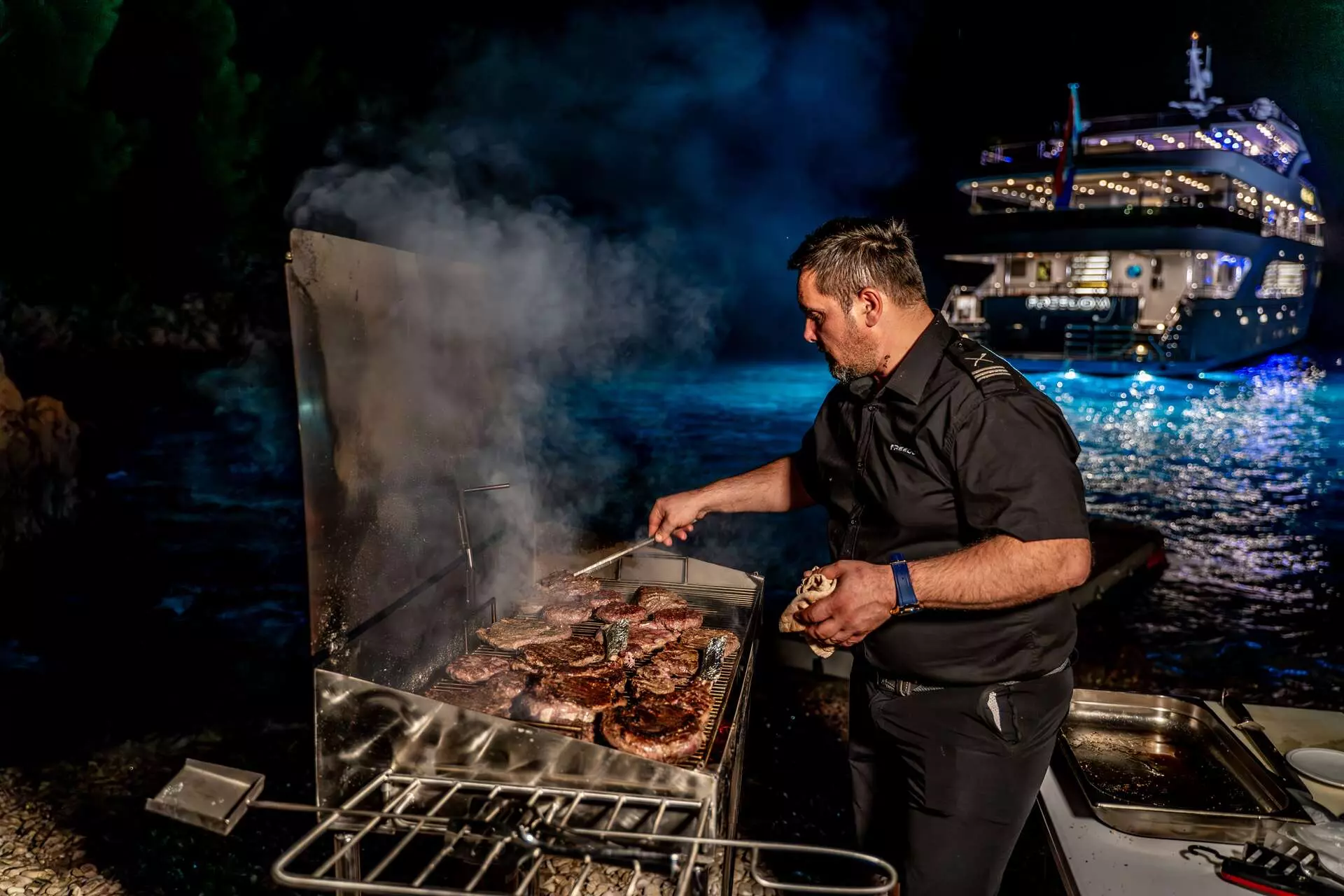
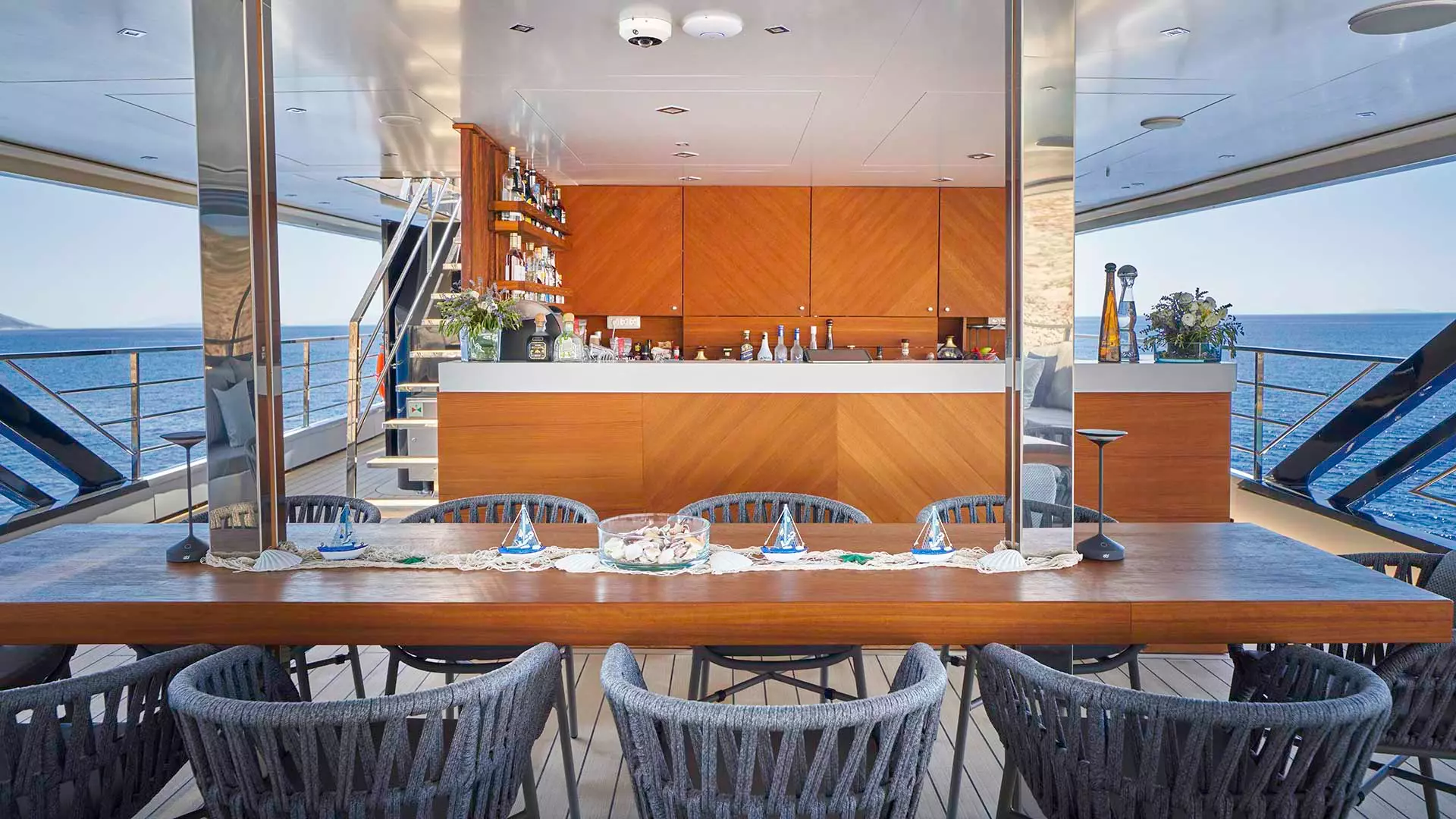
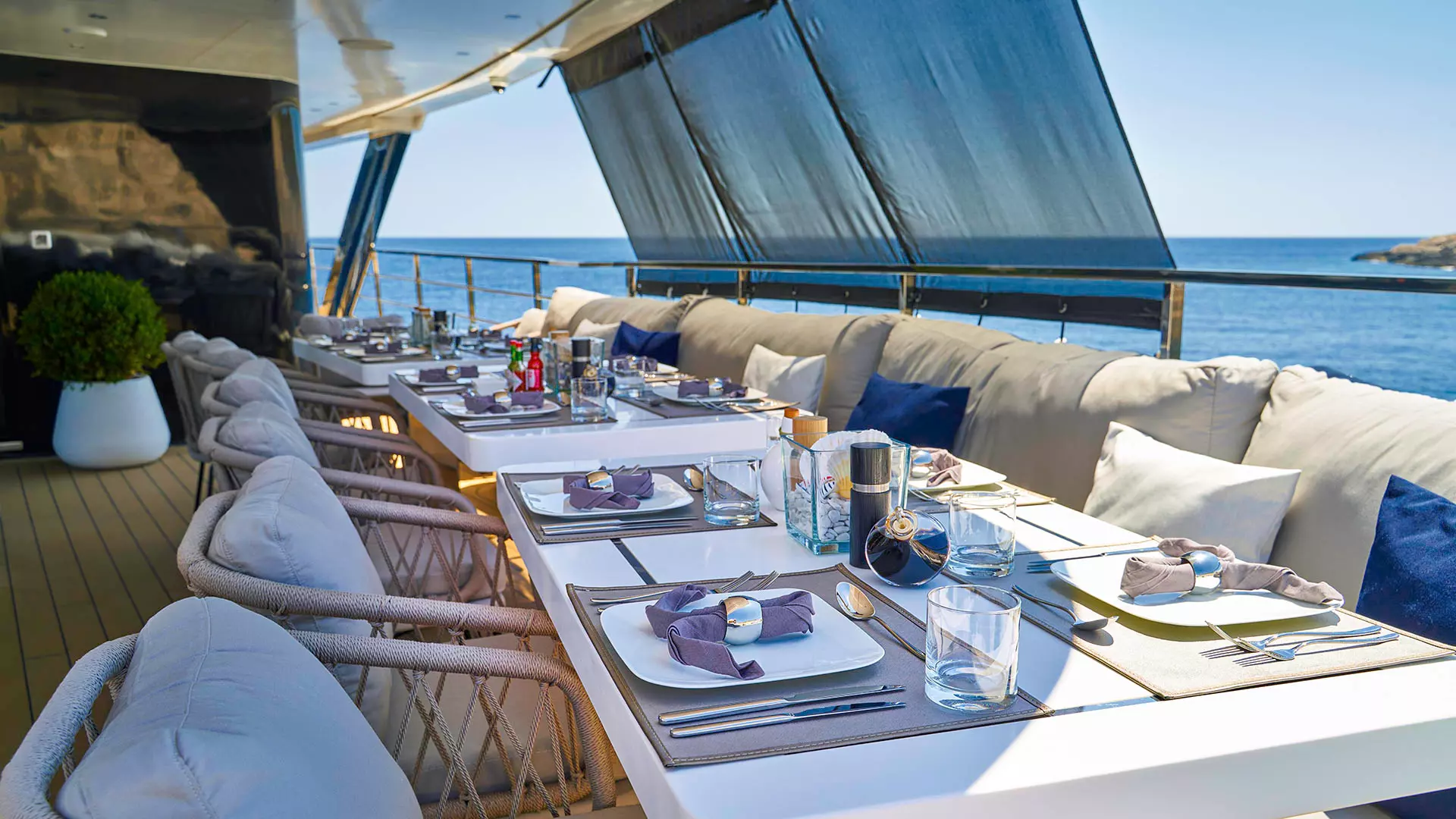
Dining is the heart of any luxury charter. Each luxury cruiser has a dedicated chef whose only job is to provide high quality meals for the group, and often there is a Sous-Chef who is helping to provide even higher experience for the guests. The dining schedule is entirely flexible and can be arranged in any way, shape or form. The chef works with the preference sheets provided by the guests to create a menu that reflects their specific tastes.
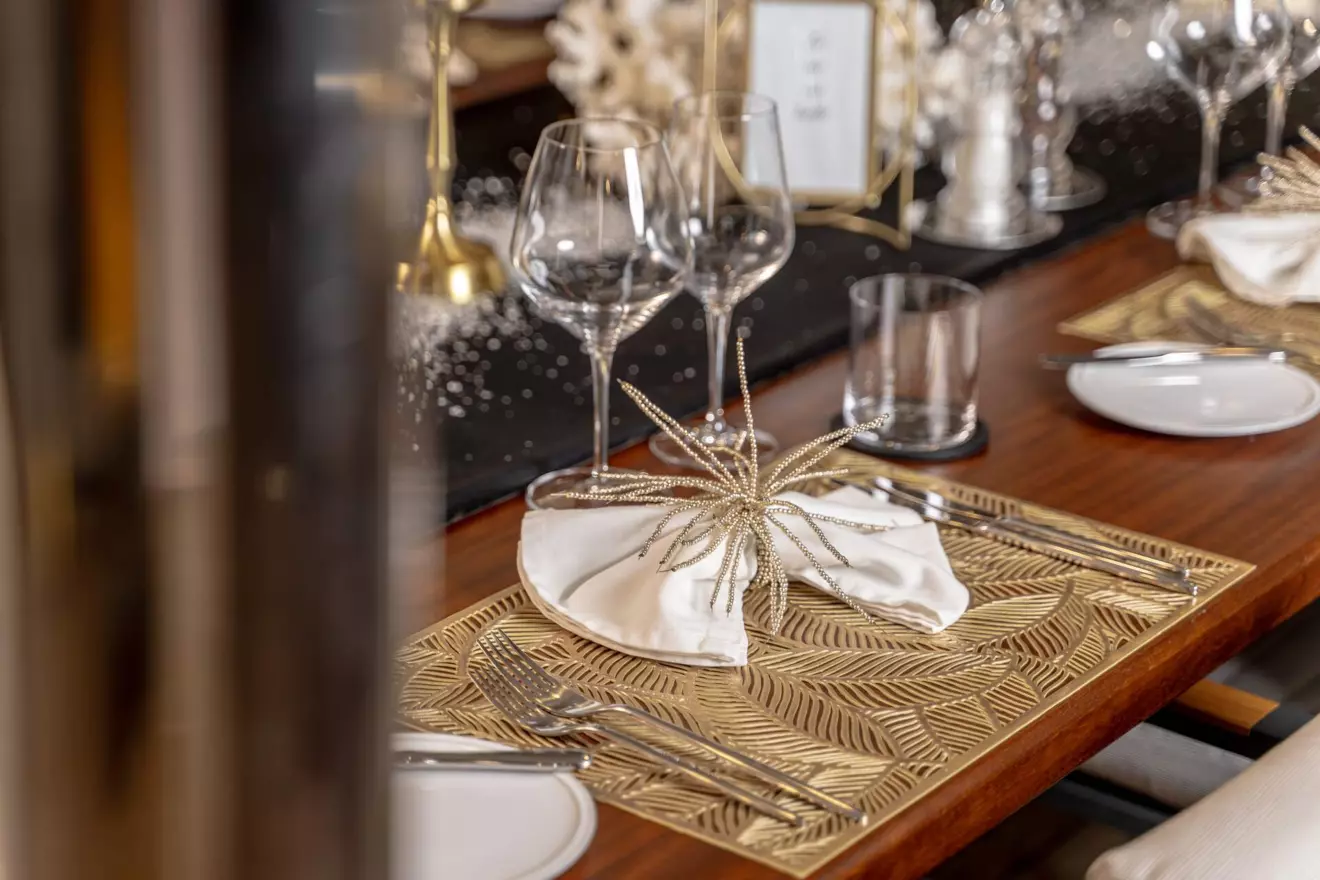
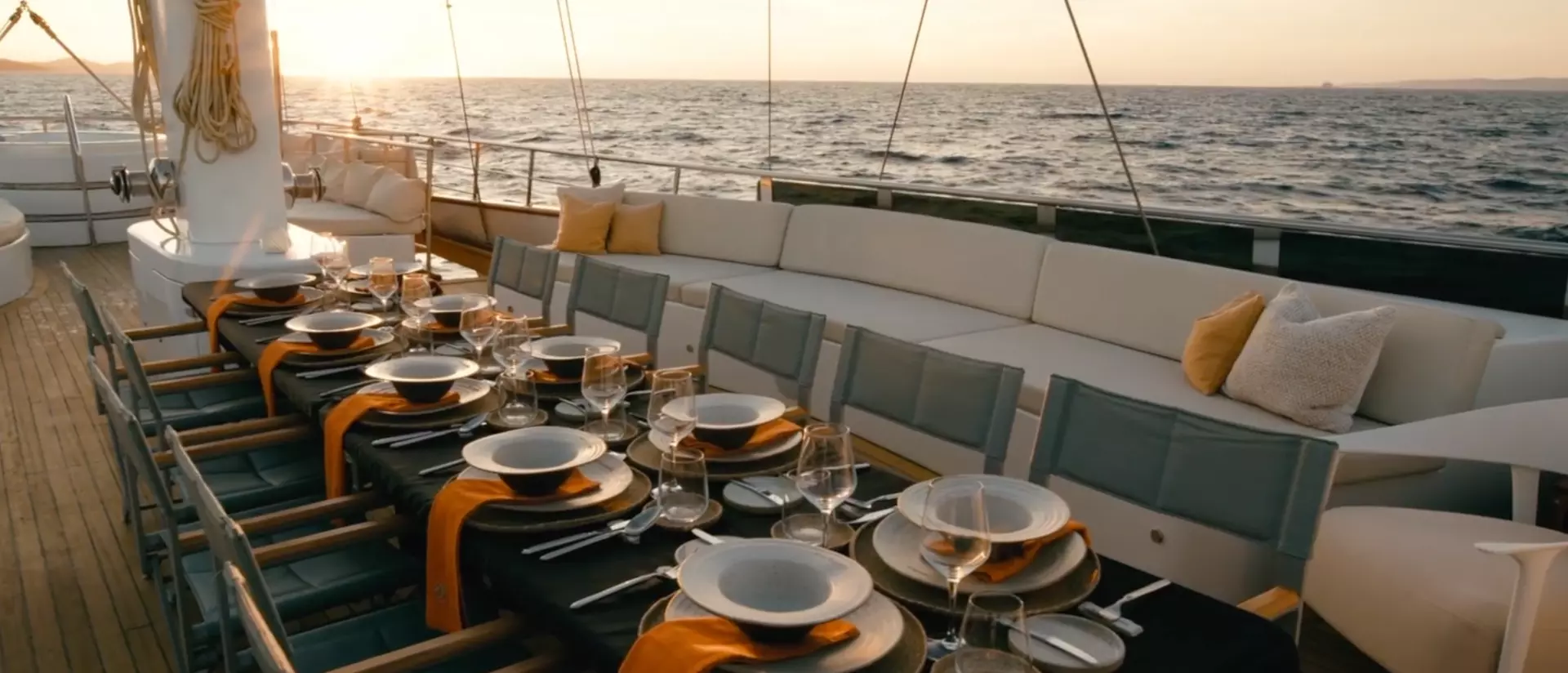
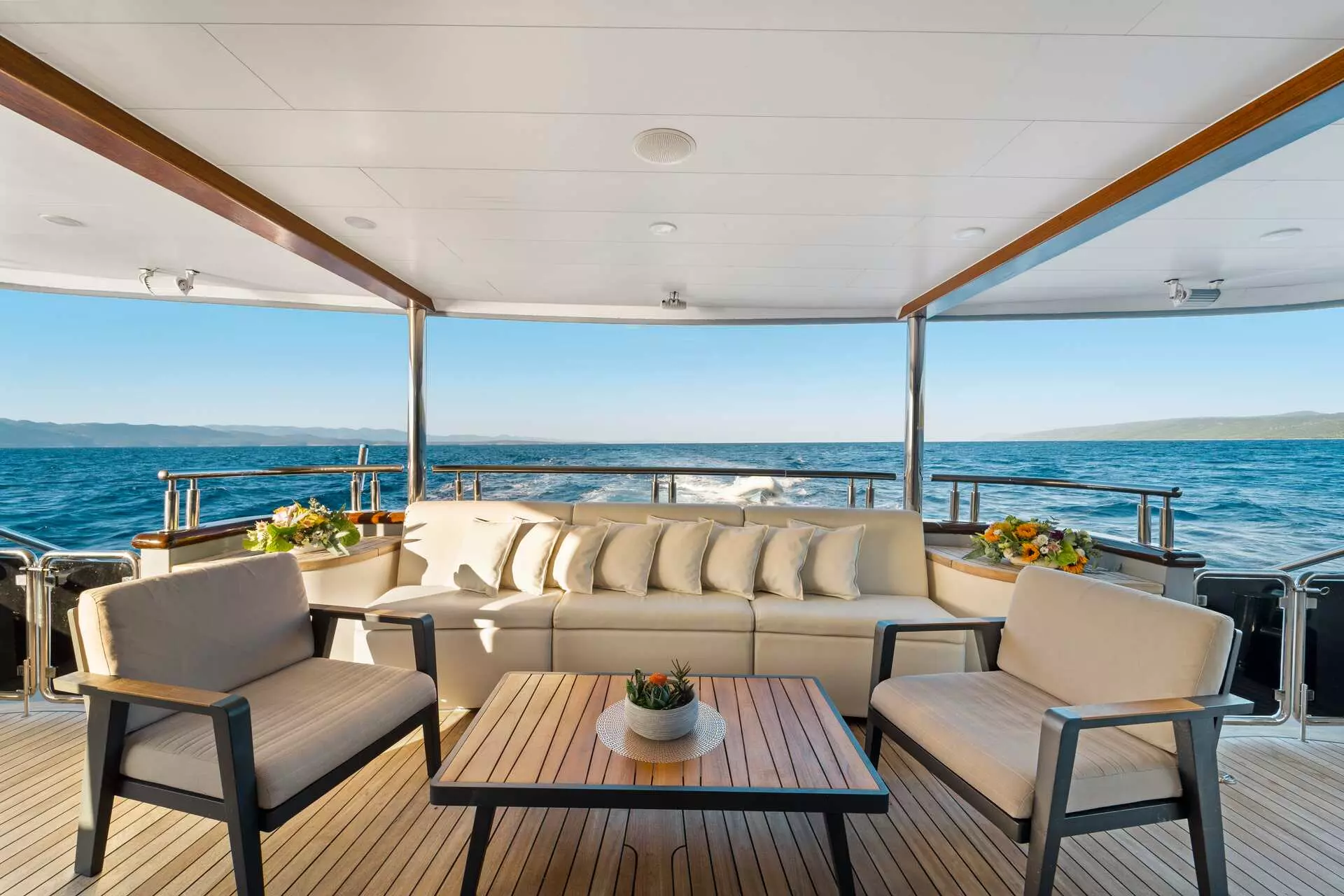
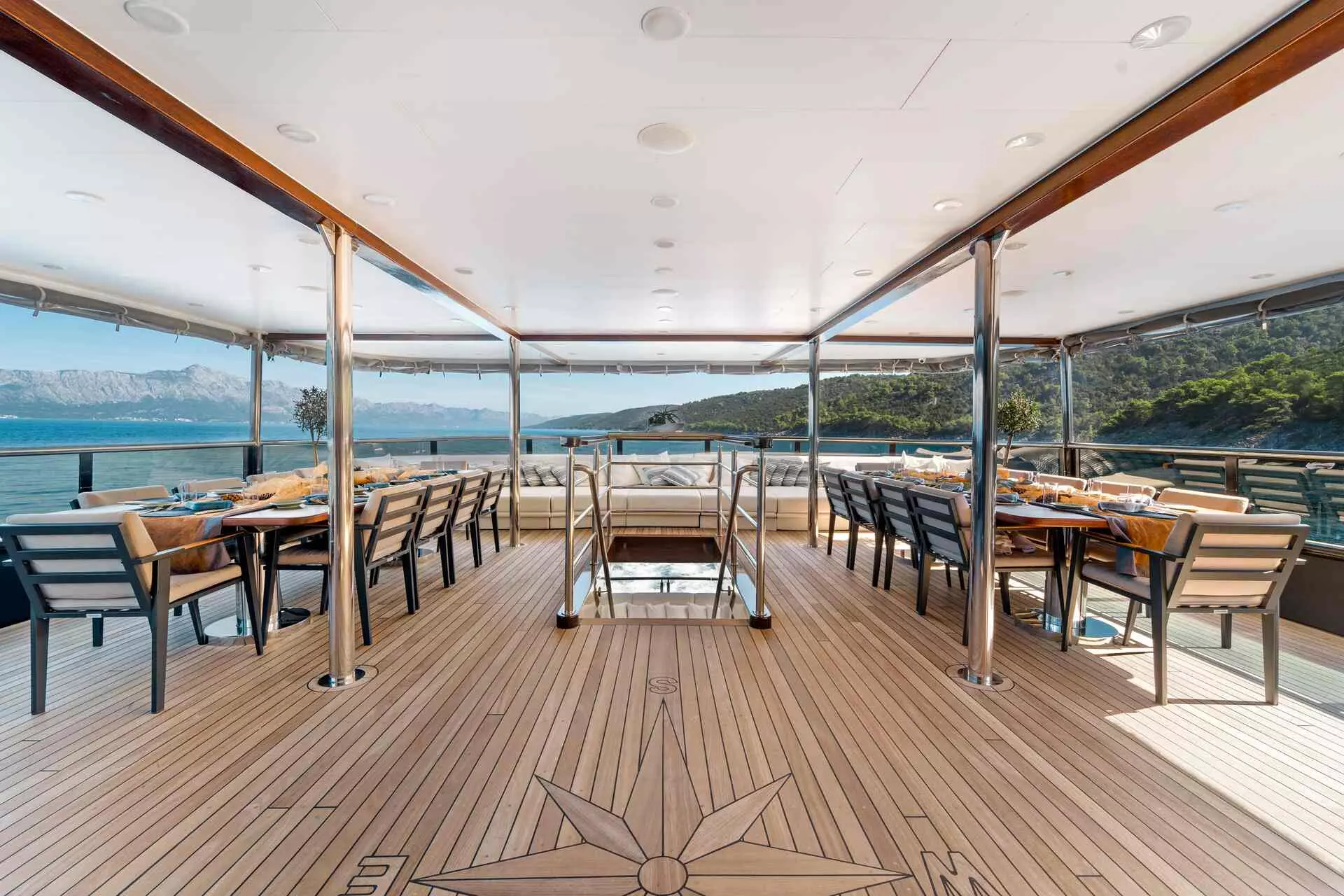
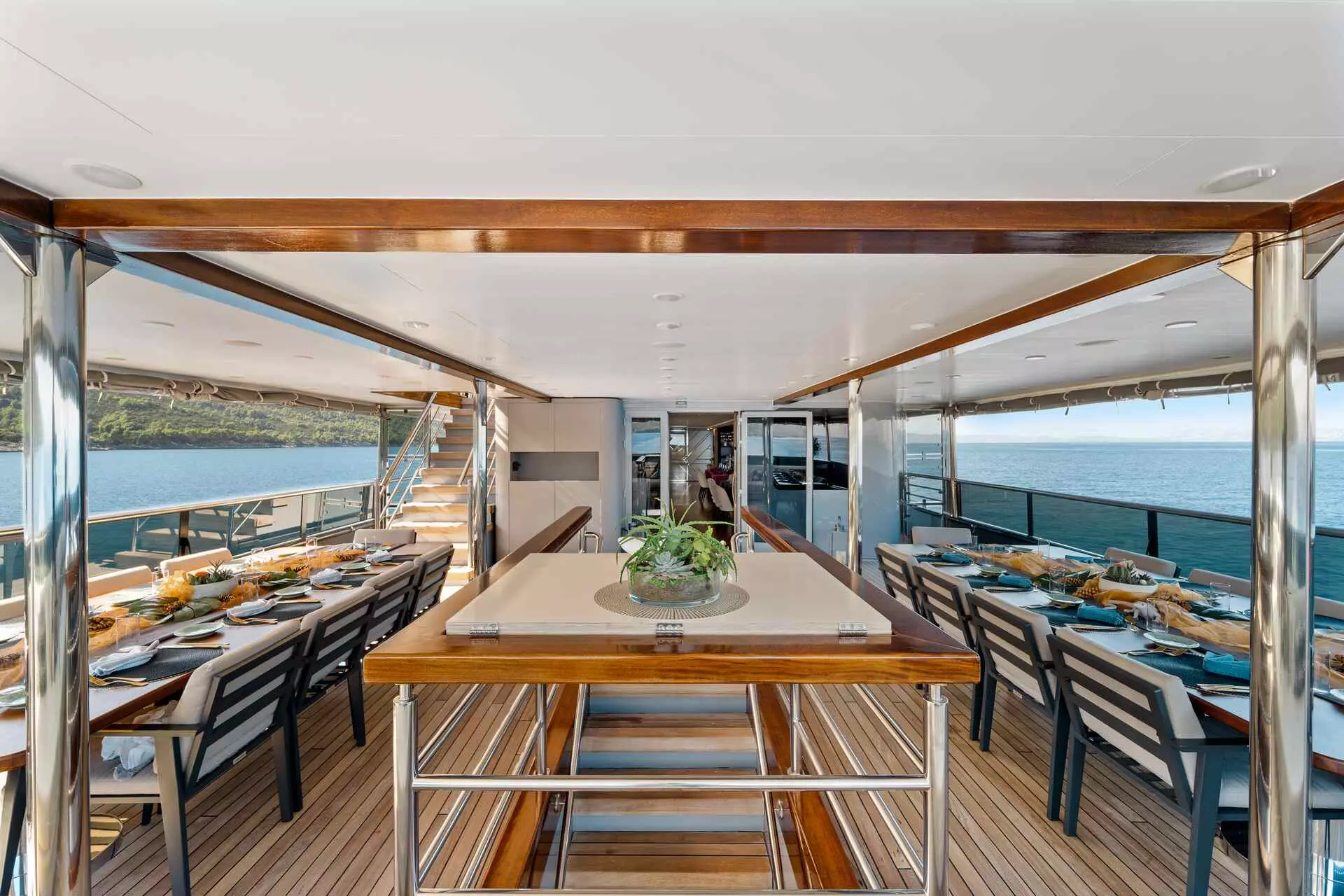
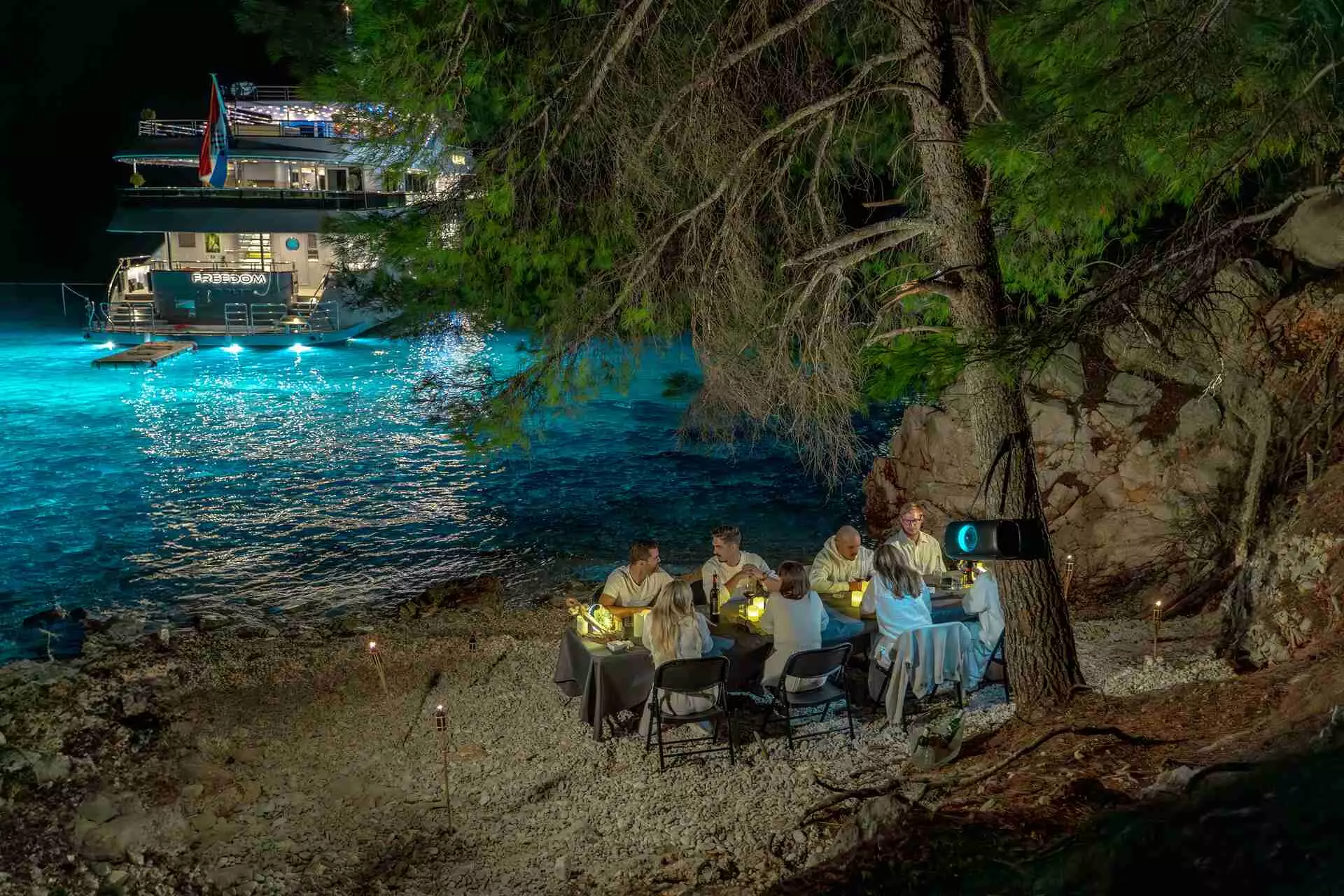
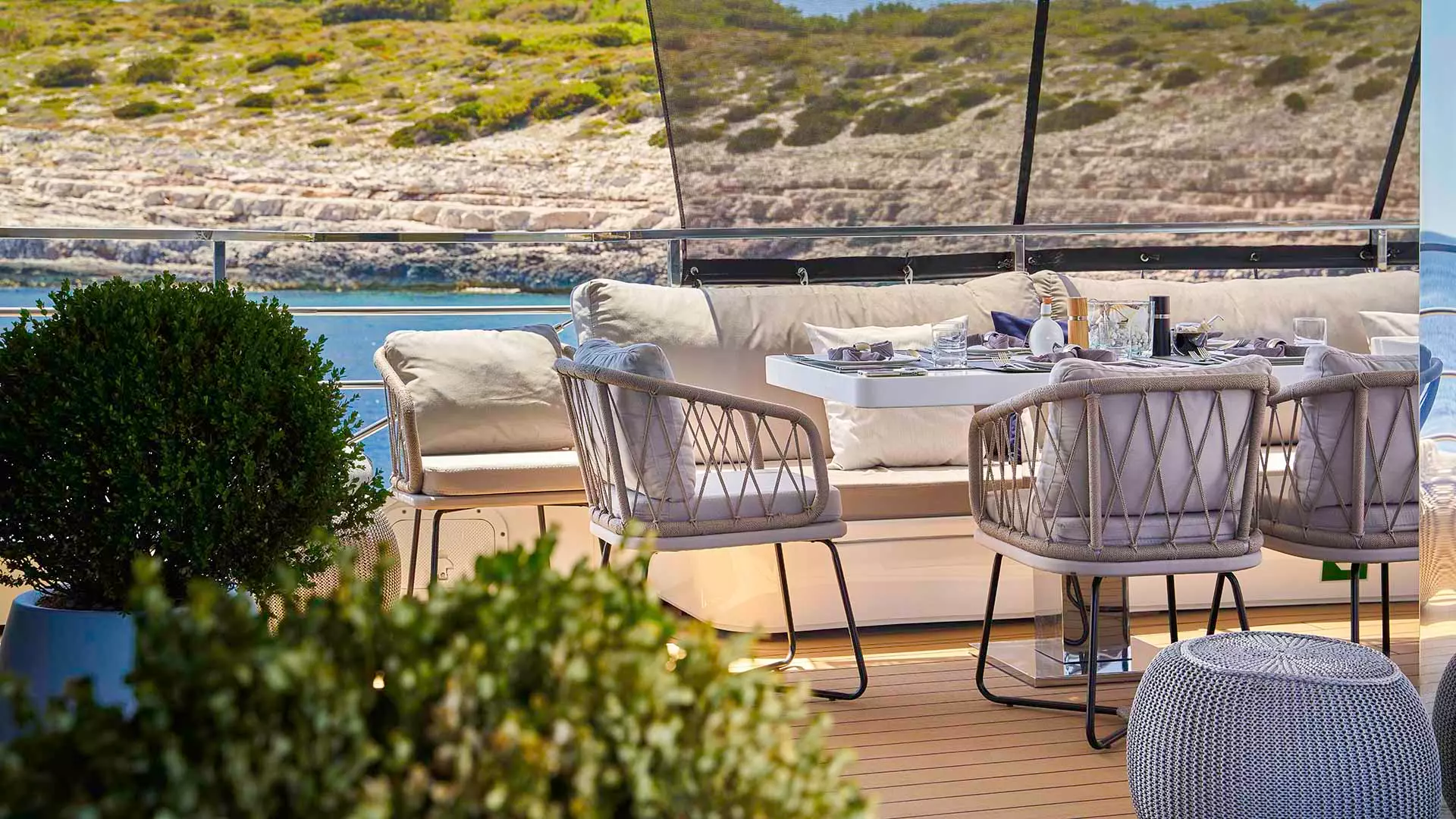
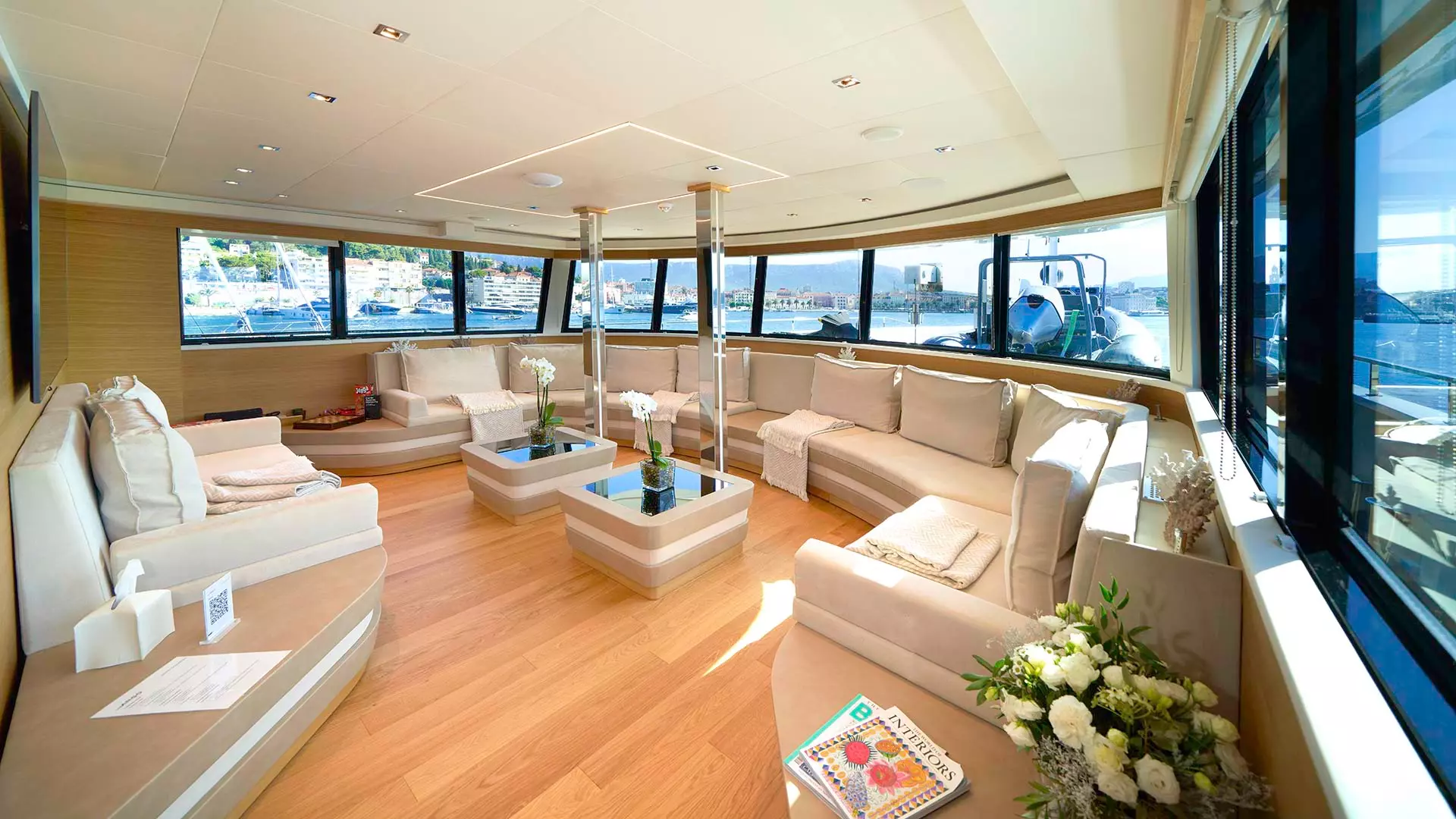
One of the highlights of a Croatian charter is the access to fresh, local ingredients. The chefs often go ashore in the mornings to buy groceries directly from local fishermen or vegetables from island markets. This sea or land to table approach ensures that every meal is of the highest quality. Dining usually takes place on the shaded outdoor decks or in nicely decorated saloons, allowing the group to enjoy the sea breeze and the view of the coastline while they eat. This level of personalized culinary service is one of the main reasons why guests come back year after year on the same vessel.
Water Toys & Amenities
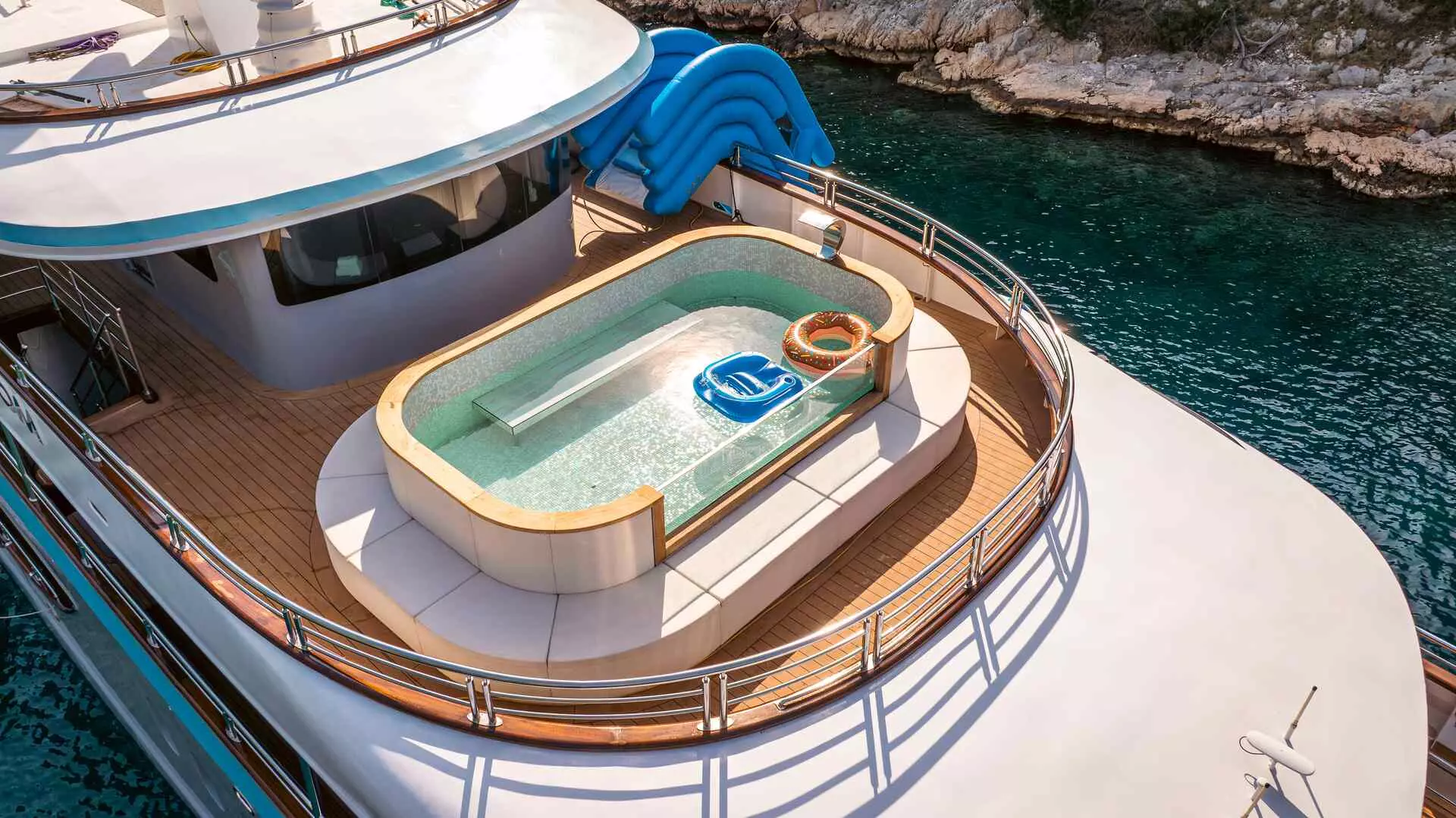
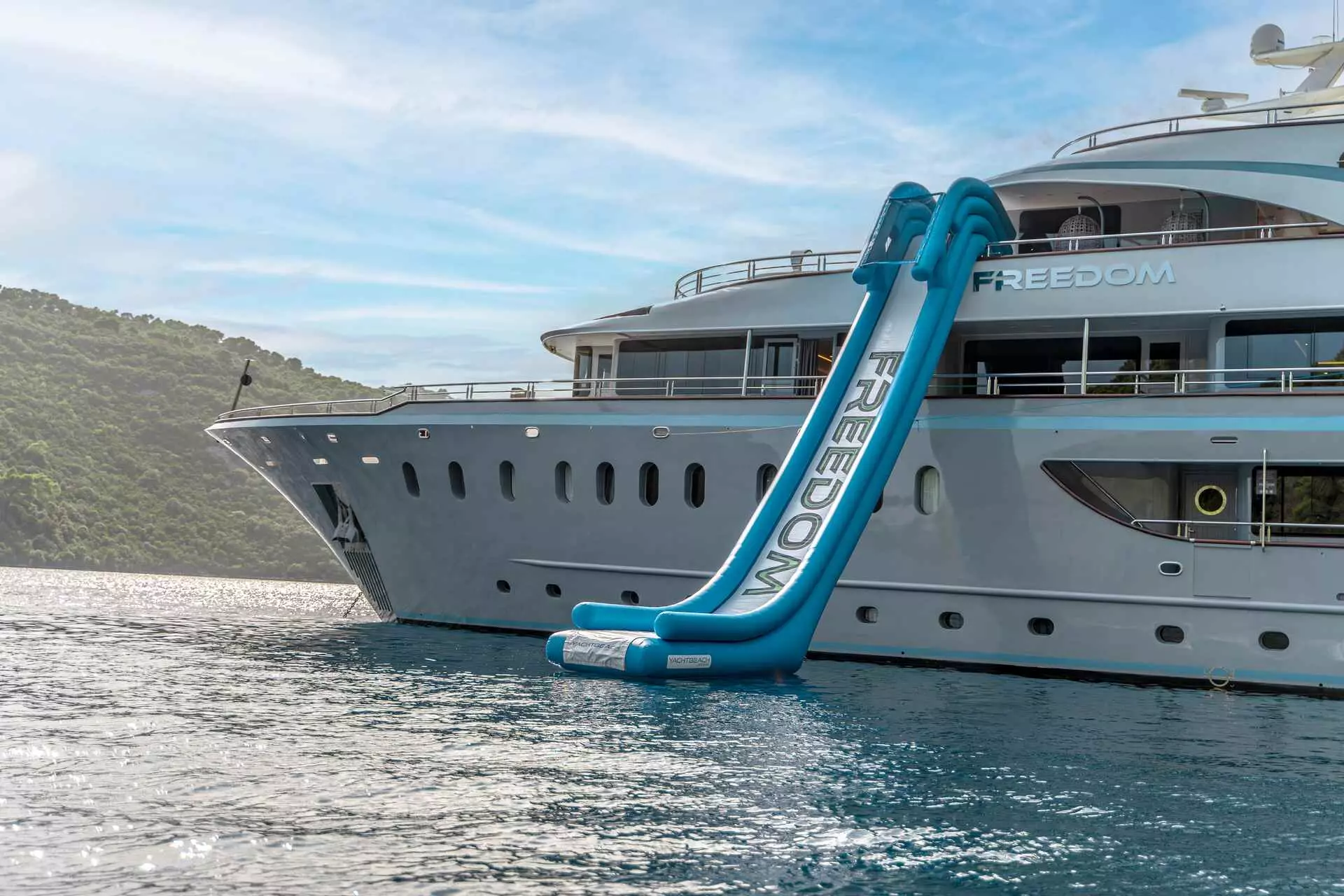
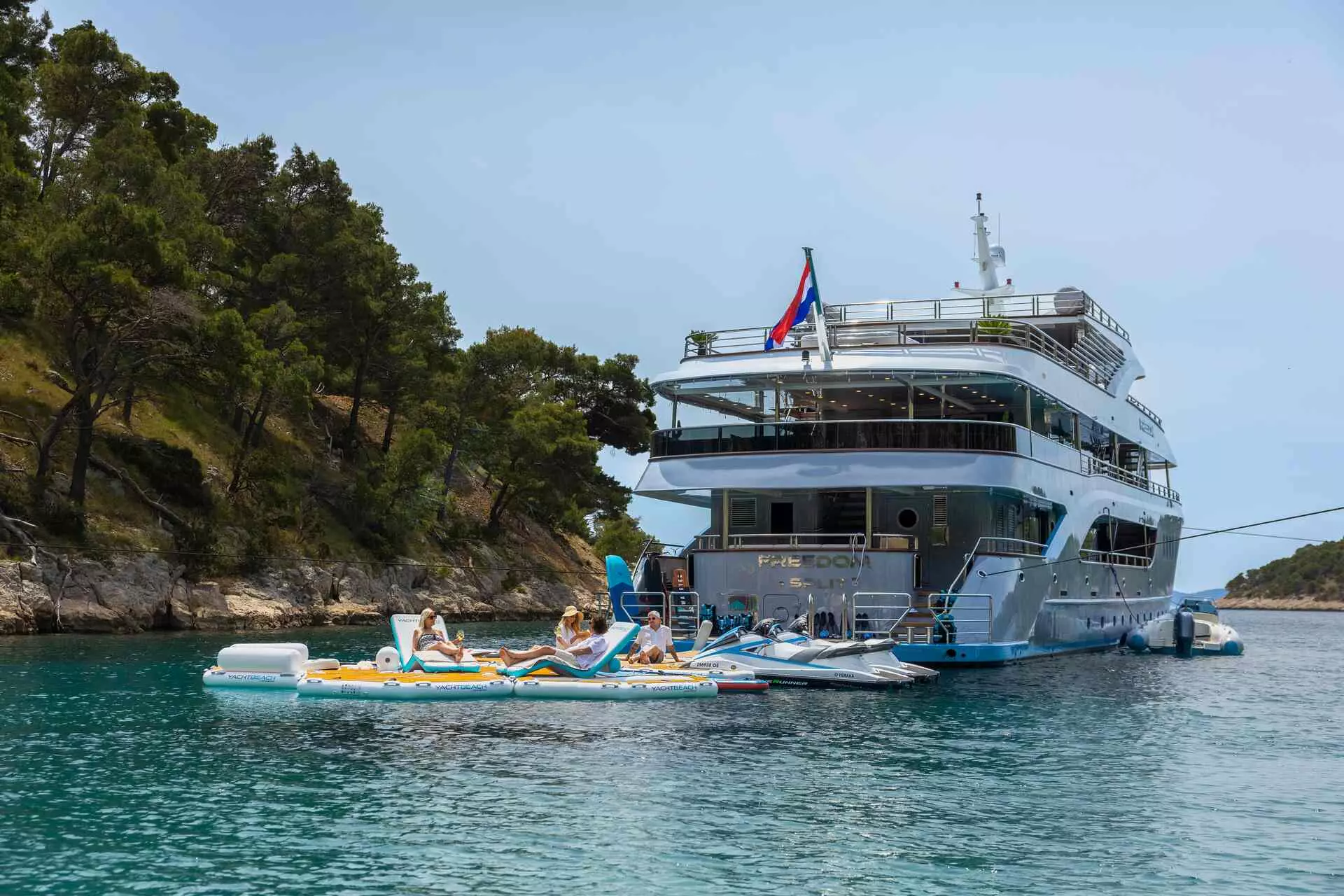
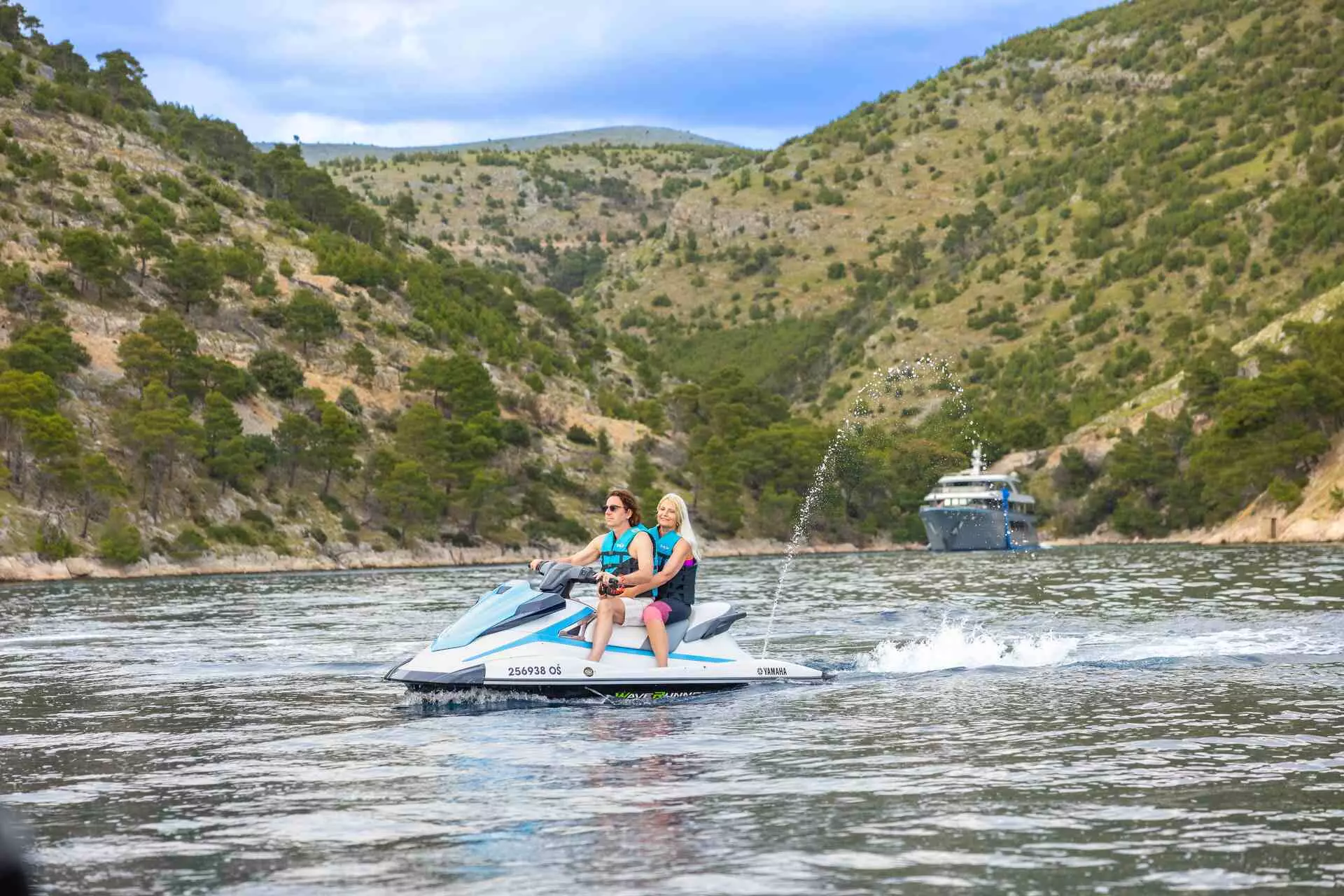
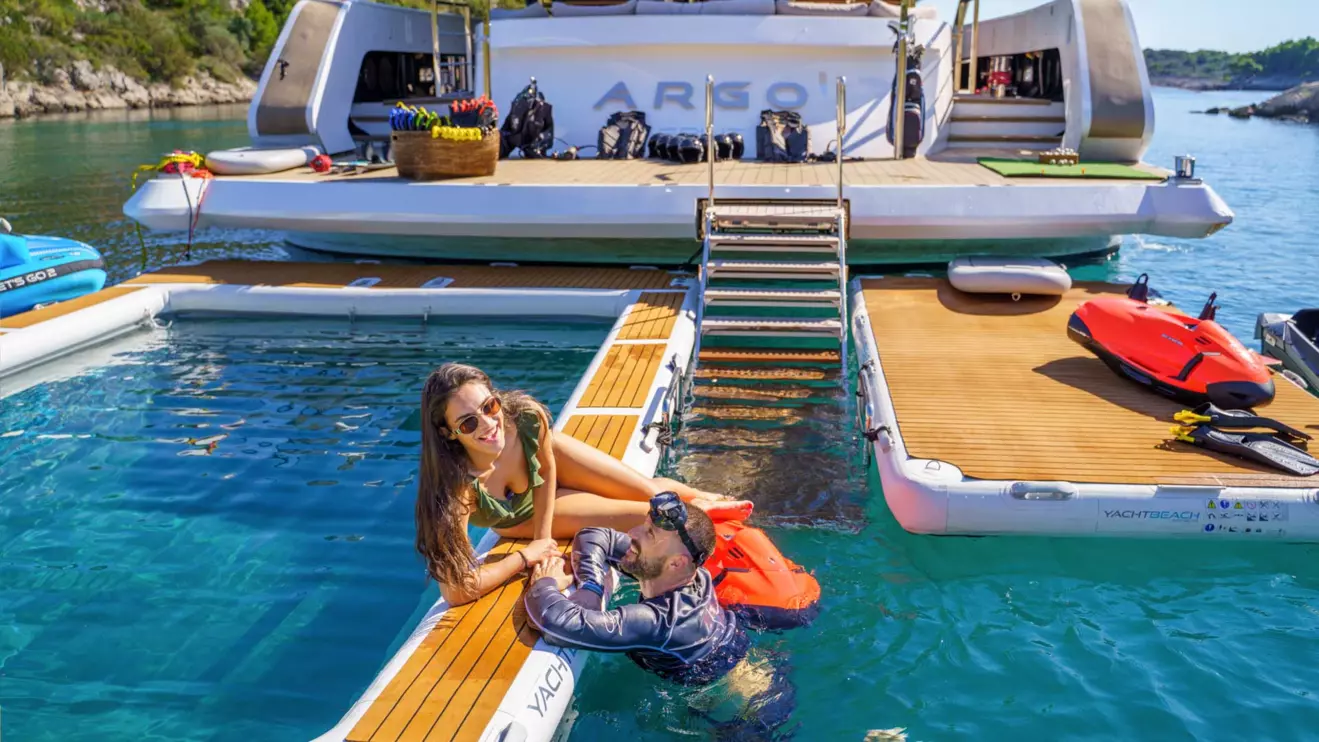
Modern luxury cruisers are equipped with everything needed for entertainment and relaxation. When the ship is at anchor, the swimming platform at the back of the boat becomes the most popular place to be. Guests have access to a variety of water toys, including jet skis, paddle boards, snorkeling gear, and often more advanced equipment like sea bobs. For example, Argo carries 48 water toys and a 37-foot chase tender equipped with 600 hp engines.
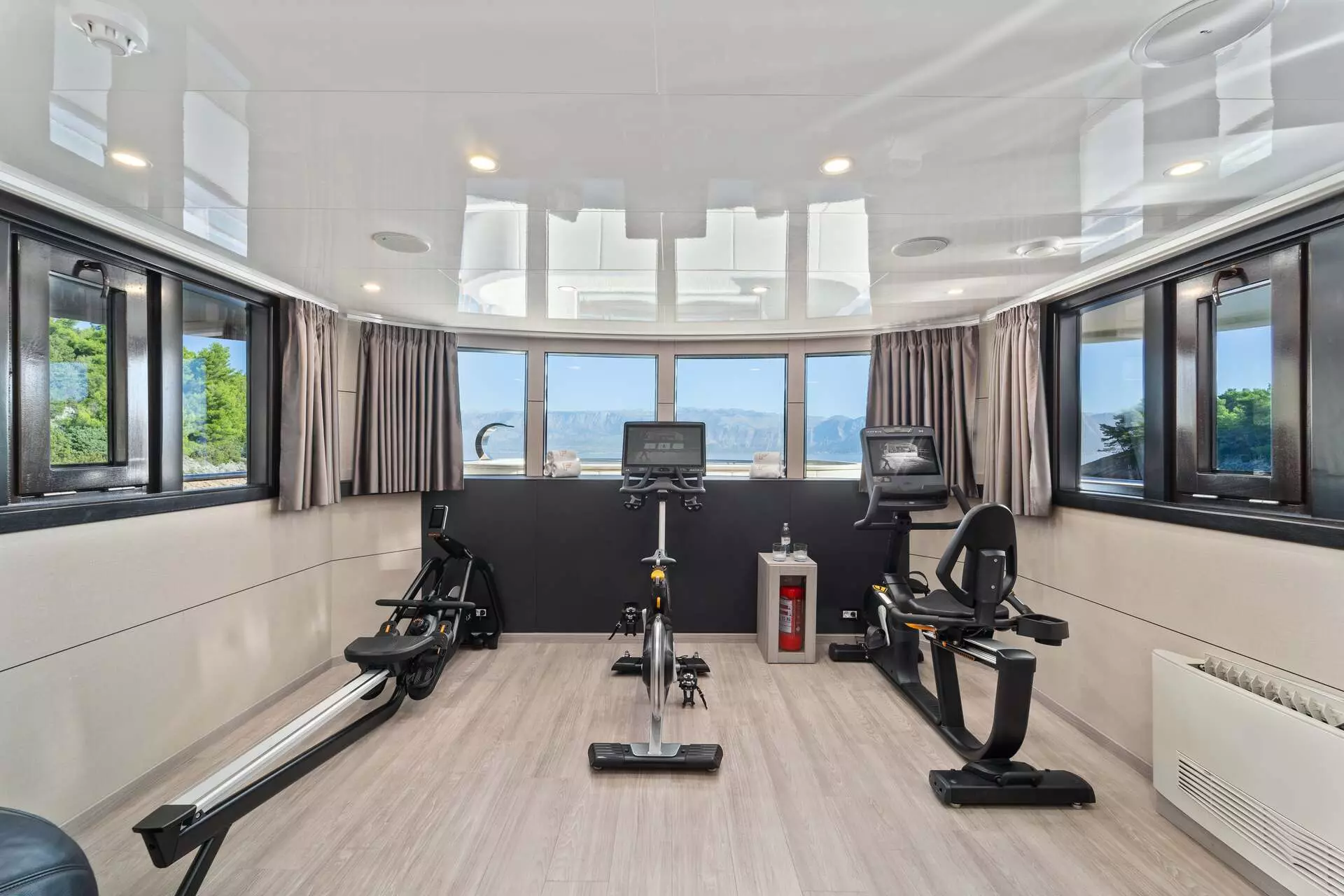
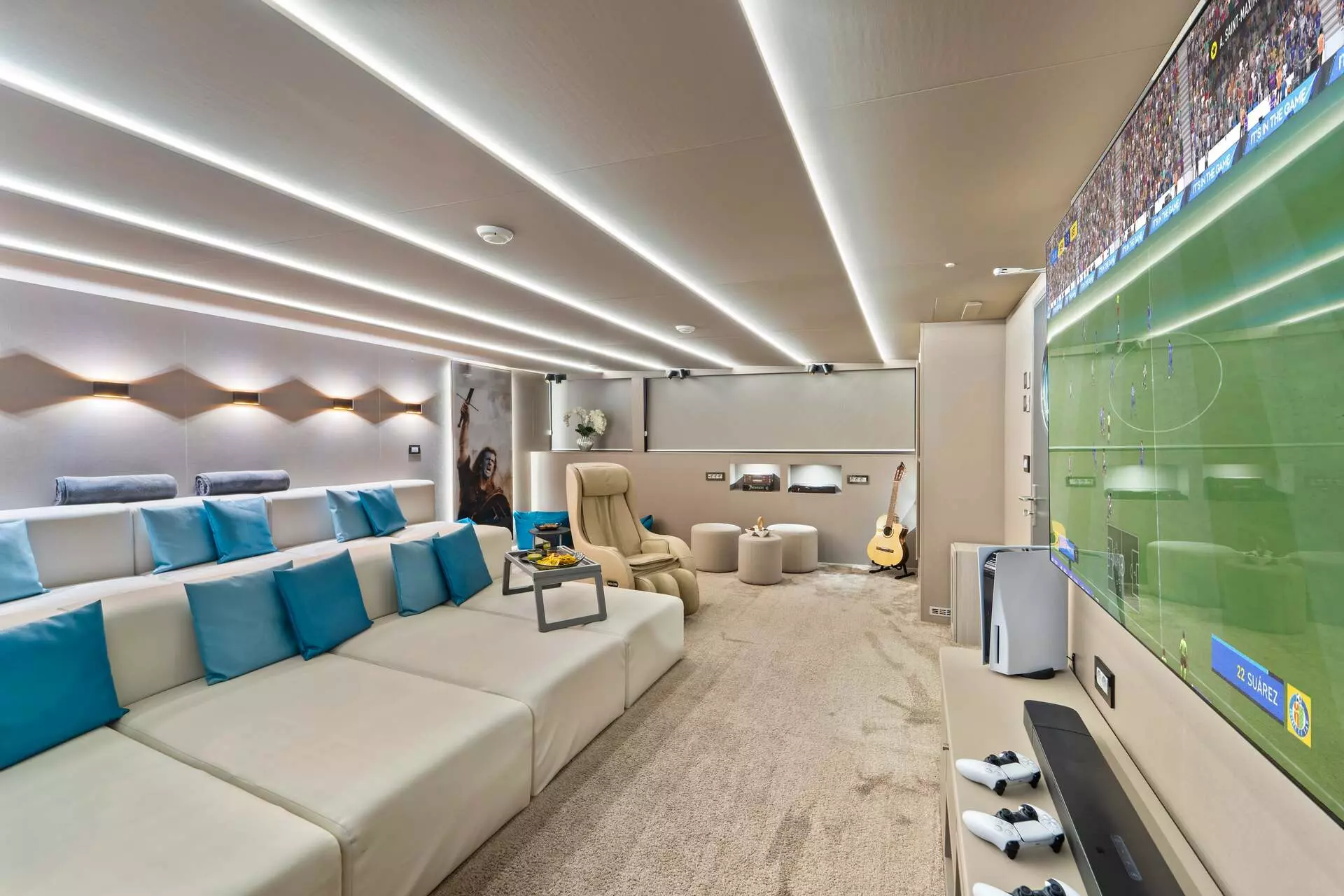
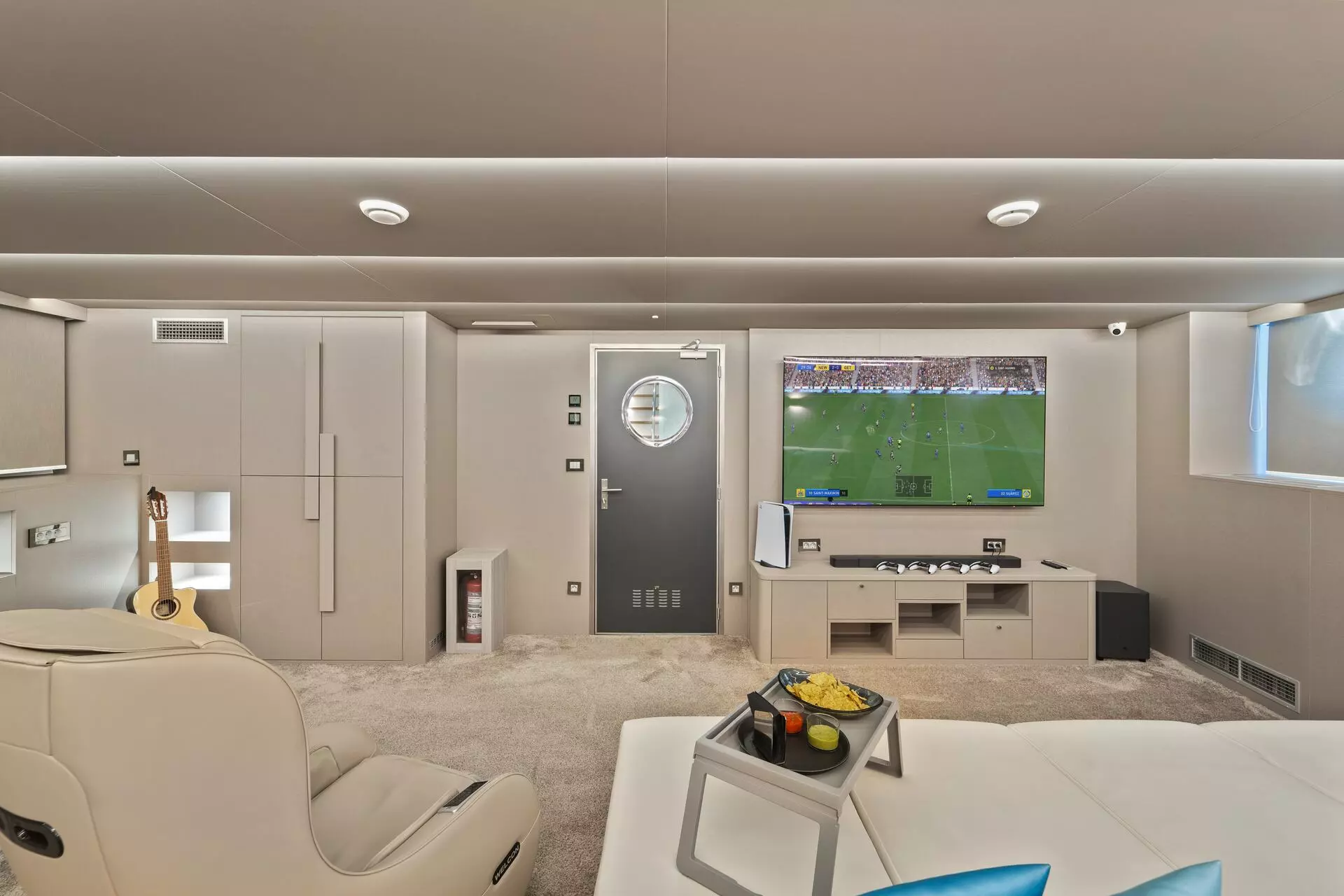
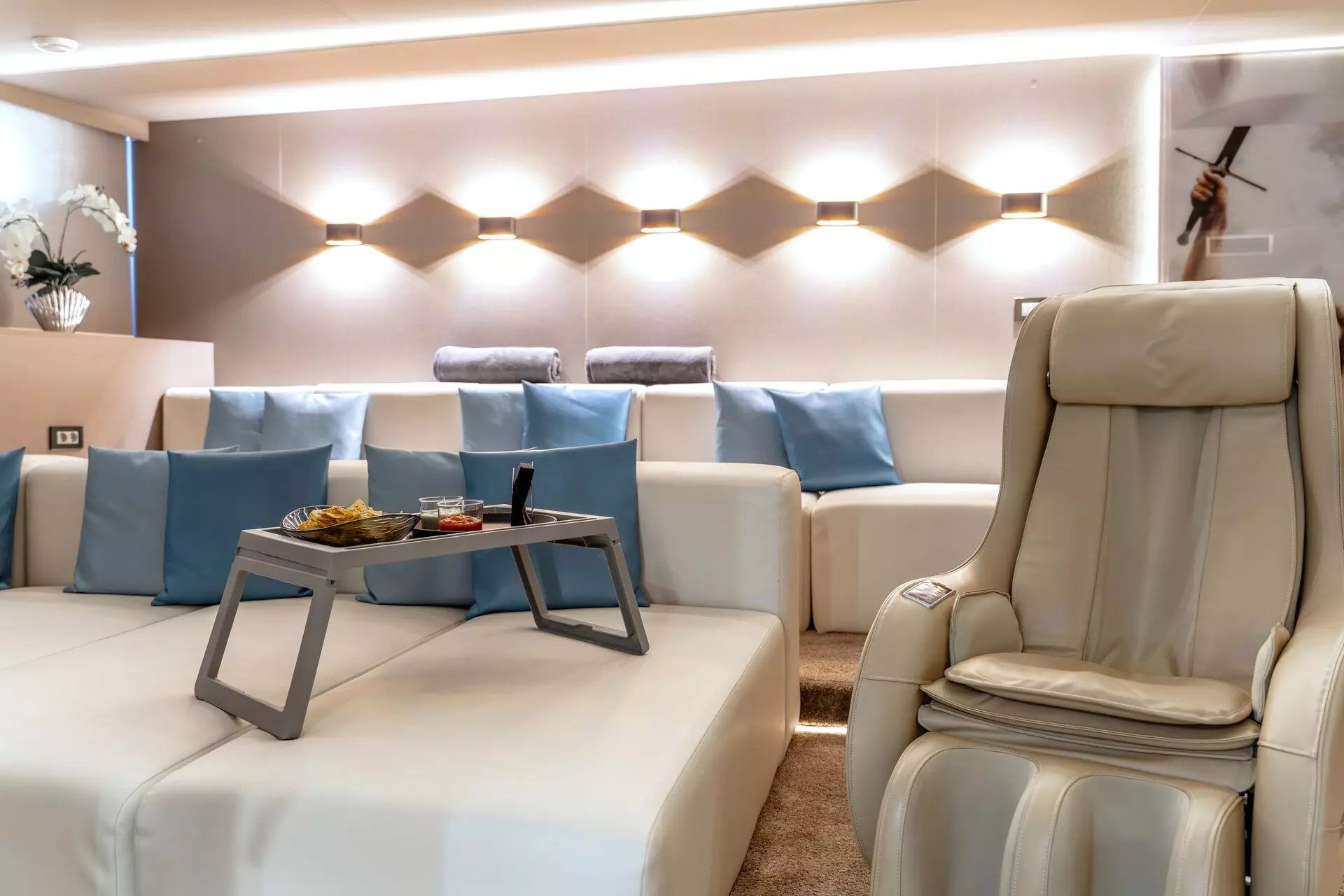
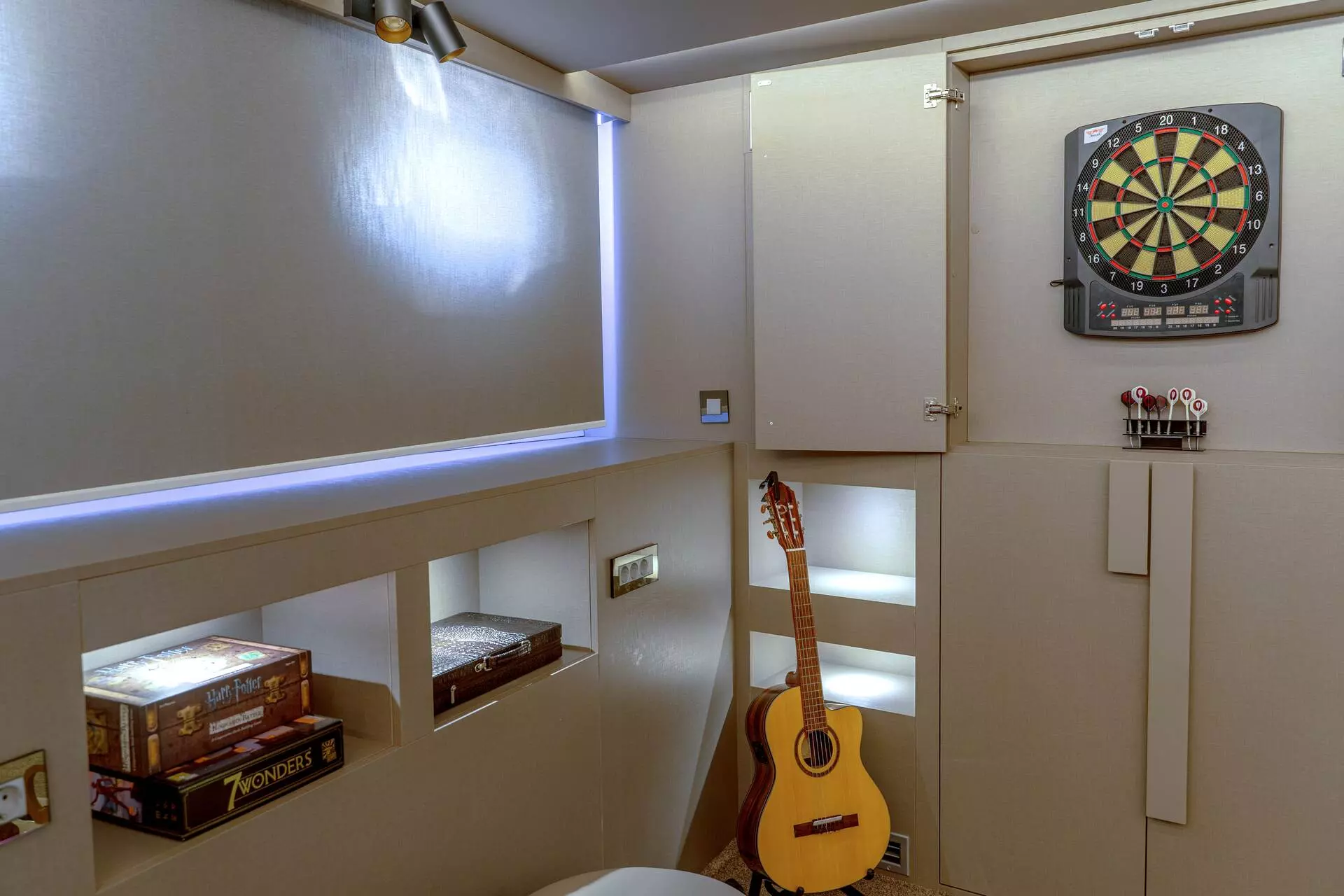
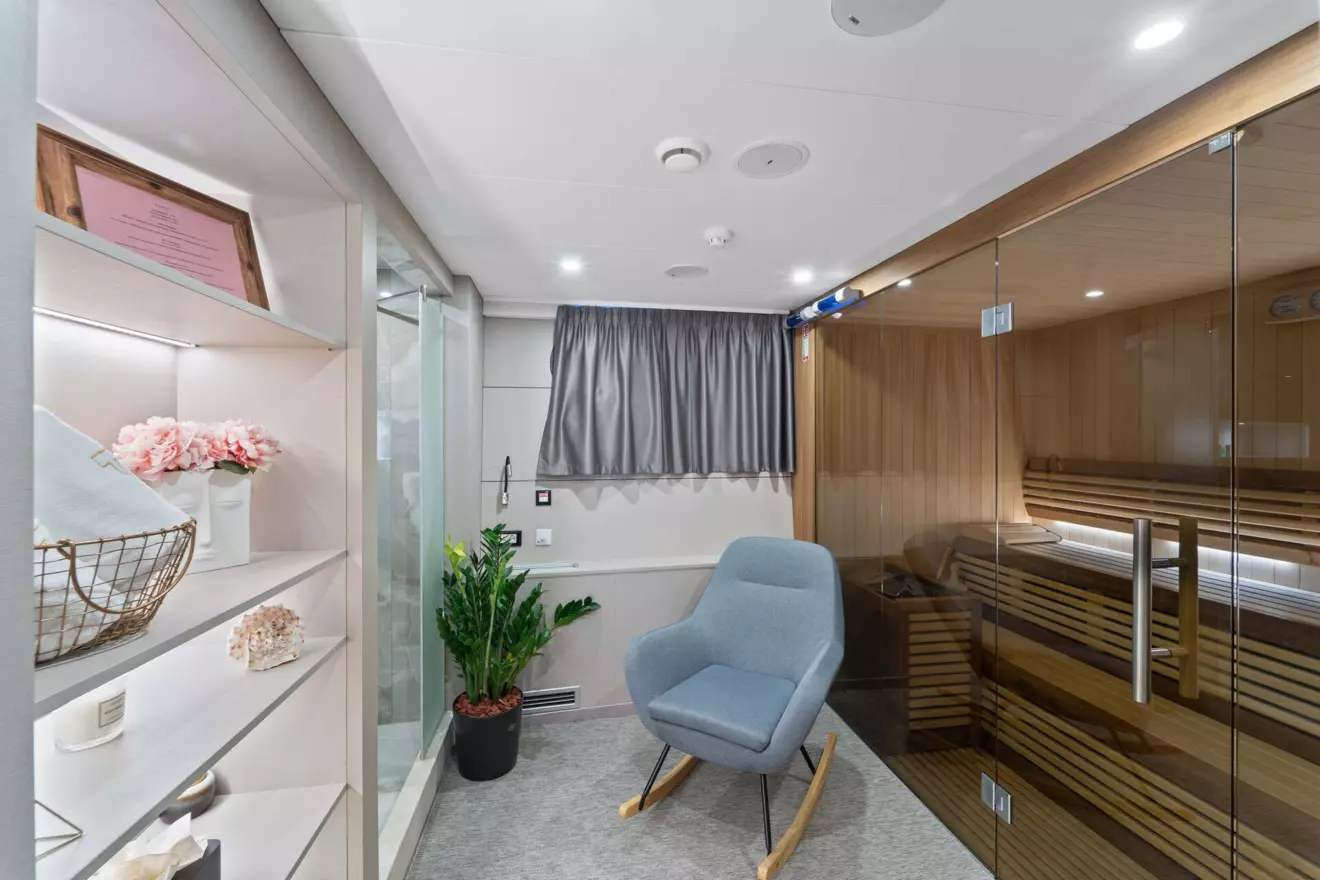
Inside the ship, the focus is on wellness and comfort, and the inclusion of a gym and a sauna is now expected at the top end of the market. Some ships even have dedicated areas for massage and spa treatments or so called entertainment rooms with books, TVs and videogames. These amenities ensure that even if the weather is not perfect, there is always something to do on board. The goal is to provide a complete resort experience that moves with you across the sea and Croatian luxury mini cruisers provide just that.
How Much Does a Luxury Mini Cruiser Charter Cost in Croatia?
When considering the cost of a luxury cruiser, it is important to look at the total value for the group. While the initial price might seem significant, it is for sure more efficient than chartering multiple yachts, and often a more efficient way to spend a travel budget for a large party than booking multiple high end hotel rooms and organizing separate transport and dining.
Understanding Weekly Charter Rates
Charter rates are typically quoted for a period of one week. This base rate covers the hire of the ship and the wages of the entire crew. The rate can vary depending on several factors, such as the age of the ship, the number of cabins, and the specific amenities on board. This base price is the foundation of the charter agreement and starts from 70.000 euro for the Low Season, and 100.000 euro for the High Season.
What's Included vs. What's Extra
It is vital for guests to understand the distinction between what is included in the base rate and what will be charged as an extra. In most cases, the base rate includes the ship and the crew. Additional costs usually include fuel, port fees, and the cost of food and beverages. Port fees are a variable cost because they depend on which specific harbors the group chooses to visit. Some guests prefer to spend more time in expensive marinas like Hvar or Dubrovnik, while others prefer to stay at anchor in quiet bays, which is more cost effective, and from our point of view, a more beautiful way to spend time on board.
APA (Advance Provisioning Allowance) Explained
The Advance Provisioning Allowance, or APA, is the standard method for handling expenses during a luxury charter. This is a sum of money, usually between thirty and forty percent of the base rate, that is paid before the trip begins. The captain uses these funds to buy groceries, fuel the boat and the water toys, and pay all port and marina fees.
The captain keeps a very detailed record of every cent spent from the APA. At the end of the week, the guest is provided with a full accounting of the expenses. If there is any money left over, it is returned to the guest in cash or by bank transfer. If the expenses have exceeded the allowance, the guests are obliged to pay the difference. This system allows the guest to enjoy their holiday without having to worry about paying for individual items or services during the week.
Price Breakdown Per Person Per Night
One of the most effective ways to understand the value of a luxury cruiser is to break the cost down on a per person basis. When the total price is divided among twenty or thirty people, the cost per night is often comparable to staying in a five star hotel. However, the charter includes much more than just a room. It includes a private chef, a dedicated crew, all your transport between islands, and the exclusive use of a vessel with all the amenities. For large families and corporate groups, this represents a very logical and efficient way to enjoy a high end holiday. If the yacht has 10 cabins and is chartered at 100.000 euro then the weekly cost per cabin is 10.000 euro and all the additional costs for fuel, food and drinks is around 5.000 euro, depending on the guest preferences, which gives a realistic sum of 2.000 euro per cabin per day (1.000 per person).
Seasonal Pricing: Peak vs Shoulder Season
The time of year you choose to travel will have a significant impact on the price. July and August are the peak months in Croatia, when the demand is at its highest and the weather is at its hottest. Prices during these months are at their maximum, and most vessels are booked far in advance and sometimes even a year.
For those looking for better value or a more private experience, the shoulder season months of May, June, and September offer a great alternative. The rates are usually lower, and the islands and ports are much less crowded. In June, the days are very long and the nature is at its most beautiful. In September, the sea is still very warm from the summer sun, but the air temperature is more comfortable for exploring the historic towns.
Every luxury cruiser has it’s own price policy, but we can say that Low Season is approximately 20% less expensive than the main season, and if you are looking for a deal – please inquire for May bookings.
Best Routes & Itineraries for These Cruises
A luxury cruiser gives you the freedom to explore the Croatian coast in a way that is impossible by land. While the itinerary is always flexible, there are several established routes that offer a perfect blend of natural beauty and cultural history.
Split to Dubrovnik: The Classic 7-Day Route
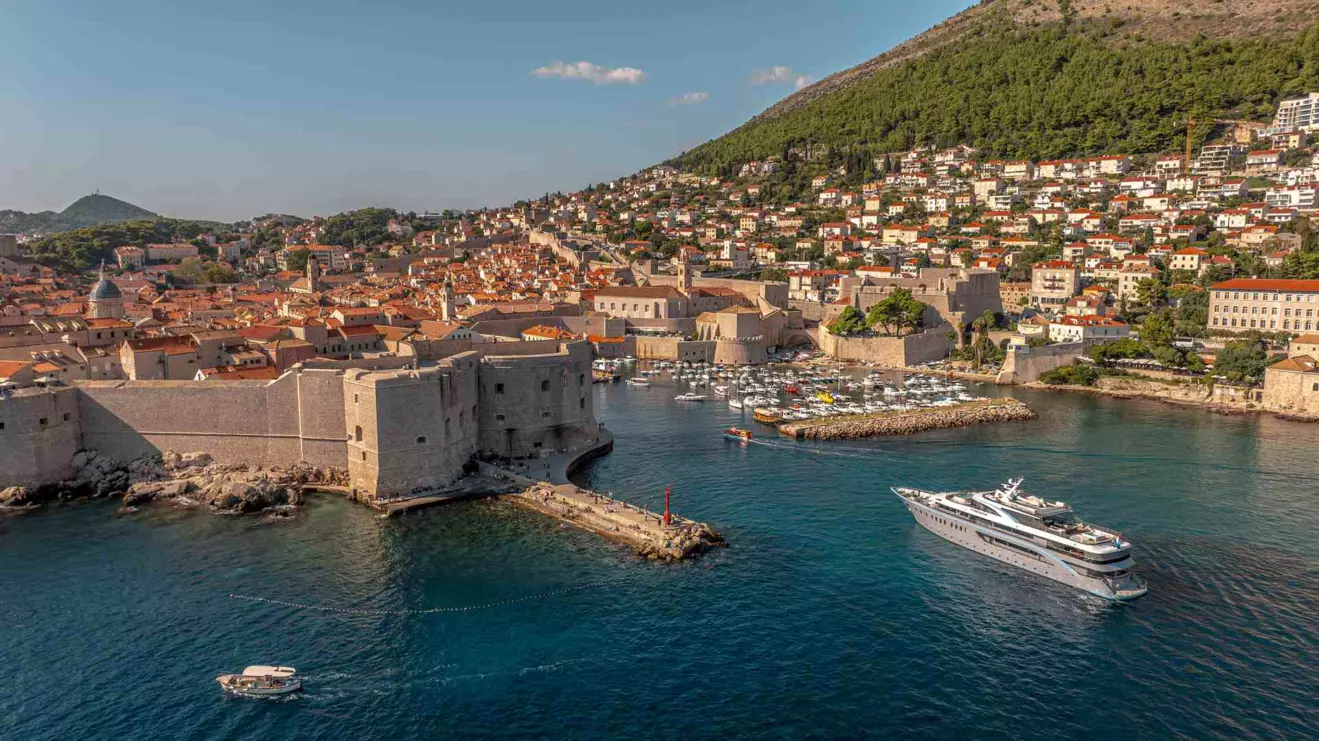
The journey between Split and Dubrovnik is the most popular route for a reason. It covers some of the most famous sites in Croatia, including the historic center of Split and the medieval walls of Dubrovnik. Along the way, the ship can stop at the islands of Brač, Hvar, and Korčula. This route provides a great balance of lively towns and quiet swimming spots, making it a perfect choice for first time visitors to the Adriatic.
Dubrovnik & Elaphiti Islands
The southern part of the coast around Dubrovnik is famous for the Elaphiti Islands and Mljet National Park. This archipelago is made up of several small islands that are incredibly peaceful and offer excellent conditions for swimming and water sports. A route centered here allows for shorter sailing times and more time spent relaxing in secluded bays. It is an ideal itinerary for groups who want to focus on relaxation and avoid the busier parts of the coast.
Central Dalmatian Islands: Hvar, Brač, Vis
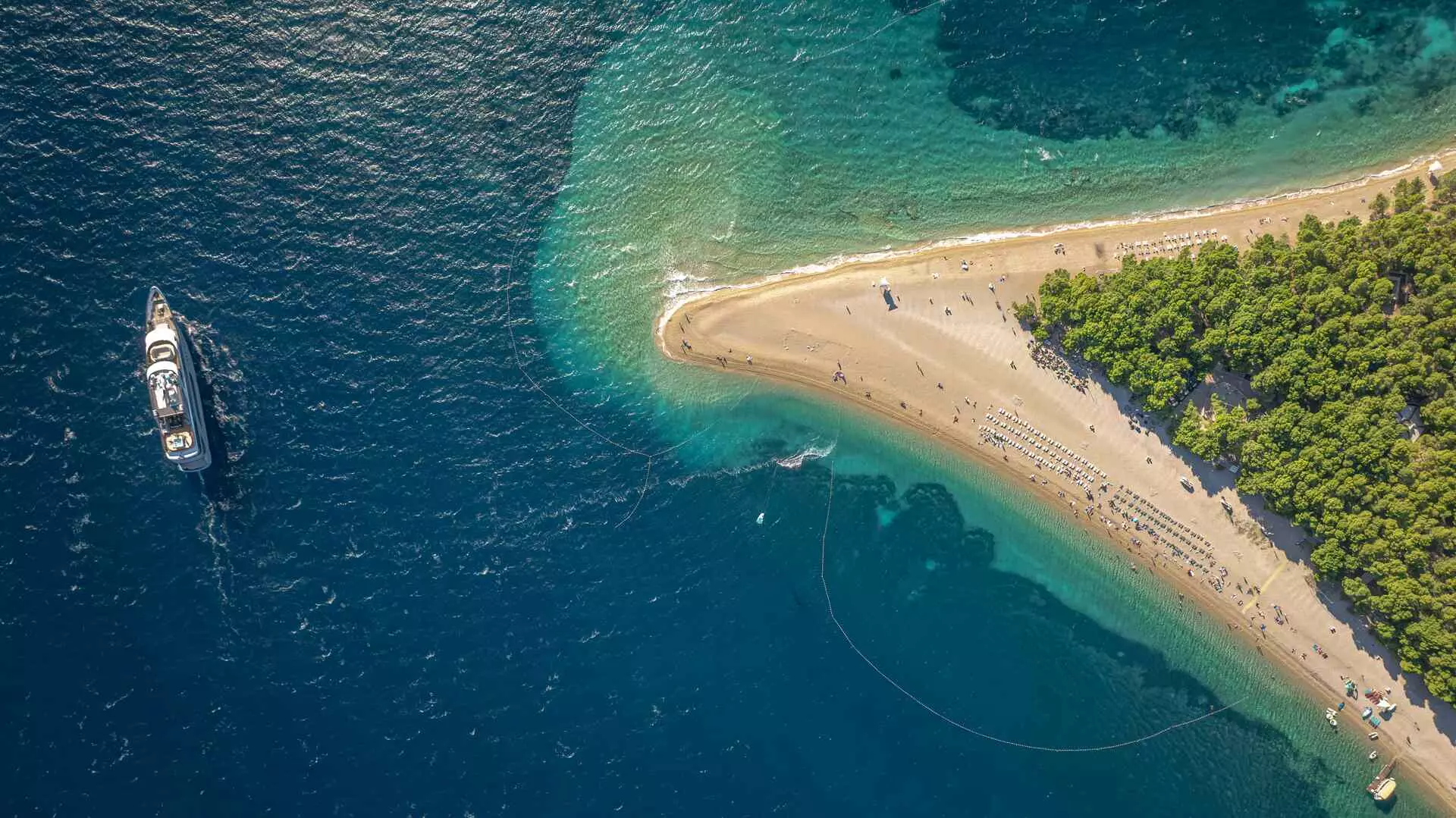
The islands of central Dalmatia offer a diverse range of experiences. Hvar is known for its sophisticated atmosphere and world class dining as well as lovely Pakleni islands. Brač is home to the famous Zlatni Rat beach, which is a must see for many visitors. Vis is a bit further from the mainland and offers a more rugged, authentic experience with its military history and quiet fishing villages.
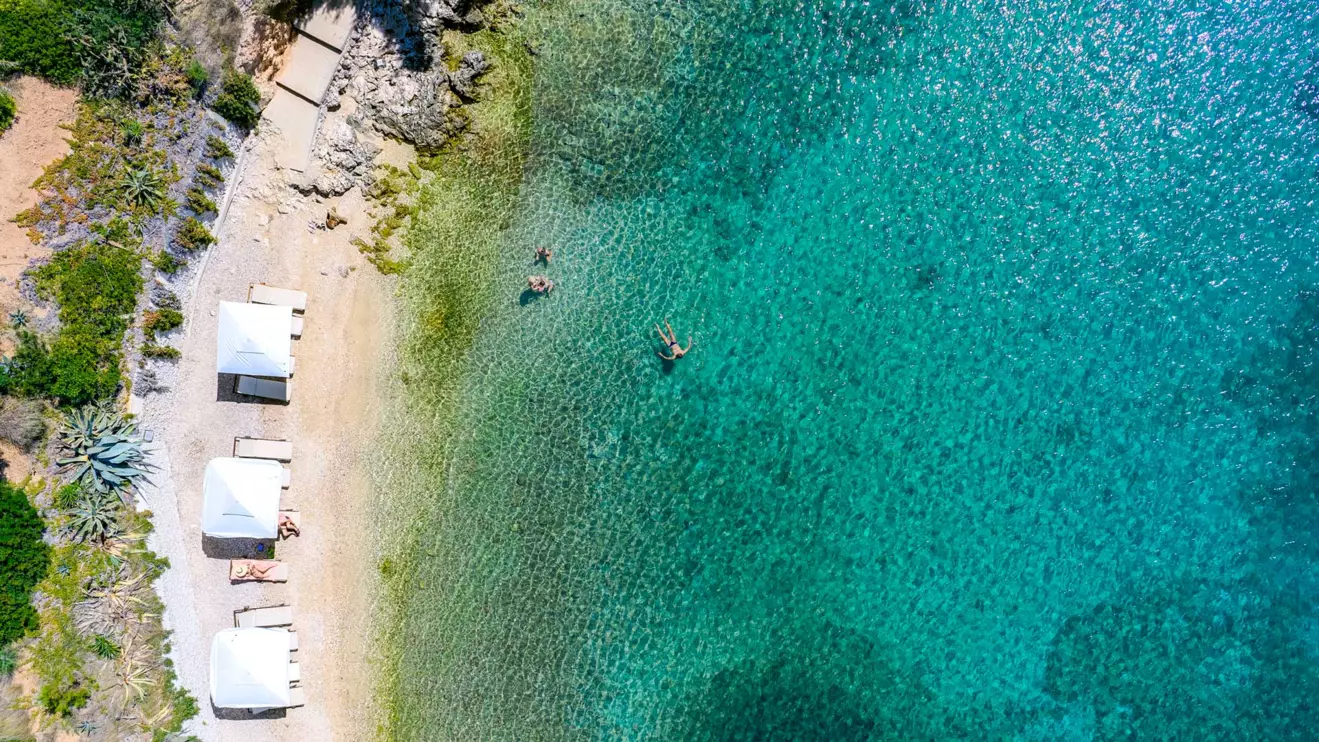
One of the most memorable places for many guests is the remote island of Sušac. The owner of Freedom notes that guests often find Sušac to be the highlight of their trip. The island is almost entirely uninhabited and has no light pollution, which means the stars are incredibly bright at night. The absolute silence and the feeling of being completely disconnected from the busy world are things that guests never forget.
Korčula is another favorite for its impressive architecture and historical charm. Unlike some of the busier towns, Korčula feels like a place where history is still part of daily life. Mljet is also a surprise for many, with its vast national park and calm salt lakes. While guests usually want to see Hvar and Dubrovnik, they often find that they prefer the quiet and the space found on these smaller, less crowded islands.
Northern Route: Krka & Kornati National parks
The northern part of the coast, starting from Zadar, leads into the Kornati National Park. This is an archipelago of nearly three hundred islands and reefs, most of which are uninhabited. It is a unique landscape of stone and sea that feels completely different from the southern islands. This route is perfect for groups who love nature and want to spend their week exploring one of the most beautiful natural areas in the Mediterranean. It is the best when combined with a visit to river Krka National Park and it’s waterfalls, as one of the best excursions available in Croatia.
When to Charter in Croatia
The best time for a charter depends on what your group wants to experience. Each part of the season has its own unique character and advantages.
Peak Season (July to August): Pros and Cons
The main advantage of the peak season is the weather. You are almost guaranteed hot, sunny days and warm sea temperatures. This is the time when the Adriatic is at its most vibrant. All the restaurants and shops are open, and there is a great energy in the coastal towns.
The downside is the crowds. The most popular ports can get very busy, and you will need to plan your arrivals carefully. The prices are also at their highest during these two months. If your group likes a lively atmosphere and wants the classic summer experience, then July and August are the months to choose.
Shoulder Season Value (June and September)
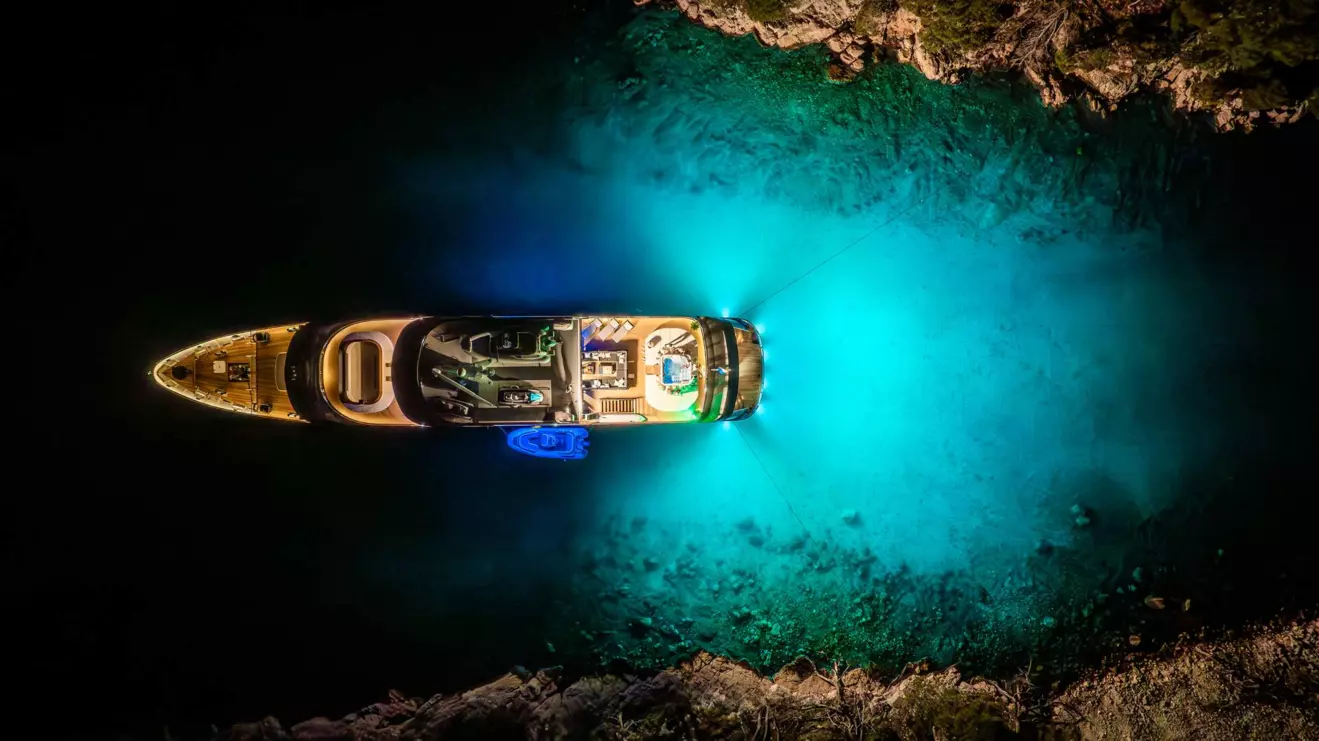
The shoulder season offers a more relaxed and peaceful experience. In June, the weather is warm but not too hot, and the islands are covered in green vegetation and flowers. In September, the weather is stable and the water is still very warm, but the large crowds of tourists have gone home.
The value during these months is excellent. Not only are the charter rates lower, but it is much easier to find space in the best marinas and to get tables in the most popular restaurants. For many experienced travellers, this is the best time to be in Croatia.
Weather Considerations Month by Month
May marks the beginning of the season, with pleasant temperatures that are great for hiking and sightseeing, though the sea is still warming up. June brings the first true summer heat and is perfect for long days on the water. July and August are consistently hot and dry. September remains warm and very pleasant for swimming, while October can still offer some beautiful days, though the weather becomes less predictable as the colder period approaches.
How to Book Your Charter
Booking a luxury mini cruiser is a process that involves several steps to ensure that you find the right vessel for your specific group.
Booking Timeline: How Early Should You Book?
Because there is a limited number of high quality luxury cruisers in Croatia, the best ones are often booked very far in advance. If you are planning a trip for the peak season, it is recommended to start looking at least twelve months before your travel dates. Many groups are repeat clients who book their preferred ship as soon as they finish their previous charter. Booking early gives you the widest choice of vessels and allows you to secure the exact dates that work for your group.
What to Look for in a Charter Broker
It is important to work with a company or a broker who has a deep understanding of the Croatian market. Since many of these ships are family owned and operated, a good broker will have personal relationships with the owners and the captains. They can give you honest advice about which ship will best suit the needs and the personality of your group. Look for a company that is transparent about all costs and has a proven track record of managing high end charters.
Contract Terms & Payment Schedule
Once you have chosen your vessel, you will sign a charter contract. We recommend the MYBA contract, 2025 version as it gives the best possible protection for the client. This document outlines all the terms of the agreement, including the responsibilities of the owner and the guest. The payment schedule usually involves a deposit of twenty-five to fifty percent of the base rate to confirm the booking. The remaining balance, along with the APA, is typically due one month before the charter begins.
Preparing Your Preference Sheet
The preference sheet is a vital part of the preparation for your charter. This is where you provide the crew with all the information they need to personalize your week. You will list any dietary requirements, allergies, and your favourite foods and drinks. You can also specify the types of activities you enjoy and any specific places you want to visit.
The crew uses this information to stock the ship and plan the logistics of your trip. The more detail you provide, the better they can anticipate your needs. This is what allows the crew on a luxury mini cruiser to provide such a high level of intuitive service. By the time you step on the deck, they already have a good understanding of how you like to spend your days. Be very precise, especially if this is your first time on board.
Frequently Asked Questions
When organizing a trip for a large group, there are always some common questions that pop up during the planning stages.
What is the difference between a luxury cruiser and a yacht?
The primary difference is the size and the guest capacity. While they are larger, luxury cruisers in Croatia are finished to a very high standard and provide a level of service and amenities that is very similar to what you would find on a superyacht. They are designed for large groups who want to stay together on one boat rather than splitting into multiple smaller yachts.
Can children come on these charters?
Yes, these charters are perfect for families with children. The large decks provide plenty of space for kids to move around, and the variety of water toys keeps them entertained throughout the day. Having a professional crew on board also adds a layer of safety and support for parents. Because the group is private, you don't have to worry about your children disturbing other guests, which makes for a much more relaxed holiday for everyone. And, you can always bring a nanny you trust to take care of the children.
What about dietary requirements?
All dietary requirements are handled by your private chef. Because the food is prepared specifically for your group, the chef can easily accommodate any allergies, intolerances, or personal preferences. Whether you need vegan, gluten free, or dairy free meals, the chef will incorporate these into the menu planning. This is all arranged through the preference sheet before the charter begins, as it has been explained already.
What should I pack?
The atmosphere on a luxury cruiser is a relaxed one. Most of your time will be spent in swimwear or casual summer clothes. For the evenings, especially if you plan to go ashore in some of the more sophisticated towns, you might want to have some smart casual outfits. It is a good idea to bring soft soled shoes for the deck and a light jacket for the cooler evenings at sea. Most guests find that they need much less than they expect, as the lifestyle on the boat is very comfortable and informal. The most important part of your outfit is good sun protection.
In the end, luxury mini cruisers are not meant to replace the traditional yacht. They exist to provide a specific solution for groups who want to stay together, move freely across the Croatian islands, and enjoy a high level of service without the need for multiple vessels. By filling this specific spot on the market, they have become one of the most successful and unique parts of the Croatian charter industry.
Photo & Video Yachts Archive