Ruinart 1926: The Bottles That Waited a Century
Date
Reading time
2 min


A century after its harvest, Ruinart 1926 resurfaces from the cellars of Paul Bocuse’s restaurant, offering a rare insight into the longevity and evolution of the House’s wines
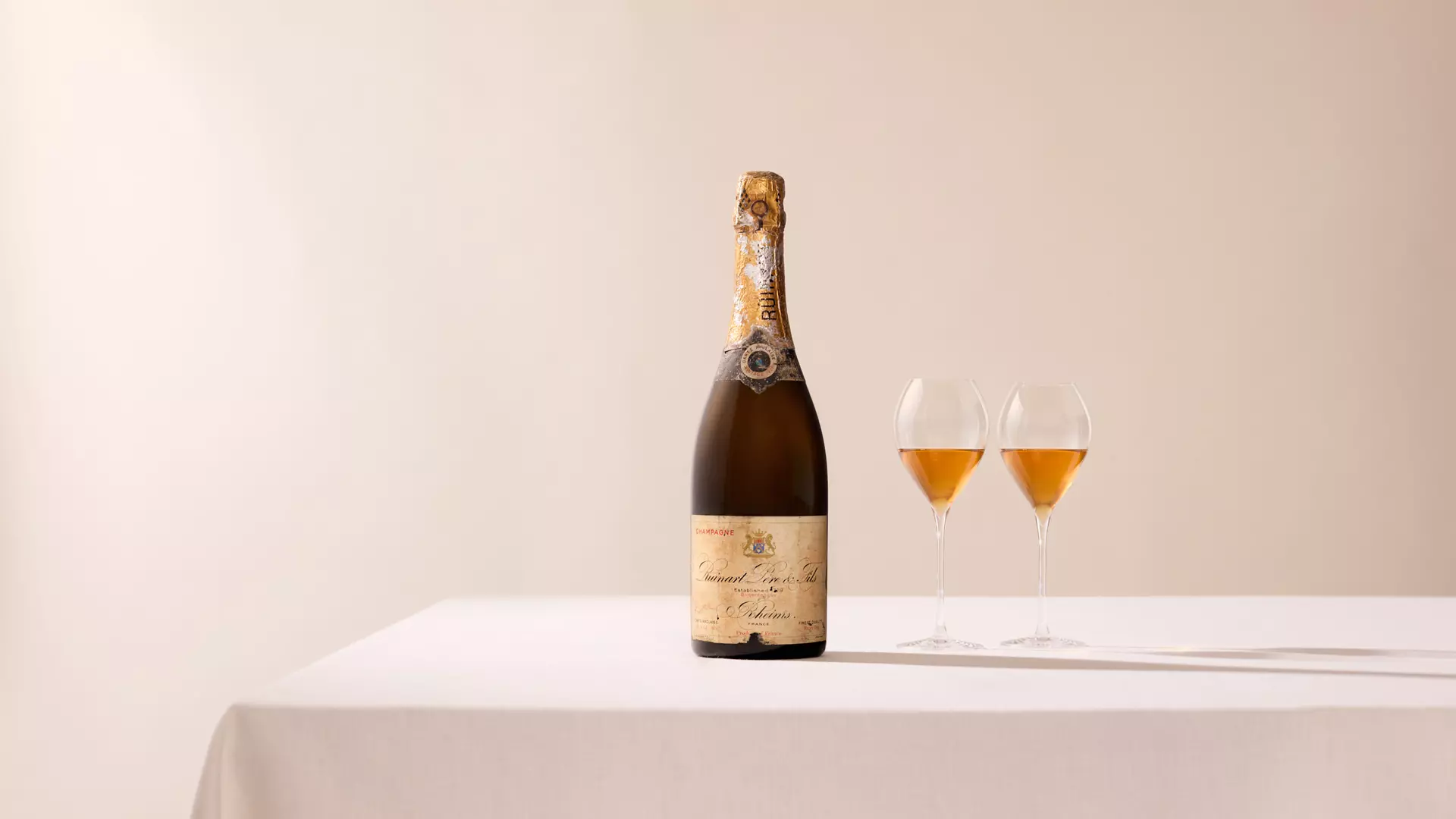
In 2023, eighteen bottles of Ruinart Vintage 1926 were rediscovered in the cellars of Paul Bocuse’s restaurant near Lyon, a moment that brought a long-forgotten chapter of the Maison’s history back into focus.
Preserved for decades in the cellar of one of gastronomy’s most influential figures, the bottles have since returned to Ruinart in Reims. Today, they are considered the oldest bottles held by the Maison, now stored at its historic address, 4 Rue des Crayères.
A story that spans a century
The 1926 vintage was shaped by a complex growing season. The vines were affected by disease, and flowering came late; a dry October defined the harvest. At the time, the wines were described as elegant, but not among the great vintages of the era.
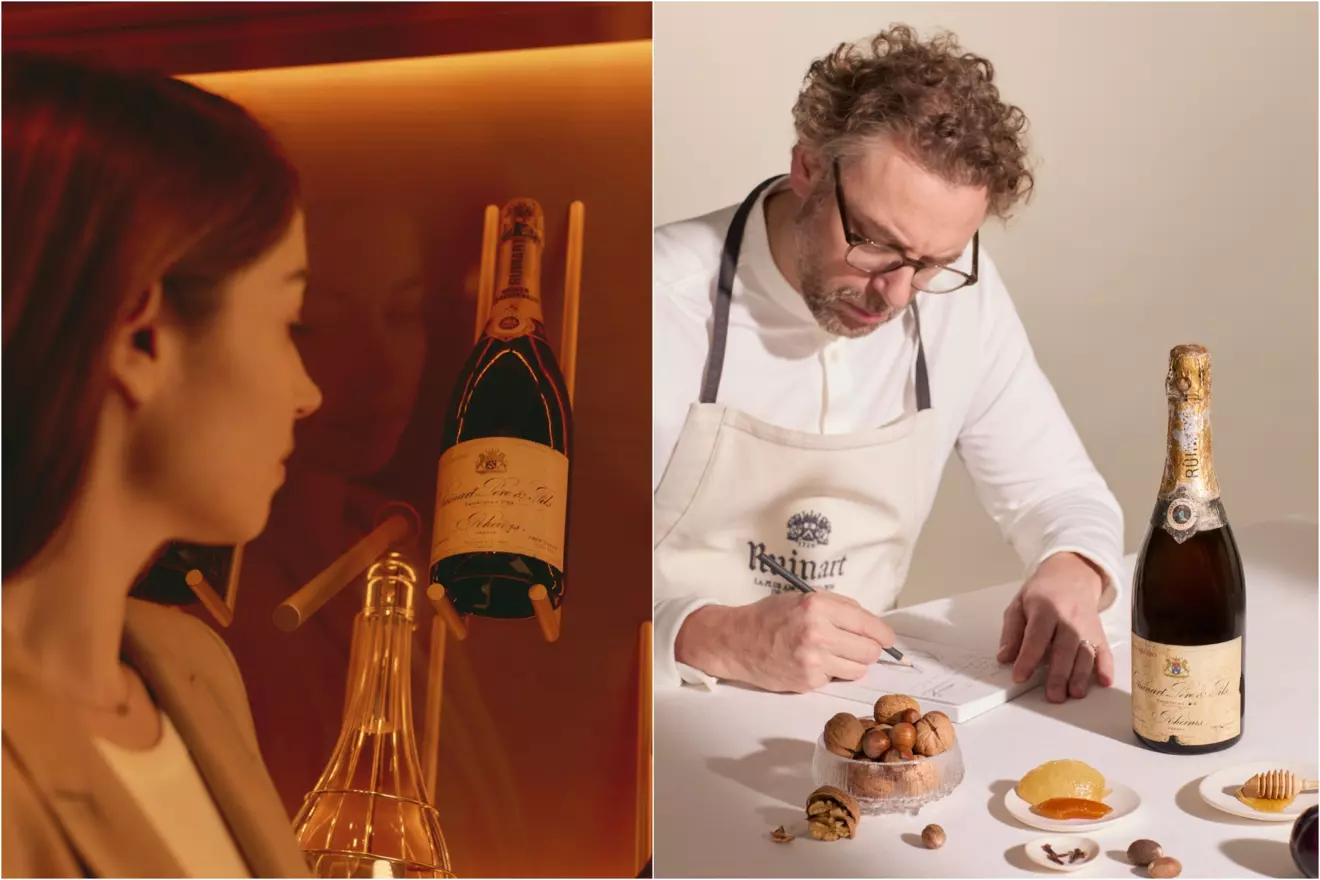
Yet the context tells a different story. Champagne was rebuilding after the First World War, and at Ruinart, cellar master Maurice Hazart was consolidating a house style that would define generations to come.
Decades later, part of this vintage was given to Paul Bocuse, who collected wines from his birth year, 1926. These bottles remained in his restaurant cellar until their rediscovery, linking Ruinart with one of the defining names of French gastronomy.
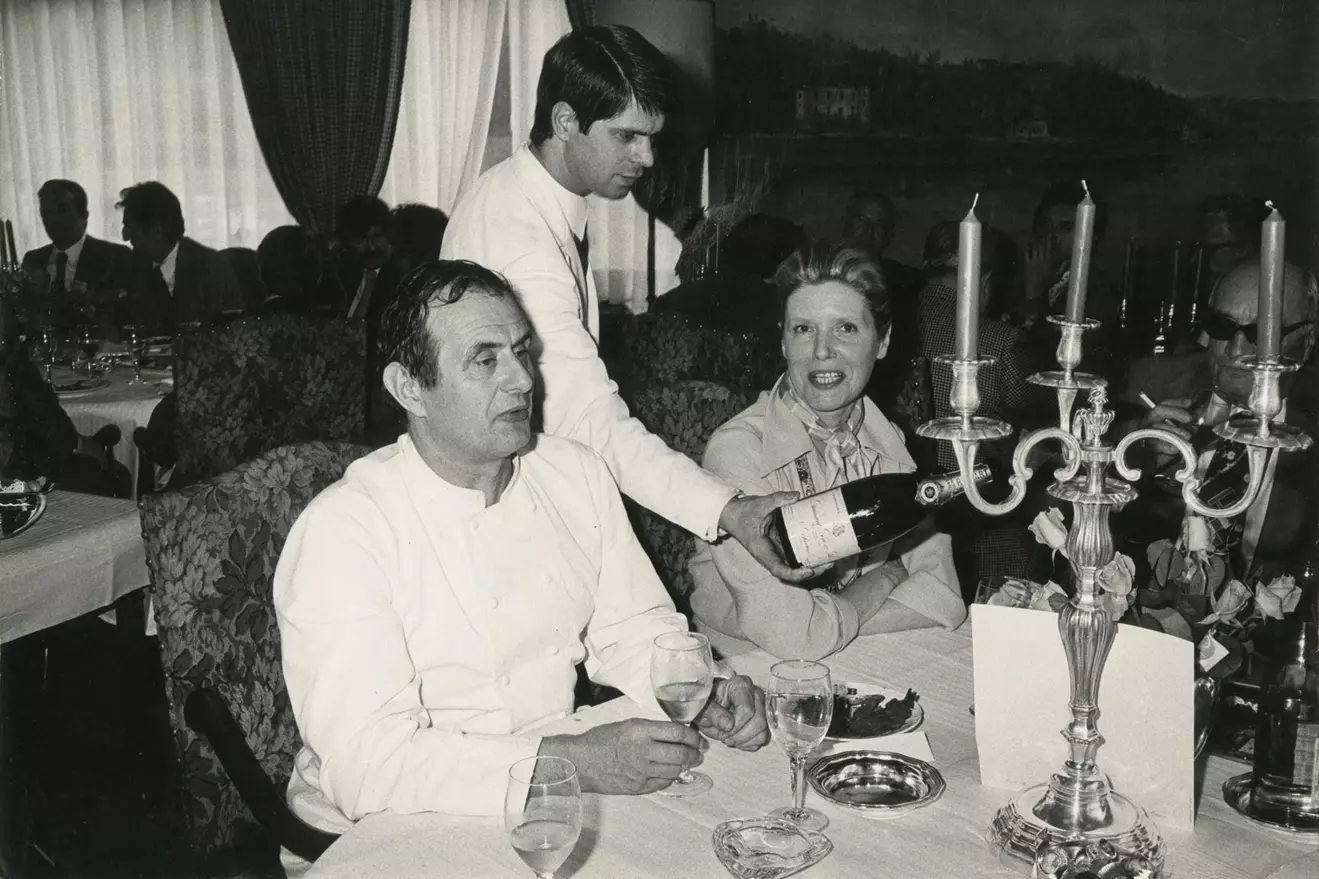
Their return to the Maison completes that trajectory, returning the wines to Ruinart’s cellars a century after their harvest.
The value of time
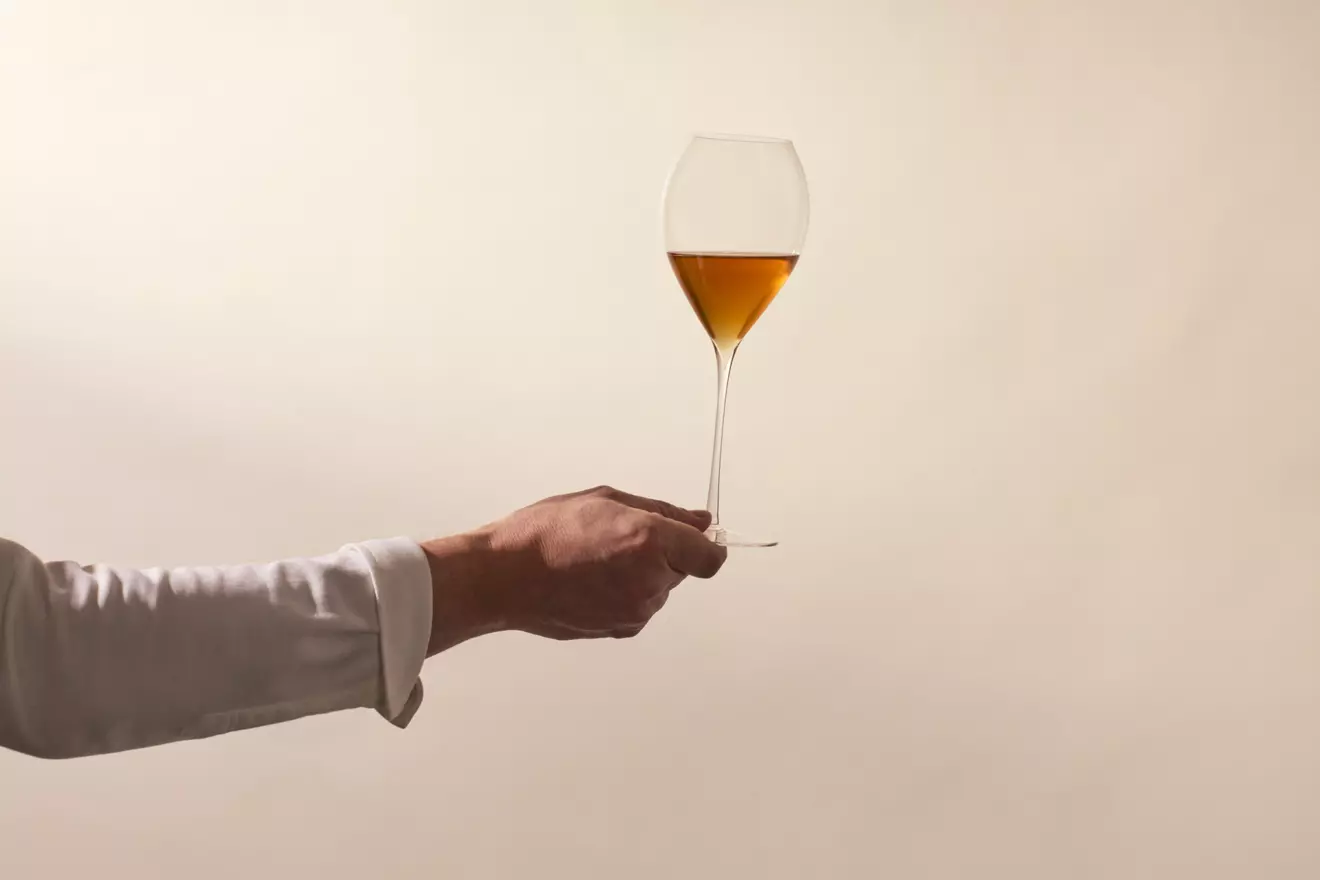
Today, the 1926 vintage is defined less by rarity and more by what it represents. Preserved for a full century, it offers a rare reference point for the evolution of Ruinart’s wines and the longevity of its production approach.
With the appointment of Caroline Fiot as cellar master, the Maison continues this lineage, maintaining continuity in style while interpreting its heritage for the present. The 1926 vintage is now revealed only in a highly controlled context, presented as an oenological reference rather than a commercial release.
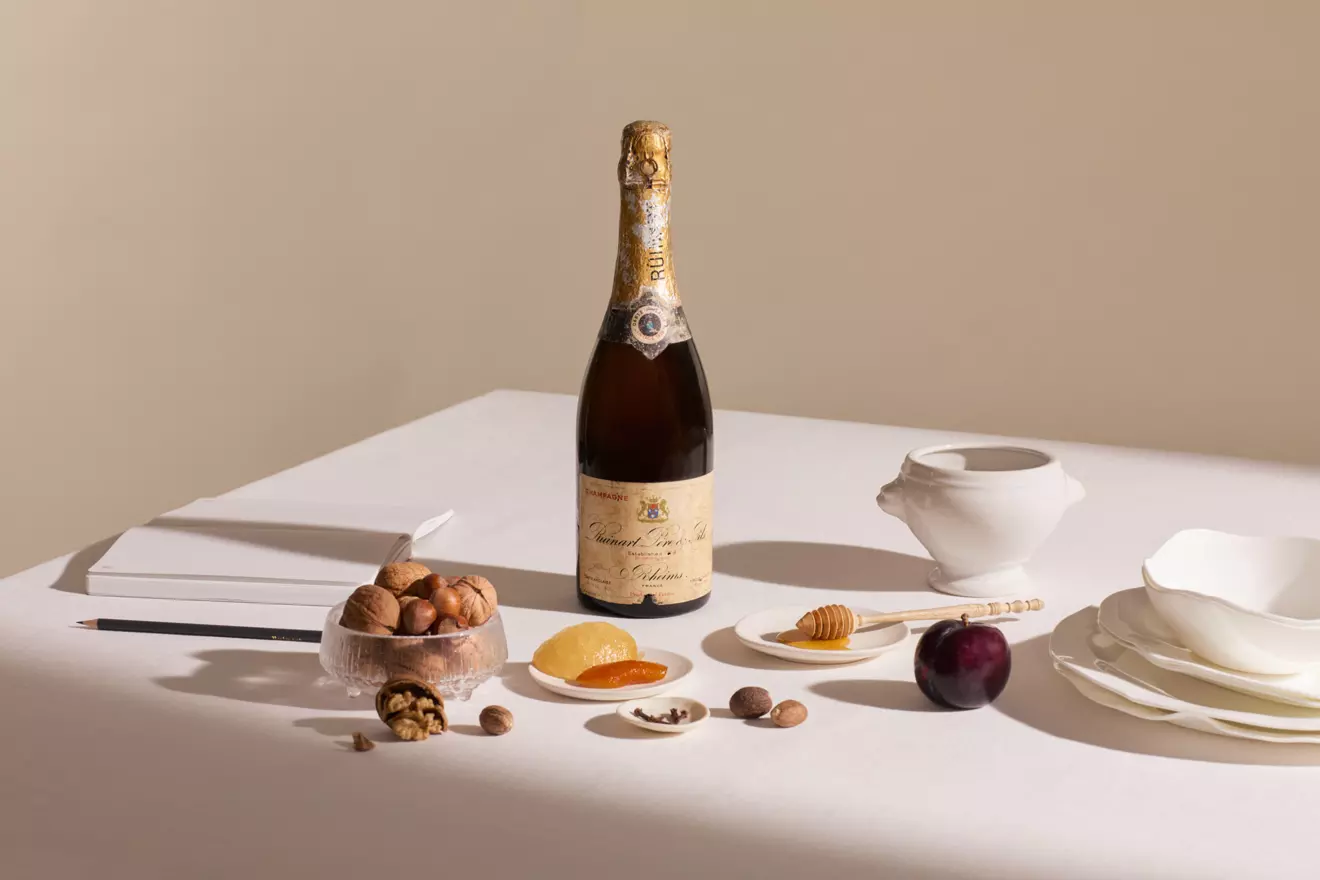
Founded in 1729 as the first Champagne house, Ruinart remains closely associated with Chardonnay and a style defined by clarity and balance. The rediscovery of the 1926 vintage reinforces that identity, offering a direct link between early 20th-century production and the Maison’s approach today.
Photos Ruinart / Alice Jacquemin & Rachelle Simoneau