Korčula Town: A Must-See Adriatic Destination
Date
Reading time
9 min


Korčula town serves as an ideal starting point for discovering an island where millennia of history, premium wines, hidden coves, and island gastronomy blend into a unique Mediterranean experience
If you are ready for a new Adriatic adventure, set your compass toward the town of Korčula and set off to discover one of the most beautiful medieval towns in the Mediterranean. Within just a few kilometers of its walls, the vineyards of Lumbarda, secluded coves, stone-built inland villages, and a dynamic gastro-enological scene alternate, confidently placing Korčula on the map of must-see Adriatic destinations.
Should you anchor in the marina of Korčula town or in one of the nearby bays with the desire to tour the entire island in a single day, it might prove a bit too ambitious even for the greatest optimists. While some island gems are truly hard to bypass, choosing the town of Korčula as your base allows you to taste and experience the very best the island has to offer in the form of a day trip.
A centuries-old maritime crossroads
Korčula is the sixth-largest island in the Adriatic and owes its socio-economic prosperity primarily to its favorable geographical position. Situated on historical coastal maritime routes, the island attracted seafarers as early as the Neolithic period.
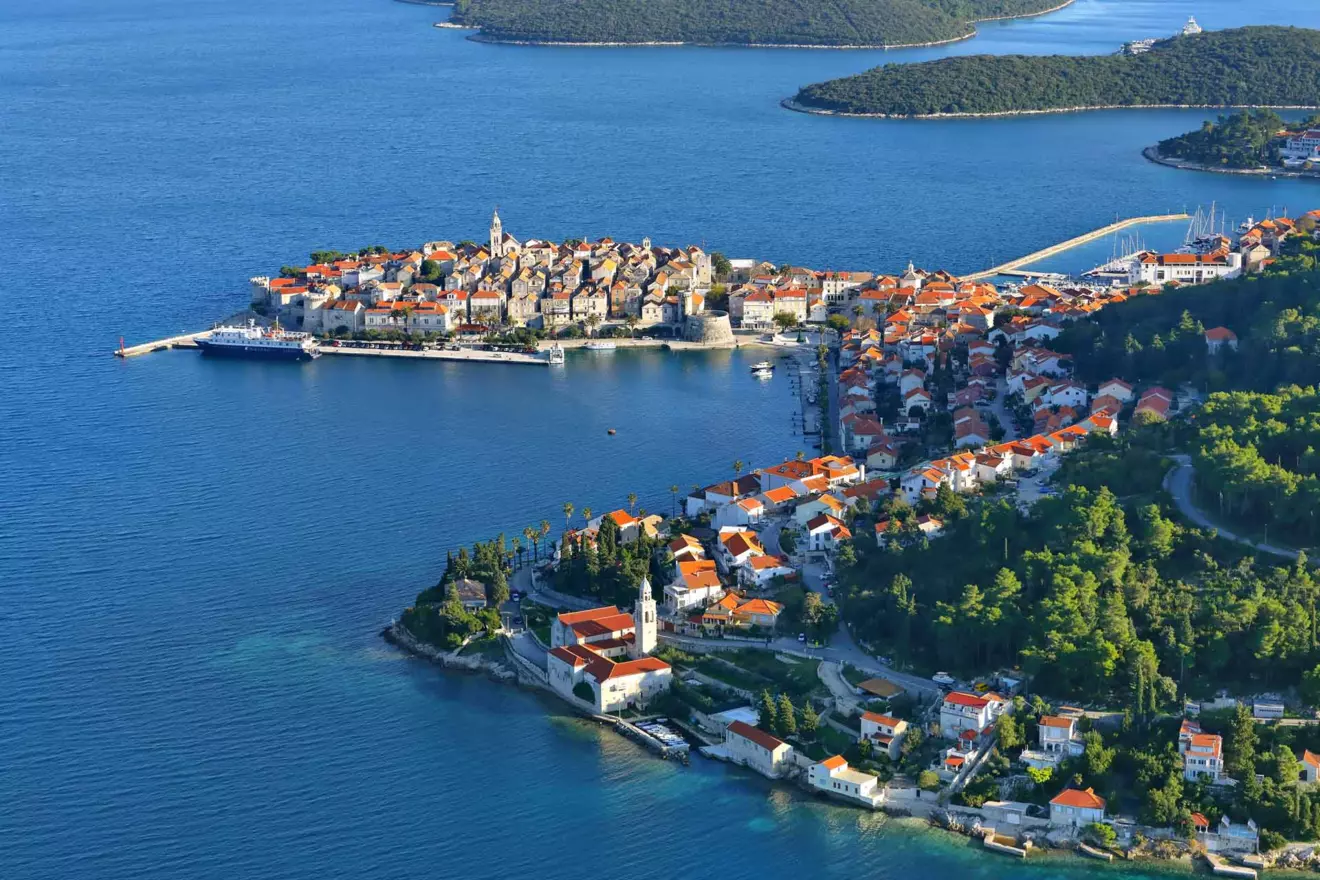
The amber trade route of the time enabled interaction with other cultures, a characteristic that would shape the island’s history to this day. At Vela Spila, the most significant prehistoric site, traces of human activity date as far back as 20,000 BC.
The island's morphology, marked by numerous hills and continuous shifts in altitude, resulted in steep slopes that hardworking hands transformed over centuries into beautiful stone terraces. Today, sun-drenched vines on these terraces yield phenomenal wines from indigenous Dalmatian varieties, with a strong emphasis on whites and local sorts such as Pošip, Rukatac, and Grk.
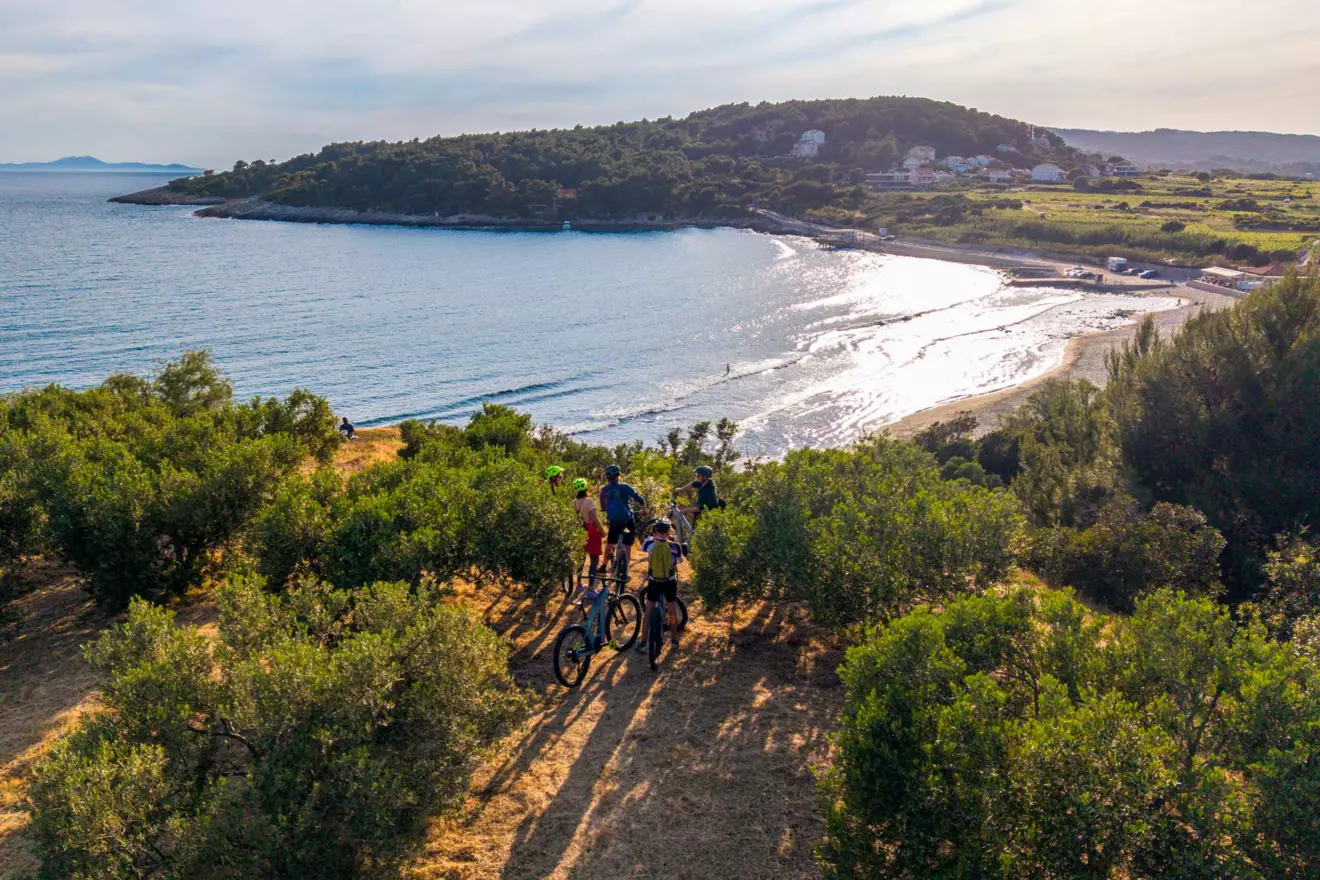
Out of tradition and pride, the local population continues to cultivate these local varieties. Among them, Grk represents a true rarity on the world’s wine map, serving as a liquid link to the beginnings of Western civilization.
Wine tasting in Korčula: The famous Grk and Pošip varieties
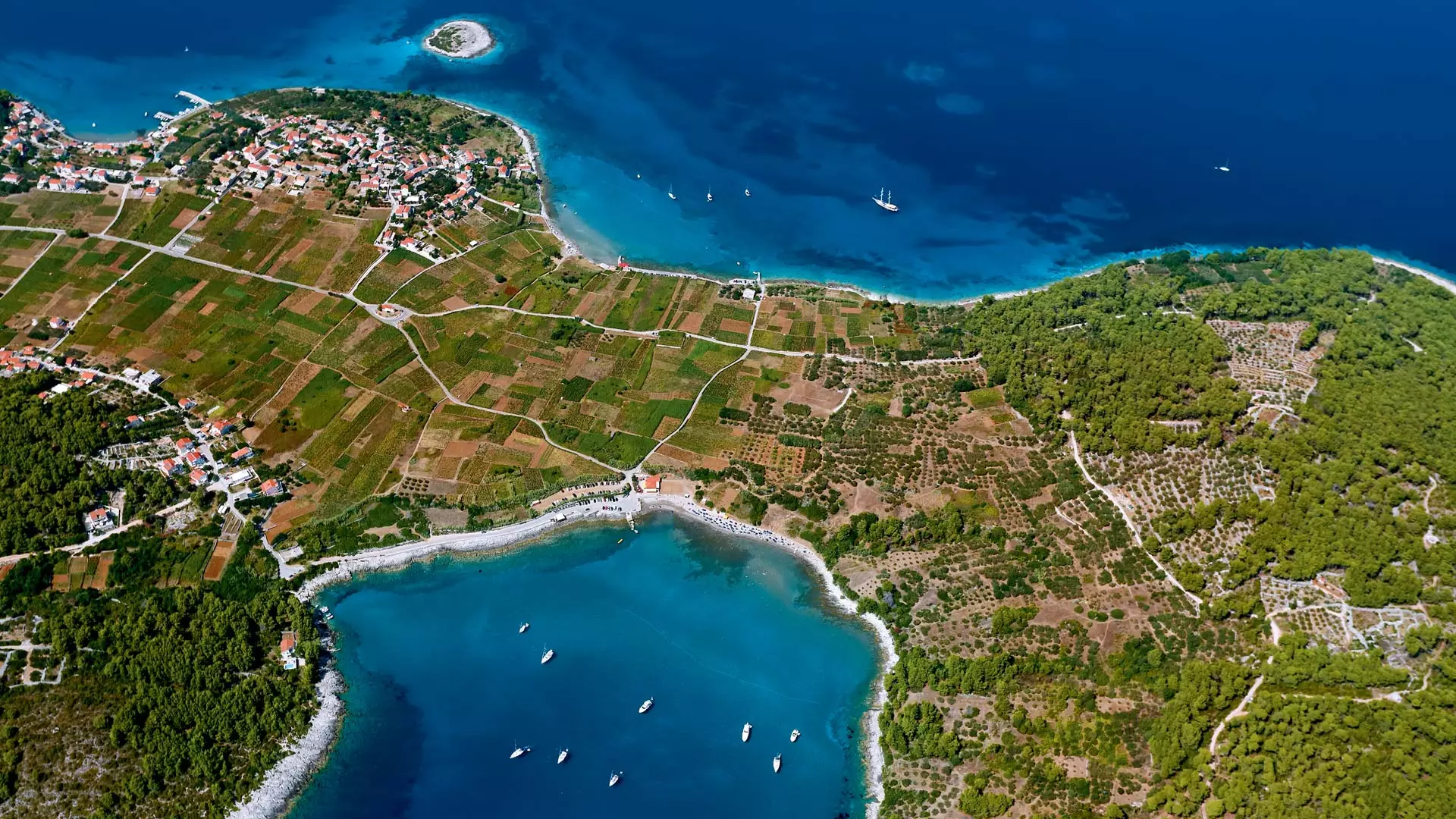
One of the first stops outside the town walls should be nearby Lumbarda, located just six kilometers from Korčula town. It is an ideal, and perhaps unexpected, starting point for an introduction to Korčula's eno-gastro story. Lumbarda is famous not only for the Grk variety but also for being the site of the discovery of one of the oldest written monuments in Croatia, the Lumbarda Psephisma, dating to the 3rd century BC.

During the first wave of Greek colonization, when Korčula received its name Korkyra Melaina, such fertile fields meant survival for the colonists. Today, the Grk variety is grown almost exclusively in Lumbarda because it thrives in sandy soil, which allowed it to successfully resist phylloxera, the vine disease that decimated vineyards across Europe and Dalmatia.
While Pošip is also an indigenous variety and the first Croatian white wine with a protected geographical indication, it thrives best in the areas of Čara and Smokvica. There, numerous family farms cultivate and sell their variations of this golden-yellow, high-alcohol nectar.
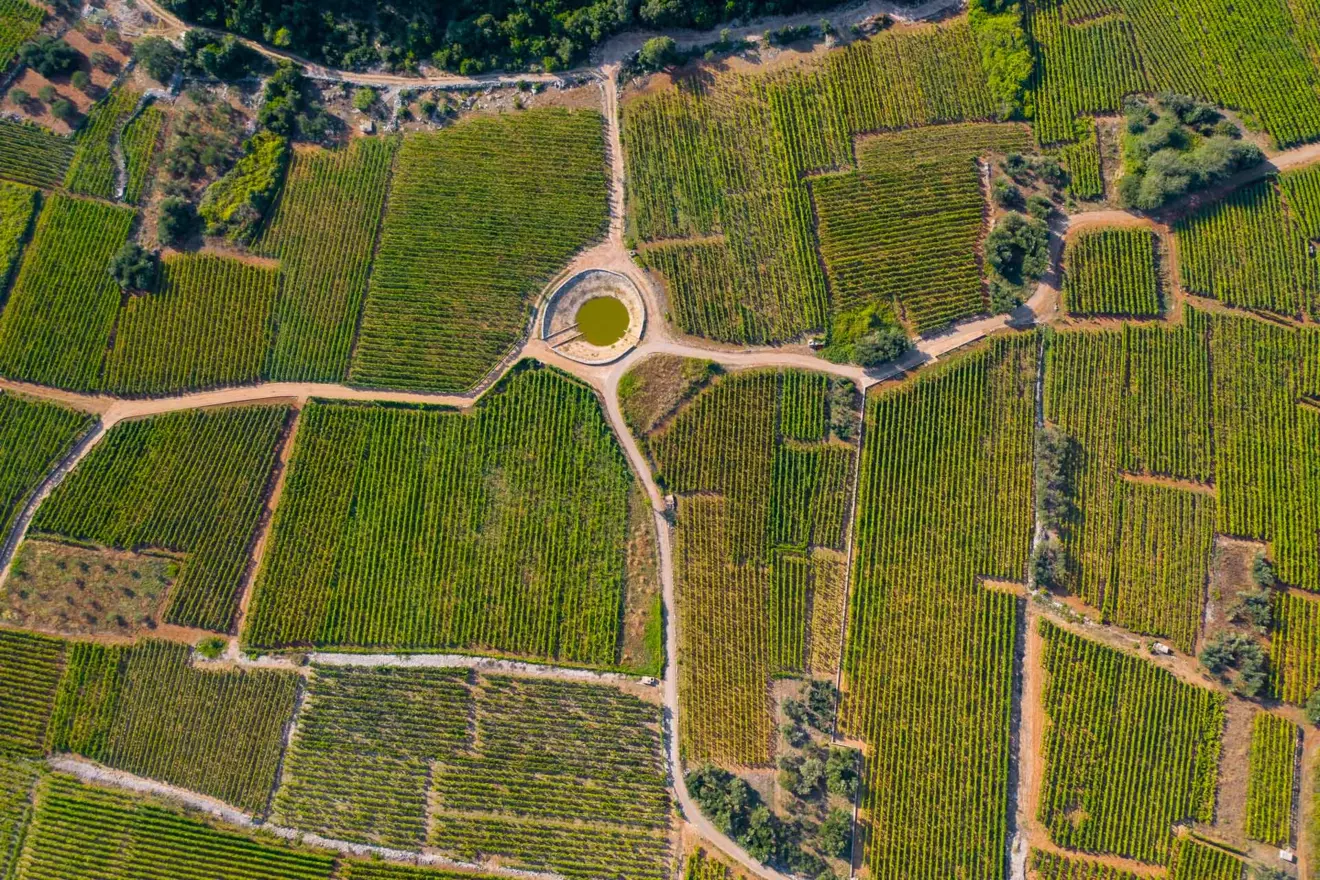
Grk, on the other hand, is somewhat more intriguing and stronger in character, yet balanced with fresh and fruity notes, making Lumbarda’s Grk an increasingly sought-after wine. A pioneer in promoting Grk, Franko Bire inherited ancestral vineyards and planted new vines on dry-stone terraces more than twenty years ago. Since then, he has lived for and from Grk every single day.
The Bire Winery, custom-designed down to the finest detail for estate production, serves as a meeting place where visitors connect not only with local indigenous varieties but also with a specific lifestyle. With a few modern updates, it still inherits the values of the ancestors who cultivated this beautiful island.
The family atmosphere where you can learn the unofficial, unwritten history of the place over an excellent gastronomic offer and a tasting of their Plavac, Rosé, and, of course, Grk provides the perfect impetus for your return to Korčula town.
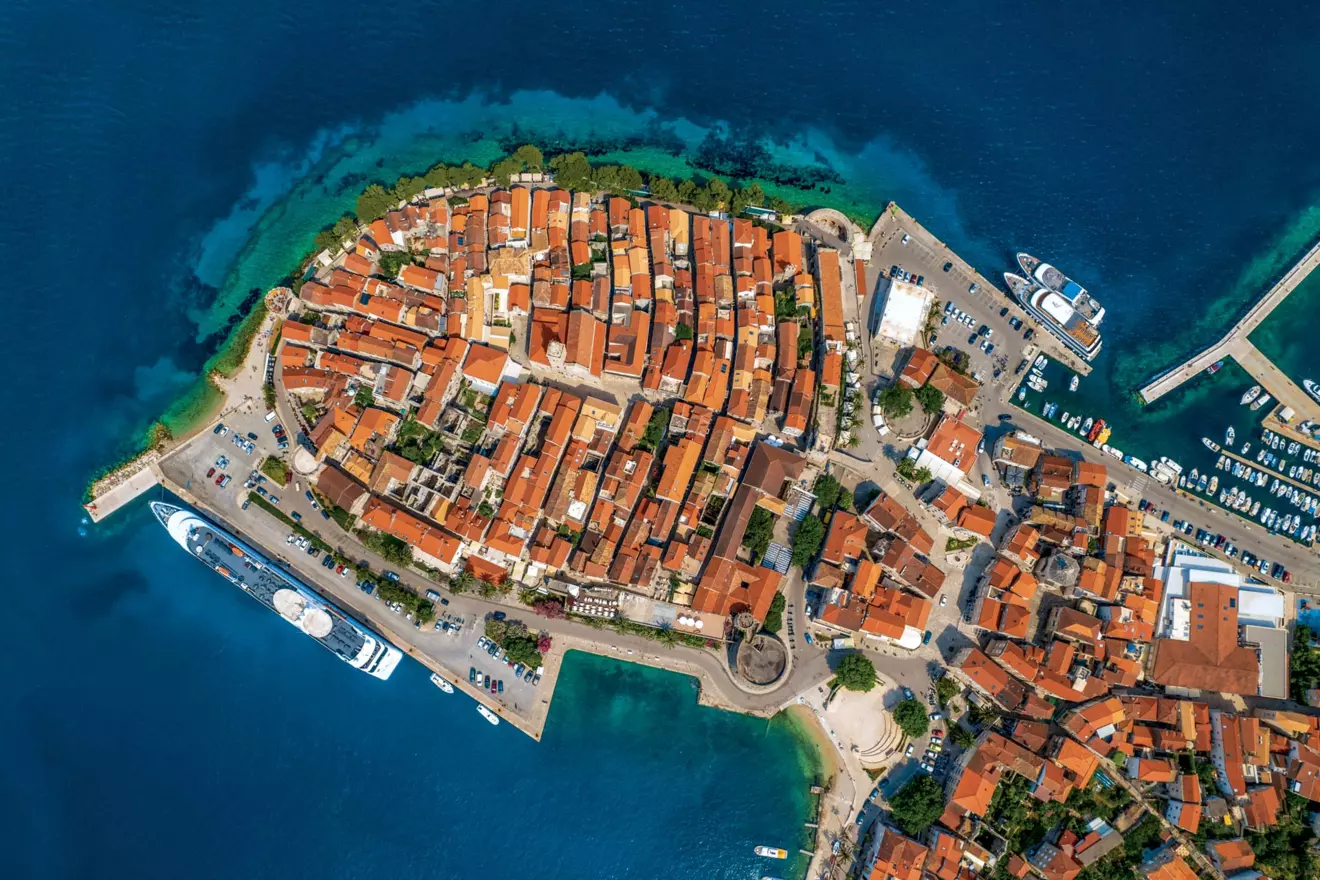
Exploring Korčula old town: The famous fishbone street layout
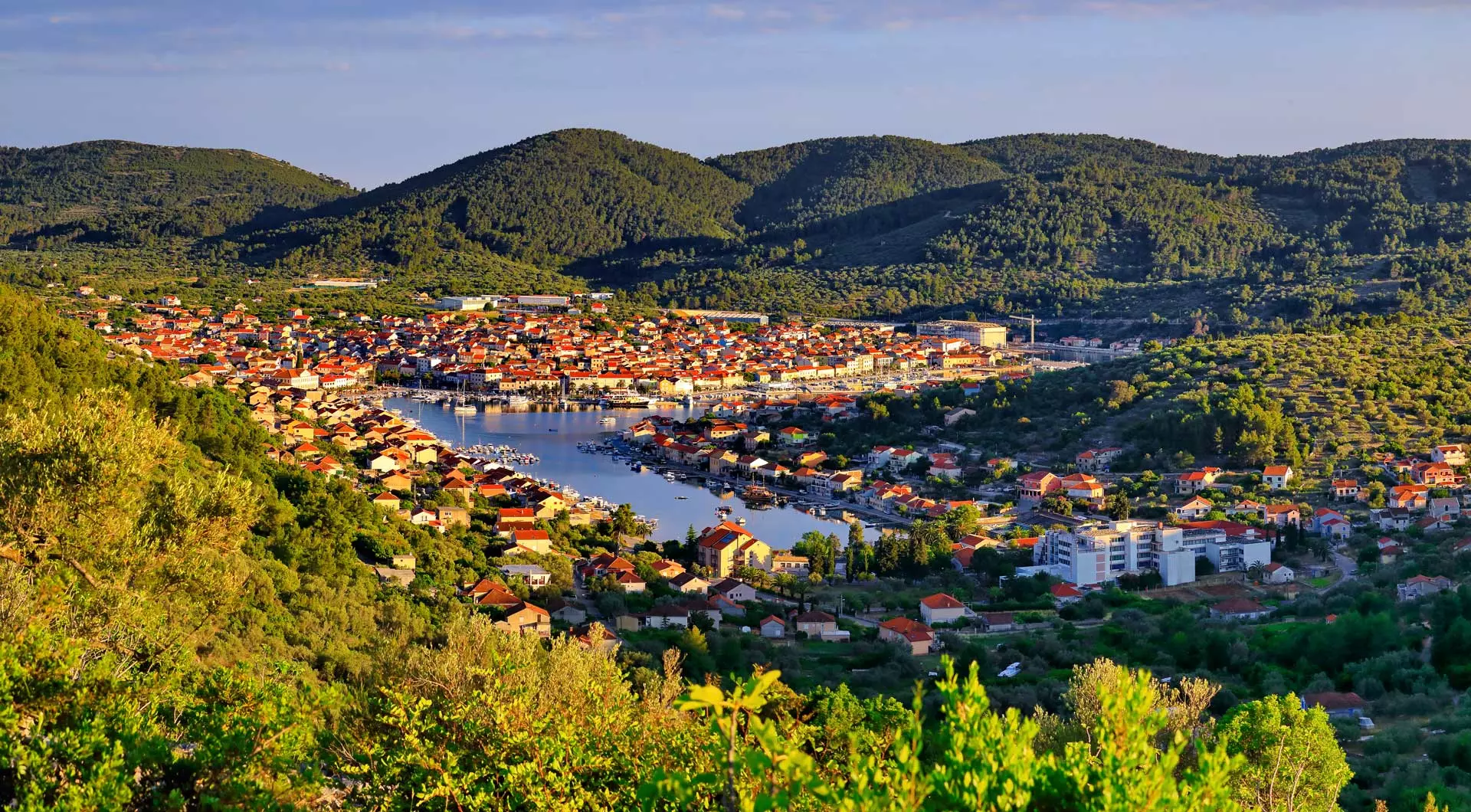
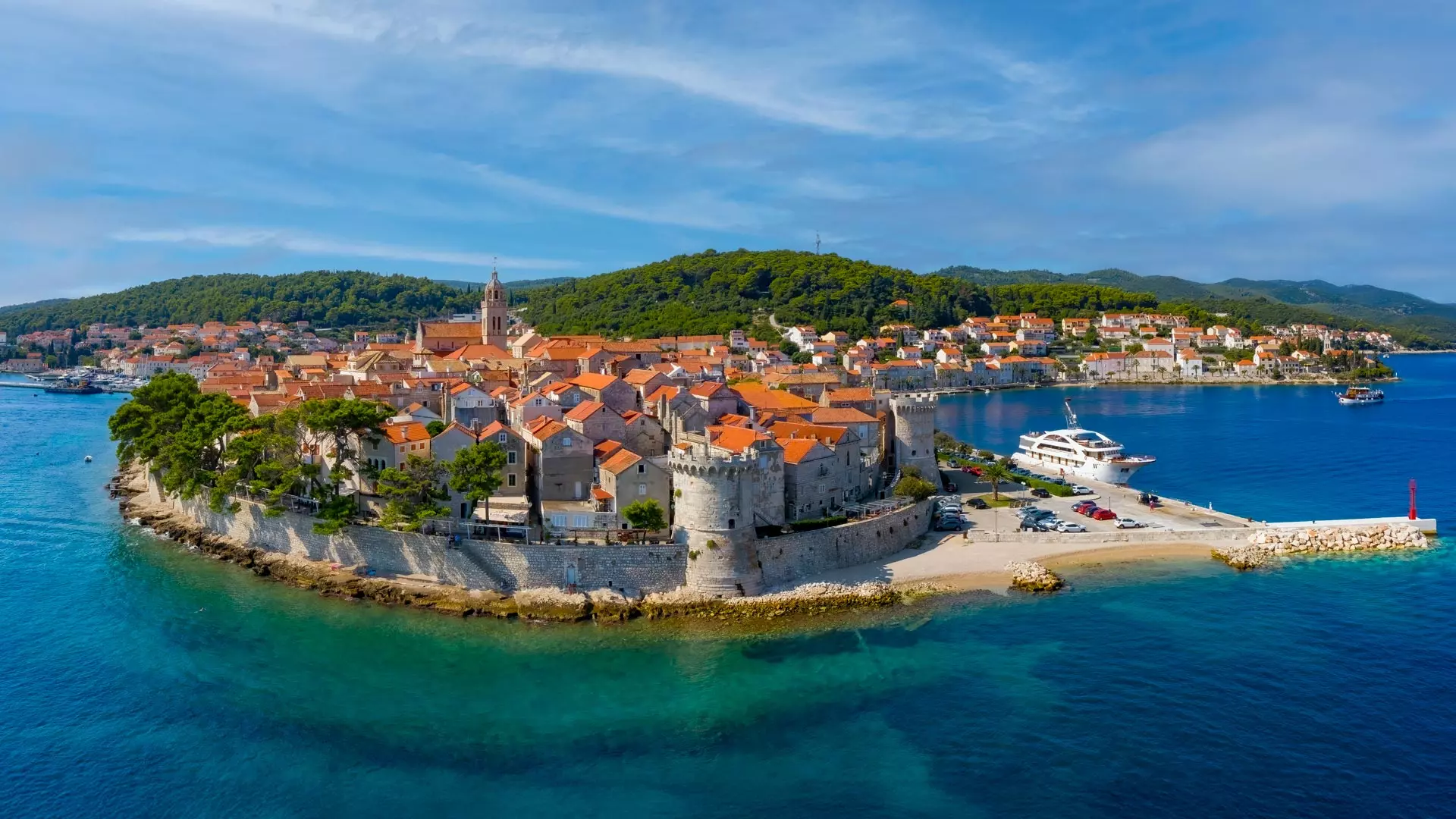
More than three and a half centuries of Venetian rule over Korčula left a deep architectural mark, visible in the defensive walls, sacral and residential architecture, as well as the town's socio-economic fabric. Yet, the beauty of Korčula town lies in the fact that from its very heart, you can quickly set off toward the sea, the vineyards, or the island’s interior, and return beneath the city walls by evening.
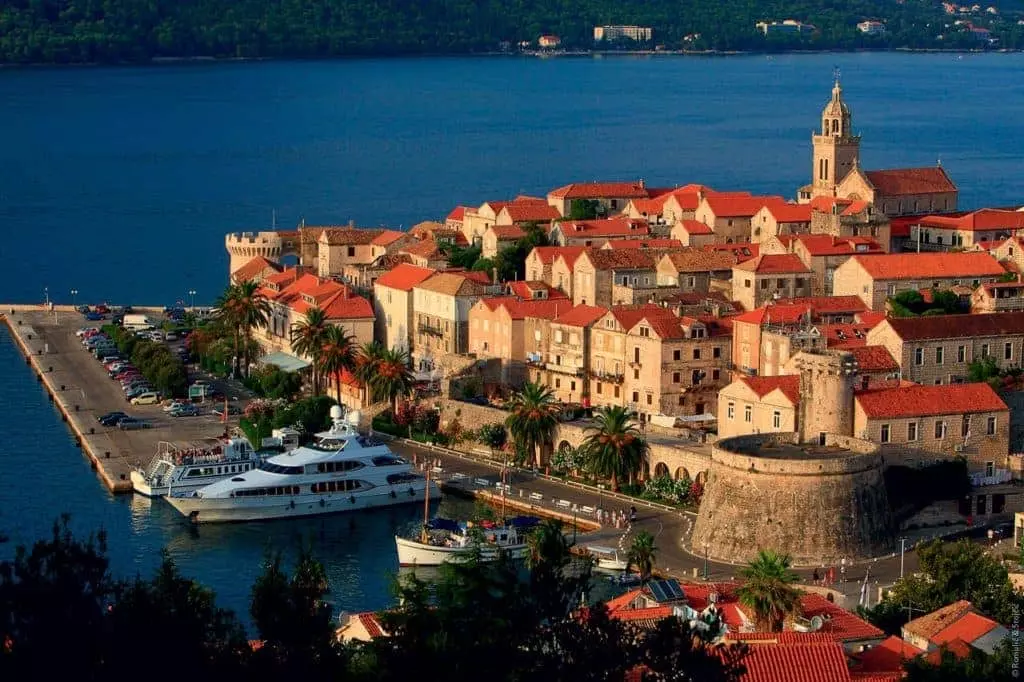
The history of the old town of Korčula is written in stone. Strolling through the numerous alleys beneath richly decorated Renaissance and Gothic facades, palaces, and Baroque churches is an experience no less grand than walking through the perennially crowded Dubrovnik.
The Revelin Tower draws you into the town's stone core, leading immediately to a small square from which you can explore the fortified town in any direction. The area abounds with photogenic gates, patinated palaces, and narrow streets.
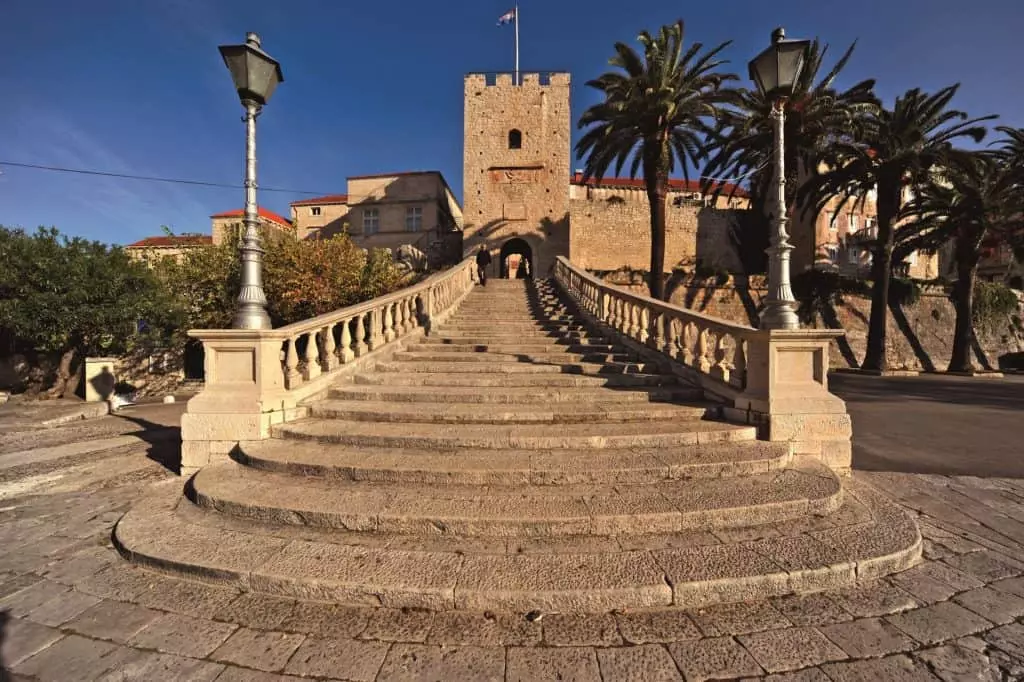
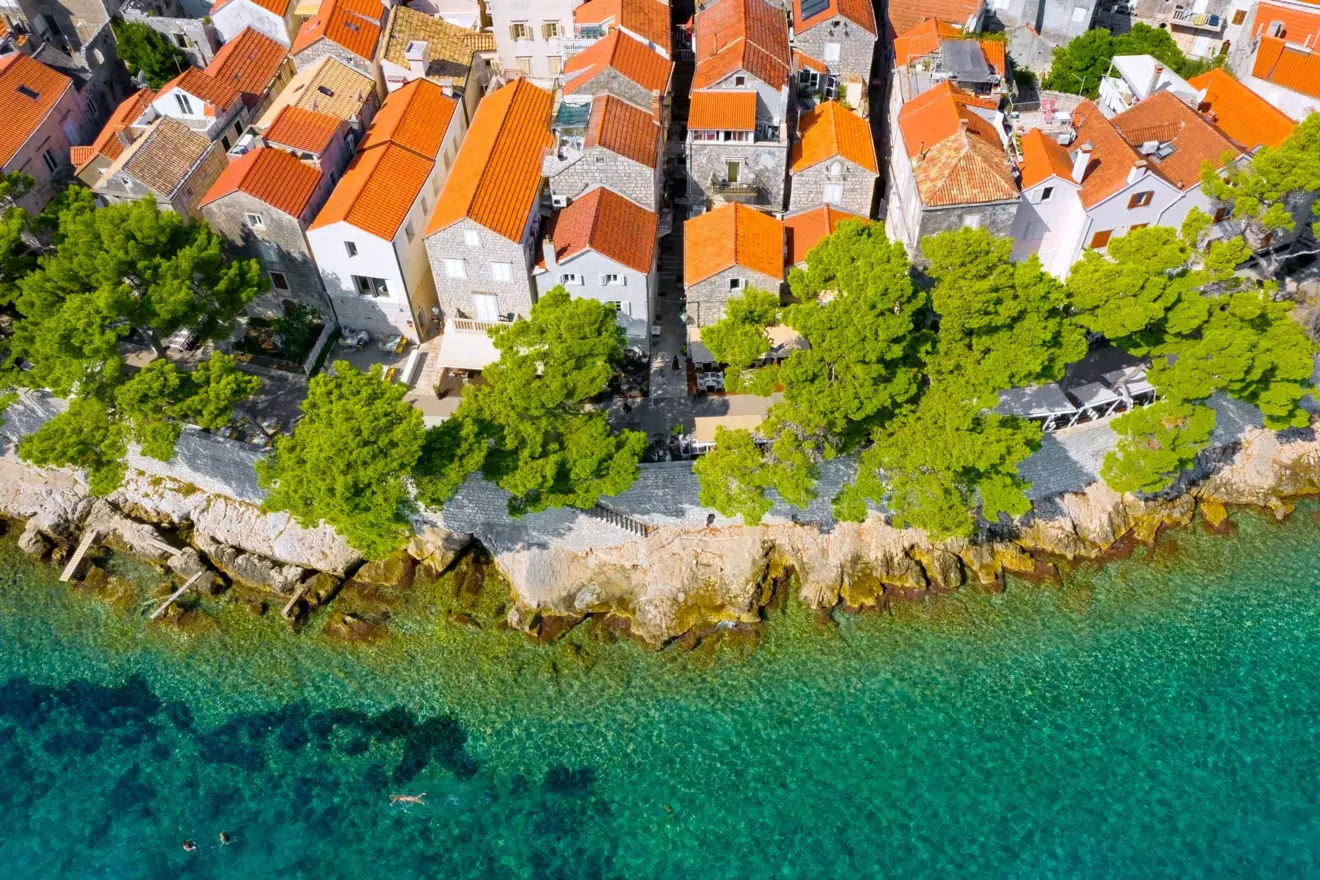
Should you wish to step off the well-trodden tourist tracks, choose any direction and you will find yourself in a magical labyrinth. The medieval street layout is designed in the shape of a fishbone, a clever blueprint meant to mitigate the winds that frequently blow through the Pelješac Channel. Perhaps the most valuable experience here is catching a glimpse into the world of the local residents, who jealously guard these fragments of ancient urban life.
Local traditions: The Moreška Sword Dance and Summer Festivals
That the people of Korčula truly live their centuries-old traditions can be witnessed firsthand during the performance of the Moreška, a unique, romantic sword dance proudly kept alive by generations of local families. Performed during the season according to a published schedule, it was first staged for English tourists back in 1912.
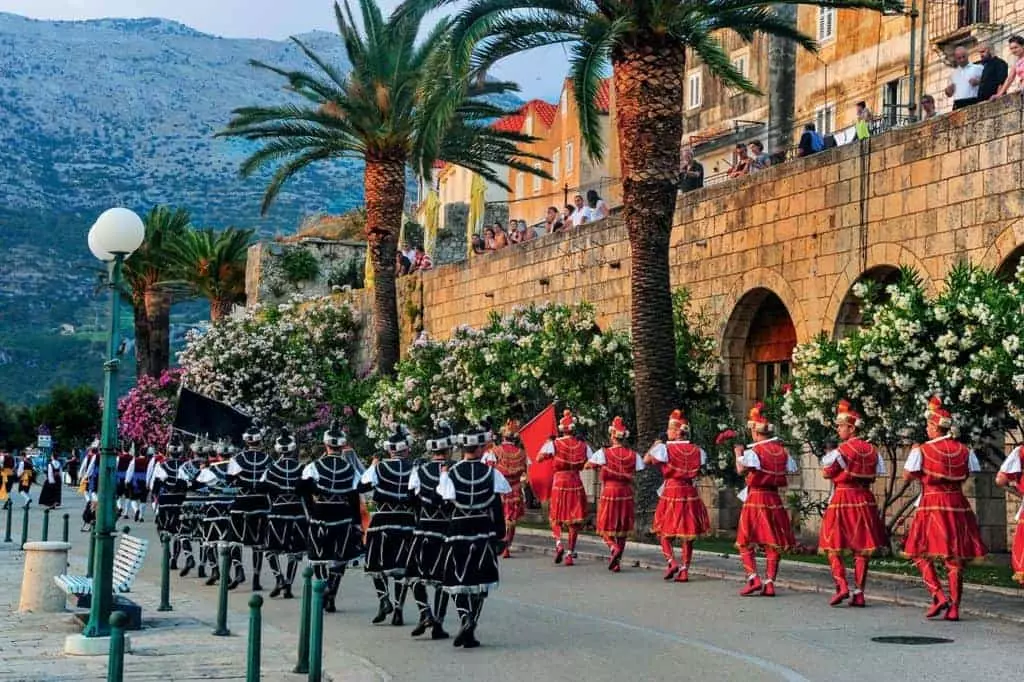
If you find yourself here at the height of the summer season, between July 20th and mid-August, you will likely encounter the Days of Pošip, the Festival of Knightly Games, when the town dons its medieval attire, or the Wine Festival. During these events, hidden squares like St. Justina's turn into intimate backdrops where life is celebrated and toasted amidst the lively chatter typical of summer months.
Unlike more commercialized tourist destinations, Korčula maintains a balance where artisan workshops, restaurants, watchmakers, wineries, everyday shops, and small jewelry and craft manufacturers coexist side by side. In short, it is everything characteristic of the Mediterranean as it once was.
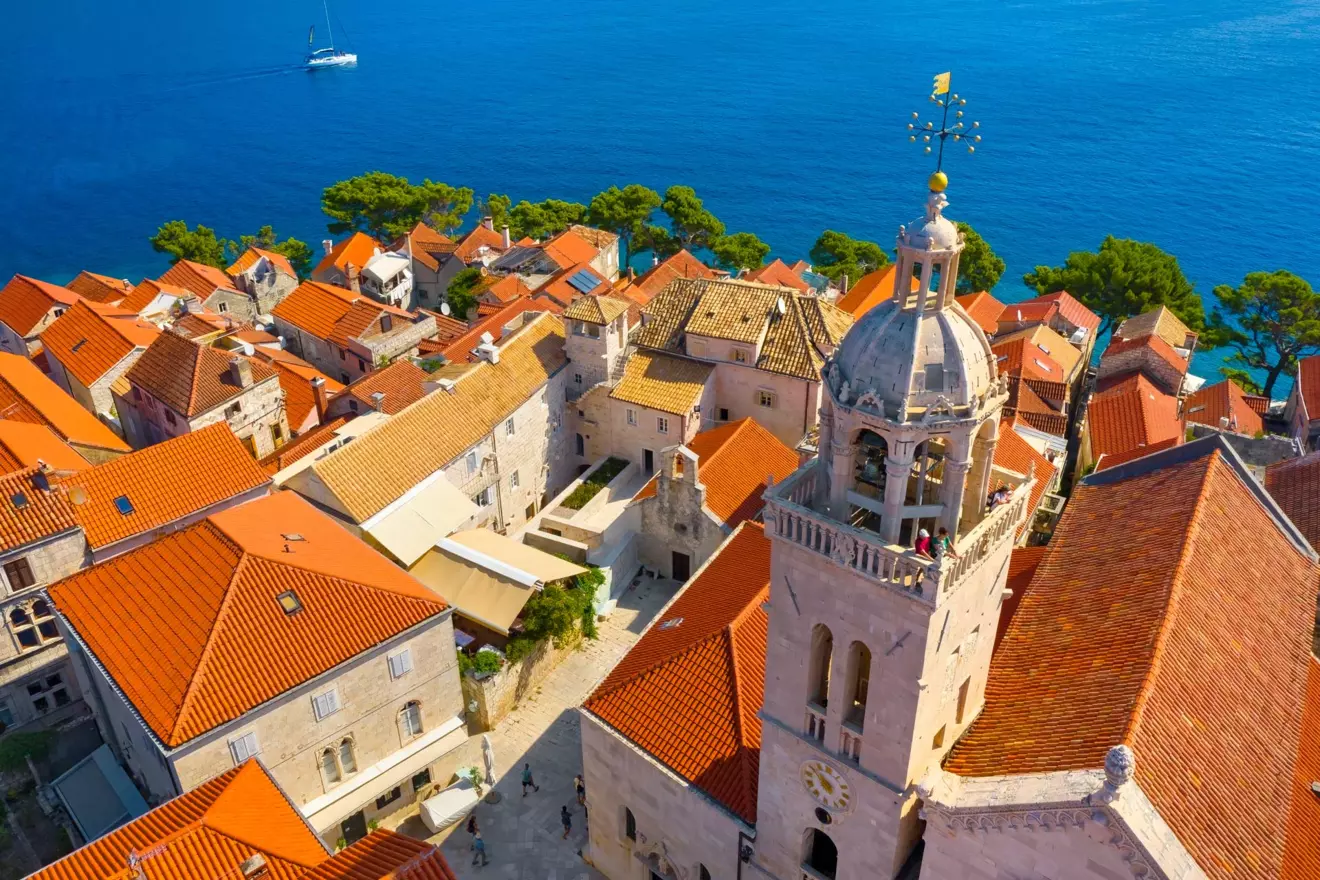
One of the most famous landmarks is the Gabriellis Palace, now the Korčula Town Museum, an essential treasury of the town's history, particularly its maritime and stone-carving heritage. The architectural peaks of this heritage can be experienced in the nearby 15th-century St. Mark’s Cathedral, which dominates the entire fortified town.
The wealth of architectural elements, a testament to the skill of generations of local stonemasons, is visible on every inch of the old town. Bell towers, rose windows, portals, and narrow streets (kale) were built using stone quarried from the nearby islets of Vrnik and Badija.
Where to eat: Fine dining and luxury hotels in Korčula
A similar evolution has taken place in the town’s gastronomy in recent years. Traditional ingredients remain the starting point, but they increasingly inspire new dishes that are slowly turning Korčula into one of the most interesting culinary destinations on the southern Adriatic.
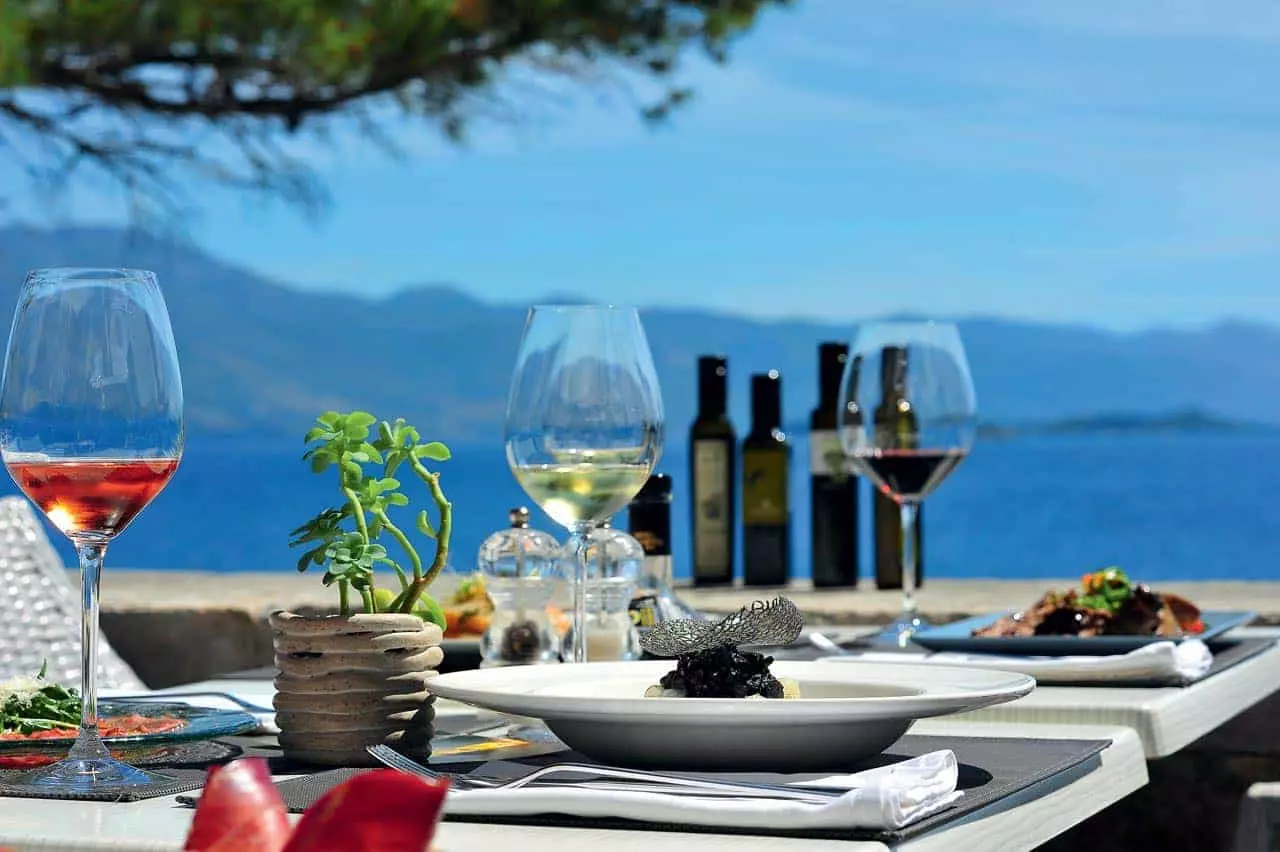
Otok Korčula je jednostavno pravi raj za gurmane...
The town has struck a fine balance between centuries-old taverns, family farms, and restaurants that interpret local cuisine in a contemporary way. One of the pioneers of this new wave emerged from the kitchen of the boutique Lešić-Dimitri Palace. This establishment is an exceptional example of blending restored cultural heritage with an innovative approach to hospitality.
Alongside residences designed around the travels of Marco Polo, it offers top-tier service rooted in an eno-gastro concept of authentic ingredients and a deconstructed approach to traditional Korčula recipes by modern chefs. Right on the waterfront, in a building dating back to 1912 that once housed the historical Hotel Korčula, operates the Aminess Younique Korčula Heritage Hotel.
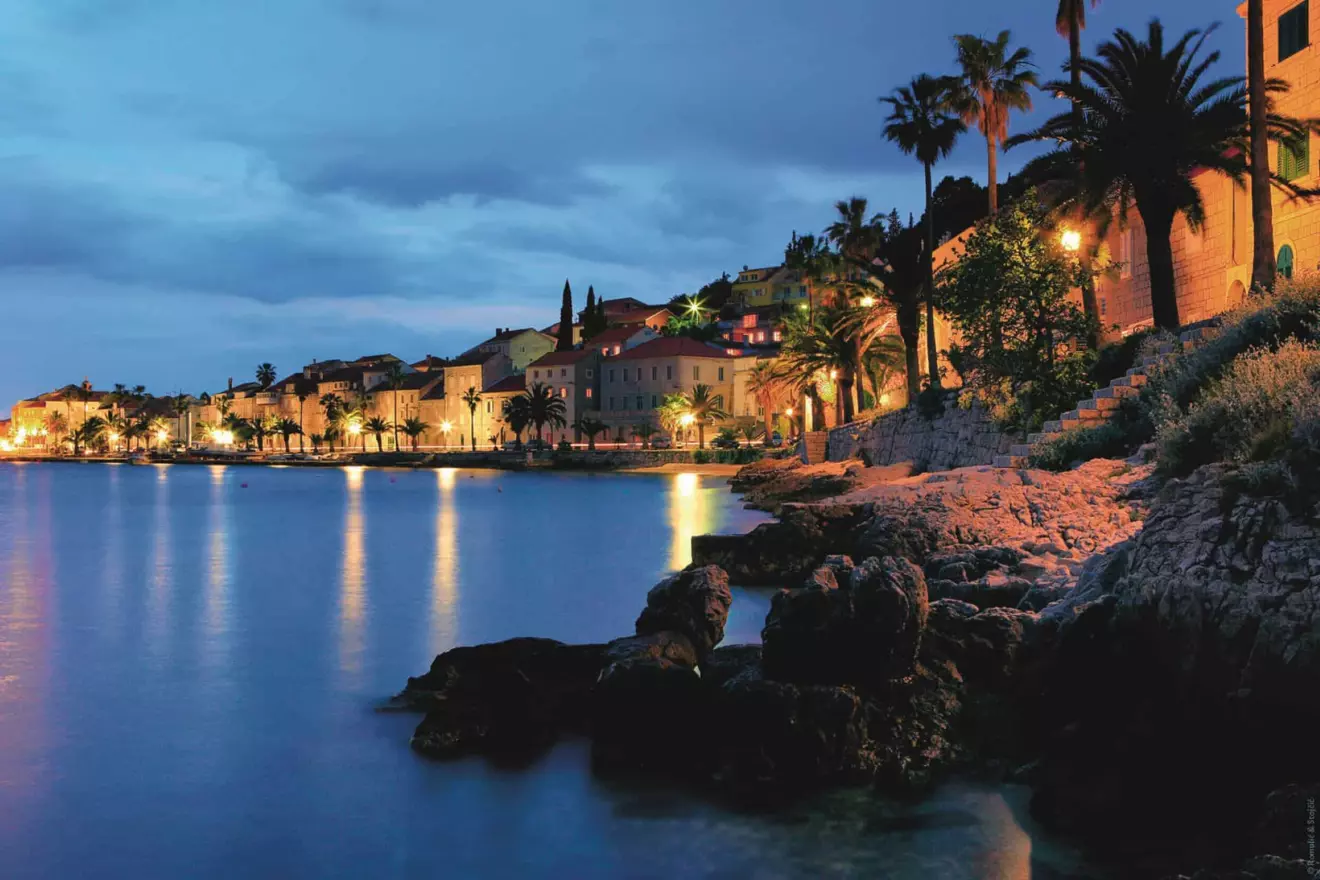
Korčula je prava ljepotica u svako doba dana
Following a thorough renovation, this boutique hotel continues the legacy of one of the town's most recognizable landmarks, complete with its historic café, sea views, and the 7 Seas Restaurant & Bar. This is perhaps the best way to understand modern-day Korčula.
It is not a place that has renounced its past, but a town that has learned to utilize it without excessive nostalgia. Morning coffee on the waterfront, lunch after a swim, a glass of Pošip at sunset, or dinner in the old core are no longer just passing vacation episodes, but part of a rhythm that makes you stay in Korčula longer than planned.
Discovering the authentic charm of Korčula Island
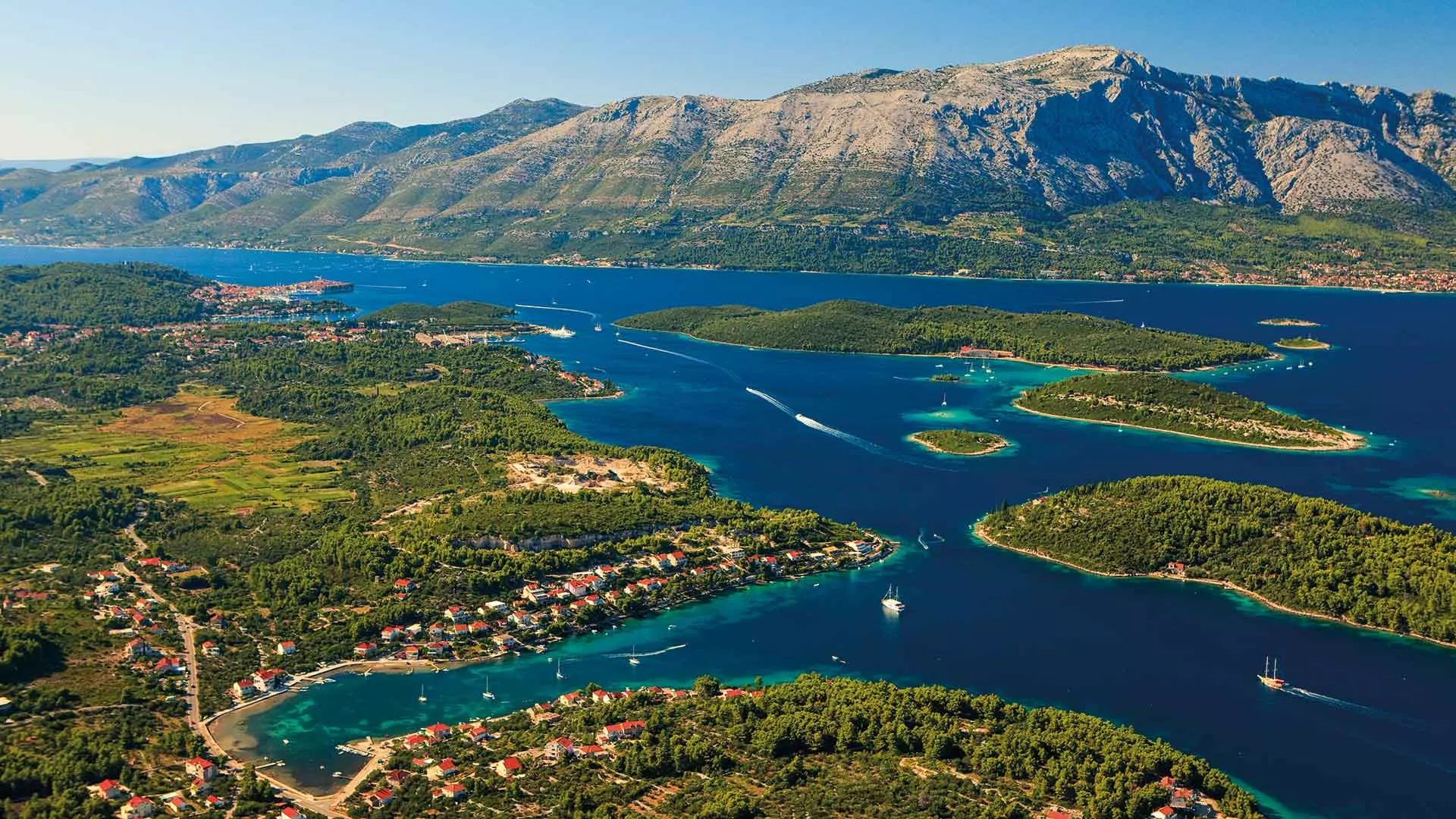
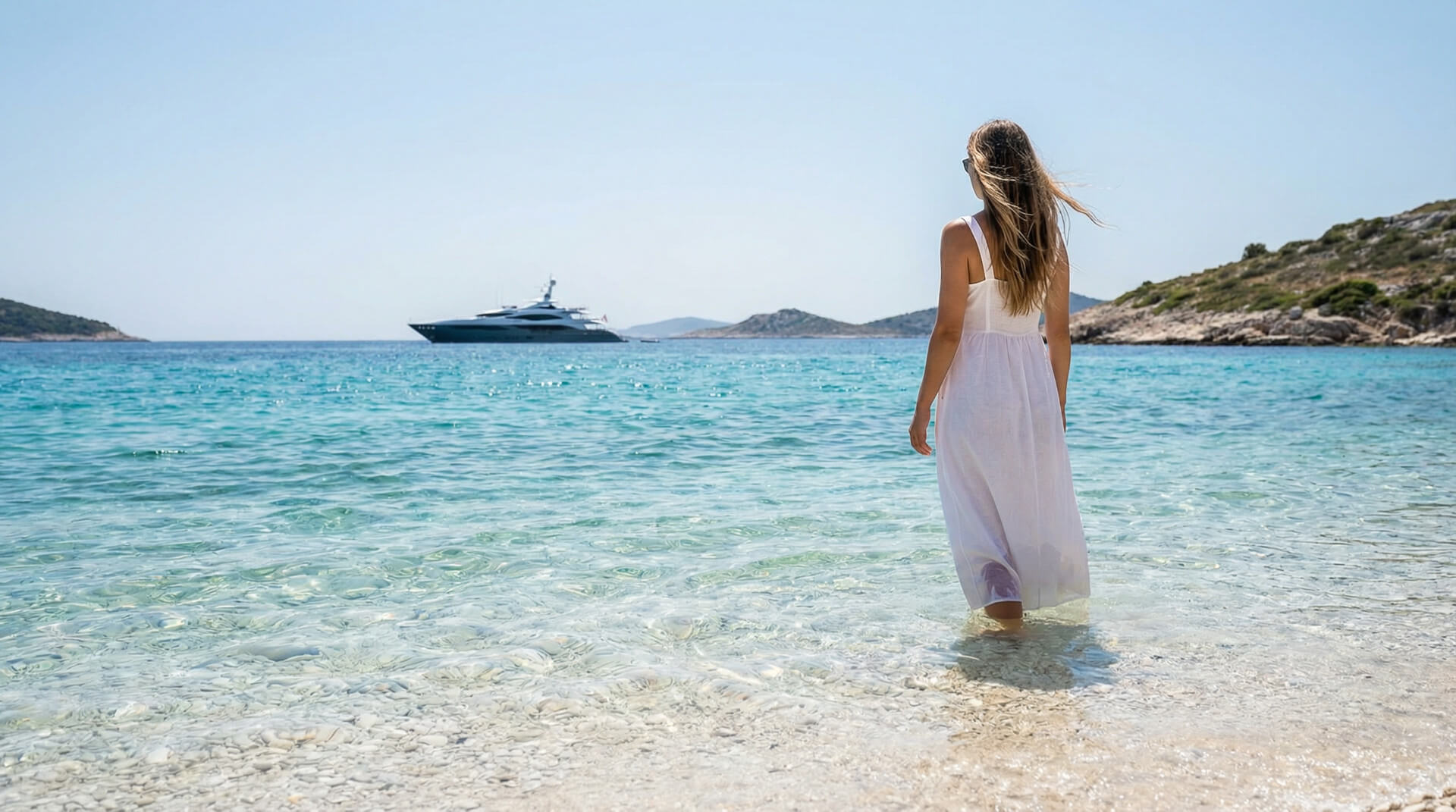
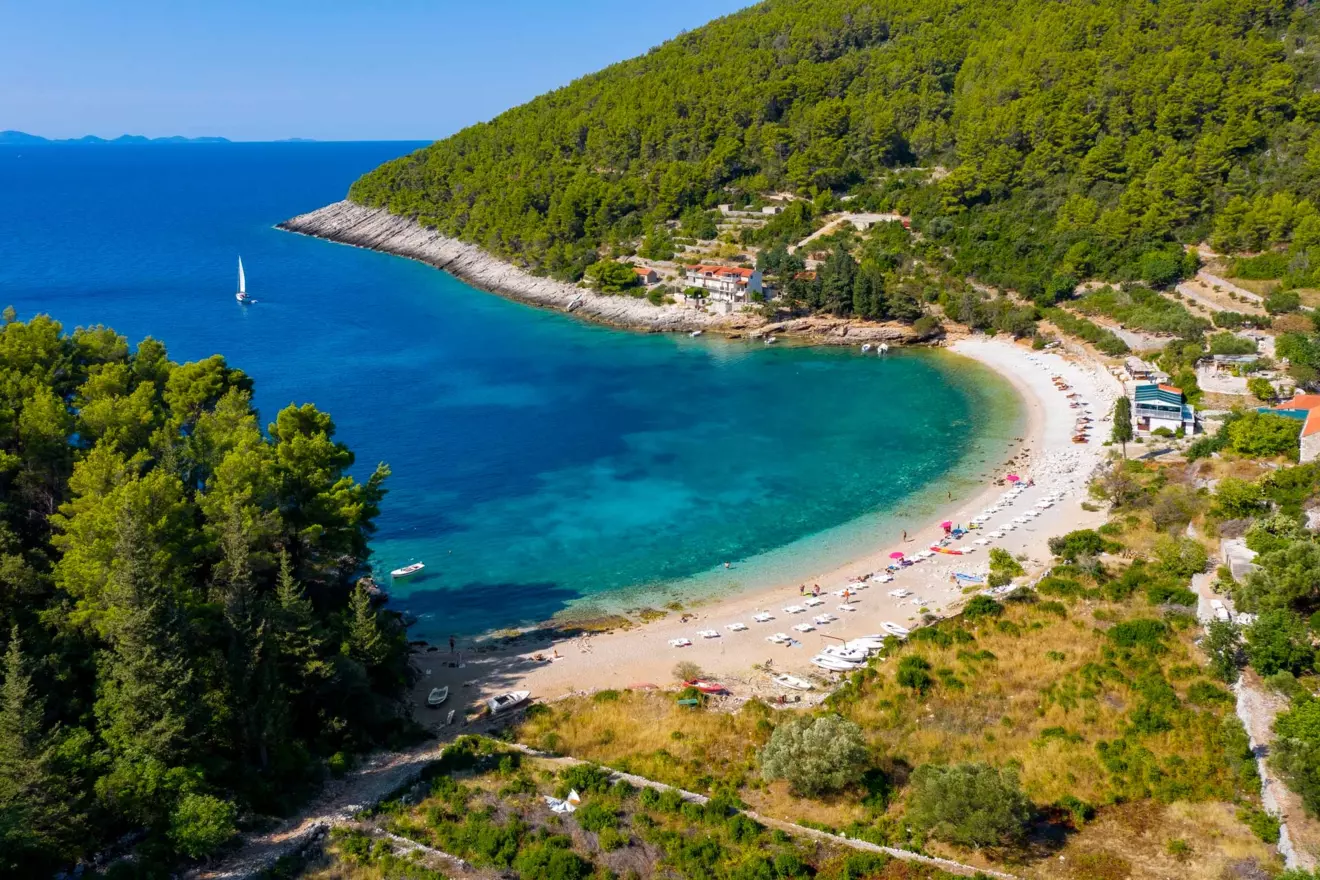
From Korčula town, it is easy to sail to some of the most beautiful coves and islets of the Korčula archipelago. The island features many hidden bays where you can anchor close to attractive beaches like Vaja, Žitna, and Bačva ideal options for families with children. Finding your own piece of paradise among the twenty or so islets that surround the island is a delightful task.
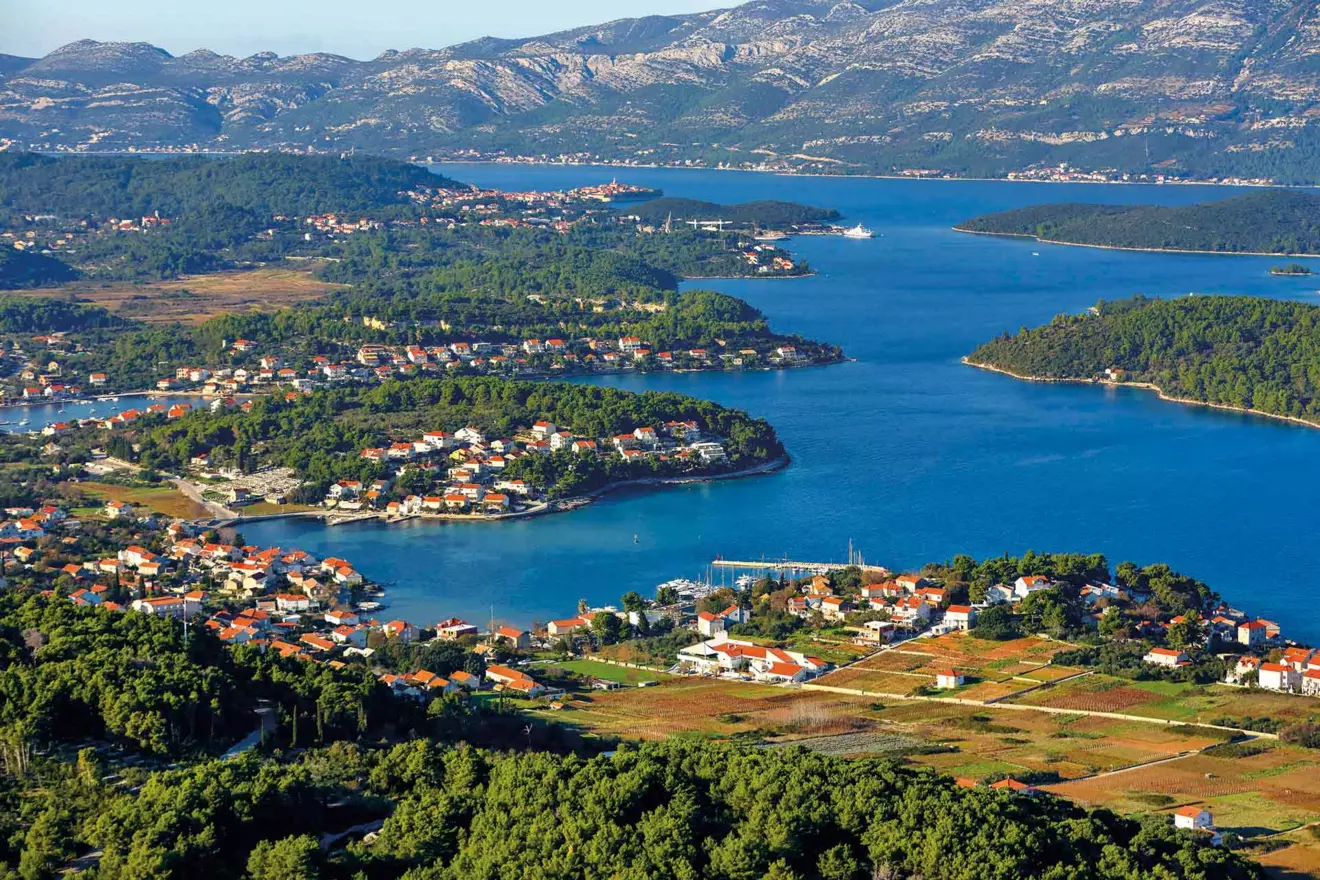
Even during the peak season, it is not overly difficult to find an anchorage in front of the largest and closest islets, Vrnik and Badija, which offer a wide choice of secluded beaches and safe shelter during typical summer weather. These very islets are mandatory stops on the kayak tours organized by the adventure company Korčula Outdoor Experience.
Their paddles combine beautiful vistas of the archipelago and the fortified town with isolated beaches that you reach by your own steam. The same company offers tailored tours to discover Korčula's interior, which hides the two largest fertile fields among the Croatian islands: Lumbardsko and Blatsko polje. These fields still yield the majority of island products, including Korčula extra virgin olive oil, which is protected by an EU European designation of origin.
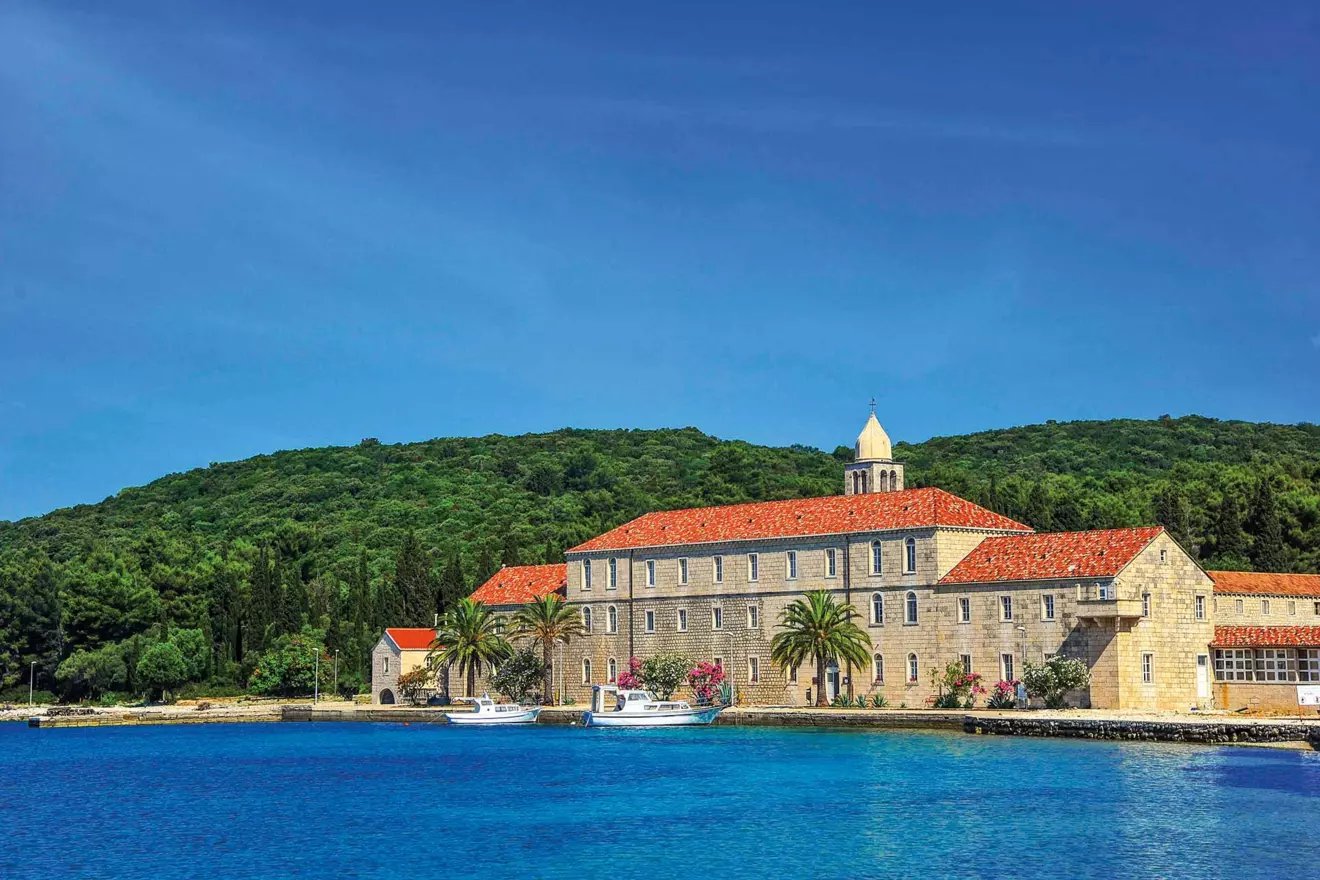
A bicycle is the best choice for exploring this rural side of the island. Just under four kilometers from the center of Korčula's old town lie Žrnovo and Postrana. Picturesque and immersed in their own seasonal rhythm, free from tourist crowds, they are perfect for a short escape to experience the Korčula that locals live year-round.
The landscape of these villages has remained virtually unchanged for centuries. Simple old stone houses have been restored by the hardworking hands of proud owners, offering insight into the rich heritage of the area.
Agritourism and traditional taverns in Korčula’s interior
Nearby, Eko Škoj continues its story as a tasting venue for island products, olive oil, and degustation menus.Aiming to present their island through authentic, organically grown products, the hosts quickly found loyal admirers and satisfied visitors.
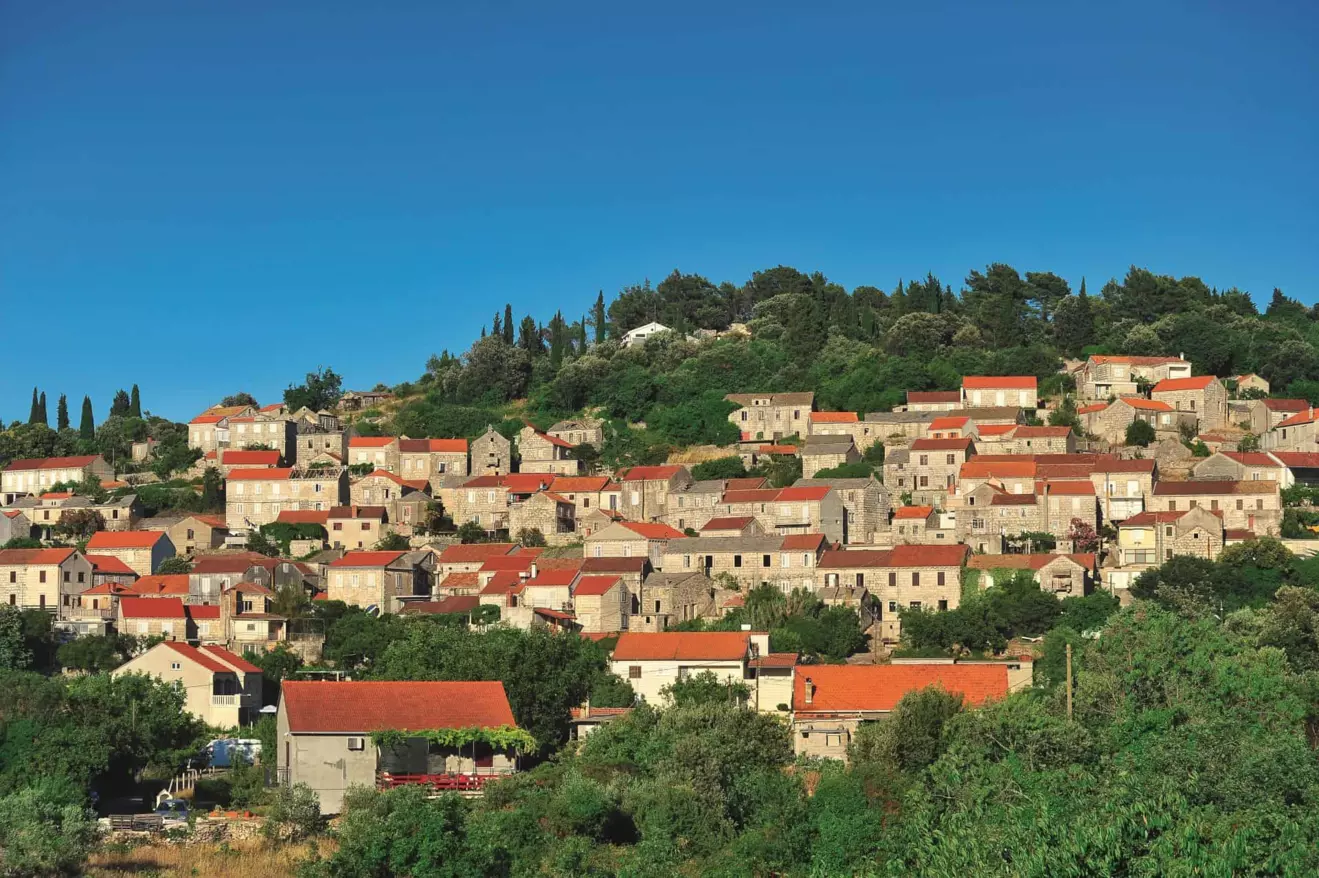
Kamene kuće pričaju priču o tome kako je u davna vremena živio otok Korčula
The secret to this agritourism's success lies in its personalized approach; groups do not overlap, leaving ample time to get to know the hosts, the property, and the products originating from their garden and olive groves. The offer includes homemade brandy, liqueurs, olive oil, vegetables, sweet delicacies, and traditional dishes. The entire experience exudes a tranquility that makes the island's interior seem just as appealing as its coast.
Though vegetarian-leaning, the hosts utilize the resources of the entire Žrnovo area, and by prior arrangement, traditionally prepared kid goat meat is their hidden culinary ace. Near Žrnovo is the starting point of Marmont’s Road, which leads to Pupnat and the protected natural phenomenon of Kočje. Forest paths here reveal forgotten ponds, small churches, and caves, though you will mostly pass by abandoned hamlets that serve as a memory book of how life on Korčula used to be.
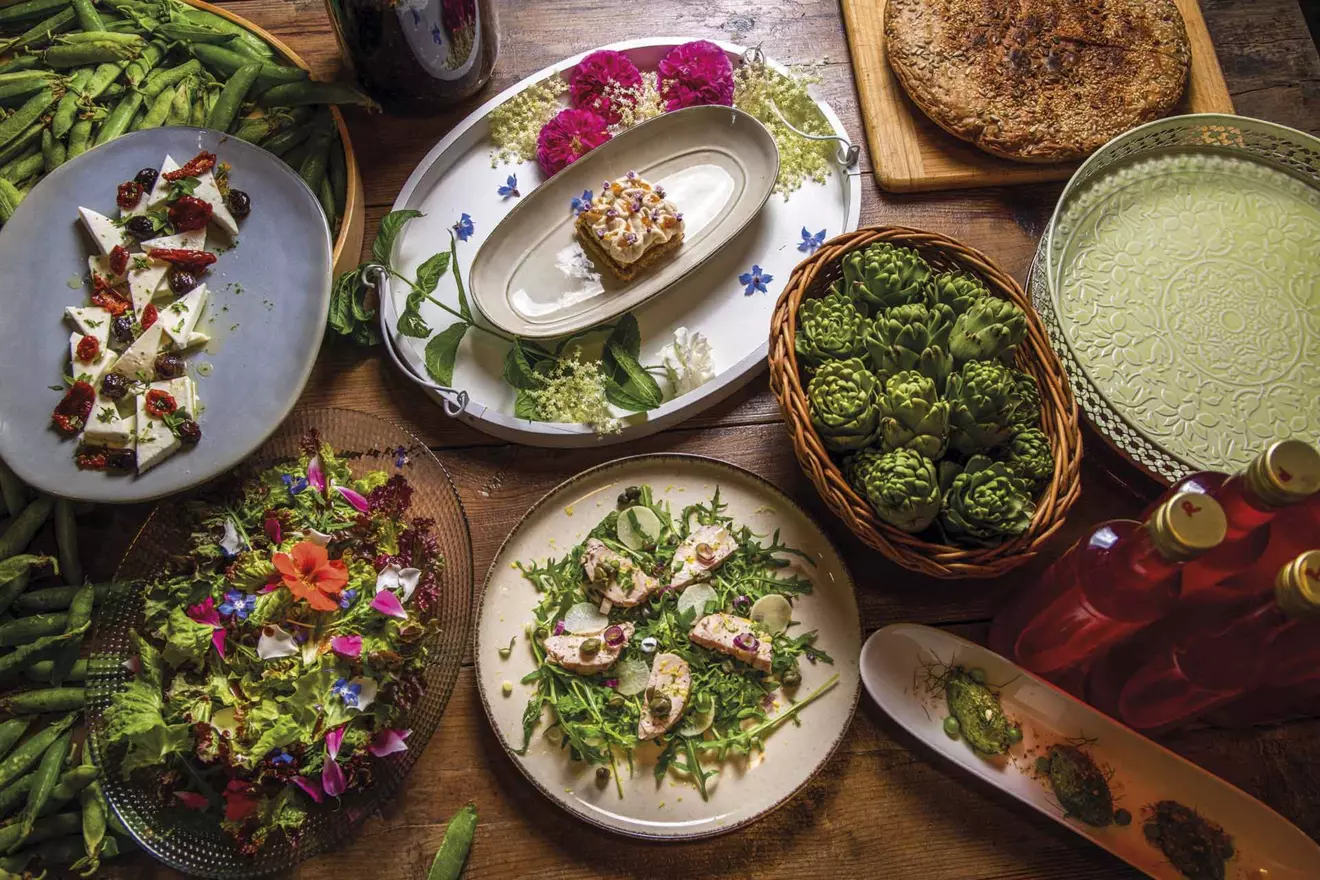
The more persistent travelers can extend their journey another eight kilometers to the legendary Konoba Mate in Pupnat. The authenticity of this tavern and its family kitchen, sourced largely from their own homegrown ingredients, is widely recognized.
It is a pity the family does not offer rooms for rent, as the only thing you truly need after such a rural feast is a bed to enjoy a well-deserved afternoon siesta, perhaps planning your next return to Korčula town in your summer dreams.
For a town that has lived from the sea, stone, wine, and stories for centuries, it is not merely a beautiful stop on a sailing route. It is one of those places from which the island is best understood, and perhaps, most easily loved.
Photos TZ Korčula, Boris Kačan, Mario Jelavić, Mario Romulić, Đorđe Stošić & Ivo Pervan Video AdobeStock