Vela Luka: The Authentic Nautical Soul of Korčula
Date
Reading time
5 min


Discover the charm of Vela Luka, a hidden haven on the western side of Korčula, where maritime heritage, thousands of years of history, and the authentic artistic spirit of Dalmatia come together
Vela Luka: A safe harbour with the authentic spirit of Korčula
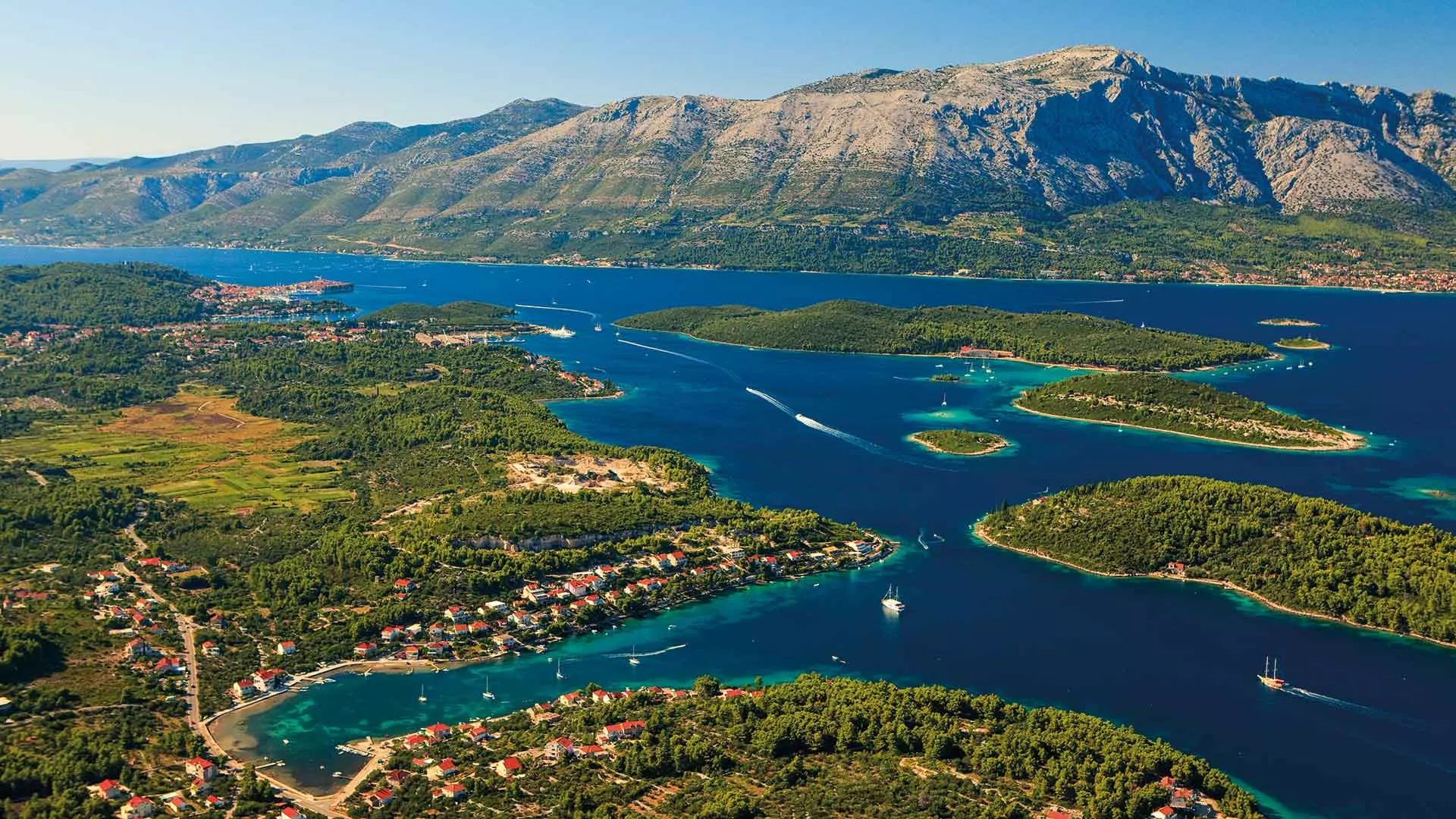
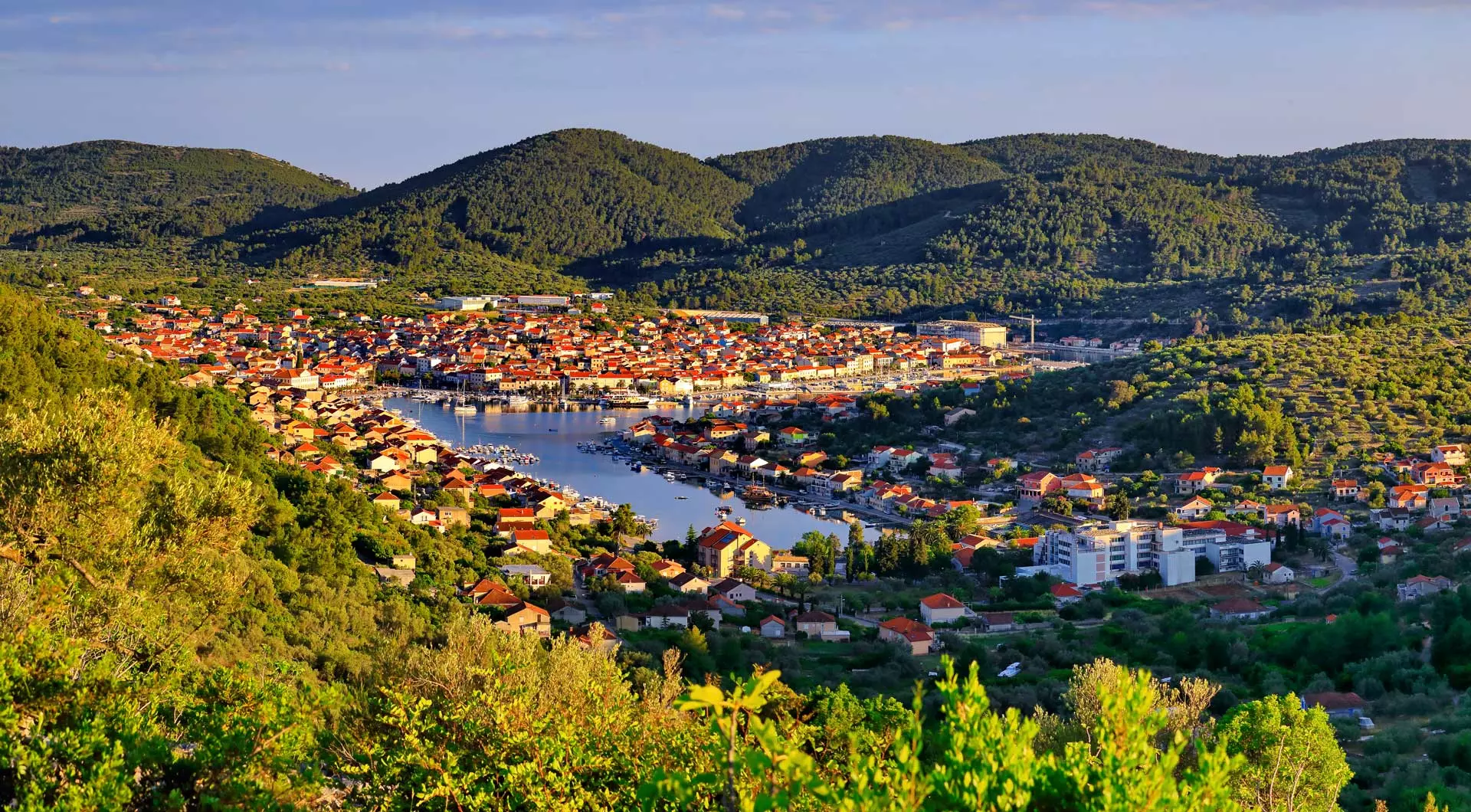
At the end of a bay stretching almost ten kilometres inland lies Vela Luka, a destination that successfully blends island tradition with the needs of today’s sailors.
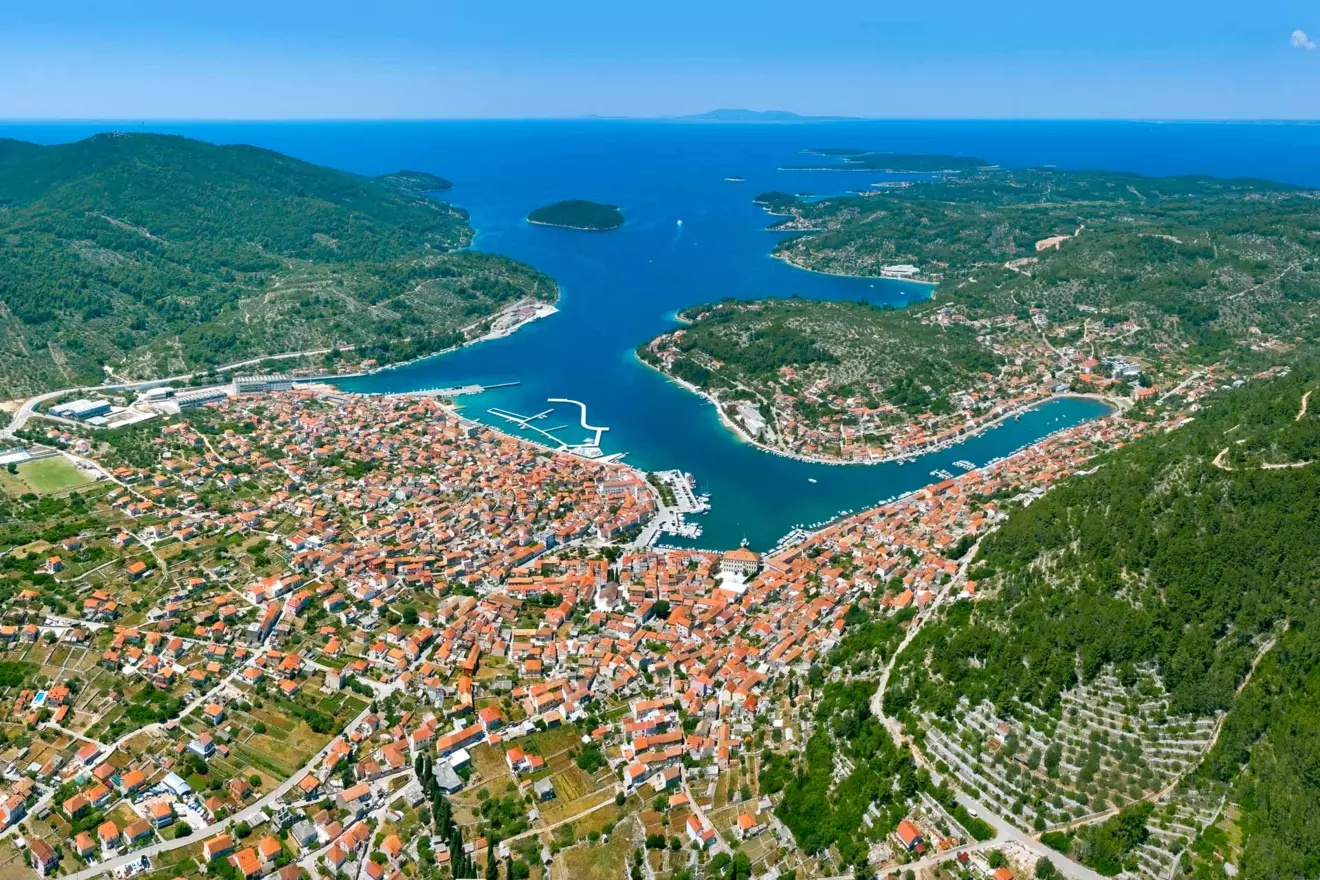
It may not command immediate attention like the fortified town of Korčula, but its string of wooded islets, indented coastline dotted with vineyards and olive groves, and relaxed Mediterranean atmosphere quickly reveal why it remains one of the most welcoming nautical refuges in the southern Adriatic.
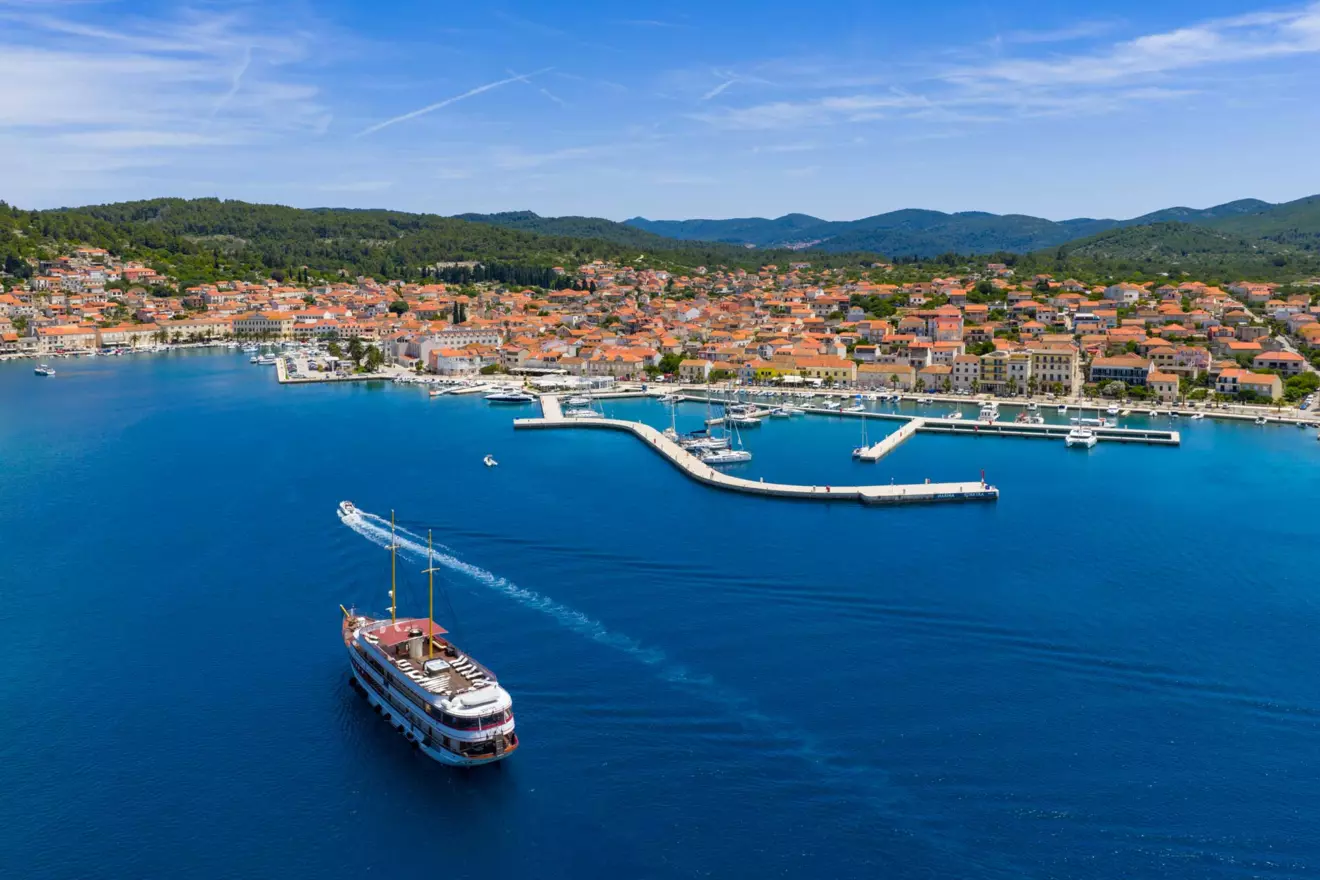
With more than 8,000 years of continuous human presence, Vela Luka carries its history lightly but visibly. The decline of shipbuilding and fish-processing industries once placed the town outside the main tourist spotlight, yet this proved to be a blessing in disguise.
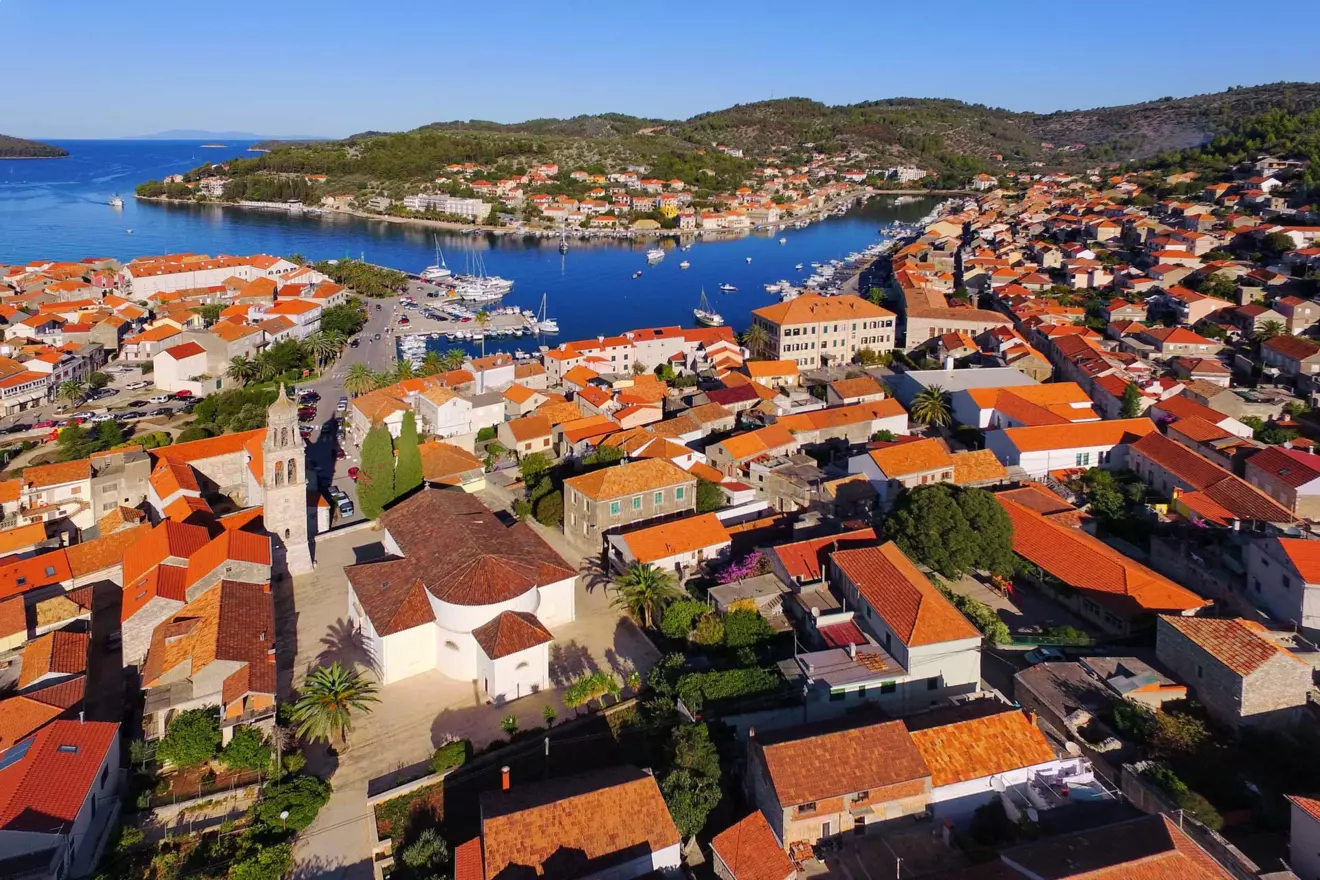
Its authentic island character has remained intact, while recent investments in marina facilities and local infrastructure have transformed it into a comfortable destination tailored to modern nautical tourism.
Natural shelters and local flavours of Vela Luka bay
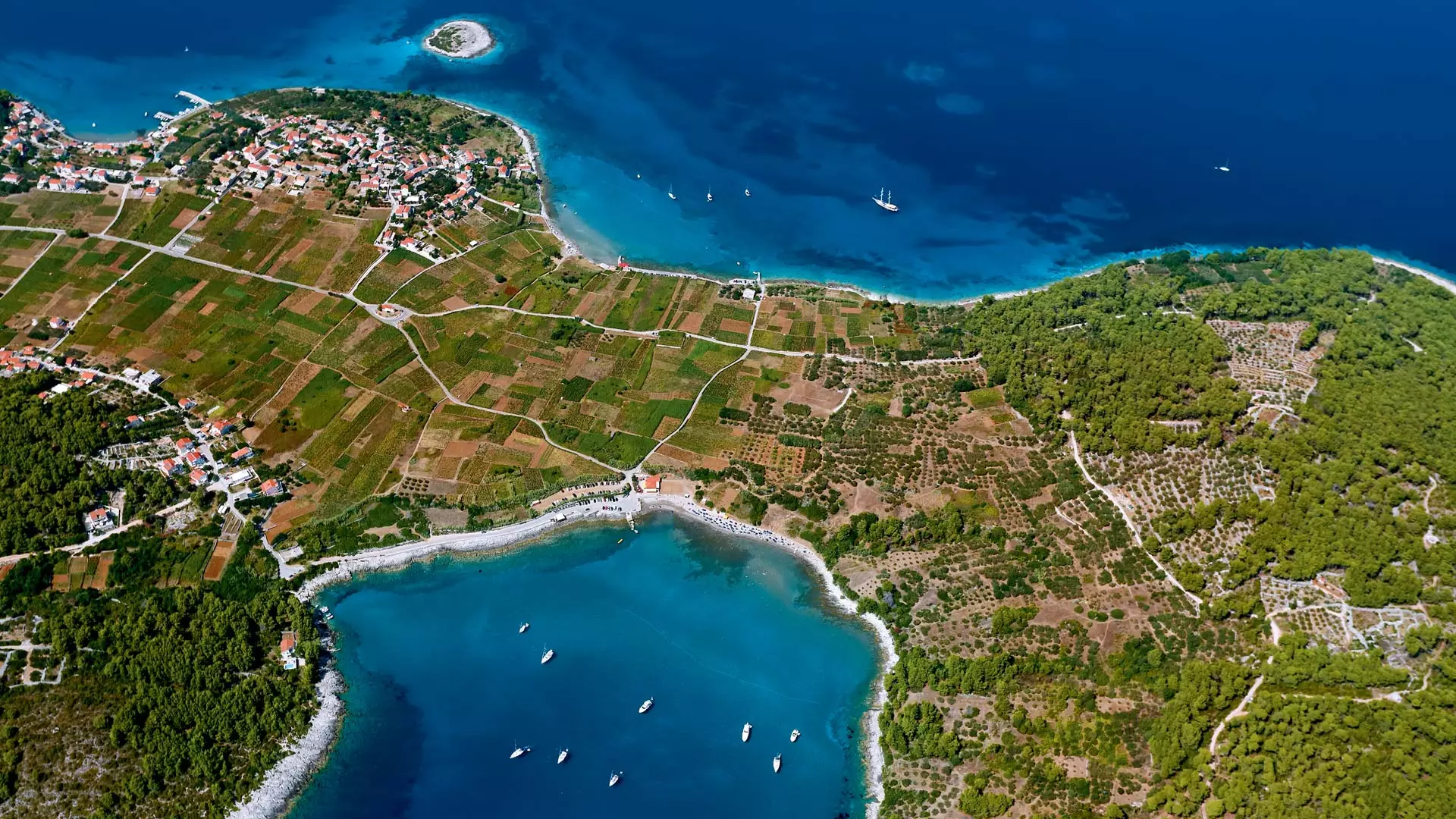
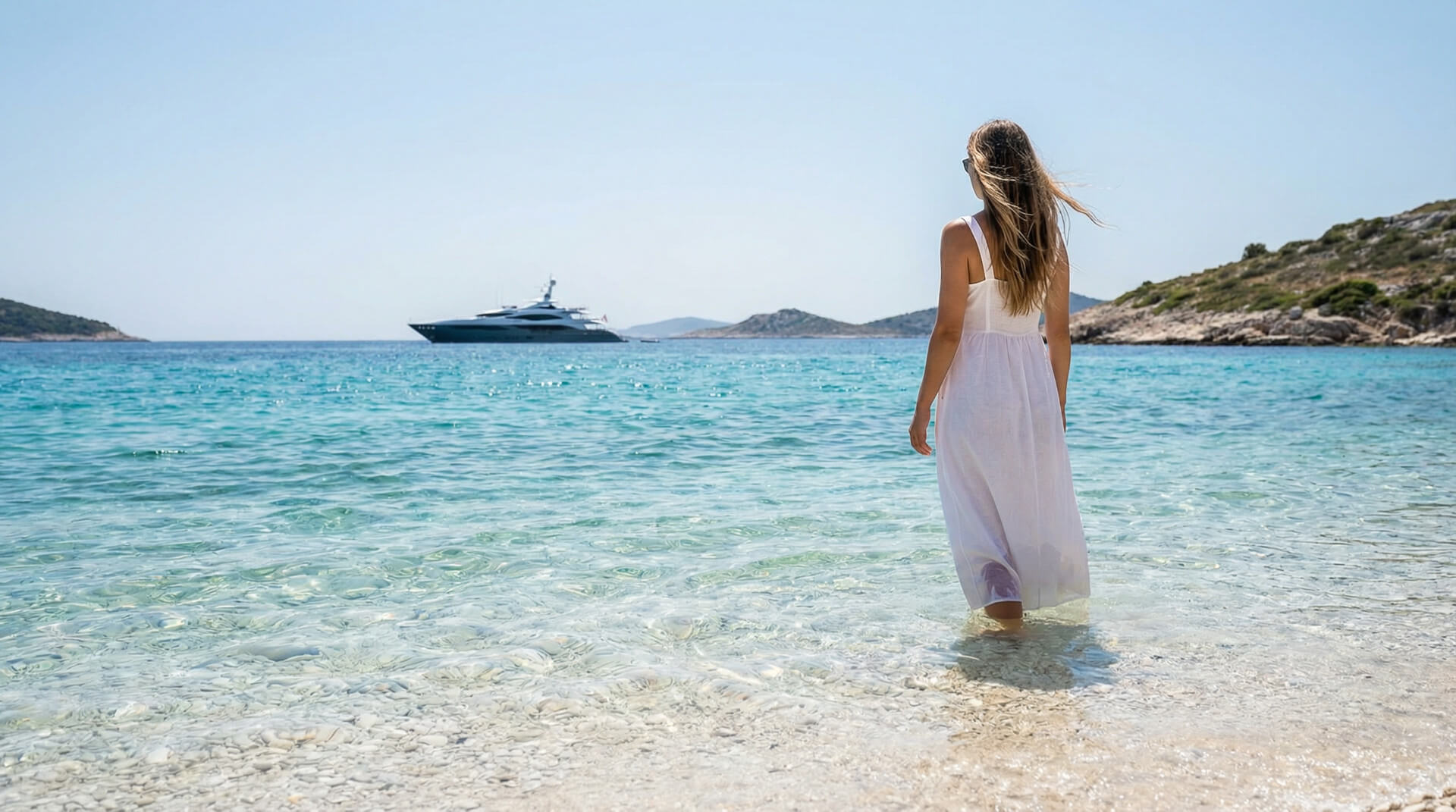
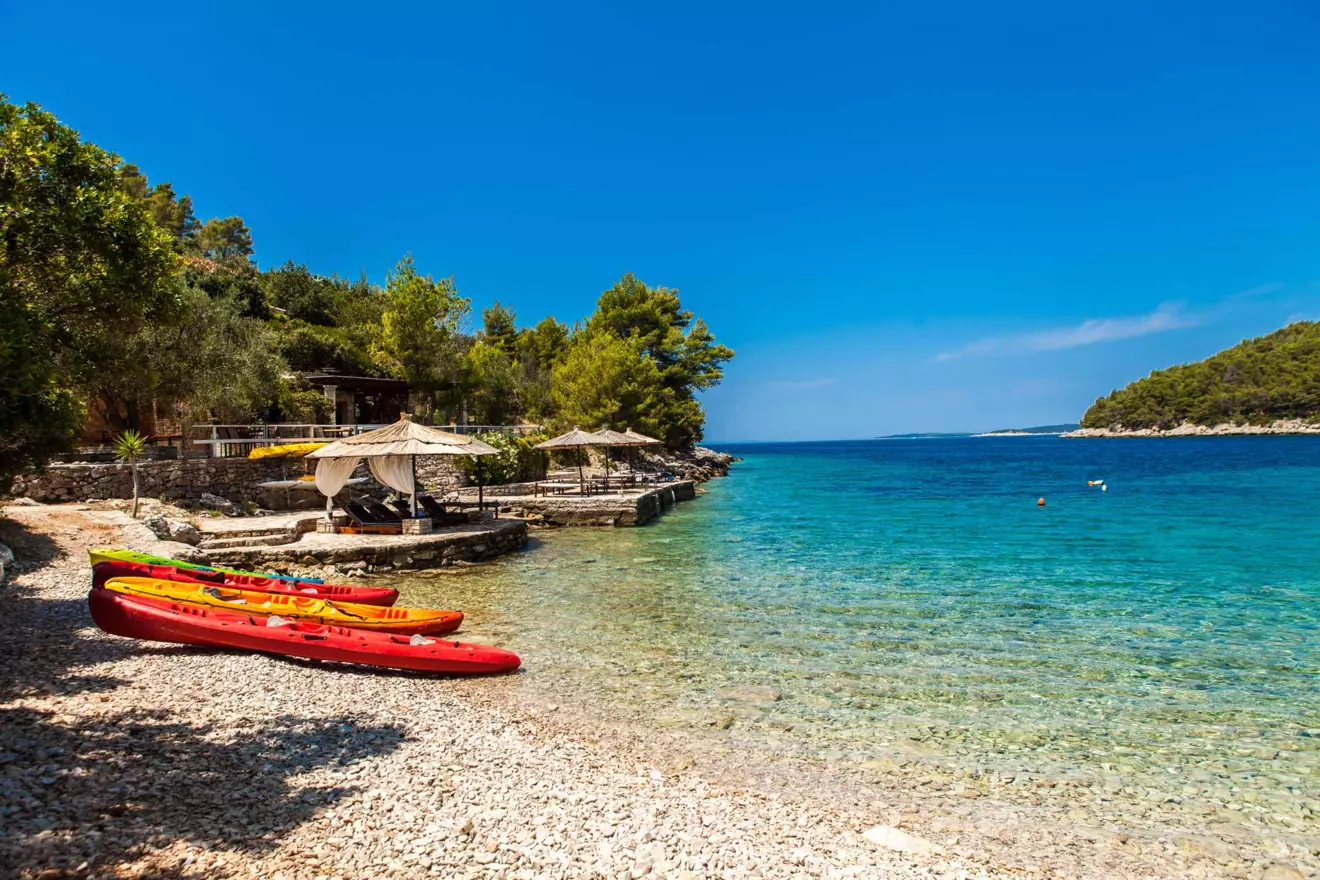
The long bay of Vela Luka is considered one of the safest natural shelters for yachts and boats in the southern Adriatic. At its entrance lies Proizd, a small island celebrated for its pebble beaches and exceptionally clear sea. Among its highlights is Bili Bok, reached via walking trails that wind through fragrant pine woods.
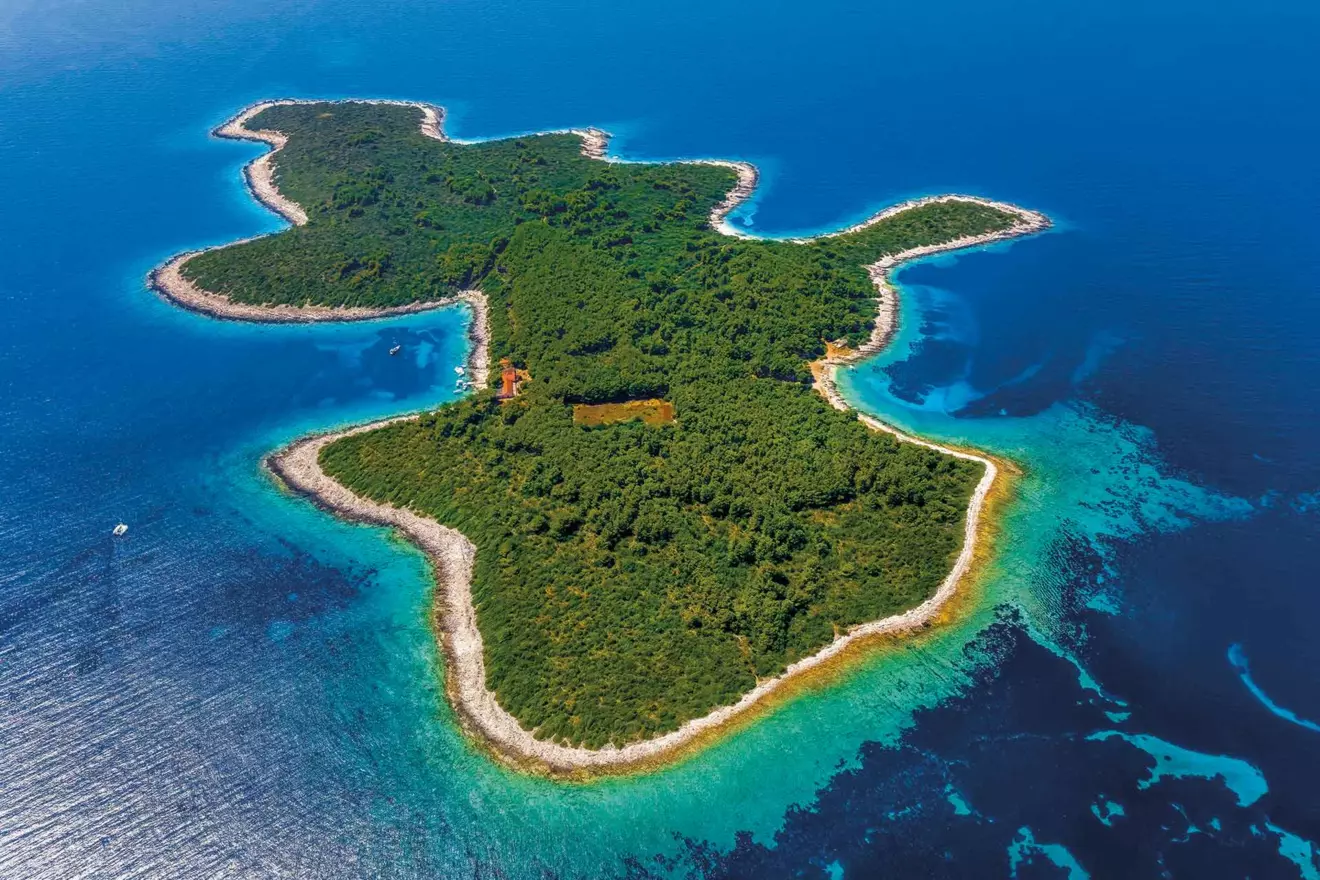
Further inside the bay, the tiny islet of Gubeša stands guard before Gradina Bay, protecting this popular anchorage from westerly winds. Additional shelter is provided by the Glavica peninsula, while the turquoise waters and sandy seabed attract sailors seeking a quieter rhythm of island life.
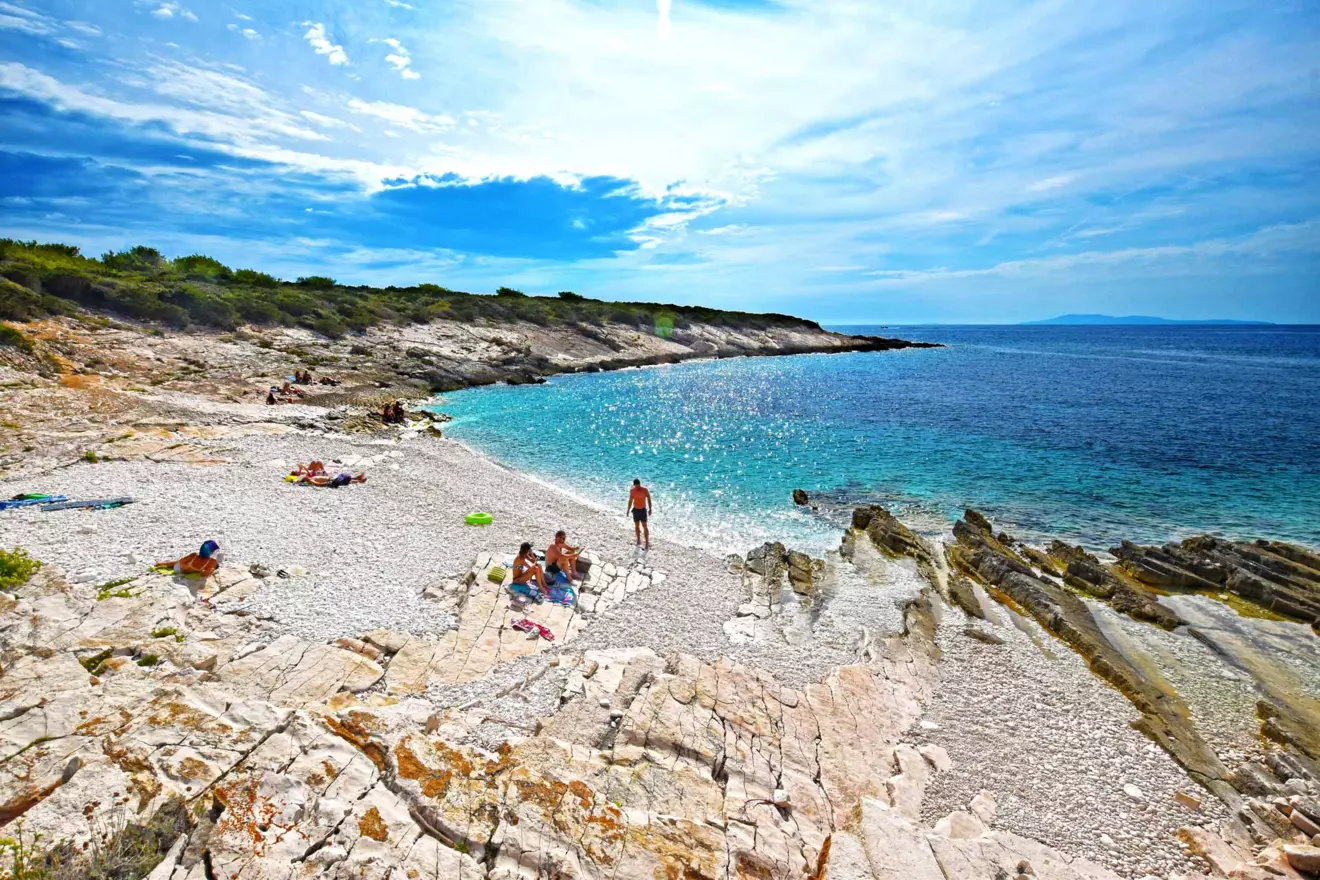
Near the entrance to the harbour, the islets of Kamenjak and Ošjak, often referred to as the Island of Love, create another natural haven ideal for anchoring and spending a leisurely afternoon. From there, many continue towards nearby Pičena Bay, where Mario Dragojević has transformed part of his family home into an intimate waterfront dining spot.
Far removed from mass tourism, the restaurant follows a simple philosophy, offering only two fixed menus – one based on fish, the other on meat – prepared with the daily catch, locally sourced ingredients, and home-produced olive oil.
This part of Korčula is renowned for its outstanding food and wine culture. Nautical visitors can explore indigenous varieties such as Pošip, the island’s most famous wine, and Grk from eastern Korčula, while also discovering award-winning olive oils protected by the European Union’s designation of origin.
Produced from local varieties including Lastovka and Drobnica, Korčula’s olive oils regularly earn top honours at international competitions, adding another authentic layer to the island experience.
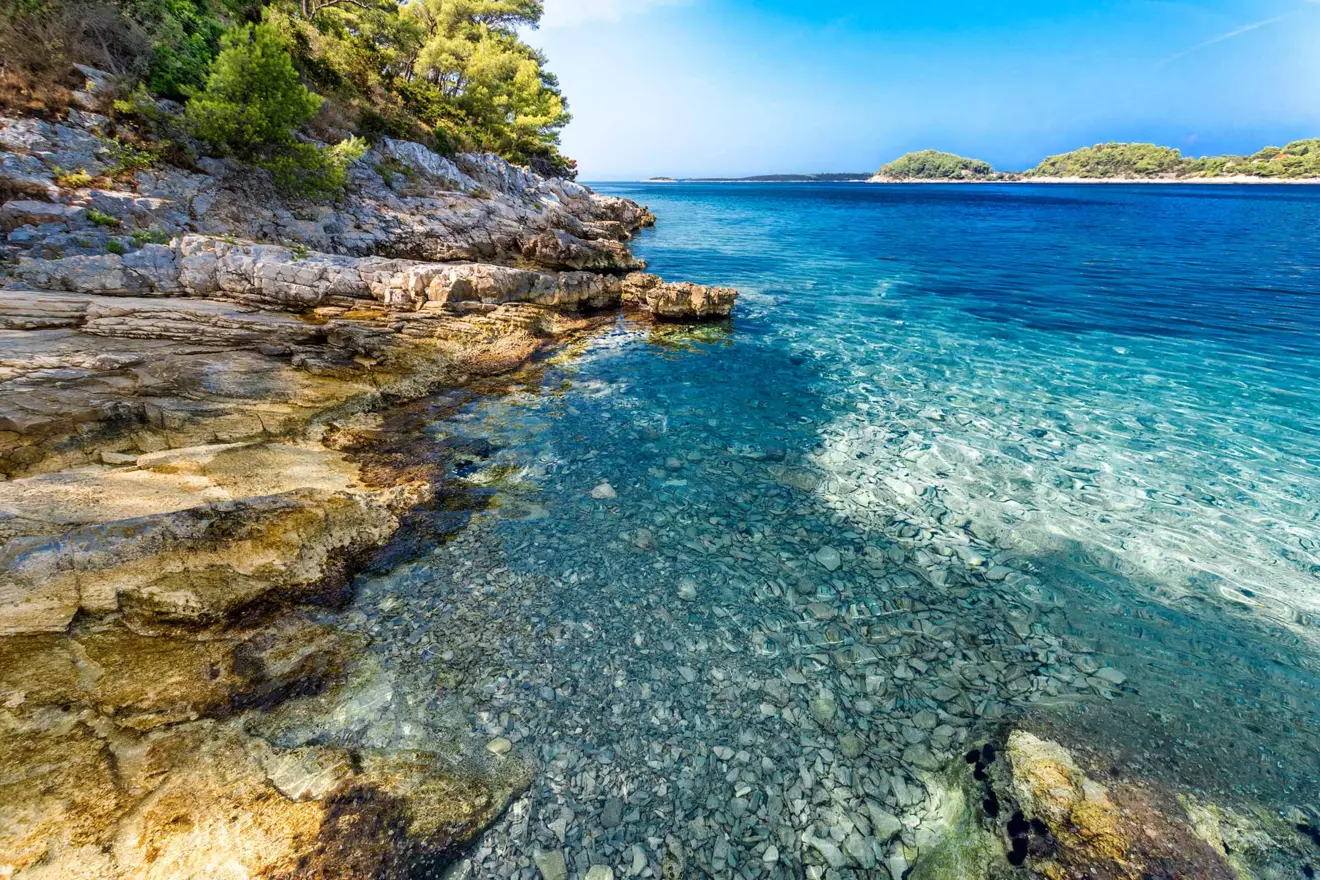
Vela Luka is also an excellent starting point for cruises towards Lastovo, one of the Adriatic’s most preserved island archipelagos, as well as routes leading south to Mljet and Dubrovnik.
Marina and passenger terminal: Comfort at the end of the bay
The town’s nautical appeal has been further strengthened in recent years by the development of Marina Korkyra, which offers 132 secure berths, along with services and facilities designed for contemporary boaters.
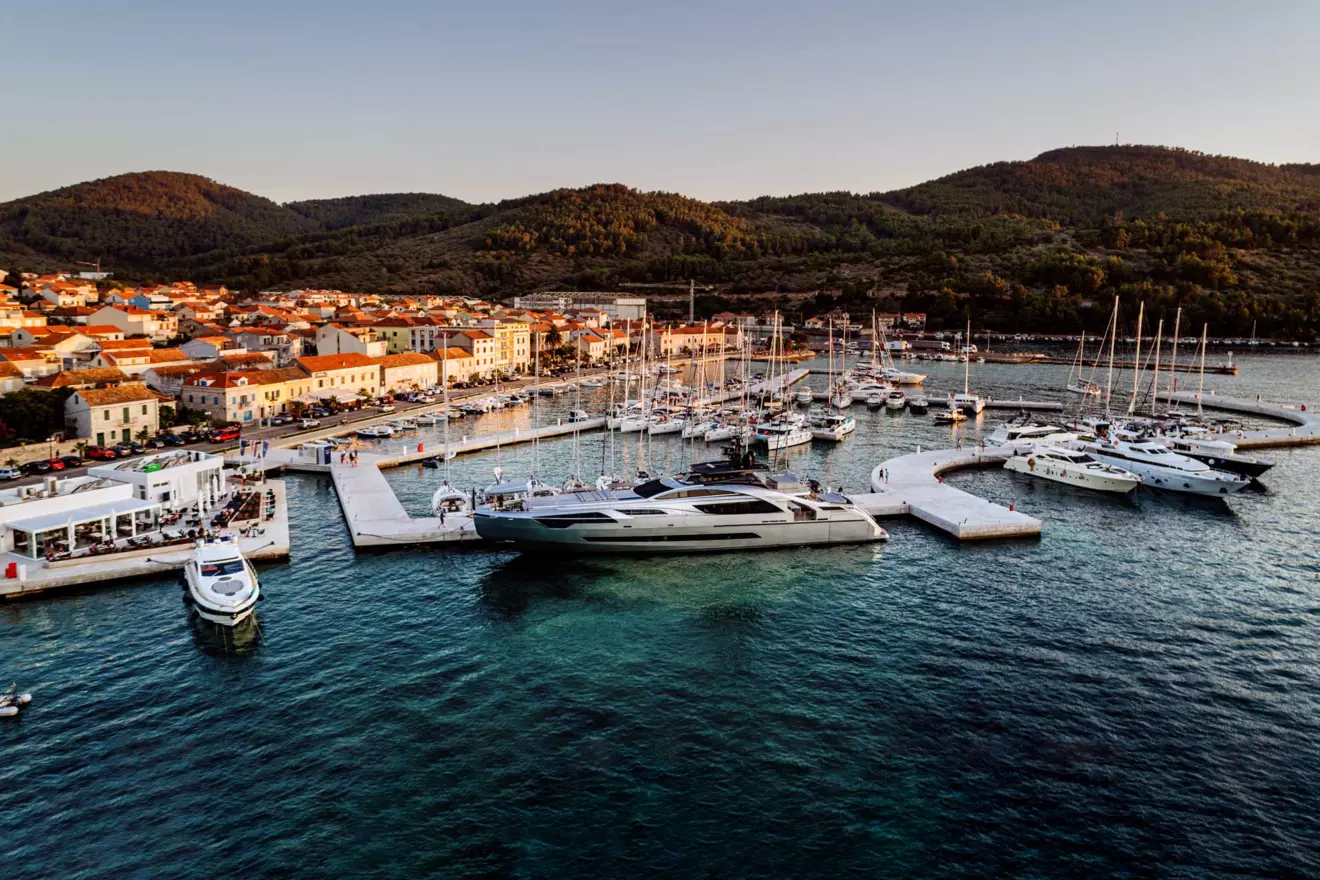
The completion of the new passenger terminal has also significantly improved the waterfront. Relocating ferry traffic away from the town centre has eased seasonal congestion along the main promenade, while the breakwater provides additional protection for vessels within the marina. The waterfront itself has become a pleasant pedestrian zone and a favourite place for an evening stroll.
Within easy reach of the marina, visitors will find a fuel station, maintenance services, and Hotel Korkyra, while Restaurant Luky offers views towards Ošjak Island and sunsets over the bay.
Vela Spila: A journey through millennia
Sailing into Vela Luka today means following routes that have been used since prehistory. Nearby Pinski Rat hill was home to some of the area’s earliest communities, leaving behind traces that continue to shape the story of the bay.
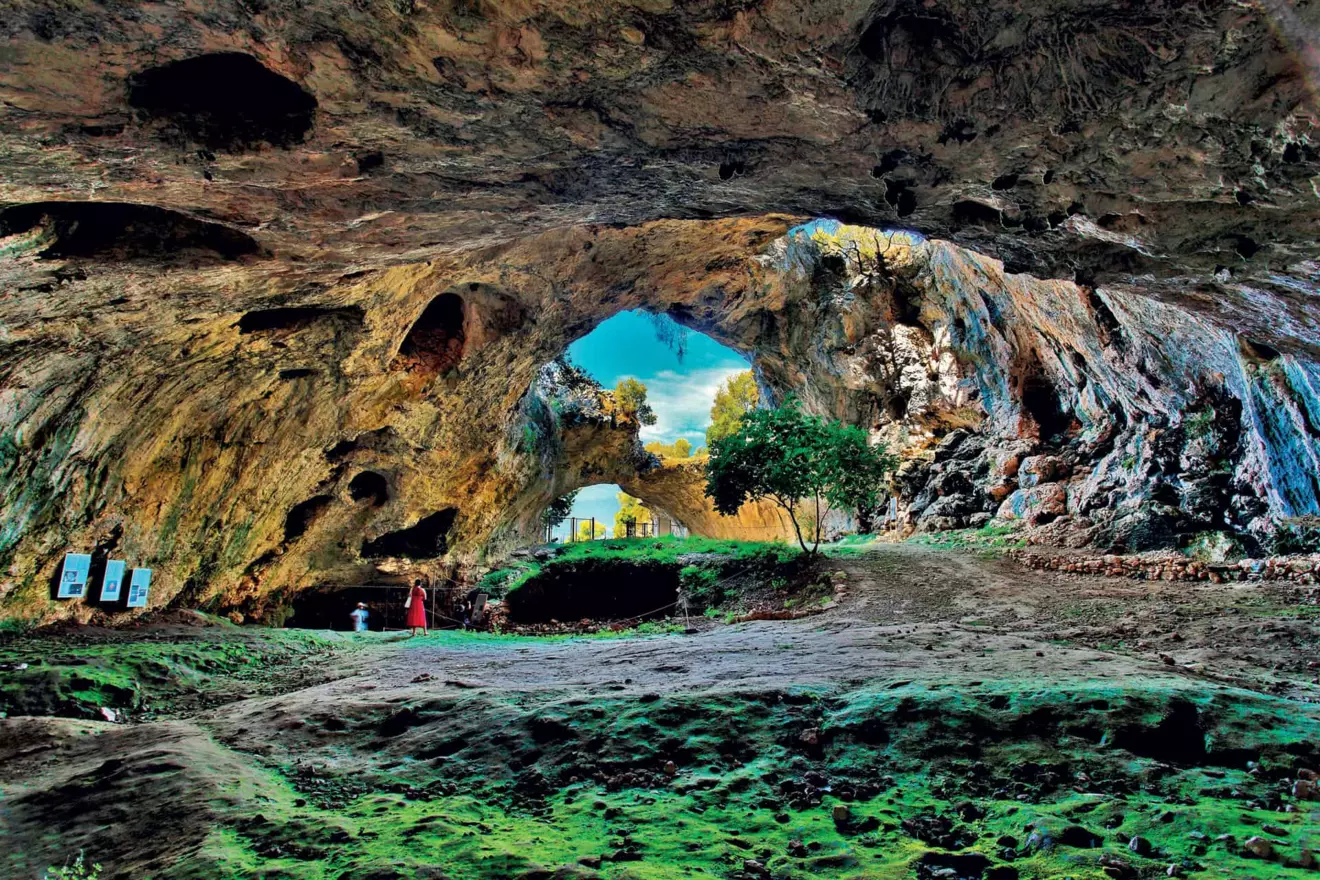
Vela Spila is now recognised as one of the Mediterranean’s most important prehistoric sites. Carefully restored and presented through contemporary interpretation and multimedia displays, it offers visitors a fascinating insight into communities that inhabited the cave continuously over thousands of years.
For those who enjoy exploring ashore, a visit to Vela Spila can easily be combined with a walk or bike ride to Kopila, a prehistoric necropolis set among olive groves and traditional dry-stone walls in the hinterland of Vela Luka.
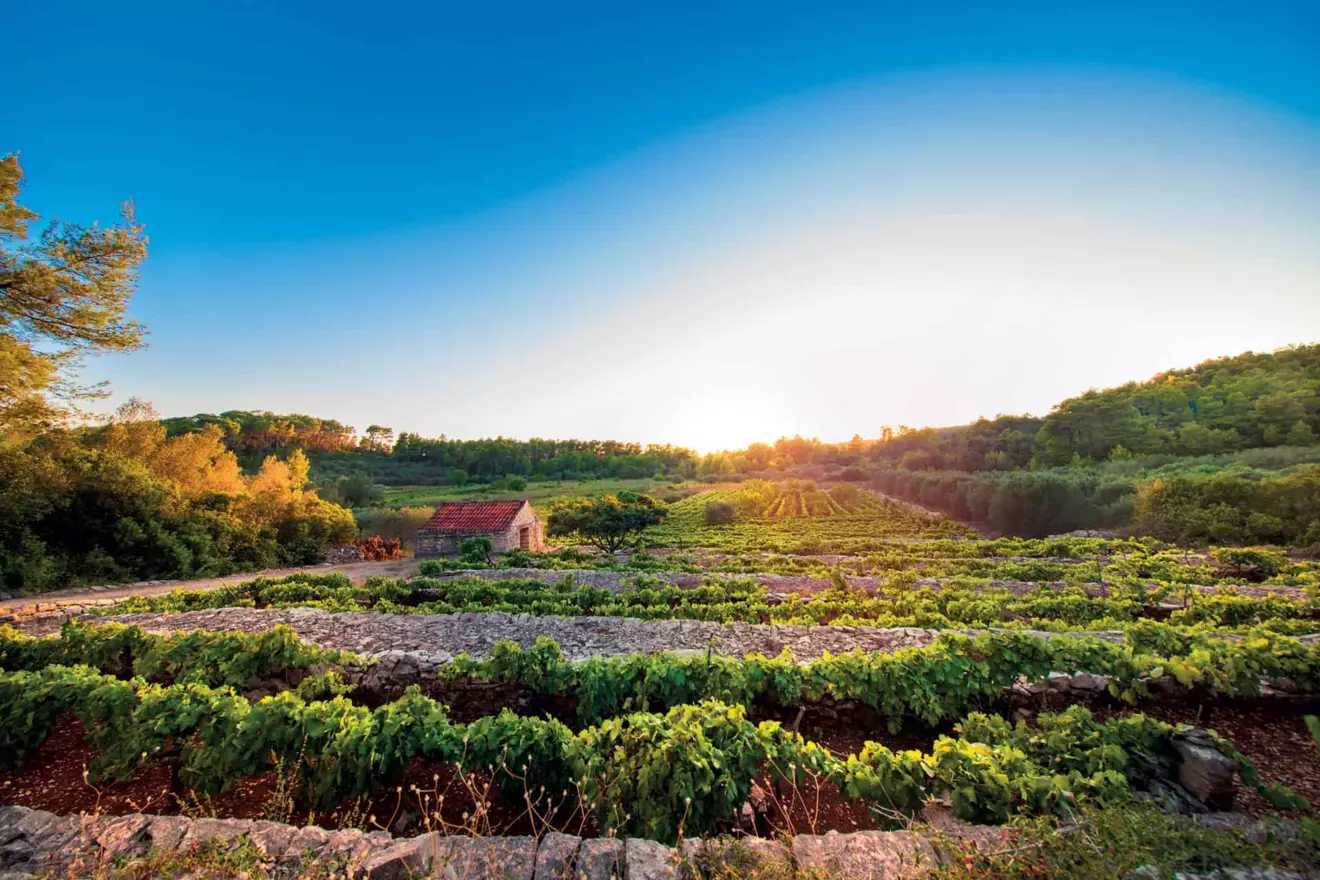
Artists, tradition and the enduring legacy of Oliver Dragojević
The scattered summer residences and family homes overlooking nearby coves are reminders of a way of life deeply connected to the sea, while artistic expression has long been woven into the identity of Vela Luka.
The town has produced numerous painters, sculptors, and musicians, and its waterfront today is distinguished by the ongoing Luka Mozaika project, a growing mosaic artwork embedded into the promenade itself.
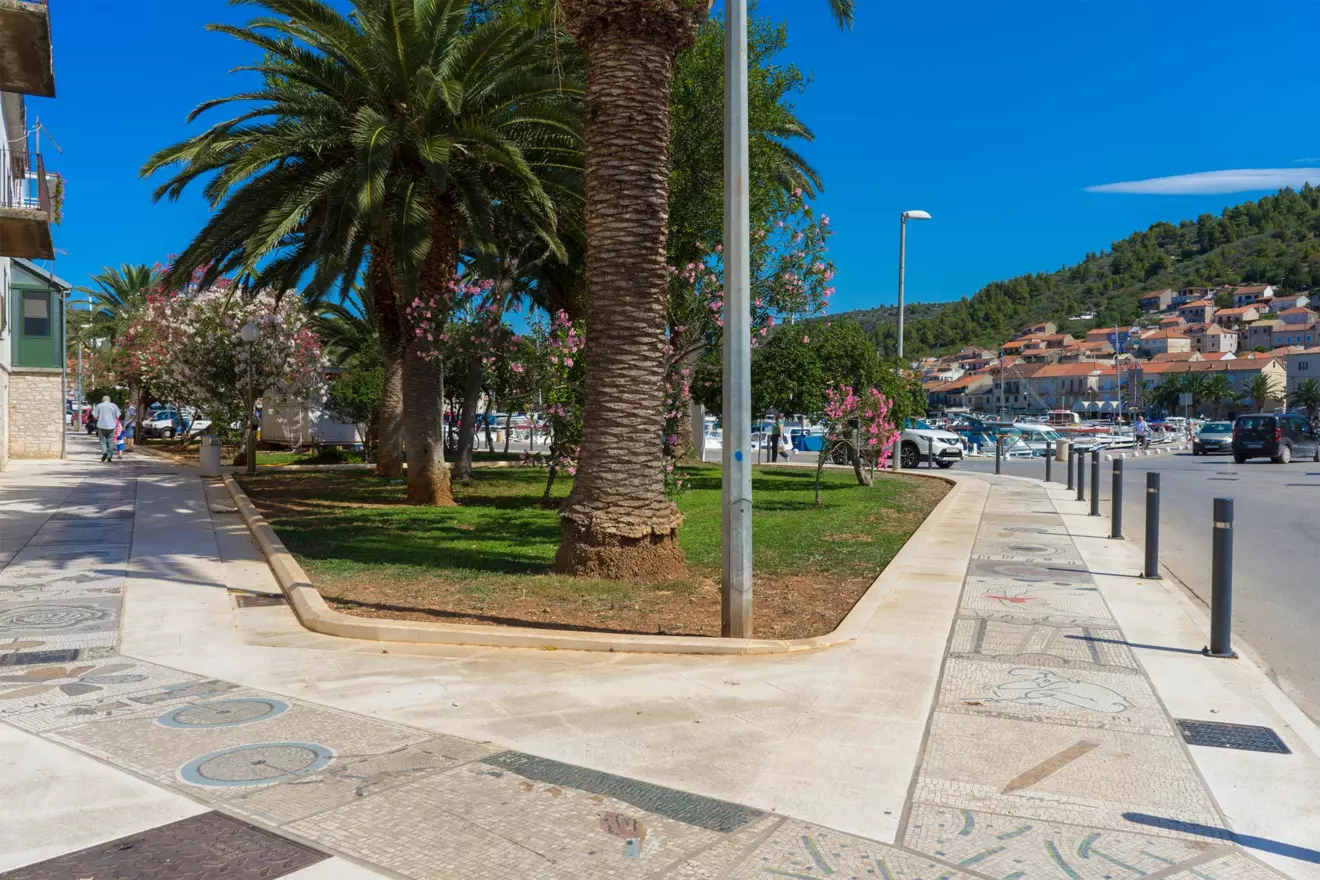
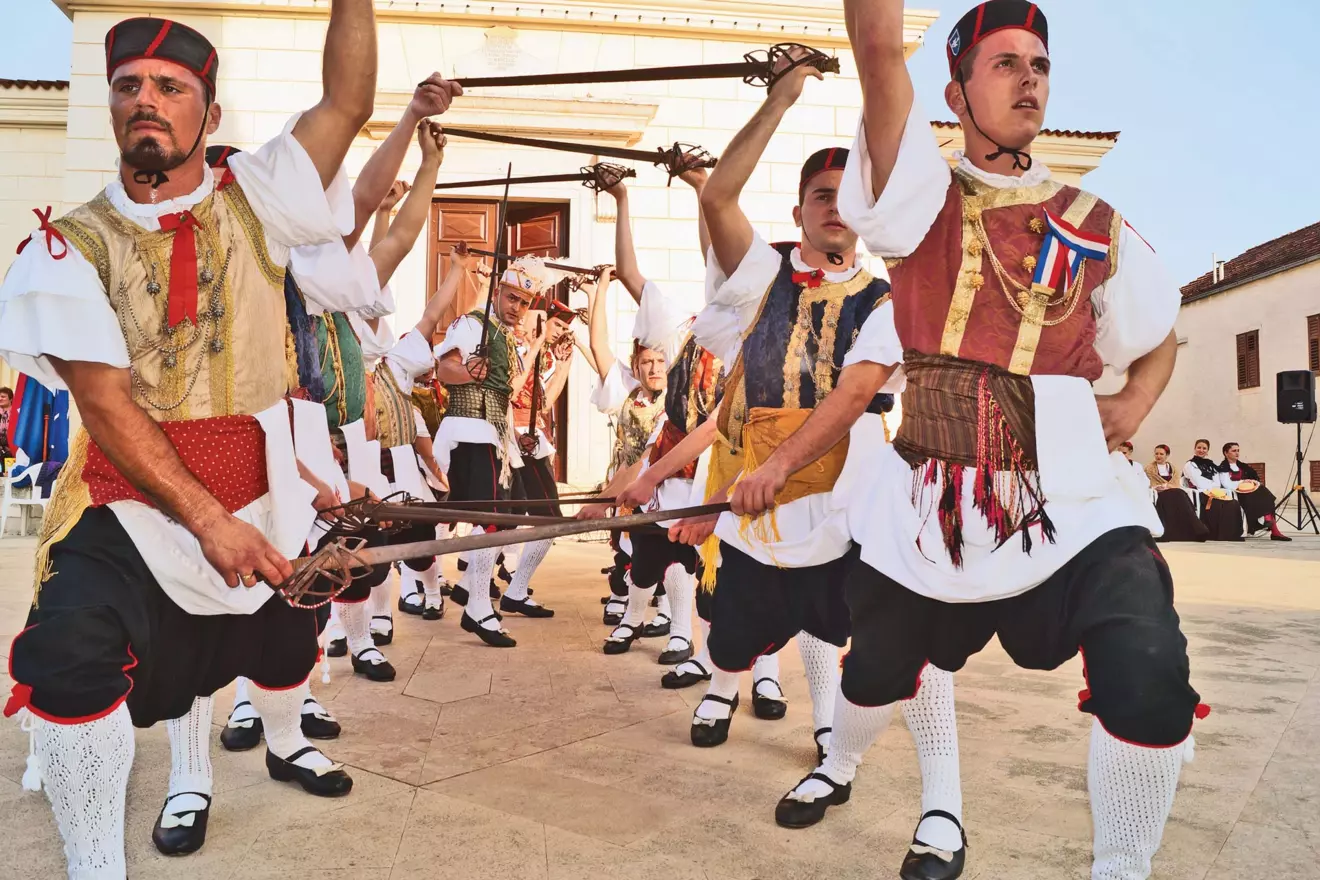
Tradition remains equally important. Each June, ahead of the feast of St John, Gradina Bay hosts a traditional rowing regatta that brings together locals and visitors alike. Guests can also witness performances of the Kumpanija sword dance, one of Korčula’s most distinctive expressions of folk heritage.
Yet no figure has left a stronger emotional imprint on modern Vela Luka than the late Oliver Dragojević. For the celebrated musician and passionate sailor, the town was both a family home and a lasting source of inspiration.
His legacy is preserved in the Oliver Dragojević Memorial Collection, housed in the historic Franulović-Repak Palace, where personal belongings, documents, and carefully curated exhibits tell the story of his life and career.
The cultural calendar reaches its peak each July with Trag u beskraju, a multi-day music festival dedicated to Oliver’s memory. Concerts along the waterfront and aboard boats gathered in the bay attract thousands of visitors and performers.
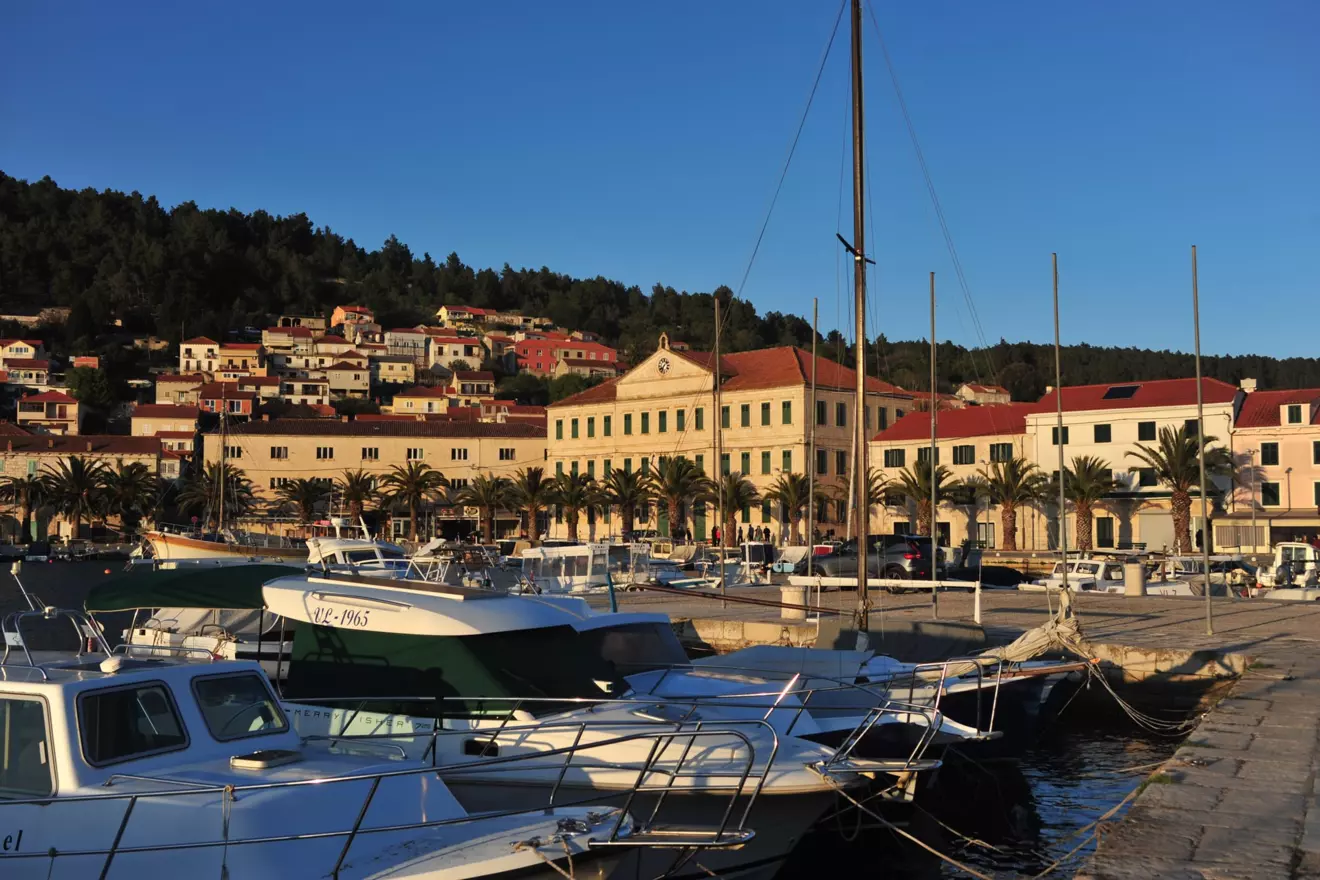
It is during these evenings that Vela Luka reveals its true character most vividly - a place where the sea, music, island traditions, and an unpretentious Mediterranean lifestyle come together in perfect harmony.
Photos Boris Kačan, Marina Korkyra, Damir Pačić, Saša Prizmić & TZ Vela Luka