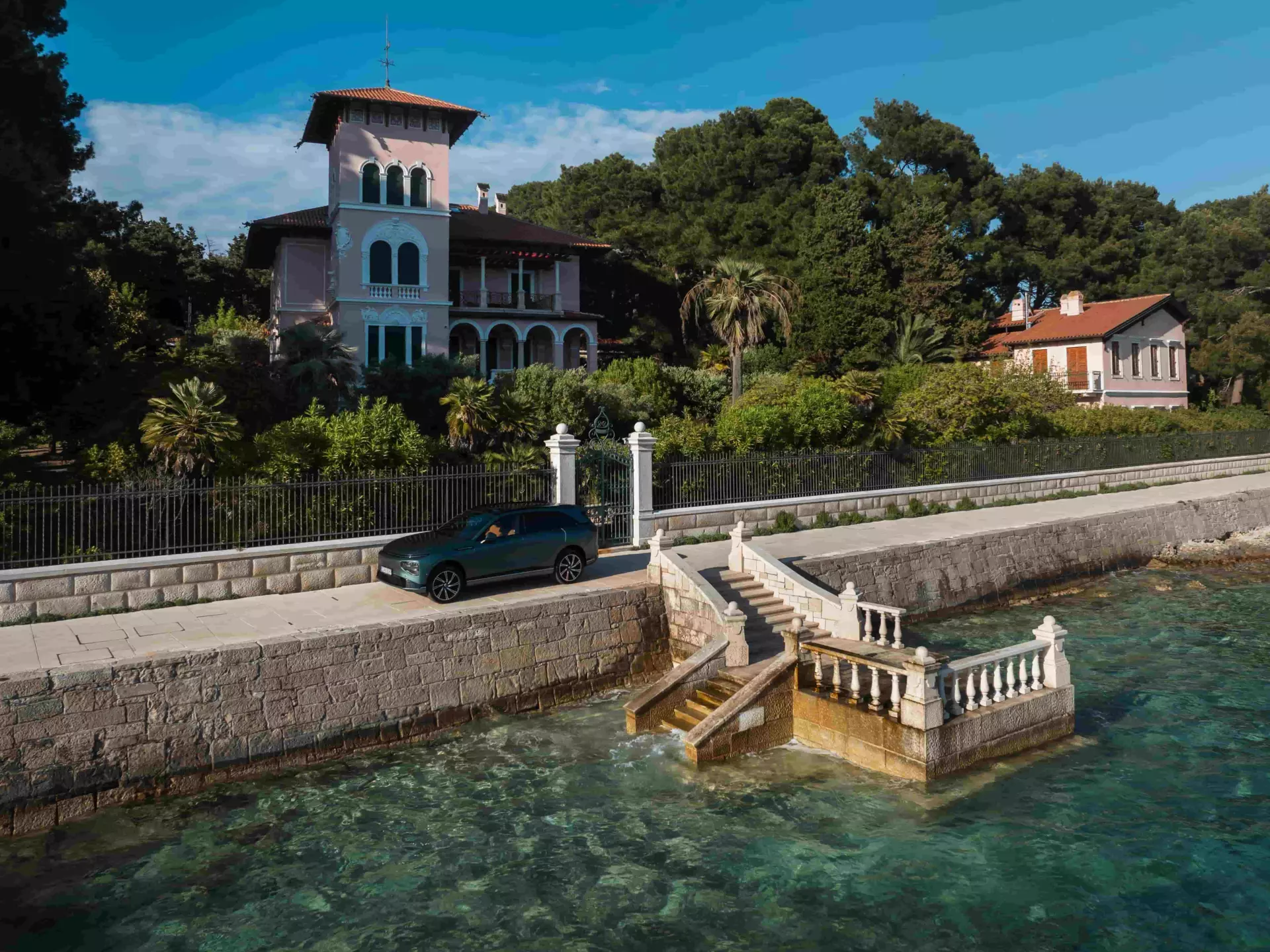
Croatia’s Michelin Route by Sea and Xpeng G9
Date
Reading time
6 min

Yachts embarks on a gastronomic journey with the Xpeng G9, exploring six Michelin-starred restaurants from Rovinj to Korčula, each accessible by yacht
A journey in the new Xpeng G9 between Michelin-starred restaurants feels much like a voyage at sea. Emotional, immersive and deeply connected to the moment. Much like life on a yacht, each experience is shaped by its surroundings, the finest local ingredients and the creativity of the chefs behind every dish.
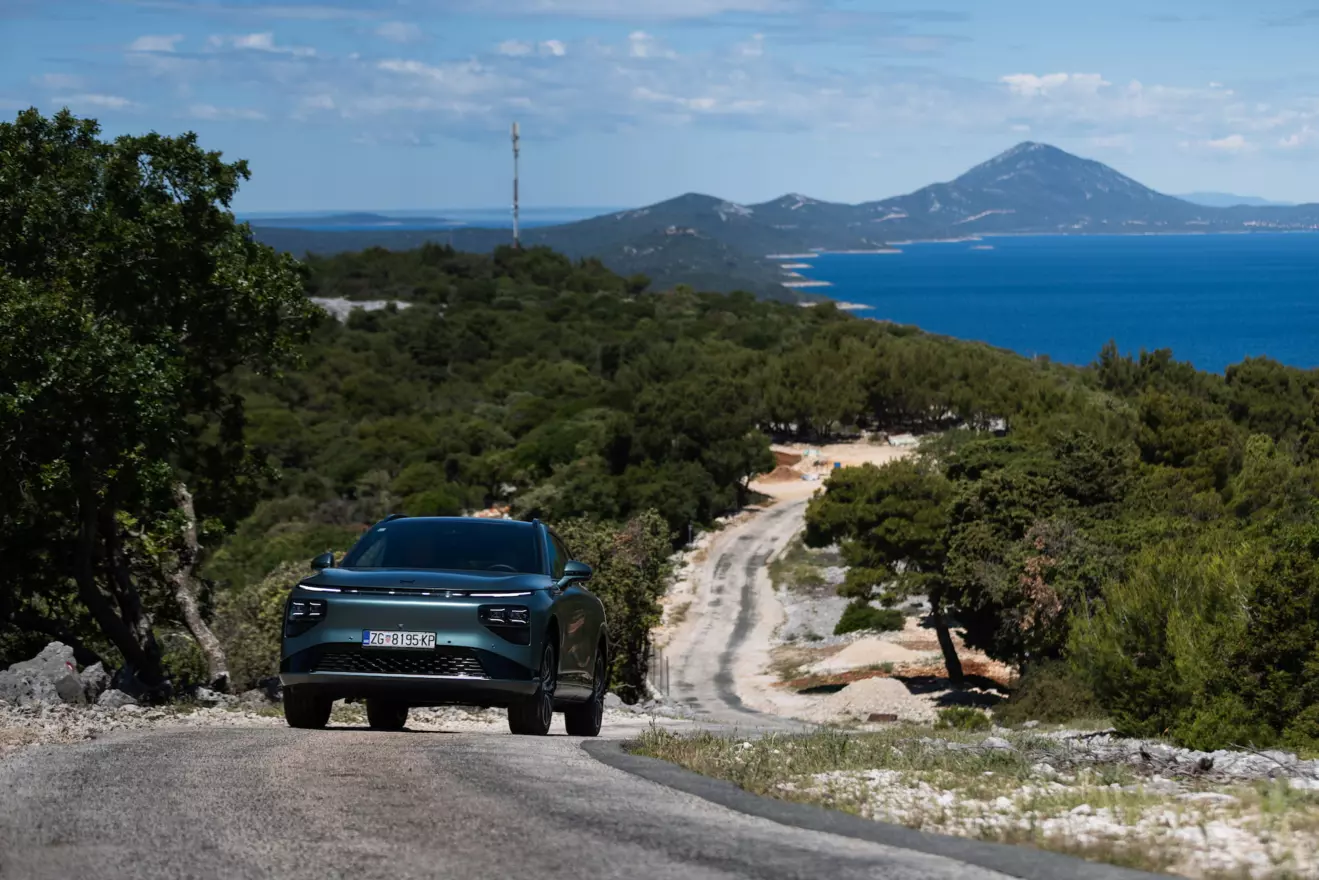
Renowned guides such as Michelin and Gault & Millau covering Croatia means new standards for the country's culinary scene. From Istria’s hills to Dalmatian islands, chefs want to offer an authentic, emotional dining experience shaped by the environment. Since most of these restaurants are easily accessible by sea, the premise for this year’s summer issue of Yachts was to chart a gastro-route from Rovinj to Korčula, accompanied by the Xpeng G9, visiting six establishments that boast a total of seven Michelin stars.
Rovinj as Croatia’s fine dining capital
Rovinj has emerged as Croatia’s top luxury destination, as well as a leader in fine dining. Two conceptually distinct yet equally brilliant approaches to cuisine are located within just a few hundred meters of each other, one in the marina and the other at Hotel Grand Park.
As Croatia's only two-Michelin-starred restaurant, Agli Amici presents Istria’s two sides, sea and forests and salt and earth through two tasting menus: ‘Rovinj’ and ‘Istrian Weaves.’ The restaurant bears the signature of the Scarello family and chef Simone de Lucca. ‘Rovinj’ is a pure ode to the sea: prawns with apple and fennel, risotto with mussels, lemon and saffron, amberjack with Zucchini and kumquat. ‘Istrian Weaves’ honors the inland part of Istria, exploring forests and the quiet Motovun countryside. Through ingredients such as mushrooms, black truffle and Marsala, or grilled quail with olives, this menu shifts away from the coastal flavor profile toward a slower rhythm and bold, earthy flavors.
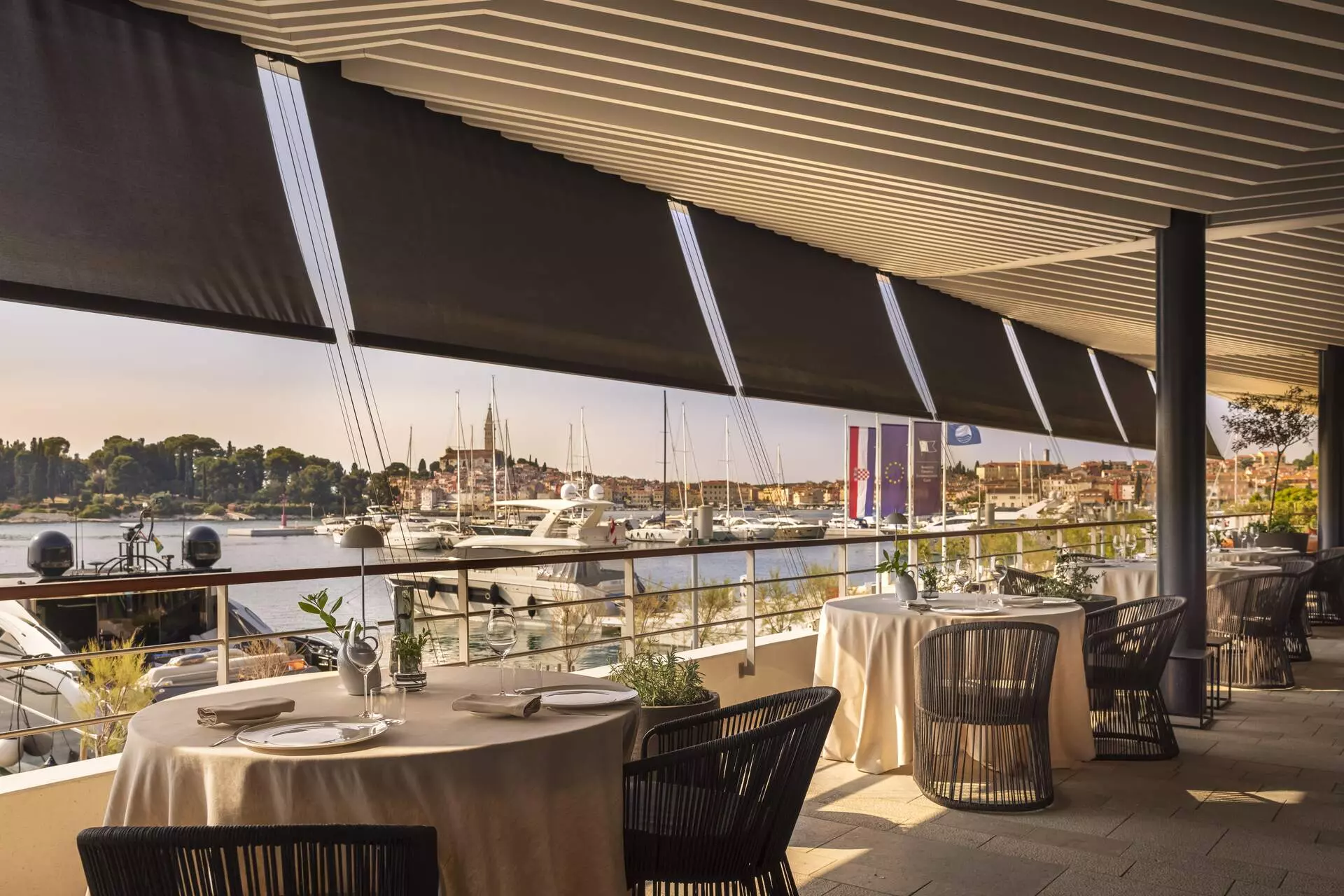
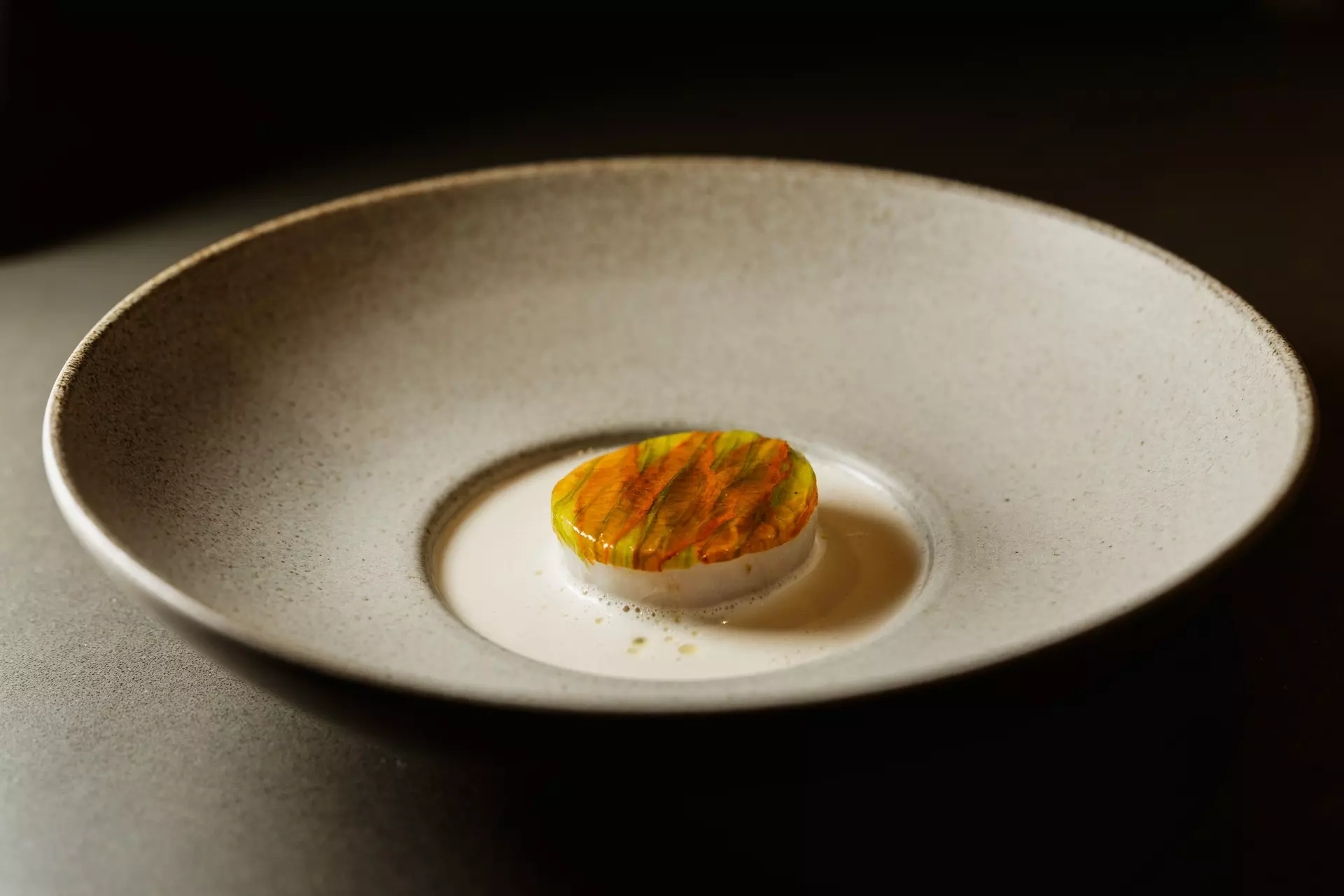
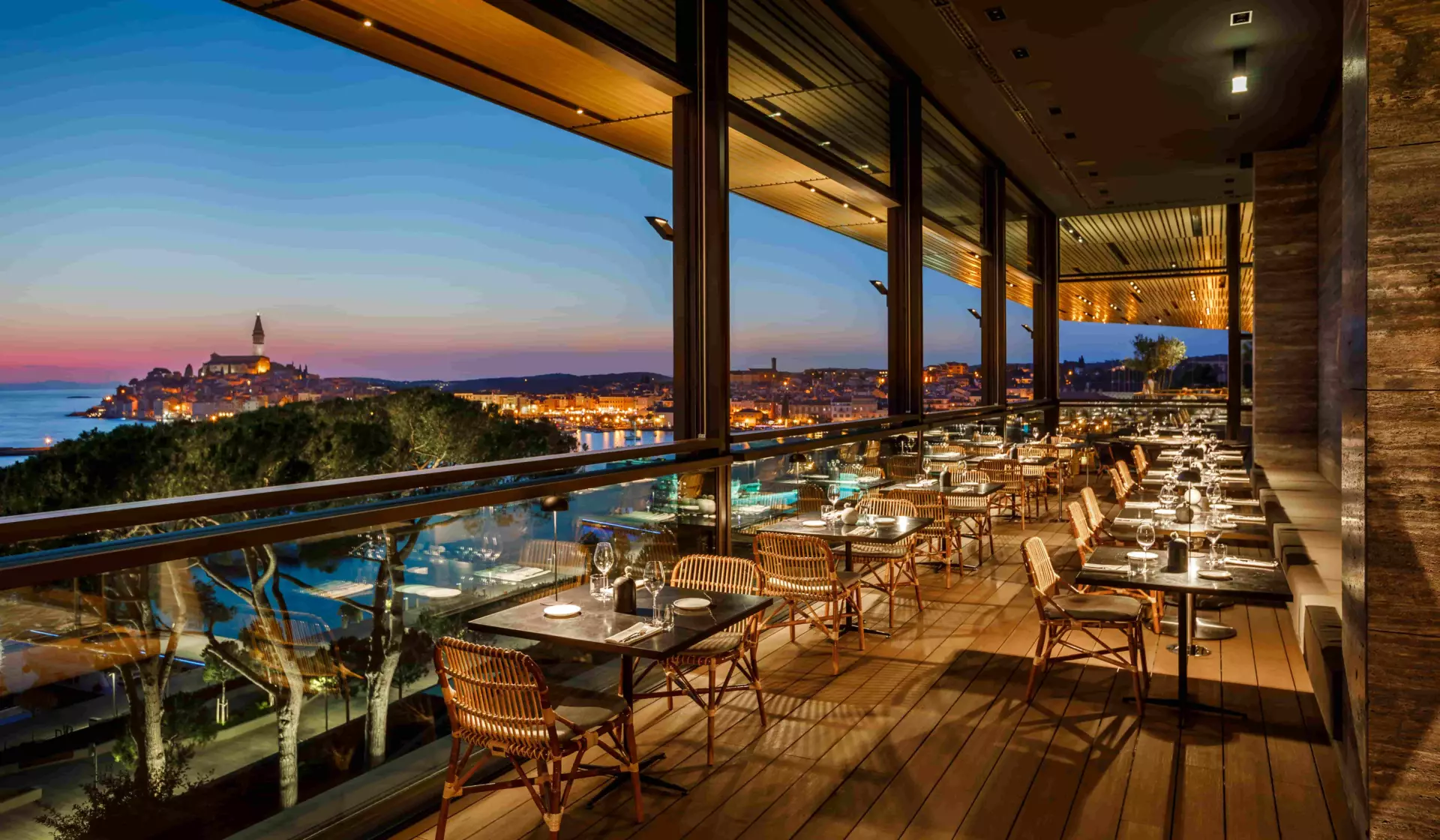
Situated on the fifth floor of Hotel Grand Park, Cap Aureo breaks away from classical fine dining traditions. Chef Jeffrey Vella has made vegetables the star of the menu, treated with the reverence and complexity once reserved only for fish and meat. This season, Cap Aureo ventures even deeper into what Istria and the Adriatic have to offer throughout the year: foraging, close collaboration with local producers, and near-forgotten ingredients brought back into a contemporary context. Coordinates are set with three tasting menus: ‘My Istria’ follows ingredients sourced within fifty kilometers and evolves as the season progresses; ‘A Journey Since 2019’ revisits the most significant dishes since opening, and ‘Thinking Greener’ focuses on vegetables.
Mali Lošinj and the quiet luxury of Čikat Bay
Our next stop on this gastronomic journey took us to Mali Lošinj, a destination recently enjoyed by John Malkovich. That same atmosphere of understated luxury provided the perfect setting for a photoshoot with Xpeng's ‘land yacht’. As one of the Adriatic's premier yachting destinations, Čikat Bay combines privacy and elegance, making it a fitting backdrop for the Alfred Keller restaurant.
This season will mark a new chapter for the restaurant. After Michael Gollenz brought the first Michelin star to Lošinj, the kitchen is now led by chef Daniel Skokić, who worked at the Čikat Bay villas and aboard luxury yachts before taking the helm at Keller. The menu is conceived as a journey crossing the sea from the mainland to Lošinj. Skokić describes it as ‘authentic Michelin,’ a philosophy based on quality local produce, including Kvarner prawns and Cres lamb, elevated by the wild herbs that the island is widely known for. What makes this approach unique is an exceptional attention to detail that extends well beyond dinner service. Skokić takes pride in the fact that the team behind the fine dining experience also takes part in creating breakfast. The same applies to everything Keller does.
Šibenik, Pelegrini and the evolution of Dalmatian cuisine
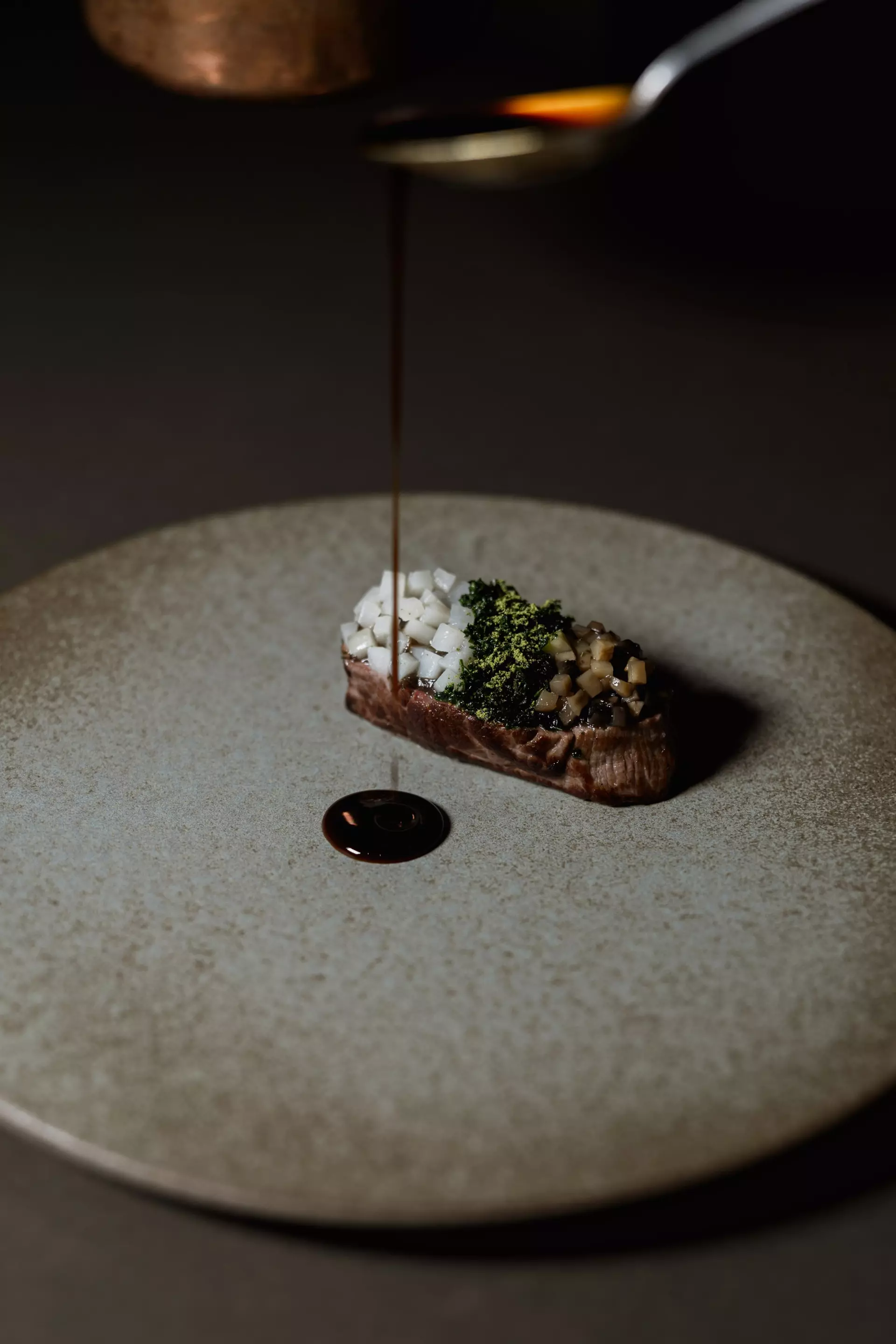
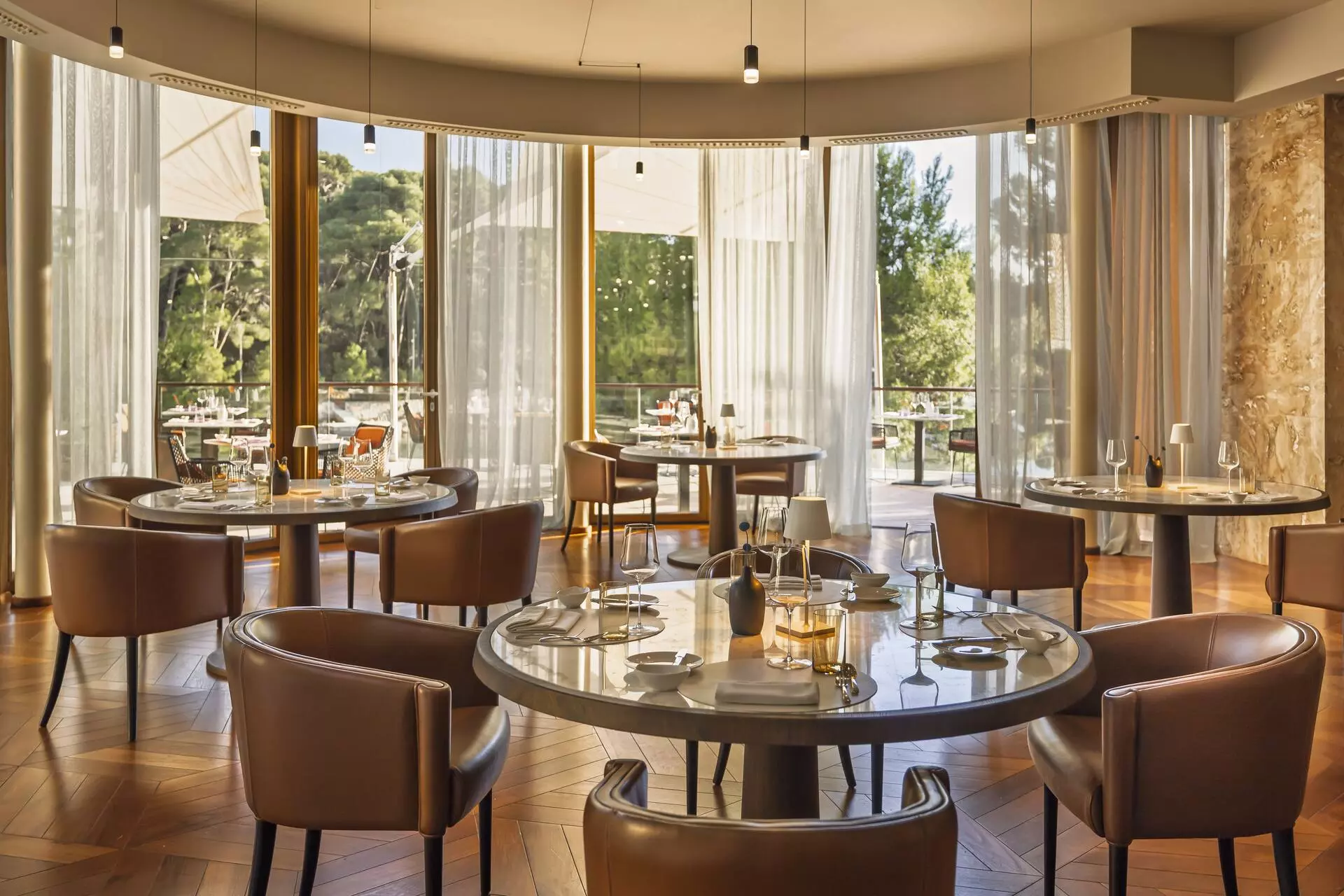
No serious conversation discussing Croatian haute cuisine can leave out Rudolf Štefan and his Pelegrini. One of the most beautiful squares on the Adriatic coast divides this restaurant and Šibenik's Cathedral of St. James. Pelegrini is not just a Michelin-star restaurant, but an institution that has redefined Dalmatia’s contemporary culinary identity. Štefan's approach is deeply evolutionary. He takes basic, historic dishes from all social levels and deconstructs them to their elemental flavors, rebuilding them into technically impeccable forms afterwards. The guiding principle at Pelegrini is local, in a very narrow sense of the word. Štefan has spent years cultivating a network of small producers, from fishermen to farmers from the hinterlands producing their own vegetables.
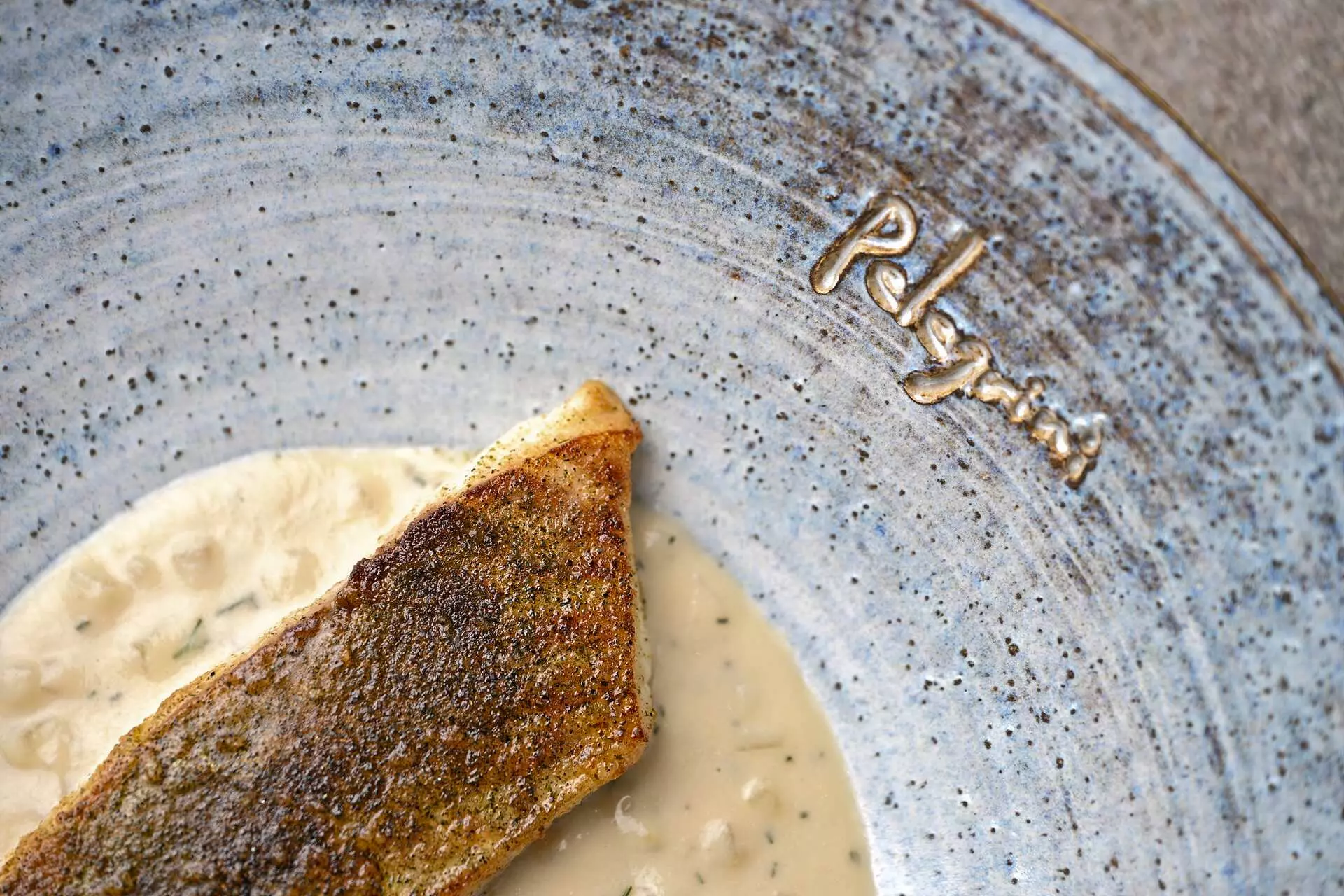
From the kitchen's amuse-bouches, balancing acidity, fat and salt, to the Dalmatian ‘marenda’ (early lunch), which is conceived as a dish to share, to the striking pairing of sea bream and mussels that develop their distinctive flavor at the confluence of the sea and the River Krka, Pelegrini achieves what is perhaps the hardest thing in haute cuisine: making guests feel genuine emotions. The Pelegrini experience doesn’t need to end at the table. Guests can head out to sea with Štefan himself, with the deck becoming an extension of the kitchen and the Šibenik archipelago a seasoning that makes every dish taste better. The Dalmatian way of life, framed by islands and exquisite food.
Krug: Split’s first Michelin-starred restaurant
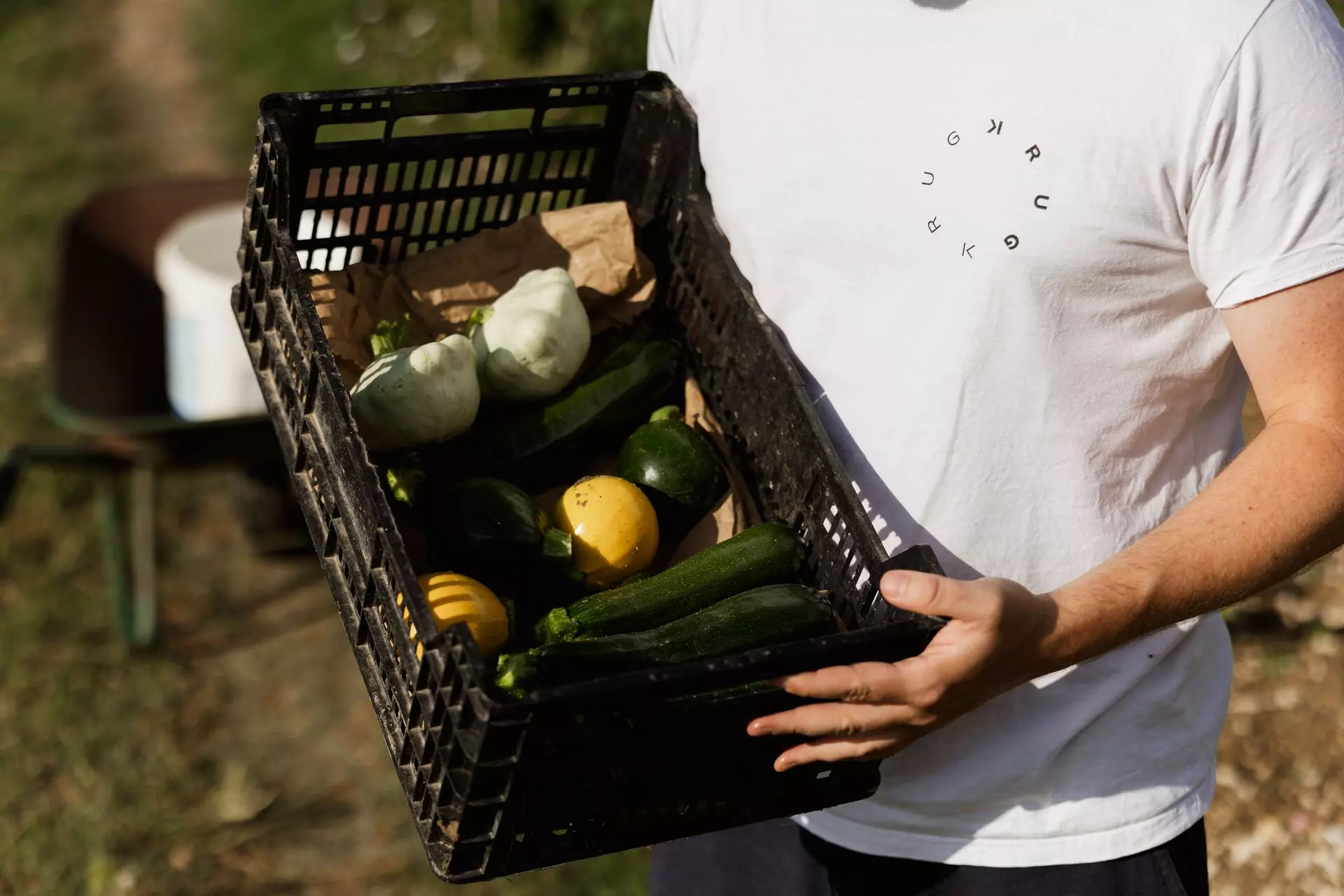
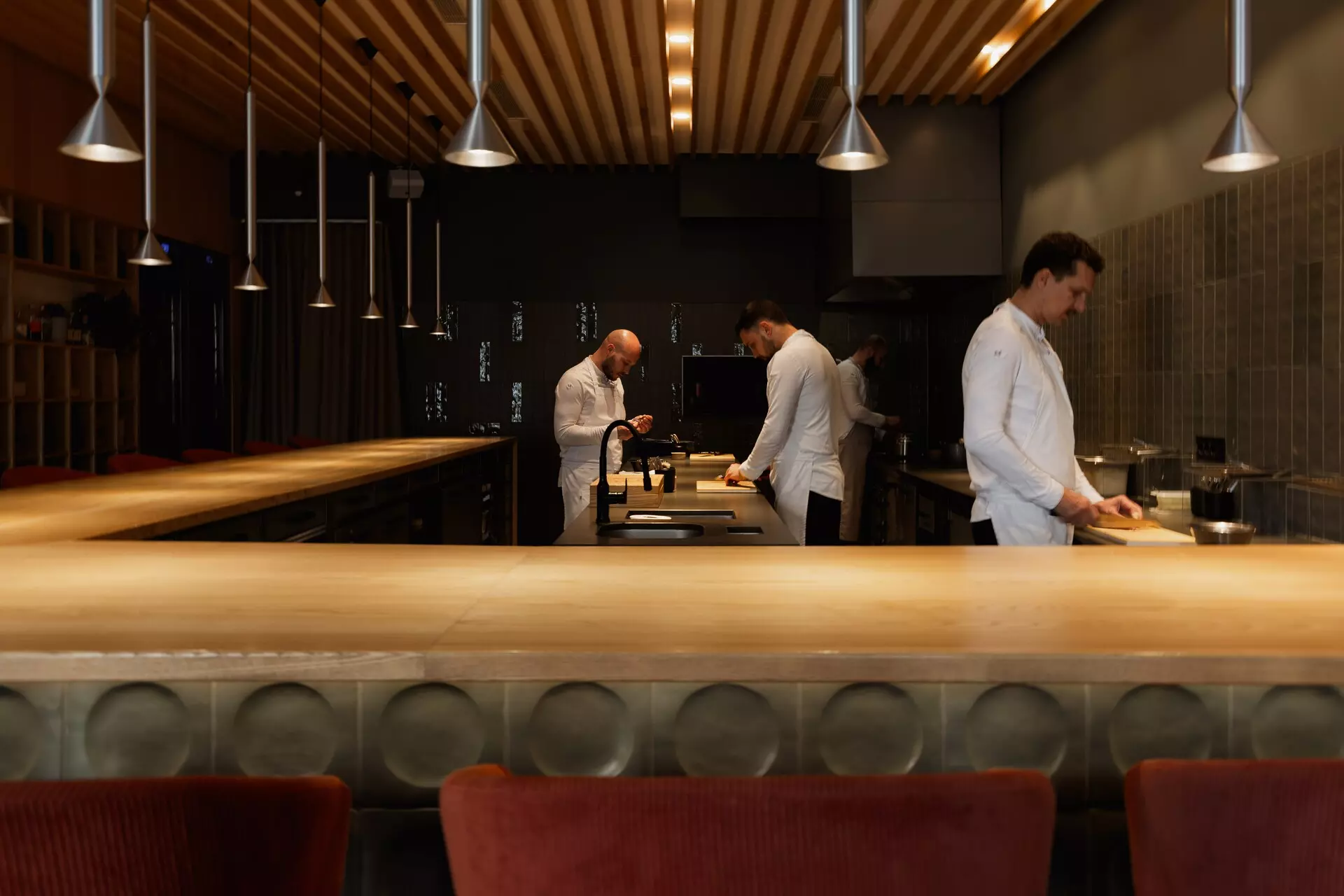
The idea for Split's first Michelin-starred restaurant, located steps from the Riva waterfront, appeared on the deck of a yacht. With twelve seats arranged around a counter encircling an open kitchen, Krug operates as an intimate culinary theatre. This concept came to young Split chef Karlo Kaleb while working aboard superyachts. Every dish is presented by the chefs, who speak about the origins and inspiration behind each one. Meat ages in open refrigerators visible from the dining room. Exclusively wild-caught fish from the Adriatic is used, while fruit and vegetables are grown on a small farm on Marjan hill. Guests can choose between a shorter five-course or a longer nine-course menu. What makes the experience even more authentic is Krug's total commitment to in-house production. Everything that reaches the table, from butter and bread to all ferments, pickled ingredients, and non-alcoholic drinks based on water kefir, sodas or kombucha, is made by Krug employees.
Korčula, LD Restaurant and the spirit of Marco Polo
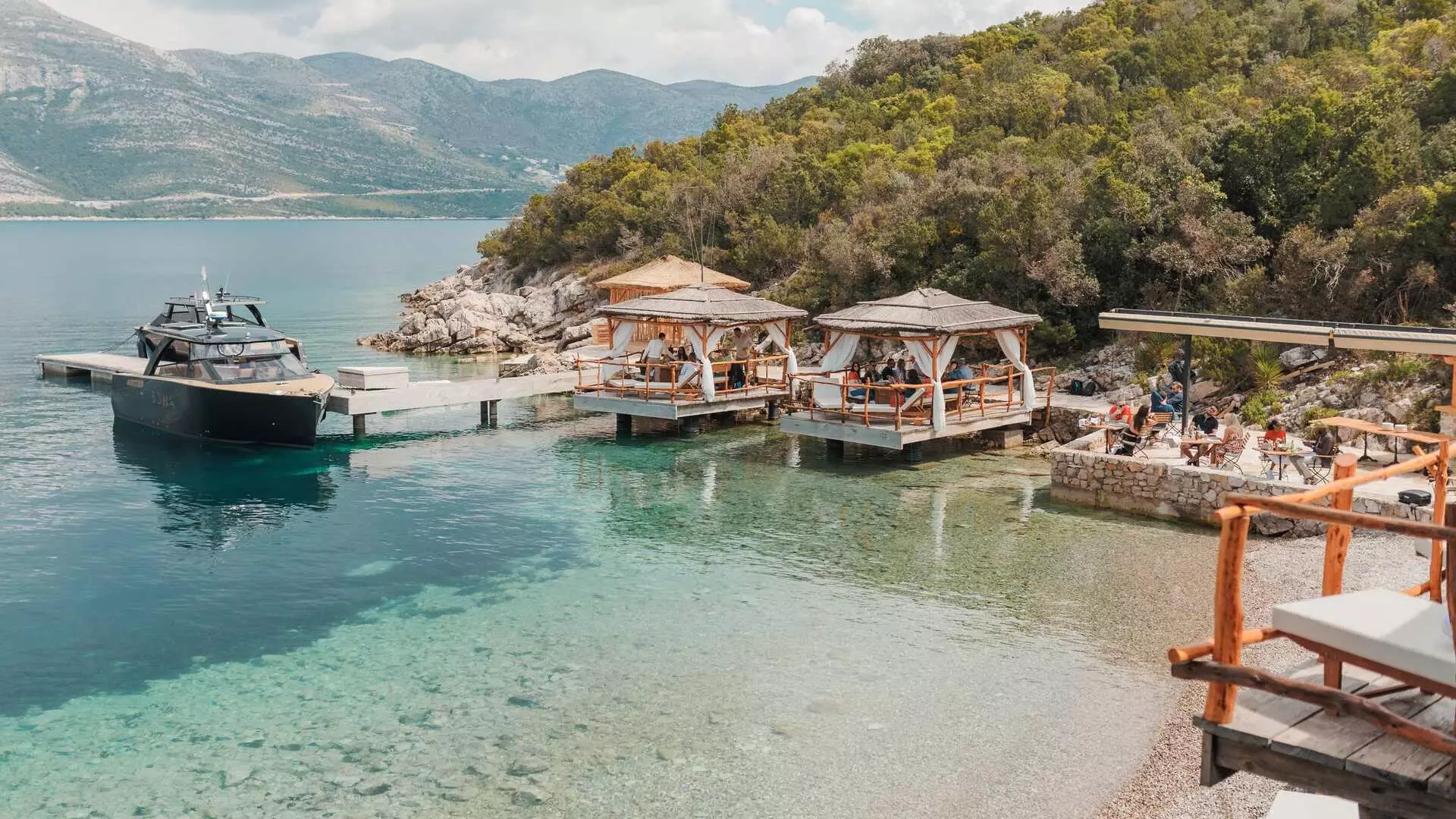
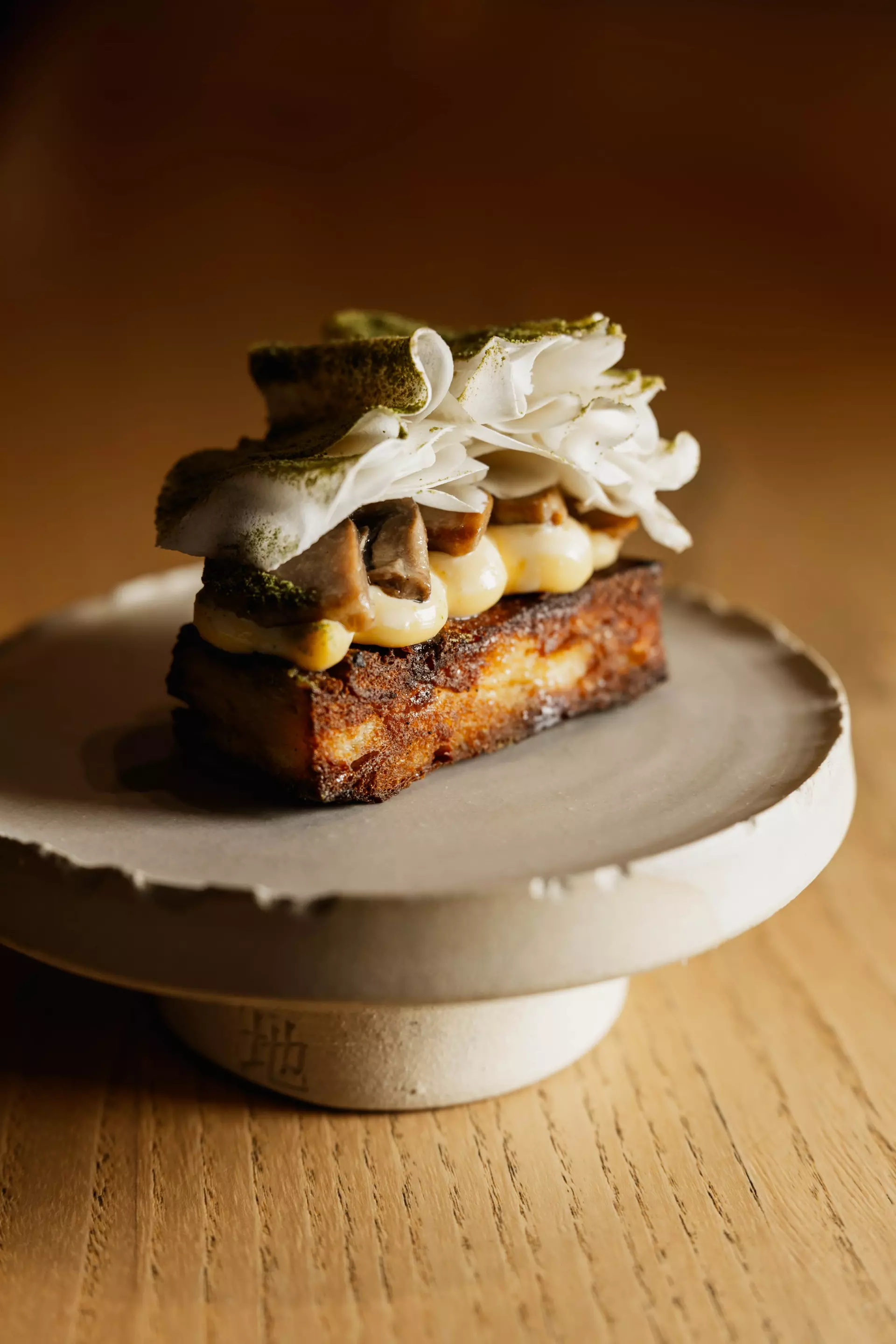
As we reach the end of the route, we come to Korčula. Here, cuisine is built around the travels of Marco Polo, and the food, wine and people who live and create on this island. Within the walls of Lešić Dimitri Palace, which is an 18th-century bishop's palace at the heart of the old town, chef Marko Gajski cooks with precision and emotion, guided by a clear ambition: besting his last year's self. According to him, gastronomy is the moment in which we surrender all our senses to a perfect mix of flavors, aromas and ambience. At LD, that moment unfolds across two six-course menus, with a classic and a vegetarian option, and a wine list curated by Dinko Lozica, recipient of the Michelin Sommelier Award in Croatia.
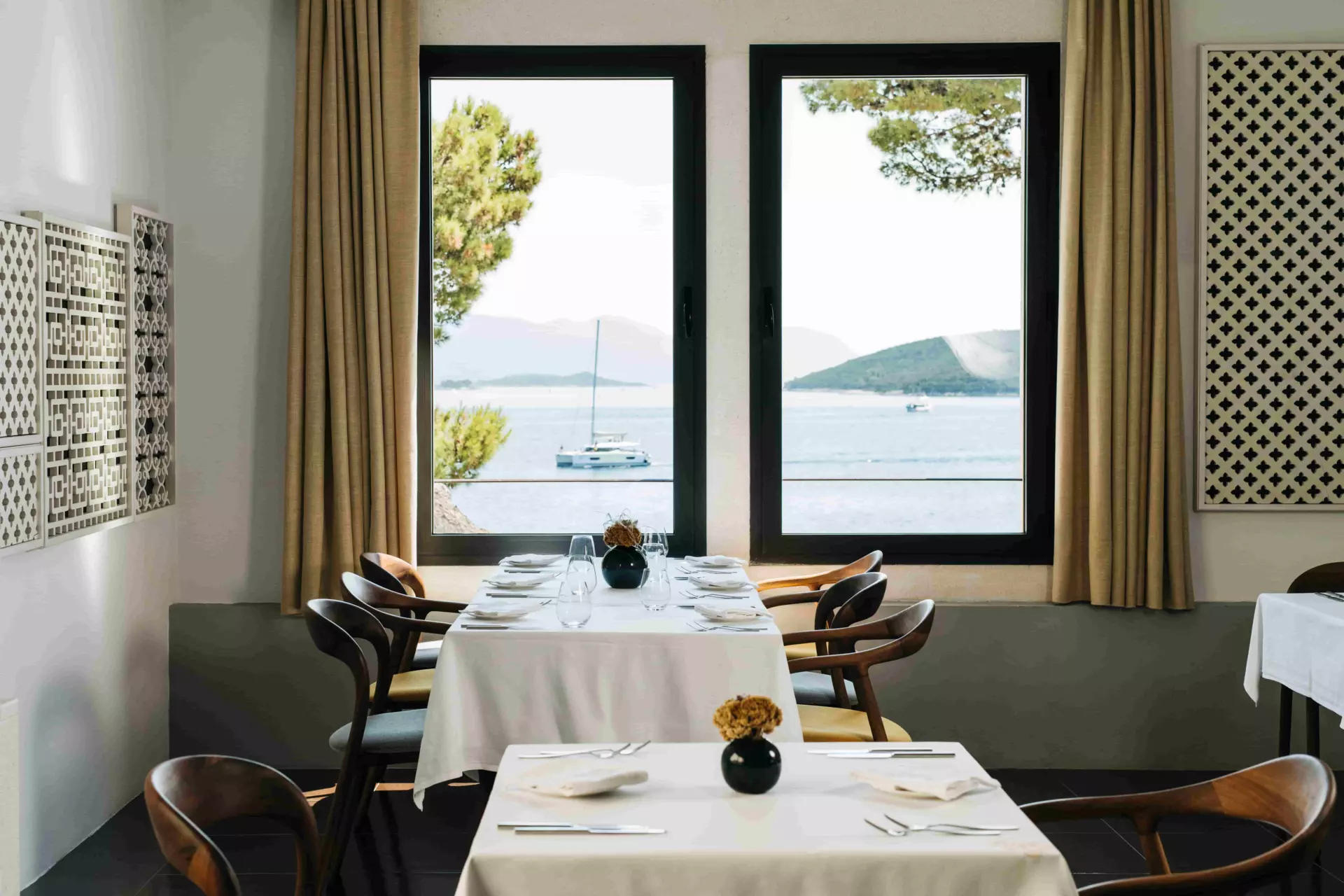
Photos Damil Kalogjera, Ivan Brčić, Cap Aureo, Agli Amici, Lošinj Hotels & Villas, Krug & LD Restaurant